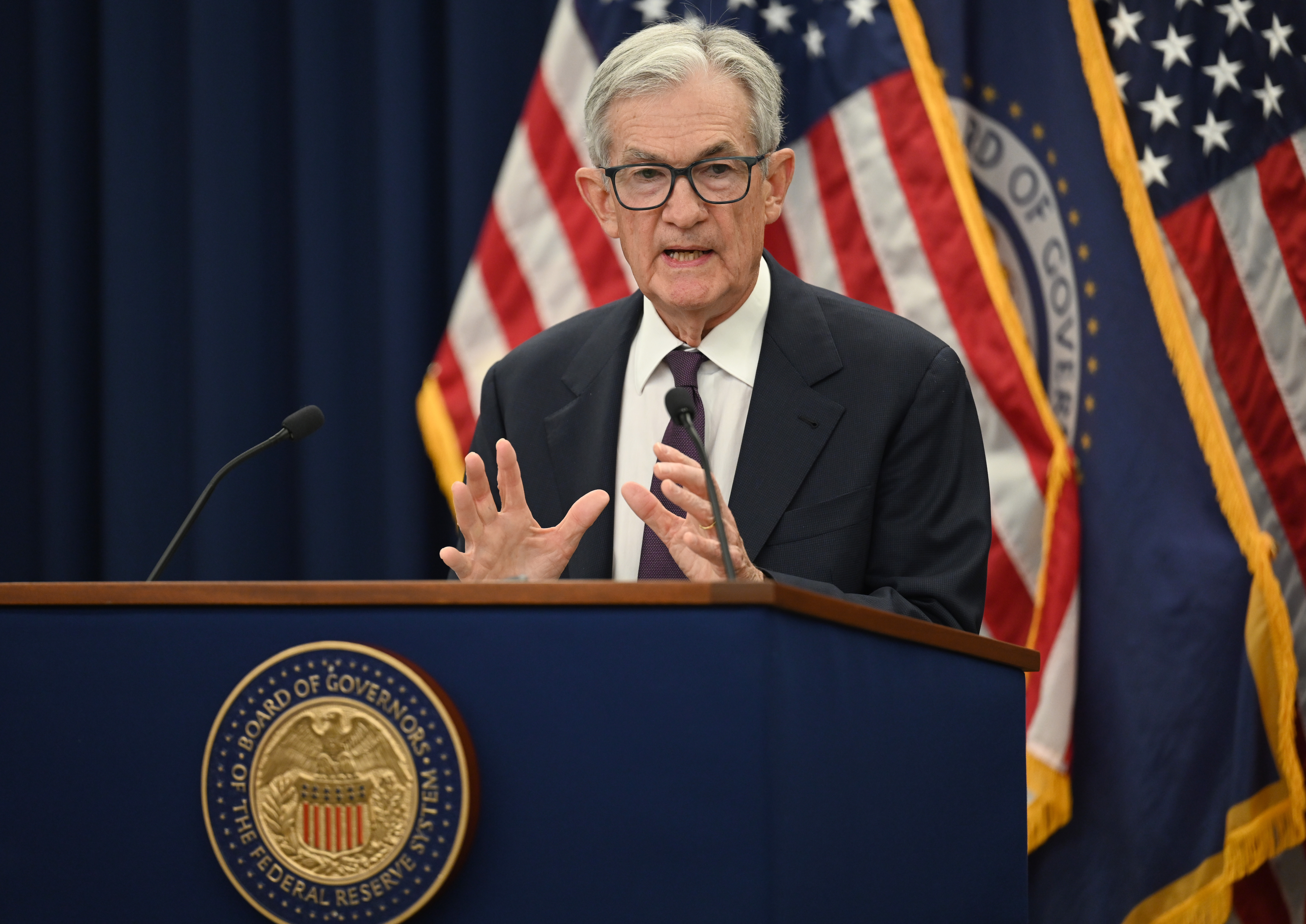
The Federal Reserve noted that the conflict involving Iran might increase inflation this year, though it does not expect a big impact on economic growth. They maintained the current interest rate at 3.6% and plan to cut rates in 2026. The Fed predicts inflation will rise to 2.7% by the end of this year due to higher gasoline prices, with a long-term target of returning to 2% by 2028.
Key Facts
The Federal Reserve expects the Iran conflict to raise inflation mainly through higher oil and gasoline prices.
The Fed kept the short-term interest rate at 3.6% during their latest meeting.
Policymakers anticipate decreasing interest rates in 2026.
Inflation is expected to hit 2.7% by the end of 2023.
Core inflation, which excludes food and energy, is also projected at 2.7% for the year.
The duration of the Iran conflict is a key factor in determining future inflation and rate decisions.
The Fed aims to reduce inflation to 2.2% by 2027 and reach their 2% target in 2028.
The Fed holds eight policy meetings yearly to discuss economic forecasts and rate moves.
Read the Original
Want the full story? Tap a source to open the original
article.
The U.S. central bank decided to keep interest rates steady in response to a rise in oil prices caused by the conflict involving the U.S., Israel, and Iran. This decision was made despite President Donald Trump’s push to lower rates, as the Federal Reserve is concerned about rising prices and economic uncertainty.
Key Facts
The Federal Reserve kept its key interest rate between 3.5% and 3.75%.
Oil prices have increased due to the conflict involving the U.S. and Iran, affecting economic stability.
President Trump has urged for lower borrowing costs, but the Fed remains cautious.
The rise in oil prices is pushing gas prices in the U.S. to the highest since 2024.
Policymakers expect inflation to reach 2.7% this year, up from a previous prediction of 2.4%.
Economic growth is forecasted at 2.4%, a slight increase from an earlier 2.3% estimate.
The unemployment rate is expected to remain steady at 4.4%.
Most members of the Fed's board anticipate at least one rate cut this year.
Read the Original
Want the full story? Tap a source to open the original
article.
Many companies are increasingly using Artificial Intelligence (AI) to screen job applications, which some job seekers find challenging. AI can quickly sort through applications, but this means fewer applications might be seen by humans. The process can be frustrating for applicants, and some are using AI themselves to write their applications.
Key Facts
Many job seekers experience quick rejections due to AI screening in the job application process.
AI is often used in the initial stages of hiring, such as reviewing resumes and conducting video interviews.
Job vacancies in the UK have reduced significantly since the peak after the pandemic.
About 89% of UK recruiters plan to increase their use of AI in hiring this year.
AI helps employers manage large numbers of applications but can leave many candidates frustrated.
Some candidates use AI to help write their job applications, matching the technology used by employers.
Law firms and other companies are testing AI tools to efficiently handle large volumes of applications.
There is a concern that AI may introduce bias in the recruitment process, though some believe it could also make it fairer.
Read the Original
Want the full story? Tap a source to open the original
article.
Senator Mark Warner is questioning a $10 billion fee related to TikTok's sale to U.S. buyers, reportedly paid to the U.S. Treasury Department. Warner is asking the Treasury Secretary how this fee was decided and plans to ensure it complies with federal rules. The deal involved Oracle and Silver Lake acquiring stakes in TikTok, with communication from key parties being notably absent.
Key Facts
Senator Mark Warner has concerns about a $10 billion fee linked to TikTok's sale.
The fee is reportedly paid to the U.S. Treasury Department.
Warner sent a letter to the Treasury Secretary asking about the fee's approval and compliance with the Anti-Deficiency Act.
The total price for TikTok's sale was $24 billion, not the initially reported $14 billion.
Oracle and Silver Lake each now own 15% stakes in TikTok U.S.
Neither the Treasury Department nor TikTok U.S. responded to requests for comment.
Details regarding the payment method for the fee remain unclear.
The situation reflects the government's involvement in approving the sale.
Read the Original
Want the full story? Tap a source to open the original
article.
Oil prices neared $110 a barrel after reports of an airstrike on a major gas field in Iran. The Brent crude oil benchmark spiked over 5% following the news, while Iran and Qatar responded to the incident with warnings and operational changes.
Key Facts
Oil prices rose sharply to almost $110 per barrel after an airstrike report on Iran's South Pars gas field.
The Brent crude oil benchmark increased by over 5%, reaching $109.91 a barrel.
UK gas prices also increased by 6% but later fell slightly.
Iran's oil ministry reported a fire at the gas complex that was under control, but damage details were unclear.
Iran's military warned of a strong response to attacks on its energy infrastructure.
Iran stopped gas supplies to Iraq to ensure domestic availability.
Qatar, which shares the gas field, paused some production due to the conflict.
Qatar's foreign ministry highlighted the threat to global energy security from such strikes.
Read the Original
Want the full story? Tap a source to open the original
article.
The UAE has long marketed itself as a stable financial hub separate from the conflicts in the Middle East. Recent regional tensions, including conflicts involving the US, Israel, and Iran, have challenged this image. Despite disturbances, the UAE has managed to maintain essential functions, demonstrating resilience that may strengthen its financial standing over time.
Key Facts
The UAE has promoted itself as a stable place for global business and investment.
Recent conflicts involving the US, Israel, and Iran have affected the UAE’s perception as a conflict-free zone.
These tensions led to temporary disruptions in flights and markets.
The UAE's stock exchanges were briefly suspended but then reopened.
Authorities in the UAE intercepted hundreds of missile and drone attacks with minimal infrastructure damage.
The UAE has shifted its focus from being seen as insulated from conflict to being resilient in the face of it.
Investors find resilience more valuable than the mere image of stability.
The UAE's ability to function under stress is becoming a key factor in its appeal to global investors.
Read the Original
Want the full story? Tap a source to open the original
article.
Economists say that higher gasoline prices might offset the extra money Americans get from tax refunds this year. The increased costs are due to expected rises in oil prices linked to the Iran war, which could mean people spend more on gas than they save in taxes.
Key Facts
Economists predict higher gasoline prices due to the Iran war might balance out the benefits of larger tax refunds.
The Stanford Institute for Economic Policy Research modeled a scenario where gas prices peak at $4.36 per gallon.
This price rise could cost the average household about $740 more this year in gas expenses.
The same household is expected to receive an average of $748 more in tax refunds due to new tax legislation.
Energy price forecasts are uncertain, and actual tax refund amounts can vary.
Some people, like non-drivers and electric vehicle owners, will not see increased gas costs.
Rising energy prices can increase costs for other goods and services, like airfare and shipping.
Higher energy prices might slow overall spending growth this year, despite increased tax refunds.
Read the Original
Want the full story? Tap a source to open the original
article.
Bentley, a luxury car maker based in Crewe, Cheshire, announced plans to cut up to 275 jobs as part of efficiency measures due to a significant drop in operating profits. The job cuts will affect management, agency, and non-manufacturing staff, though the company will continue investing in its Crewe site.
Key Facts
Bentley plans to cut up to 275 jobs.
The company's operating profits fell to £187 million in 2025, a 42% decline from 2024.
The job cuts will impact management, agency, and non-manufacturing roles.
Despite the cuts, Bentley will continue investing in its Crewe factory.
The GMB union expressed workers' surprise and anger over the job losses.
President Trump's tariffs and challenges in the Chinese market have impacted Bentley's sales.
Bentley remains one of the largest employers in Crewe and continues to attract workers from various areas.
David Bailey, a motor industry expert, mentioned that Bentley has faced some protection due to demand from wealthy buyers, despite broader industry challenges.
Read the Original
Want the full story? Tap a source to open the original
article.
Home insurance rates in the United States have increased faster than inflation in most states from 2020 to 2025. A report by LendingTree shows that insurance costs grew 45.8% nationally, while the inflation rate rose by 26.1%. Factors like natural disasters and increased building costs are contributing to this rise in insurance rates.
Key Facts
Home insurance rates have risen faster than inflation in 44 states and the District of Columbia.
Nationally, home insurance rates increased by 45.8% between 2020 and 2025.
Inflation, measured by the consumer price index, rose by 26.1% in the same period.
Only five states saw home insurance rates increase slower than inflation: West Virginia, Vermont, Maine, Alaska, and New York.
Colorado had the largest gap between insurance rate increases and inflation, with a difference of 74.4 percentage points.
Natural disasters and increased costs for building materials have driven up insurance rates.
Rising home insurance costs are affecting household budgets, impacting spending on essentials like groceries and utilities.
Read the Original
Want the full story? Tap a source to open the original
article.
Tariffs introduced by President Trump are increasing costs for American manufacturers. Companies like Allen Engineering Corp. are struggling due to the higher expenses for materials. While the White House claims construction is up, much of it stems from programs initiated during Joe Biden's presidency.
Key Facts
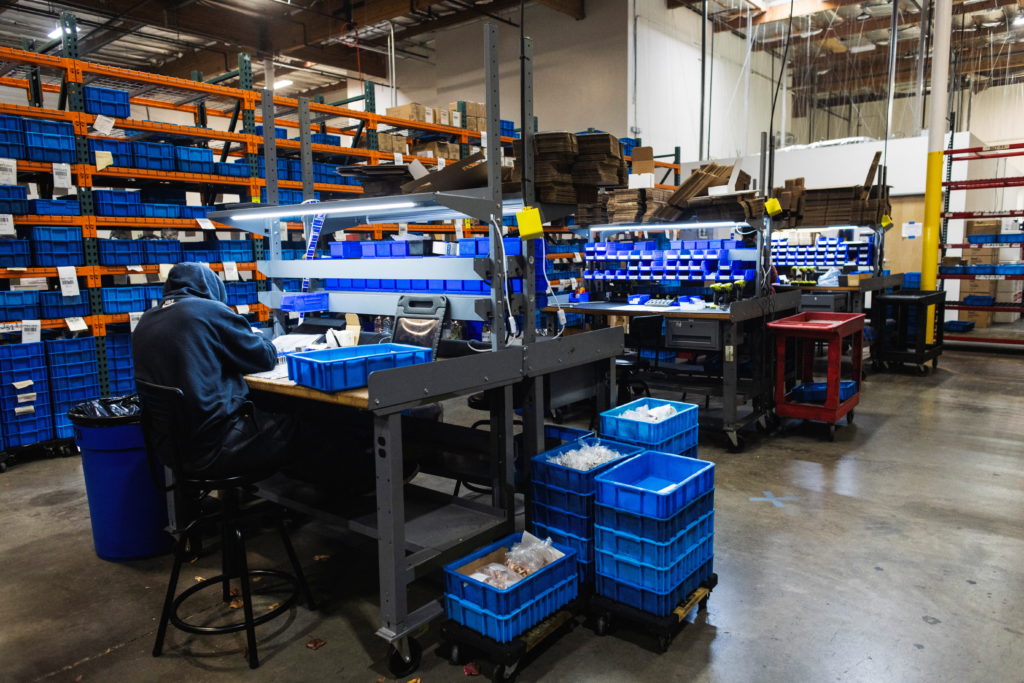
President Trump's tariffs are raising the costs of imported materials for U.S. manufacturers.
Allen Engineering Corp. has increased prices by 8-10% and reduced its workforce from 205 to 140 employees due to tariffs.
Manufacturing jobs have decreased, with 98,000 positions lost during Trump's first year back in office.
U.S. companies are suing the Trump administration for over $130 billion in tariff refunds.
The federal deficit is expected to increase in the coming years.
The White House claims that new factory projects and increased labor productivity could eventually benefit American manufacturing.
Some construction gains are linked to Biden-era policies, like the CHIPS and Science Act, which supported computer chip manufacturing.
Read the Original
Want the full story? Tap a source to open the original
article.
Social Security payments might see a bigger cost-of-living adjustment (COLA) in 2027 due to rising oil prices linked to a conflict with Iran. Higher oil prices are pushing up fuel costs, which could increase inflation and lead to larger future Social Security increases. This adjustment would help seniors cope with rising costs of goods and services.
Key Facts
Social Security's cost-of-living adjustment (COLA) could be larger in 2027 because of rising oil prices.
Oil prices have gone over $100 a barrel, causing fuel prices to rise by over 20% month-on-month.
The COLA is based on inflation data from the Consumer Price Index for Urban Wage Earners and Clerical Workers (CPI-W).
Energy costs make up about 6.2% of the CPI-W index.
If energy prices stay high, the 2027 COLA might rise to 3.5% or more.
More than 70 million Americans rely on Social Security payments.
Rising fuel prices can also lead to higher costs for groceries and other consumer goods.
Read the Original
Want the full story? Tap a source to open the original
article.
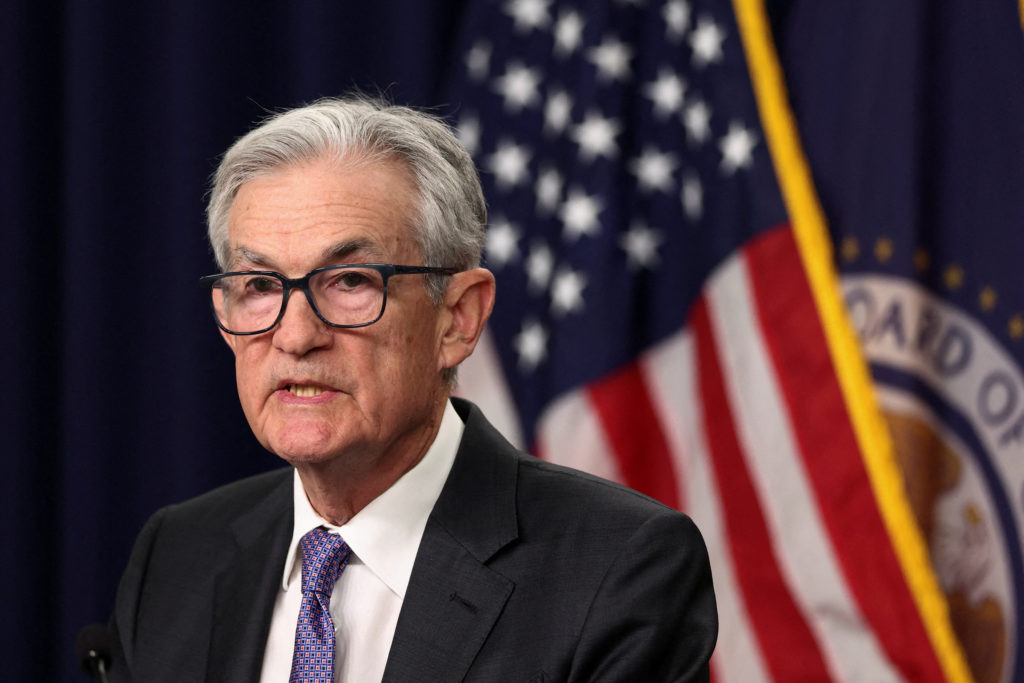
The Federal Reserve, led by Chair Jerome Powell, held a two-day meeting and decided to keep short-term interest rates unchanged. The ongoing conflict with Iran has led to higher oil and gas prices, affecting inflation projections for the year.
Key Facts
The Federal Reserve held a two-day meeting ending on a Wednesday.
Fed Chair Jerome Powell is expected to announce that rates stay at about 3.6%.
The Fed’s decision comes amidst rising oil and gas prices due to the Iran conflict.
There is uncertainty about whether the Fed will cut rates this year.
The conflict with Iran started on February 28 under the Trump administration.
The Fed might need to revise its inflation forecast higher due to recent events.
Previously, in December, inflation was projected to fall to 2.6% by year-end.
Read the Original
Want the full story? Tap a source to open the original
article.
The FDA updated the recall of Karns Prime and Fancy Foods' Mini Dark Chocolate Raspberry Cups to a Class I recall, the most serious level, because they might contain undeclared peanuts. This poses a high risk for people with peanut allergies, and the recall applies only to products distributed in Pennsylvania.
Key Facts
Karns Prime and Fancy Foods recalled their Mini Dark Chocolate Raspberry Cups due to undeclared peanuts.
The FDA classified this recall as Class I, which means there is a risk of serious health effects or death.
The recalled chocolate cups were sold in 8‑ounce clear plastic packets with the code 07851.
The affected products were distributed only in Pennsylvania.
No press release was issued; notices were sent by email to retailers and consumers.
Undeclared allergens, like peanuts, are a leading cause of food recalls in the U.S.
Individuals with peanut allergies should not consume these products and should seek medical help if they experience allergic reactions.
The FDA will keep monitoring the situation and provide updates on the recall.
Read the Original
Want the full story? Tap a source to open the original
article.
New research shows that the average age of a first-time homebuyer in England has increased to 34, compared to 29 in the mid-1990s. The study highlights growing challenges for young people trying to buy homes, such as needing two incomes, larger deposits, and longer mortgages.
Key Facts
The average age of first-time buyers in England is now 34.
In the mid-1990s, the average age was 29.
Only 6% of first-time buyers are under 25, compared to 25% in the 1990s.
More than half of first-time buyers need two incomes to purchase a home.
First-time buyers often require larger deposits, around a tenth more than an average salary.
Large portions of deposits come from family gifts and inheritance.
More than half of first-time buyers are committing to mortgages of 30 years or more.
The most and least affordable home areas in Great Britain vary significantly, with Scotland having many affordable spots and London having the least affordable.
Read the Original
Want the full story? Tap a source to open the original
article.
Some bars in London have decided not to sell Margot Robbie's gin, Papa Salt, because it contains oyster shells. This ingredient can be dangerous for people with shellfish allergies, leading to potentially severe allergic reactions. The gin will be reformulated to remove the oyster shells by 2026.
Key Facts
Margot Robbie launched Papa Salt gin with her co-founders in 2024.
The gin contains oyster shells used during the distillation process.
Oyster shells pose a risk to people with shellfish allergies.
Shellfish allergies can cause anaphylaxis, which is life-threatening.
Some London bars have chosen not to stock the gin due to allergy concerns.
A reformulated, oyster-free version of the gin will be available by the end of 2026.
The Natasha Allergy Research Foundation highlighted the importance of addressing hidden allergens.
Read the Original
Want the full story? Tap a source to open the original
article.
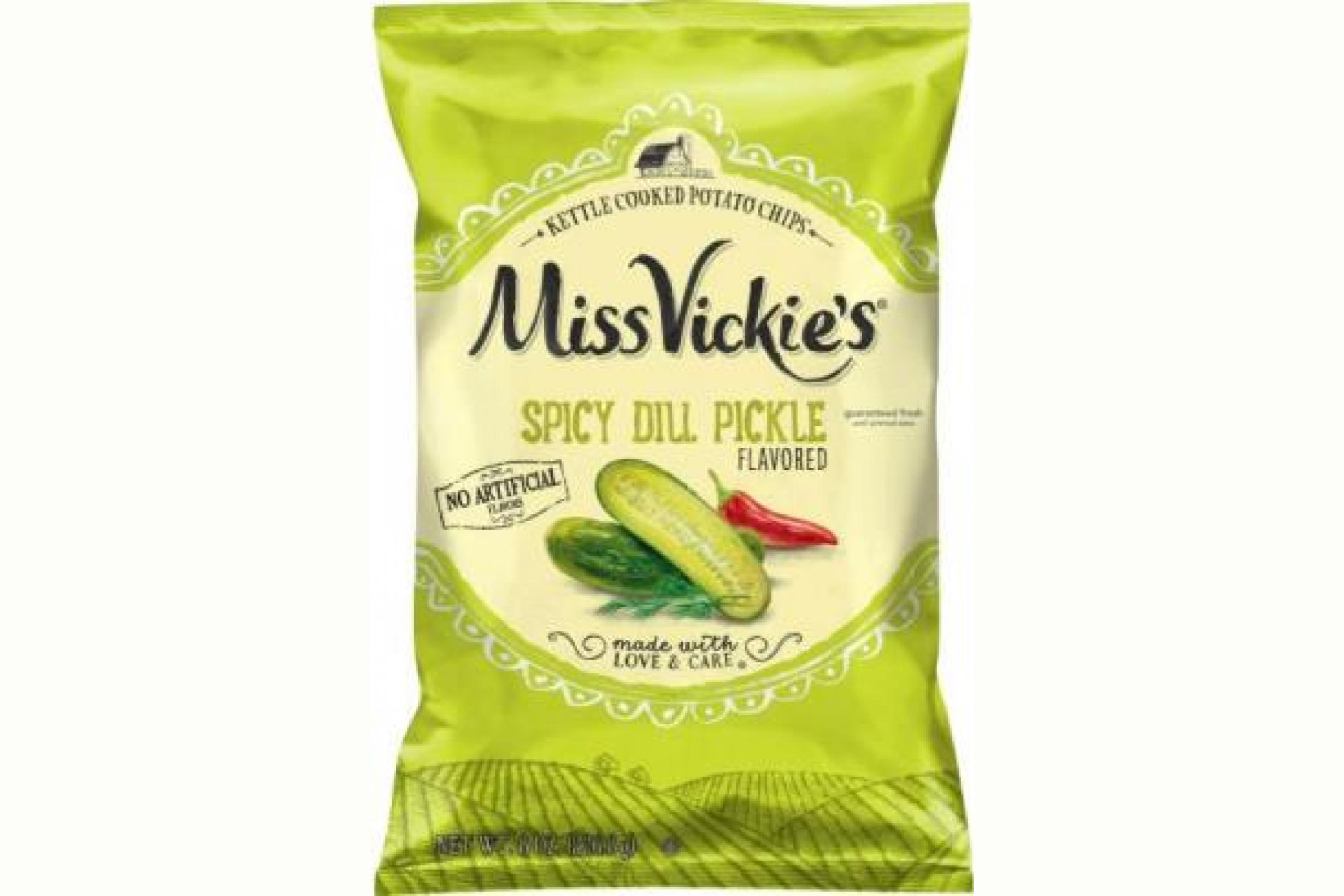
The FDA has issued a Class I recall for Miss Vickie's Spicy Dill Pickle Potato Chips due to the risk of life-threatening allergic reactions from undeclared milk in the product. Frito‑Lay initiated the recall after discovering the chips included undeclared jalapeño-flavored chips, which contain milk.
Key Facts
The recall is for Miss Vickie's Spicy Dill Pickle Potato Chips due to undeclared milk.
The FDA classified the recall as Class I, indicating a high risk of serious health effects.
The issue was discovered when jalapeño-flavored chips mixed with spicy dill pickle chips.
No illnesses or allergic reactions have been reported so far.
The recall affects 5,292 bags in 8-ounce packets.
The affected products have a "Guaranteed Fresh" date of April 21 and specific manufacturing codes.
The chips were distributed in several states, including Arkansas, Louisiana, and Texas.
Consumers with milk allergies should not consume the recalled chips and should dispose of them immediately.
Read the Original
Want the full story? Tap a source to open the original
article.
Older Americans now own more real estate wealth than middle-aged Americans, according to a Redfin report. Rising home prices and borrowing costs have made it harder for younger generations to buy homes.
Key Facts
Americans aged 70 and over own 26% of the nation's real estate wealth.
Middle-aged Americans (40-54) own 25.9% of the nation's real estate wealth.
Americans aged 55-69 hold the largest share at 35.3%.
Home buying is increasingly challenging due to higher home prices and mortgage rates.
The average age of U.S. homebuyers has risen from 39 to 59 in the past 15 years.
Baby Boomers believed buying a home was easier in their youth compared to today.
Younger Americans are expected to receive significant wealth inheritance from Baby Boomers by 2045.
Read the Original
Want the full story? Tap a source to open the original
article.
A pub landlord in Cheadle, Staffordshire, expressed frustration after 30 people failed to show up on Mother's Day. He had prepared extra staff and food, which increased costs without the expected revenue. Rising expenses, such as energy bills and business rates, are also challenging for his small business.
Key Facts
Connor Devine runs The Huntsman pub in Cheadle, Staffordshire.
On Mother's Day, 30 customers did not show up for their bookings.
Devine had organized extra staff and food in preparation for the day.
The pub has faced increased operating costs, including a 345% rise in gas and electricity bills over four years.
The pub does not currently require deposits for bookings but may consider it to reduce no-shows.
Devine expressed that the hospitality industry overall is dealing with many no-shows.
The landlord mentioned cutting back on expenses, including staff wages, due to financial challenges.
Read the Original
Want the full story? Tap a source to open the original
article.
Charlotte Briggs, a business management graduate, applied for 500 jobs in two months without finding work. Youth unemployment is high in the UK, with London facing significant challenges in job availability for young people. Both Charlotte and other young job seekers are encountering difficulties due to fewer job openings, high competition, and technological changes in job applications.
Key Facts
Charlotte Briggs, a 22-year-old with a degree in business management, applied for 500 jobs in two months but has not secured employment.
The UK youth unemployment rate is 22.5% for those aged 16 to 24, with London having the second-highest rate at 22.6%.
London has the highest overall unemployment rate in the UK at 7.6%, compared to the national average of 5.2%.
Young people face challenges due to fewer job openings, especially in retail and hospitality, and increased costs for employers.
Theo dal Pozzo, a master's graduate in computer science, has also applied to over 500 jobs without success, citing the impact of AI on job applications.
ChatGPT and other tech tools are blamed for fewer tech job openings, affecting young professionals.
The hospitality sector has lost approximately 100,000 jobs since October 2024, according to UK Hospitality.
Charlotte and Theo are both receiving universal credit while they continue to search for employment.
Read the Original
Want the full story? Tap a source to open the original
article.
India is set to produce cheaper versions of a popular weight-loss drug as the patent on its key ingredient expires, allowing local pharmaceutical companies to compete. This change could significantly lower costs and increase access to these drugs in India and potentially other countries. Experts believe the demand for these drugs will grow rapidly, as they are already used widely to aid weight loss and manage diabetes.
Key Facts
The patent for semaglutide, a key ingredient in popular weight-loss drugs, expires in India.
The expiration will allow Indian companies to release cheaper generic versions.
Analysts expect the semaglutide market in India could reach $1 billion.
Prices for existing drugs like Ozempic and Wegovy are currently high, but are expected to drop significantly.
Around 50 brands of semaglutide generics are expected to enter the market quickly.
India’s pharmaceutical industry is currently valued at about $60 billion and is expected to double by 2030.
Semaglutide is used for both diabetes and weight loss, affecting appetite and blood sugar.
Lower-priced drugs could help many Indians, with over 77 million people living with type-2 diabetes.
Read the Original
Want the full story? Tap a source to open the original
article.