A new set of luxury electric SUVs is launching in the U.S. market, targeting suburban families living in single-family homes. These vehicles fit the daily needs of families by offering convenient electric driving and home charging options, despite the current slow growth in U.S. electric vehicle sales.
Key Facts
Four new luxury electric SUVs coming in 2026 include BMW iX3, Volvo EX60, Mercedes-Benz Electric GLC, and Rivian R2.
About 40% of U.S. single-family homes have children under 18, making family-friendly SUVs a key market.
Luxury SUVs make up about 12% of new vehicle sales in the U.S., roughly 2 million cars per year.
Early electric SUV models like Tesla Model X, Cadillac Lyriq, and Rivian R1S helped normalize electric vehicle ownership.
EV sales in the U.S. dropped 26% in the first five months of 2026 but reached a peak of 12.1% of new car sales in late 2025.
Most EV charging (86%) happens at home, which is crucial for suburban buyers with driveways.
Customers who already own EVs are very likely (96%) to buy another EV in the future.
Lack of public charging and no access to home charging are major reasons some shoppers avoid electric vehicles.
Read the Original
Want the full story? Tap a source to open the original
article.
The Trump administration has restarted its tariff policy by using a different legal method to impose tariffs on imports from over 80 countries. This new approach targets goods made with forced labor and affects many nations, including some U.S. allies, with tariffs of up to 12.5 percent.
Key Facts
The U.S. Trade Representative (USTR) announced tariffs using Section 301 of the Trade Act of 1974.
The tariffs target imports from about 60 economies, totaling over 80 countries including the European Union, Canada, and the UK.
Tariffs of up to 12.5 percent will be imposed on goods linked to forced labor.
The previous tariff policy under the International Emergency Economic Powers Act (IEEPA) was struck down by the U.S. Supreme Court in February.
Section 301 allows the U.S. to investigate foreign trade practices and impose tariffs to protect American businesses.
Critics say these tariffs may push other countries to seek trade deals without the U.S., like recent agreements between the EU and Mercosur or EU and India.
The USTR claims the tariffs level the playing field for American workers facing unfair competition.
The new tariffs were proposed in March after investigations found the targeted countries failed to stop imports made with forced labor.
Read the Original
Want the full story? Tap a source to open the original
article.
Mike Ashley’s Frasers Group made a new offer to buy the Australian footwear company Accent Group, after recently bidding to take over German fashion brand Hugo Boss. Frasers already owns almost 23% of Accent and wants to buy the rest for 65 Australian cents per share, matching the current share price.
Key Facts
Frasers Group owns 22.9% of Accent Group and offered A$0.65 per share for the rest of the company.
The bid values Accent at A$316 million (£166 million).
Last week, Frasers also made a nearly €2 billion (£1.73 billion) offer to buy Hugo Boss.
Frasers owns other brands including Frasers department stores, Sports Direct, and Evans Cycles.
Accent sells brands like Skechers, Lacoste, and Hype through more than 800 stores in Australia and New Zealand.
Accent’s shares dropped about 20% this year due to lower sales and profit margins.
Frasers expressed concerns about Accent’s management decisions, including high executive pay and focus on payouts to shareholders during financial challenges.
Accent said its board is reviewing the offer and will give a recommendation to shareholders later.
Read the Original
Want the full story? Tap a source to open the original
article.
Gina Rinehart’s company, Hancock Prospecting, made a large investment in Elon Musk’s SpaceX as the company started trading on the stock market. SpaceX raised $75 billion in its initial public offering and is now valued at $2.1 trillion.
Key Facts
Hancock Prospecting bought shares in SpaceX during its initial public offering (IPO).
The investment amount was reportedly at least A$1.4 billion (around US$1 billion), though not officially confirmed.
SpaceX raised $75 billion from its IPO and has a market value of $2.1 trillion after its first day of trading.
SpaceX plans include launching up to 1 million data centers in space and creating colonies on the moon and Mars.
The company currently operates at a loss and may never make a profit, according to its investor prospectus.
Hancock Prospecting is interested in working on AI infrastructure with SpaceX and could supply critical minerals for its technology.
SpaceX’s CEO Elon Musk owns the majority of shares and became the world's first trillionaire after the IPO.
SpaceX is now the eighth-largest company listed on Nasdaq, bigger than Tesla and Meta.
Read the Original
Want the full story? Tap a source to open the original
article.
Starbucks stores in South Korea will close early next week to give employees lessons on history after a marketing campaign upset many people. The campaign by Starbucks Korea mistakenly referred to an important and painful event in South Korea’s fight for democracy, causing public anger and the firing of the local CEO.
Key Facts
Starbucks Korea used the term “Tank Day” and the date “5/18” to promote coffee tumblers, reminding people of the 1980 military crackdown on a pro-democracy protest in Gwangju.
The 1980 crackdown involved the military violently stopping a student-led protest against a military leader, resulting in hundreds or possibly thousands of deaths.
The campaign caused public outrage because it seemed disrespectful to an important moment in South Korean history.
Starbucks Korea’s CEO, Son Jung-hyun, was fired due to the marketing mistake.
Starbucks’ worldwide headquarters said the error was unintentional but should not have happened.
All Starbucks stores in South Korea will close at 3pm on a Monday next week for employee training on history and social sensitivity.
This is the first time since Starbucks opened in South Korea in 1999 that all stores will close early together.
Shinsegae Group, the operator of Starbucks Korea, said top leaders will also attend the training separately the following Wednesday.
South Korea has over 2,000 Starbucks stores, making it the chain’s second-largest market after China.
Read the Original
Want the full story? Tap a source to open the original
article.
David Munk has been named the new editor of Guardian Australia, replacing Lenore Taylor who resigned after ten years. Munk has significant experience with the Guardian in both Australia and the UK and aims to continue the publication’s focus on independent journalism.
Key Facts
David Munk was appointed editor of Guardian Australia by Guardian News and Media.
Munk previously worked as international news editor and deputy editor under Lenore Taylor.
Lenore Taylor led Guardian Australia for ten years before stepping down in February.
Munk has held senior roles at the Guardian in the UK and the UK Daily and Sunday Telegraph.
Guardian Australia is the fourth most-read news site in the country with 7.4 million unique readers.
The publication is known for its political, environmental, and Indigenous reporting and has won several industry awards.
Guardian Australia has 140 editorial staff across four Australian cities and is funded by reader contributions and advertising.
Munk briefly served as acting editor after returning to Sydney before his appointment as editor.
Read the Original
Want the full story? Tap a source to open the original
article.
Australian company Sigma Healthcare has stopped talks to buy the UK pharmacy chain Boots, which was valued at about $10 billion. Sigma said the deal did not fit its business goals, and it will focus on growth in Australia instead.
Key Facts
Sigma Healthcare is an Australian pharmaceutical wholesaler and retailer.
Boots is a UK health and beauty retailer with 1,800 stores and a 177-year history.
The potential deal to buy Boots was reported to be worth around $10 billion.
Sigma said the takeover would not meet its strategic and investment goals.
Boots’ owner, Walgreens Boots Alliance, was sold to US private equity group Sycamore Partners last year.
Canada’s Weston family has also talked to Boots about a possible deal.
Sigma recently merged with Chemist Warehouse, forming a group worth 30 billion Australian dollars.
Sigma shares rose 6% after announcing it dropped the Boots deal, with investors favoring focus on current opportunities.
Read the Original
Want the full story? Tap a source to open the original
article.
Elon Musk became the world’s first person to have a fortune worth $1 trillion after SpaceX started selling its shares to the public. To show how big $1 trillion is, the article gives examples of what that money could do, like help fight famine or provide clean water globally.
Key Facts
Elon Musk’s wealth reached $1 trillion when SpaceX had an initial public offering (IPO).
A trillion is a number with 12 zeros, equal to 1,000 billion.
Spending $1 million every day would take about 2,700 years to use $1 trillion.
With $1 trillion, you could fund global famine relief 166 times.
The money could provide clean water to everyone on Earth for 20 years.
It could also rebuild Gaza 14 times.
Giving $125 to every person in the world would also cost about $1 trillion.
The article offers an interactive way to imagine spending $1 trillion across 35 categories.
Read the Original
Want the full story? Tap a source to open the original
article.
Darren Summers, a barman from Tynewydd, Wales, won a £3.5 million house in Cornwall and £250,000 in cash through a competition by Omaze. He first thought the prize call was a joke but later confirmed his win and celebrated by buying drinks for his pub customers.
Key Facts
Darren Summers is a 50-year-old barman from Tynewydd, Wales.
He won a £3.5 million four-bedroom house on the Cornish coast.
The house includes a heated outdoor pool and hot tub.
The property could rent for £5,000 to £8,000 per month.
Darren also won £250,000 in cash from the competition.
He bought his winning entry ticket for £20.
The announcement happened while Darren was working a busy shift at the pub.
He plans to retire early and stop working in the pub to enjoy his new home.
Read the Original
Want the full story? Tap a source to open the original
article.
A study shows many disabled people with lifelong conditions are being made to go through repeated benefit reassessments even though their conditions do not improve. This practice wastes public money and negatively affects the health of claimants. Recent changes extended reassessment periods but do not stop unnecessary reviews.
Key Facts
Hundreds of thousands of disabled people with lifelong conditions face repeated Personal Independence Payment (PIP) reviews.
73% of people with learning disabilities and 86% of amputees were given fixed-term awards requiring reassessment every three years.
Conditions like multiple sclerosis and Parkinson’s disease, which usually do not get better, still often lead to fixed-term awards.
Almost 75% of reassessments last year did not change payment amounts for claimants.
Only 6.9% of new claims in 2025 received lifetime or long-term awards, which are supposed to reduce reassessments.
The time between reassessments for new claimants changed from two to three years recently.
The Department for Work and Pensions spends over £350 million annually on PIP assessments done by private companies.
The reassessment process can take about 38 weeks on average and often involves reviewing claimants from the beginning instead of focusing on changes in their condition.
Read the Original
Want the full story? Tap a source to open the original
article.
Many manufacturing companies in Britain face bankruptcy or plan to move overseas because of very high energy costs. Industry leaders warn that without government help to lower energy prices, the UK's industrial sector could shrink significantly.
Key Facts
High energy prices in the UK are about twice those in Europe and four times higher than in the US.
A quarter of manufacturing firms plan to move production overseas or already have.
One in ten companies think they might go bankrupt within a year.
Nearly half of the firms have seen energy bills rise due to conflicts in the Middle East.
Most companies have raised prices for customers but still expect lower profits.
About 38% have delayed investments, and over 20% have cut jobs because of high costs.
Larger companies tend to move production to Europe or Asia for cheaper energy; smaller firms cut costs to survive.
Industry group Make UK wants the government to cover energy taxes for factories, like in France and Germany, and expand current subsidy programs.
Read the Original
Want the full story? Tap a source to open the original
article.
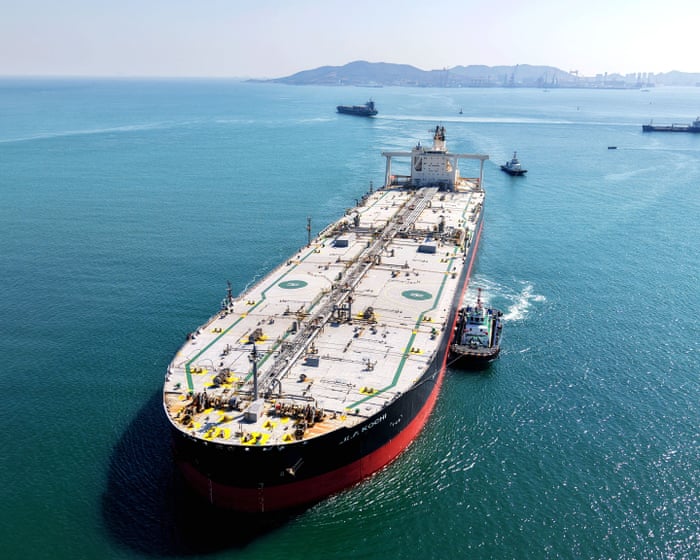
Global oil prices have dropped after hopes grew that a US-Iran peace deal could soon reopen the Strait of Hormuz, a key oil shipping route. President Donald Trump announced the deal was "now complete," which helped push Brent crude prices below $84 a barrel.
Key Facts
Brent crude oil price fell below $84 a barrel due to optimism about reopening the Strait of Hormuz.
The Strait of Hormuz closure since early March has removed about 20 million barrels of oil per day from the market.
President Trump stated the US-Iran peace deal is complete, despite recent Israeli airstrikes.
Details of the deal, including reopening timing and security arrangements, are still unclear.
Iranian officials mentioned a 60-day period for further negotiations on nuclear and sanctions issues.
The US military reportedly helped transport about 2 million barrels of oil daily through "dark tankers" to ease supply issues.
Global oil demand has decreased by 3 to 4 million barrels a day, partly due to China cutting imports and refinery slowdowns in Asia.
Analysts expect oil supplies to gradually recover but warn that prices could rise during the summer demand surge.
Read the Original
Want the full story? Tap a source to open the original
article.
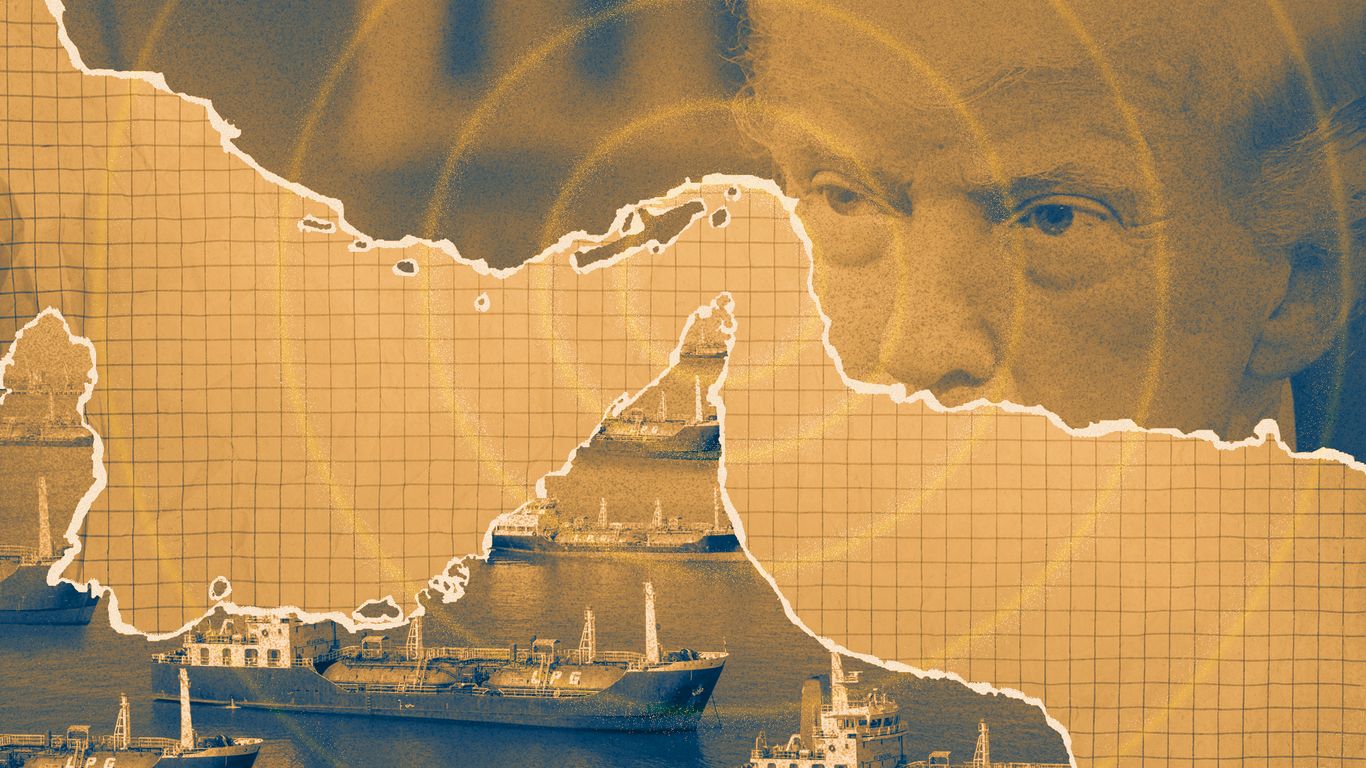
Oil prices dropped sharply after Pakistan announced a deal between the United States and Iran that would reopen the Strait of Hormuz, a major shipping route for oil. The deal is expected to ease tensions and restore the flow of oil through this critical passage.
Key Facts
Oil prices fell significantly, with Brent crude down 3.8% to $84.02 a barrel and US oil down 4.1% to $81.40.
Pakistan, acting as a mediator, announced a US-Iran deal to reopen the Strait of Hormuz.
The reopening agreement will be officially signed on June 19 in Switzerland.
President Donald Trump confirmed on social media that “oil will flow” again through the strait.
The Strait of Hormuz was effectively closed since late February after US and Israeli airstrikes on Iran.
Iran had threatened to attack ships using the strait, which usually handles about 20% of the world’s oil and liquefied natural gas.
Oil prices rose from around $70 before the conflict to a peak near $120 during the heightened tensions.
The stability of the Strait of Hormuz is crucial to global energy markets and the wider economy.
Read the Original
Want the full story? Tap a source to open the original
article.
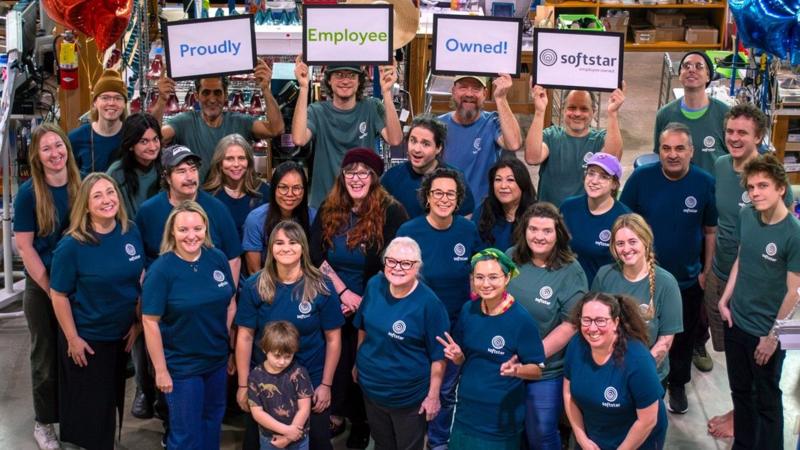
Softstar Shoes in Oregon sold its business to its 30 employees through an Employee Ownership Trust as the owner prepared for retirement. This approach is becoming more common in the US, helping preserve jobs, motivate staff, and keep businesses local as many baby boomer owners retire.
Key Facts
Softstar Shoes transferred ownership from sole owner Tricia Salcido to its 30 employees in January 2026.
Salcido plans to stay on as chief financial officer during the transition.
Employee ownership encourages staff to contribute ideas and share in the company's risks and rewards.
A 2025 study estimated that up to 600 US firms are sold to employees each year.
Investment funding for such employee buyouts rose from $500 million in 2024 to $865 million in 2025.
Research shows employee-owned firms tend to be more productive, pay higher wages, and reduce layoffs.
Many US small business owners are retiring, with about six million firms expected to change hands by 2035.
Employee Ownership Trusts allow employees to own the company via a trust that pays former owners over time without upfront costs.
Read the Original
Want the full story? Tap a source to open the original
article.
Many US business owners who are retiring are selling their companies to their employees instead of outside buyers. This trend helps keep jobs local and can motivate staff because they share ownership and profits. Employee ownership is growing, supported by rising investment funds and various legal structures.
Key Facts
Softstar Shoes in Oregon sold its business to its 30 employees in January.
Owner Tricia Salcido is staying on as chief financial officer while planning for retirement.
Selling companies to employees is becoming more common in the US, with about 600 firms sold this way each year.
Investment funds to support employee buyouts grew from $500 million in 2024 to $865 million in 2025.
Employee-owned companies tend to have higher productivity, pay better wages, and reduce layoffs.
Many retiring "baby boomer" business owners face decisions on selling as about six million small and medium firms will change hands by 2035.
Harvard Business School experts say employee ownership can help companies survive and appeal to owners who care about their workers.
Various legal tools help employees buy companies, such as Employee Ownership Trusts, where a trust owns the company on behalf of workers and pays the owner over time.
Read the Original
Want the full story? Tap a source to open the original
article.
Fraud cases in the UK have sharply increased, with criminals using artificial intelligence (AI) to trick people and steal money. In 2025, scammers stole almost £1.3 billion through various schemes, including fake online shopping, investment scams, and romance fraud.
Key Facts
There were 4.1 million fraud cases reported in the UK last year, an 11% increase from the previous year.
The total amount stolen by scammers reached nearly £1.3 billion in 2025.
Investment scams rose by 40% in one year, hitting a new record.
Purchase scams happen when criminals use stolen card details to buy things online, and these reached record levels.
Some fraudsters use fake social media and dating profiles to build fake relationships and steal money.
AI technology is being used by criminals to mimic voices and create more convincing scams.
Experts say many scams go unreported, so the real problem is even bigger.
UK Finance calls the fraud issue a national security threat and urges tech companies to improve monitoring and security on their platforms.
Read the Original
Want the full story? Tap a source to open the original
article.
Sales of convertible cars in the UK have fallen by nearly 90% over the last 20 years, dropping from about 109,000 in 2005 to around 11,000 last year. Meanwhile, SUVs have become much more popular, making up nearly 60% of car sales in Europe, as they offer more practicality and appeal to people who want style and space.
Key Facts
Convertible car sales in the UK dropped from 109,171 in 2005 to 11,484 in 2023.
SUVs now account for 59% of car sales across Europe.
Convertibles were once seen as symbols of style and freedom, popular in the 1950s and 60s and featured in classic films.
SUVs are now favored by celebrities and the public for their size, style, and practicality.
Building convertibles is more expensive due to safety rules and the need for special designs.
Few affordable convertible models remain; most are now high-end cars with higher profit margins.
Fans of convertibles enjoy the unique feeling of freedom they offer while driving.
The decline in convertibles is linked to changing tastes and practical needs like carrying children, pets, and gear.
Read the Original
Want the full story? Tap a source to open the original
article.
Oil prices dropped more than 4% to their lowest point in over three months after the U.S. and Iran agreed to extend a ceasefire. This deal could reopen the Strait of Hormuz, a key route for global oil shipments, easing supply problems that have raised gas prices worldwide.
Key Facts
Crude oil prices fell over 4%, with Brent crude at about $84.21 per barrel and U.S. WTI crude around $81.38 per barrel.
The U.S. and Iran reached a ceasefire extension that may reopen the Strait of Hormuz, a narrow passage handling about 20% of global oil trade.
Restrictions on oil traffic since February caused a sharp rise in oil and gasoline prices, affecting the global economy.
U.S. gasoline prices peaked near $4.56 per gallon in May but recently dropped to about $4.07 per gallon.
The ceasefire deal could increase tanker traffic through the strait but will take time for producers to raise oil output again.
It is uncertain how quickly ship owners will resume using the waterway fully.
The deal is seen as the biggest diplomatic progress in the conflict and could help resolve broader issues with Iran’s nuclear program.
Gas prices are not expected to return to levels before the war soon.
Read the Original
Want the full story? Tap a source to open the original
article.
Tyra Banks has sued Netflix and the makers of the documentary "Reality Check: Inside America’s Next Top Model," claiming the footage of her interviews was heavily edited to create a false story. She says the documentary wrongly suggests she ignored a sexual assault on the show, while she asserts she was not told about this issue during filming.
Key Facts
Tyra Banks sued Netflix, the directors Daniel Sivan and Mor Loushy, and EverWonder Studio for defamation.
She was interviewed for three and a half hours, but only 16 minutes were used and edited to change her message.
The lawsuit claims the edited documentary falsely shows Banks ignoring a sexual assault complaint during the show.
Banks states she was not informed or questioned about the sexual assault during her interviews.
She was not allowed to see the documentary until one day before its release and was excluded from fact-checking or responding to claims by others.
Some former judges from the show, possibly hostile to Banks, were involved in making the documentary.
Banks requested the full interview footage from Netflix, but they denied access.
The documentary’s release led to public backlash against Banks, including negative online reviews of her ice cream shop in Australia.
Read the Original
Want the full story? Tap a source to open the original
article.
Sherbro Island, located off the coast of Sierra Leone, is planned to be developed into a major international business and investment center. The project aims to compete with well-known cities like Singapore and Hong Kong. Developer Siaka Stevens and supporters, including actor Idris Elba, are working on making this vision a reality.
Key Facts
Sherbro Island is in Sierra Leone, a country in West Africa.
The goal is to create a global business hub on the island.
The project is ambitious and aims to compete with cities like Singapore and Hong Kong.
Siaka Stevens is leading the development effort.
Idris Elba, a well-known film star, supports the project.
The project focuses on attracting international business and investment.
The BBC’s Ed Butler reported on the progress and challenges of this effort.
The transformation is still in progress and its success remains uncertain.
Read the Original
Want the full story? Tap a source to open the original
article.