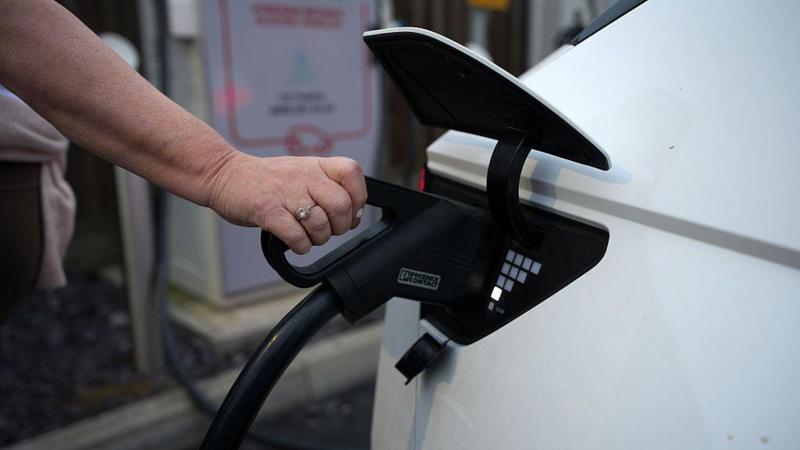
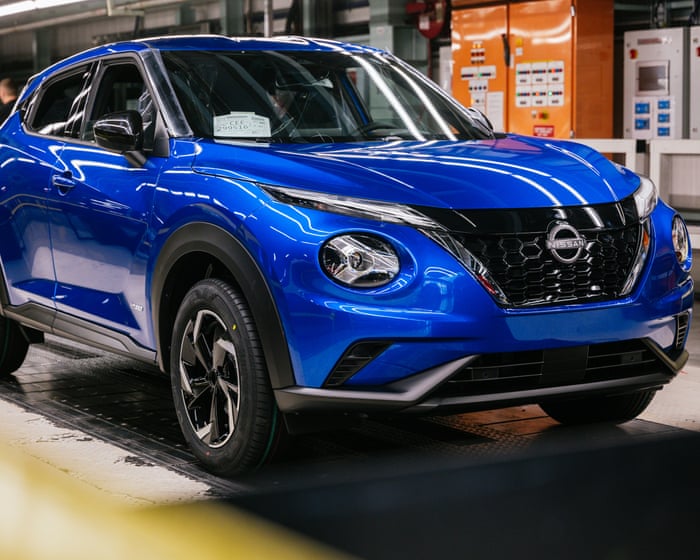
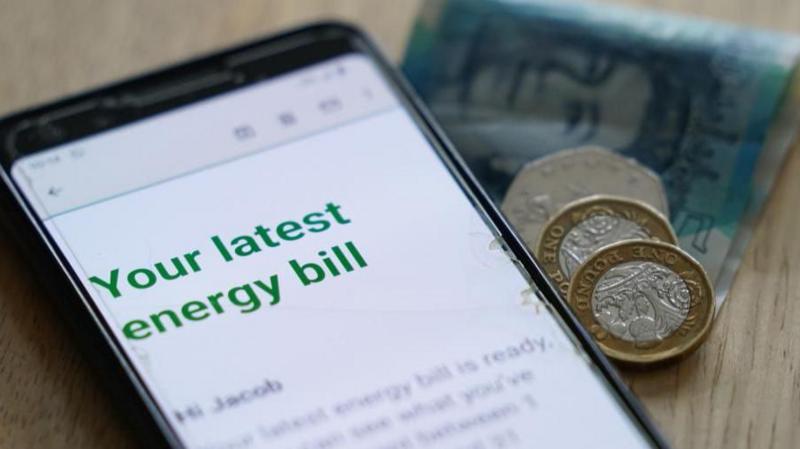
The UK government plans to lower its target for new electric car sales by 2030 from 80% to somewhere between 50% and 70%. The change follows pressure from car makers and unions concerned about costs and jobs, while sustainability groups warn this could hurt climate goals.
Key Facts
Current UK target requires 80% of new cars sold by 2030 to be electric vehicles (EVs).
The government will consult on lowering this target, with possible new goals between 50% and 70%.
The original ban on new petrol and diesel cars by 2030 was announced in 2020, then postponed to 2035 by former Prime Minister Rishi Sunak.
Car makers must meet annual EV sales targets increasing each year until 2030, with fines of £15,000 per car if they miss targets.
Car makers have discounted EVs heavily, costing the industry over £10 billion in two years.
Industry groups warn that reducing the mandate could cost UK jobs and investments.
Some buyers hesitate to buy EVs due to concern about driving range and charging availability.
Sustainability experts say lowering targets could reduce investment in EV charging infrastructure.
Read the Original
Want the full story? Tap a source to open the original
article.
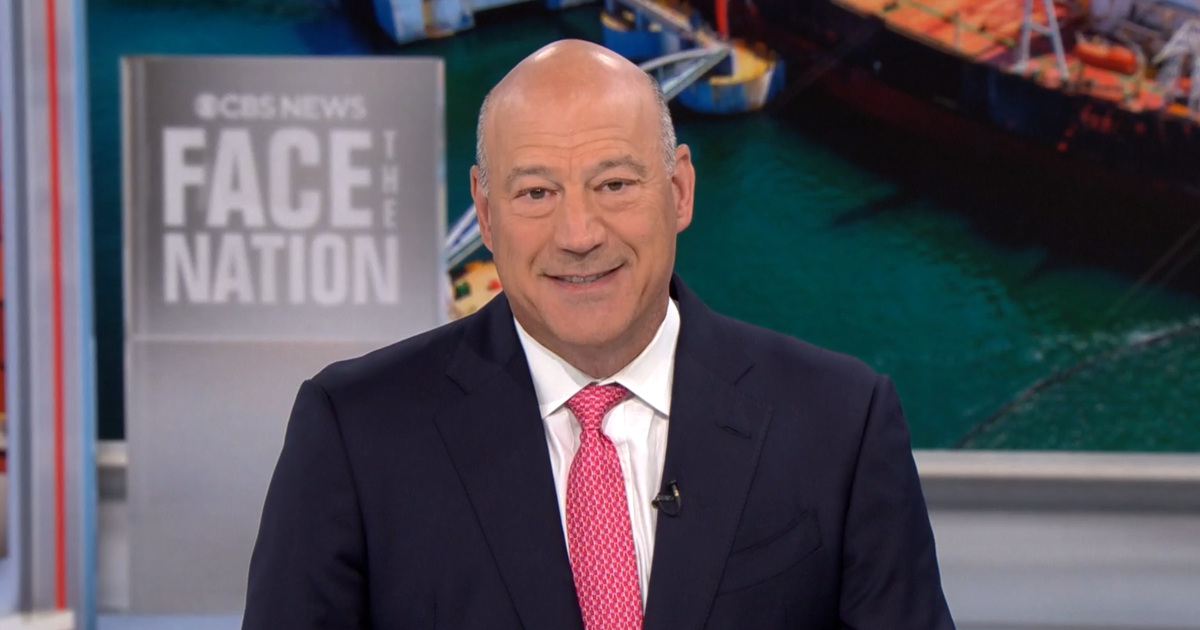
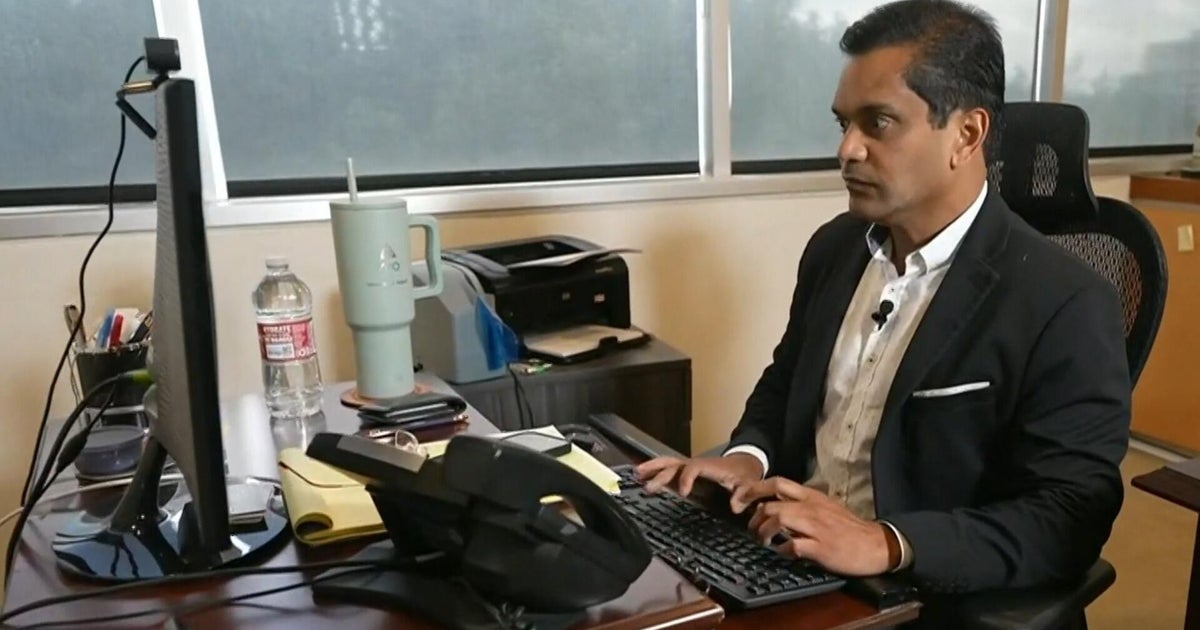
Gary Cohn, former top economic adviser to President Trump and current IBM vice chairman, discussed the impact of oil prices on the economy. He said gas prices have dropped from recent highs and could continue to fall as the Strait of Hormuz reopens, but prices of goods like food may take longer to decrease.
Key Facts
Gary Cohn served as President Trump's economic adviser in his first term and is now IBM vice chairman.
The Strait of Hormuz's reopening timing is unclear, but it will affect oil flow and prices.
Gas prices have already fallen about 10% from recent peaks.
When oil supply improves, consumer expectations about prices shift, influencing buying behavior.
Lower energy prices will eventually reduce costs for goods and services across the economy.
Retail competition can help bring down prices on essential items over time.
Fuel inventory levels are low, which could cause price fluctuations in July.
The Federal Reserve faces challenges related to oil supply and inflation as it considers interest rate changes.
Read the Original
Want the full story? Tap a source to open the original
article.
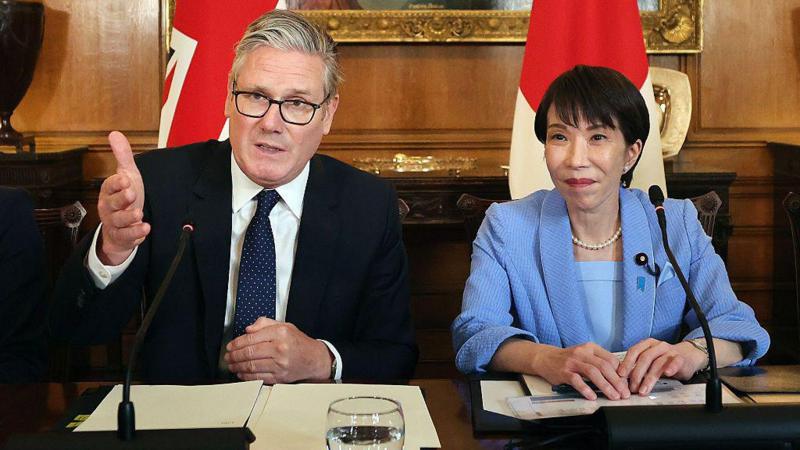
The UK and Japan have agreed on an £18 billion investment deal covering UK infrastructure, financial services, and offshore wind energy. This deal aims to create many jobs and increase cooperation between the two countries amid economic challenges in the UK.
Key Facts
Japanese companies will invest over £9 billion in UK infrastructure and financial services.
Up to £9 billion will be invested in UK offshore wind projects.
The deal is expected to create tens of thousands of new jobs in the UK.
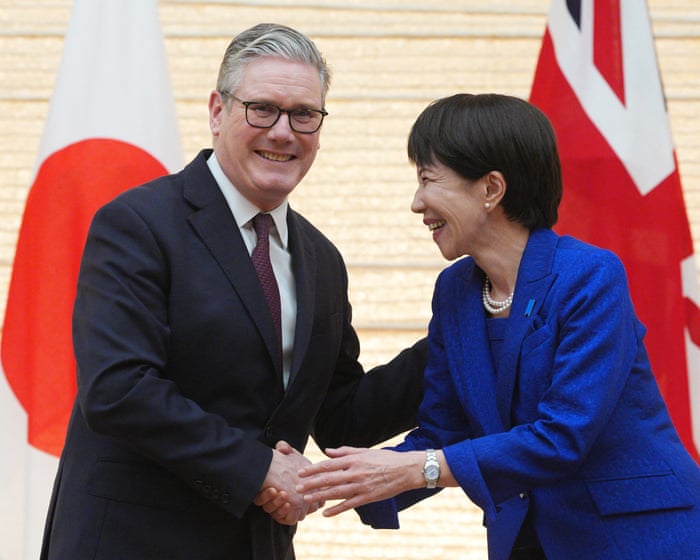
UK Prime Minister Sir Keir Starmer and Japan’s Prime Minister Sanae Takaichi met to finalize the agreement.
Rolls-Royce will partner with Japan’s Atomic Energy Agency on next-generation nuclear technology.
The UK and Japan will strengthen cooperation on research, software, and manufacturing technologies.
Some major Japanese firms involved include Mitsubishi Estate, Mitsui Fudosan, and Nomura Real Estate.
Experts expect the UK economy to face short-term challenges, including the impact of the US-Israel-Iran conflict and rising inflation.
Read the Original
Want the full story? Tap a source to open the original
article.
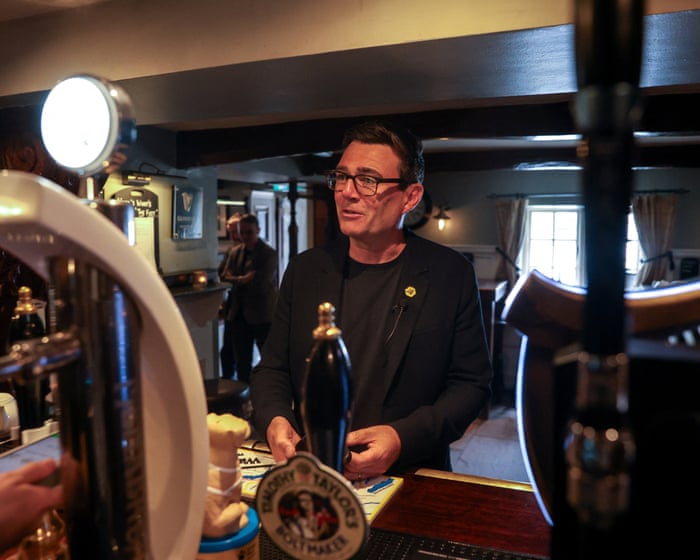
The UK government is planning to give regional mayors control over part of the money raised from business rates, a tax paid by businesses. This is part of a larger effort to let local leaders manage more tax income and encourage economic growth in their areas.
Key Facts
Ministers are considering handing billions from business rates to regional mayors in England.
Business rates raised £26.4 billion last year in the UK.
The change is part of a plan by Chancellor Rachel Reeves to give local areas more control over some national taxes.
The government wants to reward regions that grow their economies faster while ensuring poorer areas still get support.
The plan is not yet finalized and is still being worked on.
There are also talks about a new tourist tax on hotel stays and holiday rentals.
Local leaders would get control over tax revenue but probably not the power to set the tax rates themselves.
The move aims to reduce regional inequality and give local governments more budget certainty.
Read the Original
Want the full story? Tap a source to open the original
article.
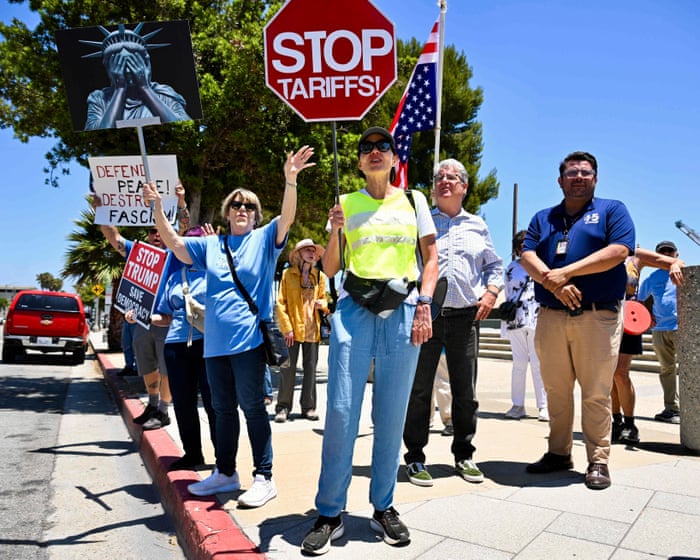
Many U.S. small businesses are no longer worried about President Trump’s tariffs, which raised taxes on goods from countries like China and India. Although tariffs caused concerns last year, most businesses adapted by raising prices or benefiting from legal decisions to get refunds. New tariffs are planned but are expected to face legal challenges and may not have a big impact.
Key Facts
Tariffs imposed by President Trump mainly targeted imports from China, India, and other countries.
Many businesses increased their prices beyond the tariff costs, gaining extra profit.
The Supreme Court overturned some tariff actions, causing refunds to be issued to businesses.
New tariffs are being planned on goods from 60 countries accused of using forced labor.
Small business owners are currently more focused on economic growth, taxes, hiring, and technology like AI rather than tariffs.
President Trump's tariff policies have faced multiple legal defeats and delays.
It is expected that future administrations, including possible Democratic presidents, will likely do away with these tariffs.
Some see tariffs as a short-term issue with limited long-term effects on U.S. businesses.
Read the Original
Want the full story? Tap a source to open the original
article.
Buc-ee’s, a popular convenience store and gas station chain, is opening its first store in the western United States soon. The company also plans to open more new stores in other locations.
Key Facts
Buc-ee’s is known for its large stores and many gas pumps.
The company is expanding into the western U.S. for the first time.
New stores will be opened beyond their current areas.
Buc-ee’s offers food, snacks, and travel supplies.
The expansion shows the company is growing its business.
The upcoming western store marks a milestone for the brand.
Read the Original
Want the full story? Tap a source to open the original
article.
The UK government is planning to reduce its 2030 goals for electric vehicle (EV) sales after pressure from car makers and unions. Instead of 80% of new cars being fully electric by 2030, the target may drop to 50%, allowing more hybrid vehicles to be sold. The ban on new petrol and diesel cars by 2030 and the phase-out of hybrids by 2035 will remain.
Key Facts
The UK may lower the 2030 target for fully electric car sales from 80% to 50%.
Hybrid cars, which combine petrol engines and batteries, would make up a larger share of sales under the new plans.
The 2030 ban on new petrol and diesel cars will still apply.
The government first set the 80% electric car goal in 2023 under the previous Conservative administration.
The Labour government had already eased rules on plug-in hybrid cars last year.
EV sales are growing but still below government targets; in May, 27.3% of new UK cars were fully electric, under the required 33% for 2026.
Carmakers face fines if they don’t meet yearly EV sales targets; fines could reach £11,000 per vehicle according to the Unite union.
Some industry leaders and investors warn that weakening targets could harm investment in EV infrastructure and slow progress in clean transportation.
Read the Original
Want the full story? Tap a source to open the original
article.
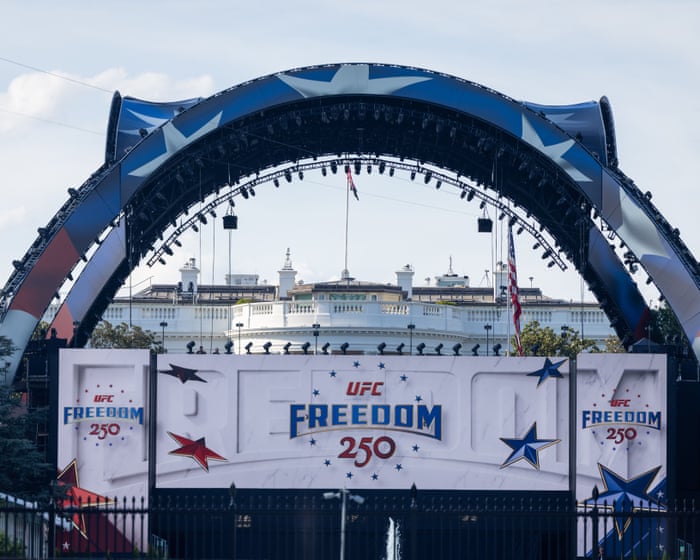
The UFC will give some fighters bonus payments in a type of cryptocurrency called stablecoins, issued by World Liberty Financial, a Trump family business. This event will take place during a UFC fight held on the White House lawn on June 14, President Donald Trump’s birthday.
Key Facts
UFC announced it will pay fighter bonuses using cryptocurrency from World Liberty Financial.
World Liberty Financial is a company co-founded by President Trump and his sons in 2024.
The cryptocurrency used is a stablecoin named “USD1” that is linked to the US dollar.
The UFC fight event is happening on the White House lawn, June 14, 2024.
World Liberty Financial is an official sponsor of this UFC event called Freedom 250.
President Trump’s financial disclosure shows he holds over $50 million in World Liberty Financial.
The stablecoins are separate from a digital token that the company previously sold and has faced legal disputes over.
A White House spokesperson said there is no conflict of interest because Trump’s assets are managed by his children’s trust.
Read the Original
Want the full story? Tap a source to open the original
article.
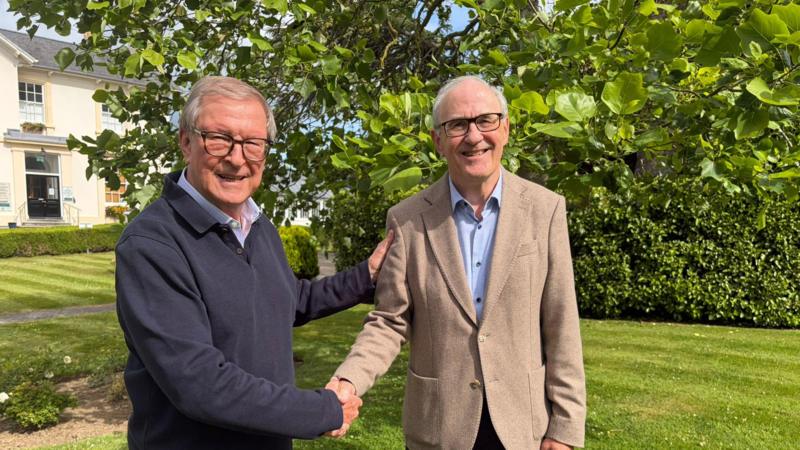
Peter Neville, the founder of Guernsey Community Savings, has retired and passed the chair position to James Ellis. The charity helps people who cannot access regular banks by providing accounts, debit cards, and money advice.
Key Facts
Guernsey Community Savings opened in September 2020.
The charity supports people excluded from mainstream banking.
It has helped about 200 people get bank accounts and linked debit cards.
The charity also offers guidance on managing money.
James Ellis, a former banker, is the new chair of the charity.
Peter Neville founded the charity and worked for over five years to establish it.
Neville will remain involved as life president.
The charity plans to add new features like a money-transmission platform and provide grants and soft loans.
Read the Original
Want the full story? Tap a source to open the original
article.
West Devon Borough Council announced £300,682 in funding to support people facing financial difficulties. The money will create new help services, including financial advice and emergency payments, to assist residents with daily needs and build long-term financial stability.
Key Facts
£300,682 was allocated to the Crisis and Resilience Fund to support people with money problems.
This new fund replaced the Household Support Fund in April.
A Financial Advice and Support Team will be set up in partnership with South Hams District Council.
Emergency crisis payments will target low-income households and care leavers in Devon.
Residents can apply for help with essentials, and items like electric blankets will be provided later.
£20,000 was given to West Devon CVS to connect locals with support services.
Homemaker Southwest received £20,590 to offer benefits and debt advice.
The council plans to explore community energy schemes and provide free energy advice.
Read the Original
Want the full story? Tap a source to open the original
article.
A London startup, Poolbeg Pharma, is starting a trial of a new oral drug called POLB 001 to prevent a dangerous side effect, cytokine release syndrome (CRS), in cancer patients receiving immunotherapy. The trial will take place at six NHS hospitals, aiming to make cancer treatment safer and less expensive by allowing care in community hospitals instead of specialized centers.
Key Facts
POLB 001 is a pill designed to stop CRS, a side effect where the immune system attacks the body during cancer immunotherapy.
CRS affects about 70% of patients receiving certain blood cancer treatments and can be life-threatening.
Currently, patients must stay in specialized cancer hospitals for weeks during treatment because CRS is hard to predict.
The drug trial will test POLB 001 on 30 patients using Johnson & Johnson’s cancer drug teclistamab at six UK hospitals.
POLB 001 was originally developed in Spain to treat chronic inflammation and works by blocking a specific cell signal.
Poolbeg Pharma expects to have preliminary trial results by the end of the summer.
It is estimated that by 2031, about half a million patients with specific blood cancers will need immunotherapy in the US and major European countries.
Poolbeg also plans to trial a weight loss pill later this year and raised £25 million when it went public in 2021.
Read the Original
Want the full story? Tap a source to open the original
article.
The US economy has kept growing steadily despite global problems like trade disputes and energy price changes. Factors such as strong business investment, higher productivity, and the growth of oil and gas production from fracking have helped the US perform better than many other countries.
Key Facts
The US economy has grown at about 2% yearly despite global shocks.
President Donald Trump’s trade tariffs pushed US companies to invest more instead of cutting profits.
Capital spending in the US is nearly 14% of the country's GDP, showing strong business investment.
The US shale oil and gas boom reduced the economy’s dependence on costly energy imports.
Europe, by contrast, relies more on long-term energy contracts and banks for business loans, making it less flexible.
Cultural differences affect risk-taking, with Americans more willing to take short-term risks for long-term benefits.
Europe’s approach to energy and finance has made it more vulnerable to supply disruptions like those from Russia.
Inflation in the US has been persistent but hasn’t stopped steady growth or caused a major economic slowdown.
Read the Original
Want the full story? Tap a source to open the original
article.
Ten years after Britain voted to leave the European Union, the economy is smaller than it would have been otherwise. Trade has become harder, growth has slowed, and families are generally poorer than before the Brexit vote.
Key Facts
The immediate economic crash predicted before Brexit did not happen.
Other global events like the Covid pandemic and wars have also affected the UK economy.
The UK's economy is about 6-8% smaller now than it would have been without Brexit.
The British pound dropped sharply after the Brexit vote and has not fully recovered, making imports more expensive.
Exports to the EU, the UK’s biggest trading partner, have been negatively affected by new trade barriers.
Business investment and productivity growth have stalled since Brexit.
The UK is expected to have a 4% loss in national income over the next 15 years due to Brexit-related impacts.
Families in the UK are on average thousands of pounds worse off each year because of the slower economic growth.
Read the Original
Want the full story? Tap a source to open the original
article.
The price of gold has dropped in 2024 despite global conflicts because high inflation and rising interest rates make other investments more attractive. The war between the US and Iran has pushed up energy costs and inflation, but strong US interest rates and a strong dollar have pressured gold prices downward.
Key Facts
Gold prices fell from $5,303 per troy ounce in late January to $4,235 in May 2024.
The US and Israel attacked Iran in February, leading to a prolonged war.
Iran blocked the Strait of Hormuz, causing energy prices to rise and inflation to increase.
US inflation reached 4.2 percent, the highest in three years.
The US job market remains strong, reducing chances that interest rates will be cut soon.
Higher interest rates make gold less attractive because gold does not pay interest or dividends.
A strong US dollar usually lowers gold prices since gold is priced in dollars.
The Federal Reserve may raise interest rates later in 2024, which could keep gold prices under pressure.
Read the Original
Want the full story? Tap a source to open the original
article.
A federal judge recently canceled a $100,000 fee for new H-1B visas that was introduced under President Donald Trump's administration. This fee was meant to reduce foreign workers taking American jobs, but some business owners say they need skilled foreign workers to run their companies.
Key Facts
The $100,000 fee applied to new H-1B visas for foreign workers.
This fee was created during President Trump’s administration.
The purpose was to discourage hiring foreign workers over Americans.
A federal judge blocked this high fee from being charged.
Some business owners say their companies rely on skilled foreign workers.
H-1B visas allow U.S. companies to hire qualified workers from other countries.
Read the Original
Want the full story? Tap a source to open the original
article.
A petition opposing the construction of a large AI data center near Nashville Zoo has surpassed 400,000 signatures after country singer Brad Paisley urged people to oppose the project. The Nashville Zoo and local residents are concerned about the potential environmental harm, strain on water and electricity, and negative effects on the community and animals.
Key Facts
The proposed AI data center would be 69,000 square feet and near Nashville Zoo.
Brad Paisley, a Grammy-winning country singer, publicly opposed the project on Instagram.
The Nashville Zoo attracted 1.4 million visitors last year and houses over 3,700 animals from more than 350 species.
The zoo and community petition warn the data center could harm wildlife, strain infrastructure, and cause environmental damage.
The petition highlights concerns about high electricity and water use by data centers and a lack of public impact studies.
DC BLOX, an Atlanta-based company, plans to build the data center and currently operates 23 data centers across the U.S.
DC BLOX said it respects concerns and will work with local officials and the zoo to try to address issues.
Opposition to new data centers is growing nationally due to worries about noise, environment, and health effects.
Read the Original
Want the full story? Tap a source to open the original
article.
The UK and Japan are about to make an £18 billion investment deal that will create many new jobs. The agreement includes deals on offshore wind projects, nuclear technology, and cooperation between businesses from both countries.
Key Facts
The UK and Japan will sign investment deals worth £18 billion.
These deals are expected to create tens of thousands of jobs in the UK.
More than 10 commercial and government agreements will be signed.
A £9 billion deal is planned for offshore wind energy projects.
Rolls-Royce will work more closely with Japan’s Atomic Energy Agency on new technology.
Business leaders from both countries will discuss future economic growth opportunities.
The UK aims to help its defense companies get investment from Japan.
The visit by Japan’s Prime Minister Sanae Takaichi to the UK happens before the G7 summit next week.
Read the Original
Want the full story? Tap a source to open the original
article.
Ford is recalling over 250,000 Ford Focus cars from 2012 to 2018 because the engine can stall while driving. The problem comes from a part called the canister purge valve that might stick open, and Ford will fix it by updating the car's software for free.
Key Facts
The recall covers 255,404 Ford Focus cars made between 2012 and 2018.
The issue involves the canister purge valve, which may stick open and cause the engine to stall.
An engine stall while driving can increase the chance of a crash or injury.
Drivers might see a warning light or get wrong fuel gauge and mileage readings.
Ford dealers will update the car’s powertrain software at no cost to the owners.
Ford will send letters to owners between July 6 and July 10 to inform them about the recall.
Owners can check if their car is affected by calling Ford or visiting a dealer.
Vehicle ID numbers involved will be available on the NHTSA website starting July 6.
Read the Original
Want the full story? Tap a source to open the original
article.
A convenience store worker named Eileen Fox was fired after trying to stop a woman she thought was stealing bacon. The store, One Stop, said safety is their top priority and trains employees to avoid risking themselves during such incidents.
Key Facts
Eileen Fox tried to stop a woman she believed was stealing bacon at a One Stop shop in Bootle, Merseyside.
Fox said she grabbed the woman's coat sleeve, causing a minor scuffle where the woman bumped into a metal stand.
No one was hurt during the incident.
Fox was suspended and then dismissed two weeks later on May 11.
One Stop said employees are trained not to risk their own safety and that they use extra security and police collaboration to prevent theft.
Fox disagreed with One Stop’s description of the event, saying she did not follow the shoplifter but approached her while she was taking items.
Other UK retailers like Waitrose and Morrisons have also recently fired staff who intervened in shoplifting incidents, sparking public criticism.
The issue highlights ongoing challenges for retailers dealing with theft while balancing employee safety and shoplifting prevention.
Read the Original
Want the full story? Tap a source to open the original
article.
California Attorney General Rob Bonta is investigating the proposed merger between Paramount Skydance and Warner Bros. Discovery, despite the U.S. Department of Justice approving the deal. Bonta can potentially block or delay the merger under state antitrust laws if it harms competition, and his office is reviewing the transaction carefully.
Key Facts
The DOJ concluded the merger is unlikely to harm competition or consumers after an eight-month investigation.
California’s Attorney General, Rob Bonta, believes the merger is not finalized and remains under state investigation.
Bonta has the legal power to block the merger in court or seek changes to the deal if it violates antitrust laws.
The merger would combine major media companies, including Paramount Pictures, CBS, HBO, CNN, Warner Bros., and streaming services Paramount+ and Max.
Bonta previously led a multistate lawsuit to block another media merger, showing willingness to challenge big media consolidations.
The deal is estimated to be worth $111 billion and has raised concerns about reduced competition and fewer consumer choices.
California may work with other states for a joint legal challenge against the merger.
The DOJ reviewed more than two million documents and found the media industry to be dynamic, lessening concerns about negative effects from the merger.
Read the Original
Want the full story? Tap a source to open the original
article.