Fact-first summaries of the news — stay informed, stay grounded.
Your favorite news sources, one calm feed — fact-first summaries that always link to the
original story. No outrage bait, and we tell you when you're caught up. How it works
Business News
Business news, market updates, and economic developments
The Federal Reserve’s preferred inflation measure, the personal consumption expenditures (PCE) price index, stayed steady at 3.7 percent for July compared to last year. After removing food and energy prices, which change often, inflation increased by 3.3 percent over the same period.
Key Facts
The PCE price index increased by 0.2 percent in July.
Year-over-year inflation using the PCE index remained at 3.7 percent in July.
Inflation excluding food and energy prices rose 3.3 percent compared to last year.
The data was released by the Bureau of Economic Analysis.
The Federal Reserve uses the PCE price index as its preferred inflation gauge.
Food and energy prices are considered volatile and excluded in one inflation measure.
The inflation rate did not increase or decrease significantly in July.
Read the Original
Want the full story? Tap a source to open the original
article.
United Airlines will add 10 new international destinations and three new routes in 2027. The new flights focus on smaller cities in Europe and include a service to Okinawa, Japan, reflecting a strategy to reach less-served locations.
Key Facts
United plans 10 new international destinations starting in 2027.
New routes include cities in Slovenia, Luxembourg, Portugal, Spain, Italy, and Okinawa, Japan.
Eight new routes will start from Newark, New Jersey; others from San Francisco and Washington Dulles.
United aims to serve more destinations in Spain, Portugal, Italy, and France than any other U.S. airline.
The expansion targets cities with limited nonstop U.S. flights, such as San Francisco to Okinawa and Washington D.C. to Toulouse.
The airline will add three new routes on existing networks, including Los Angeles to Osaka and Denver to Paris.
United plans to resume flights between San Francisco and Tel Aviv, paused since October 2023 due to the Israel-Hamas conflict.
This growth contrasts with many smaller airlines downsizing or ceasing operations worldwide in 2026.
Read the Original
Want the full story? Tap a source to open the original
article.
India’s Defence Minister approved sharing missile technology developed by the government research agency DRDO with private companies. This move allows private firms to produce conventional missiles, aiming to boost domestic manufacturing and reduce reliance on imports.
Key Facts
Defence Minister Rajnath Singh approved transferring missile technology from DRDO to private Indian companies.
The decision covers all conventional missile systems, including surface-to-air, air-to-air, anti-radiation, anti-tank, and cruise missiles.
Private companies can now compete for production rights, subject to technical and regulatory checks.
Previously, state-owned firms like Bharat Dynamics had a monopoly on Indian missile production.
The government wants to speed up missile production and build a stronger self-reliant defence industry.
This shift is part of India’s larger goal called Atmanirbhar Bharat, meaning self-reliant India.
India’s defence budget has more than doubled since 2014, reflecting increased focus on military strength amid border tensions with Pakistan and China.
India continues to import missiles but aims to produce more domestically under Prime Minister Narendra Modi’s leadership.
Read the Original
Want the full story? Tap a source to open the original
article.
Le Butter Shop opened in Paris as the city's first store focused only on butter, offering 30 different types from French regions like Brittany and the Loire Valley. Customers can taste various flavored butters before buying, and the shop attracts both locals and tourists interested in France’s well-known butter tradition.
Key Facts
Le Butter Shop is the first boutique in Paris dedicated solely to butter.
The shop offers around 30 varieties of butter, including flavors like shallot, pepper, seaweed, vanilla, and raspberry.
France consumes about 8 kilograms (18 pounds) of butter per person each year, one of the highest rates worldwide.
Despite high butter consumption, France has a relatively low obesity rate of 14%, compared to 19% in other developed countries.
Customers can taste butter samples before buying quantities ranging from 10 grams to 1 kilogram.
The owner, Erwan Leo, compares butter tasting to wine tasting, focusing on enjoying flavor in moderation.
The shop attracts a diverse clientele including locals, tourists, and professional chefs.
The shop is located near the Eiffel Tower in Paris.
Read the Original
Want the full story? Tap a source to open the original
article.
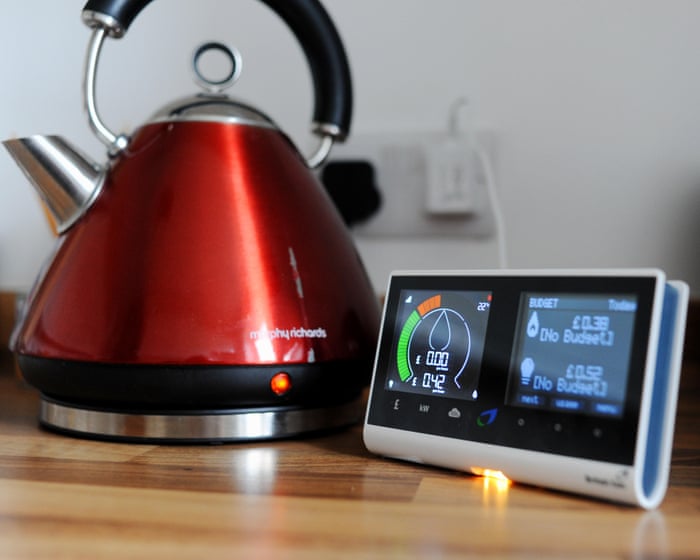
Household energy bills in the UK are expected to rise by nearly 4% in October and could increase by another 9% in January due to unstable gas prices caused by events in the Gulf region. Many people are struggling to pay their bills, with unpaid energy debt reaching record levels and experts warning that high energy prices may continue until at least the end of the decade.
Key Facts
Energy bills will go up by about 4% in October and may rise another 9% during winter.
Gas price instability is caused by international events in the Gulf region.
Typical household energy costs are 70% higher than before 2021.
Unpaid energy debts that are over three months old have reached record highs.
The total unpaid energy debt could rise to £7 billion by the end of the year.
Average households in debt owe more than a typical yearly energy bill.
Covering unpaid debts adds about £60 to the average yearly bill, potentially rising to £100.
The government and regulators are considering targeted help for those most in need but face political challenges in funding it.
Read the Original
Want the full story? Tap a source to open the original
article.
The United States and Canada have entered a trade conflict that has led to new tariffs on many goods, including toilet paper. These tariffs are causing prices to rise for products that depend on trade between the two countries, such as paper goods and alcohol.
Key Facts
Canada will impose tariffs of 25% to 50% on nearly 900 American goods, including toilet paper and tissues, starting September 8.
The US increased tariffs on Canadian goods, including a 50% tariff on Canadian liquor brands and dairy products.
The US imports $328 million worth of toilet paper from Canada in 2024, making Canada the largest exporter of toilet paper to the US.
American toilet paper companies rely on Canadian lumber for raw materials.
Canada has introduced province-level bans on American alcohol as a response to US tariffs.
The US plans a 25% tariff on Canadian cars and auto parts, threatening to raise it to 50% if no deal is reached by January 1, 2027.
The trade dispute is causing concerns about inflation and supply in both countries.
The US Trade Representative stated the dispute will not affect US consumers significantly.
Read the Original
Want the full story? Tap a source to open the original
article.
Investor Stanley Druckenmiller used artificial intelligence (AI) to help write an opinion article for the Wall Street Journal. The article’s main focus was a strong criticism of Treasury Secretary Scott Bessent, and many in the financial community accepted or praised the use of AI in this context.
Key Facts
Stanley Druckenmiller openly admitted using AI to assist in writing his Wall Street Journal op-ed.
His article criticized Treasury Secretary Scott Bessent’s handling of financial issues.
The Wall Street Journal opinion editor said AI can be used as long as the author’s views remain genuine.
The WSJ newsroom has different rules on AI use compared to its opinion section.
Other publications, like the Financial Times, ban AI use in writing and recently added a note to an article where AI was used.
Druckenmiller compared AI writing to using a calculator for math, saying it’s just a helpful tool.
Many wealthy people already use ghostwriters, so switching to AI writing is seen as a logical next step.
There is ongoing debate about what is acceptable use of AI in writing and content creation.
Read the Original
Want the full story? Tap a source to open the original
article.
Hollywood is seeing signs of film and TV production returning to Los Angeles after many years of leaving for cheaper places. This return is helped by state tax breaks and easier permits, but some challenges remain in making the city fully attractive for productions.
Key Facts
Productions left Los Angeles for cities like Atlanta and Toronto because costs were lower there.
More productions are now filming partly outside the U.S., like Spider-Man being shot mainly in London for tax benefits.
California offers tax credits, such as $21.1 million for the Baywatch reboot, to encourage filming locally.
Local officials recently worked to solve permit problems that Baywatch faced in Los Angeles.
Political candidates in California are making Hollywood production a campaign topic this election year.
There are limits to available tax credits, so not all productions can benefit.
Some city processes remain complicated, which could discourage productions despite incentives.
Hollywood’s comeback is a mix of real progress and hopeful promotion.
Read the Original
Want the full story? Tap a source to open the original
article.
Nicole Kidman is gaining a lot of attention for her work in movies and TV shows right now. She is known for being very natural and not trying too hard, which makes people like her a lot.
Key Facts
Nicole Kidman is currently promoting several projects, including "Scarpetta," "Margo’s Got Money Troubles," and "Lioness."
She is preparing for the sequel to the 1990s movie "Practical Magic."
Kidman is praised for being "cool" because she appears effortless and confident in her career.
Unlike some other celebrities, she does not seem to try hard to impress, which many fans appreciate.
She is active in different areas, such as appearing in a music video by Troye Sivan and sharing personal interests on podcasts.
Nicole Kidman is considered one of the last great traditional movie stars as the entertainment world changes with social media influencers.
The third season of HBO’s "Big Little Lies," starring Kidman, is coming soon.
Read the Original
Want the full story? Tap a source to open the original
article.
An Indian jewellery brand, Giva, removed a new advertisement for the Rakshabandhan festival after people criticized the outfit worn by actress Kriti Sanon in the ad. The ad showed Sanon in modern clothes and tying a Rakhi thread to her brother and pet dog, which some viewers found inappropriate for the traditional festival.
Key Facts
The ad featured Bollywood actress Kriti Sanon celebrating Rakshabandhan, a Hindu festival where sisters tie a Rakhi thread on their brothers' wrists.
Sanon wore a cropped top, skirt, and cape, sparking criticism for being too revealing for the occasion.
Actor and BJP MP Kangana Ranaut called the ad "intentionally creepy" and questioned the outfit choice.
Some people also objected to a scene where Sanon ties a Rakhi on her pet dog.
Sanon defended her outfit and the ad’s message, saying culture is in a woman’s heart, not in her clothes.
Congress MP Rahul Gandhi supported Sanon, saying every woman has the right to choose what she wears.
Jewellery brand Giva said sorry for unintentionally hurting feelings and withdrew the ad from all media.
Indian brands have withdrawn ads in the past after facing social media criticism.
Read the Original
Want the full story? Tap a source to open the original
article.
Australia's inflation rate in July was higher than expected, with prices rising 3.5% over the year. This has increased worries that the Reserve Bank of Australia (RBA) might raise interest rates again to control inflation.
Key Facts
Consumer prices rose by 3.5% in the year to July, slightly lower than June's 3.8% but above the expected 3.3%.
The RBA’s preferred measure of inflation, which excludes volatile prices, stayed at 3.6%, not falling as predicted.
The RBA kept the cash rate at 4.35% on August 11 but some board members consider another hike likely this year.
Rising costs for home building and rent contribute to inflation, with building costs up 5.7% and rents up 3.6%.
Fuel prices increased by 7.5% in July due to the end of a fuel tax relief.
The price of restaurant and takeaway meals rose 4.5%, influenced by higher wages and ingredient costs.
Economists now expect the RBA may raise interest rates as soon as its next meeting in September or November.
Read the Original
Want the full story? Tap a source to open the original
article.
India is facing higher sugar prices due to lower production and increased demand during its festive and wedding seasons. To manage this, the government is importing one million tonnes of sugar, the first time in nearly ten years, after initially approving exports that worsened the shortfall.
Key Facts
Sugar prices in India rose by almost 40% in two months, reaching about 58-60 rupees per kilo in August.
India is the world's largest consumer and the second-largest producer of sugar.
Sugar production is now expected to be 30.6 million tonnes for the current season, 11% less than earlier predicted.
The government approved exports of 1.5 million tonnes and allowed 800,000 tonnes to ship before stopping exports in May.
Nearly three million tonnes of sugarcane will be used to produce ethanol, reducing available sugar for consumption.
Imports of one million tonnes are planned to help fill the supply gap caused by lower production and higher demand.
Sugarcane crops have been affected by less rainfall and dry weather in key growing regions.
The government is also allowing duty-free sales of imported sugar from special economic zones to help meet demand.
Read the Original
Want the full story? Tap a source to open the original
article.
Energy prices in Great Britain will increase by 4% in October, marking the highest cost cap in three years due to global market pressures linked to the war on Iran. This rise continues after a 13% increase in July, leading to typical household energy bills reaching £1,723 per year, up from £1,663 previously.
Key Facts
The energy price cap in Great Britain will rise by 4% starting in October.
Before this increase, prices had already risen 13% in July.
The current price cap means the average household will pay about £1,723 annually for gas and electricity.
This increase comes after the Labour government promised to reduce bills by £300 per year by the end of the decade.
The government has removed VAT from electricity bills and lowered bills by £150 earlier this year to help households.
Many households are reducing energy use by lowering heating or washing less due to higher costs.
Some groups are calling for higher taxes on energy company profits and banks to fund more support for vulnerable people.
The rising energy costs have reignited concerns about fuel poverty and the cost of living for many families.
Read the Original
Want the full story? Tap a source to open the original
article.
New social apps in the UK use algorithms to connect people and help them make friends by matching interests and organizing paid events. These apps charge monthly fees or pay-per-event prices and aim to address loneliness caused by fewer traditional social spaces and more remote work.
Key Facts
Many young adults feel lonely; 40% of people aged 16 to 29 report feeling lonely at least sometimes.
Traditional places for socializing like pubs and youth centers are declining.
Apps such as PLY, Agora, and Cliq use algorithms to match people based on shared interests and lifestyles.
Membership fees range from free to around £20 per month, with some offering pay-as-you-go options.
Paid memberships encourage commitment and better attendance at events compared to free groups.
These platforms organize various events like brunches and pottery classes to foster connections.
Some apps offer money-back guarantees if friends are not made within a month.
Users find it easier to meet new people since everyone attending has a similar goal of making friends.
Read the Original
Want the full story? Tap a source to open the original
article.
A new "social supermarket" will open in October in Chatham, Kent, providing low-cost food and support to help people facing money problems. This will be the third location of SE Kitchen, which redistributes extra food and offers discounted groceries.
Key Facts
SE Kitchen runs social supermarkets that sell food at low prices and offer help to people with financial struggles.
The new shop will open at the Pentagon Shopping Centre in Chatham in October.
SE Kitchen already has stores in Ashford and Ramsgate.
The Chatham store is open to all residents with no need for membership or referrals.
The shop will also serve as a community meeting place.
Medway Council says the supermarket will help people access healthy, affordable food, which is important for well-being.
The organization aims to provide support that tackles the causes of financial hardship, not just food.
SE Kitchen is run by Social Enterprise Kent, a community interest company.
Read the Original
Want the full story? Tap a source to open the original
article.
The national lottery’s new interim chief executive, Phil Walker, has raised concerns because of his past roles in the gambling industry. Lawmakers worried about his record on money laundering controls at William Hill and his connection to gambling venues called adult gaming centres (AGCs), which some say harm vulnerable communities.
Key Facts
Phil Walker, former UK and Ireland boss of William Hill, was appointed interim CEO of the national lottery by Allwyn UK.
Walker faces scrutiny because the Gambling Commission sanctioned him in 2024 for failing to stop money laundering and terrorist financing at William Hill.
He holds a board position with Game Nation, the UK’s third-largest operator of adult gaming centres (AGCs), which are gambling venues open 24/7 with many slot machines.
AGCs have been criticized by politicians, including Greater Manchester’s mayor Andy Burnham, for negatively impacting vulnerable people.
MPs Dawn Butler (Labour) and Iain Duncan Smith (Conservative) wrote to the Gambling Commission expressing concerns about Walker’s appointment and asking how his past was considered.
Game Nation said Walker will “step back” from his board role starting 1 September while he serves as interim CEO of the national lottery.
The national lottery contract is one of the largest public sector deals in the UK, generating around £6.5 billion over ten years.
Read the Original
Want the full story? Tap a source to open the original
article.
Asian stock markets mostly rose early Wednesday as oil prices fell and interest in artificial intelligence (AI) grew. Investors watched ongoing talks about reopening the Strait of Hormuz, a key oil shipping route currently affected by the war in Iran.
Key Facts
Japan’s Nikkei 225 rose by 0.6%, South Korea’s Kospi jumped 1.6%, Hong Kong’s Hang Seng gained 0.8%, and Shanghai Composite edged up 0.7%.
Australia’s S&P/ASX 200 dropped slightly by 0.2%.
Oil prices fell, with U.S. crude dropping $2.06 to $80.30 a barrel and Brent crude falling $2.31 to $86.27 a barrel.
The Strait of Hormuz remains mostly closed due to the war in Iran, affecting global oil shipping.
Iran and Oman diplomats met to discuss managing ship traffic through the Strait of Hormuz after a recent attack on an oil tanker.
Pakistan held talks with Iran about ending the conflict between Iran and the U.S.
Nvidia’s stock rose 2.2% ahead of its earnings report, supported by strong interest in AI technology.
The yield on the 10-year U.S. Treasury bond fell, signaling changes in the bond market amid economic uncertainty.
Read the Original
Want the full story? Tap a source to open the original
article.
The United States and Canada have increased tariffs on each other's goods after trade talks failed. Both countries are imposing steep taxes on imports, but experts believe they might still find a way to reach a deal and avoid further harm to their trade relationship.
Key Facts
The U.S. imposed 50% tariffs on certain Canadian goods after trade negotiations collapsed.
Canada responded by imposing tariffs on about $20 billion worth of American products, including steel, dairy, and farm equipment.
Canadian Prime Minister Mark Carney said Canada was attacked by the new U.S. tariffs and vowed to stand up to President Trump.
Ontario’s Premier Doug Ford threatened to cut off shipments of electricity and minerals to the U.S.
President Trump said he might add more tariffs on Canadian auto imports if Canada does not agree to U.S. demands.
Experts say the trade conflict could harm the United States-Mexico-Canada Agreement (USMCA).
Past trade disputes between the U.S. and Canada have been resolved with deals, suggesting a solution is possible.
Analysts note that serious progress often happens when one side threatens to leave the talks but both want to avoid a full trade war.
Read the Original
Want the full story? Tap a source to open the original
article.
China has announced its largest recall of over four million vehicles, mostly made by Tesla, because of concerns about hidden door handles that may not open easily in emergencies. The recall follows new Chinese rules requiring cars to have mechanical door releases inside and outside for safety.
Key Facts
More than four million cars, mostly Teslas, are being recalled in China, the largest recall ever there.
Hidden door handles, popular for their sleek look and used on many electric and hybrid cars, can be hard to open from the inside or outside.
New Chinese regulations banning hidden door handles will start on January 1, requiring mechanical releases on car doors.
Hidden handles have caused safety concerns as they may fail in crashes, delaying rescue efforts.
Xiaomi faced criticism after two fatal crashes where doors reportedly could not be opened due to electrical failures.
Tesla is facing lawsuits in the US over its door handle design after a fatal crash involving a Cybertruck.
Tesla states its Cybertruck meets US federal safety standards and denies wrongdoing.
The new Chinese rules come as part of efforts to improve car safety during emergencies.
Read the Original
Want the full story? Tap a source to open the original
article.