Scammers pretending to be roofing workers are charging homeowners thousands of pounds for work that is either not done, done badly, or not needed, according to Citizens Advice. In the past year, roofing scams made up one in ten of all scam reports to the charity, causing serious financial and emotional harm to victims.
Key Facts
Citizens Advice received 9,000 complaints about roofing work in the past year, including construction and repair problems.
About 2,205 of these complaints, nearly one in four, were suspected to be scams.
Victims often pay large sums, such as £5,500 or more, for incomplete or unnecessary roofing work.
Scammers commonly use aggressive sales techniques and target people at their doors.
Many victims feel scared or pressured into paying for work during unsolicited visits.
Citizens Advice advises people to check traders carefully, get everything in writing, and know their consumer rights.
The Consumer Rights Act 2015 lets customers demand repairs or refunds if work is not done properly.
National Trading Standards warns that rogue traders are criminals who cause lasting harm by attacking people in their own homes.
Read the Original
Want the full story? Tap a source to open the original
article.
More people are missing credit card payments due to rising living costs, and lenders expect this trend to continue. Free, impartial debt advice is available, but people should be careful of firms that charge fees or use pressure tactics when offering debt solutions.
Key Facts
Credit card debts are rising as bills and living costs increase.
Lenders have told the Bank of England they expect more unpaid debts this autumn.
Free, unbiased debt advice can be found on government-backed sites like MoneyHelper.
Some firms charge upfront fees or pressure people to quickly agree to debt solutions.
The Financial Conduct Authority (FCA) regulates authorized debt advisors.
Unregulated firms may impersonate charities or debt collectors to collect personal details.
Warning signs include repeated calls or messages pushing quick decisions and lack of clear options.
People unhappy with authorized firms can complain to the Financial Ombudsman Service.
Read the Original
Want the full story? Tap a source to open the original
article.
The ongoing US-Israel war in Iran is causing energy prices and inflation to rise, which could hurt the UK government's spending plans. Chancellor John Healey faces tough choices for his upcoming Budget, including possible tax increases or spending cuts, as inflation eats into public service budgets and borrowing costs rise.
Key Facts
The US-Israel war in Iran and Russia’s invasion of Ukraine have pushed global energy prices higher.
These price increases are causing inflation to rise in the UK, affecting everyday costs like fuel and mortgages.
Higher inflation reduces the real value of government spending on services, meaning less money’s worth.
The Institute for Fiscal Studies (IFS) warns Chancellor Healey he must avoid making unrealistic Budget promises.
Rising inflation also increases the cost of government debt interest, raising borrowing costs.
Higher inflation increases tax revenues but only partially offsets spending pressures.
The UK government aims to only borrow for investment by 2029-30 and to reduce debt as a share of the economy.
Estimates suggest the government might need to find an extra £25 billion by 2029-30 to maintain department budgets amid inflation.
Read the Original
Want the full story? Tap a source to open the original
article.
The Federal Trade Commission (FTC) is sending $15.8 million to users of a cash advance app. Over 2 million payments are being made as part of this distribution.
Key Facts
The FTC is distributing $15.8 million to users of a specific cash advance app.
More than 2 million individual payments will be sent out.
The payments are likely refunds or compensation related to the app’s services.
The FTC is a U.S. government agency that protects consumers from unfair business practices.
Users of the app should check their email for payment details.
The cash advance app refers to a financial app that provides short-term loans or advances on money.
Read the Original
Want the full story? Tap a source to open the original
article.
The horror movie "Other Mommy," starring Jessica Chastain, earned $27.5 million in its opening weekend in North America, exceeding expectations despite poor reviews. Another new film, "The Social Reckoning," about a Facebook whistleblower, opened with $5.5 million but received mixed reviews and a lower audience score.
Key Facts
"Other Mommy" made $27.5 million in its first weekend in 3,365 theaters in North America.
The film also earned $17.7 million overseas, totaling $45.2 million globally.
"Other Mommy" has a production budget of about $19 million and got a D+ score from audiences.
"The Social Reckoning" earned $5.5 million from 2,606 theaters with a B- audience grade.
"The Social Reckoning" cost about $30 million to make, not counting marketing expenses.
"The Social Network," also written by Aaron Sorkin, made over $22 million at its opening 16 years ago.
Other movies in the top five included "Verity" ($11.5 million), "Resident Evil" ($8.4 million), and "Heart of the Beast" ($7.1 million).
Some limited releases like "Fjord" and the Elon Musk documentary "Musk" had modest opening numbers in a few theaters.
Read the Original
Want the full story? Tap a source to open the original
article.
French carmaker Citroen has revealed a new electric car inspired by its historic 2CV model to attract buyers in a competitive market. The small, retro-styled concept will not be sold yet but is planned for showroom release by 2028, aiming to offer an affordable city car under £15,000.
Key Facts
Citroen unveiled a concept electric car at the Paris Motor Show that pays tribute to the classic 2CV model.
The original 2CV was launched in 1948 as a simple, durable car for rural users and remained popular for over 40 years.
The new version keeps design features like high wheel arches, a tall roof, and rounded headlights similar to the original.
Citroen aims to have a production version available by 2028, priced under £15,000.
European carmakers increasingly use retro designs to appeal to buyers and stand out from Chinese competitors.
Renault and Volkswagen have also revived old models or designs to promote their new electric vehicles.
Industry experts see this nostalgia strategy as a way to attract both older buyers familiar with the originals and younger buyers who like retro style.
European carmakers face strong competition from rising Chinese auto manufacturers in the electric vehicle market.
Read the Original
Want the full story? Tap a source to open the original
article.
The Volkswagen boss supports new EU rules to help European carmakers compete fairly with Chinese companies. Volkswagen plans to cut up to 100,000 jobs and reduce the number of car models to lower costs and improve profits amid strong competition and high costs.
Key Facts
Volkswagen CEO Oliver Blume backs EU proposals called the Industrial Accelerator Act, which favor products made mostly in Europe.
The EU wants to stop cheap Chinese cars from hurting European car makers.
Volkswagen is planning the biggest job cuts in its history, up to 100,000 jobs.
The company will cut its car models from 150 to 75 to simplify production and save money.
Chinese hybrid car sales in Europe are being halved after an EU-China agreement.
Blume says companies selling in Europe should create jobs and value there too.
Volkswagen showed its new all-electric ID Tiguan at the Paris motor show.
The cuts and changes aim to increase Volkswagen’s profits and protect Europe’s car industry and technology.
Read the Original
Want the full story? Tap a source to open the original
article.
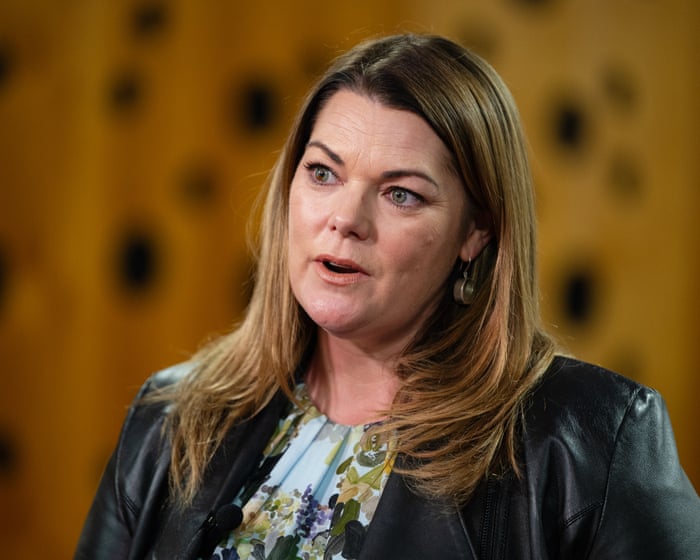
The Greens want the Labor government to make stronger rules to control big technology companies, including letting people sue platforms and get financial compensation if harmed online. Labor plans to introduce new digital safety laws soon, but the Greens want bigger fines based on companies’ global income and more legal rights for users.
Key Facts
The Greens want tougher digital safety laws to hold big tech platforms accountable.
They want individuals to be able to sue platforms and get financial compensation for online harm.
Labor plans to introduce digital duty of care laws in parliament this week.
The Greens propose fines based on a percentage of tech companies’ global revenue.
The Coalition opposes the digital duty of care laws, giving the Greens more influence.
The eSafety commissioner will enforce removal of harmful content and issue fines over A$100 million.
The new laws aim to protect users from harmful content like pornography, bullying, and dangerous stunts.
Labor’s communications minister, Anika Wells, promises to work with the Greens to improve online safety.
Read the Original
Want the full story? Tap a source to open the original
article.
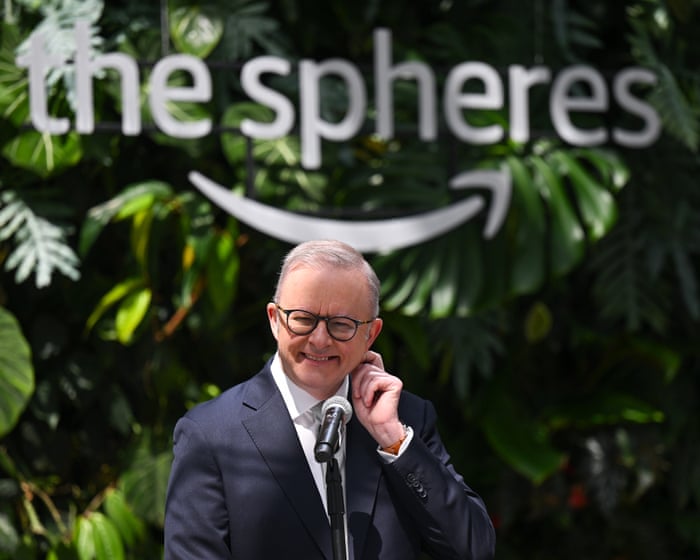
Amazon Web Services plans to invest $20 billion in new datacentres in Melbourne and Sydney. The company has made over $500,000 in payments to Australia’s major political parties over six years, including payments near the time of major government deals. These payments, which are legal, raise questions about political access and influence from datacentre companies.
Key Facts
Prime Minister Anthony Albanese visited Amazon’s Seattle headquarters in June 2025 to learn about its datacentre plans.
Amazon announced a $20 billion plan to build datacentres in Melbourne and Sydney.
Amazon made 34 payments totaling $538,000 to both the Labor and Liberal parties from 2019 to 2025.
A $46,500 payment was made to the Labor Party shortly after Albanese’s Seattle visit.
Payments include membership fees to the Labor Business Forum, which offers access to ministers and MPs.
These payments are recorded as “other receipts” under Australian electoral law, not formal donations.
Amazon’s payments coincide with major datacentre deals, including a $2 billion government contract for intelligence data storage.
Former politicians and advisers have been hired to lobby on behalf of datacentre companies.
Read the Original
Want the full story? Tap a source to open the original
article.
Elon Musk said he will offer his Starlink satellite internet service at affordable prices in India to compete with Mukesh Ambani’s telecom company, Reliance Jio. Musk criticizes the Indian government and Ambani for delaying Starlink’s approval, while India says all satellite services are still waiting for final security clearance.
Key Facts
Elon Musk plans to price Starlink internet service affordably in India.
Reliance Jio, owned by Mukesh Ambani, offers low-cost mobile data in India.
Jio Platforms is launching India’s largest-ever IPO, aiming for a $106 billion valuation.
Both Starlink and Jio’s satellite ventures are waiting for security approval to start services.
Musk claims the Indian government favors Jio and delays Starlink’s entry.
India’s government denies favoritism and says all satellite companies await final clearance.
Musk called Ambani “Prime Minister Ambani” in a social media post to challenge him directly.
Starlink is known for providing satellite internet and is planning to enter mobile networks in the U.S.
Read the Original
Want the full story? Tap a source to open the original
article.
Halloween in the UK is changing from a one-night event to a month-long celebration, often called "Halloweenmas." More people are buying Halloween decorations like trees and wreaths, and younger adults are leading this trend by using social media to find ideas and shop for products.
Key Facts
The number of Halloweenmas products on the online platform Faire grew by over 500% from 425 in 2021 to 2,632 in 2025.
Popular Halloween decorations include trees, wreaths, and ornaments, with sales of artificial trees up 200% in September, according to retailer Wilko.
Halloween trees come in many styles, from spooky black tinsel shaped like a witch’s hat to child-friendly decorations like felt pumpkins.
The Box Party retailer has increased stock by 40% due to higher demand for Halloween party supplies.
Mintel research shows that people aged 16 to 34 spend more on costumes, makeup, and decorations for Halloween than other groups.
Social media helps spread Halloween trends, with 40% of buyers using platforms to shop directly for costumes and decorations.
Consumers view Halloween as a time for fun, creativity, and social moments, extending the celebration beyond just one night.
The trend fits into a desire for shared experiences and quality time before the Christmas season.
Read the Original
Want the full story? Tap a source to open the original
article.
Charities and businesses in the North East of England are struggling with high diesel prices, which have risen above £2 per litre for the first time. These cost increases make it harder for organizations like cancer charity Daft as a Brush and Teesside Minibus Hire to afford fuel and plan for future upgrades or contracts.
Key Facts
Diesel price in the UK has gone above £2 per litre, mainly due to disruptions from the Iran war affecting oil supply.
Daft as a Brush charity spends £15,000 monthly on diesel, £5,000 more than last year.
The charity planned to switch to electric vehicles but now cannot afford it because diesel costs are too high.
Filling a diesel tank now costs more than double what it did before the price hikes.
Teesside Minibus Hire is struggling to keep contracts profitable because fuel cost rises are not covered in long-term agreements.
Some customers are choosing cheaper, unlicensed minibus hires due to price increases.
The UK government extended a fuel duty tax freeze to keep fuel taxes low, aiming to ease the impact.
Officials say the UK has a reliable diesel supply despite global conflicts affecting oil markets.
Read the Original
Want the full story? Tap a source to open the original
article.
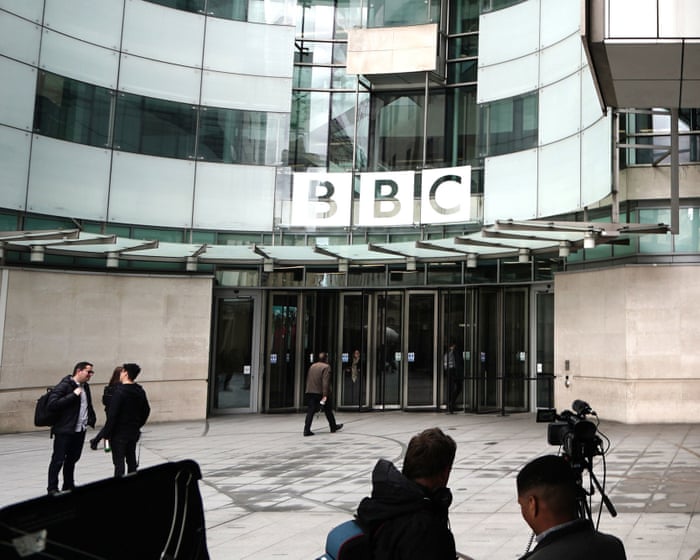
Rachel Jupp has become the new director of news and current affairs at the BBC. She faces important challenges like job cuts, pay disputes, and adapting the BBC’s news to digital platforms while maintaining its reputation for fairness and authority.
Key Facts
Rachel Jupp was recently appointed as BBC’s director of news and current affairs.
The BBC newsroom has faced job cuts and ongoing pay disagreements.
Deborah Turness, the previous director, resigned almost a year ago, leaving a leadership gap.
Journalists want clear plans about upcoming changes and cuts.
The BBC struggles to keep its traditional authority in the digital age where many people get news through phones and social media.
There is a debate inside the BBC about balancing public service values with attracting audiences on digital platforms.
Director General Matt Brittin supports Jupp to make the BBC more action-focused and effective in the digital world.
Jupp was chosen from four candidates because she is seen as able to handle both digital transformation and maintaining BBC’s trustworthiness.
Read the Original
Want the full story? Tap a source to open the original
article.
The Hollywood film industry is facing economic challenges as studios reduce jobs because of company mergers and film producers choose to work outside of California. This shift is causing fewer film-related jobs and less money flowing into the state.
Key Facts
Hollywood’s entertainment economy is struggling.
Studios are cutting jobs due to industry consolidation (companies merging or joining together).
Film producers are increasingly working outside California.
This results in job losses in the film industry within California.
Production money is moving out of the state.
The problem affects both jobs and local spending in Hollywood.
These changes pose challenges for California’s film economy.
Read the Original
Want the full story? Tap a source to open the original
article.
Three friends who took out student loans under England’s Plan 2 system share how their debts have changed over the past decade. Despite earning above the average salary, their repayments, loan balances, and interest vary widely because of different career paths, earnings, and government loan rules. The government recently froze the income threshold for repayments, which could cause graduates to pay more sooner.
Key Facts
Lizzy, Charlotte, and Libby started university in 2012, when tuition fees in England rose to £9,000 per year and Plan 2 loans began.
Each borrowed about £37,500 for tuition and living costs over three years.
Plan 2 loans have a higher interest rate than many other student loans, causing some balances to grow even while making repayments.
Graduates only start paying back when earning above a certain income, currently frozen for three years, affecting how soon and how much they repay.
Research suggests borrowers need to earn around £63,000 or more for their loan balance to decrease if the initial debt is about £50,000.
Lizzy earns £85,000 and chose to pay off her loan last year by borrowing money from her family.
Charlotte earns about £50,000, has done postgraduate study, but her loan amount is still increasing.
Libby earns £72,000, has kept a nearly stable loan balance despite repayments, and anticipates the debt will eventually be written off after 30 years.
Read the Original
Want the full story? Tap a source to open the original
article.
A maintenance worker named Gavin Pugh fell 30 feet while working on a power pylon and was left paralyzed. He sued his employer, who was found to have unsafe working conditions, and won a compensation package worth at least £10 million to cover his care and lost earnings.
Key Facts
Gavin Pugh fell 30 feet while dismantling a power pylon in April 2022.
His safety rope was attached incorrectly, causing it to slip and lead to his fall.
Pugh suffered serious injuries to his brain, neck, shoulder, ribs, and organs, leaving him in a wheelchair.
The Health and Safety Executive (HSE) found that the employer did not have proper safety measures.
The company, Wood Transmission and Distribution Ltd, was fined £240,000 in court.
An out-of-court settlement gave Pugh at least £10 million for compensation, care, and rehabilitation.
The settlement covers his lost future earnings and funds 24-hour care and rehabilitation.
Before the accident, Pugh was active and enjoyed fishing, but now he faces long-term physical and psychological effects.
Read the Original
Want the full story? Tap a source to open the original
article.
Australia’s Prime Minister Anthony Albanese wants to create a universal childcare system that is affordable and easy for all families to use. The government is studying how much it would cost and how to provide more childcare services, especially in growing outer suburbs and regional areas, while dealing with safety issues and rising fees.
Key Facts
Childcare fees in Australia have risen sharply, making it hard for families like Rachel Hill’s to afford full-time care.
Prime Minister Albanese wants universal childcare to be as natural and accessible as public schools.
Universal childcare means care that is available, high-quality, and affordable, but not necessarily free.
The government is looking at models from other countries where fees are low or capped based on income or wages.
Two consulting firms, Deloitte and KPMG, are working on reports about the cost and business plans for universal childcare.
Some childcare centres have not volunteered financial data, so the government is requiring them to share it.
The government aims to increase the number of not-for-profit childcare providers, as currently 70% are privately run.
New childcare centres are being funded in outer metro and regional areas to meet growing demand.
Read the Original
Want the full story? Tap a source to open the original
article.
Green Acres Nursery in North Texas is offering a special deal during October where customers can pay $25 to carry out as many pumpkins as they can hold. This promotion is available all month long and encourages people to pick carving pumpkins for Halloween.
Key Facts
The deal is available throughout October at Green Acres Nursery.
Customers pay a flat price of $25.
For this price, customers can carry out as many pumpkins as they can hold.
The pumpkins are meant for carving, commonly used for Halloween decorations.
Green Acres Nursery is located in North Texas.
The offer aims to attract more customers during the pumpkin season.
Pumpkins vary in size and weight, so how many a person can carry will differ.
Read the Original
Want the full story? Tap a source to open the original
article.
Silver prices in Lucknow have risen sharply, causing a drop in demand for handmade silver bridal shoes called nagras. These shoes, once worn daily by Nawabs, are now mainly used for weddings, but the high cost of silver is threatening the traditional craft.
Key Facts
Lucknow is famous for its Nawabi heritage and handmade silver bridal shoes called nagras.
Azhar Hussain, a craftsman, has made silver nagras for over 30 years in Chowk Bazaar, a busy market in Old Lucknow.
The process involves shaping thin silver sheets with engraved floral and leaf patterns, then fitting them onto shoes.
Silver nagras have been made using this technique since the 1600s and were originally worn by Nawabs (Muslim rulers of Awadh).
Over the last 70–80 years, nagras became popular among middle and upper-class families for weddings.
There are two styles: open-toed chappals and closed-toed jutis with various designs.
Rising silver prices have sharply reduced customer demand, threatening the survival of this traditional craft.
Nawab Masud Abdullah, a descendant of the Nawabs, says silver nagras represent culture and heritage and remain essential for bridal attire.
Read the Original
Want the full story? Tap a source to open the original
article.
South African billionaire Koos Bekker has been buying large amounts of land and businesses in Somerset, England, to expand his luxury estate and hotel called the Newt. While some locals appreciate the new jobs and investment, others are unhappy about his growing influence on their community and rising prices.
Key Facts
Koos Bekker is a South African billionaire and chair of the technology firm Naspers.
He has bought more than 2,700 acres of land around Bruton and Castle Cary in Somerset through his company Emily Estate (UK) Limited.
Bekker purchased Hadspen House in 2013 and converted it into a luxury hotel called the Newt in Somerset.
He also acquired Yarlington Lodge, a large historic house, and turned it into a 32-guest hotel with luxury facilities.
Bekker has bought local businesses like a deli, beauty salon, pubs, and even influenced the local train station’s name, which now includes “for the Newt.”
Some residents feel his expansion and brand presence in public spaces is excessive and worry about rising prices.
Supporters say his investments have improved neglected places, created jobs, and attracted visitors.
The Newt hotel recently introduced endangered red squirrels into a protected area on the estate as part of a nature project.
Read the Original
Want the full story? Tap a source to open the original
article.