HMV will close its flagship Oxford Street store in March 2027 because the rent is set to double and renovation costs are high. The company plans to find a new location in London’s West End and will keep a strong presence in the city.
Key Facts
HMV first opened the Oxford Street store in 1921 and reopened it in 2023 after a four-year break.
The store will close in March 2027 due to a proposed rent increase and expensive renovation work.
More than 50 staff members will be affected by the closure.
HMV plans to transfer some employees to other London stores and its head office.
The company is searching for a new flagship store location in London’s West End district.
HMV operates 113 stores in the UK, including some under the Fopp brand, plus eight stores in Europe.
The company stated it is still committed to having stores on the high street (main shopping streets).
Read the Original
Want the full story? Tap a source to open the original
article.
The European Union has reached an agreement with China to reduce the number of hybrid cars China exports to Europe by over half. This deal aims to protect European car makers from heavy Chinese competition and reduce their reliance on Chinese imports.
Key Facts
The Paris Motor Show opened on December 10, 2026.
The EU secured a commitment from China to limit hybrid car exports to the European market.
The reduction could cut China's car exports to Europe by more than 50%.
The move is meant to help European automakers compete better against Chinese companies.
There are concerns in Europe about dependency on Chinese car imports.
The agreement has both economic and diplomatic importance for the EU and China.
The report was produced by France 2 and journalist Morgan Ayre.
Read the Original
Want the full story? Tap a source to open the original
article.
Hurricane Isaias, a Category 2 storm, hit Florida's Panhandle and caused damage and power outages, testing the state’s home insurance market after the costly Hurricane Milton in 2024. Florida’s home insurance industry has been slowly recovering from many insurer failures and rising costs, but Isaias and future storms may challenge this progress.
Key Facts
Hurricane Isaias hit Florida’s Panhandle as a Category 2 storm, causing heavy rain, wind damage, and power outages.
Isaias was the first Atlantic hurricane to strike the U.S. since Hurricane Milton in 2024.
Hurricane Milton caused about $34.3 billion in damage, mostly in Florida.
Florida’s home insurance market faced big problems after Milton, including many insurers failing and sharp increases in insurance costs.
By December 2025, Florida’s insurance regulator reported $5.6 billion in insured losses from Milton.
Many claims from Milton were denied because policies did not cover flood damage.
Isaias is expected to cause less financial damage than Milton, with estimated insured losses in the mid-single-digit billions.
Florida lawmakers passed reforms to help stabilize the insurance market after years of crisis with rising premiums and insurer insolvencies.
Read the Original
Want the full story? Tap a source to open the original
article.
The European Union has agreed to limit the number of hybrid electric vehicles imported from China to 350,000 per year starting in December. This quota aims to reduce China’s current market share in the EU by half and is part of a broader trade agreement including cuts on some Chinese tariffs for EU goods.
Key Facts
The EU will limit hybrid electric vehicle imports from China to 350,000 cars annually.
Currently, about 800,000 battery and plug-in hybrids from China are expected to be sold in the EU this year.
The new quota is set to cut China’s hybrid vehicle market share in the EU from 6% by half.
The quota uses World Trade Organization safeguards, allowing quick enforcement without long investigations.
Cars imported above the quota will not face extra taxes but will be held at customs in Europe.
Chinese-made or assembled cars within the EU (e.g., in Hungary or Spain) are exempt from the quota.
China agreed to reduce some tariffs on EU auto parts, footwear, olive oil, and ice cream as part of the deal.
The EU’s move comes amid concerns over a large trade deficit and worries about losing industrial jobs.
Read the Original
Want the full story? Tap a source to open the original
article.
American economists Robert E. Hall and Michael Woodford won the 2026 Nobel Prize in Economics. The prize recognized their work on the microeconomic foundations of macroeconomic stabilization and comes with a reward of about $1.2 million.
Key Facts
The 2026 Nobel Prize in Economics was awarded to Robert E. Hall and Michael Woodford.
Both winners are economists from the United States.
They were honored for their research on how small economic decisions (microeconomics) affect the overall economy's stability (macroeconomic stabilization).
The Nobel Prize in Economics is officially called the Sveriges Riksbank Prize in Economic Sciences in Memory of Alfred Nobel.
The 2026 prize is the last Nobel Prize awarded this year.
The prize money is 12 million Swedish crowns, which is about $1.2 million.
The announcement was made by the Royal Swedish Academy of Sciences.
The Nobel Prizes are internationally recognized awards given in several fields each year.
Read the Original
Want the full story? Tap a source to open the original
article.
A 23-year-old working in business-to-business (B2B) technology sales earns around £18,000 ($23,700) a month. Despite the high income and career satisfaction, they face long hours, frequent travel, missed family events, and personal sacrifices.
Key Facts
The individual started working at age 16 and now works in technology sales for businesses.
They earn about £18,000 per month, which provides financial comfort and opportunities.
Work days often start early (6:30 a.m.) and end late (after 8 p.m.), with extra time spent preparing for meetings.
The job requires travel, sometimes overnight stays, causing time away from family and events.
There is a struggle to maintain a healthy diet and exercise routine due to a busy schedule.
Missing personal and family occasions, like birthdays and weddings, is a common challenge.
The high income is the result of hard work and persistence, not instant success as sometimes portrayed on social media.
The person feels motivated by setting and chasing goals rather than money alone.
Read the Original
Want the full story? Tap a source to open the original
article.
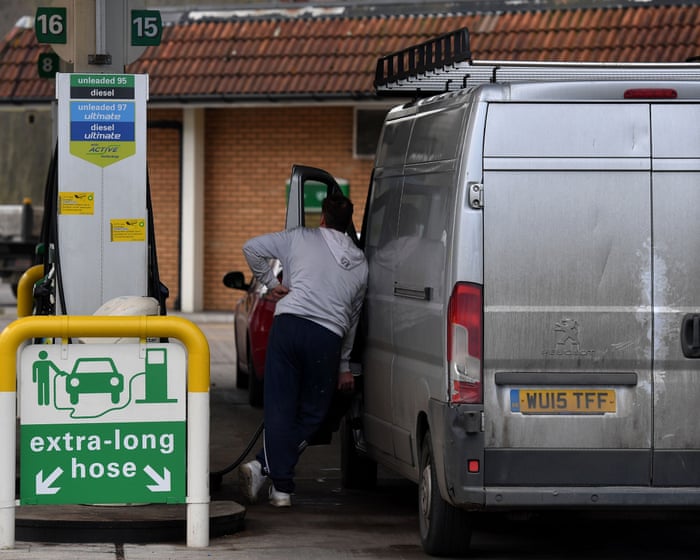
British van drivers will face an extra £2.5 billion in diesel costs this year because of higher fuel prices caused by global supply problems and geopolitical conflicts. This increase has led to calls for the UK government to cancel planned fuel tax hikes to avoid pushing up costs for businesses and consumers.
Key Facts
Diesel prices in the UK have reached record highs, partly due to refinery disruptions in the Middle East and Russia.
Van owners in the UK are expected to spend nearly £8.5 billion on diesel in 2024, up from £5.95 billion in 2023.
The average fuel bill for a van driver could rise from £1,294 to £1,965 this year.
About 95% of light commercial vehicles in the UK still use diesel fuel.
Fuel costs rose partly because of the US-Israel conflict affecting oil supplies from the Gulf region.
The UK government plans to increase fuel duty by 3p per litre in January and another 2p in March 2025.
The Road Haulage Association warns that fuel duty increases will hurt firms with small profit margins and could raise food and goods prices.
Other European countries like Spain, France, and Italy offer fuel rebates for commercial vehicles, which UK groups want here as well.
Read the Original
Want the full story? Tap a source to open the original
article.
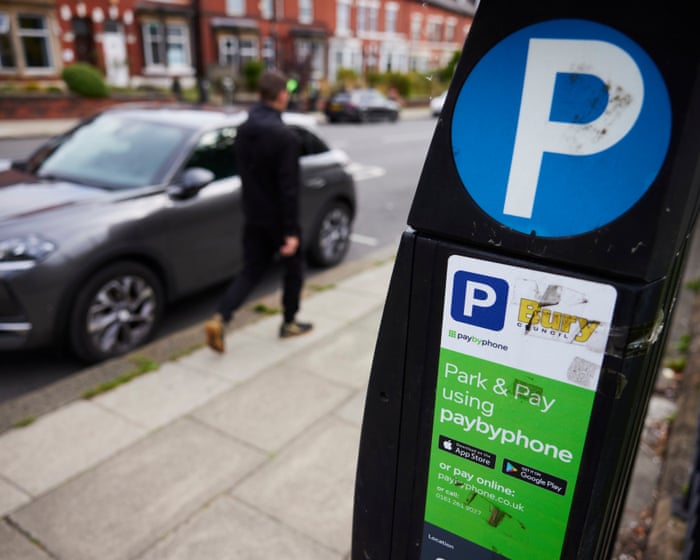
Many councils in England have stopped using parking machines and now require drivers to pay by phone apps, which can add extra fees of up to 40%. These additional charges are often not clearly shown on signs or in the app until near payment, making parking more expensive for drivers.
Key Facts
Several councils in England, including some in London, have removed physical parking machines and switched to app-only payments.
Parking apps save councils money by avoiding costs of ticket machines but often charge drivers extra service fees.
Service fees usually range from 10p to 30p and are not included in the prices shown on car park signs.
Fees are often hidden until the payment step or behind small information buttons in the app.
These fees can increase parking costs by up to 40%, such as a 30p fee on an 80p parking tariff in Harrogate.
Some apps also charge extra for text alerts about booking or expiry time, usually 10p to 30p per text.
The Advertising Standards Authority says all mandatory fees must be included in advertised prices, but fees from app providers may not legally need to be on council signs.
Different app providers have different fees, making it hard for drivers to know the total cost in advance.
Read the Original
Want the full story? Tap a source to open the original
article.
In the UK, about 1.5 million people in rural areas rely on heating oil, which is not regulated like gas or electricity. Due to global issues like the war in Ukraine and tensions in the Middle East, heating oil prices have increased significantly, causing higher costs for both households and small businesses.
Key Facts
Around 1.5 million people in the UK use heating oil for warmth instead of mains gas.
Heating oil prices are not controlled by the government, so they quickly reflect changes in global supply and demand.
Conflicts in the Middle East and the war in Ukraine are reducing oil supply, pushing prices up.
Heating oil prices doubled from about 60 pence per litre in March to a high of 134 pence, currently around 111 pence per litre.
Filling a typical 500-litre oil tank now costs about £550, up from roughly £300 last year.
Small business owners and community services are raising prices or facing financial strain due to higher fuel costs.
Many affected people live in rural areas without easy access to public transport, making heating oil vital for heating homes and running businesses.
Read the Original
Want the full story? Tap a source to open the original
article.
Halloween has grown into a major event for many businesses, with some making more money during the Halloween season than at Christmas. Attractions like pumpkin festivals, haunted mazes, and fancy dress shops report high demand, turning October into one of their busiest months.
Key Facts
Avon Valley Adventure Park earns about one-third of its yearly income during Halloween.
Chaplins fancy dress shop makes half its sales in October, especially during the Halloween week.
Average spending on Halloween costumes at Chaplins is around £40 per customer.
Popular TV shows like Squid Game influence costume sales each year.
A survey found 36% of shoppers plan to celebrate Halloween in 2024, up from 27% in 2023.
Retailers compete hard in October with higher sales of sweets, decorations, and costumes.
Some people, like A&E doctor Catarina Vieira, spend £150 to £200 on Halloween decorations and events.
Farms benefit by offering pumpkin patches and charging entry fees, turning their land into family attractions during October.
Read the Original
Want the full story? Tap a source to open the original
article.
An investigation by BBC Panorama and partners found that Deloitte’s Cyprus office helped Roman Abramovich hide assets and evade taxes by falsifying documents. These documents concealed luxury assets worth hundreds of millions of dollars, and the scheme involved offshore companies based in Cyprus. Abramovich denies knowing about any wrongdoing, while Deloitte says it follows the law.
Key Facts
Deloitte, a top global accounting firm, signed off on false documents for Abramovich’s Cyprus-based companies.
The falsified records hid assets like superyachts, mansions, and private jets valued at around $672 million (£508 million).
The scheme aimed to avoid paying a large tax bill on Abramovich’s wealth.
Abramovich’s lawyers deny he evaded taxes or authorized any false documents.
Deloitte Cyprus says it complies with relevant laws.
The documents come from a large leak revealing how Abramovich’s offshore wealth was managed from 1995 to 2022.
Abramovich was sanctioned by the UK in 2022 due to ties with President Putin and forced to sell Chelsea Football Club.
Around £5.4 billion of Abramovich’s assets remain frozen in Jersey amid a four-year criminal investigation.
Read the Original
Want the full story? Tap a source to open the original
article.
Ministers in the UK are planning to reduce the money given to help people install heat pumps, to save over £2 billion from the energy budget. This money will be used to increase defence spending as part of a new government plan.
Key Facts
The government aims to save more than £2 billion from the energy department’s budget for defence investment.
A significant part of these savings will come from cutting the Boiler Upgrade Scheme (BUS), which provides grants up to £9,000 for households to switch to electric heat pumps.
The BUS budget of £2.7 billion will be reduced by hundreds of millions of pounds but will not be completely cancelled.
The scheme has helped tens of thousands of homes replace gas boilers with cleaner heat pumps.
Some officials see the subsidy as mostly benefiting middle-class households.
Critics warn that reducing funding could harm the growing heat pump industry and slow efforts to address climate change.
Ministers are also expected to approve the Jackdaw gasfield to increase gas supply.
The government previously agreed to raise defence spending by £15 billion over four years, requiring cuts in other areas like energy.
Read the Original
Want the full story? Tap a source to open the original
article.
Britain’s Institute for Fiscal Studies (IFS) warned Chancellor John Healey that his upcoming budget could be unrealistic unless he clearly explains how to cover £35 billion in extra government costs. The IFS says higher inflation and war-related financial pressures mean the government must either add more money or face cuts in public services by 2030.
Key Facts
The IFS says Healey’s budget risks being a “work of fiction” without a clear plan for £35 billion in extra spending.
Rising inflation, partly caused by the Middle East conflict, has increased government borrowing costs.
The Chancellor must either increase funds for public services or plan real-term spending cuts by 2029-30.
The government’s current buffer for unforeseen costs could be cut by about half due to market reactions to the war.
Higher inflation could increase tax revenue but also reduces the value of government spending power.
The IFS urges Healey to avoid delaying tough decisions until next year’s spending review.
Bank of England Governor Andrew Bailey has said fiscal policy must be credible to financial markets.
Ignoring these spending pressures risks making Labour’s budget plans seem unrealistic or dishonest.
Read the Original
Want the full story? Tap a source to open the original
article.
Scammers pretending to be roofing workers are charging homeowners thousands of pounds for work that is either not done, done badly, or not needed, according to Citizens Advice. In the past year, roofing scams made up one in ten of all scam reports to the charity, causing serious financial and emotional harm to victims.
Key Facts
Citizens Advice received 9,000 complaints about roofing work in the past year, including construction and repair problems.
About 2,205 of these complaints, nearly one in four, were suspected to be scams.
Victims often pay large sums, such as £5,500 or more, for incomplete or unnecessary roofing work.
Scammers commonly use aggressive sales techniques and target people at their doors.
Many victims feel scared or pressured into paying for work during unsolicited visits.
Citizens Advice advises people to check traders carefully, get everything in writing, and know their consumer rights.
The Consumer Rights Act 2015 lets customers demand repairs or refunds if work is not done properly.
National Trading Standards warns that rogue traders are criminals who cause lasting harm by attacking people in their own homes.
Read the Original
Want the full story? Tap a source to open the original
article.
More people are missing credit card payments due to rising living costs, and lenders expect this trend to continue. Free, impartial debt advice is available, but people should be careful of firms that charge fees or use pressure tactics when offering debt solutions.
Key Facts
Credit card debts are rising as bills and living costs increase.
Lenders have told the Bank of England they expect more unpaid debts this autumn.
Free, unbiased debt advice can be found on government-backed sites like MoneyHelper.
Some firms charge upfront fees or pressure people to quickly agree to debt solutions.
The Financial Conduct Authority (FCA) regulates authorized debt advisors.
Unregulated firms may impersonate charities or debt collectors to collect personal details.
Warning signs include repeated calls or messages pushing quick decisions and lack of clear options.
People unhappy with authorized firms can complain to the Financial Ombudsman Service.
Read the Original
Want the full story? Tap a source to open the original
article.
The ongoing US-Israel war in Iran is causing energy prices and inflation to rise, which could hurt the UK government's spending plans. Chancellor John Healey faces tough choices for his upcoming Budget, including possible tax increases or spending cuts, as inflation eats into public service budgets and borrowing costs rise.
Key Facts
The US-Israel war in Iran and Russia’s invasion of Ukraine have pushed global energy prices higher.
These price increases are causing inflation to rise in the UK, affecting everyday costs like fuel and mortgages.
Higher inflation reduces the real value of government spending on services, meaning less money’s worth.
The Institute for Fiscal Studies (IFS) warns Chancellor Healey he must avoid making unrealistic Budget promises.
Rising inflation also increases the cost of government debt interest, raising borrowing costs.
Higher inflation increases tax revenues but only partially offsets spending pressures.
The UK government aims to only borrow for investment by 2029-30 and to reduce debt as a share of the economy.
Estimates suggest the government might need to find an extra £25 billion by 2029-30 to maintain department budgets amid inflation.
Read the Original
Want the full story? Tap a source to open the original
article.
The Federal Trade Commission (FTC) is sending $15.8 million to users of a cash advance app. Over 2 million payments are being made as part of this distribution.
Key Facts
The FTC is distributing $15.8 million to users of a specific cash advance app.
More than 2 million individual payments will be sent out.
The payments are likely refunds or compensation related to the app’s services.
The FTC is a U.S. government agency that protects consumers from unfair business practices.
Users of the app should check their email for payment details.
The cash advance app refers to a financial app that provides short-term loans or advances on money.
Read the Original
Want the full story? Tap a source to open the original
article.
The horror movie "Other Mommy," starring Jessica Chastain, earned $27.5 million in its opening weekend in North America, exceeding expectations despite poor reviews. Another new film, "The Social Reckoning," about a Facebook whistleblower, opened with $5.5 million but received mixed reviews and a lower audience score.
Key Facts
"Other Mommy" made $27.5 million in its first weekend in 3,365 theaters in North America.
The film also earned $17.7 million overseas, totaling $45.2 million globally.
"Other Mommy" has a production budget of about $19 million and got a D+ score from audiences.
"The Social Reckoning" earned $5.5 million from 2,606 theaters with a B- audience grade.
"The Social Reckoning" cost about $30 million to make, not counting marketing expenses.
"The Social Network," also written by Aaron Sorkin, made over $22 million at its opening 16 years ago.
Other movies in the top five included "Verity" ($11.5 million), "Resident Evil" ($8.4 million), and "Heart of the Beast" ($7.1 million).
Some limited releases like "Fjord" and the Elon Musk documentary "Musk" had modest opening numbers in a few theaters.
Read the Original
Want the full story? Tap a source to open the original
article.
French carmaker Citroen has revealed a new electric car inspired by its historic 2CV model to attract buyers in a competitive market. The small, retro-styled concept will not be sold yet but is planned for showroom release by 2028, aiming to offer an affordable city car under £15,000.
Key Facts
Citroen unveiled a concept electric car at the Paris Motor Show that pays tribute to the classic 2CV model.
The original 2CV was launched in 1948 as a simple, durable car for rural users and remained popular for over 40 years.
The new version keeps design features like high wheel arches, a tall roof, and rounded headlights similar to the original.
Citroen aims to have a production version available by 2028, priced under £15,000.
European carmakers increasingly use retro designs to appeal to buyers and stand out from Chinese competitors.
Renault and Volkswagen have also revived old models or designs to promote their new electric vehicles.
Industry experts see this nostalgia strategy as a way to attract both older buyers familiar with the originals and younger buyers who like retro style.
European carmakers face strong competition from rising Chinese auto manufacturers in the electric vehicle market.
Read the Original
Want the full story? Tap a source to open the original
article.
The Volkswagen boss supports new EU rules to help European carmakers compete fairly with Chinese companies. Volkswagen plans to cut up to 100,000 jobs and reduce the number of car models to lower costs and improve profits amid strong competition and high costs.
Key Facts
Volkswagen CEO Oliver Blume backs EU proposals called the Industrial Accelerator Act, which favor products made mostly in Europe.
The EU wants to stop cheap Chinese cars from hurting European car makers.
Volkswagen is planning the biggest job cuts in its history, up to 100,000 jobs.
The company will cut its car models from 150 to 75 to simplify production and save money.
Chinese hybrid car sales in Europe are being halved after an EU-China agreement.
Blume says companies selling in Europe should create jobs and value there too.
Volkswagen showed its new all-electric ID Tiguan at the Paris motor show.
The cuts and changes aim to increase Volkswagen’s profits and protect Europe’s car industry and technology.
Read the Original
Want the full story? Tap a source to open the original
article.