Fact-first summaries of the news — stay informed, stay grounded.
Your favorite news sources, one calm feed — fact-first summaries that always link to the
original story. No outrage bait, and we tell you when you're caught up. How it works
Business News
Business news, market updates, and economic developments
A woman named Fiona bought a horse from seller Tasha Lee Hopkins through Facebook, which later injured Fiona’s daughter seriously. Several women have told the BBC they were sold horses by Hopkins that were unsafe or had health problems not disclosed at the time of sale.
Key Facts
Fiona’s 13-year-old daughter was kicked in the head by a horse bought six weeks earlier from Hopkins.
The horse was advertised as safe and suitable for teenagers but was not properly trained.
Fiona’s daughter suffered a concussion and had to recover for about two weeks.
Hopkins sold horses through a Facebook group called CT Sports Horses, promising six-month warranties.
Five women claimed they were mis-sold horses by Hopkins in the last seven years.
One buyer was sold a horse with an undisclosed broken back.
Another buyer purchased a horse with severe arthritis that had previously been advised to be euthanized by a vet.
There are no official rules regulating horse sales, so buyers and sellers must be careful.
Read the Original
Want the full story? Tap a source to open the original
article.
Plug-in solar panels will be sold in the UK for the first time, allowing people without roof access to generate their own electricity. These small solar systems can be plugged into a wall socket to help reduce electricity bills by producing renewable energy at home.
Key Facts
Plug-in solar panels, also called balcony solar panels, will go on sale in the UK starting this week.
They are designed for people who live in flats or rented homes without access to a roof.
Argos is the first retailer to sell these systems, with Amazon, Currys, B&Q, and Screwfix following soon.
Prices for the solar panels will start at around £400 to £500 depending on size.
The systems produce about 800 watts, much smaller than typical rooftop solar setups, and can save up to £110 a year on electricity.
The solar panels plug into a standard wall socket and power household appliances directly, reducing the need to buy electricity from the grid.
Each system must be registered to help monitor the overall impact on the national energy system.
Use and savings depend on the panel’s placement, weather, and household electricity use patterns; batteries are not included with these panels.
Some homes may need planning permission or landlord approval before installing these panels.
Read the Original
Want the full story? Tap a source to open the original
article.
Nvidia reported revenue of $96.2 billion and net income of $59.7 billion, surpassing expectations for its latest quarter. The company expects to earn $108 billion in its next quarter, marking the first time it could exceed $100 billion in revenue.
Key Facts
Nvidia’s revenue more than doubled compared to the same period last year.
Net income increased by 126% to $59.7 billion.
Revenue from data centers rose 117% to $89 billion, the largest part of sales.
Nvidia’s next quarter revenue forecast is $108 billion, plus or minus 2%.
The company’s stock fell slightly after the earnings report despite strong results.
Nvidia is investing in AI infrastructure and supporting OpenAI data centers.
CEO Jensen Huang says many AI labs and startups are growing at the same time.
Nvidia’s stock is still up 11% for the year despite recent losses.
Read the Original
Want the full story? Tap a source to open the original
article.
The president of Dollywood, Dolly Parton’s theme park in Tennessee, said the park has many plans to celebrate and honor Dolly Parton’s legacy. Tributes to the singer-songwriter are coming from across the United States.
Key Facts
Dollywood is a theme park in Tennessee connected to Dolly Parton.
The park’s president spoke about future plans to honor Dolly Parton.
Dolly Parton is a well-known singer and songwriter.
Tributes for Dolly Parton are happening nationwide.
CBS News correspondent Skyler Henry reported from Dollywood.
The news segment about this story is available on CBS News platforms.
Read the Original
Want the full story? Tap a source to open the original
article.
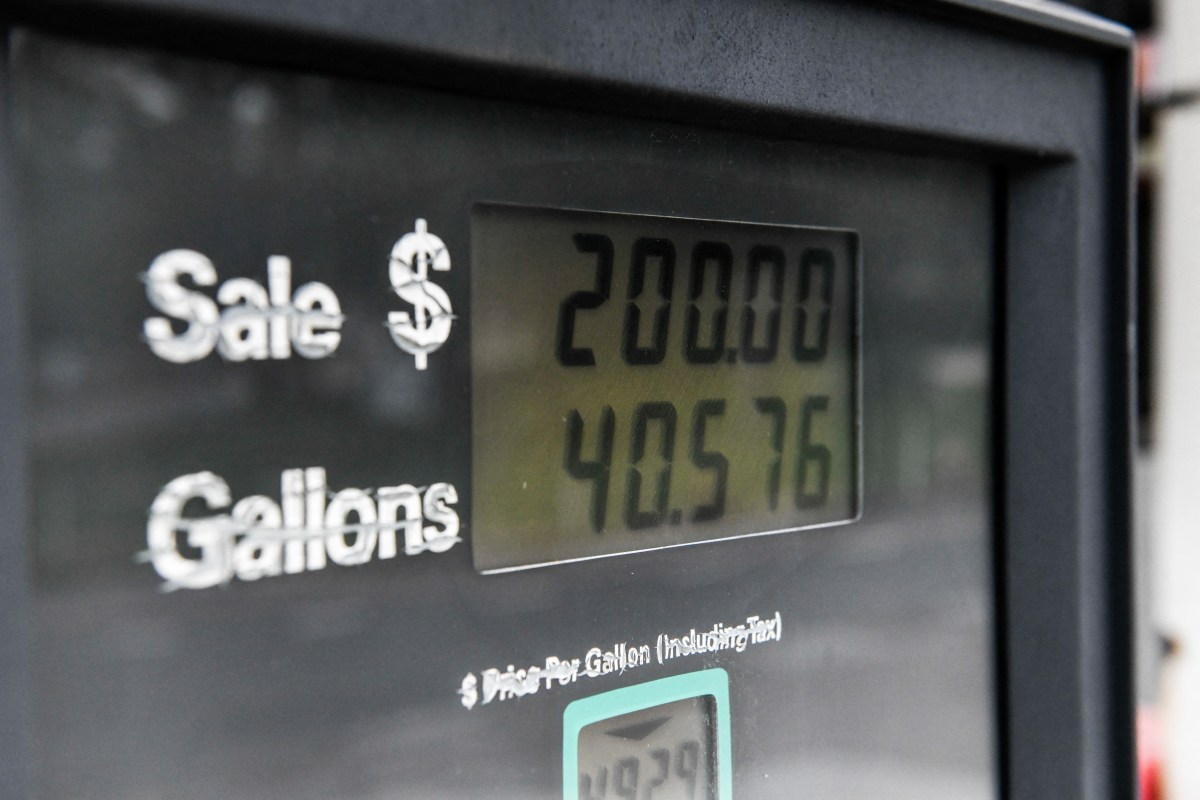
In Shungnak, a remote village in Alaska, gas prices recently reached $26.82 per gallon due to transportation challenges and higher global oil costs linked to the U.S.-Israeli conflict with Iran. This price is much higher than the national and state averages and highlights supply problems caused by the war and local delivery difficulties.
Key Facts
Gasoline in Shungnak, Alaska, hit $26.82 per gallon, the highest in the region.
The village depends on air travel for fuel deliveries because barges could not reach it due to low water levels.
The price almost doubled overnight from $13.99 to $26.82 after gasoline had to be flown in.
Shungnak’s gas prices have been high for years; it was $14.03 per gallon in 2022 and over $8 in 2007.
The U.S.-Israeli war with Iran has kept global oil prices high due to disruptions in the Strait of Hormuz, a key oil route.
National average gas price is about $4 per gallon, with Alaska’s average ranging between $3.49 and $5.62.
Fuel costs in remote Alaska communities depend heavily on transportation access, weather, and river conditions.
Rising fuel prices could impact voter sentiment in upcoming elections, especially in areas like Alaska.
Read the Original
Want the full story? Tap a source to open the original
article.
General Mills announced that it will stop using artificial colors in its cereals sold in the United States. The company said it aims to remove these dyes from all its cereals by the end of 2027.
Key Facts
General Mills is removing artificial colors from its U.S. cereal products.
The company expects to complete this change by the end of 2027.
So far, 90% of General Mills’ cereal lineup in U.S. stores already uses no artificial colors.
The announcement was made through a press release on Wednesday.
This change reflects General Mills’ efforts to offer more natural food options.
The update applies specifically to cereals sold within the United States.
Read the Original
Want the full story? Tap a source to open the original
article.
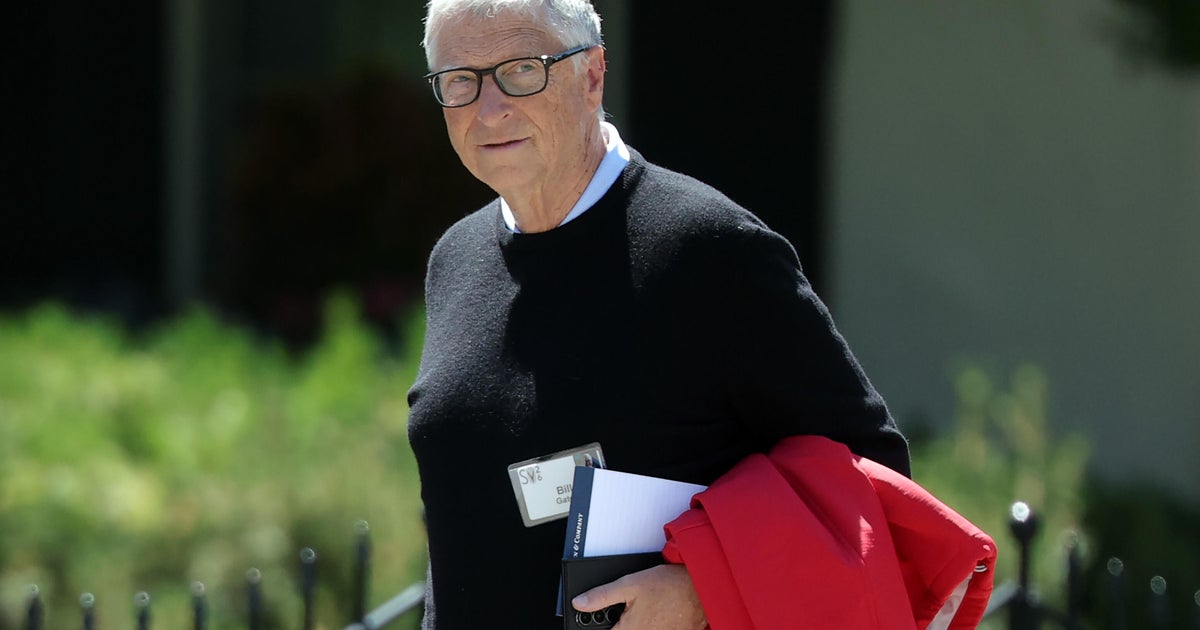
Bill Gates warns that artificial intelligence (AI) will quickly change the U.S. job market and may cause millions of job losses. He says AI will affect many industries like law, medicine, and manufacturing within the next decade, and urges new policies to protect workers.
Key Facts
AI is advancing very fast, faster than past technology changes.
AI will impact jobs in many fields including customer service, software, and manufacturing.
Gates says AI will soon do work with very few mistakes, reducing the need for human help.
Both white-collar (office) and blue-collar (physical) jobs will be affected by AI.
Gates suggests a tax on AI tools and robots to slow down replacing workers.
He proposes keeping certain jobs, like caregiving, reserved for humans.
Countries may choose different approaches based on their workforce, like Japan using robots due to fewer young workers.
Gates calls for urgent discussions on policies to handle AI job changes.
Read the Original
Want the full story? Tap a source to open the original
article.
Evergrande, once one of China’s biggest property developers, grew rapidly and took on a huge amount of debt. Its collapse has caused a crisis in China’s housing market and hurt the country’s economy. The company’s founder, Hui Ka-yan, has been sentenced to life in prison for crimes like bribery and illegal use of funds.
Key Facts
Evergrande was a major player in China’s property boom and economic growth.
The company became one of the world’s most indebted businesses.
Evergrande’s financial problems contributed to a housing market crisis in China.
Its collapse revealed weaknesses in China’s way of managing property development.
Hui Ka-yan, the founder and chairman, received a life sentence for corruption and misuse of funds.
The situation with Evergrande has implications for China’s wider economy and the global economy.
The news program discussed Evergrande’s rise, fall, and impact with reporters based in Beijing.
Read the Original
Want the full story? Tap a source to open the original
article.
The FDA has approved Rasonque, an oral medicine for advanced pancreatic cancer that targets proteins driving tumor growth. The drug, developed by Revolution Medicines, has shown in trials to extend the survival of patients with metastatic pancreatic cancer compared to chemotherapy.
Key Facts
Rasonque (generic name daraxonrasib) is a once-daily pill approved for advanced pancreatic cancer treatment.
It targets the RAS protein family, especially KRAS mutations, which are common in over 90% of pancreatic cancers.
The FDA approved the drug about 6.5 months before the deadline and granted special designations to speed up approval.
Rasonque is for adults whose cancer has worsened after prior treatment or who cannot use standard chemotherapy.
The drug costs $39,800 for a 30-day supply at wholesale price; patient costs may vary with insurance and assistance programs.
In clinical trials, patients on Rasonque lived a median of 13.2 months versus 6.7 months with chemotherapy, reducing death risk by 60%.
Side effects were fewer and less severe than chemotherapy’s and included rash, diarrhea, nausea, and fatigue.
Over 2,000 patients accessed the drug early through an expanded-access program before full approval.
Read the Original
Want the full story? Tap a source to open the original
article.
Canadian officials have suggested that cutting off electricity exports to the U.S. could be considered as a trade response, but experts say this would not cause major blackouts in U.S. cities. The U.S. gets some electricity from Canada, but it has many other sources, so electricity supply would continue, though prices might rise.
Key Facts
Ontario Premier Doug Ford said "everything is on the table" in the trade dispute with the U.S., including possibly cutting electricity exports.
Canada imposed about $20 billion in tariffs on U.S. goods but has not limited electricity exports so far.
Canada exported $3.3 billion worth of electricity to the U.S. in 2025; the U.S. imported $1.4 billion worth from Canada.
The U.S. generated 4,430 terawatt hours of electricity in 2025, while Canadian exports accounted for about 33 terawatt hours to the U.S.
Experts say stopping electricity from Canada would not cause blackouts because the U.S. has many other electricity sources.
If Canada cut off electricity, prices in the U.S. could rise due to more expensive alternative energy sources.
In extreme cases, businesses like data centers might need to reduce power use or switch to backup generators temporarily.
Any necessary rolling blackouts would be managed with notifications to consumers ahead of time.
Read the Original
Want the full story? Tap a source to open the original
article.
The Michigan Strategic Fund approved up to $50 million in state grants to support the Copperwood copper mine project in the Upper Peninsula. The project by Highland Copper Inc. aims to create 380 jobs over 11 years but has faced public opposition over environmental concerns.
Key Facts
The Copperwood mine is located in the far western Upper Peninsula of Michigan.
Highland Copper Inc., based in Toronto, proposed the project with a $425 million budget.
The mine is expected to create 380 jobs during its 11-year life.
The Michigan Strategic Fund granted $45 million for site preparation and $5 million for local road improvements.
Funding comes from the now-defunded SOAR Fund that had unused money allocated in 2022.
This would be the first Upper Peninsula mine since 1955, supported by some lawmakers and economic groups.
Many local residents and environmental advocates expressed concerns about possible harm to Lake Superior and nearby natural areas.
Highland Copper’s CEO said the grant is crucial as it lowers the project’s financing challenges.
Read the Original
Want the full story? Tap a source to open the original
article.
Louisiana Governor Jeff Landry said he is not worried about environmental problems from SpaceX’s new $100 billion launch site on the Gulf Coast. The spaceport will be built on land that was used before and aims to support space launches.
Key Facts
SpaceX plans to build a $100 billion launch facility in Louisiana along the Gulf Coast.
The site will be a spaceport used for launching rockets.
The land for the project was previously used for other purposes.
Governor Jeff Landry expressed no concerns about environmental damage from the spaceport.
The project is expected to have a large economic impact on the state.
Construction and operations at the facility will create jobs and business opportunities.
The announcement was made during an interview with CBS News.
Read the Original
Want the full story? Tap a source to open the original
article.
Many certificate of deposit (CD) accounts will mature this September, and account holders need to decide what to do with their funds before the grace period ends. Moving money from a maturing CD to a traditional savings account is not recommended due to low interest rates, so savers should consider alternatives like high-yield savings accounts or money market accounts that offer higher returns and better access.
Key Facts
CD accounts opened months or years ago may mature this September.
Banks usually allow about two weeks after maturity to decide what to do before automatic rollover.
Traditional savings accounts currently offer very low interest rates (around 0.38%), which may not keep up with inflation.
High-yield savings accounts can offer interest rates around 4.10% and allow easy access to funds.
Money market accounts offer slightly lower rates than high-yield savings but provide check-writing abilities.
Both high-yield savings and money market accounts have variable interest rates that can change with market conditions.
Online banks often provide better interest rates than banks with physical branches.
Savers are advised to compare options before moving their funds from CDs to other accounts.
Read the Original
Want the full story? Tap a source to open the original
article.
Canada is imposing new tariffs of up to 50% on $20 billion worth of U.S. goods to pressure the Trump administration. These tariffs mainly target key U.S. states and industries, especially manufacturing and dairy, and will take effect on September 8, shortly before the U.S. election.
Key Facts
Canada announced retaliatory tariffs on over 800 types of American goods, ranging from 15% to 50%.
The tariffs are aimed at U.S. states with major exports to Canada, including Michigan, Indiana, Wisconsin, and Vermont.
The tariffs target products like steel, aluminum, appliances, cheese, furniture, and clothing.
Canada’s tariffs mirror the U.S. tariffs imposed on Canadian products.
These measures come after the Trump administration imposed 50% tariffs on Canadian steel and automotive imports.
Canada hopes to pressure the U.S. before the tariffs start on September 8, just before the general election.
Some agricultural products like soybeans and wheat from states like North Dakota are exempt from the tariffs.
Canada wants consumers to buy more local products as U.S. goods become more expensive due to tariffs.
Read the Original
Want the full story? Tap a source to open the original
article.
"Coyote vs. Acme" is a new movie that mixes real actors with cartoon characters from Looney Tunes. The film shows a personal injury lawyer working with Wile E. Coyote to sue the Acme Corporation for making faulty products. The movie was made in 2022 but was initially shelved by Warner Bros. before finally being released in theaters.
Key Facts
"Coyote vs. Acme" combines live action with cartoon characters like Wile E. Coyote and Road Runner.
The movie is set in Albuquerque, New Mexico, where cartoons live alongside humans.
Will Forte stars as a personal injury lawyer who teams up with Wile E. Coyote.
The plot involves suing Acme Corporation for defective products used by Coyote.
The idea started as a 1990 parody but took almost 30 years to become a film.
Warner Bros. spent about $70 million producing the movie.
Warner Bros. initially put the movie on hold and considered it a tax write-off.
The film touches on themes of corporate greed and standing up against big companies.
Read the Original
Want the full story? Tap a source to open the original
article.
A federal judge in New York ordered actor Justin Baldoni and the studio behind the movie "It Ends With Us" to pay actress Blake Lively nearly $400,000 for her legal fees. Blake Lively had asked for $7.5 million, but the judge said that amount was too high.
Key Facts
The judge’s ruling requires Baldoni and the studio to pay close to $400,000 to Blake Lively.
Blake Lively had requested $7.5 million for legal fees, which was denied as unreasonable.
The case involves legal costs connected to the movie "It Ends With Us."
The decision was made in a federal court in New York.
This is an ongoing story, with details expected to develop further.
Read the Original
Want the full story? Tap a source to open the original
article.
Buc-ee’s, a gas station and travel center chain, announced it will focus on expanding in states that are “conservative” and “friendly to business.” This decision follows criticism the company faced for suing small businesses over logos that look similar to its own.
Key Facts
Buc-ee’s is a gas station and travel center chain in the United States.
The company has been taking legal action against small businesses with logos it says are too similar to Buc-ee’s logo.
Some people criticized Buc-ee’s for suing small businesses.
In response, Buc-ee’s said it will look to open new stores mainly in states described as conservative.
The company also wants to invest where the environment supports business growth.
Buc-ee’s says it has many new locations planned and is actively growing.
Read the Original
Want the full story? Tap a source to open the original
article.
General Mills announced it has removed artificial colors from all its cereals sold in the U.S., including Lucky Charms and Trix. The company now uses natural dyes made from fruits, vegetables, and spices to color its cereals, with plans to eliminate artificial dyes from other products by 2027.
Key Facts
General Mills replaced artificial colors in its U.S. cereals with natural dyes from fruits, vegetables, turmeric, and paprika.
About 90% of General Mills’ U.S. retail products are now free of artificial dyes.
The company will remove artificial dyes from products like Betty Crocker cake mixes and Fruit Roll-Ups by the end of 2027.
Kellogg’s plans to remove artificial colors from its U.S. cereals by the end of 2025.
Some studies link artificial dyes to behavioral problems in children, but the FDA says approved dyes are generally safe.
The FDA banned one artificial dye, Red 3, in 2023 due to cancer concerns in lab tests.
General Mills had removed dyes from Trix in 2015 but brought them back after customer demand for bright colors.
Pressure from consumers, politicians, retailers like Target and Walmart, and officials such as Health Secretary Robert F. Kennedy Jr. have encouraged removing artificial dyes.
Read the Original
Want the full story? Tap a source to open the original
article.
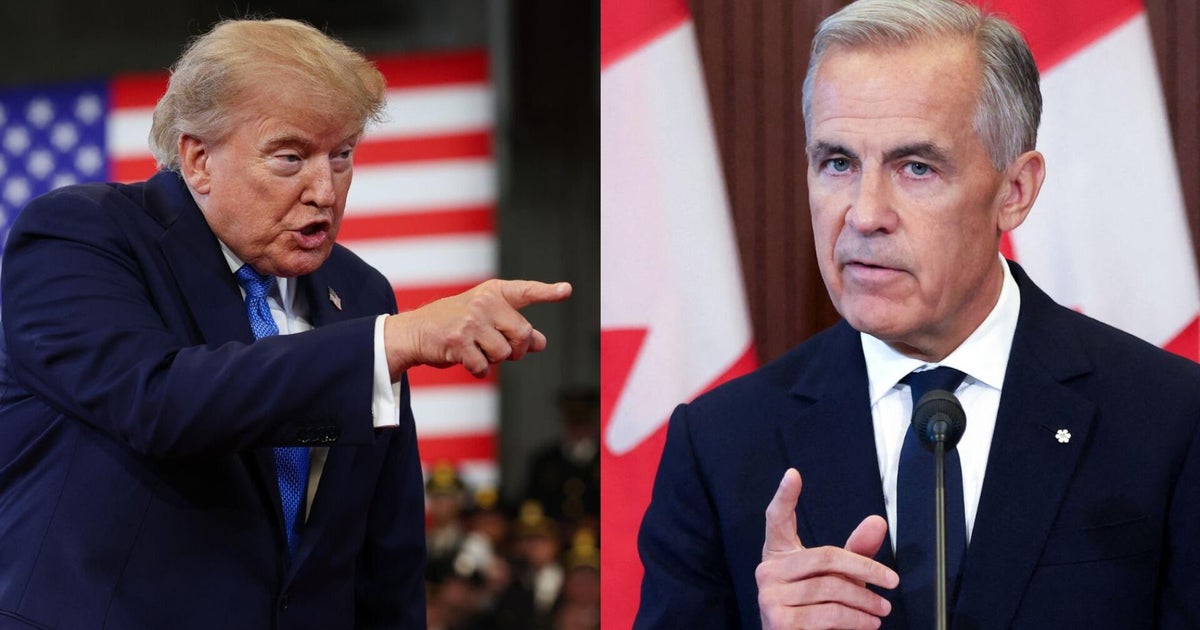
President Donald Trump said the United States does not need Canada, but the U.S. economy depends strongly on Canadian oil, aluminum, and other goods. Despite imposing high tariffs on Canadian aluminum, the U.S. still relies heavily on Canada for key materials that support American industries and energy needs.
Key Facts
About 4 million barrels of Canadian crude oil flow daily into the U.S., fueling transportation and industry.
Canada supplies aluminum, potash (used in farming), and auto parts critical to the U.S. economy.
President Trump claimed the U.S. doesn’t need Canada but also said the country desperately needs Canadian aluminum.
The U.S. and Canada exchanged $872 billion in goods and services in the previous year.
Canadian crude oil makes up nearly 20% of total U.S. petroleum consumption.
The U.S. trade deficit with Canada, often cited by Trump, is largely due to energy imports from Canada.
In response to failed trade talks, the U.S. imposed 50% tariffs on about $20 billion of Canadian goods, excluding energy products.
Energy products, such as oil and gas, mostly explain why the U.S. runs a trade deficit with Canada; without energy, the U.S. would have a trade surplus.
Read the Original
Want the full story? Tap a source to open the original
article.
A federal judge decided that actress Blake Lively will receive about $400,000 in legal fees from director Justin Baldoni, much less than the $8 million she asked for. The judge limited the award based on a California law designed to protect survivors of sexual harassment from certain legal costs. Lively and Baldoni had settled their dispute over the 2024 film "It Ends With Us" shortly before the ruling.
Key Facts
Blake Lively sought $8 million in legal fees from Justin Baldoni after legal battles related to their film "It Ends With Us."
A federal judge awarded her $363,245 for attorney fees and $44,206 for legal costs, much less than requested.
The judge limited the award due to a California law protecting survivors of sexual harassment from retaliatory lawsuits.
Lively accused Baldoni of sexual harassment, retaliation, breach of contract, and emotional distress in her 2024 lawsuit.
Baldoni denied the harassment claims and countersued Lively and her husband for defamation and other charges, which were later dismissed.
The judge ruled Lively’s harassment claims invalid because she was an independent contractor, not an employee, during filming.
Lively and Baldoni settled the case in May 2025, emphasizing a commitment to respectful workplace environments.
The film "It Ends With Us," based on a 2016 novel about domestic violence, was released in August 2024 and performed well financially despite controversy.
Read the Original
Want the full story? Tap a source to open the original
article.