Fact-first summaries of the news — stay informed, stay grounded.
Your favorite news sources, one calm feed — fact-first summaries that always link to the
original story. No outrage bait, and we tell you when you're caught up. How it works
Business News
Business news, market updates, and economic developments
Oil prices fell for the second day as traders believed the risk of new US military strikes on Iran decreased. Instead, the US announced wider economic sanctions against Iran, but without details or a clear timeline, which helped calm the oil market.
Key Facts
Oil prices dropped more than 3%, with Brent crude dipping below $90 a barrel.
The US shifted from threatening military strikes to imposing broader economic sanctions on Iran.
Treasury Secretary Scott Bessent called this move an “economic D-Day” against Iran and its trade partners.
No timeline or names of other countries facing sanctions were given by the US.
Pakistani mediators reported positive talks with Iran’s president, raising hopes for peace.
US stock markets rose, with the S&P 500 increasing by 0.3%.
European markets mostly went up, helped by better-than-expected German economic growth data.
Investors are watching Nvidia’s upcoming earnings report closely, as it is important for the AI industry’s outlook.
Read the Original
Want the full story? Tap a source to open the original
article.
Canada announced it will add tariffs up to 50% on hundreds of American products. This decision comes shortly after trade talks between Canada and the US failed to reach an agreement.
Key Facts
Canada will impose new tariffs on many US goods.
Tariffs could be as high as 50%.
The move is in response to failed negotiations between the two countries.
The tariffs are meant to protect Canadian industries.
This action may affect trade between Canada and the US.
The announcement happened recently, on a Tuesday.
Retaliatory tariffs mean Canada is responding to US trade measures.
Read the Original
Want the full story? Tap a source to open the original
article.
Paramount wants to buy Warner Bros. Discovery, another big entertainment company. Some people are against this deal and have filed a lawsuit, saying it could hurt the movie and media industries. Paramount’s leader, David Ellison, who supports President Donald Trump, is working to defend the deal in court and through public messaging.
Key Facts
Paramount aims to buy Warner Bros. Discovery, a leading entertainment company.
A lawsuit was filed by critics who believe the deal is harmful to the media and movie industries.
David Ellison is the top executive at Paramount.
Ellison supports President Donald Trump.
Paramount is actively defending the deal both legally and to the public.
The case is heading toward an antitrust trial, which examines if the deal reduces competition.
Read the Original
Want the full story? Tap a source to open the original
article.
Mortgage interest rates could change in September based on three important factors: global political tensions, inflation data due on September 11, and the Federal Reserve meeting on September 15-16. These factors affect how much it costs to borrow money for a home, and changes may create opportunities for homebuyers or people looking to refinance.
Key Facts
Mortgage rates were about 5.75% in March but have risen since then.
Recent increases in rates are linked more to global conflicts and rising oil prices than to Federal Reserve actions.
If geopolitical tensions ease, mortgage rates might go down, even if only temporarily.
The U.S. government will release new inflation numbers on September 11, which could influence mortgage rates.
Lower inflation might encourage the Federal Reserve to lower interest rates during its September meeting.
Mortgage rates can change daily based on economic news and events.
Borrowers should improve their credit scores and be ready to act if rates drop.
The Federal Reserve meeting on September 15-16 will consider inflation, unemployment, and global conditions to decide on interest rates.
Read the Original
Want the full story? Tap a source to open the original
article.
The red Solo cup is a well-known American product made of soft plastic and used mainly for drinks at parties, barbecues, and sporting events. It was first made as a paper cup in the 20th century, changed to plastic in the 1970s, and became a symbol of American culture and social life while growing into a large disposable cup business.
Key Facts
The Solo Company started by making paper cups and switched to plastic cups in the 1970s.
The plastic red Solo cup was patented in 1976, the year of the U.S. bicentennial.
The red Solo cup is linked to many American social activities like barbecues, tailgating, and beer pong.
The Solo Company was sold to Dart Container Corp. for about $1 billion in 2012.
The cup has become an American cultural icon and a symbol of friendship and community.
Country singer Toby Keith released a song about the red Solo cup in 2011, highlighting its role in American parties.
The red Solo cup is durable, reusable, and often personalized with names written on it.
It reflects the growth of disposable foodware and capitalism in 20th-century America.
Read the Original
Want the full story? Tap a source to open the original
article.
Private student loan interest rates are currently low, with some starting below 2% APR. However, the actual rate a borrower receives depends on their credit, income, and financial situation, so many students may not qualify for the lowest advertised rates.
Key Facts
The lowest advertised private student loan rates start just under 2% APR.
Actual rates can vary widely, reaching up to 16% to 18% depending on the borrower.
Private loan rates depend on credit history, income, debt, and overall financial health.
Many students have limited credit histories, making low rates harder to qualify for.
Some loans offer discounts for automatic payments or have different terms affecting rates.
It is important to compare several loan offers to find the best actual rate.
Having a creditworthy cosigner, like a parent, can help borrowers qualify for lower rates.
Some lenders allow cosigner release after a set number of on-time payments.
Read the Original
Want the full story? Tap a source to open the original
article.
Dolly Parton was a famous country music singer and songwriter who wrote thousands of songs during her six-decade career. Many of her songs became big hits for other artists, including famous versions by Whitney Houston, Emmylou Harris, and Merle Haggard.
Key Facts
Dolly Parton wrote many songs that other artists made into major hits.
Her song "I Will Always Love You" became very famous when Whitney Houston recorded it in 1992.
Parton started writing songs before she became a well-known singer, moving to Nashville in 1964.
Producer Fred Foster helped place her songs with well-known singers.
Emmylou Harris made the song "To Daddy," written by Parton, a top 5 country hit.
Bill Phillips recorded "Put It Off Until Tomorrow," a hit co-written by Parton early in her career.
Merle Haggard had a country hit with Parton’s storytelling song "Kentucky Gambler."
Kenny Rogers also recorded songs written by Dolly Parton, like "The Stranger."
Read the Original
Want the full story? Tap a source to open the original
article.
Elon Musk’s space company, SpaceX, will spend $100 billion to build a new rocket launching site in Louisiana. The large spaceport will be used to launch rockets with the company’s Starship system and help increase the number of satellite launches.
Key Facts
The new SpaceX spaceport will be located on 125,000 acres along Louisiana’s southern coast in Vermilion Parish.
It will become SpaceX’s fourth and largest rocket launch site.
Construction is expected to start in 2027 with the first launch planned as early as 2029.
The site benefits from nearby natural gas supplies and allows many different rocket paths.
Louisiana Governor Jeff Landry called the project a major win for the state and country.
The spaceport may support thousands of launches every year to meet increasing satellite launch demands.
Environmental advocates have concerns about possible harm to Louisiana’s coastline and want a slower, more transparent review process.
SpaceX plans to keep much of the land undeveloped and assist with local environmental protection.
Read the Original
Want the full story? Tap a source to open the original
article.
A high-yield savings account currently offers much higher interest rates than traditional savings accounts, with rates around 4.10%. Savers can earn significantly more interest over a year by putting money into these accounts, but the exact amount depends on how much they deposit and possible changes in interest rates.
Key Facts
Traditional savings accounts have an average interest rate of about 0.38%.
Inflation is currently over 3%, making low savings rates a loss in value over time.
High-yield savings accounts offer rates around 4.10% or higher.
These accounts are flexible and do not require locking money in, unlike certificates of deposit (CDs).
Interest rates on high-yield accounts can change depending on market conditions.
Example earnings at 4.10% interest over one year: $1,000 earns $41; $100,000 earns $4,100.
More money deposited or rate increases can raise interest earned.
Using a high-yield savings account helps savers protect and grow their money better than traditional accounts.
Read the Original
Want the full story? Tap a source to open the original
article.
A Wisconsin district attorney chose not to charge Elon Musk with election bribery after he gave $1 million to voters during a state Supreme Court election. The prosecutor reviewed the case but decided not to pursue legal action.
Key Facts
Elon Musk gave $1 million to voters in Wisconsin during a Supreme Court election.
The money was given as part of a giveaway to encourage voting.
Wisconsin’s La Crosse County District Attorney Tim Gruenke reviewed the situation.
The district attorney decided not to charge Musk with election bribery.
The decision was explained in a letter shared with The Hill.
No criminal charges will be filed against Elon Musk in this matter.
The event took place during the previous year’s state Supreme Court election.
Read the Original
Want the full story? Tap a source to open the original
article.
Canada announced tariffs up to 50% on about C$28 billion worth of U.S. goods in response to new U.S. tariffs on Canadian products. These Canadian tariffs will start on September 8 and target goods similar to those affected by U.S. tariffs after trade talks between the two countries broke down.
Key Facts
Canada will impose tariffs as high as 50% on nearly C$28 billion (about $20 billion) worth of U.S. goods.
The tariffs target products like steel, furniture, fresh tuna, and cotton T-shirts.
The Canadian tariffs begin on September 8 to match U.S. tariffs on similar Canadian goods.
The U.S. tariffs were announced by President Donald Trump after trade negotiations failed.
Canada’s Finance Minister called the response “proportionate” and “strategic.”
Canada plans to provide C$7.5 billion in support to businesses and workers affected by the tariffs.
Both countries’ tariffs increase costs for trade and supply chains, likely raising prices for consumers.
The trade dispute raises uncertainty about the future of the USMCA trade agreement among Canada, the U.S., and Mexico.
Read the Original
Want the full story? Tap a source to open the original
article.
Owning a pet comes with many costs, including food, medical care, and other services, which have increased in recent years. In 2026, pet owners need to plan their finances to cover both regular expenses and unexpected veterinary bills.
Key Facts
In 2023, about 95 million U.S. households owned at least one pet.
The U.S. pet industry spending reached $158 billion in 2023, expected to rise to $165 billion in 2026.
Veterinary care and related products are projected to make up about $42.4 billion of the 2026 pet spending.
Pet costs include food, yearly exams, vaccinations, medications, grooming, training, and boarding.
Emergency vet bills can be much higher than regular costs, so having a separate fund for emergencies is recommended.
Pet insurance can help cover large vet bills but may come with deductibles, limits, and restrictions.
Around 2% of pet industry growth in 2026 is due to inflation increasing prices.
Many pet owners are being more thoughtful about spending because household budgets are tighter.
Read the Original
Want the full story? Tap a source to open the original
article.
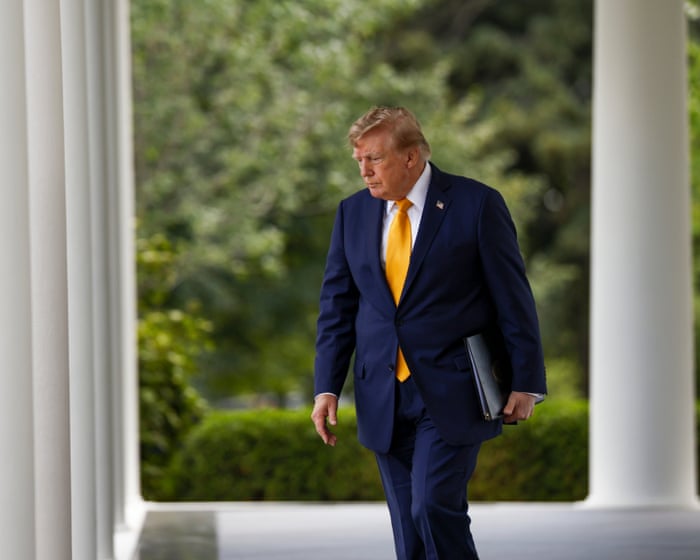
The article explains how President Trump's recent economic actions, like imposing tariffs on Canadian goods and threatening sanctions on Iran’s trading partners, show the limits of using economic power as a tool. It also discusses how the US government is trying to control rising borrowing costs caused by these policies, which can affect the economy and undermine trust in the US financial system.
Key Facts
The US imposed a 50% tariff on $20 billion worth of Canadian goods and threatened similar tariffs on cars, trucks, parts, and steel.
Treasury Secretary Scott Bessent threatened to exclude Iran’s trading partners from the US financial network to increase pressure.
The US Treasury intervened openly to lower long-term borrowing costs after tariffs, war, and tax cuts pushed bond yields higher.
High tariffs and sanctions may hurt US businesses by raising costs for manufacturers who rely on Canadian and Iranian products.
The article warns that these policies risk damaging trust in the US dollar and could cause trade tensions with China.
Tariffs on Canada are costly for American households and may provoke Canadian retaliation starting in September 2024.
Canada is targeted because it is seen as less likely to fight back compared to China.
The use of economic power as a weapon can push other countries to look for ways to move away from dependence on the US financial system.
Read the Original
Want the full story? Tap a source to open the original
article.
Many U.S. companies have announced plans to lay off workers in September, according to public WARN notices that companies must file before large job cuts. While layoffs continue in various industries, the overall U.S. job market remains stable with unemployment near 4.1 percent and job postings slightly higher than before the pandemic.
Key Facts
WARN notices show several companies planning layoffs in September across different sectors like healthcare, finance, and transportation.
Some of the companies with planned layoffs include FedEx, Kroger, Chick-fil-A, and WellStar Health System.
The number of layoffs so far in 2026 is similar to the previous year, with about 284,000 employees affected through August.
The U.S. unemployment rate was 4.1 percent in July 2026, close to the rate one year earlier.
Job postings remain slightly above pre-pandemic levels, but hiring growth has slowed since the COVID-19 boom.
Layoffs are influenced by multiple factors such as inflation, economic uncertainty, corporate profits, and automation, not just presidential policies.
There is no clear increase in layoffs during President Trump’s second term compared to the last year of the Biden administration.
Layoff data comes from WARN filings, which employers update as plans change, so numbers may vary over time.
Read the Original
Want the full story? Tap a source to open the original
article.
Canada is imposing tariffs on about $19.9 billion worth of U.S. products in response to new U.S. tariffs. These Canadian tariffs will affect over 700 products and start on September 8. Canada also announced financial support for businesses hurt by the trade conflict.
Key Facts
Canada will match U.S. tariffs dollar for dollar, targeting $19.9 billion in American goods.
The tariffs will range from 15% to 50% and cover sectors like steel, aluminum, dairy, electronics, and agriculture.
Canadian tariffs take effect on September 8.
Canada plans a $5.42 billion funding package to help small and medium businesses affected by tariffs.
U.S. President Donald Trump recently imposed 50% tariffs on $20 billion of Canadian products and plans to raise auto tariffs to 50%.
Canada has a trade surplus of about $7.1 billion with the U.S., despite President Trump’s claim of a $60 billion loss.
The tariffs will likely cause higher prices for some American consumers on goods like ice skates, toilet paper, and paint.
Stock markets show mixed reactions, with slight changes in gold prices, U.S. and Canadian currencies, and major stock indexes.
Read the Original
Want the full story? Tap a source to open the original
article.
The article explains that when settling credit card debt, it is important to understand the payment schedule, not just the reduced amount agreed upon. Payment could be due immediately, within a few days, or in installments depending on what the creditor agrees to during negotiations.
Key Facts
Credit card debt has increased by $21 billion in the second quarter of this year, totaling $1.26 trillion.
Average credit card interest rates are over 22%, making debt more expensive for borrowers.
Debt settlement means negotiating with creditors to pay less than the full amount owed.
Most settlements require a lump-sum payment by a specific deadline, often soon after the agreement.
Some creditors may allow installment payments, but this depends on negotiation.
The agreed payment schedule should be written in the settlement agreement.
Missing payment deadlines can cancel the settlement and the debt reduction.
Debt relief companies can help by letting you save money monthly while they negotiate with creditors.
Read the Original
Want the full story? Tap a source to open the original
article.
Australia's recorded music industry will ban songs fully made by artificial intelligence (AI) from its official music charts starting next week. Songs made with some AI help can still qualify if humans wrote and performed the main parts.
Key Facts
Australian music charts will not allow tracks created entirely by AI.
Some AI-assisted music remains eligible if humans wrote the song and performed lead vocals and main instruments.
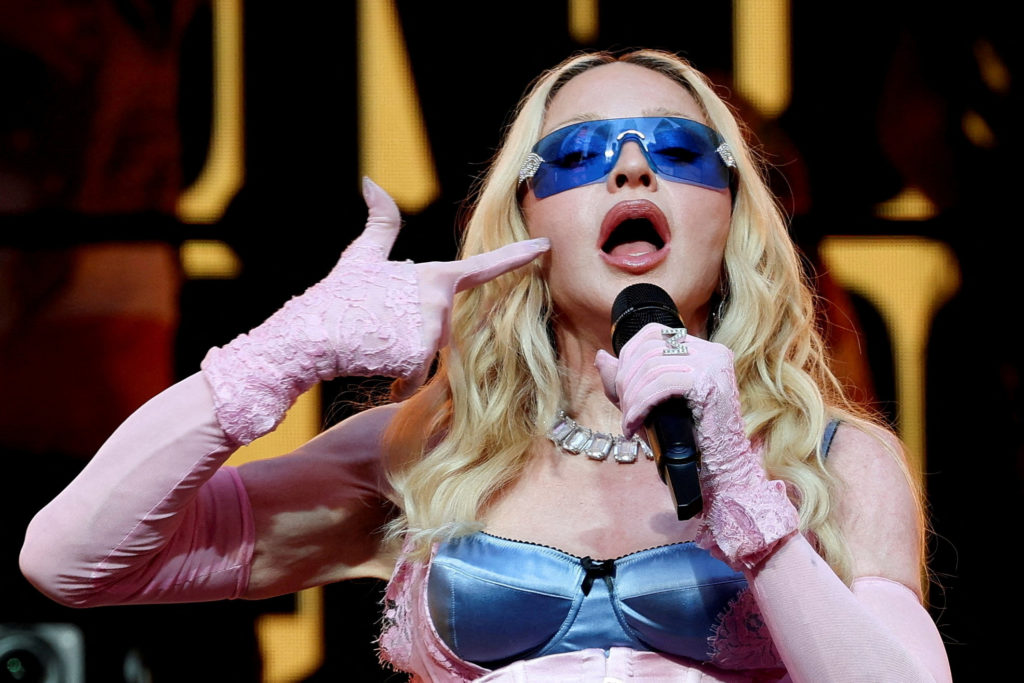
A recent AI-made version of Madonna's "Like a Prayer" stayed in the top 20 for 16 weeks, causing debate.
AI-generated music will also be barred from the Australian music industry's ARIA awards.
Eligible music must be made using authorized AI tools and follow legal requirements.
This rule aligns with international guidelines requiring music charts to reflect mostly human-created songs.
ARIA aims to protect artists’ work and support human creativity amid growing AI use in music.
The rules respond to concerns about AI tools producing music from artists’ work without permission.
Read the Original
Want the full story? Tap a source to open the original
article.
Stand Up for Heroes is a fundraiser event marking its 20th anniversary this fall in New York City. The event supports injured veterans and their families and will feature performances by Bruce Springsteen, Hasan Minhaj, Jon Stewart, and others.
Key Facts
The event will take place on November 9 at David Geffen Hall, Lincoln Center for the Performing Arts.
Stand Up for Heroes has raised $117 million since it started in 2007.
The fundraiser was created by the New York Comedy Festival and the Bob Woodruff Foundation.
Bob Woodruff, the foundation’s founder, was injured while reporting in Iraq in 2006.
Performers this year include Bruce Springsteen, Hasan Minhaj, Jon Stewart, The Resilient, Alex Warren, and Josh Johnson.
Previous events have featured celebrities like Stephen Colbert, John Oliver, and the Red Hot Chili Peppers.
Tickets for the event are currently available for purchase.
Read the Original
Want the full story? Tap a source to open the original
article.
Canada will impose tariffs on over 700 U.S. products starting September 8 to match new import taxes imposed by President Donald Trump's administration. This move is part of an ongoing trade dispute between the two countries, affecting items like steel, fish, cheese, and electronics.
Key Facts
Canada plans "dollar-for-dollar" countertariffs on U.S. goods in response to U.S. tariffs.
The tariffs will affect more than 700 U.S. products starting September 8.
Tax rates will be 15%, 25%, or 50%, matching U.S. tariff rates on Canadian products.
Targeted goods include fish, crustaceans, cheese, honey, makeup, steel and aluminum products, and smartphones.
The U.S. imposed 50% tariffs on about $20 billion of Canadian goods recently.
These measures are part of a growing trade war between Canada and the U.S. during President Trump’s second term.
Both countries’ businesses and consumers may face higher prices due to these tariffs.
The U.S. has also put tariffs on more than 550 Canadian products, including honey, alcoholic drinks, and sports equipment.
Read the Original
Want the full story? Tap a source to open the original
article.
Putting $100,000 into a 2-year certificate of deposit (CD) account can earn savers about $8,681 to $8,889 in interest at current top rates between 4.25% and 4.35%. CDs offer a fixed interest rate and protect the initial deposit, but withdrawing money early will cause penalties.
Key Facts
Current top interest rates for 2-year CDs range from 4.25% to 4.35%.
At these rates, a $100,000 deposit would earn between $8,681 and $8,889 after two years.
CDs guarantee the interest rate and principal protection for the term of the deposit.
Early withdrawal from a CD results in penalties that can reduce earnings.
High-yield savings accounts offer slightly lower rates around 4.10%, with earnings that depend on rate changes.
Unlike CDs, high-yield savings accounts usually allow easy access to funds without penalties.
Inflation is currently above the Federal Reserve's 2% goal, and interest rates could rise further this year.
Online banks often provide some of the most competitive CD rates.
Read the Original
Want the full story? Tap a source to open the original
article.