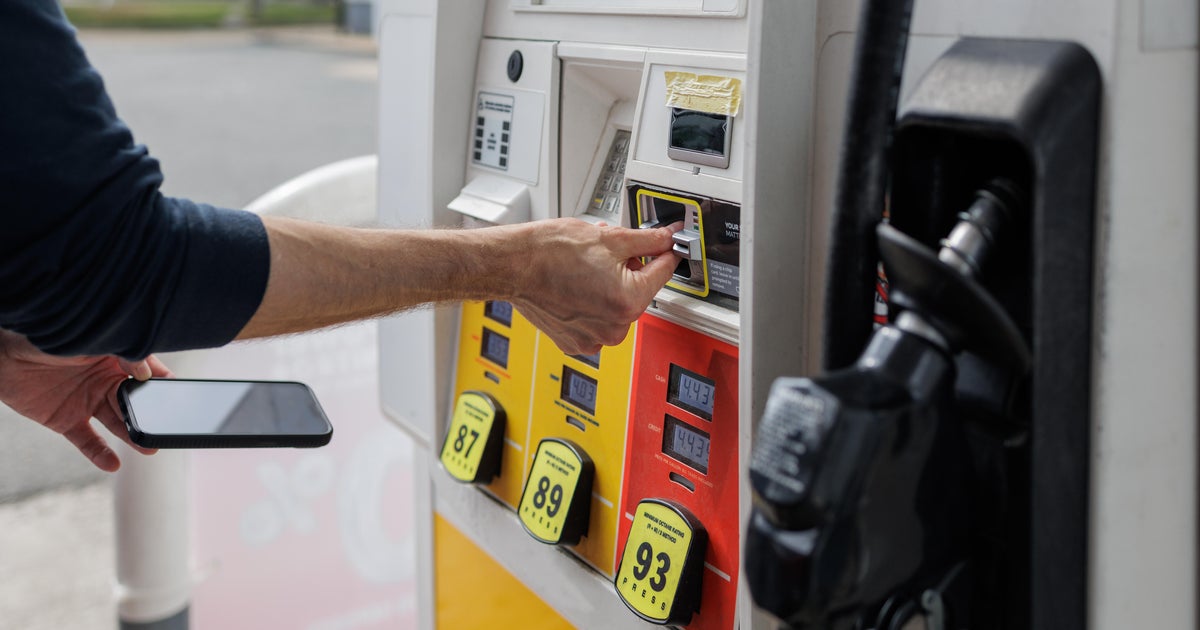
Oil prices reached their highest level since wartime began, with Brent crude going above $126 a barrel due to ongoing conflict involving Iran. Gasoline prices in the U.S. also hit new highs, with Americans paying much more at the pump than before the war started.
Key Facts
Brent crude oil price exceeded $126 per barrel, a wartime peak.
U.S. average gasoline price rose to $4.30 per gallon, the highest since July 2022.
Gas prices increased by $1.32 per gallon since the Iran war began on February 28.
California drivers face the highest gas prices in the U.S., averaging $6.01 per gallon.
The Strait of Hormuz remains closed, and the U.S. continues its blockade of Iranian ports.
President Donald Trump rejected Iran's proposal to reopen the Strait of Hormuz.
The Federal Reserve kept interest rates steady, noting that high energy prices add to inflation.
Brent crude was around $70 per barrel before the war started in late February.
Read the Original
Want the full story? Tap a source to open the original
article.
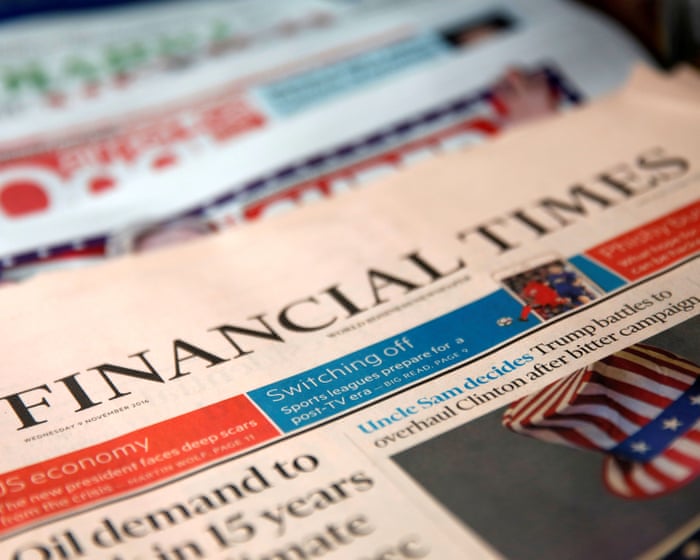
Journalists at the Financial Times are in disagreement with management over a plan to require staff to work in the office four days a week by the end of the year. The union voted to start a formal dispute process, raising concerns about fairness and financial impact, while the company says it is discussing the issue with union representatives.
Key Facts
The Financial Times management wants staff to be in the office four days a week, up from the current three days.
The union voted unanimously to begin a dispute procedure over this plan.
Staff worry the change may unfairly affect parents, especially mothers, and increase their expenses.
Some employees were hired with an understanding they would work three days in the office.
The new rule would apply only to about 500 to 600 editorial staff at the London headquarters.
Other departments and international offices would have more flexible working arrangements.
The Financial Times reported a 6% rise in global revenue to £540 million and a 41% increase in global profit in 2024.
The FT group’s paying audience grew from 2.57 million to 2.83 million in 2024, with 1.35 million digital subscribers.
Read the Original
Want the full story? Tap a source to open the original
article.
Oil prices reached their highest point since the Iran war started, with Brent crude briefly topping $126 per barrel before falling back. The rise is causing U.S. gasoline prices to increase and reflects concerns about ongoing disruptions near the Strait of Hormuz and possible military action.
Key Facts
Brent crude oil price peaked at over $126 per barrel before dropping to about $114.
West Texas Intermediate oil was priced around $104 per barrel.
U.S. gasoline prices rose to an average of $4.30 per gallon, over $1 higher than a year ago.
The oil market is reacting to a possible long disruption in supply due to the conflict near the Strait of Hormuz.
President Trump is scheduled to receive a briefing on potential military action plans in Iran.
U.S.-Iran talks have broken down, with President Trump rejecting Iran’s latest offer concerning the Strait of Hormuz.
The expiration of the June Brent futures contract may have contributed to price fluctuations.
U.S. officials are working to build an international coalition to secure navigation in the region.
Read the Original
Want the full story? Tap a source to open the original
article.
Amazon has considered bringing back the TV show The Apprentice with Donald Trump Jr. as the host. This move could help turn the Trump brand from a personal, attention-driven business into a more stable and family-run enterprise like the Kardashians’ brand.
Key Facts
Donald Trump’s brand earns money through merchandise, licensing, crypto projects, and golf properties.
The Trump brand depends heavily on Donald Trump’s personal fame and political status.
Amazon executives have discussed rebooting The Apprentice with Donald Trump Jr. as the host.
The Apprentice helped build Donald Trump’s brand in the 2000s and earned him hundreds of millions of dollars.
The Kardashian brand is used as a model for a lasting, family-run business with companies like SKIMS, valued in billions.
A Don Jr.-led show could turn the Trump brand into intellectual property governed by the family instead of one person.
This strategy might reduce the brand’s decline after President Trump’s time in office ends.
The goal is to make the Trump brand less dependent on constant media attention and more on long-term business systems.
Read the Original
Want the full story? Tap a source to open the original
article.
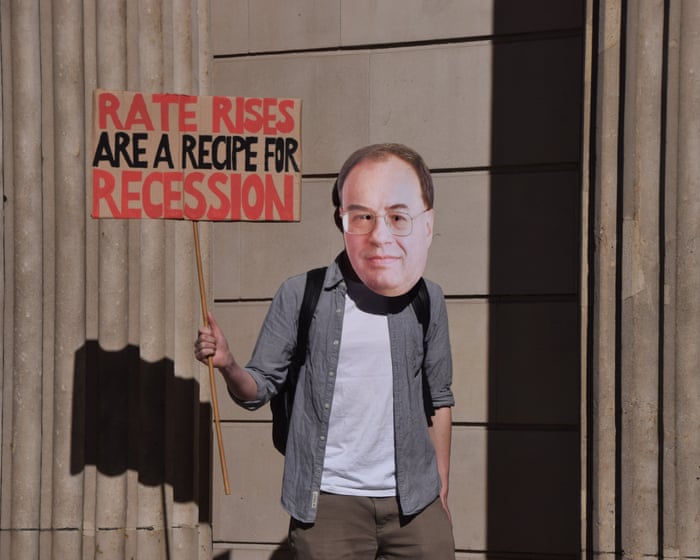
The Bank of England has decided to keep interest rates at 3.75% for now but warned that rates might go up later this year because inflation is rising due to the war in the Middle East. Inflation in the UK increased to 3.3% in March as energy prices rose, and the Bank expects more rate increases depending on how the conflict affects the economy.
Key Facts
The Bank of England’s monetary policy committee voted 8-1 to keep interest rates at 3.75%.
The war in the Middle East is causing inflation to increase in the UK.
Inflation rose to 3.3% in March, up from 3% in February.
Higher energy prices, especially fuel costs, are pushing inflation up.
Unemployment in the UK has been rising since 2024, which limits wage increases.
The Bank expects inflation to remain above its 2% target throughout the next few years.
In the worst case, inflation could reach 6.2% in early 2027 with interest rates rising to 5.25%.
The Bank outlined three economic scenarios, all involving rising inflation, higher unemployment, and the need for increased interest rates.
Read the Original
Want the full story? Tap a source to open the original
article.
Aldi plans to remove 44 more ingredients from its store-brand food, vitamins, and supplements by the end of 2027. This will affect around 90% of Aldi’s products and will happen gradually from April 2026 to December 2027, with the company aiming to keep prices steady.
Key Facts
Aldi will add 44 ingredients to its restricted list, raising the total to 57 restricted ingredients.
Changes will be made gradually over nearly two years, starting in April 2026.
The removed ingredients include artificial preservatives, colors, flavors, sweeteners, and additives like bromated flour, BHA, BHT, titanium dioxide, parabens, phthalates, and potassium nitrite.
Potassium nitrite, used in cured meats, is linked to health concerns like cancer risks due to nitrosamines.
Suppliers will need to redesign recipes since the new rules apply to hidden additives in sub-ingredients as well.
Aldi’s goal is to meet customer demand for simpler ingredients while keeping product quality and prices stable.
Aldi has removed some ingredients before, including synthetic colors in 2015.
Other retailers like Walmart and Target are also reducing artificial ingredients in their store brands.
Read the Original
Want the full story? Tap a source to open the original
article.
A couple in Wales was forced to pay their home mortgage twice because the law firm handling their remortgage closed suddenly and did not complete the transfer properly. The collapse of PM Law Group has affected hundreds of customers, and investigations are under way into suspected fraud involving nearly £40 million in client funds.
Key Facts
Gabriella and Kurtiss Smith were told their remortgage was complete, but they received payment demands from both Halifax and Nationwide banks.
PM Property Law, the firm handling their remortgage, closed abruptly in early February.
The couple had to borrow £6,000 from family and friends to cover payments to both mortgage providers.
Halifax refunded the extra payments and apologized for the delay after being contacted by the news.
The Solicitors Regulation Authority (SRA) and South Yorkshire Police are investigating PM Law Group for suspected fraud.
Almost £40 million in client funds are believed to have been improperly removed or misused.
Over £16 million has been paid out from a compensation fund to affected clients, with more payments planned.
The SRA will prioritize claims based on the risk of harm to claimants.
Read the Original
Want the full story? Tap a source to open the original
article.
A new 50-story skyscraper called Anantara Miami Resort & Residences is planned for Miami’s Edgewater neighborhood. It will be the first U.S. location for the Anantara luxury hotel brand, inspired by Thai culture and wellness, with private homes, hotel rooms, and wellness facilities. The building is expected to open in 2030.
Key Facts
The tower will be 650 feet tall and have 50 floors.
It will include 100 private branded condominiums, 120 resort residences (which can be rented like hotel rooms), and 50 five-star hotel suites.
The design is inspired by Thai traditions and focuses on wellness, including a vitality center for fitness and recovery.
The building will have a rooftop helipad.
The architecture is led by Kohn Pedersen Fox, a firm known for designing skyscrapers worldwide.
Patricia Urquiola will design the interiors, her first U.S. residential project.
The project is by One Thousand Group and Minor Hotels, the parent company of Anantara.
Sales for the residences are expected to start later in 2024 through Sotheby’s International Realty.
Read the Original
Want the full story? Tap a source to open the original
article.
Injectable peptides, which are small chains of amino acids, have become very popular among health-conscious Americans. These products are widely available but face limited regulation, causing concerns about safety and public understanding.
Key Facts
Peptides are chains of amino acids that can be injected.
Many Americans use peptides for health and wellness reasons.
The nation’s top health official has helped increase interest in peptides.
Peptides are easy to buy and often sold outside traditional medical channels.
Regulatory oversight of peptides is limited or unclear.
There are concerns that people may not fully understand the risks and benefits of peptides.
Peptides are sometimes sold in gray markets, meaning outside official or legal distribution channels.
Read the Original
Want the full story? Tap a source to open the original
article.
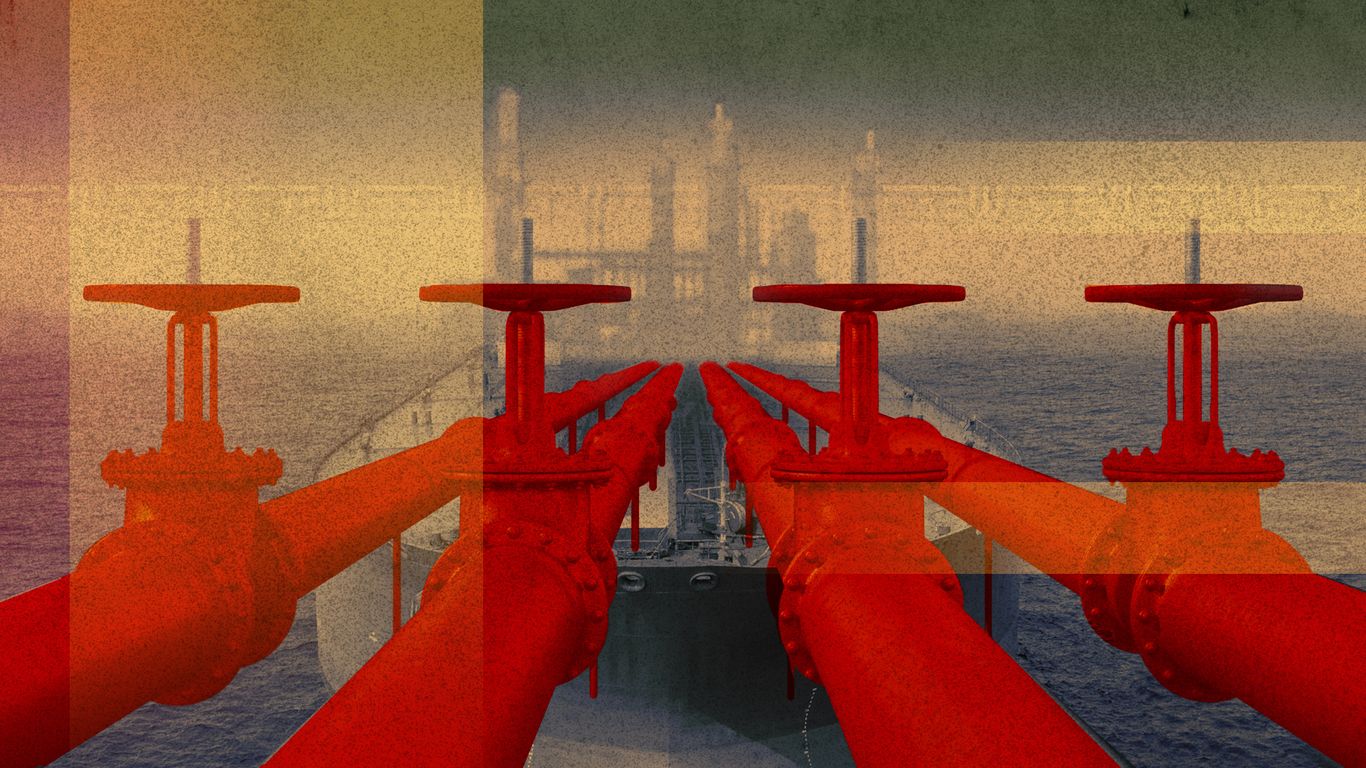
Crude oil prices have risen to their highest level in four years due to tensions in the Iran war and a US naval blockade of the Strait of Hormuz. President Donald Trump indicated this blockade could last for months, which adds uncertainty to oil supply and global markets.
Key Facts
Brent crude oil prices have reached their highest point since the Ukraine war began.
The US is enforcing a naval blockade on the Strait of Hormuz, a key route for oil transport.
President Donald Trump said the blockade might continue for several months.
The Iran war is ongoing, causing concern about long-term impacts on oil supply.
TotalEnergies, a large French oil company, is facing calls for a tax on extra profits due to high oil prices.
The US Federal Reserve is preparing for a new chief amidst efforts to stay politically independent.
The situation has increased uncertainty but also shown market resilience.
The UAE recently left OPEC, which affects the global oil cartel.
Read the Original
Want the full story? Tap a source to open the original
article.
Air France-KLM has lowered its plan for growing flight capacity this year due to a $2.4 billion expected rise in fuel costs caused by the Middle East conflict. The airline expects a tough financial period ahead despite some fuel cost savings from its hedging policy.
Key Facts
Air France-KLM cut its capacity growth forecast for 2026 to 2%-4%, down from 3%-5%.
The airline’s fuel bill is expected to rise by $2.4 billion this year, reaching $9.3 billion total.
The increase in fuel costs is linked to the Iran war and higher crude oil prices.
Air France-KLM uses a fuel hedging policy that will save about $1.5 billion.
The company reported a smaller first-quarter operating loss (€27 million) than analysts expected (€389 million).
Ticket prices have been raised to help cover higher fuel costs.
Europe’s smaller airports face risks if jet fuel shortages lead to flight cancellations.
Despite the crisis, Rolls-Royce plans to keep its profit forecast for the year and is monitoring the situation closely.
Read the Original
Want the full story? Tap a source to open the original
article.
Prediction markets, which allow people to bet on future events, are seen as a challenge to the horse racing industry. The horse racing industry relies a lot on money made from gambling taxes.
Key Facts
Prediction markets let people place bets on what will happen in the future.
These markets are gaining popularity.
The horse racing industry earns a big part of its money from taxes on gambling.
If more people use prediction markets, they might bet less on horse races.
Less betting on horse races could reduce the tax money the industry gets.
The horse racing industry depends on this tax money to operate.
This situation could threaten the financial health of horse racing businesses.
Read the Original
Want the full story? Tap a source to open the original
article.
Whitbread, the owner of Premier Inn, plans to close all its Beefeater and Brewers Fayre restaurants, cutting around 3,800 jobs in the UK and Ireland as part of a new five-year business plan. The company will focus only on hotels, converting some restaurant spaces into hotel rooms and selling and leasing back some properties to support future growth.
Key Facts
Whitbread will cut about 3,800 jobs, which is 12% of its workforce in the UK and Ireland.
The closures affect the Beefeater and Brewers Fayre restaurants, often next to Premier Inn hotels.
Whitbread plans to convert many restaurant spaces into hotel rooms to increase profitability.
The company will sell and lease back £1.5 billion of its property to fund growth.
Whitbread owns many of its hotels but intends to lease more going forward.
Rising costs, including higher taxes and wages, have pressured Whitbread’s business.
An American investor, Corvex, bought a 6.05% stake and pushed Whitbread to change strategy.
Whitbread’s revenue stayed about the same as the previous year, but its share price has dropped recently.
Read the Original
Want the full story? Tap a source to open the original
article.
Whitbread, the company that owns Premier Inn hotels, plans to cut 3,800 jobs in the UK and Ireland as part of a five-year plan to save £250 million. The company will change its restaurant services and reduce its building expenses by £1 billion to improve efficiency.
Key Facts
Whitbread owns Premier Inn, the UK's largest hotel chain with 86,000 rooms.
The company will cut 3,800 jobs as part of its cost-saving plan.
Whitbread will replace restaurants at 197 hotels with a new food and drink service model.
The company aims to save £250 million and cut £1 billion from its building projects.
Increased business costs, like rates and national insurance, influenced these changes.
Whitbread employs 30,000 people and plans to consult staff and try to redeploy many affected workers.
Last year, 88 jobs were cut when a call center moved to Egypt, and 1,500 jobs were cut earlier in 2024.
The company’s pre-tax profit for the year ending February 26 was £298 million, down 19% from the previous year.
Read the Original
Want the full story? Tap a source to open the original
article.
A large group of important modern paintings will be auctioned by Sotheby’s in London, expected to bring in more than £150 million. The collection includes works by famous artists like Gustav Klimt, Henri Matisse, and Lucian Freud, owned by Joe Lewis and his daughter Vivienne.
Key Facts
The artworks are from Joe Lewis and his daughter Vivienne, owners of Tottenham Hotspur.
The auction is expected to be the most valuable ever held in London.
Paintings by Klimt, Matisse, Freud, Bacon, Schiele, Modigliani, and others are included.
Egon Schiele’s painting Danaë is estimated to sell for £12-18 million, a record for the artist.
Klimt’s portrait Bildnis Gertrud Loew is estimated at £20-30 million and was stolen by Nazis in the past.
Some pieces have not been on the market for decades or have rarely appeared before.
The collection focuses on modern figurative painting, which shows the human figure.
The sale will be combined with other artworks in June, making it possibly the highest value week of art auctions in London.
Read the Original
Want the full story? Tap a source to open the original
article.
A new law in England gives community groups the right to buy local buildings to use for social and economic purposes. This law aims to help communities take control of important places like pubs and market halls to support local services and prevent closures.
Key Facts
The English Devolution and Community Empowerment Act gives community groups the right to buy community assets if they can raise the money within 12 months.
Previously, groups only had a six-month "right to bid," but community ownership was rare because raising funds quickly was hard.
The new law expands what counts as a community asset to include buildings supporting economic and social wellbeing, plus sports facilities.
Debbie Taylor’s domestic abuse service is trying to buy the Ram’s Head pub in Newton-le-Willows to create a safe support center.
Communities can now better prevent important buildings from being lost to neglect or private sale.
There are concerns that without government funding like the ended £150 million Community Ownership Fund, only wealthy communities may afford to buy assets.
Locality, a national network for community groups, says the new right is important but needs more support and resources to succeed.
Coalville CAN cooperative wants to buy an old market hall to turn it into a community hub with clubs and a café.
Read the Original
Want the full story? Tap a source to open the original
article.
The price of Brent crude oil rose above $126 a barrel, the highest since 2022, after President Donald Trump said the US blockade of Iranian ports might last for months. This increase reflects tensions between the US and Iran, with stalled peace talks and disruptions to oil supplies through the Strait of Hormuz.
Key Facts
Brent crude oil price jumped over 13% in 24 hours, reaching above $126 a barrel.
This is the highest oil price seen since Russia’s invasion of Ukraine in 2022.
President Trump indicated the US naval blockade on Iranian ports could continue for months.
Iran has responded by almost shutting the Strait of Hormuz, a key route for global oil shipments.
The blockade aims to limit Iran’s oil exports and force it to stop production by filling its storage.
Oil supply cuts through the strait reduce global daily supplies by nearly 20 million barrels.
Experts warn that a long blockade could push oil prices as high as $190 per barrel by August.
Rising oil prices are causing inflation increases and raising concerns about a potential global recession.
Read the Original
Want the full story? Tap a source to open the original
article.
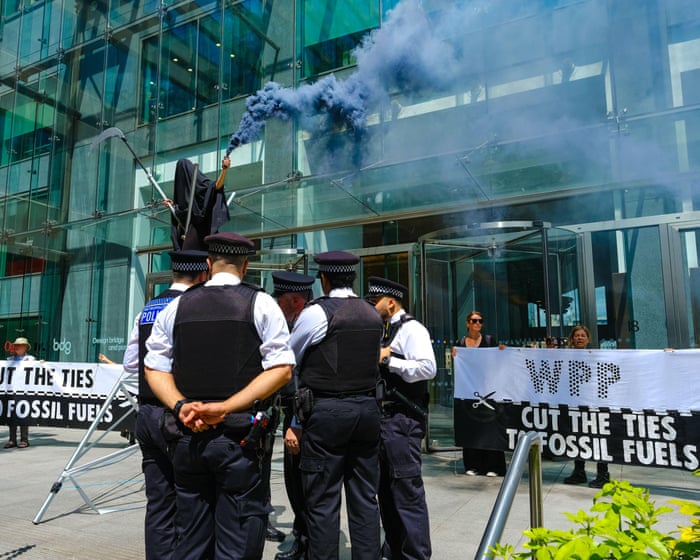
A British advertising company, WPP, helped ExxonMobil, Chevron, Shell, and BP spend about $1.5 billion on ads in the US since 2015. These ads aimed to improve the oil companies' image while downplaying their impact on climate change, according to reports and a US congressional investigation.
Key Facts
WPP is a London-based advertising group that led US oil industry ad work over the past decade.
The four big oil companies spent $1.5 billion on US advertising since the 2015 Paris climate agreement.
WPP made about two-thirds of those ads through its subsidiary agencies.
A US congressional report in 2024 said these companies used “deceptive and misleading” ads to fight climate policies.
Some ads were called greenwashing, meaning they made oil companies seem more environmentally friendly than they really are.
WPP adopted a 2022 policy against projects that block Paris Agreement goals, but some say their work for oil firms conflicts with that policy.
Complaints about misleading BP and Chevron ads were made, but not formally acted on; BP pulled some ads voluntarily.
Staff at WPP raised concerns that their advertising mainly protected polluters rather than truly supporting cleaner energy shifts.
Read the Original
Want the full story? Tap a source to open the original
article.
A mother from Greater Manchester was upset after finding a padded swimsuit for eight-year-old girls being sold at a charity shop, which she felt sexualized children. She started a petition urging the clothing brand Shein to stop selling what she calls inappropriate children's clothes, gaining over 25,000 signatures.
Key Facts
Kayleigh Shore saw a padded swimsuit for eight-year-old girls at a charity shop and found it inappropriate.
She bought the swimsuit to prevent other children from wearing it.
Shore created a petition asking Shein to remove such "sexualized" children’s clothing from their website.
The petition gained more than 25,000 signatures in one week.
A Shein spokesperson said padded swimwear can be a normal design but they will act if items do not meet their standards.
Shore owns a children’s fashion brand and supports modesty in swimwear but disagrees with padded breast cups for young children.
The swimsuit’s padding was hidden behind a mesh layer, which concerned the mother.
Another children’s clothing business owner agreed with Shore, emphasizing the importance of age-appropriate clothes.
Read the Original
Want the full story? Tap a source to open the original
article.
A food bank in Guernsey is running very low on basic food supplies while the number of people needing help is rising each week. The Guernsey Welfare Service, which runs the food bank, is asking for donations of common items like meat, pasta sauce, and tinned fruit to meet the growing demand.
Key Facts
The Guernsey Welfare Service operates the largest food bank on the island.
The food bank is seeing two to three new clients every week.
Stocks of basic food items such as coffee, sugar, tinned fruit, and meat products are very low.
The charity rarely asks publicly for donations but made an exception due to the urgent need.
Rising living costs and inflation are increasing the number of people who need food aid.
The conflict in the Middle East may worsen the situation by raising prices further.
People can donate items at local stores like Alliance, Coop Grand Marche, Smilers, and Waitrose.
The charity’s manager, Simon Fairclough, says it is concerning to be unable to provide basic items like coffee to elderly clients.
Read the Original
Want the full story? Tap a source to open the original
article.