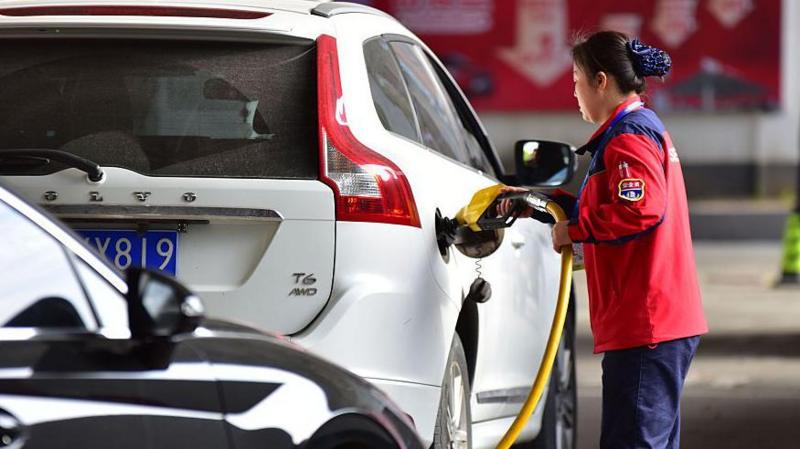
Rising oil prices caused by conflicts in the Middle East have led many homeowners in Yorkshire to buy solar panels. Local solar companies have seen a big jump in sales and inquiries as people want to save money and rely less on unstable fuel sources.
Key Facts
Solar panel sales in Yorkshire have increased by around 50% due to rising oil and fuel prices.
The US-Israel war with Iran and closure of the Strait of Hormuz have pushed up crude oil prices.
Energy supplier Octopus and local firms like Solar Plus Yorkshire and Leeds Solar report much higher demand.
Customers want to save money and feel more control over their energy use by generating their own power.
The war and past events like the Ukraine conflict and Covid energy bill spikes have spurred interest in solar energy.
Solar panels mostly come from China, so supply disruptions could slow installations.
Experts advise homeowners to research carefully and get multiple quotes before installing panels.
Some people, like homeowner Chris Simpson, moved up their plans to install solar due to these events.
Read the Original
Want the full story? Tap a source to open the original
article.
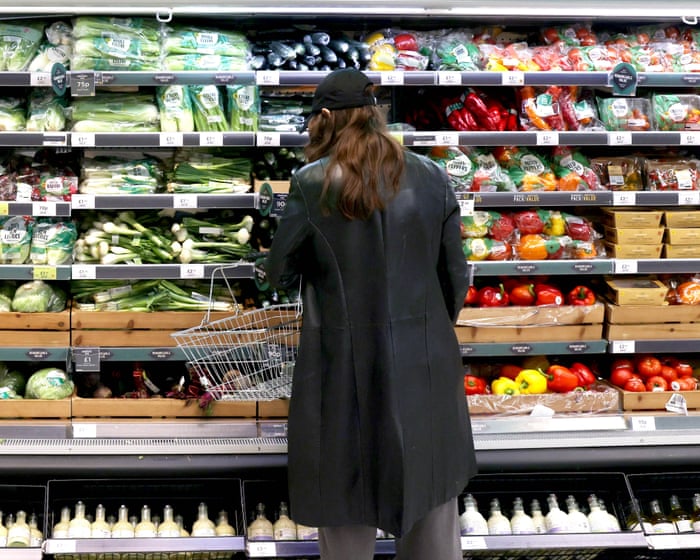
A Which? report finds that 3 million households in the UK are skipping meals due to rising living costs. Many people are buying cheaper food, reducing travel, and missing bill payments as they deal with higher prices linked to global events.
Key Facts
Three million UK households are skipping meals because of higher costs.
Rising oil and material prices after the Middle East conflict are causing businesses to raise prices.
Consumer confidence in the UK has dropped to its lowest level since 2022.
71% of adults expect the UK economy to get worse in the next year; only 9% think it will improve.
85% of people are worried about food prices, and 80% are now concerned about fuel costs.
Many families are buying cheaper products and supermarket budget brands to save money.
Over two-thirds of adults are driving less, cutting back on leisure trips and visits to family.
Missed bill payments have increased from 5.7% to 7.5% in recent months.
Which? calls for urgent government action to help people with rising living costs.
Read the Original
Want the full story? Tap a source to open the original
article.
Oil prices rose sharply due to concerns about a long supply disruption in the Strait of Hormuz and a potential extended US blockade of Iranian ports. US crude reached $106.88 a barrel, while Brent crude hit $118.03, the highest since June 2022, as the conflict in the region continued without signs of a quick resolution.
Key Facts
US crude oil price increased by 6.95 percent to $106.88 per barrel.
Brent crude rose by 6.08 percent to $118.03 per barrel, reaching the highest level since June 2022.
The conflict in the Strait of Hormuz, where Iranian forces have blocked vessels and the US is imposing a siege, is disrupting fuel supplies.
President Donald Trump discussed with US oil companies how to manage a possible months-long blockade of Iranian ports while limiting effects on US consumers.
The US military has spent $25 billion so far on the conflict involving Iran.
The Asian Development Bank lowered its growth forecast for the Asia Pacific region due to rising oil prices and related economic pressures.
The United Arab Emirates announced it will leave OPEC on May 1, aiming to control its own oil production, but this move is unlikely to affect the market immediately.
Oil exports from the region remain limited because of Iran’s control over the Strait of Hormuz.
Read the Original
Want the full story? Tap a source to open the original
article.
Oil prices rose to their highest point since 2022 after reports said the US military will update President Donald Trump on new plans related to the conflict with Iran. The prices increased due to halted peace talks and disruptions around the Strait of Hormuz, a key waterway for global energy shipments.
Key Facts
Brent crude oil price increased by 5% to $124 per barrel, the highest since Russia's invasion of Ukraine in 2022.
West Texas Intermediate crude rose by about 2.3% to around $109 per barrel.
The US military plans to brief President Trump on options including short military strikes on Iran and possibly taking control of part of the Strait of Hormuz.
The Strait of Hormuz is a vital shipping passage where about 20% of the world’s energy supplies pass through.
The US aims to keep a blockade on Iranian ports as long as Iran threatens ships in the Strait.
Iran has threatened to attack ships after US and Israeli airstrikes.
Oil prices surged further on Wednesday after news of a possible extended blockade on Iran.
Energy leaders met with President Trump to discuss how to reduce the impact of the conflict on US consumers.
Read the Original
Want the full story? Tap a source to open the original
article.
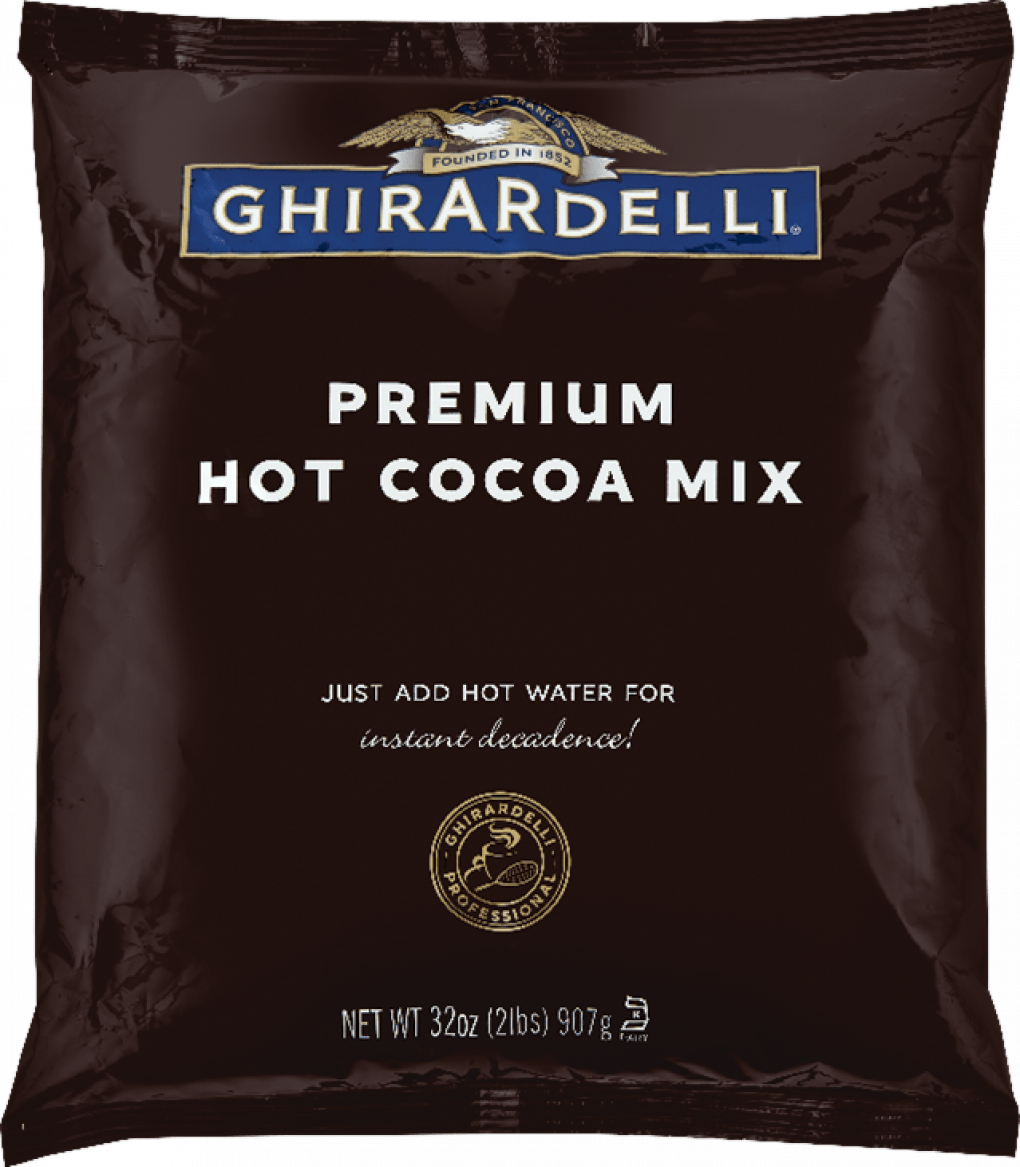
Ghirardelli Chocolate Company is recalling some hot cocoa mixes and other powdered drink products because they might have salmonella bacteria. No illnesses have been reported so far, and the recalled products are mainly in large packages for food service businesses.
Key Facts
Ghirardelli is voluntarily recalling certain hot cocoa mixes and powdered beverages due to possible salmonella contamination.
The U.S. Food and Drug Administration (FDA) issued the alert about this recall.
No cases of illness related to these products have been reported yet.
The recalled items are mostly large packages intended for restaurants and other institutions.
These products may also have been sold on online shopping sites.
People who bought the recalled items can contact Ghirardelli at a 24/7 phone number for more information.
Salmonella can cause serious infections, especially in young children, older adults, and people with weak immune systems.
The FDA helps oversee voluntary recalls and shares information with the public to keep food safe.
Read the Original
Want the full story? Tap a source to open the original
article.
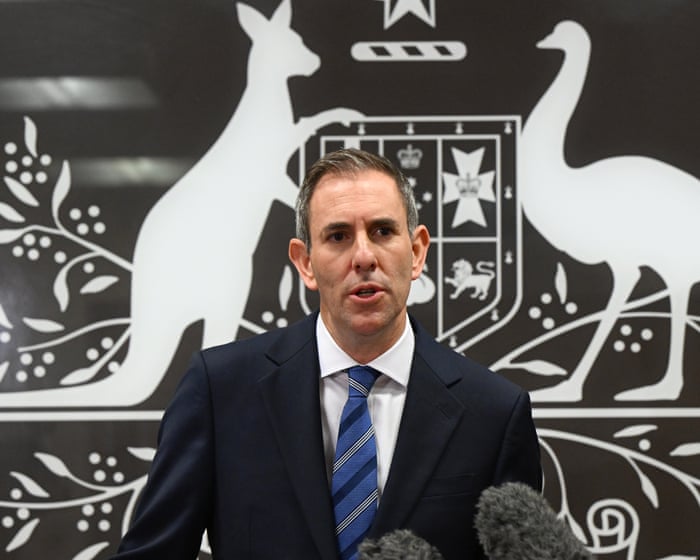
The Australian government, led by Treasurer Jim Chalmers, is expected to change capital gains tax (CGT) rules in the upcoming budget but plans to protect current property investors from extra taxes. Any new rules would mainly apply to future investments and are unlikely to bring in large amounts of new revenue.
Key Facts
Treasurer Jim Chalmers wants to respect past investment decisions when changing capital gains tax rules.
The current 50% discount on capital gains for assets held more than one year may be modified, possibly by adjusting for inflation like before 1999.
Changes to tax rules, including negative gearing, would mainly target new property investments, not existing ones.
Experts say cutting the CGT discount by half over five years could raise about $6.5 billion annually.
Applying CGT changes only to new investments would generate much less revenue, according to the Parliamentary Budget Office.
The government aims to shift home ownership from investors to people who live in their homes rather than reduce home prices.
Economic studies predict tax changes could lower home prices by 1-4% and increase home ownership rates by 3%.
Increasing housing supply is considered the main way to make homes more affordable.
Read the Original
Want the full story? Tap a source to open the original
article.
Aberdeen, known as Europe's oil capital, has seen a steady decline in its oil and gas industry, which once provided many high-paying jobs. Workers like Iona Macdonald have struggled to find jobs in the growing renewable energy sector, leading to financial and career challenges during the shift from fossil fuels to greener energy sources.
Key Facts
Aberdeen's economy thrived on oil and gas after North Sea oil was discovered in 1969.
Oil production in the North Sea peaked in 1999 and has since declined significantly.
Iona Macdonald, a chemistry graduate, worked in oil and gas for years before losing her job two years ago.
Many skilled oil and gas workers have found it hard to transition to renewable energy jobs.
The UK government supports a "just transition" to renewables, aiming for a fair shift of workers.
Renewables now generate over 50% of the UK’s electricity, up from 7% in 2010.
Despite political promises, there are gaps in successfully moving workers from fossil fuels to green energy jobs.
Aberdeen faces economic and social challenges due to the decline of its oil industry and the rise of green energy.
Read the Original
Want the full story? Tap a source to open the original
article.
In 2025, nearly 2.5 million Indians lost about $25 billion due to digital fraud, a huge increase from previous years. The Reserve Bank of India (RBI) is considering new rules like adding time delays on payments and extra checks for large transactions to help stop fraud, but experts say these ideas may be hard to put into practice and may only have limited effect.
Key Facts
About 2.5 million people in India were victims of digital fraud in 2025.
The total money lost to digital fraud in India that year was $25 billion.
This is a 4,300% increase in digital fraud losses compared to 2021.
Scams often use fake messages that trick people into giving away passwords or money.
The RBI proposed a one-hour delay on some digital payments to block fraud.
Extra checks might be required for big payments, especially for elderly or vulnerable people.
People could also get more control over their digital payment limits and settings.
Experts say these rules could be hard to implement and might not stop more advanced fraud.
Read the Original
Want the full story? Tap a source to open the original
article.
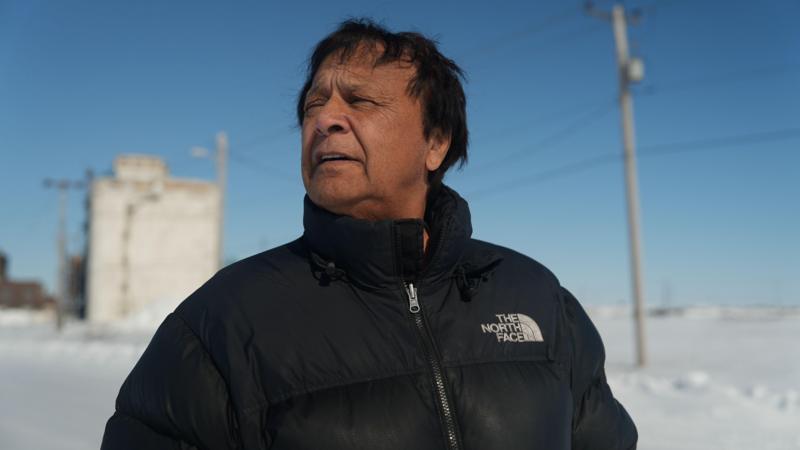
The Port of Churchill in northern Manitoba is a deep-water Arctic port that operates only during summer months due to harsh winter weather. Canada is investing to expand and modernize the port, aiming to increase shipments to Europe and other markets, create jobs, and reduce reliance on US trade.
Key Facts
The Port of Churchill is Canada’s only Arctic deep-water seaport, open about four to five months annually.
It sits on Hudson Bay and offers a shorter shipping route from Canada to Europe, Africa, and South America.
The port originally opened nearly 100 years ago to export grain but stopped in 2016 before reopening in 2019.
A local indigenous-community consortium took over port ownership in 2018 to improve management and control.
The Canadian government has invested approximately C$320 million to repair and upgrade the port and railway.
In August 2024, the port shipped its first critical minerals to Belgium, marking a milestone in expanding trade.
Local leaders see the port expansion as a way to boost the economy, create hundreds of local jobs, and improve living standards.
The government hopes the port will become viable year-round and help double Canada’s exports outside the US within the next decade.
Read the Original
Want the full story? Tap a source to open the original
article.
Suzie Flores left her job in New York to farm sugar kelp off the coast of Connecticut. She now runs a kelp farm that sells to high-end restaurants and is working to get more Americans to eat seaweed as a sustainable food.
Key Facts
Suzie Flores left her Manhattan job and moved to Connecticut to start farming sugar kelp.
She farms sugar kelp off the coast near Stonington, Connecticut, one of the last commercial fishing ports in the state.
Flores studied environmental science and connected with experts in seaweed farming to start her business.
Her first kelp harvest was large, but she had no market, so she reached out directly to chefs.
The kelp has a mild, briny flavor and is delicate compared to other types like Japanese kombu.
Local chefs, such as David Standridge, value kelp for its fresh, ocean-like flavor and seasonal availability.
The farm sells out every season and supplies high-end restaurants in New England.
The goal is to encourage more Americans to eat seaweed for its sustainability and nutritional benefits.
Read the Original
Want the full story? Tap a source to open the original
article.
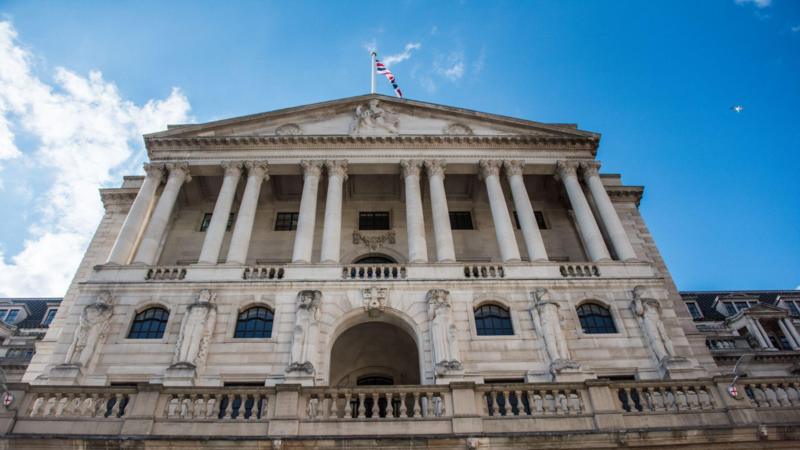
The Bank of England is expected to keep interest rates at 3.75% due to uncertainty caused by the conflict in Iran. Inflation remains above the 2% target, and the Bank will take more time to judge the economic effects before changing rates.
Key Facts
The Bank of England’s main interest rate is expected to stay at 3.75%.
Inflation in the UK is currently 3.3%, higher than the 2% goal.
The conflict between the US, Israel, and Iran is causing economic uncertainty.
The Bank will release a full report and economic forecast after its decision.
Mortgage costs increased during the Iran conflict, with two-year fixed rates going from 4.83% to about 5.81%.
Some mortgage lenders recently lowered rates, but further hikes are possible.
Savers may find some accounts paying interest rates above 3.75%, but long-term customers often get lower rates.
Rising prices can reduce the real value of people’s savings if interest earnings are low.
Read the Original
Want the full story? Tap a source to open the original
article.
The U.S. is facing uncertainty about tariffs, including both potential new taxes on imported goods and refunds for tariffs canceled by the Supreme Court. Jay Foreman, CEO of toy company Basic Fun!, is working to get these tariff refunds for his business.
Key Facts
Tariffs are taxes on imported products.
The U.S. Supreme Court struck down some tariffs recently.
Companies like Basic Fun! are trying to claim refunds for those canceled tariffs.
Tariffs and refunds affect the costs for businesses and consumers.
The situation is creating uncertainty for the U.S. economy.
Jay Foreman is the CEO of Basic Fun!, a toy maker.
The article focuses on how these tariff changes impact U.S. businesses.
Read the Original
Want the full story? Tap a source to open the original
article.
The U.S. government banned certain Chinese-made airbag parts after they were linked to at least 10 deaths and two injuries in car crashes. The airbags exploded and sent metal pieces into drivers, causing serious harm. The accidents happened in vehicles made by GM and Hyundai.
Key Facts
The National Highway Traffic Safety Administration (NHTSA) issued the ban on Wednesday.
The banned parts are Chinese-made airbag inflators for frontal driver airbags.
These airbags exploded during crashes, sending metal fragments into drivers’ bodies.
At least 10 deaths and 2 injuries have been linked to these defective airbags.
The crashes involved General Motors (GM) and Hyundai vehicles.
NHTSA’s investigation found the airbags posed a significant safety risk.
The ban aims to prevent further accidents and protect drivers.
Drivers with affected vehicles may need repairs or part replacements.
Read the Original
Want the full story? Tap a source to open the original
article.
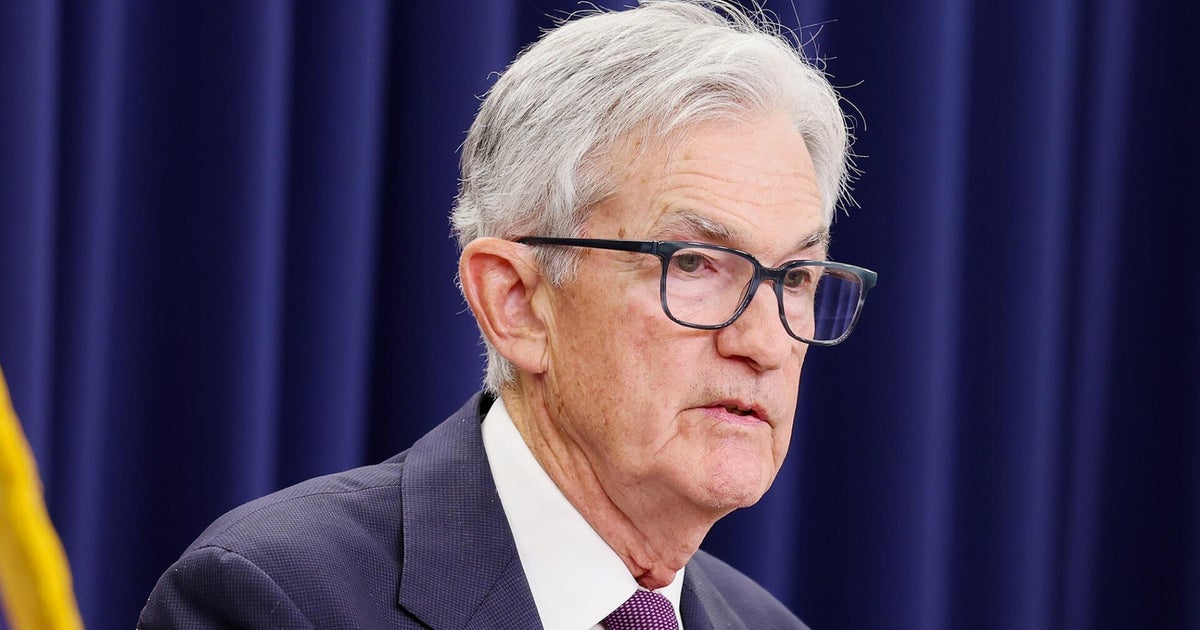
The Federal Reserve decided not to change its main interest rate for the third time in a row. This means the cost of borrowing money stayed the same during their latest meeting.
Key Facts
The Federal Reserve controls the benchmark interest rate that influences borrowing costs.
For three meetings in a row, the Fed has kept this rate steady.
Keeping rates steady means it neither raises nor lowers them.
This decision affects loans, mortgages, and credit cards for consumers and businesses.
The Fed's choice aims to balance economic growth and control inflation.
Read the Original
Want the full story? Tap a source to open the original
article.
Ford Motor Company expects to receive $1.3 billion in refunds from the U.S. government for tariffs imposed during President Trump's administration that were ruled illegal by the Supreme Court. This refund will increase Ford’s annual profit forecast by $500 million.
Key Facts
Ford will get $1.3 billion back from the U.S. government for tariffs placed under the International Emergency Economic Powers Act (IEEPA).
President Trump authorized these tariffs, but the Supreme Court struck them down in February.
The government created a system called CAPE to allow companies to file refund claims for these tariffs.
Some refund requests have been rejected, mostly due to paperwork mistakes.
Approved refunds are expected to be paid within 60 to 90 days.
It is not yet clear if Ford’s refund covers all tariffs paid or only certain amounts.
Ford increased its yearly profit forecast by $500 million because of the expected refund.
Ford’s net income for the first quarter was $2.5 billion, with $43.3 billion in revenue.
Read the Original
Want the full story? Tap a source to open the original
article.
Blue Cross Blue Shield will pay $2.67 billion to settle a lawsuit claiming it limited competition among its insurance plans, which allegedly raised costs and reduced choices for customers. About six million people who had coverage with the company from 2008 to 2020 and filed claims by November 2021 are eligible for payments that will begin in May.
Key Facts
The settlement is worth $2.67 billion, with about $1.9 billion going to consumers after fees.
Payments will go to people and businesses with Blue Cross Blue Shield coverage between 2008 and 2020 who filed claims before November 5, 2021.
Around six million claims were filed for the settlement.
The average payment may be about $300 but will vary based on factors like coverage duration and premiums paid.
Payment methods include paper checks, prepaid cards, or electronic transfers such as PayPal or Venmo.
The lawsuit alleged Blue Cross Blue Shield violated antitrust laws by dividing markets and limiting competition.
Blue Cross Blue Shield denied wrongdoing and settled without admitting guilt.
The settlement also requires changes to encourage more competition among Blue Cross Blue Shield plans.
Read the Original
Want the full story? Tap a source to open the original
article.
The United Arab Emirates (UAE) announced it will leave OPEC starting May 1st. The country wants to increase its oil production, partly due to disruptions caused by the ongoing war involving Iran.
Key Facts
The UAE will stop being a member of OPEC from May 1st.
OPEC is a group of oil-producing countries that coordinate oil production levels.
The UAE plans to raise its oil production after leaving OPEC.
The war involving Iran has disrupted shipping routes in the Strait of Hormuz.
The decision to leave OPEC is linked to these disruptions and the country’s desire to produce more oil.
This change could affect global oil markets by shifting supply dynamics.
Read the Original
Want the full story? Tap a source to open the original
article.
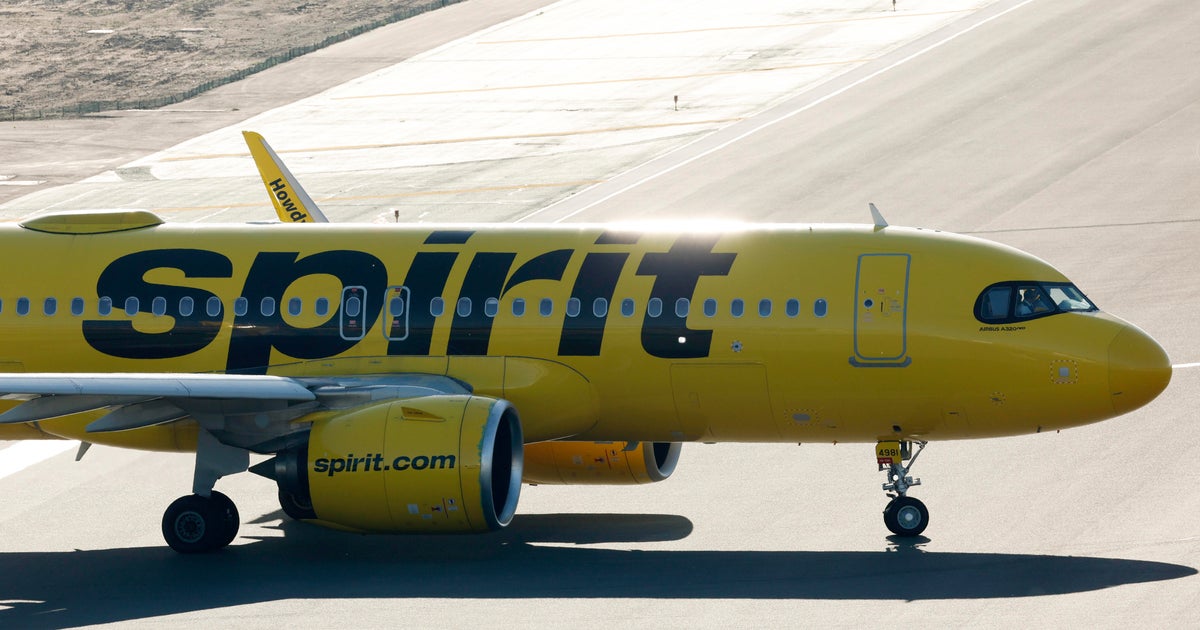
Spirit Airlines has only enough money to keep running for a few days. The company is trying to get a $500 million loan from the U.S. government in exchange for giving the government most control, but some creditors don’t agree with the deal.
Key Facts
Spirit Airlines faces bankruptcy and rising fuel costs due to the Iran war.
The Trump administration offered a $500 million government loan for 90% ownership of Spirit.
Creditors, including Citadel, Ares Management, and Cyrus Capital, oppose the government deal.
A bankruptcy hearing was delayed while discussions continue.
Spirit missed an interest payment, risking default on their loan agreement.
The airline has $250 million in cash, but creditors have a legal claim on that money.
President Trump is open to a government takeover if the price is right to save jobs.
The Trump administration may use a law called the Defense Production Act to support the loan and use Spirit’s planes for military transport.
Read the Original
Want the full story? Tap a source to open the original
article.
Several U.S. towns are offering money and other benefits to people who move there. These programs aim to attract remote workers and new residents to boost local economies and tax revenues.
Key Facts
Texarkana (on the Texas-Arkansas border) offers over $18,900 in cash and housing help to remote workers and select professionals.
Huntington County, Indiana, offers more than $15,000 in relocation cash and housing assistance to people living outside Indiana.
Northeast Indiana provides over $11,700 in cash and community benefits to encourage long-term residency.
Cedar Rapids, Iowa, offers a $5,000 cash bonus and up to $9,000 in total perks to remote workers.
Many of these programs work with MakeMyMove, a service that matches applicants with towns offering incentives.
The goal is to attract workers who bring their jobs with them, increasing local tax income and economic activity.
Eligibility often depends on employment status and where applicants currently live.
Experts caution that moving just for the incentive without a job or plan may not be wise.
Read the Original
Want the full story? Tap a source to open the original
article.
The Inter-American Development Bank (IDB) president, Ilan Goldfajn, said that while Latin America faces uncertainty due to the Iran war’s impact on energy and the economy, the region is showing strength and resilience. Countries in Latin America are asking for focused help with energy sources and fertilizer supplies.
Key Facts
The Iran war has caused energy problems and economic difficulties worldwide.
These problems have increased uncertainty in Latin America’s economy.
Ilan Goldfajn is the current President of the Inter-American Development Bank.
Latin American countries are requesting specific support, such as help diversifying energy and access to fertilizers.
Despite challenges, Latin America remains resilient.
Jerome Powell gave his final press conference as Federal Reserve Chair around the same time.
Kevin Warsh is moving closer to becoming the new Federal Reserve Chair.
The news highlights ongoing global economic effects connected to geopolitical conflicts.
Read the Original
Want the full story? Tap a source to open the original
article.