The United States has a big housing shortage of about 3.7 million homes, while nearly 20% of office spaces are empty. Some empty offices are being turned into housing, but many office buildings are not suitable for housing because of their design, location, and costs.
Key Facts
The U.S. housing shortage was estimated at 3.7 million units in late 2024.
Around 19% of office space in the U.S. is vacant as of 2025.
About 23.3 million square feet of office space is planned for conversion or demolition in 2025.
76% of active office conversion projects are planned for housing use.
Office buildings need certain features like suitable floor layouts, natural light, and zoning approval to be converted into homes.
Conversion is not always financially practical, depending on the building’s structure and costs.
Adaptive reuse means reusing parts of a building, which can save money compared to building new housing but can still be expensive.
The physical shape and design of office buildings often do not fit well with residential needs.
Read the Original
Want the full story? Tap a source to open the original
article.
A data center in New Jersey linked to Microsoft emitted large amounts of harmful air pollution for almost a year without having the required permits. The company was fined $1 million by state regulators, and experts say the pollution levels were very high and could affect local health.
Key Facts
The data center, called DataOne, used 62 gas-powered generators without proper permits.
These generators released about 140 tons of nitrogen oxides (NOx), a harmful air pollutant, over roughly one year.
NOx can cause serious health problems like asthma, heart attacks, and death.
The generators began arriving in July 2025, with some starting to operate in October 2025.
New Jersey requires permits for any facility that emits more than 25 tons of NOx per year, but DataOne did not obtain these permits.
Experts estimate that if fully used, the generators could emit over 1,500 tons of NOx annually, nearly twice the pollution allowed from the state's largest power plant.
DataOne disagrees with the fine and plans to apply for the necessary permits while working on switching to cleaner fuel cells.
Microsoft said it expects partners like DataOne to follow legal rules and is supporting the transition to cleaner energy at the site.
Read the Original
Want the full story? Tap a source to open the original
article.
The cost for the UK government to borrow money has risen sharply, with 30-year bond yields reaching 6%, the highest since 1998. This increase is part of a global trend driven by concerns over high inflation and ongoing conflicts affecting oil supply.
Key Facts
The yield (interest rate) on UK 30-year government bonds hit 6%, a level not seen since 1998.
Rising bond yields mean higher borrowing costs for the UK government and put pressure on the upcoming budget.
Bond yields are also increasing in the US and Japan due to inflation concerns and geopolitical tensions.
US 10-year Treasury bond yields recently reached their highest since 2002 despite slightly lower-than-expected inflation data.
Investors worry the US Federal Reserve will keep raising interest rates to control inflation.
The Bank of England official Catherine Mann believes interest rates in the UK should rise to better control inflation.
Mann argues that current financial market conditions do not tighten the economy enough to reduce inflation.
Global inflation risks, along with conflicts in the Middle East affecting oil supplies, are fueling the bond market sell-off.
Read the Original
Want the full story? Tap a source to open the original
article.
This radio episode explores how the antiques business works and whether TV shows about selling antiques show the true picture. Experts discuss how antiques are discovered and sold, and consider if today’s products will still be valuable in the future.
Key Facts
The antiques business involves buying and selling old items, often for profit.
Many TV shows feature people finding antiques and selling them.
Experts on the program come from auction houses, dealing, and online antiques sales.
The episode questions if TV shows reflect the real antiques market accurately.
It also discusses how antiques first come to market.
There is a debate about whether items made today will last long enough to become antiques.
The program is presented by Evan Davis on Radio 4.
Guests include Catherine Southon, Mark Hill, and Conor Hannah, all experienced in antiques.
Read the Original
Want the full story? Tap a source to open the original
article.
Pension payments in Jersey will rise by 4.7%, adding £734 per year to the pension. This increase will make the total annual pension £16,294, with more help available for low-income pensioners.
Key Facts
The pension increase is 4.7%, or about £14 extra per week.
The total pension amount will be £16,294 per year after the increase.
The pension is adjusted each October based on inflation measured by the pensioner retail price index.
Additional help includes cold weather payments and free TV licenses for those with low incomes.
Jersey’s Social Security Minister, Senator Elaine Millar, highlighted the importance of pensions for older people.
Other support programs include Pension Plus and the Health Access Scheme to assist pensioners with healthcare and heating costs.
The government is working to introduce mandatory workplace pensions alongside the existing pension system.
Read the Original
Want the full story? Tap a source to open the original
article.
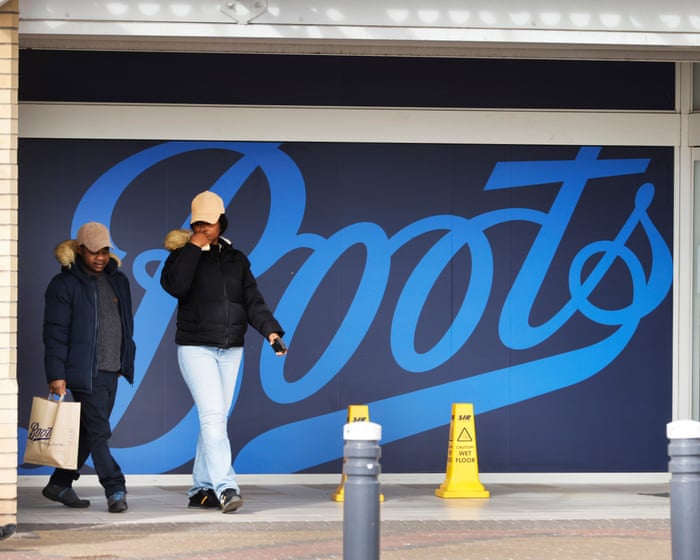
The private equity firm Sycamore Partners is close to selling the British pharmacy chain Boots to the Canadian Weston family for about $9 billion. This deal would bring the Weston family back to the UK retail market after previously owning Selfridges.
Key Facts
Sycamore Partners bought Walgreens Boots Alliance for $23.7 billion in 2025.
The Weston family owns several Canadian businesses, including Loblaws grocery stores and Shoppers Drug Mart pharmacies.
The Weston family sold the UK department store Selfridges in 2022 for £4 billion.
Boots has about 1,800 stores in the UK and employs around 51,000 people.
Boots was founded in 1849 in Nottingham and has changed ownership several times in the past 20 years.
Last summer, Boots reported a 3.2% revenue increase to £7.5 billion and a 25% pre-tax profit rise to £337 million.
Sycamore had previously tried but failed to sell Boots to Australian company Sigma Healthcare for $10 billion.
Sycamore is breaking up Walgreens Boots Alliance into separate companies as it plans to sell parts, including Boots.
Read the Original
Want the full story? Tap a source to open the original
article.
Three major UK bookmakers that have warned about illegal offshore gambling benefited financially from a deal between their shared business, Sports Information Services (SIS), and an unlicensed offshore casino called Santeda. This deal, revealed by leaked files, involved supplying gambling data to Santeda, which targets UK customers despite lacking proper licenses.
Key Facts
Three UK bookmakers (Ladbrokes, William Hill, and Betfred owner Fred Done) partly own SIS, a company providing gambling data and content.
SIS signed a contract in 2022 with Santeda, an offshore casino accused of targeting vulnerable UK gamblers and fined in Spain for unlicensed operations.
The deal allowed SIS to supply Santeda with live racing and other betting data for two years, renewing automatically unless canceled.
The contract gave SIS a share of the money lost by gamblers using Santeda’s sites.
The bookmakers have warned the UK government that heavy rules might push players to illegal offshore sites like Santeda.
The bookmakers did not know about the deal at the time due to company rules preventing access to competitor-sensitive info.
Since the deal started, SIS shareholders, including these bookmakers, received at least £37 million in dividends, with Ladbrokes getting about £8.5 million.
SIS said it would not confirm if the contract still exists. Licensed companies dispute dealing with Santeda because it targets UK players without proper permission.
Read the Original
Want the full story? Tap a source to open the original
article.
President Donald Trump joined tech leaders to promote data centers as important for AI development, suggesting local communities should receive money, called a "dividend," to support these projects. Some communities have received financial offers to accept data centers, but many residents still oppose them due to concerns like property value loss.
Key Facts
President Trump and tech executives discussed how to win the global AI race with data centers.
Trump called payments to local communities supporting data centers "dividends."
Polls show 60% of Americans, including over half of Republicans, feel uncomfortable with new data centers nearby.
In Hazle Township, Pennsylvania, a developer offered $10,000 per household if allowed to build a data center.
Despite financial offers, local opposition to data centers remains strong.
Studies show money offers can increase community support for projects like wind farms and gas drilling but with limits.
Support tends to be higher when payments go to local towns rather than larger regions.
Data centers have become a political and voter issue in the upcoming U.S. midterm elections.
Read the Original
Want the full story? Tap a source to open the original
article.
Global bond markets are experiencing major drops because investors worry about rising inflation and large government debts, especially in the US and UK. UK long-term borrowing costs reached their highest level in 28 years, while stock markets in London and Europe also fell due to fears of higher interest rates.
Key Facts
UK 30-year government bond yields hit 6%, the highest since 1998, increasing the UK’s borrowing costs.
Investors fear inflation from high oil prices and ongoing conflicts in the Middle East will force central banks to raise interest rates.
US 10-year Treasury yields reached their highest level since 2002, despite recent inflation data being lower than expected.
Stock markets in London, Germany, and France dropped by around 1-1.7% amid the bond sell-off.
Concerns about large government deficits and high debt issuance add pressure to bond markets.
Some investors are reluctant to buy bonds until the market stabilizes.
The US dollar strengthened to a three-month high as investors expect interest rates to stay high.
The Federal Reserve may delay rate hikes in October but could raise rates in December due to persistent inflation.
Read the Original
Want the full story? Tap a source to open the original
article.
House price growth in the UK slowed significantly in September, with average prices rising only 0.8% over the year compared to 1.6% in August. Higher mortgage interest rates, influenced by economic uncertainty and rising energy costs due to conflict in the Middle East, have made buying homes more expensive and caused the housing market to cool.
Key Facts
UK house price growth halved from 1.6% in August to 0.8% in September.
The average UK home price in September was £274,251.
House prices fell 0.2% from August to September after adjusting for seasonal changes.
Rising energy costs driven by the Middle East conflict have increased inflation worries.
These inflation concerns have led to higher mortgage interest rates, now above 5.9% for two- and five-year fixed mortgages.
East Anglia saw a 0.7% annual drop in house prices, while Northern Ireland had the highest growth at 5.9%.
Despite higher mortgage rates, slower house price growth has slightly improved affordability for some buyers.
Experts say the housing market may improve if energy prices and interest rates ease in the future.
Read the Original
Want the full story? Tap a source to open the original
article.
Fuel prices in the UK, especially diesel, have reached record highs recently, causing challenges for individuals and businesses in the south of England. These increases are partly linked to conflicts in the Middle East and are leading people to change their buying habits and forcing some organizations to cut costs.
Key Facts
Diesel prices in the UK have hit a record high of nearly £2 per litre.
Fuel costs have risen by about 40% since late February due to the US-Israel-Iran conflict.
Many drivers now buy smaller amounts of fuel, such as £20, instead of filling their tanks.
The MS Centre Dorset faces an extra £2,000 yearly expense running minibuses because of fuel price rises.
Local businesses like haulage companies say the increased fuel costs threaten their ability to operate.
Fuel stations are facing theft problems involving fake number plates, leading to extra security costs.
Taxi drivers and small business owners express concern about losing income due to these high fuel prices.
Changing costs mean profit margins for fuel sellers have had to increase significantly over the last decade.
Read the Original
Want the full story? Tap a source to open the original
article.
Energy bills in England, Scotland, and Wales are rising again as the regulator Ofgem increases the price cap. This means many households will pay more for heating and electricity during the colder months, causing concern about affordability, especially for pensioners and families.
Key Facts
Energy bills are increasing from Thursday under Ofgem’s new price cap, adding about £60 a year to typical bills.
The average yearly bill on a standard variable tariff will rise to about £1,723.
Millions of households on fixed-rate tariffs will not see immediate changes, but those deals end soon.
The increase is mainly due to higher wholesale gas prices linked to conflict in the Middle East.
The UK government has removed VAT on electricity and offers a Warm Home Discount of £150 for eligible households to help with costs.
Some pensioners and families are already limiting energy use to cope with rising bills.
People relying on fixed incomes or benefits face increased pressure to afford basic heating and other essential costs.
Ofgem notes that despite the rise, prices are still about 52% lower than their recent peaks.
Read the Original
Want the full story? Tap a source to open the original
article.
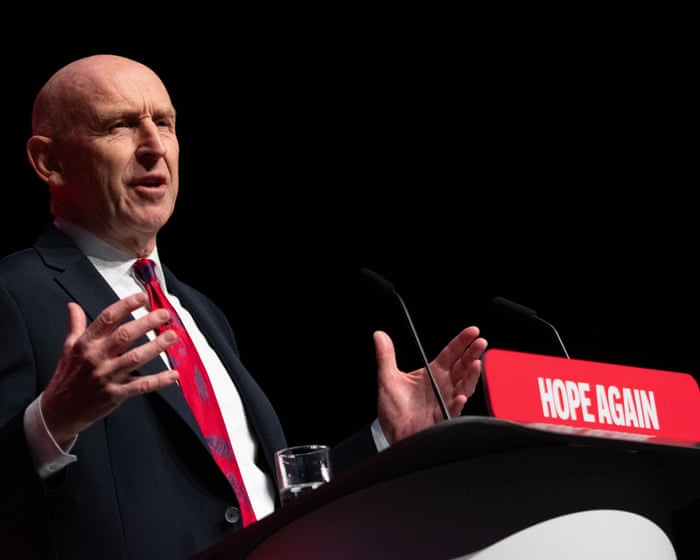
UK households face a 4% rise in energy bills starting Thursday, raising the average annual cost to £1,723. Chancellor John Healey is under pressure to provide new financial support in the upcoming budget as energy prices are expected to keep increasing due to global factors like the war in the Middle East.
Key Facts
Energy bills will rise by 4%, reaching about £1,723 per year for a typical home in Great Britain.
The energy price cap, set by regulator Ofgem, is at its highest in three years.
VAT on electricity bills was cut by Andy Burnham to save households about £45 annually from October 1.
Diesel prices hit nearly £2 per litre, pushing up fuel and goods costs.
The Treasury plans a budget on October 28 focused on fiscal discipline amid global economic challenges.
Campaigners urge the government to provide universal and targeted energy support to help vulnerable households.
Energy prices are expected to rise further by 16% in January, reaching about £1,999 for average dual-fuel bills.
The government is also under pressure to extend VAT relief and adjust charges that fund clean energy projects.
Read the Original
Want the full story? Tap a source to open the original
article.
South Korea’s exports reached a new record of $120.9 billion in September, driven largely by strong demand for chips used in artificial intelligence (AI). Chip shipments grew over 260 percent, making up nearly half of the exports, and the country’s economy is benefiting from the global AI boom.
Key Facts
South Korea’s exports in September were $120.9 billion, up 83.5% from the previous year and surpassing the June record of $102.25 billion.
Chip shipments accounted for nearly half of exports, rising more than 260% to $60.3 billion.
Total exports from January to September reached $814.5 billion, higher than the full-year record of $709.7 billion in 2025.
The country recorded a trade surplus of $49.85 billion in the first nine months of the year.
South Korea is a major player in the semiconductor industry, with SK Hynix and Samsung Electronics controlling about 80% of the global high-bandwidth memory market.
GDP growth in April-June hit a 50-year high at 26.4% year-on-year (nominal).
The Ministry of Finance and Economy expects real GDP growth of 3% in 2026, the strongest since 2017 (excluding pandemic years).
The AI boom also pushed South Korea’s stock market (Kospi) up nearly 60% this year.
Read the Original
Want the full story? Tap a source to open the original
article.
The Bank of England governor, Andrew Bailey, warned that huge investments in artificial intelligence (AI) could cause sudden drops in financial markets. He said AI has strong potential to help economic growth but also brings risks like market shocks, cyber attacks, and misleading deepfake videos.
Key Facts
The Bank of England is closely watching large amounts of money going into AI companies.
Some AI companies are valued at trillions of dollars based on expected profits.
Andrew Bailey warned that not all AI investments will succeed, and prices could drop.
Big tech firms like Alphabet, Meta, Microsoft, and Amazon have spent hundreds of billions on AI.
Two major AI firms, Anthropic and OpenAI, plan to sell shares on the US stock market.
AI can create cyber security risks by uncovering software weaknesses.
Deepfakes, realistic AI-made fake images or videos, are a rising concern.
Bailey said AI can also help speed up work for officials who set interest rates.
Read the Original
Want the full story? Tap a source to open the original
article.
The Reserve Bank of Australia (RBA) says most Australian households are managing well despite rising interest rates and falling home prices. However, the RBA warns that a sudden drop in global investment in artificial intelligence (AI) could cause big problems for Australia’s economy.
Key Facts
Fewer than 1% of Australian home borrowers owe more than their house is worth (called negative equity).
Recent home buyers with loans close to their property value are more likely to be in negative equity but still mostly keeping up with payments.
A 20% drop in property prices would push about 5% of mortgages into negative equity.
Most homeowners have built up enough home value and savings to handle loan payments.
The RBA warns that a collapse in AI investment, fueled by high expectations and complex borrowing, could cause sudden drops in asset prices worldwide.
Ongoing conflicts in the Middle East and Ukraine, and rising tension between major countries, add to financial risks.
High global corporate debt and stock market prices are vulnerable to sharp corrections.
The risk of cyber-attacks, possibly helped by AI, and sudden drops in global bond markets are also major concerns.
Read the Original
Want the full story? Tap a source to open the original
article.
Several large companies, including Microsoft’s datacentre division and Singtel (owner of Optus), earned billions in Australia but paid little or no income tax. The Australian Taxation Office reported that more than a quarter of big companies, often foreign-owned, regularly pay zero or very low corporate tax in Australia.
Key Facts
Microsoft’s datacentre business earned $2.3 billion in Australia but reported no taxable income for that part of its operations.
Microsoft’s other business units paid $160.6 million in tax on $9.2 billion in revenue.
Singtel, which owns Optus, earned $8.3 billion but paid no tax in Australia during 2024-25.
Netflix paid $8.4 million in tax on $1.4 billion revenue, and TikTok paid $17.3 million on nearly $687 million revenue.
Other companies paying no tax despite large earnings include JBS Global Meat Holdings ($4.8 billion), Fonterra ($2.4 billion), Sony Australia ($1.6 billion), and Kogan ($642 million).
The Australian Taxation Office said companies might pay zero tax due to losses, deductions, or profit shifting (sending profits to lower-tax countries).
The ATO is increasing efforts to ensure digital businesses and supply chains pay fair taxes reflecting their economic activity in Australia.
New laws aim to levy global tech companies for using Australian news content without paying media outlets, but legal challenges are expected.
Read the Original
Want the full story? Tap a source to open the original
article.
A collection of Oasis recordings made by the band’s former sound engineer was set to be sold at auction but has been pulled due to legal action by the band. The recordings include live shows, rehearsals, and personal conversations, but the band owns the rights to the material, blocking its sale.
Key Facts
The recordings include 63 live shows, rehearsals, and conversations between band members Noel and Liam Gallagher.
The collection was created by Huw Richards, Oasis’s sound engineer from 1994 to 2001.
The tapes were being sold by Huw Richards’s son, Owain Richards, who is also a sound engineer.
The auction was scheduled by Littleton Auctions in Worcestershire, with a guide price between £1.2 million and £1.6 million.
Oasis sued to stop the auction because they own the intellectual property rights to the recordings.
The auction of these tapes has been postponed until the legal dispute is resolved.
Other music memorabilia from the Richards collection will still be auctioned as planned.
Oasis recently announced a 2027 tour and have been active following their 2025 reunion tour.
Read the Original
Want the full story? Tap a source to open the original
article.
Airline ticket prices for the holiday season have reached the highest level in 10 years. This rise is mainly due to the increased cost of jet fuel, which airlines pay to operate flights.
Key Facts
Holiday airfares are at their highest point in a decade.
High prices for jet fuel are the main cause of the airfare increase.
Travelers are trying to book their holiday flights despite the cost.
Jet fuel is a key expense for airlines, directly affecting ticket prices.
The article includes video reports and other news headlines related to travel and current events.
Read the Original
Want the full story? Tap a source to open the original
article.
In September, the U.S. private sector added 90,000 jobs, with growth concentrated in education, health services, leisure, hospitality, manufacturing, and construction. However, financial activities and professional services lost jobs due to higher interest rates and increased use of artificial intelligence (AI), which is automating routine tasks.
Key Facts
Private employers added 90,000 jobs in September, rebounding from slower growth in August.
Education and health services gained 55,000 jobs; leisure and hospitality added 22,000.
Financial activities lost 16,000 jobs, and professional and business services dropped 11,000.
Higher interest rates have reduced financial activity such as lending and real estate.
AI is automating many routine office jobs, especially in finance, reducing demand for entry-level positions.
These changes are reshaping white-collar jobs, making some traditional roles less common.
Job growth remains strong overall, but opportunities in some office-based sectors are declining.
Experts believe financial careers are evolving rather than disappearing entirely.
Read the Original
Want the full story? Tap a source to open the original
article.