Fact-first summaries of the news — stay informed, stay grounded.
Your favorite news sources, one calm feed — fact-first summaries that always link to the
original story. No outrage bait, and we tell you when you're caught up. How it works
Business News
Business news, market updates, and economic developments
A CBS News investigation looked into a dog breeder in Wisconsin who had nearly 500 state violations but did not face action from federal authorities. The report also noted that over 37,000 dogs were used for research in the U.S. last year, raising concerns about how well federal agencies oversee commercial breeders supplying dogs to labs.
Key Facts
A Wisconsin dog breeder had almost 500 violations of state animal care rules.
Despite these violations, federal officials did not take enforcement action against the breeder.
More than 37,000 dogs were used for research purposes in the U.S. during the past year.
The breeder sells dogs to research laboratories around the country.
CBS News investigated how federal oversight works at commercial dog breeding facilities.
Questions arose about whether the federal government is effective at regulating breeders who supply animals for testing.
The investigation highlights the connection between animal testing and commercial dog breeders.
Read the Original
Want the full story? Tap a source to open the original
article.
A study by Econtime Consultants found that flexible work schedules can increase the real value of a person's salary by 56 percent. This means workers may gain more overall benefits, such as time savings and better work-life balance, beyond just their pay.
Key Facts
Econtime Consultants conducted a new experiment on work arrangements.
The study focused on flexible work options like remote work or adjustable hours.
Flexible work can raise a worker’s "effective" salary by 56 percent.
"Effective" salary includes both pay and other benefits like saved commuting time.
Workers may feel they earn more overall due to better flexibility and lifestyle.
The study highlights non-monetary advantages of remote and flexible jobs.
This research supports the value of flexible work beyond just earnings.
Read the Original
Want the full story? Tap a source to open the original
article.
The U.S. Mint stopped making pennies for everyday use in 2025 because it costs more to produce them than their worth. Now, the nickel, which costs more than five cents to produce, might be next to be discontinued to save money. This could change how people use cash, making them round prices to the nearest dime when paying with cash, while electronic payments remain exact.
Key Facts
Pennies stopped being made for general use in November 2025 after 232 years.
The nickel has been in use since 1866 and features Thomas Jefferson since 1938.
Producing one nickel cost the U.S. Mint about 13.31 cents in fiscal year 2025.
Ending nickel production would save the government money but make cash transactions less precise.
Cash use is declining but still accounts for 14% of consumer payments as of 2025.
Without pennies, retailers can round cash transactions to the nearest five cents under the Common Cents Act.
If nickels are eliminated, cash totals might be rounded to the nearest dime, potentially costing consumers more.
Congress is considering options to make nickels cheaper to produce or keep them in circulation due to cash's ongoing use.
Read the Original
Want the full story? Tap a source to open the original
article.
The UK competition watchdog, the Competition and Markets Authority (CMA), says some fuel retailers are slow to lower petrol and diesel prices when wholesale costs fall. The CMA has sent many warning letters to stations not sharing prices with the government’s Fuel Finder service and plans a further review of the fuel market in autumn to ensure fair prices.
Key Facts
Some petrol stations delay passing on reductions in wholesale diesel prices to customers.
Over 1,000 warning letters have been sent to retailers not listing prices on the Fuel Finder price comparison tool.
About 97% of UK petrol stations are registered with Fuel Finder, covering 99% of fuel sales.
Retailers’ profit margins on fuel remain high, near or above historic levels seen in 2025.
The CMA found no evidence that fuel retailers are profiteering from the Iran war.
The Fuel Finder tool was created after a 2023 CMA recommendation to boost competition and help drivers save money.
Some groups, like the AA and RAC, say fuel prices remain unfairly high and call for closer monitoring of pricing and competition.
Fuel prices in Northern Ireland are on average 8p per litre cheaper than the rest of the UK, highlighting regional differences.
Read the Original
Want the full story? Tap a source to open the original
article.
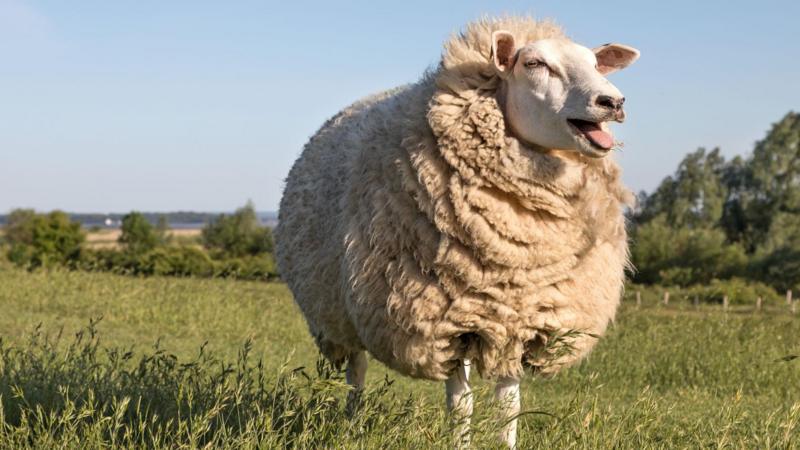
The price of British wool has risen by more than 70% in the past year because there are fewer sheep and less wool available worldwide. This higher price helps sheep farmers cover costs like shearing, and wool is being used in many products beyond clothing, such as flood protection and slug pellets.
Key Facts
Wool prices in Britain reached a 10-year high earlier this year.
A kilogram of clean wool recently sold for £2.54, up from less than £1.50 a year ago.
The British sheep population has decreased, reducing wool production.
Global wool stockpiles built during the Covid-19 pandemic have mostly been used up.
Wool from different sheep breeds is sorted into many grades and used for various products, including formal wear, carpets, and agricultural use like slug pellets.
Wool demand is growing worldwide, with important markets in China, South Korea, and Japan.
Rising wool prices help sheep farmers cover costs related to shearing and animal care.
Sheep farmers mainly raise sheep for meat and breeding, but wool remains important for health and welfare reasons.
Read the Original
Want the full story? Tap a source to open the original
article.
Tyson Foods announced it will close several meatpacking plants due to a severe shortage of cattle in the U.S., leading to thousands of layoffs. The cattle herd is at its smallest in 75 years, which has increased beef prices for consumers and caused challenges for ranchers and meatpackers.
Key Facts
Tyson Foods is shutting down facilities in Illinois and Utah and selling a Washington plant because of a historic shortage of cattle.
Over 3,200 workers have been laid off, many without advance notice.
The U.S. cattle herd reached its lowest point in 75 years in 2026.
Beef prices have risen sharply, with steaks costing over $13 a pound and sirloin nearly $15.
Rising costs for feed, fertilizer, and equipment are squeezing cattle ranchers.
Four companies control about 85% of U.S. meatpacking, including Tyson, JBS, Cargill, and National Beef.
President Donald Trump and the Justice Department have accused these companies of anti-competitive practices like price fixing.
Despite criticism, meatpackers face their own financial pressures due to cattle shortages and higher costs.
Read the Original
Want the full story? Tap a source to open the original
article.
Teen summer job rates in the United States have dropped to the lowest level since 1948. This change affects how many young people gain work experience during their teenage years.
Key Facts
Teen summer employment is at its lowest point since 1948.
Traditional summer jobs include roles like scooping ice cream and lifeguarding.
These jobs provide important work experience for teenagers.
The article discusses concerns about what this drop means for American youth.
It also covers topics like how a college-bound student can start investing.
The episode talks about how lending money to friends can impact friendships.
Read the Original
Want the full story? Tap a source to open the original
article.
Government borrowing costs rose to their highest levels in decades as hopes for peace between the US and Iran diminished. Rising tensions, higher oil prices, and increased defense spending have led investors to expect higher inflation and interest rates, pushing up bond yields across several countries.
Key Facts
Government borrowing costs increased to levels not seen in decades on Tuesday.
A ceasefire between the US and Iran ended without agreement, reducing peace hopes.
President Donald Trump threatened to bomb Oman if it interferes in negotiations, raising oil prices above $91 a barrel.
Higher oil prices are expected to increase inflation, leading to higher interest rates.
Defense spending is rising in countries like Germany and the UK, putting more pressure on government borrowing.
The US 30-year Treasury bond yield reached 5.324%, the highest since 2007.
Bond yields also rose in Japan, the UK, Germany, and France to multi-year highs.
Rising bond yields reflect worries about inflation, interest rates, and large government and corporate borrowing.
Read the Original
Want the full story? Tap a source to open the original
article.
British shoppers bought more picnic foods like potato salad, olives, and ice cream during last month’s heatwaves, according to market research. Grocery price increases slowed to their lowest rate in nearly two years, helped by more shoppers using special deals to save money.
Key Facts
Spending increased on summer foods such as potato salad, coleslaw, olives, and ice cream during the heatwave.
Grocery prices rose by 2.1% in early August, the slowest increase since October 2024.
Nearly one-third (31.3%) of supermarket sales were made using promotions or discounts.
Average grocery spending fell by £14.24 compared to the previous busy period during the men’s football World Cup.
Soft drink sales grew by 15.1%, and frozen treats like ice cream and sorbet sales increased by 26%. Frozen fruit sales went up by 48%.
Online food shopping sales rose 10% in value, reaching £2.1 billion, with food delivery platforms gaining popularity.
Convenience stores saw their strongest sales growth in over a year, at 3.6%.
Experts expect shopping patterns to change again as summer ends and schools reopen, likely increasing use of discount vouchers.
Read the Original
Want the full story? Tap a source to open the original
article.
Home Depot’s sales rose in the second quarter as customers spent more on smaller home projects during the summer. The company earned $4.77 billion, beating Wall Street’s earnings and revenue expectations despite a slow housing market.
Key Facts
Home Depot’s revenue grew to $47.86 billion, exceeding the expected $47.24 billion.
Sales at stores open at least a year increased 1.7% worldwide and 1.3% in the U.S.
Customer transactions dropped by 1%, but the average spending per transaction rose to $92.50 from $90.01 last year.
The company earned $4.77 billion, or $4.79 per share, in the quarter ended August 2.
Adjusted earnings per share were $4.92, beating Wall Street’s prediction of $4.73 per share.
The housing market remains weak with falling home sales and high mortgage rates slowing buyers.
Home Depot expects total sales growth of 2.5% to 4.5% for fiscal year 2026.
The median price of U.S. homes rose 2% to $434,100 in July, despite the housing market slowdown.
Read the Original
Want the full story? Tap a source to open the original
article.
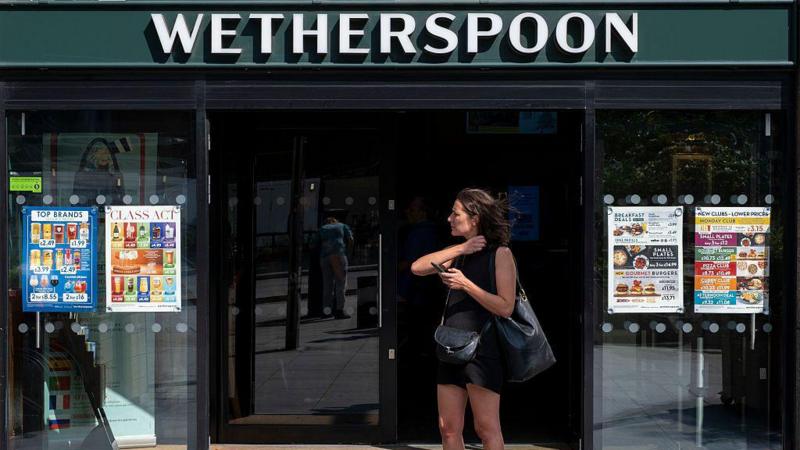
Wetherspoons has banned customers from playing music out loud or taking calls on speaker in its pubs to reduce noise complaints. Staff will ask patrons to keep phones silent or use earphones, and managers may ask people to leave if they refuse to follow the rule.
Key Facts
Wetherspoons runs 792 pubs and bars across the UK.
Customers are now banned from playing music out loud or taking calls on speaker in Wetherspoons pubs.
Customers must put phones and tablets on silent or use earphones instead.
Staff will use "common sense" to enforce the ban; managers can ask rule breakers to leave if needed.
Wetherspoons does not play music in most pubs, aiming for a quiet environment.
The ban also applies to the 44 Lloyds' bars owned by Wetherspoons, which usually play music in the evening.
The number of Wetherspoons pubs has declined from 955 in 2015 to 792 recently.
The company faces financial pressures from higher costs like food, labor, repairs, energy, and taxes.
Read the Original
Want the full story? Tap a source to open the original
article.
Mike Ashley’s company, Frasers Group, has increased its ownership in the German luxury fashion brand Hugo Boss to almost 48%. This move follows a rejected takeover bid and shows Ashley’s growing influence in the luxury retail market.
Key Facts
Frasers Group raised its stake in Hugo Boss to 48%, just under full control.
Ashley offered €2 billion for Hugo Boss in June, but the board said the offer was too low.
Around 17.6% of Hugo Boss shareholders accepted Ashley’s offer of €38 per share, a small increase over the previous share price.
Ashley’s company has owned a Hugo Boss stake since 2020 and has pushed for changes at the company.
Hugo Boss faces challenges like weak sales in women’s clothing and low demand in China.
Frasers also owns other retail brands like Sports Direct, Harvey Nichols, Flannels, and Mulberry.
Ashley bought Harvey Nichols recently to help save it from financial trouble.
Ashley started with a single sports store and now owns most of Frasers Group, which he built into a retail empire.
Read the Original
Want the full story? Tap a source to open the original
article.
Scotland’s state-owned Ferguson Marine shipyard will cut nearly a quarter of its workers while waiting for new shipbuilding contracts. The shipyard recently finished work on two delayed ferries and is waiting for government approval of future orders before starting new projects.
Key Facts
Ferguson Marine employs 283 people, including 34 apprentices.
The shipyard plans to reduce staff by about 70 through voluntary redundancy.
It recently completed two CalMac ferries, with the second due for completion by the end of 2026.
New contracts for four smaller vessels have been promised by the Scottish government but are still under government review.
Ferguson Marine was nationalised in 2019 after disputes over costs related to the delayed ferries.
The yard has no confirmed future orders and faces a pause in work after completing the current ferries.
The Scottish government is conducting "due diligence" before awarding new contracts.
The workforce reduction aims to keep the yard competitive and ready for future projects.
Read the Original
Want the full story? Tap a source to open the original
article.
Canada is trying to stop the United States from imposing a 50% tariff on many Canadian exports starting Wednesday. The tariffs come from a dispute over trade policies, including Canada’s treatment of US cars, dairy, and alcohol, and could affect goods worth about $20 billion.
Key Facts
The US, under President Donald Trump, plans to apply a 50% tariff on Canadian electronics, machinery, furniture, dairy, and wine.
The tariffs would start on Wednesday if no last-minute trade agreement is made.
These tariffs are based on a section of US law not previously used in this way.
About $20.2 billion worth of Canadian exports, or 5% of US imports from Canada, would be affected.
Canada’s provinces have banned US alcohol in retaliation, complicating negotiations.
Quebec considers its system controlling dairy, eggs, and poultry production non-negotiable.
Canada sends 70% of its exports to the US, but the US sends only 30% to Canada.
Talks between Canadian and US officials are described as intense and difficult.
Read the Original
Want the full story? Tap a source to open the original
article.
The Wetherspoons pub chain has banned customers from playing music or taking phone calls on speaker in its 792 pubs. This rule came after complaints about noise from smartphones and tablets disturbing other customers.
Key Facts
Wetherspoons introduced the ban in all 792 of its pubs.
The company said noise from phones and tablets has become a growing problem.
Customers are now asked to put phones on silent or use earphones.
Tim Martin, the chain’s founder, called Wetherspoons a quiet place for customers to relax.
The Liberal Democrats have suggested fines for people who play music out loud on public transport.
A 2023 YouGov poll showed most people support fines for playing loud music in shared spaces.
London’s mayor, Sadiq Khan, started a campaign to encourage headphone use on public transport.
The first Wetherspoons pub opened in 1979 and changed its name early on to Wetherspoons.
Read the Original
Want the full story? Tap a source to open the original
article.
Oil prices rose sharply after the US-Iran ceasefire ended without a peace deal. President Donald Trump threatened Oman and demanded Iran surrender as tensions in the Gulf region increased.
Key Facts
The ceasefire between the US and Iran expired, and no peace deal was reached.
Brent crude oil prices went above $90 per barrel for the first time since July 30.
Iran said it would adopt a more aggressive military stance if talks with the US fail.
President Trump threatened to bomb Oman if it interferes with ending the war.
A cargo ship was attacked near the Strait of Hormuz, a key shipping route for oil.
Only six commodity ships passed through the strait on Monday, showing limited shipping activity.
Analysts warn that continued conflict could lead to higher and more volatile energy prices globally.
President Trump said he is not in a hurry to make a deal and has not set a deadline for Iran.
Read the Original
Want the full story? Tap a source to open the original
article.
Wage growth in the UK slowed slightly in June, as workers face higher living costs partly due to economic effects from the war in Iran. Inflation is rising because of increased energy prices, which is putting financial pressure on households despite some signs of stability in the job market.
Key Facts
UK average wage growth, including bonuses, fell from 4.3% to 4.1% in the three months to June.
Regular wage growth stayed mostly stable, with private sector pay growth easing but public sector pay growth remaining high because of NHS pay awards.
Pay growth excluding bonuses increased slightly from 3.4% to 3.5%.
The number of workers on company payrolls dropped by 13,000 in July, a smaller decline than before.
Job vacancies fell, and unemployment stayed at 4.9%, higher than economists predicted.
Inflation in the UK is expected to rise near 3% due to increased energy bills caused by the Middle East conflict.
Annual earnings growth after inflation was 1.3% in the three months to June, showing workers’ pay rises are being partly wiped out by inflation.
The government is working on measures to help households with the cost of living and youth employment, including reforms to welfare and support for young job seekers.
Read the Original
Want the full story? Tap a source to open the original
article.
The United States and Canada are holding urgent talks to avoid new U.S. tariffs of 50% on $20 billion worth of Canadian goods. These tariffs, planned by President Donald Trump, have raised tensions between the two countries, but both sides want to find a solution before the tariffs take effect.
Key Facts
President Trump plans to impose a 50% tariff on $20 billion of Canadian products starting August 19, 2026.
The tariffs cover various goods including hockey sticks and tongue depressors.
The U.S. and Canada have a long history of trade disputes but remain close allies.
Canadian Prime Minister Mark Carney said negotiations are ongoing but kept details private.
Nearly 72% of Canadian exports go to the U.S., showing economic interdependence.
The U.S. wants Canada to buy more American military equipment and give more access to critical minerals.
Canada wants relief from existing U.S. tariffs on steel, aluminum, and softwood lumber.
Trump has made tariffs a central part of his economic policy, aiming to reduce the U.S. trade deficit.
Read the Original
Want the full story? Tap a source to open the original
article.
The number of job vacancies in the UK has dropped to the lowest point in over five years, mainly because smaller companies are hiring fewer workers. Despite this, the overall unemployment rate stayed the same at 4.9%, and regular wages grew slightly by 3.5% in the latest three months.
Key Facts
Job vacancies fell to 707,000 between May and July, the lowest in over five years.
Smaller businesses reduced hiring due to concerns about labor and operating costs.
The overall labor market did not change much during this period.
The unemployment rate remained steady at 4.9%.
Regular wages, excluding bonuses, increased by 3.5% yearly in the three months to June.
The data comes from the UK’s Office for National Statistics (ONS).
The UK economy continues to grow, but experts expect difficult months ahead.
Read the Original
Want the full story? Tap a source to open the original
article.