U.S. manufacturing is growing, but there are still delays and shortages in supplies such as electrical parts, steel, and labor. The government and industries are focusing on improving smaller suppliers so they can support bigger factories and produce parts more efficiently and reliably.
Key Facts
In August 2026, U.S. manufacturing activity was growing, with a PMI (Purchasing Managers’ Index) of 54.6, showing expansion.
Supplier deliveries have been slowing for nine months, causing delays in manufacturing.
There are ongoing shortages in electrical components, steel, labor, and other inputs needed for factories.
Factories depend heavily on smaller manufacturers who make parts, tools, and maintain equipment.
The Small Business Administration (SBA) is working on initiatives to help small suppliers grow and connect with bigger buyers.
Many small suppliers have good skills but need better tools and systems to handle modern manufacturing demands.
Modern factories need suppliers that can deliver parts on time, with consistent quality, and provide clear updates on orders.
Improving measurement technology and modern equipment helps reduce waste and makes production more efficient.
Read the Original
Want the full story? Tap a source to open the original
article.
Arab American businesses in Dearborn, Michigan, are experiencing challenges due to new trade tensions between the U.S. and Canada. Planned expansions into Canada have been put on hold because of tariffs and fewer Canadian visitors crossing the border.
Key Facts
Dearborn, Michigan, has the largest Arab American community in the U.S.
Yemeni cafes, like Qahwah House with 32 branches nationwide, are popular businesses in Dearborn.
Qahwah House paused plans to open in Toronto because of 50% tariffs on Canadian imports announced by President Trump.
Michigan's largest trading partner is Canada, and many businesses rely on Canadian customers.
Canadian visits to the Detroit area dropped by about 30% since early 2025 due to trade tensions.
Ottawa responded with sanctions on U.S. imports starting in September 2025, and recent talks failed to resolve issues.
Many Arab Canadians in Windsor, just across the border from Detroit, have reduced visits to Dearborn restaurants.
Large Michigan companies like Ford also face challenges from tariffs affecting trade with Canada.
Read the Original
Want the full story? Tap a source to open the original
article.
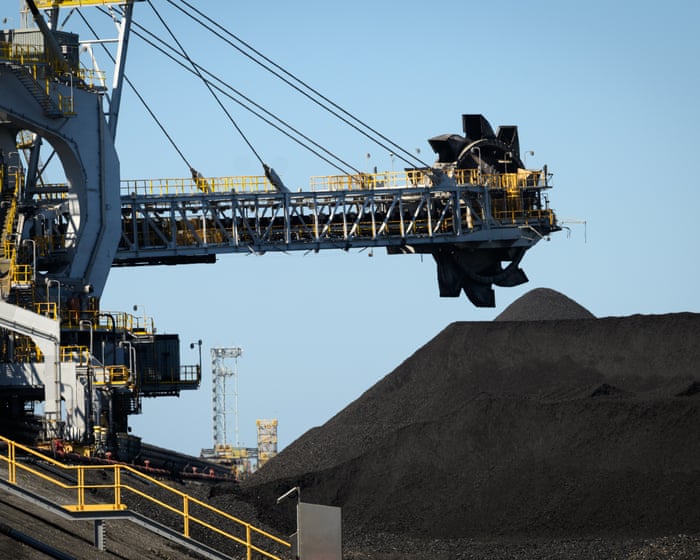
UK banks have been the largest funders of the coal industry in Europe, providing $8.3 billion since 2021, which is more than banks in Germany and France. Barclays and HSBC increased their coal financing during this period, despite making public commitments to reduce such funding.
Key Facts
UK banks provided $8.3 billion in coal-related financing from 2021 to 2025.
German banks gave $4.9 billion, and French banks gave $3.4 billion in the same period.
Barclays’ coal financing rose by 34%, from $1.2 billion in 2022 to $1.6 billion in 2025.
HSBC’s coal financing more than doubled from $200 million to $414 million.
The report was done by Urgewald, a German environmental and human rights group.
Barclays said it does not fund companies with over 30% of revenue from thermal coal and is supporting cleaner energy projects.
HSBC aims to phase out financing for thermal coal power and mining by 2030 in developed markets and by 2040 elsewhere.
Globally, Chinese banks provide the largest share of coal financing, with $289 billion, and funding by US banks also increased.
Read the Original
Want the full story? Tap a source to open the original
article.
A very strong El Niño weather pattern is creating more economic challenges in the U.S. just before the 2026 midterm elections. It is expected to cause costly flooding and damage in some states, raise prices for goods like food and fuel, and add to financial pressure on American households.
Key Facts
The current El Niño started in June 2026 and is one of the strongest ever recorded.
It is expected to increase heat-related deaths worldwide and raise prices for crops grown in Southeast Asia and Western Africa.
In the U.S., southern states and the West Coast may face flooding and mudslides, with California potentially losing $2-3 billion this winter.
Other states like Arizona, New Mexico, and Florida could also experience economic damage.
El Niño can sometimes boost U.S. economic growth by lowering heating costs and boosting agriculture, but overall global effects are usually negative.
This El Niño comes amid other economic issues like higher energy prices from the U.S.-Iran conflict, inflation, and market uncertainty.
Consumer confidence in the U.S. dropped in August 2026 to its lowest point since 2014, partly due to high fuel prices and economic worries.
The timing is notable because the economic pressures could influence voter sentiment ahead of the midterm elections.
Read the Original
Want the full story? Tap a source to open the original
article.
New York state residents paid the most in state and local taxes per person in 2024, according to U.S. Census data analyzed by the Citizens Budget Commission (CBC). The report also showed New York had the second highest government spending per person, which may affect the state's ability to attract residents and businesses.
Key Facts
New York residents paid $12,357 in combined state and local taxes per person in 2024, 71% higher than the national average.
This tax amount was over 20% higher than other high-tax states like California ($10,160) and Connecticut ($9,795).
New York ranked first in personal income and corporate income taxes, third in property tax, sixth in sales tax, and 13th in other taxes.
New York had the second highest government spending per person at $17,399, which is 44% above the national average.
If New York had spending levels like New Jersey or Texas, it could have saved $99 billion or $143 billion, respectively.
CBC noted high taxes and spending pose challenges for New York's competitiveness for residents and businesses.
Factors like New York’s dense urban population and generous Medicaid program contribute to higher spending.
Polls show voters consider tax policies important but prioritize cost of living, inflation, and the economy more when voting.
Read the Original
Want the full story? Tap a source to open the original
article.
The Bank of England governor, Andrew Bailey, warned that artificial intelligence (AI) poses growing risks to financial stability and said authorities must keep the ability to intervene if needed. The financial policy committee also highlighted that rising AI-related debt is increasing risks in financial markets.
Key Facts
Andrew Bailey, governor of the Bank of England, says AI models can become unpredictable and pose real risks.
AI advances increase the complexity of cyber threats to financial systems, affecting everyday banking and trading.
The Bank of England believes society should keep the right to set and adjust rules for AI safety.
Bailey suggests starting with strict testing of AI models rather than immediate regulation.
The financial policy committee reports AI companies took on $450 billion of debt from January to September 2024.
This AI-related debt exceeds the UK government’s planned bond issuance for 2026.
Many investors like hedge funds and asset managers are financially tied to AI companies that are not yet profitable.
The committee stresses the need to manage growing and connected risks linked to AI carefully.
Read the Original
Want the full story? Tap a source to open the original
article.
Many online shoppers suspect that product reviews they see are fake or made by AI, even though these reviews often influence buying decisions. Experts warn that fake reviews and the way reviews are displayed can mislead buyers, so shoppers should carefully check multiple sources before buying.
Key Facts
Over 70% of shoppers suspect some product reviews are fake or AI-generated.
Shoppers often trust star ratings and review counts without checking their authenticity.
Some sellers buy fake reviews in large numbers to make products look better.
Even real reviews can be biased based on how companies ask for feedback.
Review order is sometimes controlled by algorithms, which can hide newer negative reviews.
Experts advise shoppers to research across different sites and look at both positive and negative reviews.
Understanding how review platforms verify reviews helps judge their reliability.
Reviews remain helpful when consumers pay attention to the full context, not just star ratings.
Read the Original
Want the full story? Tap a source to open the original
article.
Greggs plans to close four factories and cut 740 jobs, but its shops will not be affected. The company will shift some manufacturing tasks to other sites and use outside suppliers for some products to improve efficiency and adapt to customer needs.
Key Facts
Greggs will close factories in North Lakes (Cumbria), Pettigrews (Scotland), Seaham (County Durham), and Enfield (Greater London).
Distribution will continue at the Enfield and Treforest (Wales) locations.
Manufacturing at some other sites like Clydesmill (Glasgow) and Manchester will be reduced.
Production of tinned bread at Gosforth will stop.
The company will start a staff consultation soon, with no final decisions made yet.
The restructuring will cost about £60 million but is expected to save around £20 million by 2028-2029.
Greggs has 33,000 employees, most working in its shops, which will stay open.
Sales grew by 7.7% in the recent quarter despite difficult market conditions.
Read the Original
Want the full story? Tap a source to open the original
article.
Greggs plans to close four factories in the UK, which could lead to 740 job losses over the next two and a half years. The company expects to save £20 million annually by 2028 despite the closure costs, aiming to operate more efficiently while sales continue to grow.
Key Facts
Greggs will close factories in Enfield, Penrith, Kelso, and Seaham.
The closures may cause up to 740 job losses.
Closure costs, including redundancy payments, will total around £60 million.
Greggs expects to save £20 million each year from these changes starting in 2028.
The company’s sales grew by 7.7% recently, aided by new products like iced matcha lattes and more food choices.
Greggs has opened 57 new shops this year and plans to open up to 110 more by 2026.
Prices for popular items like sausage rolls and lattes were recently increased to cover rising costs.
The company employs over 33,000 people across the UK.
Read the Original
Want the full story? Tap a source to open the original
article.
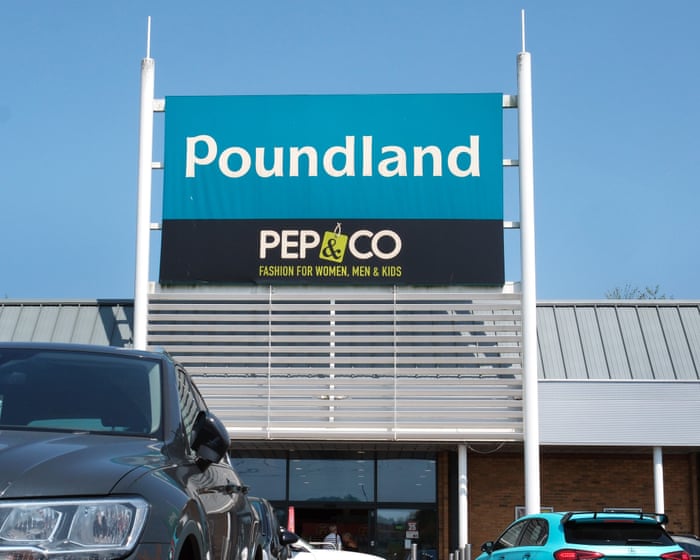
Poundland’s management team, including former leader Andy Bond and current boss Barry Williams, is in advanced talks to buy the company and save over 11,000 jobs. The discount retailer has struggled financially but recently saw sales growth and is negotiating with financial backers while its current owners prepare to sell.
Key Facts
Poundland employs 11,000 people and operates 600 stores.
The company recently returned to sales growth of 3.3% at established stores.
Poundland reported an £85 million pre-tax loss for the year ending September 2025.
It has over £30 million in cash and had a £95 million lending facility, with £50 million used.
Management is trying to buy the company with support from an unnamed financial backer.
Current owners Gordon Brothers hired Alvarez & Marsal to help sell Poundland for about £30 million.
Some buyers want to break up the business rather than keep it whole.
About 149 stores closed in a previous rescue effort, causing 2,200 job losses.
Recent changes include focusing on £1 items and relaunched clothing ranges.
Uncertainty about Poundland’s future has caused some suppliers to pull credit, threatening stock supply.
Read the Original
Want the full story? Tap a source to open the original
article.
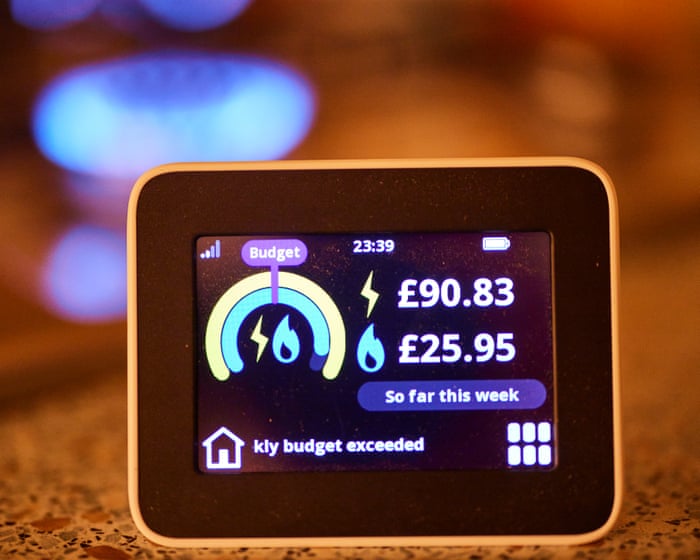
Energy bills in Great Britain are expected to increase by £276 per year starting in January due to rising gas prices linked to the conflict in the Middle East. The government’s energy price cap will rise by 16% to nearly £2,000 annually for the average household, marking the highest level in four years.
Key Facts
Household energy bills in Great Britain are forecast to rise by £276 per year from January.
The government’s energy price cap will increase by 16% to about £1,999 annually for typical dual-fuel (gas and electricity) bills.
This rise is significantly higher than the previously predicted 9% increase.
Gas prices in Europe have doubled recently, reaching their highest in three years due to the US-Israel war's impact on the Middle East.
Gas storage levels in Europe are at their lowest in 13 years, contributing to higher prices.
Energy use over summer heatwaves and a cold end to last winter resulted in lower gas stocks than usual.
From Thursday, electricity and gas unit prices will increase, pushing the typical annual combined bill to around £1,723.
Actual bills may vary depending on individual household energy consumption.
Read the Original
Want the full story? Tap a source to open the original
article.
A consumer group called Which? found that menopause supplements costing more than £400 a year do not work better than a £22-a-year multivitamin. These expensive supplements often lack the right amounts of important nutrients that help with menopause symptoms like bone health.
Key Facts
Menopause supplements are a large market, valued at nearly $17 billion worldwide, and expected to grow to $25 billion by 2030.
Which? studied 26 popular menopause supplements and found they often lack key nutrients like calcium and magnesium in the right amounts.
A basic multivitamin from Asda costs about £22 a year and contains important vitamins and minerals, including calcium and magnesium.
The most expensive menopause supplements cost over £400 a year but miss important nutrients or have them in very low doses.
Calcium and vitamin D are important during menopause to support bone health as estrogen levels fall.
Research from University College London found many menopause supplements do not contain key recommended ingredients such as vitamin D and calcium.
Experts say there is little proof that menopause supplements help symptoms and warn about high prices and confusing marketing.
The Health Food Manufacturers’ Association says supplements can help if made and used correctly as part of a healthy diet.
Read the Original
Want the full story? Tap a source to open the original
article.
A heating oil supplier in the south of England says many customers are waiting to refill their tanks in hopes that prices will drop. However, this could lead to running out of oil or paying more if cold weather arrives suddenly and oil prices do not fall.
Key Facts
Heating oil prices in the UK have risen by about 75% since the Iran conflict began on February 28.
Sales of heating oil are lower than expected as customers delay orders to avoid high costs.
Customers risk running out of oil if they wait too long and colder weather arrives.
Experts advise buying heating oil now, as prices are expected to stay high until at least April or May.
The Fuel Distribution Association warns of possible increased demand, bad weather, or supply delays this winter.
The UK government announced a £50 million emergency fund to help families struggling with heating oil costs.
Some residents and suppliers say it is difficult to predict prices because they go up and down unpredictably.
People are trying to manage their oil purchases carefully to buy at the cheapest times.
Read the Original
Want the full story? Tap a source to open the original
article.
The UK government has introduced the Your First Home scheme to help young people buy their first house with a government-backed loan covering 20% of the price and a low deposit. Many young people struggle to save money and afford university or housing without family help, making it hard for them to achieve financial stability or home ownership.
Key Facts
The Your First Home scheme offers a loan covering 20% of a home's cost, requiring only a 2.5% deposit from buyers.
Young people often rely on family help, called the "bank of mum and dad," to afford housing, but some cannot access this support.
Chari, 19, uses her savings meant for the future to cover living costs due to delays in student finance and benefits ending.
Elliot, 18, worries about affording university and doubts they will ever earn enough to buy a home.
The government says the scheme aims to remove the deposit barrier for first-time buyers without family support.
Some Conservatives warn the scheme might increase debt for buyers and raise new home prices.
Labour leader Andy Burnham supports the scheme, highlighting young people's difficulty in affording housing.
Rising costs and low incomes in certain areas make education and home ownership challenging for young people.
Read the Original
Want the full story? Tap a source to open the original
article.
Inflation in Australia rose to 4% in the year to August, driven mainly by higher fuel prices and increased building costs. This rise has increased the chance that the Reserve Bank of Australia (RBA) will raise interest rates again before Christmas to try to control inflation.
Key Facts
Inflation increased from 3.5% to 4% in the year to August.
Fuel prices went up by 15% last month due to higher global oil prices linked to the Middle East conflict.
Building costs rose by 5.4% over the past year, pushing inflation higher.
Electricity bills increased compared to last year, despite previous government rebates.
The RBA recently raised its cash interest rate to 4.6%, the fourth increase this year.
Underlying inflation, which removes volatile price changes, stayed steady at 3.6%.
Economists believe another rate hike is likely before the end of the year.
Government spending is high and may be adding to inflation but is not seen as the main cause.
Read the Original
Want the full story? Tap a source to open the original
article.
Alan Kohler, a well-known financial journalist on the ABC, will retire in December after nearly 30 years with the broadcaster. He is praised for explaining complex economic issues clearly and warmly and will be missed by audiences and officials alike.
Key Facts
Alan Kohler, aged 74, will retire from ABC after almost 30 years.
He started at ABC in 1995 and has been a familiar face on the 7pm news since 2002.
Kohler is known for his clear explanations of finance, often using unique graphs and signing off with “And that’s finance.”
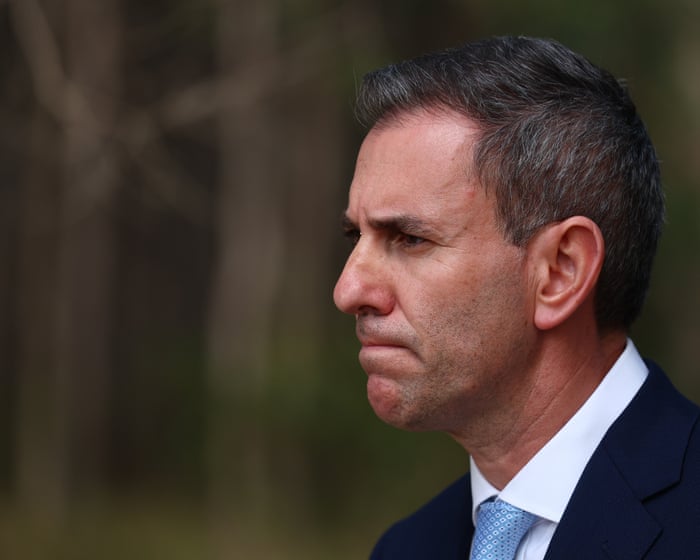
Treasurer Jim Chalmers praised Kohler’s immense contribution and said his reports will be missed nationwide.
Kohler previously worked at major newspapers and founded financial websites like Eureka Report and Business Spectator.
ABC managing director Hugh Marks and news director Simon Robinson expressed admiration for Kohler’s work and announced plans to find his successor soon.
Kohler plans to spend more time with his family, including six grandchildren, after retirement.
Colleagues and economists have publicly recognized his impact on economic commentary in Australia.
Read the Original
Want the full story? Tap a source to open the original
article.
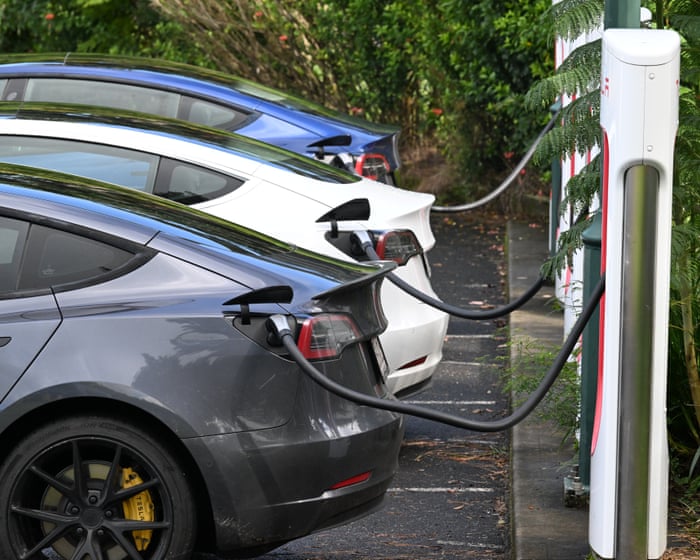
Electric vehicle (EV) sales in Australia more than doubled in the first half of 2026, reaching 157,957 vehicles sold, or one EV every 100 seconds. EVs made up one-quarter of new cars sold, while sales of petrol and diesel vehicles dropped by 14%. The growth is supported by government policies and increasing fuel costs.
Key Facts
EV sales increased by 117% compared to the same period last year.
There were about 104,000 battery electric vehicles and 54,000 plug-in hybrids sold in six months.
As of June 2026, Australia had 612,000 EVs on the road, aiming for 1 million by next year.
The Australian Capital Territory leads with 44% of new car registrations as EVs.
Nearly 200 different EV models were available in 2026, helped by a national vehicle efficiency standard.
Public EV charging stations grew to 4,268 locations nationwide.
Electric trucks and vans still make up less than 1% of their market.
Some states, like Queensland, continue investing in diesel vehicles, slowing their transition to electric transport.
Read the Original
Want the full story? Tap a source to open the original
article.
The U.S. and China announced tariff cuts on goods worth $60 billion. The tariffs removed or reduced cover many products, including items like Christmas decorations and children’s toys from China, and a wide range of U.S. goods imported into China.
Key Facts
The tariff cuts affect $60 billion worth of goods traded between the U.S. and China.
The U.S. will reduce tariffs on 77 categories of Chinese goods.
These Chinese goods include items such as Christmas decorations, fireworks, and children’s toys.
China will cut tariffs on 1,619 categories of products imported from the U.S.
The tariff reductions aim to ease trade tensions and lower costs for businesses and consumers.
This deal is part of ongoing efforts to improve trade relations between the two countries.
Read the Original
Want the full story? Tap a source to open the original
article.
Eric Cantor has been appointed as the new president of PhRMA, the main trade group representing U.S. pharmaceutical companies. PhRMA is a key organization that works on lobbying and industry issues for the pharmaceutical sector.
Key Facts
Eric Cantor is the new president of PhRMA.
PhRMA is the leading trade group for the U.S. pharmaceutical industry.
PhRMA focuses on lobbying, which means trying to influence laws and policies.
Eric Cantor was previously the Republican House Majority Leader.
The announcement was made on a Tuesday.
PhRMA represents pharmaceutical companies across the United States.
The organization plays a role in shaping healthcare and drug-related policies.
Read the Original
Want the full story? Tap a source to open the original
article.
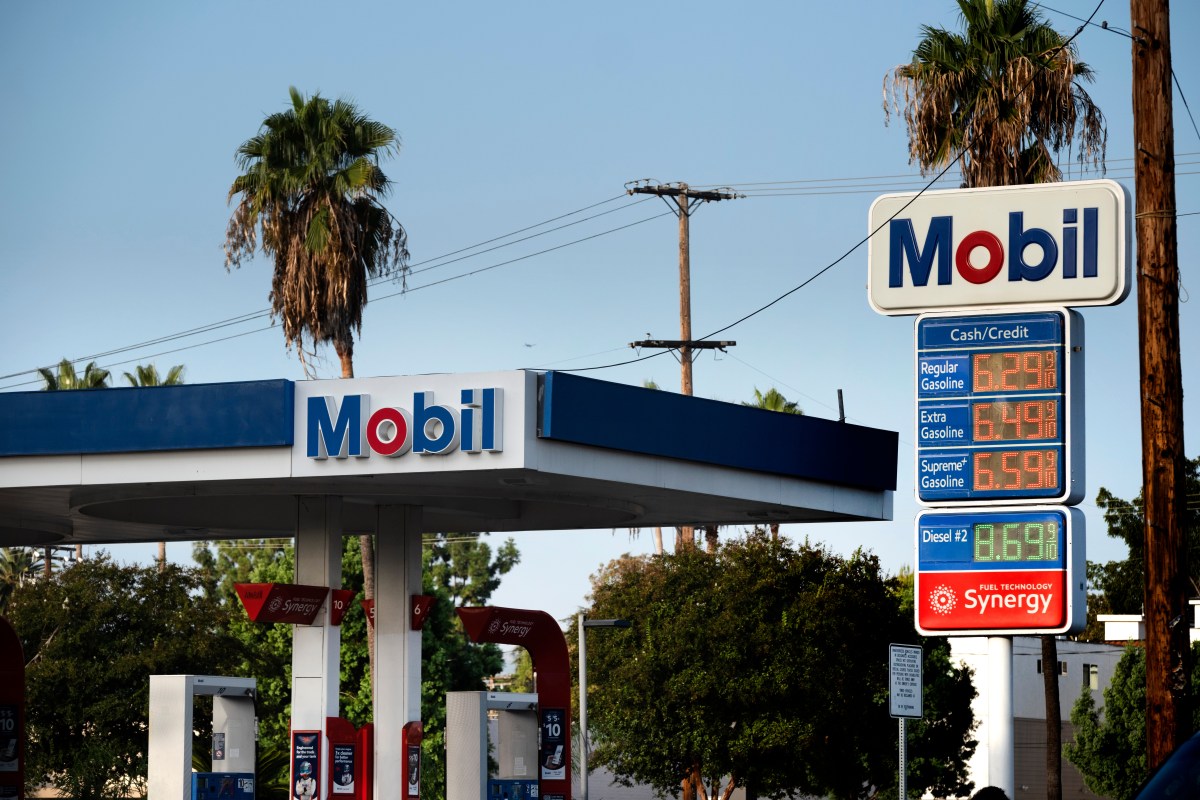
Flight prices for the winter holiday season in the United States have reached their highest level in 10 years. This increase is partly due to rising fuel costs caused by the ongoing conflict involving Iran.
Key Facts
Winter holiday flight prices in the U.S. are at a 10-year high.
The price increase is linked to higher fuel costs.
Rising fuel costs are connected to a war involving Iran.
Hopper, a travel analysis company, provided the data.
The spike in prices affects many travelers planning holiday trips.
Fuel is a major cost component of airline operations, influencing ticket prices.
Conflicts in oil-producing regions can raise global fuel prices.
Higher flight prices may impact travel plans for families during the holidays.
Read the Original
Want the full story? Tap a source to open the original
article.