French government borrowing costs have risen above those of the United States for the first time since 2013. This increase follows protests, political struggles to approve a new budget, and concerns about France’s high debt and inflation.
Key Facts
The interest rate (yield) on French 10-year bonds rose to 5.089%, the highest since July 2022.
French borrowing costs surpassed U.S. Treasury bond costs, a first since 2013.
Investors are worried because France’s government has not passed a new budget amid public protests.
Tens of thousands protested for better education and teachers; some protests turned violent with arrests and damage to public buildings.
France’s budget deficit is expected to be 5.1% of its economy in 2025, with debt at 115.6% of economic output.
Rising French bond yields have caused increases in borrowing costs for other European countries like Italy and Spain.
The European Central Bank recently raised interest rates but is expected to pause new hikes until December due to this financial pressure.
Without a solution to France’s budget problem, bond markets are influencing interest rates more than the European Central Bank.
Read the Original
Want the full story? Tap a source to open the original
article.
Barclays is cutting about 5,000 jobs this year because it is using more artificial intelligence (AI) to make work more efficient. Most job losses are in operational and support roles, and the cuts are part of a cost-cutting plan as the bank invests in new technology.
Key Facts
Barclays has already cut 1,000 jobs and plans to cut another 4,000 by the end of 2026.
These job cuts make up 5% of Barclays’ global workforce.
The reductions mostly affect operational and functional roles.
The job cuts come from investments in AI and technology to improve efficiency.
Barclays is finishing a three-year cost-cutting plan focused mainly on its UK retail banking sector.
The investment banking division of Barclays is also affected by the cuts.
Barclays reported a profit of £2.3 billion in the latest quarter, higher than last year but slightly below expectations.
Barclays’ CEO, CS Venkatakrishnan, said the job cuts are a result of ongoing investments in technology.
Read the Original
Want the full story? Tap a source to open the original
article.
Electronic Arts (EA) is cutting about 400 jobs, which is around 3% of its workers, as it closes BioWare and focuses on fewer, bigger games. Some projects like the next Mass Effect and The Sims’ Project Lotus are paused or canceled, while popular titles like EA Sports and Apex Legends will keep getting support.
Key Facts
EA is cutting around 400 jobs, including about 50 at BioWare.
BioWare, a game development studio owned by EA, is closing down.
The next Mass Effect game development has been stopped.
Work on The Sims project called Project Lotus is paused.
EA is reducing the team working on the game Skate.
EA plans to focus resources on fewer projects with big player potential.
Titles like EA Sports, Battlefield, Apex Legends, Star Wars Jedi, and Marvel’s Iron Man will continue to get investment.
EA described the changes as part of a broad restructuring to adapt to future gaming trends.
Read the Original
Want the full story? Tap a source to open the original
article.
Meta, the company that owns Facebook and Instagram, is facing a group lawsuit in Australia. The lawsuit claims that features in these social media platforms harm children and teenagers by causing addiction or exposing them to harmful content.
Key Facts
The lawsuit was filed in the Australian Federal Court by law firm MinterEllison.
It is a class action suit representing current and former users under 18 years old.
The plaintiffs claim Meta’s platform designs caused harm or addiction to children and teens.
A court order keeps the identities of the plaintiffs and details of the claim confidential.
Meta says it knows about the lawsuit and will defend itself strongly.
Litigation Lending Services is funding the case to help Australian families take on Meta.
Australia plans to ban social media use for children under 16 starting in 2025.
Meta recently agreed to pay $18 billion in the U.S. to settle similar claims about addicting children.
Read the Original
Want the full story? Tap a source to open the original
article.
Barclays reported a 12% increase in quarterly pre-tax profits, reaching £2.3 billion from July to September. The bank plans to return an additional £500 million to shareholders ahead of the UK government’s announcement of a tax increase on banks.
Key Facts
Barclays’ pre-tax profits rose from £2.1 billion last year to £2.3 billion this quarter.
The bank will give £500 million more to shareholders through share buybacks.
Total money returned to shareholders since January is £2.8 billion.
Barclays’ UK retail banking net interest income rose by 6% to £2 billion.
The UK government plans to raise bank taxes in the upcoming budget on October 28.
Bank tax plans aim to raise money for cost of living support programs.
The Trades Union Congress says banks should pay more tax because their profits come at the expense of customers.
Chancellor John Healey said the budget will support businesses and focus on lowering business costs.
Read the Original
Want the full story? Tap a source to open the original
article.
The UK government has approved production at the Jackdaw gas field in the North Sea but has not yet decided on the Rosebank oil field in the North Atlantic. Industry groups say these sites could create jobs and improve energy security, while environmentalists warn that more drilling could increase carbon emissions and harm efforts to fight climate change.
Key Facts
The Jackdaw gas field is allowed to start production after years of debate and legal issues.
The Rosebank oil field decision is pending government approval and could start operating by 2027 if approved.
Both fields are located in UK waters: Jackdaw in the North Sea and Rosebank in the North Atlantic.
Oil and gas industry groups argue these projects will boost jobs and energy security, especially with global supply risks.
Environmentalists say continued drilling conflicts with goals to reduce carbon emissions and address climate change.
Rising heatwaves and extreme weather worldwide highlight concerns over fossil fuel use.
The UK government is balancing economic benefits with environmental responsibilities in this decision.
Read the Original
Want the full story? Tap a source to open the original
article.
A woman in Devon is afraid to turn on her heating because the cost of heating oil has almost doubled in six months. The rising prices are causing hardship for people who rely on oil for heating, especially in rural areas with no gas supply.
Key Facts
Roslynn Garner-Gatley, 76, uses oil for all her heating and hot water because she has no gas supply.
Six months ago, 500 litres of oil cost about £317 plus VAT; now it costs around £600 plus VAT.
She has changed her habits to save money, like going to bed early, using a hot water bottle, and only heating water when needed.
Heating fuel costs have risen by up to 82% since the start of the US-Israeli war involving Iran.
The government plans to improve rules for the heating oil market, promote competition, and provide better customer compensation.
Local councils in Cornwall and Devon have crisis funds to help households struggling with high heating oil costs.
Cornwall Council has distributed over £415,000 to households and plans to give more support.
Devon’s crisis fund, about £8.4 million yearly, helps low-income families with essential costs they cannot afford.
Read the Original
Want the full story? Tap a source to open the original
article.
A housing association in Bath, called Curo, raised service charges for some leaseholders to cover necessary maintenance work, including fire safety improvements and new windows. Some residents, like Callum Maddern, faced large bill increases that made it hard to pay their regular expenses, and they are calling for better communication and payment plans.
Key Facts
Callum Maddern’s service charge rose from about £1,300 to over £8,000 per year after buying his flat in 2023.
The increased charges were to cover urgent fire safety work and window replacements.
Curo said they do not make a profit from these charges and are trying to help residents prepare for the bills.
Callum says he struggled to pay the bills, sometimes heating his flat less and taking loans to cover costs.
Andrew Snee from Curo called the situation a "perfect storm" due to rising living costs, contract prices, and new safety laws.
Another leaseholder, Ken Pearson, had his sinking fund contributions rise sharply when his building needed a new roof.
Ken lost a legal challenge against the charge increases but believes the law should require landlords to better prepare residents for big costs.
Curo says they try to manage sinking funds and charges as well as possible despite financial pressures.
Read the Original
Want the full story? Tap a source to open the original
article.
Airbnb will stop hosts from asking guests to do chores that need a lot of effort, like stripping beds or washing dishes. The new rules start on November 20 and aim to make cleaning expectations clearer and more fair for guests worldwide.
Key Facts
Hosts cannot ask guests to do chores that take significant time or are usually done by cleaners.
Examples of banned chores include stripping beds, washing dishes, and taking out rubbish.
Cleaning fees are no longer shown separately since April 2025; instead, they are included in the total stay price.
Hosts can set seven standard house rules, such as check-in times, guest limits, smoking rules, quiet hours, and pet policies.
Hosts may ask guests to follow reasonable requests based on local needs, like short showers during water shortages.
Guests can be asked to place used dishes in the sink but not to wash or put them away.
The new rules are designed to make house rules easier to understand and reduce confusion for guests and hosts.
These changes apply to all bookings covered by Airbnb’s global policy, including those in Australia.
Read the Original
Want the full story? Tap a source to open the original
article.
Businesses in Yorkshire want the government to reduce National Insurance (NI) taxes for employers who hire people under 25 years old. They say this would help reduce youth unemployment and support struggling businesses. The Chancellor, John Healey, will announce his Budget on 28 October, but he has not ruled out raising taxes because of high government borrowing costs.
Key Facts
West & North Yorkshire Chamber of Commerce represents 5,000 employers asking for lower NI contributions for under-25 employees.
Employer NI contributions increased in 2024, which many local businesses say hurt them financially.
Aqila Choudhry, running a care home company, says businesses face rising costs and need tax relief to survive and grow.
Ken Murray, principal of York College, requests VAT rebates for colleges to better support young people entering the job market.
Sixth-form colleges cannot currently claim VAT refunds, unlike academies and free schools.
Martin Greenhow, a bar owner, says hospitality has suffered since Covid, and the NI tax rise forced layoffs.
Greenhow also wants changes to income tax and business rates to help people spend more and keep businesses open.
The Chancellor's October Budget is expected to address these tax issues amid historic government borrowing costs.
Read the Original
Want the full story? Tap a source to open the original
article.
Many job seekers are facing quick rejections from companies that use AI and automated tools to review applications. Organizations are calling for more transparency and human review options to make sure AI decisions are fair and unbiased.
Key Facts
Employers use AI tools to screen and score job applications to save time.
A survey of 2,000 UK workers showed 75% did not know they could ask for a human to review automatic rejections.
Campaigners want companies to check and publish how fair their AI systems are.
70% of ethnically diverse job seekers change or hide personal details on their CVs because they fear bias from AI tools.
Some people have given up applying after many automatic rejections with no human feedback.
Job seekers say they would like the chance to get human feedback to improve their chances.
Experts warn that not all AI recruitment systems operate without bias.
Legal guidance says people have the right to challenge automated decisions with a human review.
Read the Original
Want the full story? Tap a source to open the original
article.
Over 4.3 million tubes of toothpaste, including children’s products with popular characters, have been voluntarily recalled in the U.S. due to manufacturing issues. The recall involves 17 varieties under the Brush Buddies, evo, and ARU brands, and is classified as Class II, meaning possible temporary health effects but a low risk of serious harm.
Key Facts
The recall affects 17 types of toothpaste, including children's flavors like Barbie bubble gum and Hot Wheels strawberry.
Other recalled flavors include ice cream-themed varieties like vanilla and mint chocolate chip.
Products come from Brush Buddies, evo, and ARU brands.
The affected toothpaste tubes range from 3.5 to 4 ounces, sometimes sold in two-packs.
The recall was initiated by Pritam International and distributed by Ashtel Studios Inc. across the United States.
The FDA reported “deviations from current good manufacturing practice” as the reason but did not provide details.
A Class II recall means the product might cause temporary or reversible health issues, but serious problems are unlikely.
Consumers can check the FDA website for specific lot numbers and expiration dates of affected products.
Read the Original
Want the full story? Tap a source to open the original
article.
Starbucks China has introduced a new rule requiring customers to buy something if they want to sit inside its cafes. This policy aims to improve the experience for paying customers amid growing competition from local coffee brands like Luckin Coffee.
Key Facts
The policy applies to all 8,000 Starbucks stores across China starting Thursday.
Customers must purchase items to use seating inside the stores.
Starbucks China says the change is to improve the in-store experience for paying customers.
The move responds to heavy competition from local brands such as Luckin Coffee.
Luckin Coffee surpassed Starbucks as China’s largest coffee chain in 2023.
Starbucks China plans to add more staff and upgrade digital systems to improve service during busy times.
Similar seat usage policies and related challenges have appeared in Starbucks stores worldwide, including North America and South Korea.
Starbucks opened its first store in China in 1999 and is currently the company’s second-largest market.
Read the Original
Want the full story? Tap a source to open the original
article.
Waitrose is opening its first new supermarket in eight years in Cricklewood, north London, as part of a £1 billion investment plan. The company also plans to open more supermarkets and convenience stores over the next five years while updating several existing stores.
Key Facts
Waitrose is opening a new supermarket in Cricklewood, north London, and another in Hale Barns, Greater Manchester, soon.
The company plans to open up to four large supermarkets and 100 convenience stores over five years.
Waitrose will refurbish some stores to add counters for meat, fish, sushi, bakeries, and fine wine.
Sales at Waitrose rose by 4% in the six months ending August 1, but operating profit fell by £7 million to £103 million.
Higher energy costs and investments in prices and loyalty programs affected profits.
Waitrose's parent, John Lewis Partnership, reported a £98 million pre-tax loss, partly due to lower department store sales.
The partnership has signed its first company-wide union recognition deal with Usdaw, the shopworkers’ union.
The union deal aims to improve worker support and relations within the company.
Read the Original
Want the full story? Tap a source to open the original
article.
The UK government has started a new Energy Wealth Fund with £2 billion taken from the existing National Wealth Fund. This fund aims to invest the money from North Sea oil and gas revenues to support future generations, similar to Norway’s successful oil fund.
Key Facts
Chancellor John Healey announced the Energy Wealth Fund during the approval of the Jackdaw gas project.
The UK has earned around £200 billion from North Sea oil and gas over past decades but did not create a large sovereign wealth fund like Norway.
Treasury officials estimate that if the UK had invested these revenues like Norway, the fund could be worth about £1 trillion today.
Norway’s sovereign wealth fund started in 1996 and is now over 1000 times larger than its initial investment.
Norway invests mainly overseas and uses about 3% of the fund’s value yearly to support government spending.
The UK’s new fund will focus on investing in domestic green energy projects, which may yield different returns than Norway’s fund.
North Sea oil production is expected to slow down, but projects like Jackdaw may extend its life.
The UK's fund is a recent initiative aiming to avoid past missed chances to save and invest oil revenues.
Read the Original
Want the full story? Tap a source to open the original
article.
Nearly two dozen American farms are featuring corn mazes themed after Dolly Parton this fall. One such maze in New Jersey was highlighted by ABC News as part of this seasonal tribute.
Key Facts
About 24 farms across the United States are creating Dolly Parton themed corn mazes for the fall season.
These mazes celebrate Dolly Parton, a famous American singer and cultural icon.
ABC News reporter Reena Roy explored one of these mazes in New Jersey.
The themed corn mazes are part of farm fall activities.
Corn mazes are popular seasonal attractions where people navigate through paths cut into cornfields.
This tribute connects farming communities with popular culture for entertainment.
The article is part of a larger news update with various topics, but focuses on this seasonal farm event.
The activity aims to attract visitors looking for outdoor, family-friendly entertainment in the fall.
Read the Original
Want the full story? Tap a source to open the original
article.
More UK university graduates are planning to move abroad after finishing their studies, seeking better job opportunities. Australia, the US, and Europe are the most popular destinations, with factors like visa policies, weather, and higher pay influencing decisions.
Key Facts
Over 10% of UK final-year university students now plan to live abroad after graduating, up from 7.8% two years ago.
Competition for graduate jobs in the UK is very high, with about 140 applicants per vacancy on average.
Australia is the top destination because of good weather, English language, and a visa program allowing young British adults to stay up to three years.
Rachel James moved from London to Sydney; her salary dropped slightly, but she values the lifestyle and outdoor activities.
The US is the second most popular destination, offering better pay and more funding for academic opportunities.
Charlie West moved to the US for a funded PhD and earns more than he would in the UK.
Around two-thirds of British people who move abroad are aged 16 to 34.
Europe remains attractive, but visa rules after Brexit have made moving there more difficult.
Read the Original
Want the full story? Tap a source to open the original
article.
Airbnb has updated its rules to make house rules clearer and fairer for guests and hosts. From November 20, hosts cannot require guests to do major cleaning tasks like washing dishes or stripping beds, especially since guests pay a cleaning fee.
Key Facts
Airbnb now limits the number and type of house rules hosts can set, allowing seven standard rules plus some reasonable requests.
Guests should not be asked to do tasks usually done by cleaners, such as washing dishes, stripping beds, or taking out trash.
These new rules apply to bookings made on or after November 20.
Hosts can still ask guests to follow local safety or legal rules, like limiting shower time during water shortages.
House rules will be shown more clearly to guests before and during their stay.
Hosts cannot impose fines on guests but can appeal if Airbnb flags their rule requests.
The changes come after many guests complained about unreasonable demands despite paying cleaning fees.
Viral videos of strict hosts inspecting properties sparked discussion about the fairness of house rules.
Read the Original
Want the full story? Tap a source to open the original
article.
A New Mexico judge ordered Meta, the parent company of Facebook, to pay $25 billion after a jury decided Meta misled users about how it handled their data. The case relates to the Cambridge Analytica scandal, where a political firm connected to President Donald Trump’s 2016 campaign obtained Facebook data without user consent.
Key Facts
The $25 billion penalty is linked to Meta misleading Facebook users about data access and content management.
Cambridge Analytica accessed personal data from up to 87 million Facebook users through a third-party app.
The jury found Meta made 26 misleading statements and broke New Mexico’s consumer protection laws over 43 million times.
State law allows fines up to $5,000 per violation; New Mexico initially sought $35-$40 billion.
Meta plans to appeal the $25 billion judgment, arguing it is excessive and violates constitutional rights.
In August, Meta agreed to a possible $17.1 billion settlement with multiple states over harm to young social media users and agreed to improve child safety.
New Mexico separately fined Meta $375 million and later ordered $567 million paid for teen mental health support.
Meta has faced multiple major legal penalties related to privacy and user safety in recent years.
Read the Original
Want the full story? Tap a source to open the original
article.
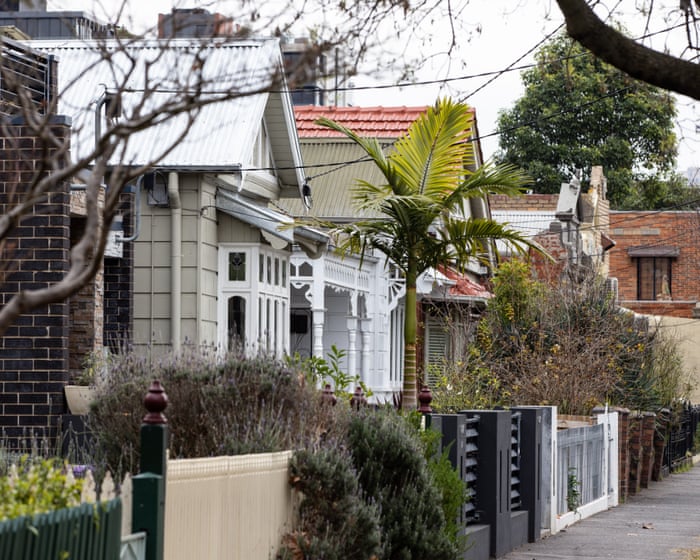
House prices in every Australian capital city have fallen for the first time in 15 years, according to a recent report. Prices dropped due to higher interest rates, cost-of-living pressures, changes in tax rules, and weaker buyer confidence.
Key Facts
House prices in Sydney fell 4.7% in the September quarter, reaching a two-year low of $1.66 million.
Melbourne house prices have dropped for three quarters in a row, falling 3.3% in the latest quarter to about $1.014 million.
Perth experienced the largest price drop of 4.7%, with Brisbane and Adelaide also seeing their steepest quarterly falls on record.
Both houses and units have seen falling prices, with homes taking longer to sell and more chance for buyers to negotiate.
Higher interest rates and changes in housing tax rules have reduced people’s ability and confidence to buy homes.
The market currently favors buyers, with more homes available for sale than in recent years.
Experts expect prices to keep falling until interest rates drop, which might happen in late 2027.
Morgan Stanley predicts the total drop in house prices could be as much as 15% from their highest point.
Read the Original
Want the full story? Tap a source to open the original
article.