Over 3,000 Boeing workers in Missouri and Illinois plan to go on strike after rejecting a new contract offer from the company. These employees are part of a union that works on assembling and maintaining fighter jets and other defense systems. Boeing stated that they are prepared for the strike and have plans to continue operations.
Key Facts
About 3,200 unionized Boeing workers plan to strike after rejecting a contract offer.
The workers are in Missouri (St. Louis and St. Charles) and Illinois (Mascoutah).
They are members of the International Association of Machinists and Aerospace Workers District 837.
The union members rejected the offer, which included a 40% average wage increase and changes in work schedules.
Boeing is prepared for the strike and has a contingency plan in place.
The contract that expired was last valid until July 27.
Read the Original
Want the full story? Tap a source to open the original
article.
Delta Air Lines is using artificial intelligence (AI) to offer personalized prices for customers, causing concerns among some people. Personalized pricing is when each customer gets a different price based on their willingness to pay, and it's becoming common in many industries. The approach aims to increase profits but raises questions about fairness and transparency.
Key Facts
Delta Air Lines plans to use AI for personalized pricing.
Personalized pricing means offering different prices to different customers for the same product.
This pricing method is spreading across various industries beyond airlines, including finance and online gaming.
Personalized pricing can increase profits by charging more to those willing to pay higher prices.
Historically, custom pricing was common and involved direct negotiation between buyers and sellers.
Set prices, where everyone pays the same, became popular after being introduced in department stores in 1876.
AI helps companies set different prices by analyzing large amounts of data about customers’ spending habits.
Concerns exist that AI-driven pricing could exploit customers who do not fully understand the pricing strategies.
Read the Original
Want the full story? Tap a source to open the original
article.
U.S. Steel, a well-known American steel company, was sold to Nippon Steel, a company in Japan. As part of the deal, former President Trump has a significant influence over decisions about U.S. Steel.
Key Facts
U.S. Steel is an American steel company.
The company was sold to Nippon Steel, which is located in Japan.
This sale occurred in the summer of 2025.
Former President Trump has a 'Golden Share,' giving him more influence over the company.
A 'Golden Share' means special rights or control in a company beyond normal ownership.
The details of Trump's influence or the specifics of the 'Golden Share' are not provided beyond his significant role.
Read the Original
Want the full story? Tap a source to open the original
article.
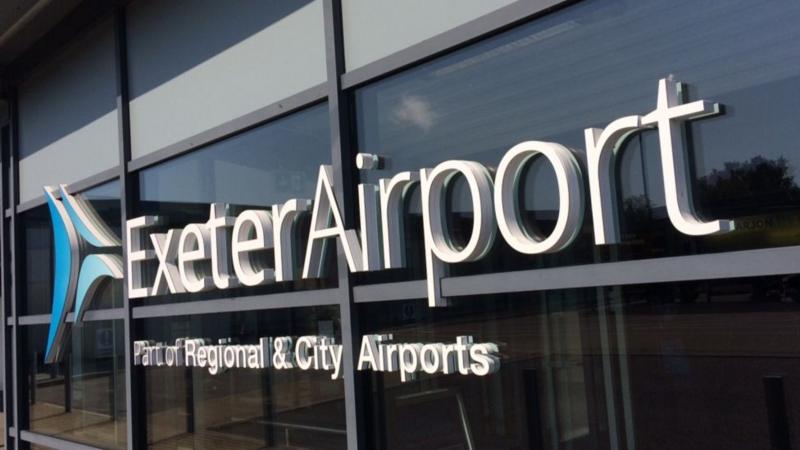
Exeter Airport, along with airports in Bournemouth and Norwich, is set to be sold to the investment firm ICG in a deal worth about £200 million. The current owner, Rigby Group, is selling these airports but has not commented publicly on the transaction. The sale has been communicated to key business leaders in the South West of England.
Key Facts
Exeter Airport and two other airports in England will be sold for about £200 million.
The buyer, investment firm ICG, agreed to the deal with Rigby Group.
Exeter Airport opened in 1937 and has flights to places like Amsterdam and Lanzarote.
It was a base for fighter planes during World War Two.
The airport made a profit after the Covid-19 pandemic, with an increase in passenger numbers.
Exeter Airport was previously sold by Devon County Council in 2007 for £60 million.
The airport saw a passenger increase of 8% from the previous year.
Read the Original
Want the full story? Tap a source to open the original
article.
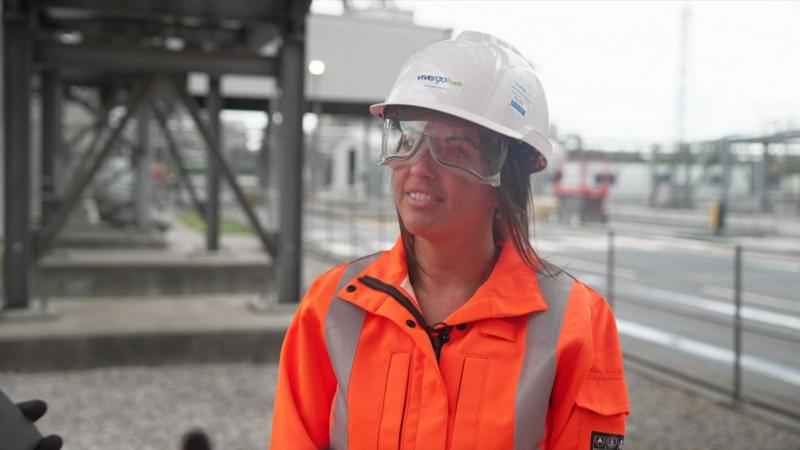
Vivergo Fuels, a biofuel plant in the UK, is facing uncertainty after the government decided to remove a tariff on US biofuel imports. This change puts over 160 plant jobs at risk and could impact about 4,500 jobs in related industries. The plant’s management is seeking government support to avoid shutdown due to an uncertain market.
Key Facts
Vivergo Fuels is the largest bioethanol plant in the UK, located near Hull.
The UK government removed a 19% tariff on US bioethanol, affecting Vivergo's competitiveness.
The plant employs more than 160 people and supports roughly 4,500 jobs in its supply chain.
The plant uses over a million tonnes of British wheat each year from about 4,000 farms.
Stakeholders, including farmers and transport companies, are concerned about the potential closure's impact.
Vivergo is owned by Associated British Foods and has been consulting employees about potential shutdown.
The UK government is discussing possible solutions to protect jobs and the supply chain.
Management calls for financial help from the government to avoid stopping production.
Read the Original
Want the full story? Tap a source to open the original
article.
A compensation plan for mis-sold car loans might cost up to £18 billion. The Supreme Court decided that hidden fees paid by lenders to car dealers were not illegal, but it left room for claims against very large fees. The Financial Conduct Authority (FCA) will manage the compensation scheme.
Key Facts
A compensation scheme for car loan mis-selling could cost £9 billion to £18 billion.
The Supreme Court ruled that hidden commissions on car loans are not unlawful.
Millions of car owners cannot claim compensation for these hidden fees.
The court did allow for compensation claims if commissions are particularly large and unfair.
The Financial Conduct Authority (FCA) will run the payout scheme.
Read the Original
Want the full story? Tap a source to open the original
article.
This year, tariffs are making Christmas decorations more expensive and harder to find. The costs and limited supply are due to higher import taxes on products like lights and trees that companies bring into the U.S.
Key Facts
Companies importing Christmas decorations face higher import taxes due to tariffs.
Some businesses have laid off workers and reduced imports to manage costs.
A temporary tariff rate was 145% but has since been lowered to 30%.
Prices for Christmas decorations may go up by 15 to 20%.
Some companies receive fewer orders due to increased costs, leading to potential shortages.
Businesses report higher weekly inquiries from factories with excess inventory.
Certain Christmas tree varieties might be available only in limited quantities.
Read the Original
Want the full story? Tap a source to open the original
article.
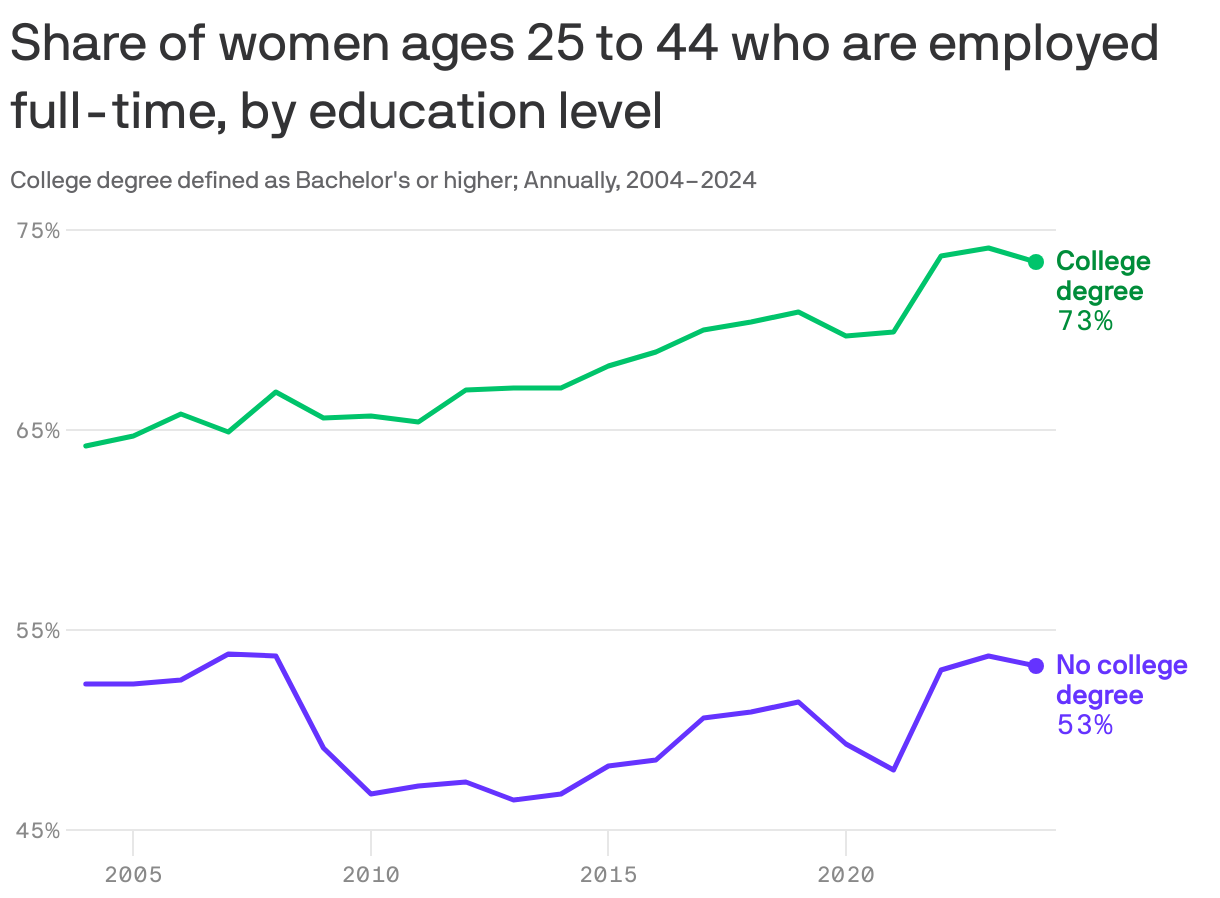
The article discusses the growing divide among women in the workforce based on education level. Women with college degrees, especially mothers, have seen significant job growth and flexibility, while those without degrees mostly remain in low-paying jobs with less stability.
Key Facts
Women with college degrees work full-time at a higher rate now, increasing from 64% to 73% over two decades.
Non-college-educated women's full-time work participation increased only slightly, from 52% to 53%.
Remote work has helped college-educated mothers balance work and parenting more easily.
Men without college degrees have seen a decline in workforce participation, unlike the stagnation seen in women.
In the U.S., there is no national paid family leave, which affects women without degrees more as fewer have jobs with this benefit.
About 50% of college-educated women have jobs with paid family leave, compared to only 38% of women without a degree.
Women without degrees often have less access to childcare, making it harder to manage jobs with non-traditional hours.
Read the Original
Want the full story? Tap a source to open the original
article.
This week, the U.S. economy saw fewer new jobs, higher tariffs, and steady interest rates. Trade deals from the Trump administration were also discussed.
Key Facts
The number of new jobs in the U.S. was low this week.
Tariffs, which are taxes on imports and exports, increased.
The Federal Reserve kept interest rates the same.
The Trump administration announced new trade deals.
Mary Lovely from the Peterson Institute for International Economics provided insights on these economic changes.
Read the Original
Want the full story? Tap a source to open the original
article.
Tariffs have increased the prices of coffee and tea. This situation might encourage people to try Yaupon, a plant native to North America, as an alternative. Abianne Falla, the owner of CatSpring Yaupon, discussed the topic on NPR.
Key Facts
Tariffs are extra taxes on products from other countries.
These tariffs have made coffee and tea more expensive.
Yaupon is the only native caffeinated plant in North America.
Yaupon could become more popular due to rising coffee and tea prices.
Abianne Falla owns a company called CatSpring Yaupon.
Ayesha Rascoe interviewed Abianne Falla for NPR.
Read the Original
Want the full story? Tap a source to open the original
article.
South Korean beauty products, known as K-beauty, are facing a 15% import tax in the United States due to tariffs imposed by President Trump. These tariffs may lead to higher prices for K-beauty products, affecting both retailers and consumers who enjoy these products for their quality and unique ingredients.
Key Facts
K-beauty refers to beauty products from South Korea, including skincare and makeup.
Americans spent $1.7 billion on K-beauty products in 2024, a 50% increase over the previous year.
President Trump has implemented a 15% import tax on South Korean goods, including beauty products.
Companies like Santé Brand and Senti Senti anticipate price increases as a result of these tariffs.
Retailers have received warnings to stock up before tariffs cause cost increases.
Some consumers, despite potential cost hikes, are still willing to buy K-beauty products due to their popularity and effectiveness.
Bigger K-beauty brands might better handle the cost hikes due to larger profit margins, whereas smaller companies may struggle.
The demand for K-beauty remains high due to its global popularity.
Read the Original
Want the full story? Tap a source to open the original
article.
The article examines the trade policy decisions under the Trump administration, focusing on tariffs and their impact on different sectors. There are challenges in balancing tariffs aimed at revenue, reducing trade deficits, and supporting industries like artificial intelligence (AI), which requires imported resources.
Key Facts
Trump's trade policy includes tariffs to raise revenue, reduce trade deficits, and support U.S. industry.
Tariffs can conflict with objectives like U.S. leadership in AI, which requires imported materials.
A tariff of 50% was set on certain imported copper products needed for AI infrastructure.
There are plans for a 25% tariff on advanced semiconductors.
Building new copper mines and semiconductor fabs in the U.S. takes many years.
The U.S. power grid is struggling with increased demand from new AI data centers.
Experts suggest tariff exemptions for allies and long-term incentives for local producers to support AI goals.
Read the Original
Want the full story? Tap a source to open the original
article.
The article discusses two major economic events ending the week: a weak jobs report and new tariffs announced by President Trump. These developments have raised concerns about how these changes might affect people and the economy.
Key Facts
A new jobs report showed fewer jobs added than expected.
President Trump announced new tariffs.
Tariffs are taxes on imported goods.
There are worries about how these tariffs will affect the economy.
The new tariffs could impact prices and trade.
The events were significant enough to prompt discussions about economic impacts.
Read the Original
Want the full story? Tap a source to open the original
article.
The U.S. announced new high tariffs on imports from about 70 countries, causing a significant drop in stock markets. Additionally, President Trump fired the Bureau of Labor Statistics commissioner after an unfavorable jobs report.
Key Facts
The U.S. plans to add large tariffs on imports from nearly 70 countries next week.
This announcement led to the biggest drop in the stock market in over a month.
A recent jobs report showed weaker than expected job numbers.
President Trump dismissed the commissioner of the Bureau of Labor Statistics.
Economist Ernie Tedeschi discussed these developments with Ali Rogin.
Read the Original
Want the full story? Tap a source to open the original
article.
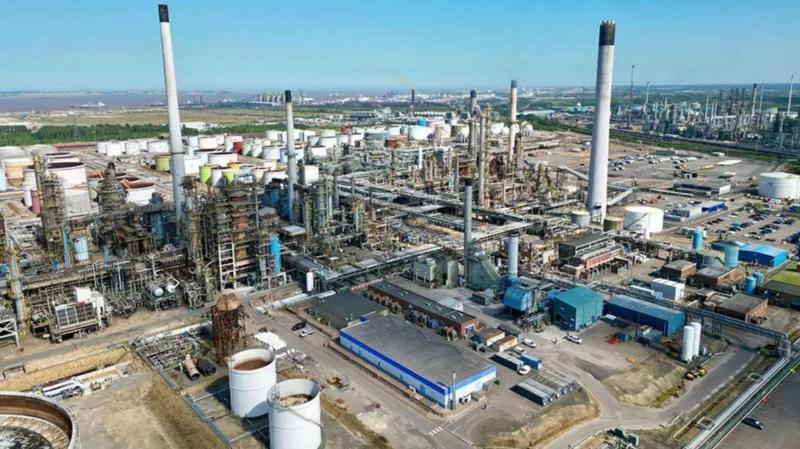
The Lindsey Oil Refinery in North East Lincolnshire has stopped production as no buyer was found after its owner, Prax Group, went into administration. The government and the Official Receiver are handling the refinery's closure, with efforts to sell refined products and seek buyers for assets. The closure affects 420 jobs and impacts the local community and supply chain.
Key Facts
Lindsey Oil Refinery has stopped all production after being unable to find a buyer.
The refinery owner, Prax Group, went into administration due to financial losses.
420 jobs are at risk due to the closure.
Efforts are underway to sell refined products for a few more weeks.
The government and officials are looking for buyers for individual assets of the refinery.
There are calls for government support for workers and the local supply chain.
Local officials stress the economic impact and are asking for immediate government intervention.
Read the Original
Want the full story? Tap a source to open the original
article.
Stagflation, a mix of high inflation and weak job growth, is becoming a concern in the United States. Recent economic data shows slow job growth and rising prices, leading to worries about a slowing economy. The Federal Reserve may consider cutting interest rates, but inflation remains a key issue.
Key Facts
Stagflation refers to high inflation combined with weak job growth.
The U.S. economy showed signs of stagflation, with only 73,000 jobs added last month.
GDP, the economy's total value of all goods and services, grew at 3% in the second quarter.
A key inflation measure rose by 2.6% over the past year, marking a second consecutive increase.
President Trump dismissed the Bureau of Labor Statistics' top official after disappointing jobs data.
Economists are debating whether to lower interest rates due to these economic signals.
There are concerns that tariffs might be contributing to increased prices.
Top White House economist Stephen Miran believes the economy could strengthen due to recent tax and trade measures.
Read the Original
Want the full story? Tap a source to open the original
article.
Blue-collar jobs, like plumbers and electricians, are becoming more important as AI takes over many white-collar jobs. The demand for skilled trades is rising, even though there is currently a shortage of workers in these fields. These jobs are also paying more, highlighting a shift in the economy toward valuing manual labor skills.
Key Facts
AI is expected to replace many office jobs, but cannot replace skilled manual labor jobs.
Companies are saving lots of money by using AI, which increases their stock market value.
Manual labor jobs, which are less vulnerable to AI, employ around 5.5 million people.
Blue-collar wages have been rising faster recently compared to past years.
There is a current shortage of workers in skilled trades like electricians and plumbers.
The demand for skilled trades is creating high-paying job opportunities.
Training programs are being developed to help more people enter these skilled trades.
There is a perception problem where people may not realize the benefits of blue-collar jobs.
Read the Original
Want the full story? Tap a source to open the original
article.
A Miami jury decided that Tesla must pay over $240 million in damages for a crash involving its Autopilot technology. The jury found Tesla partly responsible for the accident, which resulted in a fatality and serious injury. Tesla plans to appeal the decision.
Key Facts
A crash in Florida involved Tesla's Autopilot driver assist technology.
Tesla was held partly responsible by a Miami jury for this crash.
The jury awarded over $240 million in damages to the victims.
The driver in the crash admitted to being distracted by his cellphone.
Tesla faced claims of either hiding or losing key evidence related to the crash.
Tesla plans to appeal the verdict, arguing the decision was wrong.
The case was unusual as it went to trial and was not settled outside of court.
The verdict could influence how future cases against Tesla and similar companies proceed.
Read the Original
Want the full story? Tap a source to open the original
article.
In Peru, the soft drink Inca Kola holds a strong position against Coca-Cola and is part of the country's national identity. Inca Kola was created by a British immigrant and became popular through marketing that connected with Peruvian culture. The drink's sales benefitted from the wartime context and the local Japanese community's business operations.
Key Facts
In Peru, Inca Kola is more popular than Coca-Cola.
Inca Kola was created in 1935 by Joseph Robinson Lindley, a British immigrant.
The brand uses imagery and slogans that resonate with Peruvian identity.
Inca Kola's unique flavor is often compared to bubblegum or chamomile tea.
During World War II, Inca Kola benefitted from a boycott on its competitor, Coca-Cola.
Many Japanese immigrants in Peru owned bodegas where Inca Kola was sold.
Anti-Japanese sentiment before World War II negatively impacted the community in Peru.
Inca Kola's association with local culture helped it succeed over international brands.
Read the Original
Want the full story? Tap a source to open the original
article.
Kim Kardashian's brand, Skims, launched a new product—a face shapewear mask marketed to enhance jawline appearance. The product quickly sold out, although some medical experts question its benefits. Critics argue it might contribute to unrealistic beauty standards.
Key Facts
Skims introduced a face-shaping mask claimed to sculpt and define the jawline.
The mask sold out within 24 hours, priced at £52.
Similar products have existed for years, often used post-surgery.
The product targets young consumers and leverages social media trends for promotion.
Medical experts say the mask offers temporary effects, and long-term use might cause skin issues.
Critics express concerns about the product promoting harmful beauty standards.
Skims is a company founded by Kim Kardashian, valued at around $4 billion as of July 2023.
Read the Original
Want the full story? Tap a source to open the original
article.