Nike and Adidas have released major advertising campaigns for the World Cup, featuring famous athletes like Kylian Mbappe, Lionel Messi, and Cristiano Ronaldo. Both companies spent tens of millions of pounds on these ads, aiming to engage fans through digital and real-life experiences, with Nike’s ad currently leading in YouTube views.
Key Facts
Nike’s World Cup ad is called "Rip the Script" and features stars like Kylian Mbappe, Erling Haaland, Cristiano Ronaldo, and LeBron James.
Adidas’ ad "Backyard Legends" includes players such as Lamine Yamal, Jude Bellingham, Lionel Messi, and an AI version of David Beckham.
Adidas reportedly spent about £50 million on their World Cup ad campaign.
Nike’s ad has 76 million views on YouTube, while Adidas’ ad has around 7 million views as of the article’s publication.
Both companies aim to create campaigns that connect with fans not just through videos but by becoming part of football culture.
Adidas has been involved with the World Cup since 1970, creating the iconic Telstar football.
Executives from both brands emphasized the importance of reaching fans across TV, social media, and sport culture.
The campaigns are described as having very high budgets and featuring A-list football and sports celebrities.
Read the Original
Want the full story? Tap a source to open the original
article.
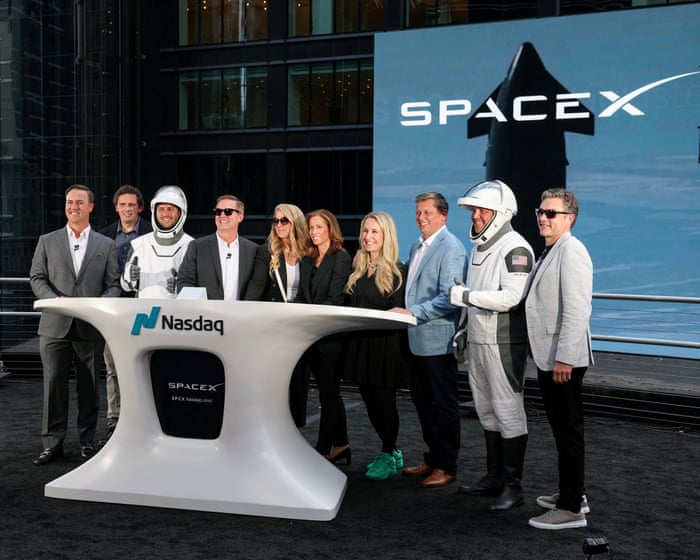
SpaceX recently became the world’s first company valued over $1.7 trillion after going public. Many Americans are concerned their retirement savings, especially in 401(k) plans tied to stock market indexes, will now include investments in SpaceX and other tech firms focused on artificial intelligence (AI), even if they do not choose to invest directly.
Key Facts
SpaceX debuted on the stock market with a valuation of $1.77 trillion.
Elon Musk influenced a rule change allowing SpaceX shares to enter index funds earlier than usual.
Many Americans’ retirement savings are in 401(k) plans heavily invested in stock market index funds.
Through these funds, millions could indirectly own shares in SpaceX and other AI companies.
Some people feel uneasy because their retirement money is tied to big tech firms with growing market power.
Concerns include market risk, inequality, lack of investor accountability, and ethical issues around tech companies.
A few individuals avoid the stock market altogether due to discomfort with these investments.
Some respondents express worry about economic fairness and the impact of tech billionaires on society.
Read the Original
Want the full story? Tap a source to open the original
article.
The redesigned St Kilda pier in Victoria, Australia, won several major architecture awards for its design that serves many users, including locals, tourists, and wildlife. The $53 million project was praised for combining practical function with social and community value, while other projects also won awards for transforming old buildings and creating better urban workspaces.
Key Facts
The St Kilda pier redevelopment won the Victorian architecture medal, the Dimity Reed Melbourne prize, and the Joseph Reed award for urban design in 2026.
The pier project cost $53 million and was designed by Jackson Clements Burrows Architects with other design teams.
Judges said the project successfully balanced needs of tourists, locals, fishers, ferries, marina users, and penguins living there.
The redevelopment was previously controversial when Parks Victoria tried to charge visitors to see the penguins but later withdrew the idea.
Other award-winning projects include the Sunbury community arts and cultural precinct, which repurposed an old asylum into a cultural space.
The Sunbury project won awards for heritage preservation and interior architecture, turning a restrictive institution into an open community space.
Fieldwork’s design for 65 Dover Street in Cremorne won a commercial architecture award for creating functional office space with features like rooftop recreation and basketball court.
The awards highlighted sustainability, community focus, and turning old or basic infrastructure into enjoyable public spaces.
Read the Original
Want the full story? Tap a source to open the original
article.
A bar in Washington, D.C., called TallBoy is offering customers a chance to get a free tab during the U.S. World Cup soccer game against Australia. This offer is part of a partnership with Kalshi, a company that runs prediction markets where people bet on future events. The amount of the free tab depends on the total number of goals scored in the game.
Key Facts
TallBoy bar is located in Washington, D.C.
The promotion is for the U.S. vs. Australia World Cup match on Friday afternoon.
Customers can win a free tab, meaning their drinks or food could be paid for.
The size of the free tab increases with the total goals scored in the game.
Kalshi, a prediction market platform, partnered with the bar to fund this deal.
Prediction markets let users make bets on the outcomes of events, like sports games.
This promotion connects a sports event with a financial betting platform and a local business.
Read the Original
Want the full story? Tap a source to open the original
article.
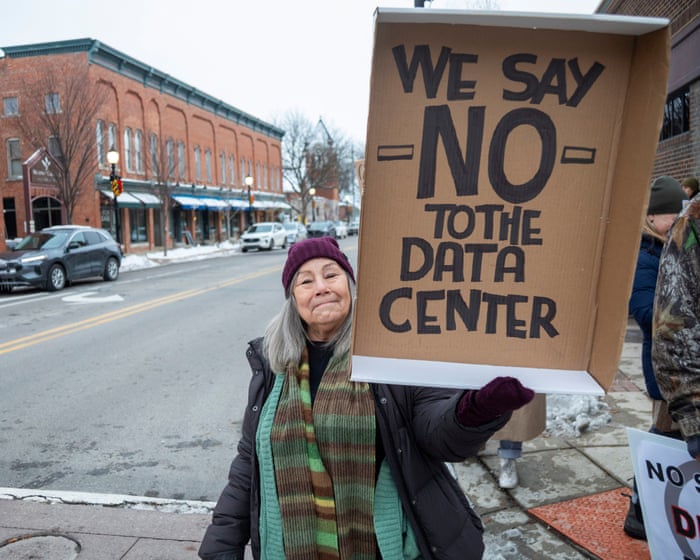
Datacenters in the US are rapidly increasing the demand for electricity, leading to growth in renewable energy like wind and solar. However, they also cause more use of fossil fuels because utilities are building new gas plants or keeping old coal ones to meet the high power needs. Delays in grid connections force tech companies to invest in their own solar, batteries, and clean energy solutions.
Key Facts
Datacenters are boosting the clean energy sector by increasing demand for wind, solar, and batteries.
Utilities are building new fossil fuel plants or running old ones to supply power for datacenters.
The gas industry, supported by President Trump’s administration, is powering much of the datacenter growth.
Problems like supply delays and regulation are causing up to 12-year waits for datacenters to connect to the electric grid.
Tech companies like Google and Microsoft invest heavily in their own renewable energy projects for datacenters.
The clean energy industry had dropped in value from 2021 to early 2025 but recently rose with datacenter growth.
Renewable projects linked to datacenters are being built even in states without strict renewable energy rules.
Some parts of the clean energy market, like rooftop solar for homes, are not benefiting much from the datacenter demand.
Read the Original
Want the full story? Tap a source to open the original
article.
Elon Musk's company SpaceX is now listed on the Nasdaq stock exchange with a value of $2.2 trillion, making him the world’s first trillionaire. The podcast discusses how this huge valuation and the growth of AI companies like OpenAI affect the US economy and financial stability, as well as the risks if SpaceX's ambitious space plans are not realized.
Key Facts
SpaceX, owned by Elon Musk, is valued at $2.2 trillion on the Nasdaq stock exchange.
Elon Musk became the world’s first trillionaire with SpaceX’s public valuation.
SpaceX has raised about $85 billion to fund projects like building bases on the Moon and sending humans to Mars.
Other AI companies, such as OpenAI and Anthropic, also plan to go public soon.
Many past and current SpaceX employees have become millionaires because of the company's value.
The podcast explores whether the US economy is becoming too dependent on the tech and AI industry.
The episode features Ryan Mac, a technology reporter for The New York Times, who covers Elon Musk and AI leaders.
Hosts discuss the potential risks if SpaceX’s space exploration goals are not achieved.
Read the Original
Want the full story? Tap a source to open the original
article.
A woman in Canada found seven high-quality sweaters and cardigans at a thrift store, paying about $33 in total. She later learned the retail value of all items could be nearly CA$2,750.
Key Facts
The woman is 33 years old and lives near Toronto, Canada.
She found seven Brooks Brothers sweaters and cardigans priced at $5.99 each with a 20% discount.
The total amount she paid was CA$33.54.
She values fabric quality like silk, wool, cashmere, and cotton when thrift shopping.
Online research showed the combined retail price of the items is just under CA$2,750.
Individual sweaters were worth $128 to nearly $500 each at retail.
Her discovery post on Reddit has over 3,000 upvotes and many positive comments.
Some readers shared tips on caring for natural fibers found in thrifted clothing, like freezing items to kill larvae.
Read the Original
Want the full story? Tap a source to open the original
article.
Jio Platforms, the telecom company owned by billionaire Mukesh Ambani, has announced plans for one of India's largest initial public offerings (IPOs), aiming to raise about $4 billion. The IPO will mark Jio’s debut on the stock market and is seen as an important test of investor interest in India’s technology sector.
Key Facts
Jio is India’s largest telecom operator with over 500 million subscribers.
The company plans to raise approximately $4 billion through its IPO.
The IPO was approved by Jio’s board and announced at Reliance’s annual shareholder meeting.
Jio launched in 2016 with low-cost mobile data, quickly gaining millions of users.
The company has expanded into cloud computing, enterprise services, and artificial intelligence.
Meta (formerly Facebook) has invested $5.7 billion in Jio and plans to lease space at a new AI data center in Gujarat.
The IPO follows the National Stock Exchange (NSE) also preparing for its public offering, potentially raising over $3 billion.
Analysts see this IPO as an important event for India’s capital markets after a slowdown in new listings.
Read the Original
Want the full story? Tap a source to open the original
article.
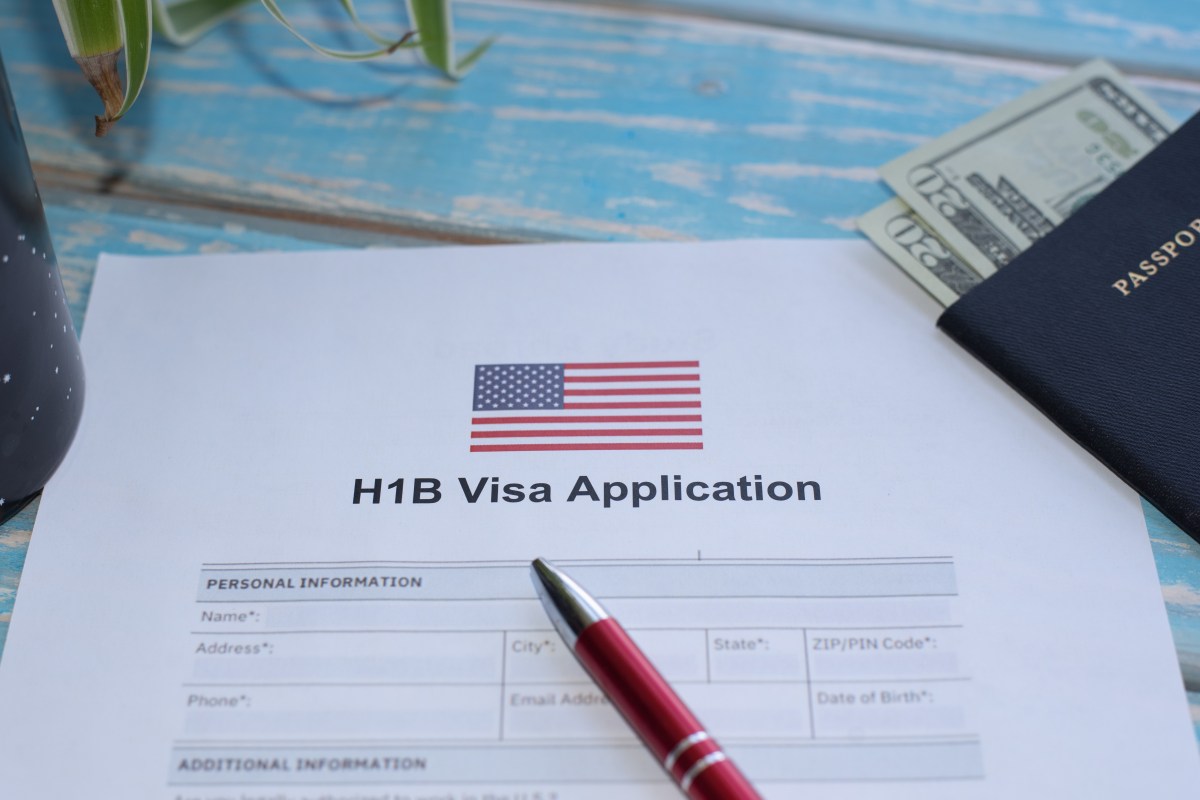
A recent report shows Indian workers in the U.S. earn more on average than U.S.-born college graduates, with a median salary of about $146,000. However, some H‑1B visa holders earn less than comparable American workers, and the program remains a topic of debate about wages and skilled labor.
Key Facts
Indian nationals working in the U.S. have median earnings of around $146,000, much higher than U.S.-born graduates.
Workers who came to the U.S. on student visas earn about $115,000 on average, compared to $87,000 for U.S.-born graduates.
Research shows H-1B visa holders earn about 16% less than Americans in similar roles, though some make more depending on age and experience.
Younger H-1B workers often earn more than their American peers, partly because they studied in the U.S. and gained work experience through programs like Optional Practical Training.
Many Indian and foreign workers are employed in higher-paying fields such as technology and engineering.
Critics say some employers use H-1B visas to hire workers at lower wages, while supporters say the program fills skilled labor shortages.
President Donald Trump introduced a $100,000 fee on new H-1B petitions in 2025 to limit misuse, but a federal judge blocked this fee in June 2026, calling it an unauthorized tax.
The government plans to appeal the court decision blocking the H-1B fee.
Read the Original
Want the full story? Tap a source to open the original
article.
The recent peace deal between the US and Iran aims to end the conflict that disrupted global oil and gas supplies, leading to higher prices. While fuel prices have started to fall, they remain above pre-war levels, and energy bills and airfares may still stay high for some time.
Key Facts
A war broke out in February between the US and Israel on one side and Iran, affecting global oil and gas supplies.
The Strait of Hormuz, a key shipping route for oil, was closed during the conflict, causing energy prices to rise worldwide.
On June 18, the US and Iran signed a deal to stop the war and reopen the Strait of Hormuz.
Petrol and diesel prices have started to decrease but are still much higher than before the conflict began.
UK household energy bills are set to increase by 13% from July due to existing price caps and high gas prices.
Jet fuel prices rose sharply during the conflict, pushing some airlines to raise fares; prices have dropped but remain above pre-conflict levels.
The deal leaves some difficult issues, like Iran’s nuclear program, unresolved for at least 60 days.
Experts warn that prices for fuel and energy may not return quickly to pre-war levels.
Read the Original
Want the full story? Tap a source to open the original
article.
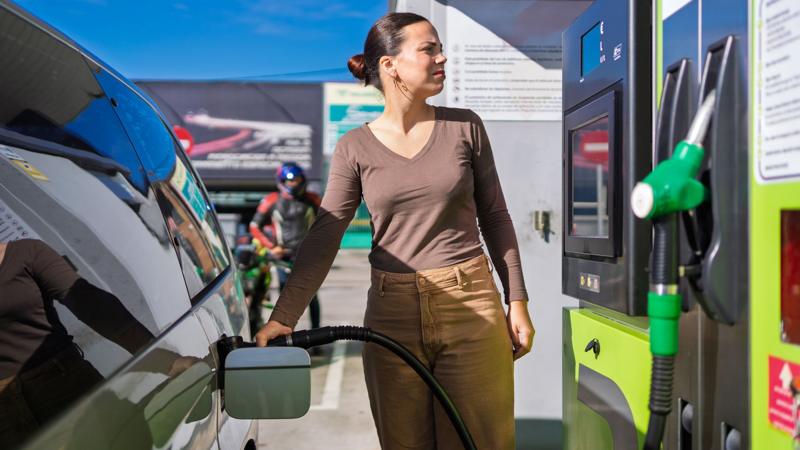
Fuel prices in the UK have dropped following a deal between the US and Iran to end their war, which had previously caused fuel costs to rise. Analysts expect petrol and diesel prices to continue falling, benefiting motorists as summer holidays approach.
Key Facts
The US and Iran agreed to end their war, easing disruptions to Middle East energy production.
Before the war, Brent crude oil was about $70 per barrel; it peaked above $120 during the conflict and recently dropped to around $76-$80.
UK petrol prices peaked at 159.53p per litre on 28 May; diesel reached 191.54p per litre on 15 April.
Since then, petrol prices have fallen by 4.8p to 154.7p per litre; diesel prices fell by 10.3p to 174.3p per litre.
Filling a typical 55-litre family car costs £85.05 for petrol and £95.86 for diesel, more than before the war started.
The rate of price reduction is expected to speed up if oil prices stay below $80 a barrel.
Fuel prices in 2026 are still below the highs seen after Russia’s invasion of Ukraine in 2022.
UK fuel retailers deny overcharging during the conflict, and the government postponed a planned fuel tax increase to help consumers.
Read the Original
Want the full story? Tap a source to open the original
article.
The UK government plans to change the house buying process in England and Wales to make it faster and fairer. New rules will introduce legally binding sales agreements earlier to stop buyers or sellers from backing out late in the process, and sellers must share more information about the property.
Key Facts
Gazumping means a buyer or seller changes the deal late in the sale, often for a better offer.
The new rules aim to end gazumping by making agreements legally binding earlier.
Sellers and estate agents must provide detailed information about the property and its status in the sale chain.
These changes are planned to be in place by 2029, at the end of this Parliament.
The government expects buyers to save about £650 on average through the new system.
Currently, it takes about six months on average to complete a house sale in the UK.
More than 20% of house sales fall through before completion.
Scotland already has legally binding offers and requires sellers to provide home surveys; these reforms will align England and Wales closer to Scotland’s approach.
Read the Original
Want the full story? Tap a source to open the original
article.
The UK government borrowed £23.3 billion in May 2026, which is nearly one-third more than in May 2025 and £5.6 billion above official forecasts. This rise in borrowing is due to increased spending on debt interest, public services, investment, and benefits, and is influenced by higher inflation linked to the war in the Middle East.
Key Facts
The UK borrowed £23.3 billion in May 2026, up almost 33% from May 2025.
Borrowing was £5.6 billion higher than predicted by the Office for Budget Responsibility (OBR).
Increased spending on debt interest, public services, investment, and benefits contributed to higher borrowing.
Interest payments on government debt reached £11.7 billion, the highest for any May.
Inflation rose after the Iran conflict began, pushing up borrowing costs.
Greater Manchester mayor Andy Burnham was elected MP and plans to challenge the Prime Minister’s leadership.
The Bank of England kept interest rates steady to balance a weak jobs market and rising inflation expectations.
Retail spending increased by 1.2% in May, helped by good weather and promotions.
Read the Original
Want the full story? Tap a source to open the original
article.
Retail sales in Great Britain grew by 1.2% in May, helped by very hot weather that increased sales of fans, paddling pools, and outdoor products. Online shopping also rose significantly, contributing to the overall growth after a drop in sales during April.
Key Facts
Retail sales volume increased 1.2% in May compared to April, the fastest growth since January.
Hot weather helped boost sales of fans, paddling pools, and outdoor furniture.
Online retail sales jumped 6.1% in May, the largest monthly increase since February 2025.
Department stores saw sales rise 2.5% month-on-month, with household goods stores up 3.2%.
Tech product launches like smartphones and iPads helped computer and telecom shops do well.
Some products had very large sales increases: desk fans up 750%, pool loungers up 500%, outdoor umbrellas up 70%.
Supermarket sales decreased by 0.4% in May.
Retailers noted a World Cup-related boost in sales of football shirts, boots, TVs, and disposable cups.
Analysts said the sales increase in May was mainly due to the heatwave and special events, not a long-term change in shopping habits.
Read the Original
Want the full story? Tap a source to open the original
article.
KPMG admitted that some of its employees leaked confidential information from Optus to colleagues trying to win another audit contract with Telstra. The company also monitored a whistleblower’s laptop and dismissed their concerns before the issue became public during a parliamentary inquiry.
Key Facts
KPMG staff leaked secret information from Optus to another team bidding for Telstra’s audit contract.
A whistleblower raised concerns but was treated as having personal complaints rather than serious issues.
KPMG’s chair confirmed the leak and said confidential information should not have been shared.
Former CEO Andrew Yates resigned after confirming the leak, receiving a large payout.
The accounting body Chartered Accountants Australia and New Zealand is investigating KPMG and its staff involved.
KPMG is also being investigated by the Australian Securities and Investments Commission over leaks related to Lendlease.
Lendlease plans to end its long-standing audit contract with KPMG and seek compensation for costs.
KPMG’s culture was criticized for prioritizing profit over integrity and failing to protect whistleblowers.
Read the Original
Want the full story? Tap a source to open the original
article.
Oil prices rose as fighting in Lebanon and concerns over a U.S.-Iran agreement affected shipping through the Strait of Hormuz. Although some oil tankers have passed through the strait, traffic remains much lower than normal due to safety worries after several attacks on ships.
Key Facts
Brent crude oil price increased by 0.65 percent, crossing $80 per barrel.
Fighting in Lebanon and attacks on ships have raised concerns about the stability of the region.
An important U.S.-Iran meeting was canceled due to the recent violence.
The Strait of Hormuz, a key route for about 20% of the world’s oil, still has reduced ship traffic.
About 6 million barrels of oil on three Saudi tankers recently passed through the strait.
Over 500 vessels are waiting to pass through the strait, down from 120-130 daily transits before the conflict.
Since February, there have been at least 46 attacks on ships near the strait, killing 14 crew members.
International groups urge clear safety measures for ships to resume normal passage through the strait.
Read the Original
Want the full story? Tap a source to open the original
article.
Julie Meyer was a well-known tech entrepreneur during the late 1990s dotcom boom in London. Despite early success and public recognition, she has since been linked to failed businesses, unpaid debts, and broken promises to investors and partners.
Key Facts
Julie Meyer became a prominent figure in the London dotcom boom and founded a networking club called First Tuesday.
She appeared on the TV show Dragons’ Den in 2009, offering investments to startup entrepreneurs.
Lex Deak, a young entrepreneur, accepted her £20,000 investment offer on the show but never received the money.
Meyer received awards and recognition, including an MBE in 2012 and being named a “global leader of tomorrow” by the Davos forum.
Numerous people involved in her ventures report unpaid wages, debts, and lost investments.
Some former associates describe Meyer as manipulative and untrustworthy.
Her business failures have affected high-profile individuals and government figures.
The Guardian reviewed evidence of insolvent businesses connected to Meyer.
Read the Original
Want the full story? Tap a source to open the original
article.
A California labor union proposed a one-time 5% tax on billionaires but scaled it back to 2% after facing strong opposition, including from Governor Gavin Newsom. The labor union wants the Legislature to pass the smaller tax, while critics worry the tax could harm the state’s economy and public services.
Key Facts
The proposal aims to tax individuals worth more than $1 billion who live in California as of January 1, 2026.
The original tax rate was 5%, now lowered to 2% in an offer to gain political support.
The tax is expected to raise $100 billion, mainly to offset federal healthcare cuts and fund food assistance and education.
Governor Newsom opposes the measure, saying it could reduce money for teachers, schools, clinics, and public safety.
Over 875,000 signatures were collected to qualify the original proposal for the November ballot.
Critics argue the tax could push wealthy residents to leave California, reducing overall state tax revenue.
Prominent progressives support the tax, while major unions, tech leaders, and medical and school groups oppose it.
The proposal comes as California debates how to respond to changes in federal tax and spending policies signed by President Donald Trump.
Read the Original
Want the full story? Tap a source to open the original
article.
Asian stock markets fell on Friday while markets in some parts of China were closed for holidays. U.S. futures also dropped after talks on Iran’s nuclear program were postponed, reducing optimism about a peace deal. On Thursday, U.S. stock markets rose, with technology companies leading gains.
Key Facts
Asian shares dropped, with China’s markets closed for the Dragon Boat Festival holiday.
U.S. futures declined after delays in talks with Iran about nuclear weapons and oil through the Strait of Hormuz.
Tokyo’s Nikkei 225 index was mostly unchanged at 71,082.81.
South Korea’s Kospi index fell 0.5%, and Australia’s S&P/ASX 200 dropped 1.1%.
Inflation concerns led central banks like the Bank of Japan to raise interest rates recently.
On Thursday, U.S. stocks closed higher: S&P 500 up 1.1%, Dow Jones up 0.1%, Nasdaq up 1.9%.
Technology companies such as Intel, Nvidia, and Micron saw significant stock gains.
SpaceX shares declined following losses after its recent debut on the stock market.
Read the Original
Want the full story? Tap a source to open the original
article.