Oil prices rose as fighting in Lebanon and concerns over a U.S.-Iran agreement affected shipping through the Strait of Hormuz. Although some oil tankers have passed through the strait, traffic remains much lower than normal due to safety worries after several attacks on ships.
Key Facts
Brent crude oil price increased by 0.65 percent, crossing $80 per barrel.
Fighting in Lebanon and attacks on ships have raised concerns about the stability of the region.
An important U.S.-Iran meeting was canceled due to the recent violence.
The Strait of Hormuz, a key route for about 20% of the world’s oil, still has reduced ship traffic.
About 6 million barrels of oil on three Saudi tankers recently passed through the strait.
Over 500 vessels are waiting to pass through the strait, down from 120-130 daily transits before the conflict.
Since February, there have been at least 46 attacks on ships near the strait, killing 14 crew members.
International groups urge clear safety measures for ships to resume normal passage through the strait.
Read the Original
Want the full story? Tap a source to open the original
article.
Julie Meyer was a well-known tech entrepreneur during the late 1990s dotcom boom in London. Despite early success and public recognition, she has since been linked to failed businesses, unpaid debts, and broken promises to investors and partners.
Key Facts
Julie Meyer became a prominent figure in the London dotcom boom and founded a networking club called First Tuesday.
She appeared on the TV show Dragons’ Den in 2009, offering investments to startup entrepreneurs.
Lex Deak, a young entrepreneur, accepted her £20,000 investment offer on the show but never received the money.
Meyer received awards and recognition, including an MBE in 2012 and being named a “global leader of tomorrow” by the Davos forum.
Numerous people involved in her ventures report unpaid wages, debts, and lost investments.
Some former associates describe Meyer as manipulative and untrustworthy.
Her business failures have affected high-profile individuals and government figures.
The Guardian reviewed evidence of insolvent businesses connected to Meyer.
Read the Original
Want the full story? Tap a source to open the original
article.
A California labor union proposed a one-time 5% tax on billionaires but scaled it back to 2% after facing strong opposition, including from Governor Gavin Newsom. The labor union wants the Legislature to pass the smaller tax, while critics worry the tax could harm the state’s economy and public services.
Key Facts
The proposal aims to tax individuals worth more than $1 billion who live in California as of January 1, 2026.
The original tax rate was 5%, now lowered to 2% in an offer to gain political support.
The tax is expected to raise $100 billion, mainly to offset federal healthcare cuts and fund food assistance and education.
Governor Newsom opposes the measure, saying it could reduce money for teachers, schools, clinics, and public safety.
Over 875,000 signatures were collected to qualify the original proposal for the November ballot.
Critics argue the tax could push wealthy residents to leave California, reducing overall state tax revenue.
Prominent progressives support the tax, while major unions, tech leaders, and medical and school groups oppose it.
The proposal comes as California debates how to respond to changes in federal tax and spending policies signed by President Donald Trump.
Read the Original
Want the full story? Tap a source to open the original
article.
Asian stock markets fell on Friday while markets in some parts of China were closed for holidays. U.S. futures also dropped after talks on Iran’s nuclear program were postponed, reducing optimism about a peace deal. On Thursday, U.S. stock markets rose, with technology companies leading gains.
Key Facts
Asian shares dropped, with China’s markets closed for the Dragon Boat Festival holiday.
U.S. futures declined after delays in talks with Iran about nuclear weapons and oil through the Strait of Hormuz.
Tokyo’s Nikkei 225 index was mostly unchanged at 71,082.81.
South Korea’s Kospi index fell 0.5%, and Australia’s S&P/ASX 200 dropped 1.1%.
Inflation concerns led central banks like the Bank of Japan to raise interest rates recently.
On Thursday, U.S. stocks closed higher: S&P 500 up 1.1%, Dow Jones up 0.1%, Nasdaq up 1.9%.
Technology companies such as Intel, Nvidia, and Micron saw significant stock gains.
SpaceX shares declined following losses after its recent debut on the stock market.
Read the Original
Want the full story? Tap a source to open the original
article.
People have different opinions about who should pay on a first date. A recent survey shows adults in the UK spend over £111 per month on dating, and many people believe the person who asks for the date should pay, while others prefer splitting the bill.
Key Facts
Costs for a first date can be high, with cocktails over £15 and restaurant bills rising.
UK adults spend more than £111 monthly on dating, over £1,300 yearly, according to Barclays research from 2025.
Over half of adults under 30 say the cost of dating affects their ability to go on dates.
Some believe the person who asks for the date should pay, as it shows effort and care.
Experiences vary: one woman paid when a man’s card failed and felt used; another feels a man paying is a kind gesture.
Some men try to keep finances separate, like tracking food spent during a buffet meal.
Clear communication about paying is seen as more important than strict rules.
Read the Original
Want the full story? Tap a source to open the original
article.
The UK government borrowed £23.3 billion in May, which is significantly more than expected and almost 30% higher than May last year. The extra borrowing cost is partly due to higher interest payments on debt and rising prices caused by the conflict in the Middle East.
Key Facts
The UK borrowed £23.3 billion in May 2024.
This borrowing is nearly one-third higher than the same month last year.
The Office for Budget Responsibility (OBR) had predicted £5.6 billion less borrowing than what actually happened.
The OBR made its forecast before the Middle East war effects were clear.
Interest payments on government debt rose to £11.7 billion, the highest May figure ever recorded.
Higher borrowing costs are linked to the war and rising energy prices, which also pushed up inflation.
A peace deal between the US and Iran caused oil prices to drop recently, but economic effects from the conflict continue.
The higher borrowing shows challenges for the UK government’s finances and may limit actions of the next Prime Minister.
Read the Original
Want the full story? Tap a source to open the original
article.
Construction on Sydney’s $3.1 billion M6 motorway project will restart after a two-year pause caused by sinkholes and underground faults. The private contractor consortium will cover the extra costs, with the motorway now expected to open no earlier than 2028.
Key Facts
The M6 project involves building twin 4km tunnels connecting Sydney’s south to the city’s wider road network.
Construction began after approval in 2019, with an original finish date planned for 2024, later delayed to 2025, and now set for at least 2028.
Work stopped in June 2025 due to two large sinkholes and a high-angle reverse fault in the tunnels’ bedrock.
A private consortium called CGU (CPB Contractors, Ghella, and UGL) was responsible for the tunnel work and paused the project because of safety and cost concerns.
The NSW government and the consortium reached a deal where the consortium will pay to complete the project, avoiding extra costs for taxpayers.
About 250 metres of tunneling remain, and contractors may use a technique called jet grouting to stabilize the ground before continuing.
Government officials said the contract has clear rules for resolving disputes, and work will restart immediately.
The government had considered abandoning the project during the dispute but decided to continue.
Read the Original
Want the full story? Tap a source to open the original
article.
The UK government borrowed £23.3 billion in May 2026, which was more than expected due to higher interest costs linked to the war in Iran. This borrowing level is one of the highest for May and shows financial challenges ahead for the Labour Party leadership.
Key Facts
The UK borrowed £23.3 billion in May 2026, higher than forecasted.
Borrowing was £5.6 billion more than predicted by the Office for Budget Responsibility in March.
Economists had expected borrowing to be around £18.5 billion, down from £24.3 billion in April.
Increased borrowing was partly due to higher interest costs as markets reacted to the Iran war.
Public sector borrowing for the first two months of the financial year reached £46.3 billion, £8.9 billion more than the previous year.
Spending rose on debt interest, public services, investments, and benefits, outweighing higher tax income.
Andy Burnham’s recent political success puts pressure on the Labour Party leadership and the government’s financial management.
Chancellor Rachel Reeves faces challenges amid these fiscal issues.
Read the Original
Want the full story? Tap a source to open the original
article.
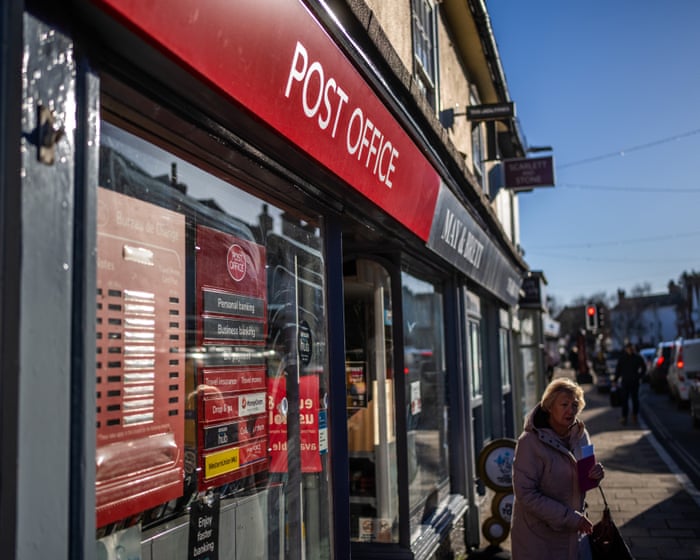
Members of the UK Parliament have called on Fujitsu, the Japanese company that supplied faulty software to the UK Post Office, to make an immediate payment to victims of a major legal scandal. The software errors led to many post office workers being wrongly prosecuted, and thousands are still waiting for compensation.
Key Facts
Fujitsu provided the Horizon software to the UK Post Office, which malfunctioned and caused accounting errors.
These errors led to wrongful prosecutions of many post office workers.
The scandal is considered one of the worst miscarriages of justice in UK history.
A parliamentary committee urges Fujitsu to make an immediate payment toward the £1.5 billion compensation fund for victims.
Fujitsu admitted knowing about flaws in the software since the 1990s but has not yet paid toward compensation.
There are three compensation schemes for victims to seek redress, with the largest offering fixed sums or higher amounts through appeals.
A public inquiry found that the Post Office and its advisers were often harsh toward victims seeking compensation.
Fujitsu is still negotiating with the UK government on its financial contribution after a report by a retired judge is published.
Read the Original
Want the full story? Tap a source to open the original
article.
Home equity loan and home equity line of credit (HELOC) interest rates have generally declined over the past year but recently started to rise due to steady Federal Reserve rates and rising inflation. Experts say rates might rise further if inflation continues or the conflict in Iran worsens, while a drop in rates would require significant changes like reduced inflation and resolution of global tensions.
Key Facts
Home equity loan rates have slowly decreased over the past year but started to rise recently.
HELOC rates are lower than a year ago but are less predictable and have also recently increased.
The Federal Reserve has kept its federal funds rate steady since late 2025, contributing to rising rates.
Inflation in the U.S. is currently 4.2%, the highest in over three years.
HELOC rates are tied to the prime rate, which depends on the Fed’s federal funds rate.
For rates to fall, experts say inflation must decrease, the job market must weaken, and global conflicts like the Iran war need resolution.
Continued inflation or conflict could cause rates to rise more.
HELOC rates might remain steady if the Fed does not change rates, but home equity loans are less stable due to various factors.
Read the Original
Want the full story? Tap a source to open the original
article.
Mortgage rates have been mostly around 6% to 7% recently, making it hard for homeowners to refinance and save money. Experts say refinancing might help those with rates of 7% or higher but is less beneficial for people with rates near 6% or lower, as rates are not expected to drop significantly soon.
Key Facts
Mortgage rates were in the mid- to upper-6% range for most of 2025.
Rates briefly fell below 5% in early 2026 but have since risen back to around mid-6%.
Inflation remains high, and expected Federal Reserve rate cuts have not happened yet.
Homeowners with mortgage rates of 7% or higher may save money by refinancing at current rates near 6.5%.
Refinancing can reduce monthly payments and total interest paid over the life of the loan.
Homeowners with rates in the low 6% range or below are unlikely to benefit from refinancing now.
Forecasts predict 30-year mortgage rates will stay around 6.4% to 6.5% through 2026 and not drop below 6% in the next two years.
About 20% of homeowners had mortgage rates above 6% at the end of last year, potentially opening refinance opportunities if rates fall slightly.
Read the Original
Want the full story? Tap a source to open the original
article.
The United States has started an investigation into Germany’s rules for pricing medicines to see if they pay too little for new drugs. This probe could lead to new taxes on German products to protect U.S. trading interests. The investigation focuses on whether Germany’s policies make the U.S. pay too much for drug research and development.
Key Facts
The U.S. is investigating Germany’s pharmaceutical pricing under Section 301 of the Trade Act of 1974.
The probe checks if Germany’s prices unfairly underpay for innovative medicines and harm U.S. commerce.
The U.S. Trade Representative’s office says Germany’s pricing may reduce funding for drug research and development.
President Donald Trump wants to ensure Americans don’t pay a disproportionate share of global costs for new medicines.
Germany plans faster legislation to reduce spending on innovative pharmaceuticals, which concerns U.S. officials.
Public comments and a hearing are planned for September as part of the investigation process.
This investigation follows other U.S. trade probes and potential tariffs on foreign countries for issues like forced labor.
President Trump has reintroduced tariffs since his return to office, though some were blocked by the Supreme Court earlier this year.
Read the Original
Want the full story? Tap a source to open the original
article.
People have different opinions on who should pay for the first date. Many believe the person who asks for the date should pay, while others think the bill should be split. Rising costs of dining out and using dating apps affect how often people go on dates.
Key Facts
In the UK, adults spend over £111 per month on dates and dating apps, totaling around £1,300 per year.
More than half of young adults under 30 say the cost of dating makes it harder for them to go on dates.
Some people feel that the person who asks for the date should pay the bill.
One woman shared an experience where a man’s card declined, and she had to pay the full expensive bill, which made her feel taken advantage of.
Others believe a man paying for the first date is a kind gesture to make the other person feel cared for.
Some dates include efforts to save money, like choosing budget-friendly options or sharing costs on later parts of the date.
Different people have unique experiences with date expenses, ranging from splitting food sticks to hiding menus to avoid high charges.
Communication about money and expectations is considered important in dating situations.
Read the Original
Want the full story? Tap a source to open the original
article.
A study using Bank of England data shows Brexit has reduced the UK economy by about 6% over the last ten years. Half of this loss came from uncertainty after the referendum, and the rest from new trade barriers after leaving the EU customs union and single market.
Key Facts
The Bank of England company data tracks decisions and results from thousands of UK firms since the Brexit vote.
The UK economy grew faster before Brexit but slowed afterward due to trade disruptions and uncertainty.
Half the economic loss is linked to surprise and uncertainty after the 2016 referendum.
The other half of the loss comes from barriers to trade after leaving the EU customs union and single market in 2021.
The study estimates Brexit reduced UK growth by around 6% over ten years; wider studies suggest about 8%.
Bank of England officials say Brexit shrank export markets and hurt economic growth and productivity.
The impact on financial services was less harmful than many predicted.
UK Prime Minister Keir Starmer plans meetings with EU leaders to discuss trade deals on food, energy, and emissions.
Read the Original
Want the full story? Tap a source to open the original
article.
Comedian Carlos Mencia has been charged with 12 felony counts related to tax crimes, according to the Los Angeles County District Attorney. He is accused of not filing tax returns for six years and hiding about $8.7 million in income, leading to over $300,000 in unpaid state taxes.
Key Facts
Carlos Mencia faces 12 felony tax charges.
The charges come from allegations of not filing personal and business tax returns.
The alleged tax evasion covers a period of six years.
About $8.7 million in income was reportedly not reported.
Over $300,000 in state taxes were not paid.
The case is the first by the LA County District Attorney’s new Business Tax Fraud Unit.
District Attorney Nathan Hochman announced the charges.
The investigation is ongoing with updates expected.
Read the Original
Want the full story? Tap a source to open the original
article.
This episode of Business Daily discusses how artificial intelligence (AI) might affect different jobs, especially whether skilled trades like plumbing and locksmithing will be safer from AI impacts. It also compares economic challenges in the US and China based on recent data and talks about whether the new movie Toy Story 5 can perform well at the box office.
Key Facts
The episode features hosts in Singapore and South Carolina discussing job security related to AI.
Skilled trades such as plumbing and locksmithing are considered more resistant to AI changes.
The program compares recent economic data from the US and China.
It explores challenges both countries face in their economies.
The discussion includes how Toy Story 5 might do compared to previous movies.
The episode is part of the Business Daily series on BBC World Service.
It was produced by Neil Morrow and Bisi Adebayo, with Justin Bones as Executive Producer.
Listeners can contact the team by email for more information.
Read the Original
Want the full story? Tap a source to open the original
article.
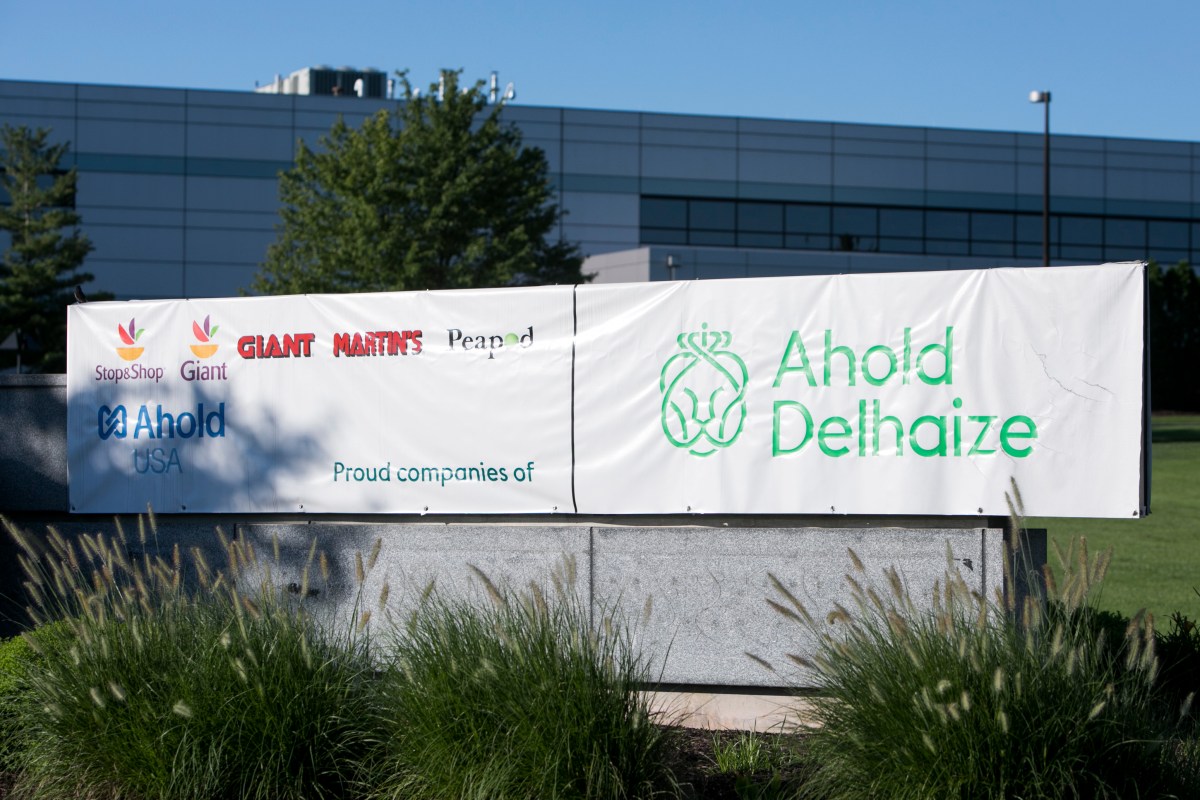
Ahold Delhaize USA, a large grocery chain, agreed to pay $40 million to settle claims that it overcharged government healthcare programs on prescription drugs. The settlement resolves allegations that the company did not accurately report discounted drug prices to Medicare, Medicaid, and TRICARE.
Key Facts
Ahold Delhaize USA operates many grocery stores and in-store pharmacies on the U.S. East Coast.
The company was formed from a merger of two international grocery groups in 2016.
Federal prosecutors accused the company of inflating drug prices reported to government healthcare programs.
Discounted prices from the stores’ savings programs were not properly reported as the usual prices.
The settlement requires Ahold Delhaize USA to pay nearly $33 million to the federal government and over $7 million to state governments.
The payment includes direct restitution to the government for overpaid claims.
The agreement does not mean the company admitted it did anything wrong.
The case highlights the importance of pharmacies reporting accurate drug prices for taxpayer-funded healthcare programs.
Read the Original
Want the full story? Tap a source to open the original
article.
At the VivaTech 2026 event in Paris, L'Oréal explained how it is using artificial intelligence (AI) to improve marketing, help customers find products, and offer personalized beauty advice. The company believes AI can play a big role in changing how people shop for beauty products.
Key Facts
L'Oréal is using AI in its marketing efforts to better connect with customers.
AI helps consumers discover new beauty products suited to their needs.
The company offers personalized experiences by using AI technology.
VivaTech 2026 is a technology event held in Paris.
AI is becoming more common for advice and recommendations in different industries.
L'Oréal is a global leader in the beauty market.
This move reflects a broader shift in customer engagement driven by AI innovations.
Read the Original
Want the full story? Tap a source to open the original
article.
The Federal Reserve has paused interest rate changes again, keeping rates high. Traditional savings accounts now pay very low interest, so savers should consider other options like high-yield savings accounts, CDs, or money market accounts to earn more on their money.
Key Facts
The Federal Reserve paused interest rate changes for the fourth time in 2026.
Traditional savings accounts currently offer an average interest rate of only 0.38%.
Interest checking accounts pay even less, about 0.07% on average.
High-yield savings accounts offer around 4.10% interest, much higher than traditional accounts.
Certificates of deposit (CDs) can pay about 4.20% interest but may charge penalties for early withdrawal.
Money market accounts offer roughly 3.90% interest and include check-writing features.
Moving money from traditional savings to these higher-yield accounts can significantly increase earnings.
Shoppers are advised to compare rates online, as they often find better offers than at local banks.
Read the Original
Want the full story? Tap a source to open the original
article.
The Federal Reserve has kept interest rates steady for the fourth time in a row, but inflation and rising energy costs mean rate increases are possible later this year. Borrowing money remains costly for many, but some options like home equity lines of credit and home equity loans offer more affordable ways to borrow.
Key Facts
The Fed’s benchmark interest rate is currently between 3.5% and 3.75%.
Inflation is over 4%, and energy prices are increasing.
There is a chance the Fed will raise rates before the end of the year.
Credit card interest rates are very high, around 21% or more.
Home equity lines of credit (HELOCs) have average rates just above 7%, making them cheaper than credit cards.
HELOCs allow borrowing as needed and charge interest only on the amount used.
Home equity loans give a fixed lump sum with fixed payments, typically around 7% interest, which helps protect against rising rates.
Home equity loans offer less flexibility than HELOCs because the full loan amount is given at once and repayment starts immediately.
Read the Original
Want the full story? Tap a source to open the original
article.