Fact-first summaries of the news — stay informed, stay grounded.
Your favorite news sources, one calm feed — fact-first summaries that always link to the
original story. No outrage bait, and we tell you when you're caught up. How it works
Business News
Business news, market updates, and economic developments
Argos, a British retail chain known for its catalog shopping and quick in-store pickups, has seen declining sales and store closures due to competition from online sellers like Amazon. Its current owners, Sainsbury's, are selling Argos at a loss, while new owners plan to open more standalone shops and invest in growth opportunities.
Key Facts
Argos has been a part of British shopping for over 50 years and is used by about half of UK households.
Competition from online retailers like Amazon has caused Argos’s sales to stagnate and led to many store closures.
Sainsbury's, the current owner, is selling Argos for less than they paid for it 10 years ago.
Argos made £4.1 billion in sales last year, compared to Amazon’s £32 billion in the UK.
Argos offers same-day click-and-collect service through about 200 standalone stores and shops inside Sainsbury’s supermarkets.
Some shoppers like Argos for its convenience and physical stores, while others find Amazon easier for delivery.
Retail experts say Argos needs to improve its app and remind people it still exists to compete with digital-first stores.
Argos customers have given poor ratings on Trustpilot, showing room for improvement in customer service.
Read the Original
Want the full story? Tap a source to open the original
article.
A big fire happened last month at a food warehouse in Los Angeles. A CBS News investigation is looking into the safety practices of the cold storage company connected to that warehouse.
Key Facts
The fire occurred at a large food warehouse in Los Angeles last month.
CBS News conducted an investigation into the incident.
The investigation focuses on the safety record of the cold storage company linked to the warehouse.
Cold storage companies keep food at very low temperatures to preserve it.
Questions are being raised about whether the company followed proper safety rules.
The investigation aims to understand if safety lapses contributed to the fire.
The results may impact the company’s future operations and industry safety standards.
Read the Original
Want the full story? Tap a source to open the original
article.
Young adults in Generation Z say dating costs are very high. They mention expenses like paying for dating app subscriptions, buying drinks, and going out to expensive dinners.
Key Facts
Generation Z refers to people born roughly between 1997 and 2012.
Many in this group find dating too costly.
Common expenses include paying for dating apps.
Alcohol and drinks during dates add to the cost.
Dining out at restaurants is often expensive.
These factors make finding love financially challenging for young people.
Read the Original
Want the full story? Tap a source to open the original
article.
The Teamsters union in California sued the state's Department of Motor Vehicles and other agencies over rules that approve self-driving trucks. They claim the state did not do the required studies to understand the economic and practical effects before allowing these trucks.
Key Facts
The Teamsters sued California’s DMV and other agencies on Wednesday.
The lawsuit was filed in Alameda County.
The Teamsters argue that the state did not finish an important economic study as the law requires.
They also claim the state did not assess the practical impact of self-driving trucks properly.
The lawsuit challenges the approval process for self-driving trucks in California.
The dispute focuses on how the new technology might affect jobs and the economy.
Read the Original
Want the full story? Tap a source to open the original
article.
Kellogg Company announced it will stop using artificial dyes and the preservative BHT in its cereals by the end of 2026. The company is speeding up its plan to make its products more natural.
Key Facts
Kellogg plans to remove all artificial colors from its cereals by the end of 2026.
The company also aims to eliminate the preservative BHT from all its products.
The decision was announced in a press release on a Thursday.
This change is part of Kellogg’s effort to make its products healthier and more natural.
The company has set an accelerated timeline to complete these changes.
The focus is currently on cereals, but the goal covers all Kellogg products.
Artificial dyes and BHT are often used to improve appearance and shelf life in food.
Removing these ingredients responds to growing consumer demand for cleaner labels.
Read the Original
Want the full story? Tap a source to open the original
article.
Young Americans, especially Generation Z, are starting businesses at a fast pace, helping drive economic growth. New technology like artificial intelligence (AI) is making it easier and cheaper for these young entrepreneurs to launch their companies.
Key Facts
Generation Z business applications rose 66% in June compared to a year earlier.
Overall, more than 531,000 business applications were filed in June, doubling numbers from 2020.
Lower-income households now start 25% of new businesses, up from 20% in 2020.
AI helps young founders automate tasks, lower startup costs, and speed up work.
Melanie Herbert launched a healthcare tech startup called Sync Labs while in college to improve care for older Americans.
Sync Labs uses AI to collect and analyze patient information and provide recommendations.
Many young people want to be their own bosses instead of working for others, fueling entrepreneurship.
Access to AI and other tools is making business startups more accessible to a wider group of people.
Read the Original
Want the full story? Tap a source to open the original
article.
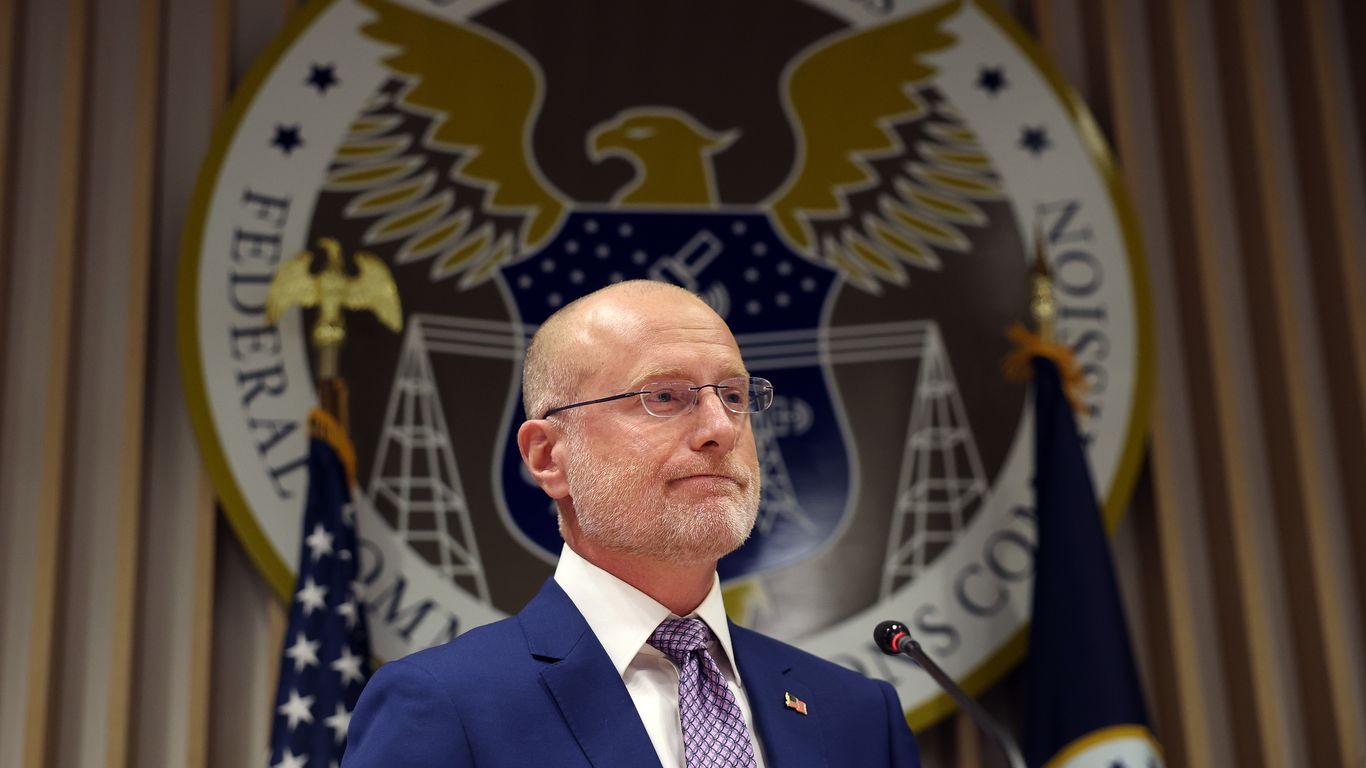
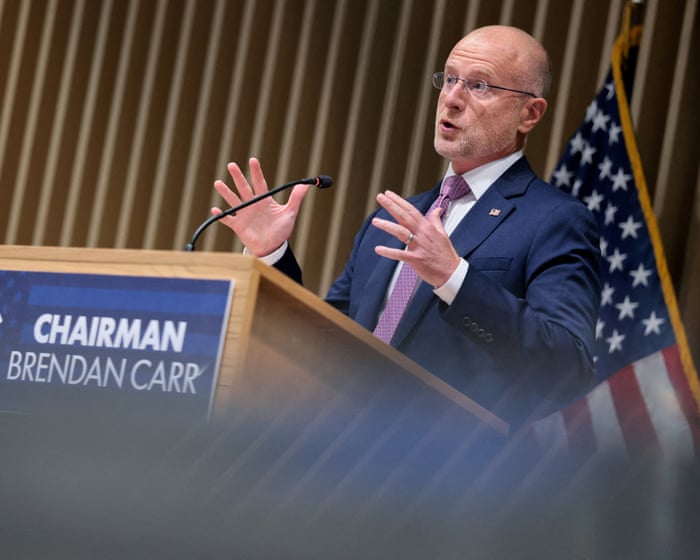
The FCC voted 2-1 to remove the rule that stops one broadcaster from reaching more than 39% of U.S. TV households. This change lets local broadcasters merge and grow bigger to better compete with tech and streaming companies.
Key Facts
The rule lifted was a national TV ownership cap limiting a broadcaster’s reach to 39% of TV households.
The vote was along party lines, with FCC Chairman Brendan Carr supporting the change and one dissenting commissioner.
The FCC will review broadcast deals one by one to ensure they serve the public interest.
Nexstar, a big broadcaster, could benefit most from the new rule as it tries to buy the competitor Tegna.
A federal judge paused Nexstar’s purchase of Tegna due to an antitrust lawsuit filed by DirecTV and several states.
DirecTV claims the deal would let Nexstar charge higher fees to pay-TV companies, increasing costs for consumers.
Some groups argue the FCC does not have the legal power to remove the ownership cap.
Media advocacy groups like Free Press plan to legally challenge the FCC’s decision.
Read the Original
Want the full story? Tap a source to open the original
article.
This podcast episode talks about changes in global trade, focusing on why countries are protecting their economies more than before. It looks at the impact of President Donald Trump’s tariffs, the importance of Africa’s Lobito Corridor for trade, and how artificial intelligence (AI) affects jobs in China and other countries.
Key Facts
Many countries are using economic protectionism, meaning they put up barriers to protect their own industries.
President Donald Trump’s tariffs helped speed up this move toward protectionism.
Despite these barriers, international trade continues to grow and adapt.
The Lobito Corridor in Africa is important for improving trade routes.
AI technology is changing the job market in China and other places.
The drinks company Diageo is reducing its costs to stay competitive.
The episode also highlights popular foods like China’s baozi (steamed buns) and Uganda’s matoke (a type of banana).
Read the Original
Want the full story? Tap a source to open the original
article.
X, owned by Elon Musk, is trying to restart a lawsuit against several advertisers it claims unfairly boycotted its social media platform. A judge dismissed the case earlier this year, saying the advertisers had not broken antitrust laws, but X is asking a higher court to overturn that decision and continue the lawsuit.
Key Facts
X alleges a group boycott by advertisers caused it to lose significant ad revenue.
A Texas judge dismissed the lawsuit in March, ruling no antitrust violation occurred.
X settled with the World Federation of Advertisers but is still suing other companies like Mars, CVS, Nestle, and Lego.
The lawsuit claims the advertisers’ coordinated boycott unfairly hurt competition on social media.
The legal dispute involves GARM, an advertising industry group focused on brand safety standards.
X’s ad revenue dropped after Musk’s purchase of Twitter in 2022, partly due to advertiser concerns over content.
X is asking the 5th Circuit Court of Appeals to revive the case against the remaining defendants.
Musk’s company, X Corp., is now a SpaceX subsidiary, and recent reports show declining ad revenue for X.
Read the Original
Want the full story? Tap a source to open the original
article.
More than 90,000 rubber ducks were released into the Chicago River for the annual Chicago Ducky Derby. This event raises money to support Special Olympics Illinois, which helps people with disabilities compete in sports across the state.
Key Facts
The Chicago Ducky Derby involved 90,000 rubber ducks floating down the Chicago River.
The event took place on August 6, 2026, from the Columbus Drive bridge.
Becky Cavanagh, a 13-year Special Olympics athlete and event ambassador, picked the winning duck.
Sponsors pay $10 to enter one duck, which helps provide lunch for athletes.
A “quack pack” of six ducks costs $30 and helps fund gold medals for teams.
The fundraiser has raised over $480,000 for Special Olympics Illinois.
The fastest duck’s sponsor wins a new SUV, and the runner-up wins $2,500 in cash.
Special Olympics Illinois organizes sports competitions for people with disabilities throughout the state.
Read the Original
Want the full story? Tap a source to open the original
article.
Mexico has stopped exporting avocados to the U.S. temporarily because of security concerns in Michoacan, the main avocado-growing region. The U.S. halted inspections needed for avocado exports after a threat, and Mexico sent extra troops to protect the area and help restart exports quickly.
Key Facts
Mexico suspended avocado exports to the U.S. due to a security threat in Michoacan.
Michoacan is the main Mexican state allowed to export avocados to the U.S.
The U.S. Agriculture Department inspects avocados in Mexico to prevent pests.
Suspension of inspections stops exports and can increase avocado prices in the U.S.
Drug cartels in Michoacan are involved in violence and extortion, affecting the avocado industry.
Previous export halts happened after attacks on U.S. inspectors in Michoacan.
The avocado industry in Michoacan employs about 200,000 people.
Export pauses harm both Mexico’s economy and U.S. avocado supplies.
Mexican officials increased security troops to protect avocado areas and resume exports.
Read the Original
Want the full story? Tap a source to open the original
article.
Ford is developing a new midsize electric pickup truck called the Fathom, planned to go on sale in 2027. The company redesigned its approach to build a more affordable, lighter, and better-made electric truck after its previous full-size electric truck, the F-150 Lightning, faced declining demand and was discontinued in 2025.
Key Facts
The Ford Fathom is a new midsize electric pickup truck set to launch in 2027.
Ford has invested billions in developing and producing the Fathom.
The Fathom was designed from scratch with a new manufacturing process inspired by Chinese automakers.
Ford's first electric truck, the full-size F-150 Lightning, debuted in 2021 but was discontinued in December 2025 due to falling demand.
Automakers, including Ford, have had to adjust electric vehicle plans due to changes in global regulations and market demand.
Consumer interest in electric trucks is uncertain; many early reservations for electric trucks do not convert to actual sales.
Tesla’s Cybertruck had over 1 million reservations but only about 70,000 sales to date.
General Motors sold around 36,000 GMC Hummer EVs from 90,000 reservations, showing a higher conversion rate.
Read the Original
Want the full story? Tap a source to open the original
article.
This article explains why August is a good time for seniors to sign up for a Medicare supplemental insurance plan, also known as Medigap. It highlights that rising inflation, increasing borrowing costs, and higher long-term care expenses make having extra coverage important to reduce out-of-pocket medical bills.
Key Facts
Medicare supplemental plans help pay for costs not covered by regular Medicare, like deductibles and co-pays.
Inflation remains higher than the Federal Reserve’s target, making everyday expenses more costly for seniors.
Higher inflation reduces the money seniors have left to pay medical bills.
Borrowing costs may rise soon if interest rates increase, making loans and credit more expensive.
Rising long-term care costs, such as nursing homes or in-home care, take up more of seniors’ budgets.
A Medigap plan offers financial protection by covering extra healthcare expenses during these tough economic times.
Seniors should check their plan options and sign up at this time to get coverage before costs rise further.
Read the Original
Want the full story? Tap a source to open the original
article.
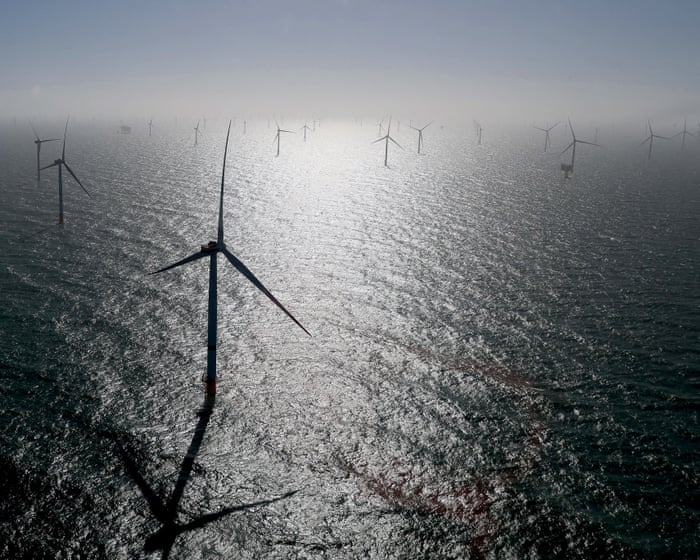
The U.S. government, under President Trump’s administration, has agreed to pay the German energy company RWE $1.22 billion to give up its offshore wind energy leases. In return, RWE will invest in fossil fuel projects like liquified natural gas and natural gas power plants, shifting away from renewable energy development.
Key Facts
RWE will give up offshore wind leases off New York, California, and Louisiana.
The deal is worth $1.22 billion and settles legal claims between RWE and the U.S. government.
RWE plans to invest $900 million in a Louisiana liquified natural gas project and $300 million in 15 natural gas power plants nationwide.
RWE initially paid $1.1 billion for the New York lease and $163 million for the other two leases in 2022.
This is the fifth deal by the Trump administration where payments were made to cancel renewable energy projects.
Total U.S. spending on cancelling offshore wind projects under this administration is nearly $4 billion.
Earlier agreements included deals with TotalEnergies and Duke Energy, totaling $2.7 billion.
Several states have sued the administration over these deals, calling them illegal.
Read the Original
Want the full story? Tap a source to open the original
article.
The FCC voted to remove a rule that limited how many households a TV broadcaster can reach across the country. This change aims to help TV networks compete better with fast-growing technology companies.
Key Facts
The FCC removed a rule that capped the number of households a broadcaster could reach nationally.
The rule had been in place since the early 2000s.
The goal is to help TV networks compete with tech companies growing quickly in media.
The rule’s removal could allow broadcasters to expand their audience reach.
The commission believes this change is necessary to keep up with changes in the media industry.
The decision was made on a Thursday by the FCC members.
Read the Original
Want the full story? Tap a source to open the original
article.
A $40,000 deposit in a high-yield savings account can earn around $1,580 to $1,640 in interest over one year, depending on the interest rate. These accounts offer higher rates than traditional savings accounts and allow easy access to funds without penalties.
Key Facts
Traditional savings accounts offer very low interest rates, about 0.38%.
High-yield savings accounts currently offer rates close to 4%.
Inflation is around 3.5%, so high-yield accounts help money grow faster than inflation.
A $40,000 deposit can earn roughly $1,580 to $1,640 in interest in 12 months at these rates.
Interest rates on these accounts can change over time based on the market and Federal Reserve actions.
Unlike certificates of deposit (CDs), high-yield savings accounts let you withdraw money without penalties.
Interest earnings increase if you add more money or if interest rates go up during the year.
Keeping the original $40,000 untouched is necessary to earn the estimated interest amount.
Read the Original
Want the full story? Tap a source to open the original
article.
A federal judge in Utah ruled that the state can enforce its antigambling laws against Kalshi, a company that offers prediction markets. The judge rejected Kalshi’s claim that federal law governing commodities stops states from applying their own gambling rules.
Key Facts
A federal judge in Utah made the ruling.
Utah wants to apply its antigambling laws to Kalshi.
Kalshi is a prediction market company, where people bet on outcomes of events.
Kalshi argued that a federal commodities law stops states from enforcing gambling restrictions on them.
The judge disagreed, allowing Utah’s laws to be enforced.
This decision affects prediction market firms and the Trump administration’s position.
The case is part of a bigger fight about which government level can regulate these markets.
Read the Original
Want the full story? Tap a source to open the original
article.
The Federal Communications Commission (FCC) voted to remove a rule that limited how many local TV stations one company can own. This change allows large media companies to own stations reaching more than 39% of U.S. TV households. The decision benefits big broadcasters but raises concerns about its impact on local journalism and competition.
Key Facts
The FCC voted along party lines to overturn the 39% national ownership cap for local TV stations.
The cap was created in 2003 to prevent one company from controlling too much of the TV market.
The change was supported by FCC Chair Brendan Carr and a Trump-appointed commissioner.
Critics say the FCC’s vote violates the law, as only Congress can change this ownership cap.
The decision mostly benefits large TV companies like Sinclair Broadcast Group and Nexstar.
Some media mergers, like Nexstar’s deal with Tegna, have been impacted by the ownership cap debates.
Advocacy groups warn this could reduce local news quality and lead to job cuts for journalists.
Protesters and press freedom groups have publicly criticized the FCC’s decision.
Read the Original
Want the full story? Tap a source to open the original
article.
The Trump administration has made a $1.2 billion deal with the offshore wind company RWE U.S. Offshore to cancel wind energy projects off New York, California, and Louisiana. RWE agreed to give up its wind leases and invest in natural gas projects instead, as the administration works to limit offshore wind development while supporting fossil fuels.
Key Facts
RWE U.S. Offshore reached a $1.22 billion agreement to give up planned offshore wind projects near three U.S. states.
The leases had involved years of planning and federal cooperation but had no clear path to approval.
President Donald Trump has opposed wind power and aims to stop building new wind turbines.
The administration has spent about $3.9 billion buying back offshore wind leases from energy companies.
RWE will invest $900 million in liquefied natural gas and $300 million in gas turbines across the U.S.
The administration prefers fossil fuels over wind because fossil fuels currently provide more reliable power.
Some states, including California, plan to sue the government over canceled offshore wind projects.
Critics argue that buybacks raise energy costs and favor fossil fuel interests over clean energy.
Read the Original
Want the full story? Tap a source to open the original
article.
SpaceX stock rose by 2.5% after a large number of shares held by company insiders became available for sale for the first time. Despite a recent stock drop and posting a loss for the quarter, SpaceX reported strong revenue growth and high spending on new projects, including artificial intelligence.
Key Facts
Over 900 million SpaceX shares became available to buy or sell after a lockup period ended, doubling the shares available previously.
SpaceX shares increased to $110.92 after a nearly 14% drop the day before.
Morgan Stanley analyst Adam Jonas believes SpaceX stock could rise to $300 by mid-2027.
SpaceX reported a loss of $541 million in the quarter ending in June, which was less than analysts expected.
The company’s revenue jumped to $7.8 billion, a 90% increase compared to the previous year.
SpaceX increased spending on research, development, infrastructure, and artificial intelligence projects.
Elon Musk sold SpaceX shares to the public for the first time in June through a large initial public offering (IPO).
Stock prices have dropped below the initial offering price of $135 per share, reducing the company's market value significantly.
Read the Original
Want the full story? Tap a source to open the original
article.