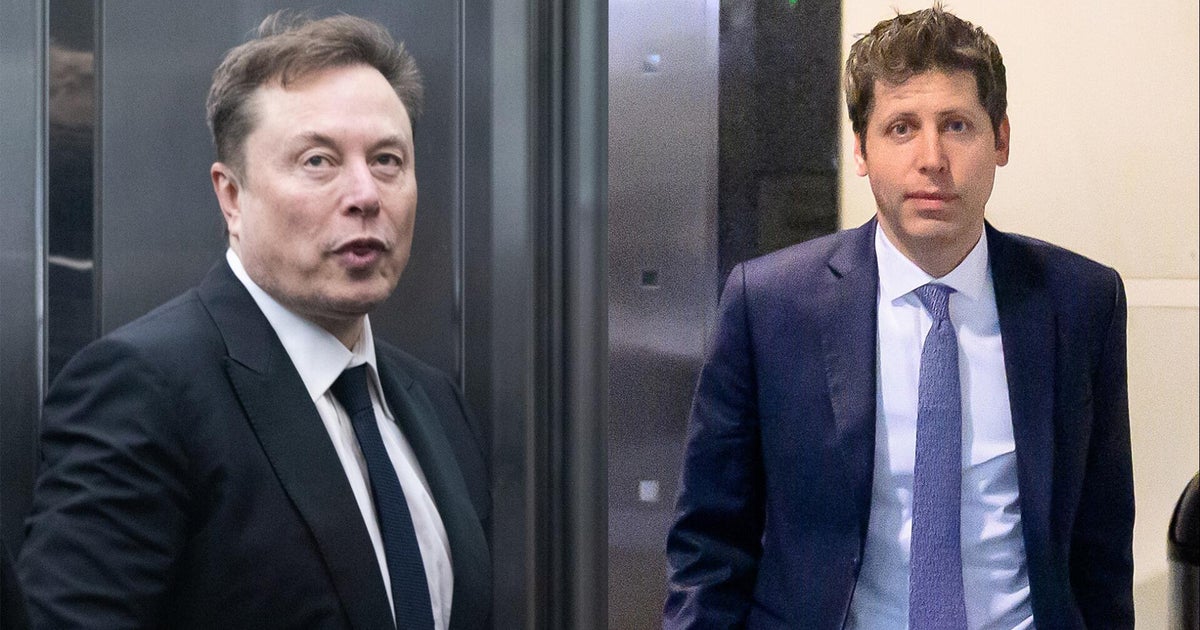
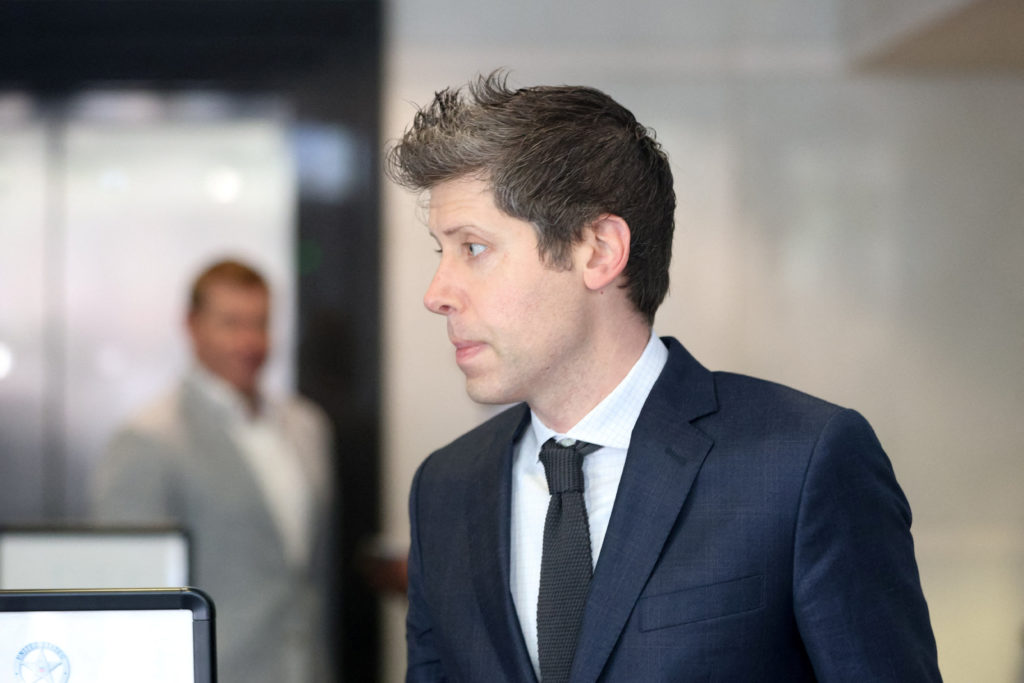
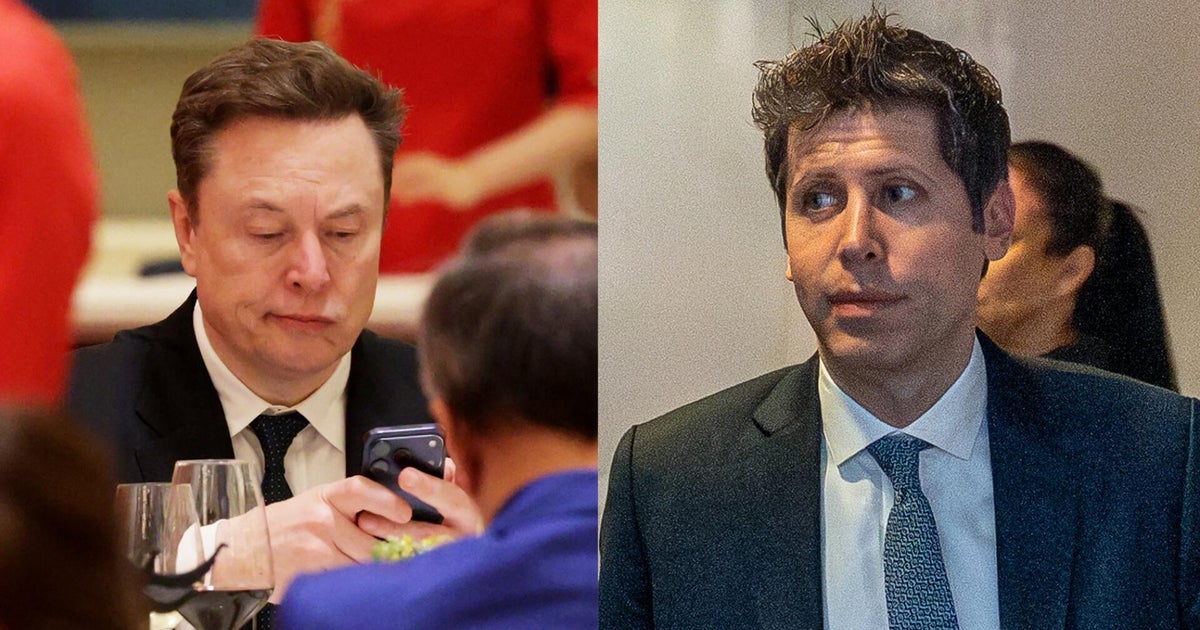
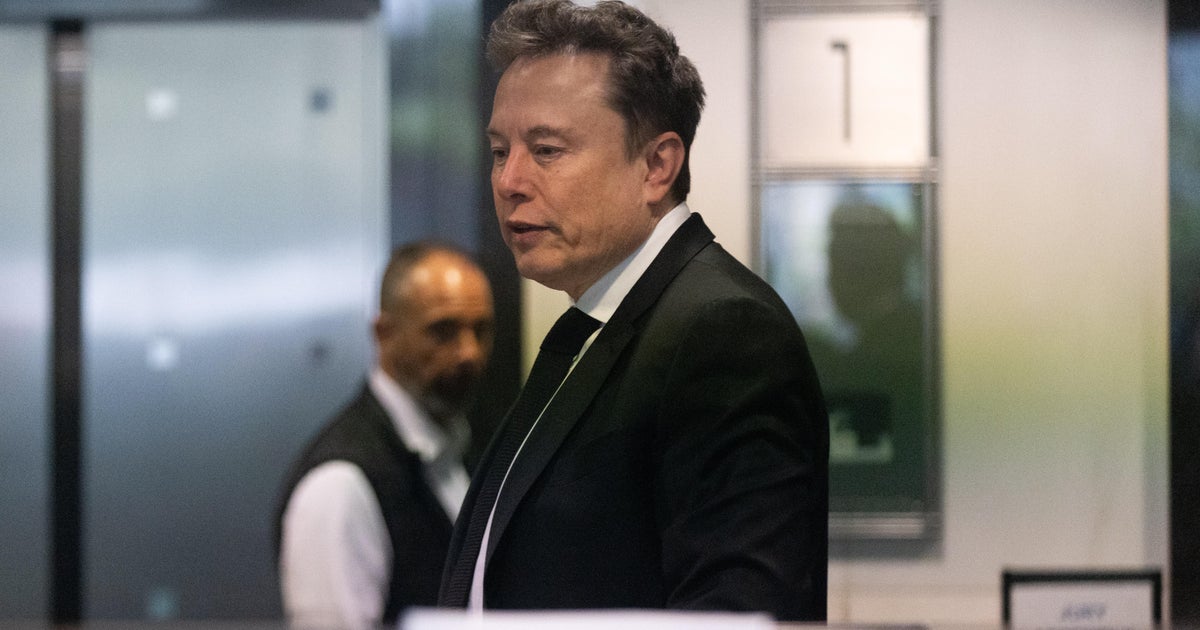
A US jury ruled against Elon Musk in his lawsuit claiming OpenAI broke its original nonprofit mission. The jury said Musk filed the case too late, ending his attempt to force OpenAI back to a nonprofit and protect its major investors.
Key Facts
Elon Musk sued OpenAI, accusing it of misusing its nonprofit status and enriching investors.
The lawsuit claimed OpenAI misled Musk into giving $38 million before creating a for-profit branch.
OpenAI started as a nonprofit in 2015; Musk left its board in 2018, and the company formed a for-profit in 2019.
A federal jury in Oakland, California, ruled unanimously that Musk's claim was filed too late.
The trial lasted 11 days, focusing on the actions and credibility of Elon Musk and OpenAI CEO Sam Altman.
Musk wanted OpenAI to revert to a nonprofit, which would have stopped its plans for a public stock offering and affected investors like Microsoft and Amazon.
Musk’s lawyer said they may appeal, but the judge indicated challenging the statute of limitations ruling would be difficult.
The case highlighted tensions about how AI should be developed and who should benefit from it.
Read the Original
Want the full story? Tap a source to open the original
article.
The UK regulator Ofcom is updating rules for social media and online platforms to better stop intimate image abuse, including revenge porn and AI-created deepfakes. The new rules encourage using technology to detect and block these harmful images before they spread online.
Key Facts
Intimate image abuse means sharing private sexual or nude images without consent, often to humiliate women and girls.
Ofcom plans to change its rules to force platforms to find and remove these images quickly.
AI-generated deepfakes, fake sexual videos created by artificial intelligence, have made the problem worse.
The new code suggests using "hash-matching" technology that can recognize and block illegal images automatically.
Campaign groups say current efforts are not strong enough and want Ofcom to require tech firms to take tougher action.
The rules aim to stop niche forums that share intimate images of women linked to specific places, posing safety risks.
The new guidelines are expected to start in autumn after approval by parliament.
UK politics leaders, including Keir Starmer and technology secretary Liz Kendall, have called for urgent government action against these abuses.
Read the Original
Want the full story? Tap a source to open the original
article.
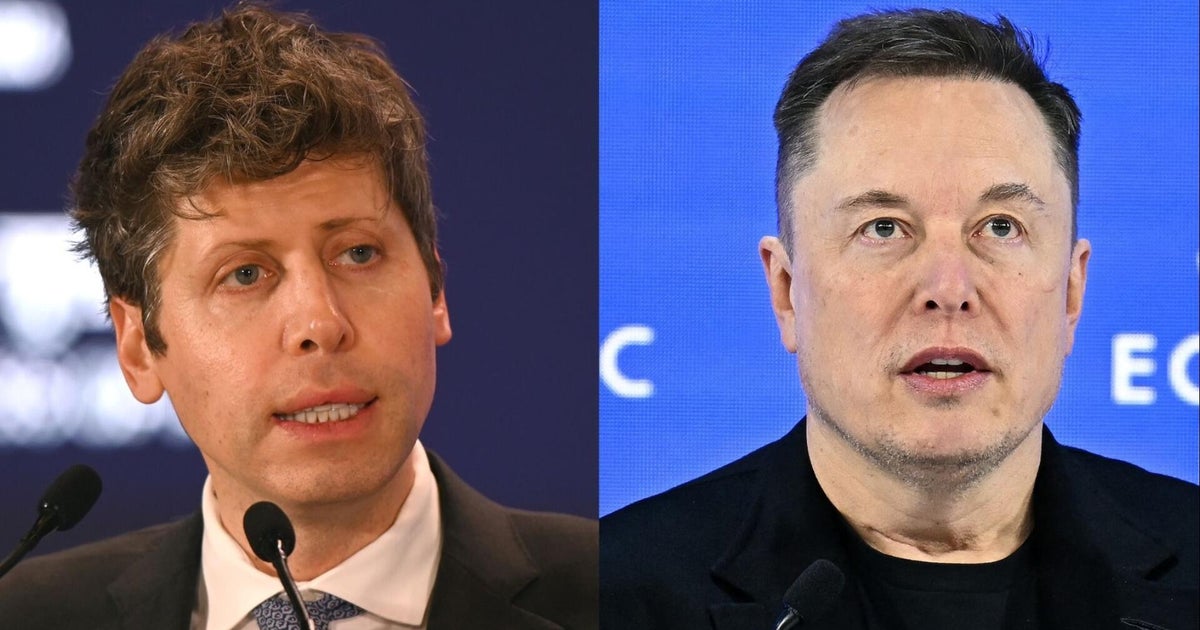
A jury has rejected a lawsuit filed by Elon Musk against OpenAI and its CEO Sam Altman. The dismissal was because the lawsuit was filed after the legal time limit to sue, known as the statute of limitations, had expired.
Key Facts
Elon Musk filed a lawsuit against OpenAI and Sam Altman.
The lawsuit was dismissed unanimously by a jury.
The reason for dismissal was that the statute of limitations had expired.
The statute of limitations is the deadline for filing a lawsuit.
The case involved parties linked to artificial intelligence technology.
The news was reported by CBS News journalists Jo Ling Kent and Jessica Levinson.
The dismissal means the lawsuit will not proceed or be decided on its merits.
OpenAI is a company focused on artificial intelligence research and development.
Read the Original
Want the full story? Tap a source to open the original
article.
A federal jury ruled in favor of OpenAI and its leaders in a lawsuit filed by Elon Musk. The jury decided Musk waited too long to bring the case and missed the legal deadline for filing.
Key Facts
Elon Musk, co-founder of OpenAI, sued OpenAI and its top executives.
Musk claimed they moved from a nonprofit focus to making money without his agreement.
Musk invested $38 million in OpenAI during its early years.
OpenAI created ChatGPT, a well-known AI chatbot.
The jury had nine members and made the decision in Oakland, California.
The jury said Musk’s lawsuit was filed after the allowed time period had passed.
OpenAI CEO Sam Altman and his deputy were the main executives involved.
The case focused on Musk’s claim of a broken shared vision for AI development.
Read the Original
Want the full story? Tap a source to open the original
article.
A federal jury dismissed Elon Musk's lawsuit against OpenAI and its CEO, Sam Altman. The dismissal happened because the case was filed too late, outside the allowed time frame under the law.
Key Facts
Elon Musk filed a lawsuit against OpenAI and Sam Altman.
The lawsuit was dismissed by a federal jury.
The dismissal was due to the statute of limitations, meaning the lawsuit was filed after the legal deadline.
OpenAI is a technology company focused on artificial intelligence.
Sam Altman is the CEO of OpenAI.
The case details beyond timing were not part of the dismissal decision.
CBS News reporters Jo Ling Kent and Jessica Levinson reported on the story.
Read the Original
Want the full story? Tap a source to open the original
article.
A California jury decided against Elon Musk in his lawsuit against OpenAI and its co-founder Sam Altman. The jury quickly dismissed Musk’s claims about the company’s nonprofit setup, ending a long dispute between the two tech leaders.
Key Facts
The jury in California ruled unanimously against Elon Musk’s claims.
The lawsuit was filed against OpenAI and its co-founder Sam Altman.
A jury in California ruled against Elon Musk in his lawsuit claiming OpenAI shifted from its original mission to benefit humanity. The jury said Musk filed the case too late, and OpenAI is not responsible for the alleged wrongdoing.
Key Facts
The lawsuit was filed by Elon Musk against OpenAI, claiming it had moved away from its mission to help humanity.
A jury in Oakland, California, gave a unanimous verdict against Musk, saying he waited too long to sue.
The trial lasted 11 days, with both sides questioning each other’s honesty.
Musk helped start OpenAI in 2015 and invested $38 million initially.
Musk accused OpenAI CEO Sam Altman of secretly trying to make money and accused the company of ignoring AI safety.
OpenAI argued there was never a promise to stay nonprofit and that Musk wanted control over the company.
Microsoft is a major investor in OpenAI, spending more than $100 billion in partnership efforts.
Musk’s AI company xAI is linked to SpaceX, which plans a large public stock offering (IPO).
Read the Original
Want the full story? Tap a source to open the original
article.
A jury in California dismissed Elon Musk's lawsuit against OpenAI and its CEO Sam Altman because the complaint was filed too late. The three-week trial ended with the jury unanimously agreeing to reject the claims based on the legal time limit known as the statute of limitations.
Key Facts
The lawsuit was filed by Elon Musk against OpenAI and Sam Altman.
The case was heard in an Oakland, California courtroom over about three weeks.
Both Sam Altman and Elon Musk testified during the trial.
Executives from OpenAI and Microsoft, as well as legal experts, also gave testimony.
Judge Yvonne Gonzalez Rogers oversaw the trial, with the jury acting as advisors.
The jury unanimously dismissed the case due to the statute of limitations (time limit for filing).
Neither Musk’s nor OpenAI’s legal teams immediately commented after the verdict.
The case involved claims related to artificial intelligence, but the dismissal was based on timing, not the merits of the claims.
Read the Original
Want the full story? Tap a source to open the original
article.
A California jury dismissed Elon Musk's lawsuit against OpenAI and its CEO, Sam Altman, because Musk filed the case too late. Musk claimed OpenAI broke its promise by changing from a non-profit to a for-profit company after he donated $38 million, but the jury found the lawsuit was not filed within the allowed time.
Key Facts
Elon Musk sued OpenAI and Sam Altman, accusing them of breaking a non-profit agreement.
Musk donated $38 million to OpenAI when it was a non-profit organization.
He claimed OpenAI became a for-profit company, which he said was a betrayal.
The jury rejected the lawsuit because Musk filed it after the legal deadline expired.
Musk and Altman both testified during the three-week trial.
Microsoft CEO Satya Nadella also gave testimony, as Microsoft was mentioned in the lawsuit.
Musk left OpenAI in 2018 after being denied control of the company.
The jury also dismissed Musk’s claims against Microsoft.
Read the Original
Want the full story? Tap a source to open the original
article.
A federal jury rejected Elon Musk’s lawsuit against OpenAI and its leaders, saying Musk waited too long to sue. Musk claimed OpenAI broke a promise to stay a nonprofit, but the court dismissed these claims after a three-week trial in California.
Key Facts
Elon Musk co-founded OpenAI in 2015 and invested about $38 million early on.
Musk sued OpenAI’s CEO Sam Altman and President Greg Brockman, saying they shifted the company from nonprofit to for-profit.
The jury decided Musk filed the lawsuit too late, outside the allowed time to bring such claims.
The judge accepted the jury’s decision and dismissed the lawsuit completely.
OpenAI and its leaders denied any broken agreements about remaining nonprofit.
The trial revealed details about OpenAI’s early years and the disagreement between Musk and Altman.
OpenAI is currently valued at about $852 billion and may go public soon.
Musk wanted court orders to remove OpenAI’s leaders and return profits to charity, but the court did not grant these.
Read the Original
Want the full story? Tap a source to open the original
article.
A federal court dismissed Elon Musk’s lawsuit against OpenAI and its executives, ruling that Musk filed the case too late. Musk had accused OpenAI’s leaders of breaking a commitment to keep the company nonprofit and acting against their shared vision, but the jury accepted the court’s decision to reject his claims.
Key Facts
Elon Musk sued OpenAI, claiming the company shifted from nonprofit to profit-driven without his approval.
The jury found Musk missed the deadline to file the lawsuit, known as the statute of limitations.
Judge Yvonne Gonzalez Rogers accepted the jury’s advisory verdict and dismissed Musk’s claims.
Musk co-founded OpenAI and invested $38 million in its early years.
OpenAI CEO Sam Altman and president Greg Brockman were defendants in the case.
The trial revealed tensions between Musk and OpenAI’s leadership over the company’s direction.
OpenAI is now valued at about $852 billion and is preparing for a large public stock offering.
Musk’s complaints included claims of breach of charitable trust and unjust enrichment by OpenAI executives.
Read the Original
Want the full story? Tap a source to open the original
article.
A federal jury decided that Elon Musk waited too long to file his lawsuit against OpenAI and its leaders. This ruling means Musk will likely not receive any damages or force changes at OpenAI.
Key Facts
A federal jury ruled unanimously against Elon Musk’s lawsuit on Monday.
Musk claimed OpenAI and its executives abandoned their nonprofit mission for profit.
He sought up to $134 billion in damages and the removal of OpenAI’s CEO, Sam Altman.
The jury found Musk’s claims were barred by the statute of limitations, meaning he filed too late.
The judge accepted the jury’s decision and ended the case.
OpenAI, its executives, and Microsoft are not liable for Musk’s claims.
The lawsuit challenged the power structure in the AI industry.
The case involved Musk’s charitable trust claims against OpenAI and its leaders.
Read the Original
Want the full story? Tap a source to open the original
article.
A jury in Oakland, California, found Sam Altman and Greg Brockman of OpenAI not guilty of breaking contracts or wrongly benefiting themselves in a lawsuit filed by Elon Musk. The case centered on whether OpenAI's change from a non-profit to a for-profit company broke an agreement made at its founding.
Key Facts
Elon Musk sued Sam Altman and Greg Brockman, claiming they broke a founding agreement and misused OpenAI for personal gain.
The jury ruled in favor of Altman and Brockman, saying they were not liable for Musk’s claims.
The lawsuit asked for $134 billion and the removal of Altman and Brockman from OpenAI.
The case focused on OpenAI’s change from a non-profit to a for-profit structure.
Judge Yvonne Gonzalez Rogers said she would likely agree with the jury’s decision.
The trial lasted three weeks and involved testimony from key tech leaders, including Musk, Altman, and Microsoft CEO Satya Nadella.
OpenAI argued Musk was aware of the for-profit plans and suggested Musk’s lawsuit was motivated by jealousy after failing to take over the company in 2018.
The trial revealed many internal documents and private communications about OpenAI’s history and development.
Read the Original
Want the full story? Tap a source to open the original
article.
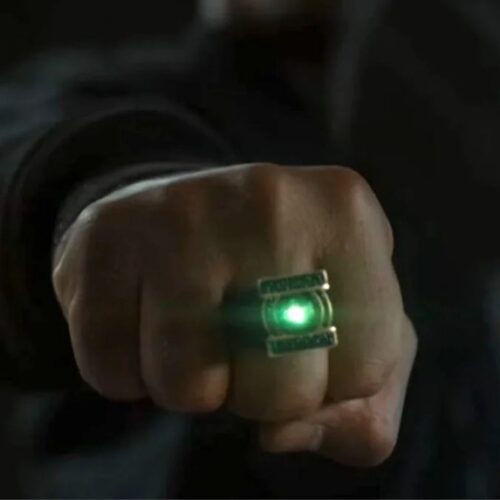
The new DC Universe series Lanterns will premiere on HBO Max on August 16, 2026. The show follows two intergalactic police officers investigating a murder in Nebraska, blending gritty crime drama with superhero and sci-fi elements.
Key Facts
Lanterns is a DC Universe series coming to HBO Max in 2026.
The story features John Stewart, a new recruit, and Hal Jordan, a retiring Green Lantern Corps member.
The plot includes two timelines: one in 2016 involving a Nebraska murder, and another set in 2026.
Nathan Fillion returns as Guy Gardner in a cameo role.
The series mixes realistic detective drama with superhero powers and intergalactic settings.
Cast members include Kyle Chandler, Aaron Pierre, Kelly MacDonald, and Jason Ritter.
The show will include elements from Peacemaker’s Season 2, like an inter-dimensional prison and the Checkmate organization.
DC Studios co-CEO James Gunn says Lanterns will help set up larger stories in the DC Universe.
Read the Original
Want the full story? Tap a source to open the original
article.
A jury of nine people will start deciding on a civil lawsuit filed by Elon Musk against OpenAI CEO Sam Altman. The lawsuit is asking for $150 billion in damages.
Key Facts
Elon Musk filed a civil lawsuit against Sam Altman, CEO of OpenAI.
The lawsuit is asking for $150 billion.
A jury of nine people will begin deliberations on Monday.
The case is related to issues involving artificial intelligence.
Rachel Metz, a reporter specializing in artificial intelligence, covered the story for Bloomberg.
Read the Original
Want the full story? Tap a source to open the original
article.
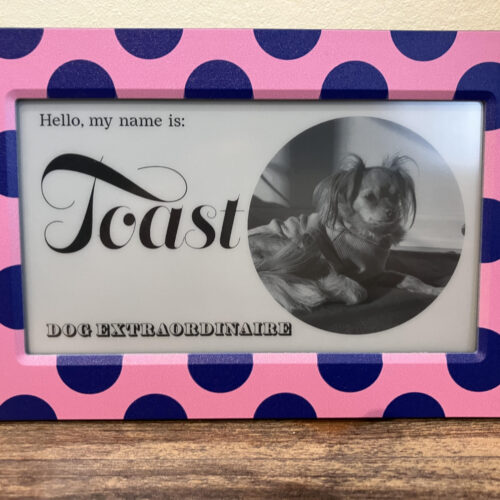
The Dory Sign is a small, smart sign with a 5.2-inch E Ink screen that shows messages and images clearly without bright lights. You control it using a free app on iOS or Android, which lets you easily change text, images, and backgrounds via Bluetooth.
Key Facts
Dory Sign has a 5.2-inch E Ink display with 1280×720 resolution and 16 shades of gray.
It weighs 5.29 ounces and measures 2.76 inches on each side.
The sign runs on a 3V, 1900 mAh lithium battery.
Users control the sign through a free app without needing to give personal info like email or name.
The app allows editing header, main, and footer text, adding one image, and choosing backgrounds.
Changes update in real time and work via Bluetooth when the phone is close to the sign.
The sign does not use bright backlighting, making it easier on the eyes.
You must press the sign's power button to update the display each time.
Read the Original
Want the full story? Tap a source to open the original
article.
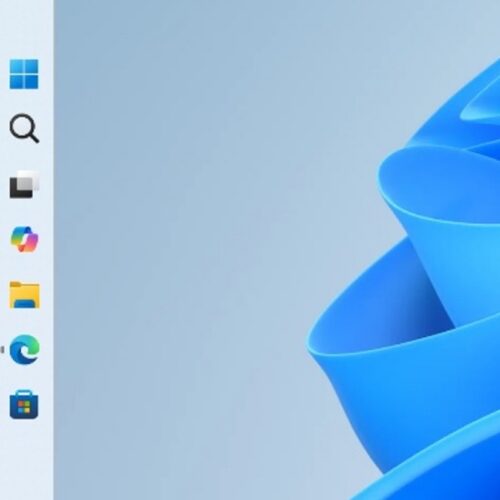
Microsoft is updating Windows 11 to bring back some taskbar features that were missing since the system's launch in 2021. The new update lets users move the taskbar to any edge of the screen and customize its settings, along with improvements to the Start menu for better control over app recommendations.
Key Facts
Windows 11 originally removed some taskbar functions present in Windows 10, such as docking the taskbar on the left or right side of the screen.
The new Windows Insider Preview build restores the ability to place the taskbar on any screen edge.
Users can set different taskbar behaviors and icon alignments for each edge position.
Some features like auto-hide on side taskbars, tablet-optimized taskbar, touch gestures, and Search box support are still not available but planned.
Microsoft is considering adding support for different taskbar positions on multiple monitors.
A new option makes the taskbar and its icons smaller to save vertical space, helpful on small screens.
The Start menu will have options to turn on or off pinned apps, recommended apps, and the “all apps” section individually.
Users can hide recommended apps while still seeing recent files and jump lists in File Explorer, with improved relevance for recommendations.
Read the Original
Want the full story? Tap a source to open the original
article.
Tata Electronics has partnered with Dutch company ASML to build India’s first advanced semiconductor fabrication plant in Gujarat. The plant will use ASML’s lithography technology to produce chips for cars, smartphones, and artificial intelligence by 2028, helping India reduce its reliance on imported microchips.
Key Facts
Tata Electronics signed a deal with ASML to supply chip-making technology for a new plant.
The plant will be located in Dholera, Gujarat, with an $11 billion investment.
It will manufacture semiconductor chips using 300mm silicon wafers, a global industry standard.
Chips produced will serve sectors like automotive, mobile devices, and AI applications.
India currently imports most advanced chips and aims to develop domestic manufacturing.
Tata Electronics is also partnering with Taiwan’s Powerchip Semiconductor Manufacturing Corporation.
The plant is expected to be operational by 2028.
India and Taiwan increased technology trade to $10 billion in 2024, supporting India’s semiconductor ecosystem development.
Read the Original
Want the full story? Tap a source to open the original
article.
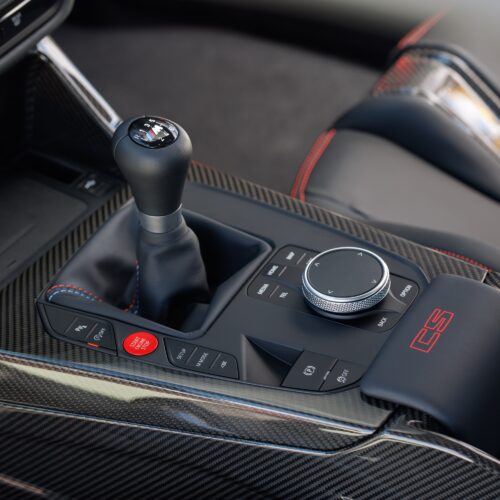
BMW is releasing a special version of its sixth-generation M3 car called the M3 CS Handschalter that features a six-speed manual transmission and rear-wheel drive, made only for North America. This model is lighter than previous versions due to parts made from carbon fiber and other materials, and it keeps the 473 horsepower six-cylinder engine used in the standard M3.
Key Facts
The M3 CS Handschalter has a six-speed manual gearbox, unlike the M3 Competition or regular M3 CS which use an eight-speed automatic.
It is rear-wheel drive only, with no all-wheel-drive option (xDrive).
The engine produces 473 horsepower, the same as the regular six-speed M3, not the more powerful M3 Competition engine.
The car is roughly 75 pounds (34 kilograms) lighter because of the titanium exhaust, carbon-fiber seats, carbon ceramic brakes, lighter wheels, and carbon-fiber body panels.
A special paint option called Imola Red costs $4,500.
The M3 CS Handschalter costs $107,100.
BMW plans a future all-electric M3 with four motors based on its Neue Klasse platform, but it likely will not have a manual transmission.
The engine in this M3 is related to the one in BMW’s M4 GT3 race car that has won major racing events like the Rolex 24 at Daytona.
Read the Original
Want the full story? Tap a source to open the original
article.
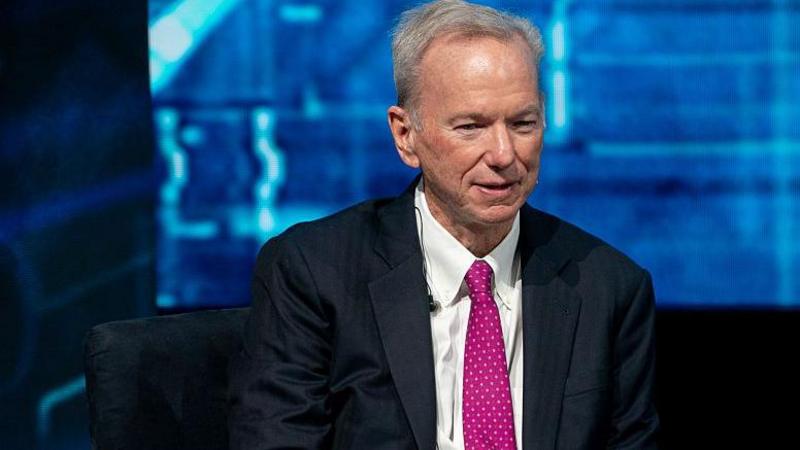
At the University of Arizona graduation, former Google CEO Eric Schmidt was booed by students when he mentioned artificial intelligence (AI). This reaction shows growing concern among young people about AI's effects on jobs and education.
Key Facts
Eric Schmidt spoke at the University of Arizona graduation about the rise of AI.
Students booed him when he mentioned AI and compared it to the computer boom 40 years ago.
Schmidt said students’ fears about AI are understandable but encouraged them to shape its future.
Similar boos happened at other universities when speakers mentioned AI.
Many students worry AI will threaten their job prospects and hinder learning.
Some students are shifting their studies away from tech-heavy fields to focus on skills like critical thinking and communication.
Surveys show about half of American adults are more worried than excited about AI’s growing use.
The concern is stronger where AI can easily replace technology jobs.
Read the Original
Want the full story? Tap a source to open the original
article.