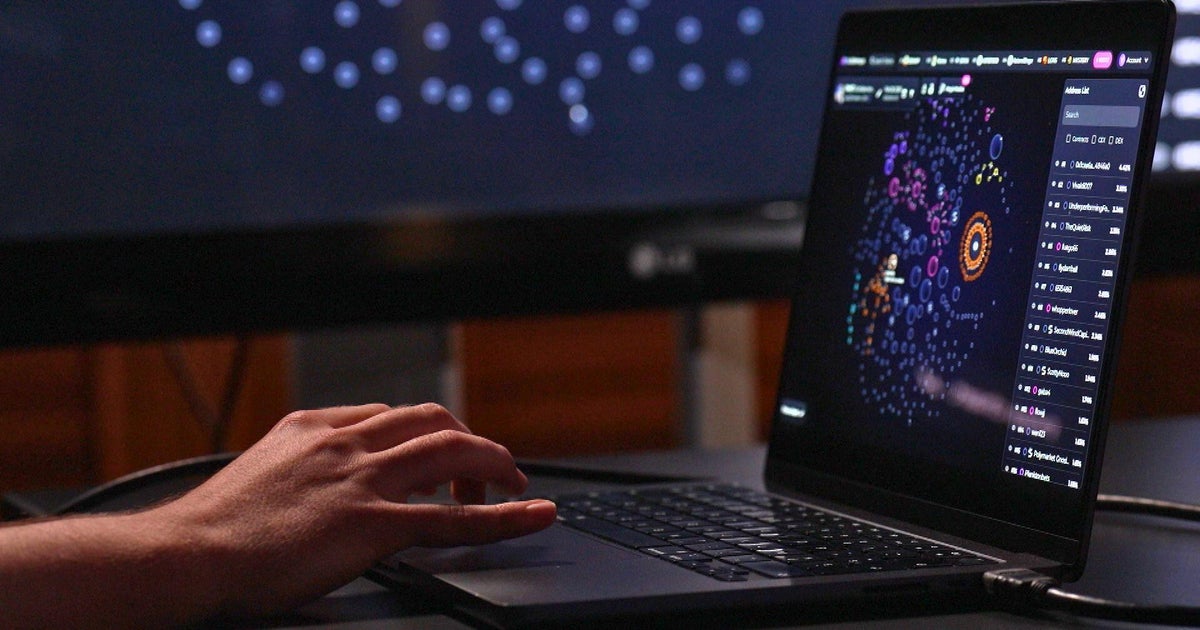
Companies that pay security researchers to find software problems are now receiving many low-quality reports created by AI tools. This surge has caused some businesses to pause their bug bounty programs while they find ways to handle the flood of false reports.
Key Facts
Bug bounty programs pay hackers to find security flaws in software.
AI tools have increased the number of bug reports, but many are incorrect or low-quality.
Bugcrowd reported that submissions more than quadrupled in March, mostly false.
Curl and Nextcloud suspended their bug bounty programs due to too many poor AI-generated reports.
Experienced and amateur researchers alike are affected by AI-generated incorrect bug findings.
Some companies are using AI tools themselves to sort through and validate the many submissions.
HackerOne reported a 76% increase in reports but says 25% still identify real vulnerabilities.
Experts believe AI will assist but not replace human creativity in finding software issues.
Read the Original
Want the full story? Tap a source to open the original
article.
Eric Schmidt, former CEO of Google, spoke about artificial intelligence (AI) and its impact on society during a University of Arizona graduation ceremony. His remarks about the fears young people have regarding AI and its effect on jobs caused some students to boo and voice their worries.
Key Facts
Eric Schmidt led Google for over ten years and has significant experience with technology.
At the University of Arizona, he discussed how technology evolved from laptops to smartphones and social media.
Schmidt said technology both connects and isolates people and has caused new problems like political division.
He acknowledged fears among young people that AI might reduce future job opportunities.
Schmidt encouraged graduates to shape AI's development rather than be shaped by it.
Similar negative reactions to AI remarks happened at the University of Central Florida.
Pew Research found about half of Americans feel more worried than excited about AI’s growing role.
Nvidia CEO Jensen Huang told graduates AI will create many new jobs despite automating some tasks.
Read the Original
Want the full story? Tap a source to open the original
article.
Anthropic, a US AI startup, will inform the global financial watchdog about potential cyber risks from its AI model called Claude Mythos. The company has not released Mythos publicly but has shared it with some banks and tech firms to find security weaknesses.
Key Facts
Anthropic developed an AI model named Claude Mythos that can find unknown flaws in computer systems.
The Financial Stability Board (FSB), which advises on global financial stability, will be briefed on Mythos by Anthropic.
Mythos is not publicly available but is shared with companies like Apple and JP Morgan to help improve cybersecurity.
The UK’s AI Security Institute tested Mythos and found it can solve advanced cybersecurity challenges better than before.
Mythos passed a tough cybersecurity test called “cooling tower” three out of ten times, a first among AI models tested.
The FSB includes officials from major economies such as the US, UK, Australia, and China.
The International Monetary Fund (IMF) warned that AI developments increase financial system risks and need coordinated oversight.
Experts say Mythos is an improvement in cyber threat detection but that many cyber attacks still come from known security gaps.
Read the Original
Want the full story? Tap a source to open the original
article.
A new clinical trial found that a single dose of psilocybin, the active ingredient in magic mushrooms, may help people stop using cocaine. The study showed participants receiving psilocybin were more likely to stop cocaine use than those given a placebo, with both groups receiving therapy support.
Key Facts
The study involved 36 participants, with 19 receiving psilocybin and 17 receiving a placebo (diphenhydramine).
Participants worked with therapists to understand and process their experiences.
No FDA-approved medications currently exist for treating cocaine or stimulant addiction.
Cocaine-related deaths are increasing worldwide as cocaine production rises.
The study included mostly low-income Black men, a group disproportionately affected by cocaine-related arrests.
Psilocybin may help by increasing brain and psychological flexibility, allowing people to change addictive behaviors.
Unlike other addiction medicines, psilocybin acts in a single dose and is used during therapy sessions.
The trial excluded people with depression and anxiety, but psilocybin shows potential for those conditions too.
Read the Original
Want the full story? Tap a source to open the original
article.
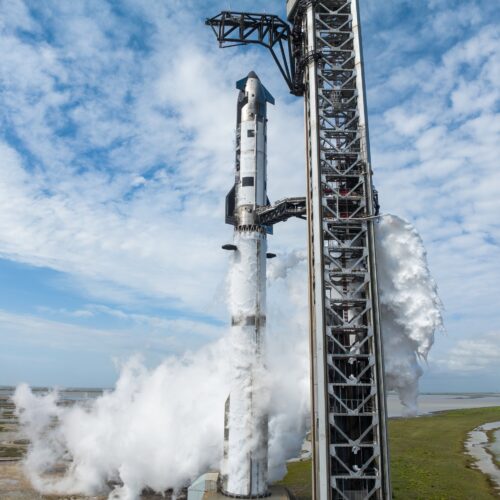
SpaceX, known for making rockets, has expanded into telecommunications and artificial intelligence services. Its future depends heavily on the Starship rocket, which has faced many tests and delays but may fly again soon.
Key Facts
SpaceX spent $17 billion buying wireless spectrum to improve its Starlink internet network.
The company plans to launch one million orbital data centers in space.
SpaceX merged with Elon Musk’s AI firm xAI, valued at $250 billion.
The company is also moving into computer chip manufacturing.
SpaceX may soon have an IPO valuing it at $1.5 to $2 trillion.
Starship, SpaceX’s new rocket, has had 11 test flights and many technical challenges.
Developing Starship has cost about $15 billion over 10 years.
Starship aims to be the world’s largest, most powerful rocket with rapid reuse, a difficult engineering goal.
Read the Original
Want the full story? Tap a source to open the original
article.
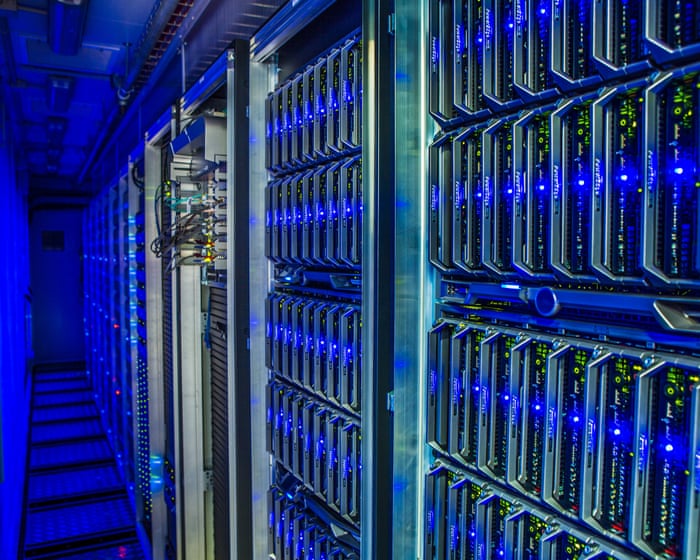
Google and SpaceX are reportedly discussing plans to launch data centers into orbit to handle the growing demand from AI and internet use. These space-based data centers would use solar power and avoid land use but face major technical and cost challenges.
Key Facts
Google is working on a project called Project Suncatcher to put data centers in low Earth orbit by 2027.
SpaceX, led by Elon Musk, may help launch these data centers with rockets.
Space-based data centers could use nearly constant solar energy.
Traditional data centers use a lot of electricity and water on Earth.
It is very expensive to launch objects into space, costing tens of millions per mission now.
Cooling computers in space is difficult because there is no air to take away heat.
Repairs in orbit would be hard, so systems must work on their own for years.
Low Earth orbit is crowded, increasing the risk of collisions with other satellites.
Read the Original
Want the full story? Tap a source to open the original
article.
Nothing’s new Phone 4a Pro is a large Android smartphone with a solid aluminium body, a 6.83-inch OLED screen, and a unique LED matrix on the back that shows notifications and other information. It uses the Qualcomm Snapdragon 7 Gen 4 chip, runs Nothing OS 4.1 based on Android 16, and offers good battery life with fast charging.
Key Facts
The Phone 4a Pro has a 6.83-inch QHD+ OLED screen with a 144Hz refresh rate for smooth scrolling.
The phone’s body is made of aluminium, unlike Nothing’s earlier glass and transparent designs.
It features a circular LED dot-matrix on the back that shows timers, notifications, and can be used as a selfie screen.
The phone costs £499, placing it between the cheaper Phone 4a (£349) and the more expensive Phone 3 (£699).
Cameras include a 50MP main sensor, 50MP 3.5x telephoto, 8MP ultrawide, and a 32MP front camera.
It uses the Qualcomm Snapdragon 7 Gen 4 processor and comes with 8 or 12GB of RAM, and 128 or 256GB of storage.
The battery lasts over two days with mixed use and charges quickly (up to 58% in 30 minutes with a 50W+ charger).
Nothing OS 4.1 offers customisation options and AI tools, and is based on Android 16.
Read the Original
Want the full story? Tap a source to open the original
article.
The Royal Observatory Greenwich warns that relying too much on instant AI answers could reduce human curiosity and critical thinking. They stress that human questioning and exploring unexpected results have driven scientific discoveries, which AI alone might not achieve. At the same time, AI has helped in important scientific breakthroughs, showing both benefits and limits.
Key Facts
The Royal Observatory Greenwich says instant AI answers might make people less likely to question and think deeply.
Human knowledge and curiosity have been crucial for scientific progress over 350 years at the Observatory.
Early astronomers collected data in ways machines would not, creating valuable resources for future discoveries.
AI has aided science, such as Sir Demis Hassabis winning a Nobel prize for using AI to predict protein structures.
AI can help people challenge ideas and solve problems, but only if used responsibly.
Simply relying on AI to think for us can limit learning and creativity.
Advanced AI tools now create complex text, images, and videos but still require users to check facts carefully.
The Observatory emphasizes that quick AI answers may skip important details, making information harder to verify.
Read the Original
Want the full story? Tap a source to open the original
article.
More than 100 new datacentres in the UK plan to use gas to generate electricity because they face long waits to connect to the National Grid. This shift to burning gas for power could impact the UK’s climate goals and shows a growing trend of datacentres relying on fossil fuels.
Key Facts
Over 100 UK datacentres have requested gas connections in the past two years.
These requests total more than 15 terawatt hours of energy each year, enough to power London for about four and a half months.
Delays in connecting datacentres to the National Grid are pushing developers to seek alternative energy sources like gas.
Some datacentres plan to use gas power permanently, not just as a temporary solution.
Using gas-fired generation for datacentres raises questions about meeting the UK’s Clean Power 2030 climate target.
Officials and industry experts note a growing willingness to use fossil fuels for powering AI and datacentre projects.
Similar trends are happening in the US, where datacentres run gas generators off-grid, producing significant emissions.
The UK government and energy regulators are considering reforms to speed up electricity connections and decide how to prioritize projects.
Read the Original
Want the full story? Tap a source to open the original
article.
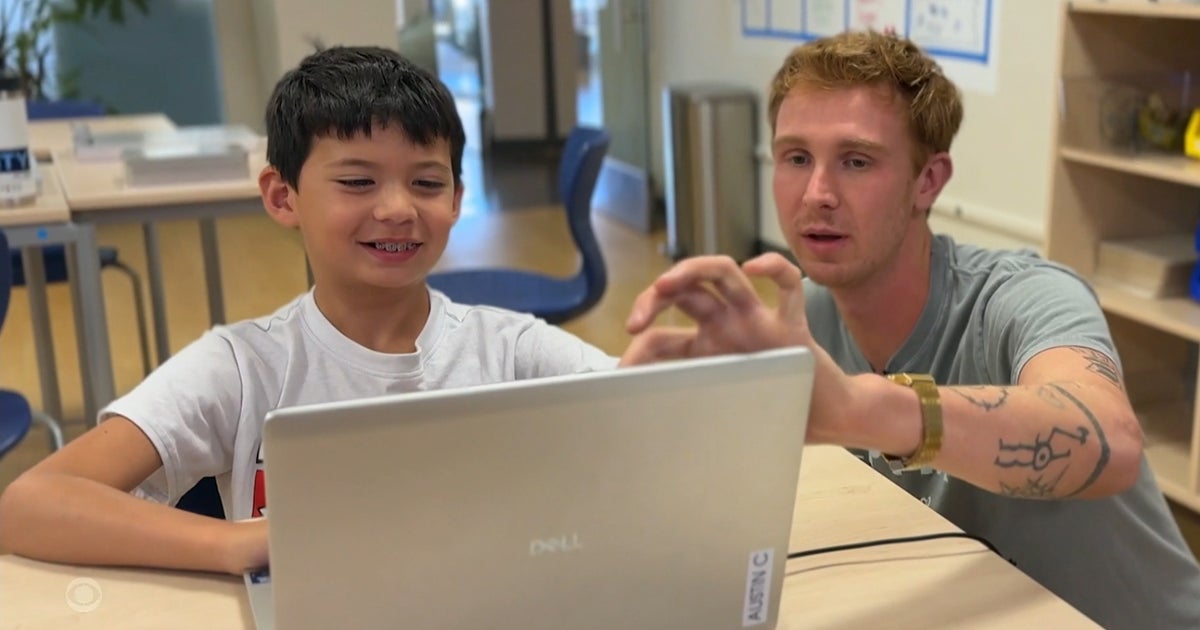
A new school in San Francisco called Alpha is using artificial intelligence (AI) to change how students learn. The school lets AI play a main role in shaping their lessons and teaching methods.
Key Facts
Alpha is a school located in San Francisco.
The school uses artificial intelligence to guide learning.
AI helps design and lead lessons for the students.
The approach is different from traditional teaching methods.
The school aims to use technology to improve education.
This is part of a growing trend of using AI in classrooms.
Read the Original
Want the full story? Tap a source to open the original
article.
A jury in California will decide on a lawsuit filed by President Elon Musk against OpenAI and its CEO Sam Altman. Musk claims OpenAI broke its original promise as a nonprofit by turning into a large, profit-driven company and misused a $38 million donation he gave.
Key Facts
The trial is the first big AI-related court case in Silicon Valley.
Musk argues OpenAI shifted from a nonprofit to a company worth $850 billion, focused on making money.
Musk claims OpenAI’s leaders used his $38 million donation wrongly, which was meant to support AI research for humanity’s benefit.
The case is happening in Oakland, California, and has lasted three weeks so far.
The jury must first decide if Musk filed the lawsuit on time, since he last gave money in 2018 but sued in 2024.
Musk wants OpenAI to go back to being a nonprofit, stopping its plans to sell shares to investors like Microsoft and Amazon.
OpenAI’s CEO Sam Altman was fired in 2023 but returned after employee support amid accusations of a difficult work environment.
The lawsuit also involves questions about whether big investors, like Microsoft, knew about any wrongdoing.
Read the Original
Want the full story? Tap a source to open the original
article.
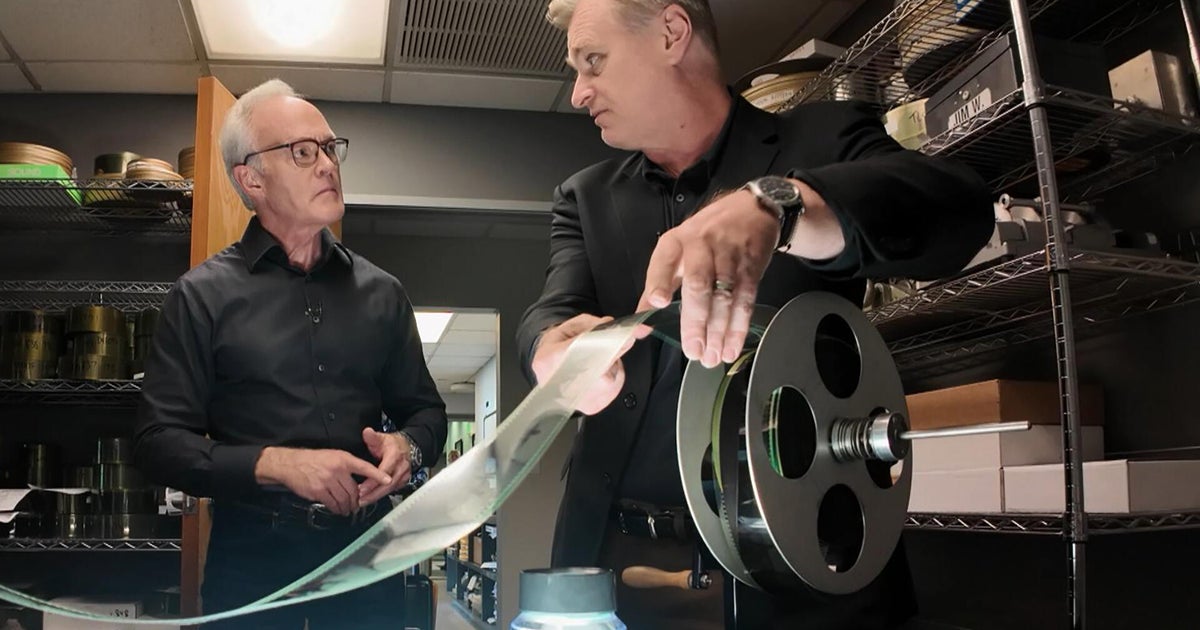
Director Christopher Nolan’s latest film, "The Odyssey," is the first feature film shot entirely on IMAX film, a format known for very high image quality. The production faced challenges like loud cameras and short shooting times, but Nolan’s team worked with IMAX to solve these problems using special camera housings and mirror systems.
Key Facts
"The Odyssey" is based on the ancient Greek epic by Homer.
Actor Matt Damon plays the main character, Odysseus.
IMAX film has up to three times better image quality than digital cameras.
IMAX film cameras can only shoot 2.5 to 3 minutes continuously before reloading.
The cameras are very loud, so a special soundproof housing ("blimp") was created to reduce noise.
The large camera housing made typical shooting angles difficult, so mirrors were used to help actors see the camera properly.
Editing IMAX film involves manually cutting and splicing thousands of pieces of film by hand.
Fotokem in Burbank, California, is one of the last labs processing 70mm film, used for IMAX.
Read the Original
Want the full story? Tap a source to open the original
article.
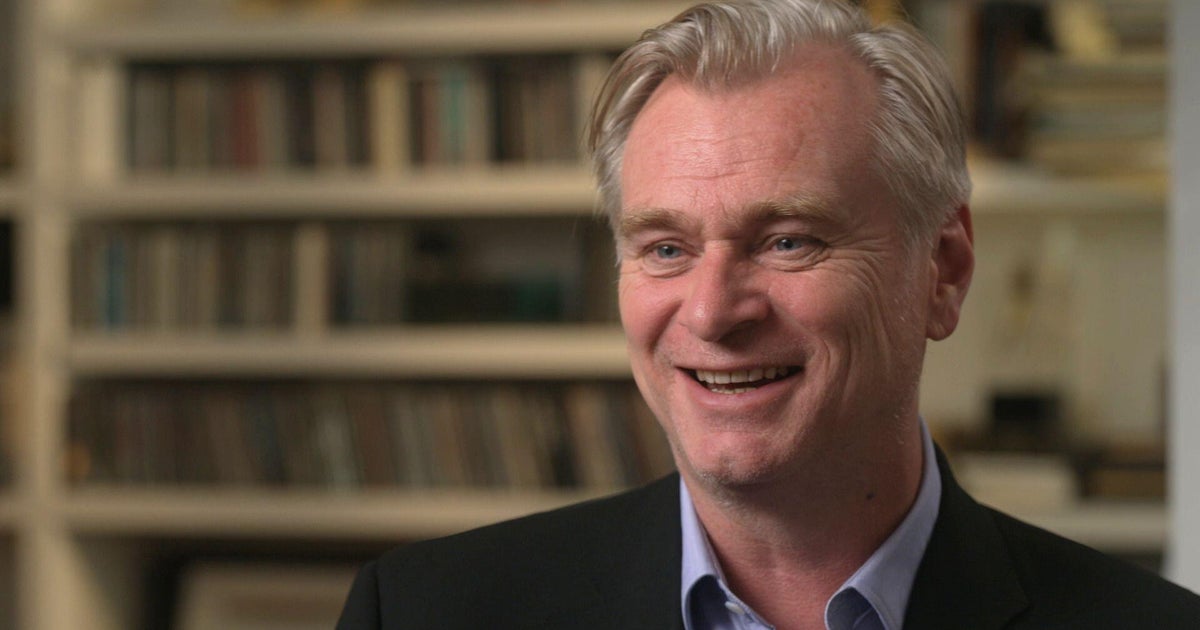
Christopher Nolan, a well-known filmmaker, is releasing a new movie this summer based on the ancient story "The Odyssey." He aims to create a very immersive and extreme version of the story, making the audience feel like they are part of the experience.
Key Facts
Christopher Nolan is a British American director with 18 Academy Awards and over $6 billion in box office earnings.
His new film is an adaptation of "The Odyssey," a story nearly 3,000 years old.
Nolan writes the screenplays for his films and has made 13 movies in 28 years.
He tries to place the audience inside the story, making them feel as if they are part of the action.
Nolan’s earlier interest in filmmaking began with a Super 8 camera as a child.
His brother Jonathan Nolan is also a filmmaker and recalls Chris making movies from a very young age.
Nolan studied literature and was rejected from film school before becoming a successful director.
Read the Original
Want the full story? Tap a source to open the original
article.
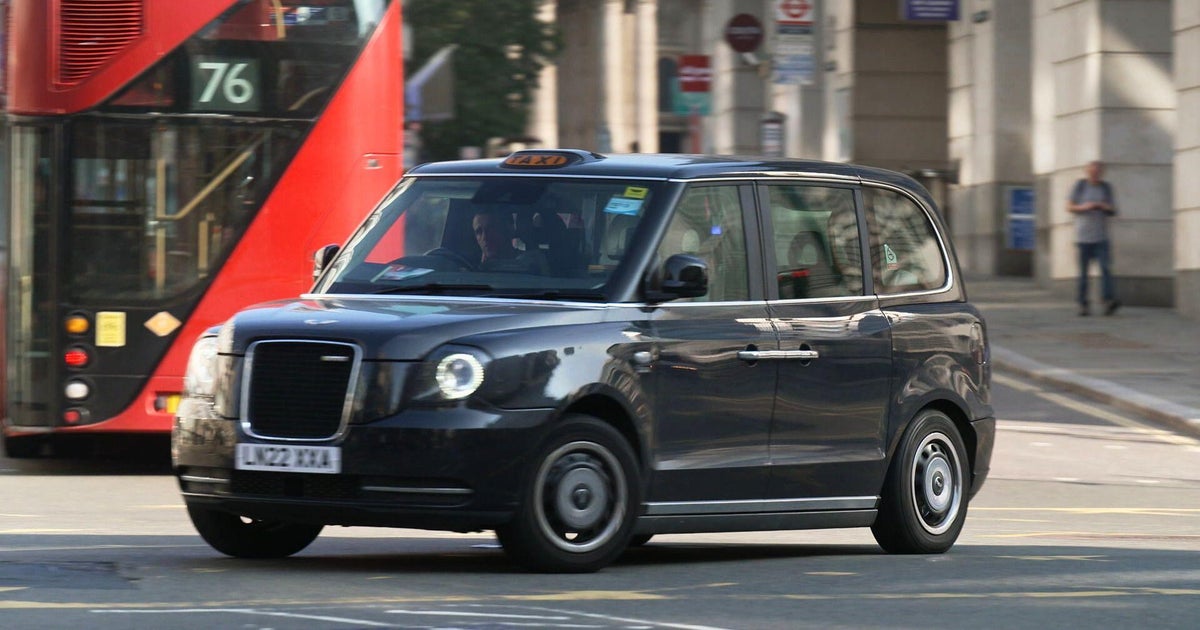
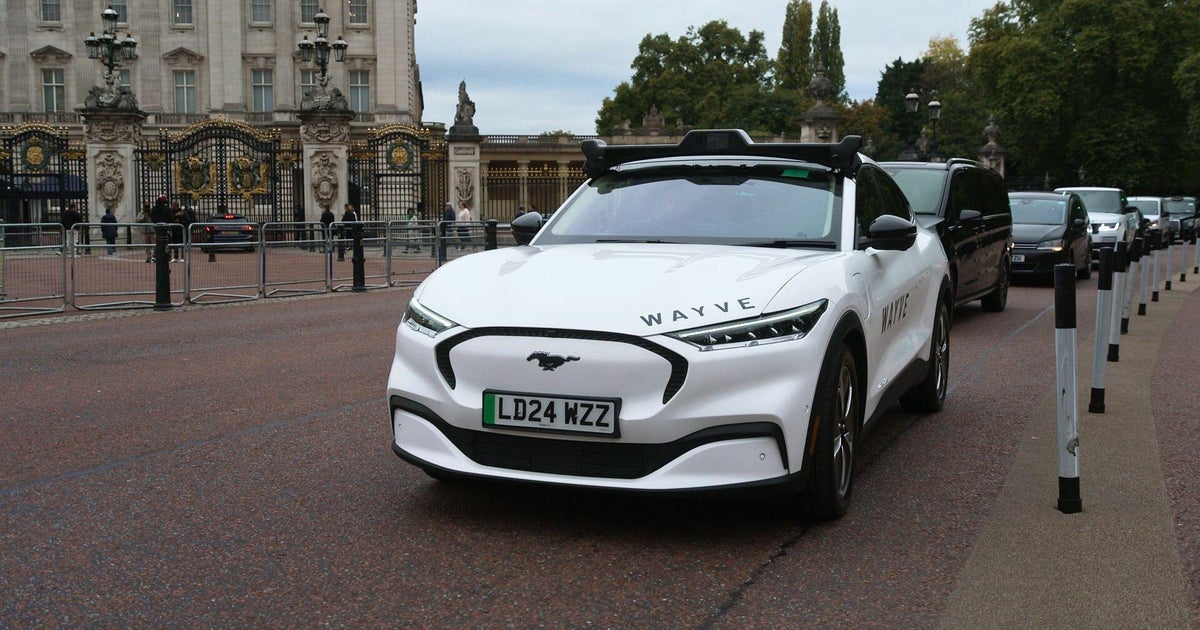
London's famous black cab drivers must memorize thousands of streets and landmarks to get a license, a skill they believe AI robotaxis cannot match. Meanwhile, companies like Waymo and Wayve are testing and preparing to launch self-driving taxis in London, aiming to offer a new, tech-driven option for riders.
Key Facts
London black cab drivers must pass the "Knowledge" test, memorizing 25,000 streets and many landmarks.
The Knowledge test involves oral exams where candidates explain the shortest route between points.
A study shows that long-time cab drivers develop larger memory-related brain areas due to this training.
The number of licensed black cab drivers in London has dropped from 25,000 to 16,000 in the past decade.
Ride-hailing companies like Uber have reduced traditional black cab drivers’ income.
British startup Wayve and American company Waymo plan to start operating AI-powered robotaxis in London soon.
Waymo’s self-driving cars use cameras, radars, microphones, and lidar sensors to navigate safely and have driven millions of miles in real life and simulations.
Waymo claims its robotaxis are five times safer than human drivers in the areas they serve.
Read the Original
Want the full story? Tap a source to open the original
article.
London's black cab drivers have to memorize 25,000 streets and thousands of landmarks to pass a tough licensing test called "the Knowledge." Meanwhile, new self-driving robot taxis using artificial intelligence are starting to appear in some cities, but London's cabbies are confident in their skills and knowledge.
Key Facts
London black cab drivers must pass "the Knowledge," a test requiring memorization of 25,000 streets and many landmarks.
The Knowledge exam has existed since 1865 and is taken orally by aspiring cabbies.
Studies show that drivers who pass the Knowledge develop larger parts of the brain related to memory.
Some tech companies are introducing AI-powered robot taxis that drive without humans.
These autonomous taxis are already operating in some U.S. cities but are not yet common in London.
Experienced cab drivers believe their detailed local knowledge and experience cannot be matched by GPS or AI.
The licensing exams involve naming shortest routes between random points in London.
Learning "the Blue Book," which lists thousands of customer points of interest, is essential for cabbie exam preparation.
Read the Original
Want the full story? Tap a source to open the original
article.
An analytics firm called Bubblemaps found nine linked accounts that won over $2.4 million by betting on key U.S. military actions using insider information on Polymarket, a prediction market platform. This case highlights concerns about a new form of insider trading involving bets on war, a market that has grown quickly but remains risky and often anonymous.
Key Facts
Nine connected Polymarket accounts made more than $2.4 million by betting on U.S. military events related to the war with Iran.
These accounts had a 98% success rate across over 80 bets, often winning on bets that seemed unlikely.
More than $1 billion has been bet online this year on military decisions and outcomes.
Prediction markets like Polymarket let people wager on the chance of future events and have become very popular.
A U.S. Army soldier, Master Sgt. Gannon Ken Van Dyke, was charged with using classified information to win bets, making over $400,000 in profits.
Polymarket states it investigates suspicious activity and works with law enforcement to stop insider trading.
Betting on military actions is banned in the U.S., but users can bypass rules using tools like VPNs to hide their identity and location.
Insider information potentially comes from many people involved in military operations, creating risks for corruption and unfair advantages.
Read the Original
Want the full story? Tap a source to open the original
article.
Christopher Nolan, a well-known movie director, talks about his work and creative process in a "60 Minutes" interview. He says he treats every film as if it might be his last and is planning a new ambitious movie called "The Odyssey."
Key Facts
Christopher Nolan directed films like "Oppenheimer," "Inception," "Interstellar," and "The Dark Knight."
He explains his approach by imagining each movie could be his final one.
Nolan is working on a new movie project called "The Odyssey."
The interview was featured on the CBS News program "60 Minutes."
Viewers can watch the interview on the CBS News app or through web browsers like Chrome and Safari.
Read the Original
Want the full story? Tap a source to open the original
article.
London black cab drivers, who must learn thousands of streets to earn their license, are facing tests of a new type as companies introduce self-driving taxis powered by artificial intelligence (AI). These robot taxis will operate without human drivers and aim to serve passengers on city streets.
Key Facts
London black cab drivers memorize many streets to qualify for their license.
New companies want to introduce AI-powered, driverless taxis called robotaxis.
Robotaxis use AI to drive themselves without a human driver.
These taxis would operate on London’s streets alongside traditional cabs.
The effort is part of a test phase for integrating autonomous vehicles into public transport.
Read the Original
Want the full story? Tap a source to open the original
article.
Director Christopher Nolan filmed his movie "The Odyssey" entirely on IMAX film. CBS News correspondent Scott Pelley visited Fotokem, the last lab that makes 70mm film prints, to see the final steps of the film’s production.
Key Facts
"The Odyssey" is the first movie shot completely on IMAX film.
Christopher Nolan is the director of "The Odyssey."
Fotokem is the last film lab that still produces 70mm film prints.
CBS News correspondent Scott Pelley interviewed Nolan at Fotokem.
The movie is being finished using traditional film technology rather than digital methods.
Read the Original
Want the full story? Tap a source to open the original
article.
Many people now use artificial intelligence (AI) tools to get advice and emotional support during difficult times. This trend is similar to how people have used tarot cards, astrology, or psychics in the past to find reassurance.
Key Facts
AI is becoming a common source of guidance and emotional help for people.
Some experts worry that people might become too dependent on AI for emotional support.
Seeking answers from outside sources, like tarot or astrology, has been a long-standing practice.
These spiritual tools are now more mainstream than before.
A 2025 Pew Research survey found that about 1 in 3 Americans use tarot, astrology, or similar tools at least once a year.
Younger generations, especially Gen Z, and social media play a big role in increasing interest in these practices.
Read the Original
Want the full story? Tap a source to open the original
article.