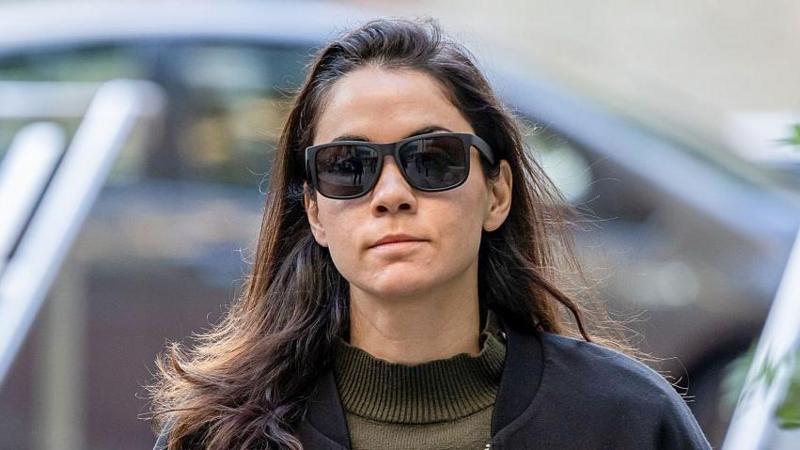
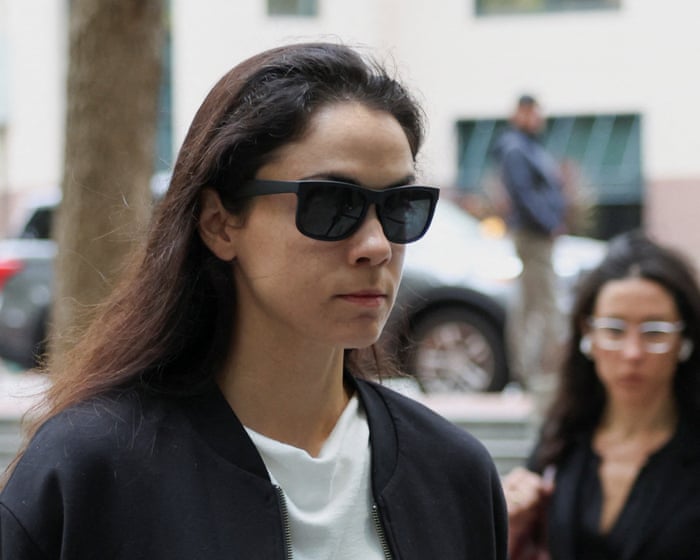
A woman named Alice was secretly filmed by a man wearing smart glasses and had the video posted online without her consent. When she asked for the video to be removed, the man said he would only take it down as a "paid service." The incident highlights concerns about privacy and misuse of smart glasses for creating harmful social media content.
Key Facts
Alice was filmed without her knowledge by a man wearing smart glasses at a London shopping center.
The video was posted on social media and viewed about 40,000 times before Alice found out.
Alice asked the man to remove the video, saying it made her feel humiliated.
The man responded that he would remove the video only if paid, calling it a "paid service."
Alice reported the incident to the Metropolitan Police, but the investigation could not proceed due to limited information.
The man emailed that he did not intend to harm anyone and denied charging for removal related to personal concerns.
TikTok removed the video and banned the man’s account for bullying and harassment.
The man reposted Alice's video on a different social media site after TikTok removed it.
Read the Original
Want the full story? Tap a source to open the original
article.
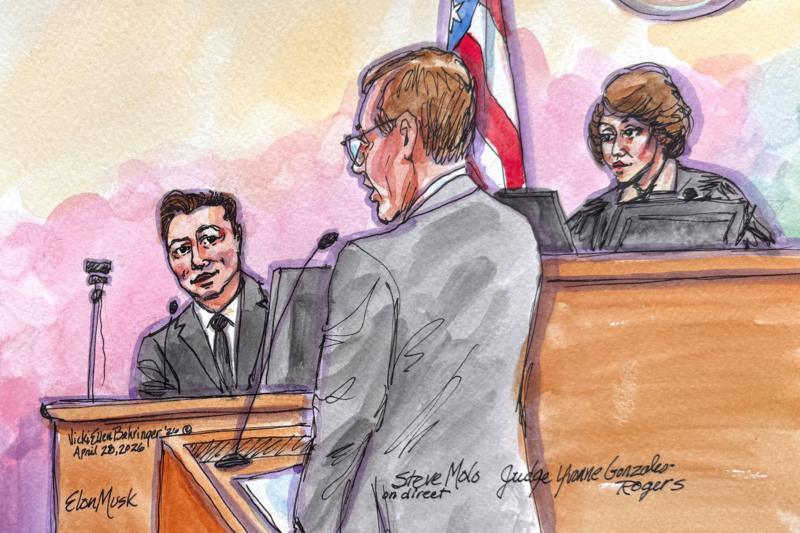
A legal dispute between Elon Musk and OpenAI’s leaders, including CEO Sam Altman, is ongoing in a California court. The judge, Yvonne Gonzalez Rogers, is managing the case and will make the final decision, even though a jury will offer advice by the end of the month.
Key Facts
Elon Musk sued OpenAI, accusing its leaders of breaking charitable trust and gaining unfair benefits.
Musk co-founded OpenAI in 2015 but left after disagreements in 2018.
The lawsuit centers on OpenAI creating a for-profit branch in 2019 before launching ChatGPT.
Musk wants the lawsuit to help his new AI startup, xAI.
Judge Yvonne Gonzalez Rogers is known for being firm and fair and is a federal judge in California.
Musk tried to act as his own lawyer during testimony but was told by the judge that he is not a lawyer and cannot lead questioning like one.
The jury will give a non-binding recommendation, but the judge will make the final ruling.
Gonzalez Rogers has handled other major technology cases, including lawsuits involving Meta, TikTok, and Apple.
Read the Original
Want the full story? Tap a source to open the original
article.
Meta and YouTube have asked a judge in Los Angeles to cancel a jury's decision that said both companies were careless in how they designed or ran their social media platforms. They filed appeals hoping the judge will remove the charges against them.
Key Facts
A jury found Meta and YouTube negligent in their platform design or operation.
Meta and YouTube are asking a Los Angeles Superior Court judge to cancel the jury's verdict.
The appeals were filed separately but around the same time.
The judge involved is Carolyn Kuhl.
The case concerns the impact of social media addiction.
The companies deny responsibility for causing addiction through their platforms.
The legal action aims to dismiss the charges from the trial.
Read the Original
Want the full story? Tap a source to open the original
article.
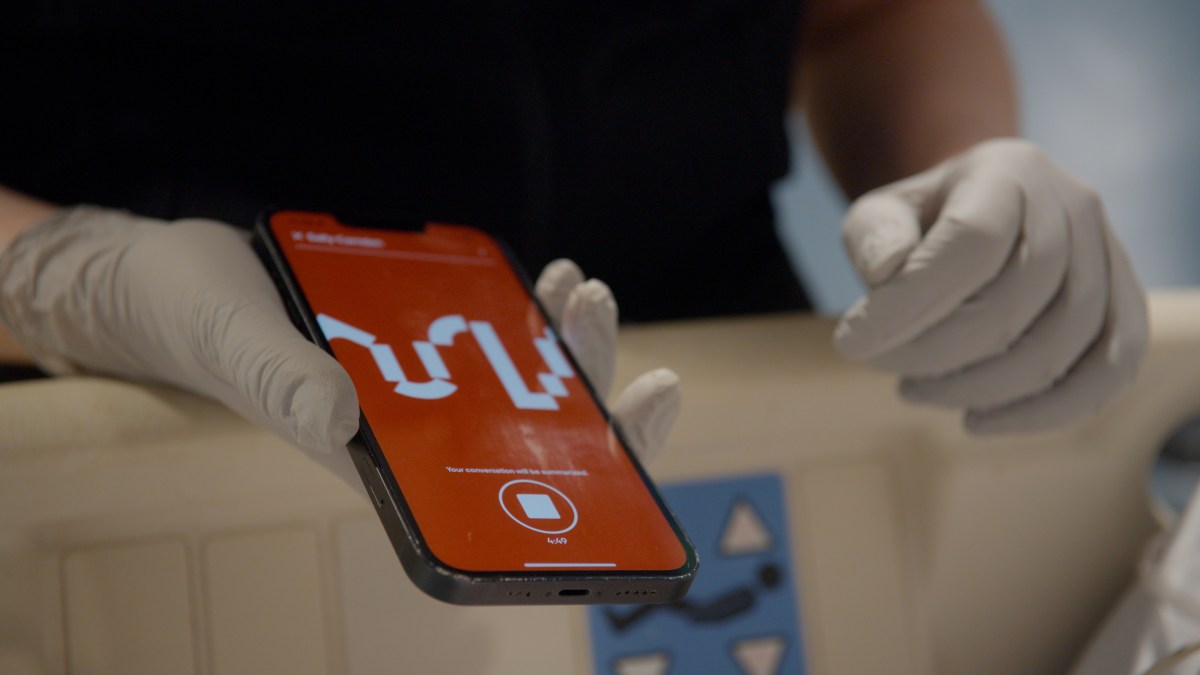
Abridge has expanded its AI tool for nurses to over 250 health systems in the U.S. This tool helps nurses by listening to patient conversations and drafting notes that nurses review and approve, aiming to reduce paperwork and improve workflow.
Key Facts
Abridge for Nurses is an AI tool designed specifically for nursing work, helping with documentation during patient care.
The platform launched first at Mayo Clinic in 2024 and is now used in health systems including Corewell Health, Johns Hopkins Medicine, and Emory Healthcare.
A recent survey found nearly 65% of U.S. nurses use more AI tools than a year ago, but 23% use no AI in daily work.
Nurses identify trust as the main barrier to adopting AI technology in healthcare.
Abridge developed the tool slowly and involved nurses in its design to build trust and ensure it fits nursing workflows.
The tool records conversations on hospital devices and drafts notes into electronic health records, which nurses then review before finalizing.
Full adoption is gradual, with many health systems using it in limited areas or pilot phases.
Nursing leaders say that although AI use is growing, widespread use and development of these tools are still in early stages.
Read the Original
Want the full story? Tap a source to open the original
article.
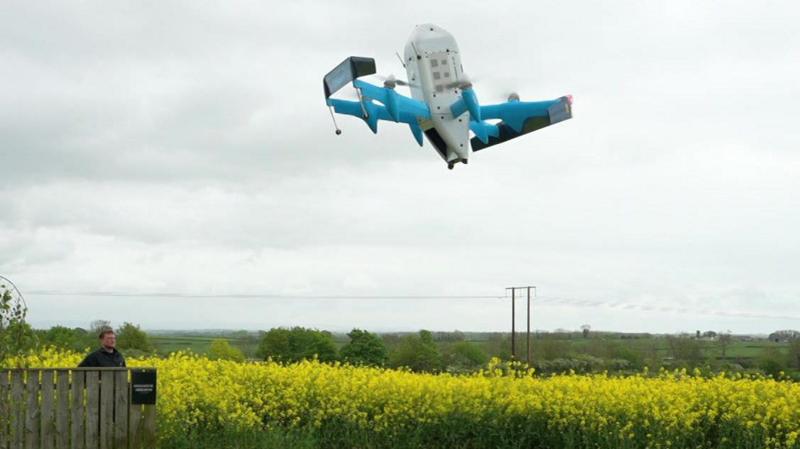
Amazon has started delivering parcels by drone for the first time in the UK, launching a test service in Darlington. The drones deliver small packages within a 7.5-mile radius of Amazon’s center, aiming to offer fast delivery for everyday items.
Key Facts
Amazon’s drone delivery service began in Darlington, County Durham, UK.
Drones carry parcels weighing less than 5 pounds (2.2 kg), including items like beauty products and batteries.
Deliveries occur within 7.5 miles (12 km) of the fulfillment center, with up to 10 drone flights per hour.
Customers receive parcels dropped at about 12 feet (3.6 meters) height onto their front gardens or yards.
The current delivery time is up to two hours in the UK; in the US, Amazon drones average 36 minutes per delivery.
Amazon uses the MK30 drone equipped with sensors and GPS to avoid obstacles during flights.
Some challenges include drone delivery limits in dense urban areas and past incidents like a drone hitting a building in Dallas.
Other organizations, such as the NHS and Royal Mail, are also testing drones for deliveries in the UK.
Read the Original
Want the full story? Tap a source to open the original
article.
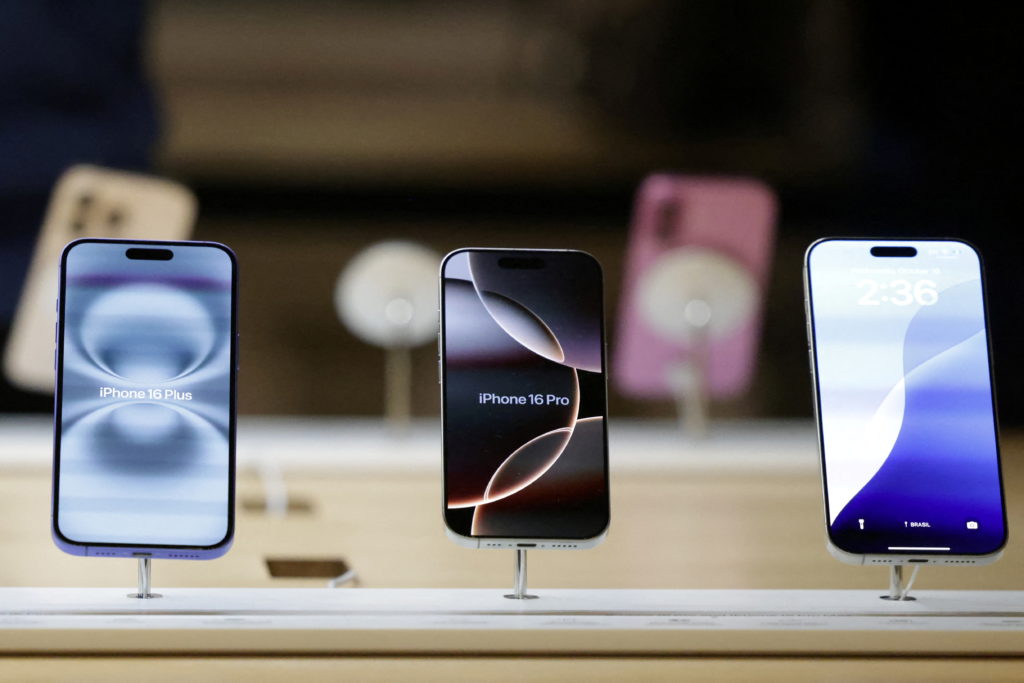
Apple agreed to pay $250 million to settle a lawsuit claiming it falsely advertised new artificial intelligence (AI) features for Siri on the iPhone 16 and some other models. Eligible iPhone owners in the U.S. can claim between $25 and $95 because the AI features were delayed and not available as promised.
Key Facts
Apple settled a class-action lawsuit for $250 million over false advertising of AI features.
The lawsuit was filed in San Francisco federal court on behalf of U.S. iPhone buyers.
It covers about 37 million devices bought between June 10, 2024, and March 29, 2025.
Eligible models include iPhone 16, iPhone 15 Pro, and iPhone 15 Pro Max.
Owners can claim at least $25 per device, up to $95 depending on claims filed.
Apple had promoted new Siri AI features that were delayed and not available when devices were sold.
The settlement needs judge approval before claims can be submitted.
Apple says it resolved the matter to focus on delivering new products and services.
Read the Original
Want the full story? Tap a source to open the original
article.
SpaceX is gradually reducing the number of Falcon 9 rocket launches as it shifts focus to developing its larger Starship rocket. The Falcon 9 will continue flying for several years, especially to support the International Space Station and other missions, while Starship is being prepared for future flights.
Key Facts
SpaceX launched 165 Falcon 9 rockets in 2025, more than in previous years.
The company plans to reduce Falcon 9 launches to about 140-145 in 2026.
SpaceX is moving Falcon 9 launches away from Launch Complex 39A in Florida, which will focus on Starship and Falcon Heavy launches.
One of SpaceX’s two drone ships in Florida was retired to be repurposed to transport Starship parts.
Many Starlink satellite launches will move to Vandenberg Space Force Base in California, where launches can happen every 3-4 days.
Falcon 9 rockets and the Dragon capsule will remain in use at least until the International Space Station closes around 2032.
The U.S. Space Force will also use Falcon 9 and Falcon Heavy rockets into the 2030s.
Starship will start flying upgraded Starlink satellites soon, marking its operational beginning.
Read the Original
Want the full story? Tap a source to open the original
article.
Anthropic announced a new deal with SpaceX to use the full computing power of SpaceX’s data center in Memphis, Tennessee. This deal allows Anthropic to increase usage limits for its Claude Code product, helping more users access its AI services without restrictions.
Key Facts
Anthropic partnered with SpaceX to utilize the entire compute capacity of a SpaceX data center.
This partnership gives Anthropic access to over 300 megawatts of computing power.
SpaceX’s Colossus 1 supercomputer features more than 220,000 NVIDIA GPUs, including advanced models like H100, H200, and GB200 accelerators.
Anthropic raised usage limits for Claude Code Pro and Max subscribers, doubling the five-hour window and removing peak-hours restrictions.
The company also increased API limits for its Opus AI model.
Anthropic is interested in developing orbital data centers to handle growing AI compute demands.
Demand for Anthropic’s AI tools has grown due to users turning away from OpenAI and an increase in complex AI workflows.
Anthropic recently made deals with Microsoft, Google, Amazon, and Nvidia to expand access to computing power.
Read the Original
Want the full story? Tap a source to open the original
article.
A U.S. appeals court struck down a rule made by the FCC that stopped discrimination in broadband internet access. The court said the FCC went beyond its legal powers by punishing actions that unintentionally hurt certain groups and by applying the rule to companies not directly providing internet service.
Key Facts
The rule was from the Biden administration and aimed to prevent discrimination based on race, income, or other protected characteristics in broadband services.
The 8th Circuit Court ruled the FCC overstepped its authority by targeting “disparate impact” (unintentional harm) instead of only “disparate treatment” (intentional harm).
The ruling also said the FCC could not apply the rule to entities like landlords who don’t offer internet service directly.
The court decision was unanimous and made by judges appointed by Republican presidents.
FCC Chairman Brendan Carr supported the court’s decision, claiming the rules would have forced discrimination, though he did not explain how.
Advocacy groups opposed the decision, saying it removes protections against slow or expensive internet in low-income and minority communities.
The rule allowed consumers to file complaints if they believed broadband companies or others were discriminating based on protected factors.
Telecom and cable industry groups, along with state lobbyists and housing groups, challenged the rule in court.
Read the Original
Want the full story? Tap a source to open the original
article.
Starting in July, self-driving cars in California will be given traffic tickets if they break the law. This new rule means autonomous vehicles must follow the same traffic rules as regular drivers.
Key Facts
California will start ticketing autonomous cars for traffic violations in July.
Self-driving cars will no longer be exempt from traffic laws.
The law applies to cars that drive themselves without a human driver controlling them.
The change aims to hold autonomous vehicles accountable for road safety.
CNET covered this story and discussed other technology news related to this topic.
Read the Original
Want the full story? Tap a source to open the original
article.
Anthropic has made a deal with Elon Musk’s SpaceX to use the large computing power of SpaceX’s Colossus 1 data centre. This deal gives Anthropic more capacity to run its Claude AI systems and supports Musk’s vision of building space-based data centres.
Key Facts
Anthropic will use the Colossus 1 facility in Memphis, Tennessee, which contains over 220,000 Nvidia processors.
The data centre provides 300 megawatts of power, enough to supply over 300,000 homes.
This extra capacity supports Anthropic’s AI assistants, Claude Pro and Claude Max, for their users.
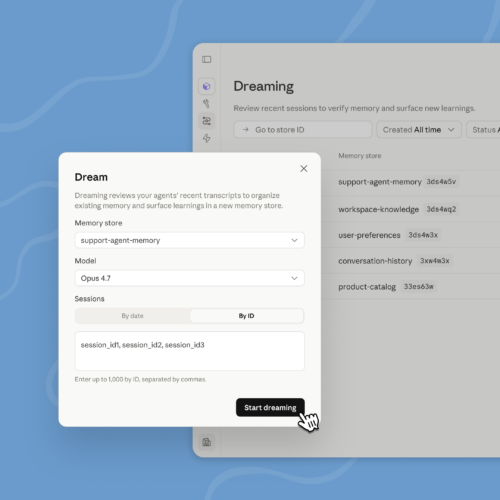
Anthropic introduced a new “dreaming” feature for their AI that helps systems learn and update user preferences between sessions.
Elon Musk decided to partner with Anthropic after meeting its leaders and liking their goal to make AI safe for humans.
Musk is currently in a legal dispute with OpenAI’s CEO, Sam Altman, accusing OpenAI of not sticking to its nonprofit mission.
The US government is making AI agreements with other companies like Microsoft and Google, but not with Anthropic.
Musk is interested in creating space-based data centres, a project that is costly and complex but part of SpaceX’s future plans.
Read the Original
Want the full story? Tap a source to open the original
article.
The Trump administration has agreed to work with Google DeepMind, Microsoft, and xAI to perform government safety checks on their new AI models before and after release. This marks a change from President Trump’s earlier rejection of Biden-era AI safety policies, prompted by concerns over the risks posed by advanced AI systems.
Key Facts
The Trump administration signed agreements with Google DeepMind, Microsoft, and xAI for AI safety testing.
Previously, President Trump had dismissed the need for voluntary AI safety checks and renamed the US AI Safety Institute to remove “safety” from its name.
Anthropic delayed releasing its advanced AI model called Claude Mythos due to fears it could be misused.
The Center for AI Standards and Innovation (CAISI) will conduct tests on AI models, sometimes with reduced safeguards to assess risks better.
A task force of experts from various government agencies has been formed to focus on AI national security concerns.
Some companies, like Google DeepMind and Microsoft, support the government’s AI safety testing plans.
Critics worry CAISI might not have enough resources or expertise and that voluntary agreements may fail to provide enough transparency.
There is concern that political bias in AI evaluations could reduce public trust and discourage companies from cooperating.
Read the Original
Want the full story? Tap a source to open the original
article.
Shivon Zilis, a former OpenAI board member, testified in a court case involving Elon Musk and OpenAI's shift from nonprofit to for-profit status. She revealed that Musk offered to donate sperm to her in 2020, leading to the birth of four children, and described her close working relationship with Musk across several of his companies, including OpenAI.
Key Facts
Shivon Zilis was an advisor and board director at OpenAI from 2016 to 2023.
Around late 2020, Elon Musk offered to donate sperm to Zilis, which she accepted.
Zilis and Musk have four children together.
Zilis had a brief romantic relationship with Musk about 10 years ago but was not romantically involved with him around 2020.
Musk encouraged those around him to have children at that time.
The paternity of the twins born in 2021 was initially kept confidential between Musk and Zilis.
Zilis told OpenAI CEO Sam Altman about Musk's paternity after a media report was imminent.
Zilis worked at Musk’s companies Tesla and Neuralink, besides her role at OpenAI.
The court case involves Musk's lawsuit to reverse OpenAI’s change to a for-profit company.
Emails presented in court show Musk wanted more control of OpenAI and suggested it join Tesla.
OpenAI founders preferred transitioning to a B Corporation, a type of company with a social mission and profit.
Read the Original
Want the full story? Tap a source to open the original
article.
Meta is being sued because it is accused of using writers’ copyrighted work without permission to train artificial intelligence (AI). The lawsuit claims Meta used authors’ stories and ideas to help AI generate similar content quickly.
Key Facts
Meta is facing a legal case about how it trains its AI systems.
The lawsuit says Meta used copyrighted material from writers without asking.
Writers spend many years creating stories and ideas.
AI can recreate stories and content in seconds after training.
The case raises questions about using creative work to teach machines.
Read the Original
Want the full story? Tap a source to open the original
article.
Apple has agreed to a $250 million settlement over a lawsuit claiming it misled customers about Siri’s features. Eligible iPhone owners who bought certain models between June 2024 and March 2025 could receive up to $95.
Key Facts
The lawsuit says Apple advertised "Enhanced Siri features" that were not yet available.
The settlement covers people who bought iPhone 16, iPhone 15 Pro, or iPhone 15 Pro Max from June 10, 2024, to March 29, 2025.
About 37 million iPhone owners are eligible to apply for the payment.
Each eligible device will receive $25, but this amount could change, potentially reaching up to $95.
Customers will be notified by email or mail if they qualify to file a claim.
A special website with claim instructions will be available in the coming weeks.
The lawsuit was filed in federal court in Northern California on behalf of U.S. consumers.
Apple stated the settlement helps them focus on creating new products and services.
Read the Original
Want the full story? Tap a source to open the original
article.
Shivon Zilis, an executive at Elon Musk’s company Neuralink and mother of four of Musk’s children, testified in a lawsuit Musk filed against OpenAI. Musk claims OpenAI’s leaders broke a founding agreement by changing the company from a non-profit to a for-profit, seeking damages and leadership changes. OpenAI denies these claims, and Zilis's role and relationship with Musk have become key points in the case.
Key Facts
Shivon Zilis worked at OpenAI from 2016 to 2023 and served on its board from 2020 to 2023.
Elon Musk alleges OpenAI’s CEO Sam Altman and president Greg Brockman broke an agreement when they restructured OpenAI into a for-profit company.
Musk wants $134 billion in damages and the removal of Altman and Brockman from OpenAI.
OpenAI says Musk agreed to the for-profit shift and suggests he left in 2018 after failing to gain control.
Zilis had a secret romantic relationship with Musk starting around 2016 and is mother to four of his children.
OpenAI’s lawyers say Zilis acted as an informant for Musk inside OpenAI after he left.
Text messages show Zilis coordinated with Musk about staying close to OpenAI and recruiting employees to Tesla.
Musk has referred to Zilis as his “chief of staff” and lives with her in Austin, where their children also live.
Read the Original
Want the full story? Tap a source to open the original
article.
Google’s DeepMind has taken a minority stake in Fenris Creations, the new independent developer of the popular sci-fi game EVE Online. They plan to use the game to test and improve artificial intelligence models in a complex, player-driven virtual world without affecting actual players. Fenris Creations recently bought itself out from its former owner Pearl Abyss and will continue developing EVE Online and new projects.
Key Facts
DeepMind has a minority ownership in Fenris Creations, the new name for the EVE Online developer.
EVE Online is a complex, player-driven game ideal for AI research involving long-term planning and learning.
DeepMind will run AI tests in a separate offline version of EVE Online to avoid disturbing real players.
Fenris Creations paid $120 million to become independent from South Korean publisher Pearl Abyss.
Pearl Abyss originally bought the EVE Online maker for $225 million six years ago, so the new sale reflects a lower company value.
Fenris Creations showed losses of about $20 million in 2023 and 2024 but became profitable in 2025 with $70 million in revenue.
The company plans to focus on new long-term projects, including blockchain and shooter spinoffs of EVE Online.
DeepMind has used games before to develop AI, including Go, StarCraft, and Atari games.
Read the Original
Want the full story? Tap a source to open the original
article.
NASA released over 12,000 photos taken by astronauts on the Artemis II mission to the Moon. An expert combined a series of "Hello, world" images into an animated sequence showing details like lightning storms, auroras, and satellites near Earth.
Key Facts
Artemis II astronauts took thousands of photos using Nikon D5, Nikon Z9, and iPhone 17s cameras.
NASA shared all these photos recently on the Gateway to Astronaut Photography website.
The "Hello, world" image was taken by Commander Reid Wiseman as the spacecraft left Earth.
Photographer Andy Saunders created an animation from 17 consecutive photos of this sequence.
The animation shows weather phenomena like lightning and auroras as well as satellites orbiting Earth.
Some visible satellite parts may be optical effects caused by the spacecraft’s window.
The animation speed is 30 times faster than real time, covering about 1 minute and 20 seconds.
Read the Original
Want the full story? Tap a source to open the original
article.
Anthropic has introduced a new feature called "dreaming" to its Claude Managed Agents. This feature reviews past events to find important information to save in memory, helping the agents work better on long projects and tasks.
Key Facts
"Dreaming" helps Claude Managed Agents review and save important memories from past sessions.
It is designed to improve multi-agent teamwork over long periods, like several minutes or hours.
The feature is in a research preview and not yet available to all developers.
Dreaming finds patterns such as repeated mistakes and common workflows across different agents.
Users can choose to let dreaming run automatically or review memory updates themselves.
Anthropic also expanded access to other features like outcomes tracking and multi-agent orchestration.
The company increased usage limits for its Pro and Max subscription users to address demand issues.
Managed Agents are a higher-level tool that runs in controlled infrastructure, making it easier to handle complex tasks.
Read the Original
Want the full story? Tap a source to open the original
article.
Many people use artificial intelligence (AI) to help with fitness, but opinions on it vary. Some find AI helpful for creating workout plans and keeping routines, while others worry about its accuracy and broader effects on society.
Key Facts
Around 62% of people in the US and 69% in the UK use AI regularly.
Only 26% of Americans have a positive view of AI, and 78% of people in the UK worry about its negative impacts.
Experts advise checking AI workout advice with real professionals due to possible errors that could cause injuries.
Some users share positive experiences, like sticking to routines and personalized plans.
Others criticize AI for being wrong or less helpful than human trainers.
AI can deliver information quickly, but users should use it carefully.
Personal stories show a range of attitudes toward AI fitness tools, from reliance to distrust.
Read the Original
Want the full story? Tap a source to open the original
article.