A new Doctor Who spin-off series, "The War Between the Land and the Sea," features Russell Tovey as the lead character and focuses on the Sea Devils, an ancient species, posing a threat to Earth. The series will explore themes related to the real world and features significant action scenes with advanced special effects. The show is crafted by Russell T Davies and marks the end of a Disney+ partnership that helped fund its production.
Key Facts
The new spin-off is called "The War Between the Land and the Sea."
Russell Tovey plays the main character, Barclay.
The Sea Devils, an ancient species, are the main antagonists.
The series is set in the Doctor Who universe but stands alone.
Gugu Mbatha-Raw plays the character Salt, leader of the Sea Devils.
The series includes advanced special effects and detailed prosthetics.
It is co-written and produced by Russell T Davies.
The show marks the end of a Disney+ production partnership.
Read the Original
Want the full story? Tap a source to open the original
article.
The article explores whether people are becoming addicted to their smartwatches. It discusses how these devices track various health metrics and how users have mixed feelings about the data they provide. The article also looks at the potential benefits and stresses of using smartwatches.
Key Facts
Many people wear smartwatches to track their health and fitness.
Smartwatches can monitor things like sleep, heart rate, and stress levels.
The smartwatch industry is a large market with brands like Apple, Samsung, and Garmin.
There is debate about whether smartwatches provide accurate data.
Some users feel overwhelmed by their smartwatches' many features.
Smartwatches can perform advanced tests like electrocardiograms (ECGs).
Niels Peek, a data science expert, notes that while smartwatches can help detect health issues early, they may also cause unnecessary worry.
Read the Original
Want the full story? Tap a source to open the original
article.
Twitch streamer QTCinderella, whose real name is Blaire, expressed regrets about her streaming career, citing safety concerns and online harassment. She created the Streamer Awards in 2021 but faces challenges due to scrutiny and security issues. Despite this, she aims to foster community through her events.
Key Facts
QTCinderella, real name Blaire, became known for streaming video games and cooking to 1.2 million followers.
She created the Streamer Awards in 2021, an event recognizing top creators on Twitch.
Blaire experiences constant scrutiny and personal safety concerns due to her online presence.
Several female streamers reported safety issues at public events in 2025.
Blaire spends money monthly to remove edited photos of her from the internet.
She discovered a deepfake website using her likeness in explicit materials in 2023.
Blaire opened a craft shop in Los Angeles but rarely visits due to safety concerns.
The Streamer Awards are determined 70% by fan votes and 30% by industry panelists.
Read the Original
Want the full story? Tap a source to open the original
article.
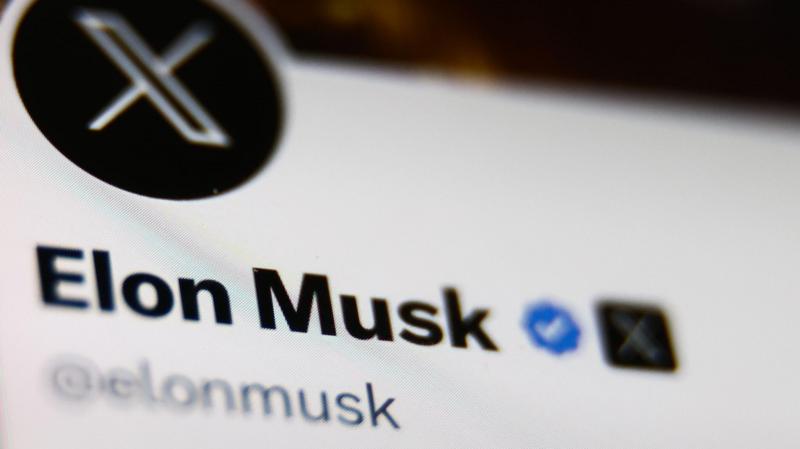
The European Union fined Elon Musk's social media platform X $140 million for breaking rules about digital transparency. The penalty is the first action under the Digital Services Act, aiming to regulate how social media companies operate. X was fined for issues with its verification system, advertising transparency, and restricting researcher access.
Key Facts
The EU fined X 120 million euros ($140 million) under the Digital Services Act.
The fine is for violating rules on account verification, advertising transparency, and data access for researchers.
X's paid blue checkmark system, seen as misleading, incurred a 45 million euro ($52.4 million) fine.
X was fined 35 million euros ($40.7 million) for not keeping transparent ad records.
The company received a 40 million euro ($46.6 million) penalty for blocking researcher access to public data.
This action may strain trade talks between the EU and the U.S.
X has 60 to 90 days to address these issues or face more penalties.
The Digital Services Act allows for fines up to 6% of a company's global revenue, potentially larger than the one issued.
Read the Original
Want the full story? Tap a source to open the original
article.
A facial recognition app called Mobile Identify, used for identifying illegal immigrants, was recently removed from the Google Play Store. The app, developed by U.S. Customs and Border Protection (CBP) under President Trump's administration, allowed law enforcement to access facial recognition databases. It is unclear if the app will return to the store.
Key Facts
The Mobile Identify app was launched by CBP a few weeks ago.
The app is no longer available on the Google Play Store as of Friday.
The app allowed police to identify individuals using facial recognition linked to databases managed by CBP and ICE.
There were reports that some identified individuals were U.S. citizens.
Google said the app required official government credentials to use.
The app supported local law enforcement's role in federal immigration control by instructing officers to contact ICE if they identified someone.
Mobile Identify is a simpler version of another app, called Mobile Fortify, used by federal agents.
Concerns were raised about other apps tracking ICE activity, which some believe could endanger federal agents.
Read the Original
Want the full story? Tap a source to open the original
article.
The European Union (EU) fined Elon Musk's social media platform, X, 120 million euros for not following social media rules. The EU found X didn't meet transparency standards set by the Digital Services Act (DSA), which aims to protect users and ensure the removal of harmful content.
Key Facts
The EU fined X 120 million euros for violating the Digital Services Act (DSA).
This is the first non-compliance decision made under the DSA.
The EU's rules require platforms to protect users and remove harmful content.
X violated transparency requirements for user verification and ad databases.
X's blue checkmarks do not effectively verify account authenticity.
The ad database of X has design flaws and delays that hinder research.
X reportedly blocks researchers from accessing necessary public data.
U.S. officials criticized the EU's action as unfair towards American tech companies.
Read the Original
Want the full story? Tap a source to open the original
article.
A new report from a talent solutions company shows that most workers think artificial intelligence (AI) increases bias instead of reducing it. Many workers express concerns about AI in the hiring process and would prefer humans to evaluate job applications.
Key Facts
59% of workers believe AI increases bias.
56% prefer humans over AI for reviewing job applications.
91% say being interviewed by AI would change their perception of a company.
54.6% would still interview with AI to get a job.
67.1% think AI is reducing job openings.
66% believe companies should disclose when AI is used in hiring.
Many workers are unsure about what "AI skills" mean.
Experts warn that AI could automate and perpetuate bias if not properly monitored.
Read the Original
Want the full story? Tap a source to open the original
article.
Frank Gehry, a renowned architect known for his unique and creative building designs, died at age 96. He created famous structures like the Guggenheim Museum in Spain and the Walt Disney Concert Hall in Los Angeles. Gehry's work received many top awards in architecture throughout his career.
Key Facts
Frank Gehry was an architect recognized globally for his creative building designs.
He died at the age of 96 at his home in Santa Monica after a brief illness.
Gehry designed famous structures like the Guggenheim Museum in Bilbao, Spain, and the Walt Disney Concert Hall in Los Angeles.
He received many awards, including the Pritzker Prize and the Royal Institute of British Architects gold medal.
Gehry joined the University of Southern California as a professor of architecture later in his life.
Some critics did not like his work, seeing it as overly showy, while others appreciated his unique style.
Gehry continued designing buildings well into his 80s, impacting skylines around the world.
Read the Original
Want the full story? Tap a source to open the original
article.
New AI-generated video clips of famous movies like Titanic, Harry Potter, and Home Alone have caused some confusion among viewers who are unsure if the clips are real or fake. These advanced AI clips appear realistic and challenge how people perceive authenticity in entertainment content.
Key Facts
AI-generated videos of classic films have become popular and are causing confusion about their authenticity.
Some of these clips seem to show behind-the-scenes moments from movies like Titanic and Home Alone.
Many viewers don't realize the videos are created by AI and think they are real.
AI video technology is becoming more common in entertainment and can create realistic scenes.
According to AI expert Geetha Rajan, the technology used for these clips has improved greatly, making them appear genuine.
Viewers can still detect AI videos by looking for unnatural movements in elements like hair and water, and inconsistencies in lighting and details.
This trend raises questions about intellectual property and what counts as original content.
Read the Original
Want the full story? Tap a source to open the original
article.
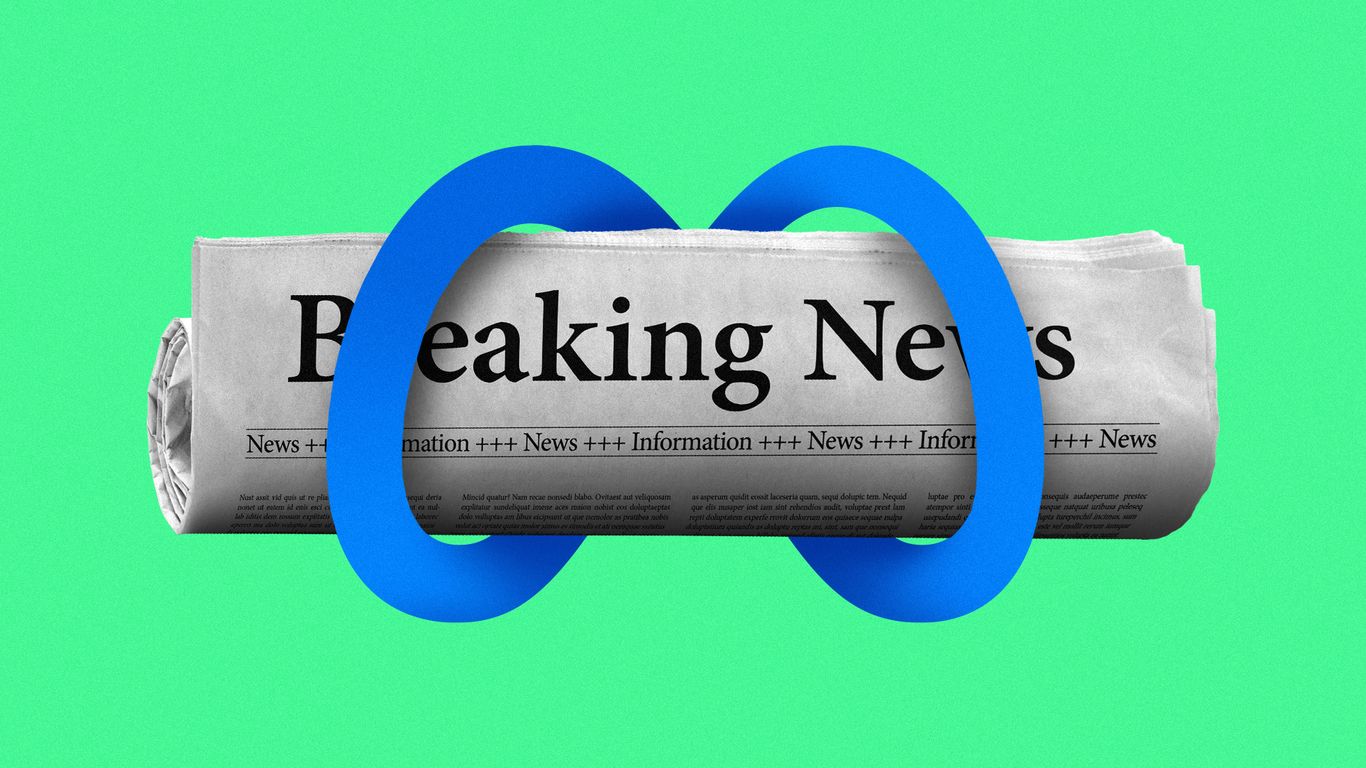
Meta has announced several new agreements with news publishers, including CNN and USA Today, to access their content for its AI chatbot. These deals involve compensating publishers to help Meta provide real-time news answers to users' questions. This marks a return to compensating news outlets as Meta expands its AI tools across its platforms.
Key Facts
Meta has made AI data agreements with news publishers like USA Today, CNN, and Fox News.
The agreements help Meta's AI chatbot deliver real-time news information to users.
Publishers are paid for allowing Meta access to their content for its AI tools.
Meta's AI chatbot is integrated into platforms like Facebook and Instagram.
These deals are multiyear and aim to broaden verified news content available to users.
Meta plans to add more news partners over time and expand its AI features.
Facebook ended its News Tab in the U.S. in 2024 and shifted focus from news articles to viral video content.
Read the Original
Want the full story? Tap a source to open the original
article.
Artificial Intelligence (AI) is changing the software-as-a-service (SaaS) industry, mainly by improving behind-the-scenes processes. While many expected flashy new AI features, the real changes are in how the software is built and maintained, which is important but not obvious to users.
Key Facts
AI is transforming the SaaS industry mainly in its architecture and internal processes, which are not immediately visible to users.
SaaS growth historically involved moving users to cloud services or creating new software categories.
AI is causing changes by improving productivity, such as reducing the time to develop and test software.
Customers want AI features included in their software but are unwilling to pay more for them.
SaaS companies focus on using AI to cut costs and improve productivity rather than immediately adding visible new features.
One major area of change is the modernization of old software systems, using AI to help update outdated code.
Financial services, like banks, are using AI to modernize their old systems written in older programming languages like COBOL and Fortran.
AI's impact on SaaS systems is significant at the system architecture level, altering how the software is structured.
Read the Original
Want the full story? Tap a source to open the original
article.
Elon Musk's social media platform X has been fined €120 million by the European Union. The fine is due to X allowing users to pay for blue verification check marks without properly confirming the identity of the users, which can lead to scams. The EU also mentioned issues with advertisement transparency and restricting access for researchers.
Key Facts
X received a €120 million fine from the EU.
The fine is related to allowing users to buy blue check marks, which are meant to verify identities.
The EU stated that this approach can lead to scams and fraud.
X also failed to provide clear information about its ads.
Researchers faced limitations in accessing public data on the platform.
This is the first time the EU enforced its Digital Services Act on a platform.
The EU's Digital Services Act includes rules about content, data, and advertising for online companies.
US Vice President JD Vance criticized the EU, arguing that it should support free speech instead of imposing fines.
Read the Original
Want the full story? Tap a source to open the original
article.
Scientists discovered that hair grows by being pulled from surrounding cells, not pushed from the root. This new understanding could lead to better treatments for hair loss. The study used advanced imaging technology to observe the process.
Key Facts
Scientists from L'Oréal and Queen Mary University of London conducted the study.
They used 3D live imaging to watch hair follicles in a lab.
Traditional biology believed hair was pushed out from the root as it grew.
The new finding shows hair is pulled up by coordinated cell movements.
Blocking cell division did not stop hair growth, challenging old beliefs.
Blocking a protein called actin, which helps cells move, slowed growth by over 80%.
Computer models supported the new "pulling" theory of hair growth.
Future hair loss treatments might focus on this pulling mechanism.
Read the Original
Want the full story? Tap a source to open the original
article.
Experts believe artificial general intelligence (AGI) might be 5 to 10 years away, but it comes with risks like possible cyberattacks. Google DeepMind's CEO, Demis Hassabis, emphasized that breakthroughs are still needed to reach AGI. The AI advancements are expected to change many jobs and industries in the near future.
Key Facts
AGI is a form of intelligence that can match or surpass human abilities, and may be 5 to 10 years away.
Google DeepMind's CEO, Demis Hassabis, suggests that more breakthroughs are necessary to achieve AGI.
Current AI technologies, like Google's Gemini, are significant but still need further development.
Cybersecurity is a major concern as the rise of AI could lead to cyberattacks on infrastructure.
The AI industry is highly competitive, with many companies vying for advancements.
Job roles across various sectors may change significantly due to AI within the next five years.
The CEO of Palo Alto Networks and others stress the inevitability of AI-driven change in society.
Read the Original
Want the full story? Tap a source to open the original
article.
U.S. Secretary of State Marco Rubio criticized the European Commission for fining Elon Musk's social media platform, X, $140 million. Rubio argued that this action targets American tech companies and the American people. The fine was due to violations of the EU’s Digital Services Act.
Key Facts
The European Commission fined X, a social media platform owned by Elon Musk, $140 million.
U.S. Secretary of State Marco Rubio expressed that this fine is an attack on American tech companies and citizens.
Rubio communicated his views on the social media platform, X.
The European Commission imposed the fine for three violations of the Digital Services Act.
The Digital Services Act sets rules for online transparency in the EU.
Read the Original
Want the full story? Tap a source to open the original
article.
House Republicans are urging Apple and Google to review apps that let users track immigration agents, claiming these apps could endanger officer safety and interfere with their duties. Lawmakers sent letters to the CEOs of Apple and Google, asking them to remove these apps from their platforms. The issue intensified after reports that one app was allegedly used during a shooting incident involving federal agents.
Key Facts
House Republicans are focusing on apps that allow tracking of immigration agents.
Lawmakers are concerned these apps may create safety risks for federal officers.
The apps in question can anonymously report and share real-time DHS activity.
Letters were sent to Apple CEO Tim Cook and Google CEO Sundar Pichai.
One app, ICEBlock, was allegedly used before a shooting at a Dallas federal facility.
Apple and Google have been asked to brief the Committee by December 12.
The Department of Justice requested the removal of certain tracking apps.
The push follows increased scrutiny of immigration enforcement tactics under President Donald Trump.
Read the Original
Want the full story? Tap a source to open the original
article.
Researchers at Arizona State University found that people often misjudge a dog's emotions based on their own mood. People feeling happy saw dogs as sad, while those in a bad mood viewed dogs as happy. This study suggests people are not as good as they think at understanding dog emotions.
Key Facts
A study by Arizona State University examined how people's moods affect their perception of dog emotions.
Happy people often rated dogs as looking sad.
People in negative moods rated dogs as happier.
The study used videos of dogs reacting to everyday events without context clues.
Initial experiments used human images to change participant moods but did not affect dog emotion ratings.
Changing to dog images influenced participants’ mood, impacting how they rated dogs' emotions.
Misreading dog emotions can affect dog care and relationships.
The study highlights the complexity of understanding animal emotions.
Read the Original
Want the full story? Tap a source to open the original
article.
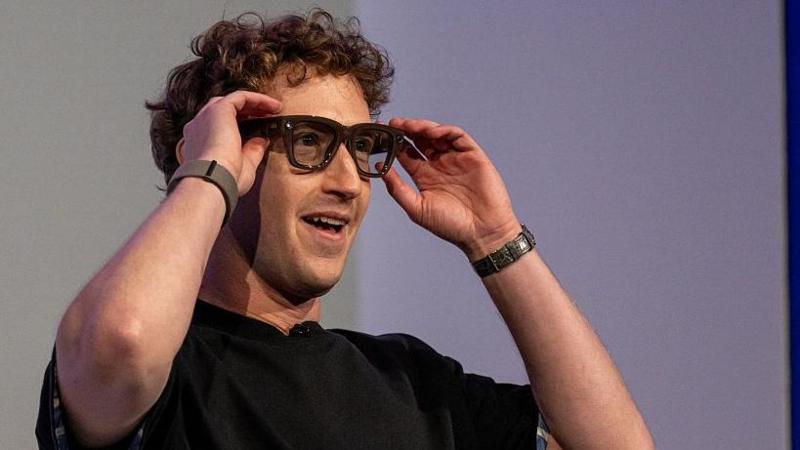
Meta is redirecting some of its investment from the metaverse to focus on developing AI smart glasses. The company aims to build on the positive response to its recent AI-enabled glasses, as it adjusts to changing market demands and investor interest.
Key Facts
Meta is moving some of its funds from the metaverse to AI smart glasses and wearables.
Meta's AI smart glasses can show information in the lens and translate text.
Meta cut its metaverse investments by up to 30%, increasing its stock price by over 3.4%.
The move to metaverse investments was a key reason why Facebook rebranded to Meta in 2021.
Meta has invested a lot in virtual reality and its platform, Horizon Worlds, but struggled to convince investors.
Meta is now focusing on AI technologies and gadgets.
Other companies, including those in China, are also working on smart glasses technology.
Read the Original
Want the full story? Tap a source to open the original
article.
Google DeepMind CEO Demis Hassabis warned that some dangers from artificial intelligence (AI), such as attacks on important infrastructures like energy and water systems, are already real. He discussed these concerns at the AI+ Summit in San Francisco, emphasizing the need for strong cybersecurity to protect against such risks.
Key Facts
Google DeepMind CEO Demis Hassabis spoke at the AI+ Summit in San Francisco.
Hassabis highlighted that AI can be misused, leading to risks like attacks on critical infrastructure.
He mentioned that these threats might occur even without very advanced AI.
Google is focused on improving cybersecurity to defend against AI-related threats.
Hassabis predicted that AI could match or exceed human abilities, called artificial general intelligence, by 2030.
A concept referred to in the discussion was "p(doom)," indicating the chance of AI causing a catastrophe.
Hassabis believes the probability of an AI-related catastrophe is significant and should be addressed seriously.
Read the Original
Want the full story? Tap a source to open the original
article.
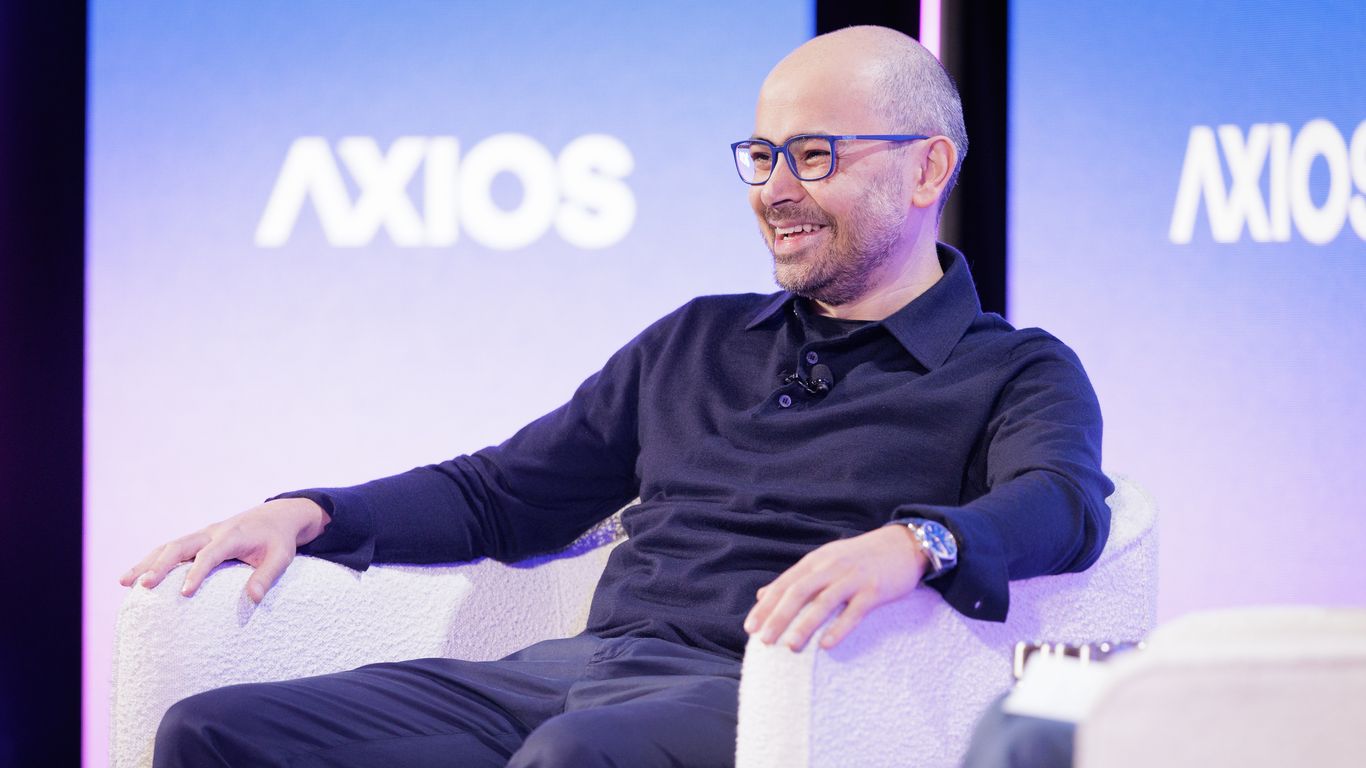
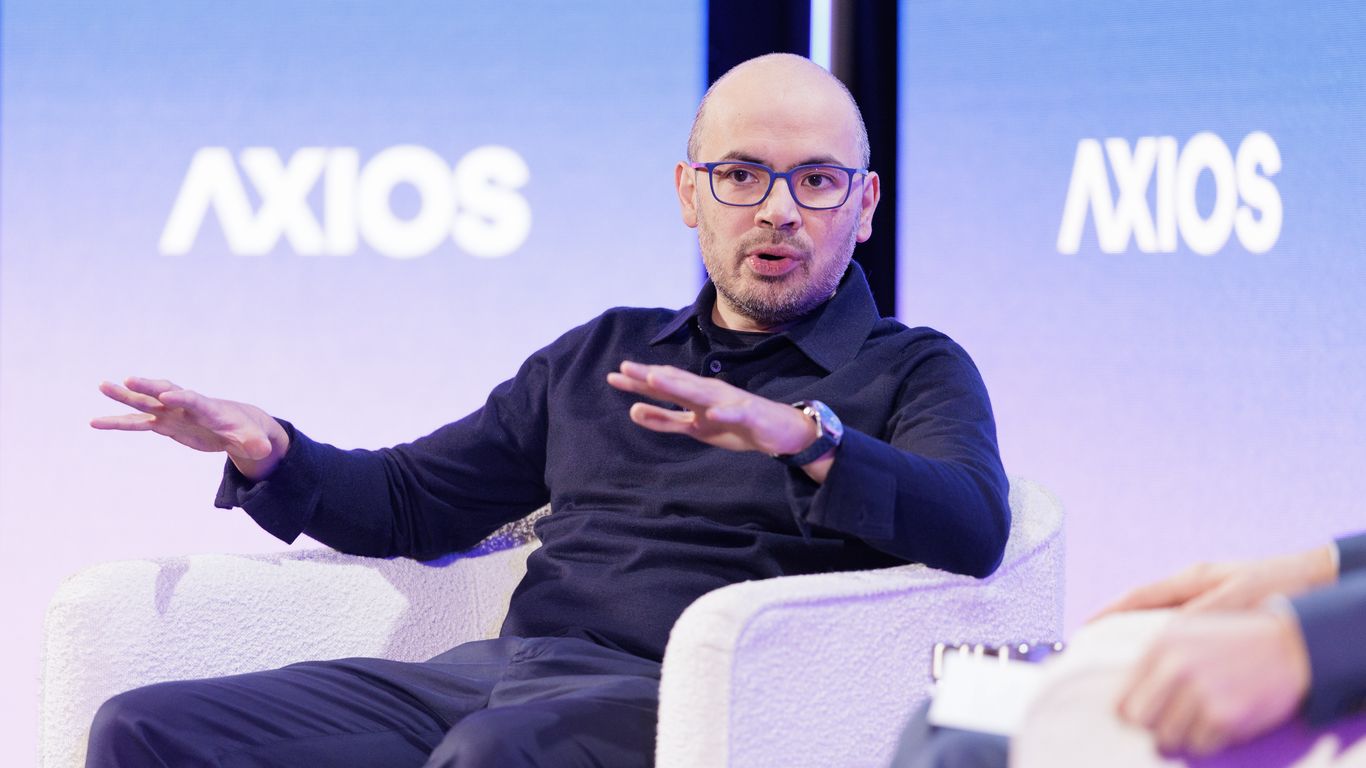
Google DeepMind CEO Demis Hassabis discussed the potential for artificial general intelligence (AGI) to be developed by 2030 at the Axios AI+ SF summit. He described AGI as a significant moment in human history that could change how we interact with technology. Hassabis also mentioned future advancements in creating "world models" that help predict the workings of the physical world.
Key Facts
Demis Hassabis is the CEO of Google DeepMind.
He spoke at the Axios AI+ SF summit.
Hassabis believes AGI could be achieved by the year 2030.
AGI refers to AI that can perform tasks at or beyond human capability.
Hassabis considers AGI a major moment in human history.
He mentioned "world models" as an upcoming focus in AI research.
"World models" are tools that help predict how the physical world operates.
Read the Original
Want the full story? Tap a source to open the original
article.