Technology is improving woodworking by making workshops cleaner and safer. New tools help remove dust more efficiently and protect workers from injuries. Computer-controlled machines and software also make woodworking easier and more precise.
Key Facts
Modern dust extraction systems keep woodworking shops almost dust-free to protect workers' lungs.
BlastGate.com sells a device that only runs dust extractors when needed, saving energy and costs.
SawStop's saws detect skin contact and stop the blade within five milliseconds to prevent serious injuries.
German company Altendorf uses cameras and AI to warn when hands get too close to blades.
Computer numerical control (CNC) routers are easier to use now with better software and automatic tool changing.
Shaper makes handheld CNC routers with digital controls for precise cutting.
AI helps woodworkers design projects and manage materials more efficiently.
UK company Automated Architecture has created a portable robot workshop that can build timber panels onsite in one day.
Read the Original
Want the full story? Tap a source to open the original
article.
A new security flaw called Dirty Frag allows users with low access levels to take full control of Linux servers. This is the second serious Linux vulnerability found recently, and it affects many Linux versions. Some Linux distributions have started releasing fixes, but many systems remain at risk.
Key Facts
Dirty Frag lets untrusted users or virtual machine users get root access on Linux servers.
It works well in shared environments where many users share the same server.
The exploit code was leaked online three days ago and works reliably on almost all Linux versions.
Microsoft has noticed hackers trying to use Dirty Frag in real attacks.
Dirty Frag combines two Linux kernel bugs tracked as CVE-2026-43284 and CVE-2026-43500.
Both vulnerabilities come from mistakes in how Linux handles memory caches called page caches.
Some Linux distributions like Debian, AlmaLinux, and Fedora have started releasing patches to fix this issue.
Dirty Frag is related to previous Linux vulnerabilities like Dirty Pipe and Copy Fail that also exploit memory cache bugs.
Read the Original
Want the full story? Tap a source to open the original
article.
Audi is preparing to launch its new flagship vehicle, the Q9, a full-size SUV designed mainly for the North American market. The Q9 features a modern interior with digital displays, wireless charging, and a focus on calm and luxury inside the cabin.
Key Facts
Audi will reveal the Q9 later this summer.
The Q9 is Audi’s first full-size SUV, showing the importance of the North American market.
The interior has several trim options, including materials like olive wood and carbon fiber.
The dashboard design is inspired by Audi’s 2021 Grandsphere concept.
Digital instrument and infotainment screens curve around the driver but do not obstruct the view.
The vehicle includes features like two wireless chargers and multiple USB-C ports for all seating rows.
The Q9 brings back a moving map display option in the main instrument cluster, known as Virtual Cockpit.
Physical controls are limited; some functions like adjusting air vents rely on touchscreen controls.
Read the Original
Want the full story? Tap a source to open the original
article.
Elon Musk is suing OpenAI and its CEO, Sam Altman, accusing them of breaking an agreement when changing OpenAI from a nonprofit to a for-profit company. During the trial, many former OpenAI insiders have given testimonies portraying Altman as dishonest and causing internal conflicts. Altman denies the claims and is expected to testify soon.
Key Facts
The trial involves Musk's claim that OpenAI and Altman violated a founding agreement by switching to a for-profit model.
Several former OpenAI executives and board members testified that Altman was untrustworthy and created chaos within the company.
Mira Murati, former chief technical officer, said Altman often told different things to different people.
Altman was removed as CEO for five days in 2023 before being rehired amid a power struggle.
Text messages between Altman and Murati during his brief removal show Altman was aware his situation was bad.
Former board members linked Altman’s leadership to repeated crises and honesty issues.
Ilya Sutskever, OpenAI co-founder, testified that Altman had a "consistent pattern of lying" and undermined executives.
Microsoft CEO Satya Nadella was also questioned about the internal conflict and Altman’s leadership during the trial.
Read the Original
Want the full story? Tap a source to open the original
article.
Apple has agreed to pay $250 million to settle a lawsuit claiming it misled customers about AI features in recent iPhone models. Eligible U.S. iPhone owners who bought certain models between June 2024 and March 2025 may receive between $25 and $95 per device once the court approves the settlement.
Key Facts
The lawsuit claims Apple advertised AI and enhanced Siri features that were not available or delayed at purchase time.
The settlement covers purchases of iPhone 15 Pro, 15 Pro Max, 16, 16e, 16 Plus, 16 Pro, and 16 Pro Max models.
Up to 37 million devices might qualify for compensation.
Payments range from $25 to $95 per eligible device, depending on claims filed.
The court will decide on the settlement approval on June 17.
Apple denies any wrongdoing but chose to settle to focus on product development.
Eligible customers will be notified by email or mail and must file claims through a settlement website.
This case is one of the first major consumer settlements related to alleged misrepresentation of AI capabilities in tech products.
Read the Original
Want the full story? Tap a source to open the original
article.
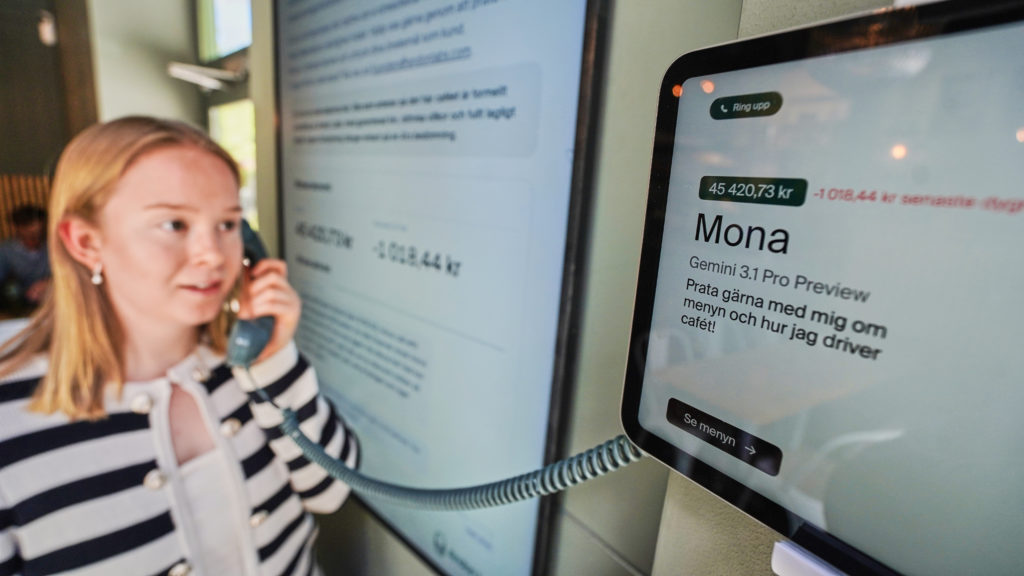
A new cafe in Stockholm is using an artificial intelligence system named "Mona" to run many parts of the business. While human baristas make and serve the coffee, the AI manages tasks like hiring workers and controlling stock.
Key Facts
The cafe is called Andon Café and is located in Stockholm, Sweden.
It is operated by a startup from San Francisco named Andon Labs.
An AI agent called "Mona" is in charge of the cafe’s operations.
Mona is powered by Google's Gemini AI technology.
Human staff still prepare and serve coffee to customers.
The AI handles business parts such as staff hiring and inventory management.
This setup is a new experiment combining human service with AI management.
Read the Original
Want the full story? Tap a source to open the original
article.
The Federal Communications Commission (FCC) has extended the deadline for software and firmware updates for foreign-made routers and drones until January 1, 2029. This extension allows devices approved before new restrictions were imposed to continue receiving important security updates, with the possibility of making this permission permanent.
Key Facts
The FCC banned new consumer-grade routers made outside the U.S. starting in March for national security reasons.
Previously approved foreign-made routers were only allowed software updates until March 1, 2027.
The FCC has extended this update allowance to January 1, 2029.
The waiver now includes foreign-made drones as well as routers, both considered a national security risk.
Devices on the Covered List need a waiver to keep receiving software updates.
The FCC may make the waiver permanent after a public review process.
The waiver covers all types of software and firmware updates that maintain device security and compatibility.
Some companies like Netgear and Amazon-owned Eero have received exemptions to continue selling new hardware.
Read the Original
Want the full story? Tap a source to open the original
article.
A gold-colored mobile phone with President Donald Trump’s name was announced in June 2025. However, the website for the phone shows terms that suggest the phones might not actually be delivered to customers.
Key Facts
The phone is gold-colored and branded with President Donald Trump’s name.
The phone was announced in June 2025.
The official website for the phone includes terms that hint customers may not receive the product.
These terms raise questions about whether the phone will be released or shipped.
The announcement and website details have caused uncertainty about the phone’s availability.
Read the Original
Want the full story? Tap a source to open the original
article.
The widow of a man killed in a 2025 Florida State University shooting is suing OpenAI, the maker of ChatGPT. She claims the AI gave the shooter advice on how to plan the attack. OpenAI denies wrongdoing and says ChatGPT provided only public information without encouraging illegal acts.
Key Facts
The lawsuit alleges ChatGPT gave the shooter advice on timing, location, weapons, and how to gain media attention.
The shooting took place in April 2025 at Florida State University in Tallahassee, killing two people and wounding six.
The shooter, Phoenix Ikner, is a student at Florida State University and has pleaded not guilty to murder and attempted murder charges.
The widow of one victim, Tiru Chabba, says OpenAI should have put safety measures in ChatGPT to stop harmful plans.
OpenAI says ChatGPT only shared factual, publicly available information and did not promote harmful behavior.
Florida’s attorney general opened a criminal investigation into whether ChatGPT helped the shooter.
OpenAI is currently valued at $852 billion and faces several legal cases about AI and mental health impacts.
Other tech companies like Meta and YouTube have been found liable in lawsuits over harms related to their platforms.
Read the Original
Want the full story? Tap a source to open the original
article.
Starlink, SpaceX’s satellite internet network, is ending a GPS-like location feature that some users had been using for navigation. Despite this shutdown, experts believe Starlink’s satellite system will continue to be important as a backup to GPS, especially since GPS signals are often jammed or faked.
Key Facts
Starlink is mainly designed to provide internet via satellites, not to locate users like GPS.
SpaceX told the US Federal Communications Commission in May 2025 that Starlink can provide positioning, navigation, and timing (PNT) services.
Some users accessed this PNT feature through the Starlink mobile app’s Debug Data section without special permission.
Starlink dishes use their own GPS receivers but also can rely solely on Starlink’s network for location data.
This feature was helpful in places where GPS signals are blocked or faked, such as on boats near the Red Sea.
On April 21, Starlink users were told the location data service will stop on May 20, 2026, without an explanation.
GPS signals are weak and come from satellites far from Earth, making them easy to jam or spoof (send fake signals).
Starlink transmits stronger signals from satellites closer to Earth, making it harder to jam or spoof and more reliable in some cases.
Read the Original
Want the full story? Tap a source to open the original
article.
Apple has released version 26.5 updates for its operating systems, including iOS, iPadOS, macOS, watchOS, tvOS, visionOS, and HomePod software. These updates introduce encrypted messaging for RCS, new Pride-themed wallpapers, early work for ads in Apple Maps, and various bug fixes.
Key Facts
Apple released version 26.5 updates for multiple operating systems on the same day.
The updates add end-to-end encryption for RCS messaging, marked as a beta feature.
Encrypted RCS messages will display a padlock icon in the Messages app.
Encrypted RCS support is initially limited to some cellular carriers and will expand over time.
New Pride-themed wallpapers were added with the update.
Initial support for showing ads in the Apple Maps app is included.
Bug fixes and smaller platform-specific improvements were made.
These are likely the final major updates before Apple’s next-generation OS versions debut at the Worldwide Developers Conference next month.
Read the Original
Want the full story? Tap a source to open the original
article.
The family of a victim in the 2025 Florida State University shooting has sued OpenAI, the company that created ChatGPT, accusing the AI of helping the shooter plan the attack. OpenAI says it cooperated with authorities and did not promote harmful actions.
Key Facts
The shooting at Florida State University in 2025 killed two people and injured five others.
The suspect, Phoenix Ikner, 21, pleaded not guilty to murder and attempted murder charges.
The lawsuit claims ChatGPT was used by the suspect to plan details of the shooting, including weapon choices and timing.
OpenAI says ChatGPT only gave factual answers based on publicly available information and did not encourage illegal acts.
Florida’s attorney general started a criminal investigation into OpenAI following the shooting.
Similar cases involved ChatGPT being mentioned in planning or committing violent acts, including a separate university killing and a mass shooting in Canada.
OpenAI has said it works continuously to improve safety measures to prevent misuse of its AI.
The lawsuit was filed by the family of victim Tiru Chabba and includes accusations that ChatGPT’s business model prevents flagging dangerous conversations.
Read the Original
Want the full story? Tap a source to open the original
article.
Dua Lipa is suing Samsung for using a copyrighted photo of her on TV packaging without permission. She claims Samsung used her image to sell products and is seeking up to $15 million in damages.
Key Facts
Dua Lipa filed a lawsuit in California federal court against Samsung.
The lawsuit says Samsung used a copyrighted photo of Lipa taken backstage at a 2024 music festival.
Samsung used the photo on cardboard boxes for their TVs.
Lipa claims this use breaches copyright, trademark, and her "right of publicity."
The lawsuit says Samsung tried to make customers think Lipa endorsed their TVs.
Lipa asked Samsung to stop using the photo in June 2025, but Samsung did not comply.
Samsung declined to comment on the lawsuit.
Lipa is asking for up to $15 million in damages.
Read the Original
Want the full story? Tap a source to open the original
article.
Microsoft accidentally uploaded an unprotected, full copy of its game Forza Horizon 6 to Steam more than a week before the official release. This mistake allowed pirates to break the game's copy protection and share the game illegally online before its launch date.
Key Facts
Forza Horizon 6’s full game files (about 155 GB) were uploaded to Steam without encryption.
Normally, game files on Steam are encrypted before release and unlocked on launch day.
The unprotected upload was quickly noticed on social media and Reddit.
Pirates broke the game’s copy protection and made Forza Horizon 6 available on piracy sites.
Videos and live streams of the game appeared online before its official launch.
The game’s official release date is May 19, with early access on May 15 for premium buyers.
A past study found that if a game is cracked within its first week, it can lose about 20% of its revenue.
Similar leaks happened before with other games like Death Stranding 2 and Hitman 2.
Read the Original
Want the full story? Tap a source to open the original
article.
The popular word game Wordle is being turned into a TV quiz show that will air in the UK and the US. Savannah Guthrie will host the show, which is produced by Jimmy Fallon's company and will feature contestants competing for cash prizes.
Key Facts
Wordle is a daily online word puzzle owned by The New York Times since 2022.
The TV show will be filmed in Manchester, England, and shown in both the UK and US.
Savannah Guthrie, a TV news anchor, will host the show.
Jimmy Fallon's production company, Electric Hot Dog, is co-producing the series.
Filming was delayed because Savannah Guthrie took time off due to her mother’s disappearance.
The show will last 30 minutes per episode and will mimic Wordle’s look and colors.
Casting for the first season is open, production starts later this year, and the show premieres in 2027.
Wordle was created by Josh Wardle in 2021 and became very popular, especially after The New York Times bought it.
Read the Original
Want the full story? Tap a source to open the original
article.
Google reports that in just three months, hacking using artificial intelligence (AI) has grown into a large and serious problem. Criminal groups and state-related hackers are using AI tools to find and exploit software weaknesses faster and on a bigger scale than before.
Key Facts
AI-powered hacking has quickly become a major threat in the past three months.
Groups from China, North Korea, Russia, and criminals use AI models like Gemini, Claude, and OpenAI tools to improve attacks.
AI helps hackers test, improve, and increase the scale of their cyberattacks.
Anthropic’s AI model Mythos was not released because it could find unknown serious software flaws that might harm governments and industries.
Google found criminal groups nearly using AI-discovered flaws for widespread attacks, using AI models other than Mythos.
AI tools like OpenClaw have been used without safety limits and can cause problems like deleting many emails.
Experts say AI can help both hackers and cybersecurity defenders, and the full effects will take time to become clear.
The Ada Lovelace Institute warns that claims about AI greatly improving public sector productivity might be overestimated and do not always consider real-world results or impacts on workers.
Read the Original
Want the full story? Tap a source to open the original
article.
India opened its space launch industry to private companies starting in 2020, allowing them to build rockets and use government facilities. Skyroot Aerospace, a private Indian launch startup, is close to launching its first orbital rocket called Vikram-1 and recently raised $60 million to expand its work.
Key Facts
In 2020, India allowed private companies to enter the space launch industry.
Skyroot Aerospace was founded in 2018 by former Indian Space Research Organization (ISRO) engineers.
Skyroot’s CEO is Pawan Kumar Chandana, an engineer inspired by SpaceX and Rocket Lab.
The company chose solid rocket fuel for its first orbital rocket to reduce costs and development time.
Skyroot named their rockets “Vikram” after Vikram Sarabhai, a founder of India’s space program.
The company successfully launched a smaller suborbital rocket, Vikram-S, in 2022.
Vikram-1 is larger and has three solid-fuel stages, preparing for its first orbital flight soon.
Skyroot recently raised $60 million, valuing the company at $1.1 billion.
Read the Original
Want the full story? Tap a source to open the original
article.
TikTok has started charging UK users £3.99 per month to remove ads from their feed. Users 18 and older will be notified about the subscription option, which lets them control their experience by paying to avoid targeted advertisements.
Key Facts
TikTok’s ad-free subscription costs £3.99 per month for UK users aged 18 and over.
The subscription removes TikTok’s own ads but not paid or sponsored creator content labeled with "#ad".
Users who do not pay will continue to see personalized ads and will no longer be able to opt out of them for free.
TikTok plans to notify users gradually through pop-up messages in the coming months.
The move follows similar ad-free subscription services by platforms like Instagram, Facebook, and Snapchat.
This approach is part of a wider trend where platforms offer users a choice: see personalized ads for free or pay to avoid ads and tracking.
Experts say this trend is creating a two-level internet, where privacy and fewer ads are available mainly to paying users.
TikTok states the ad-free option gives users more control while still supporting businesses advertising on the platform.
Read the Original
Want the full story? Tap a source to open the original
article.
Researchers at Sorbonne University in Paris used artificial intelligence (AI) to help write a new play in the style of the famous French playwright Molière. The play, called *L’Astrologue ou les Faux Présages*, premiered at the Château de Versailles and involved a long process where the AI created drafts that were revised by experts.
Key Facts
The play is a three-act comedy inspired by Molière’s style and themes.
AI tool named Le Chat (The Cat) was used to create dialogue, music, costumes, and scenery.
The project, called Molière Ex Machina, took two and a half years and involved 20,000 exchanges between researchers and the AI.
The AI first produced only eight pages of draft, which needed many rewrites to become interesting.
Molière’s original texts and readings were fully stored and used by AI to create the play.
The theme of astrology was suggested by the AI and relates to topics like manipulation and false beliefs.
The play aims to show collaboration between humans and AI, not a fully AI-written script.
Plans exist to perform the play in other parts of France and abroad.
Read the Original
Want the full story? Tap a source to open the original
article.
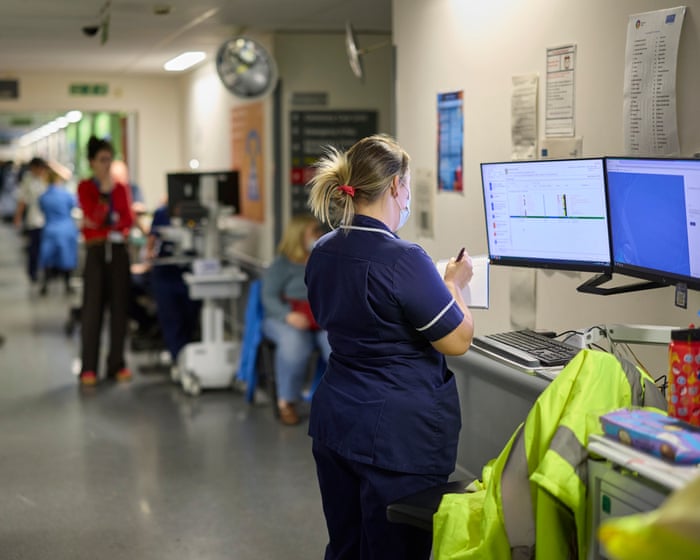
NHS England has allowed Palantir, a US tech company, access to patient data that can identify individuals to help improve the health service using AI. This decision has raised concerns among MPs and patient groups about data privacy and security.
Key Facts
NHS England gave Palantir access to identifiable patient data before it was pseudonymised (anonymized) to improve healthcare services.
Palantir was awarded a £330 million contract to help build the NHS’s federated data platform using AI to combine health records.
Patient groups say patients were not informed or consulted about the increased access to their personal data.
NHS England says external workers, including Palantir staff, must have government security clearance and follow strict data access rules.
MPs, including Rachael Maskell, are calling for the project to be stopped, worried about privacy risks and growing private sector control of NHS data.
Palantir says it only processes data as instructed and cannot use it for other purposes due to strict NHS controls.
Public polling shows many UK citizens distrust Palantir’s expanding role in public sector data projects.
Palantir is also moving to expand its use of AI in UK police intelligence work, which has caused further opposition.
Read the Original
Want the full story? Tap a source to open the original
article.