A study finds that asthma inhalers in the United States produce an amount of emissions similar to 500,000 cars each year. The research, published in JAMA, highlights that traditional metered-dose inhalers are the main contributors, while alternative inhalers with lower emissions are less accessible due to insurance barriers.
Key Facts
U.S. asthma inhalers emit emissions equivalent to over 500,000 cars annually.
Researchers from UCLA and Harvard analyzed data from 2014 to 2024.
Metered-dose inhalers account for 98% of inhaler-related emissions.
These inhalers use HFA propellants, which are greenhouse gases.
Dry powder and soft mist inhalers have much lower emissions.
Insurance issues make it harder to access lower-emission inhalers in the U.S.
Alternatives like dry-powder inhalers are more common in countries like Sweden and Japan.
The study aims to encourage policy changes for more sustainable inhaler options.
Read the Original
Want the full story? Tap a source to open the original
article.
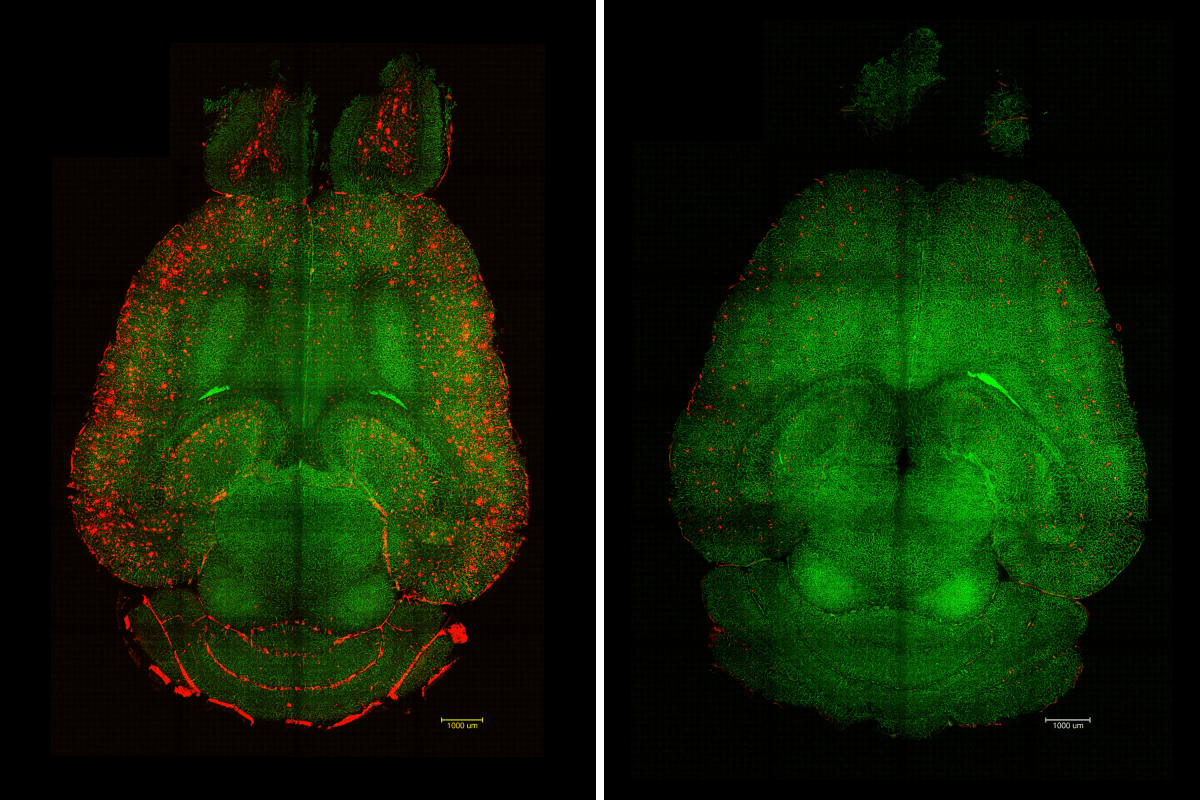
Scientists successfully reversed Alzheimer’s disease in mice by improving the function of the brain's blood vessels using nanotechnology. The new approach uses nanoparticles to clear waste proteins and restore the brain’s natural defenses, potentially opening a new path for Alzheimer’s treatment.
Key Facts
Researchers worked at the Institute for Bioengineering of Catalonia (IBEC) and West China Hospital of Sichuan University (WCHSU).
The study used nanoparticles as drugs to clear amyloid-β proteins, which are linked to Alzheimer’s disease.
This method restored the normal function of the blood-brain barrier, which protects the brain.
Mice treated with these nanoparticles showed a significant reduction in amyloid-β levels within an hour.
The mice regained behaviors similar to healthy ones months after treatment.
The study highlights the importance of vascular health in Alzheimer’s disease.
No harmful effects were observed in the mice receiving the treatment.
The treatment could potentially improve existing Alzheimer’s therapies by restoring the brain’s defenses.
Read the Original
Want the full story? Tap a source to open the original
article.
Several Italian businessmen received phone calls from scammers using AI to mimic the voice of Defence Minister Guido Crosetto. The scammers asked for money to allegedly help free kidnapped journalists. This incident highlights how AI can create realistic voice imitations that are hard to distinguish from real voices.
Key Facts
Scammers used AI to create a fake voice of Italian Defence Minister Guido Crosetto.
The fake voice asked businessmen for money to help free kidnapped journalists.
Money was requested to be sent to an overseas bank account.
Italian police became involved after the scam was reported.
Among the targeted, only Massimo Moratti, a former football club owner, sent money, which was later traced and frozen by authorities.
AI voice generation uses deep learning by studying real human voice data to create realistic imitations.
The incident highlights concerns over the use of AI for fraudulent activities.
Read the Original
Want the full story? Tap a source to open the original
article.
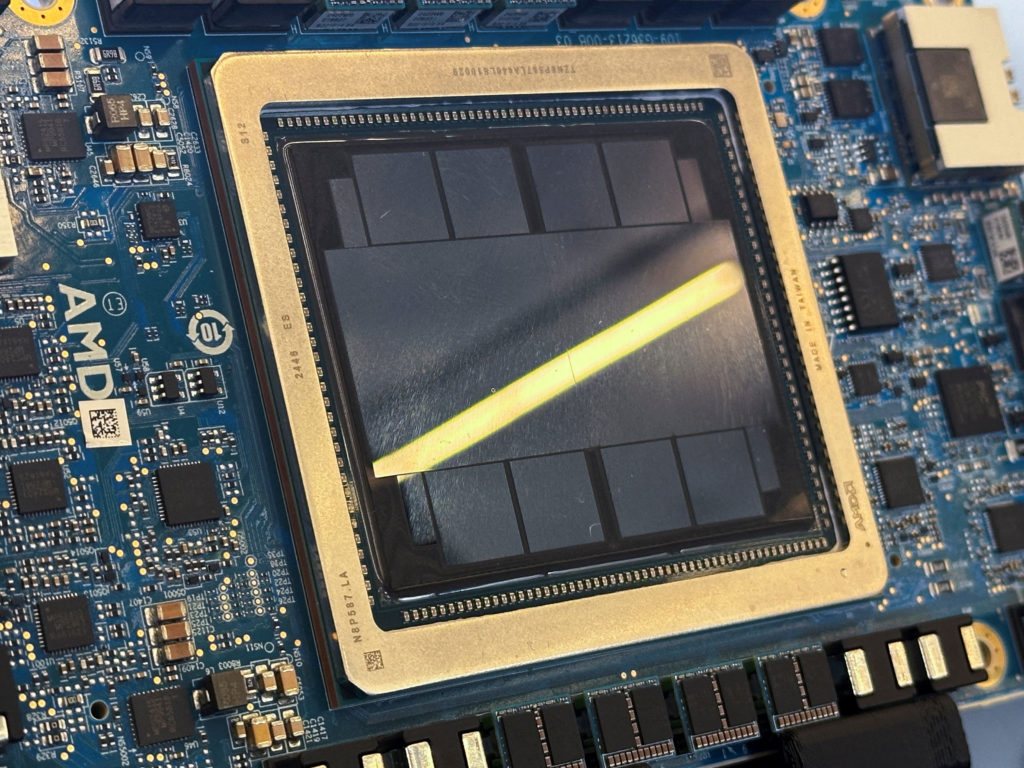
OpenAI has partnered with AMD to boost its AI infrastructure. AMD will supply its advanced chips to OpenAI, which might purchase up to a 10% stake in AMD. This partnership aims to enhance OpenAI's computing power for AI development.
Key Facts
AMD will provide chips to OpenAI for building AI infrastructure.
OpenAI has the option to buy up to a 10% stake in AMD.
OpenAI will purchase AMD's new Instinct MI450 chips, expected next year.
The deal includes supplying 6 gigawatts of computing power, starting in 2026.
AMD issued a warrant for OpenAI to buy up to 160 million of its shares.
Shares of AMD rose 25% while Nvidia's shares dipped slightly.
The collaboration signals OpenAI's effort to diversify its chip suppliers beyond Nvidia.
Read the Original
Want the full story? Tap a source to open the original
article.
OpenAI released a new app called Sora, which lets people create videos using artificial intelligence. Users can make videos in different styles, including ones that look like movies or TV shows. The app is gaining popularity but raises concerns about copyright and fake videos.
Key Facts
OpenAI's Sora app was released last Tuesday.
The app allows users to create videos that mimic any style, including copyrighted ones.
Sora has climbed to the top of Apple's App Store rankings.
Video generation access is currently by invitation only.
The app can insert AI versions of users or their friends into videos, with permission.
Videos created with Sora include watermarks and digital content credentials to show they are AI-generated.
OpenAI plans to monetize Sora, possibly through subscriptions or ads.
Sam Altman, OpenAI's CEO, said users should expect rapid changes and improvements to the app.
Read the Original
Want the full story? Tap a source to open the original
article.
MrBeast, a top YouTube content creator, released a reaction video to a 'message-to-future-self' video he recorded at age 17. In it, he marveled at his growth from 8,000 subscribers to over 443 million subscribers. The video highlighted his significant rise in popularity and the charitable work he's done.
Key Facts
MrBeast, real name Jimmy Donaldson, is one of the most popular YouTube creators with 443 million subscribers.
He recorded a video in 2015 to be released in 10 years and reacted to it in a recent video.
At the time of recording the original video, he had 8,000 subscribers.
Today, MrBeast also has dozens of channels with millions of subscribers each.
He is known for big-budget videos and challenges, as well as charitable initiatives like raising $40 million for clean water.
MrBeast faced criticism for safety concerns in some of his videos but emphasized his commitment to safety.
In the reaction video, MrBeast reflected on coming from a modest background and shared his current personal life milestone of being engaged.
Read the Original
Want the full story? Tap a source to open the original
article.
The article discusses the need for a national strategy to recycle nuclear fuel in the United States. It highlights the benefits of recycling, like reducing waste and improving energy efficiency, and mentions ongoing industry efforts and examples from other countries. The article also addresses challenges, such as security concerns and costs, that must be considered in the strategy.
Key Facts
The demand for nuclear energy is growing, with advanced reactors moving from concept to construction.
President Trump has issued an executive order for an assessment of recycling spent nuclear fuel.
Over 90,000 metric tons of used nuclear fuel are stored at 73 sites in the United States.
Companies like SHINE and Oklo are exploring recycling programs and facilities.
France's La Hague plant has successfully recycled 36,000 tons of nuclear fuel since the 1970s.
Recycling can increase fuel availability and reduce waste volume and radioactivity.
Challenges include securing materials like plutonium, which could potentially be used for weapons.
High costs are associated with recycling, making it economically viable only when uranium prices are very high.
Read the Original
Want the full story? Tap a source to open the original
article.
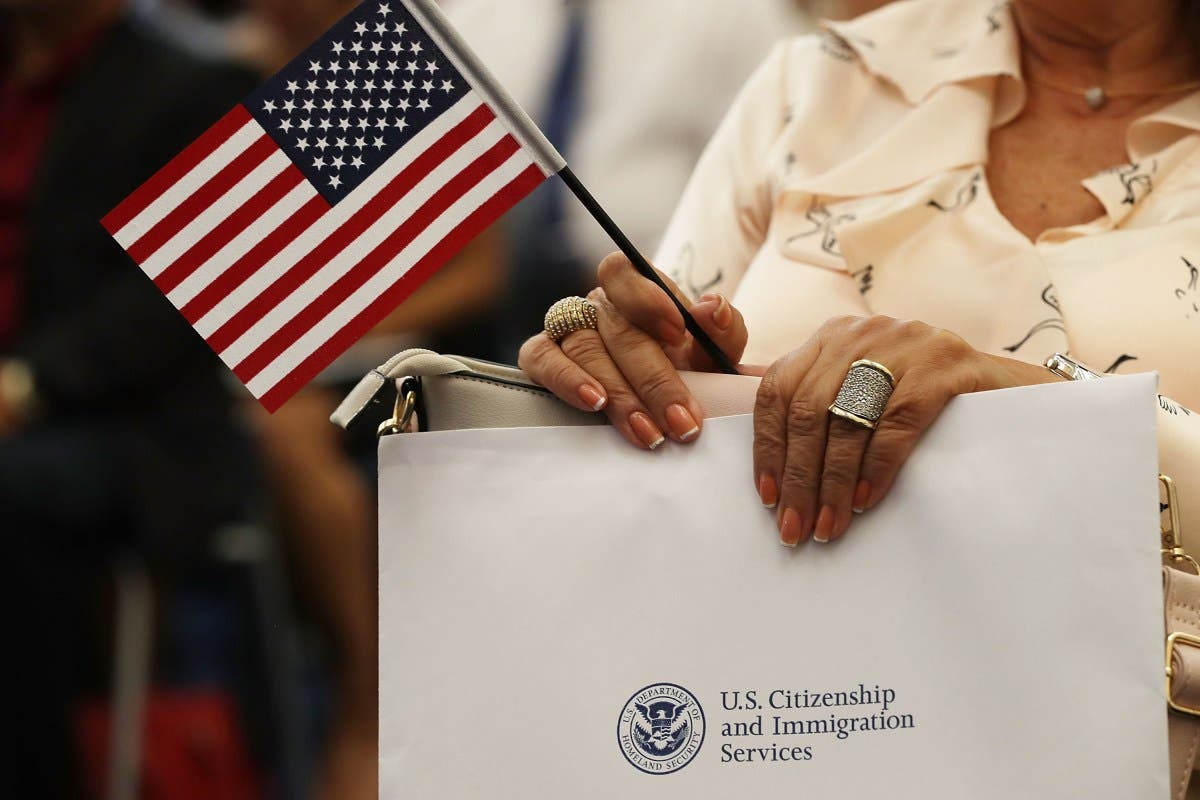
The University of Southern California warned H-1B visa holders to delay travel plans due to a new presidential rule involving a $100,000 fee for new H-1B applications. The new rule, signed by President Trump, aims to prevent misuse of the visa program and is effective for 12 months. A lawsuit has been filed to challenge the fee.
Key Facts
The warning was issued by the University of Southern California for H-1B visa holders.
President Trump signed a proclamation on September 19 introducing a $100,000 fee for new H-1B petitions, effective September 21.
The fee does not apply to existing H-1B visa holders or to renewals and amendments.
The White House aims to prevent visa program misuse and protect U.S. workers.
A proposed change prioritizes higher-paying or "higher-skilled" H-1B applications when demand exceeds the annual cap of 85,000 visas.
USC obtained 108 H-1B visa approvals for the 2025 fiscal year.
A federal lawsuit has been filed in San Francisco to stop the implementation of the new $100,000 fee.
Read the Original
Want the full story? Tap a source to open the original
article.
A parent's post about confusion over their child's use of new slang words went viral online. Experts explain that much of today's slang comes from online platforms, where language evolves quickly. This rapid spread of new terms reflects how communities online create and share language.
Key Facts
A parent's post on Reddit about being confused by their child's slang went viral but is now deleted.
Online platforms like Twitch, YouTube, and TikTok are key places where new slang is created and shared.
Language can change quickly as phrases from a livestream or social media post spread globally in days.
Slang allows young people to form identities and distinguish themselves from older generations.
Past figures like Shakespeare and Dickens also added new words to the English language.
The speed of slang spread is much faster today due to digital communication.
Youth slang is described as fluid, playful, and part of community culture.
Read the Original
Want the full story? Tap a source to open the original
article.
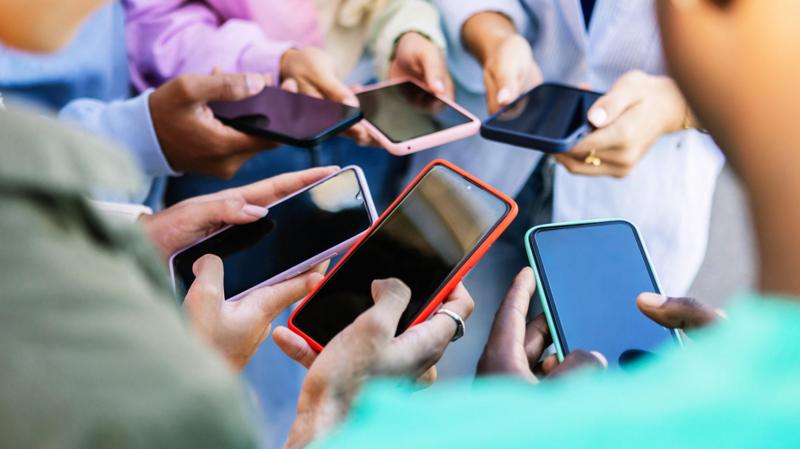
Nearly 30 million people in the UK who bought an Apple or Samsung smartphone between 2015 and 2024 might get around £17 each if the consumer group Which? wins a legal case against Qualcomm. The group accuses Qualcomm of making Apple and Samsung pay high prices for phone parts, which increased the cost of smartphones for consumers. The case is being heard in London and could lead to a £480 million payout if successful.
Key Facts
Approximately 30 million UK Apple and Samsung phone buyers could be part of a £480 million claim.
The consumer group Which? is suing Qualcomm for alleged anti-competitive actions.
The court case will take place at the Competition Appeal Tribunal in London.
The trial could last five weeks and will investigate Qualcomm’s market power and practices.
Qualcomm allegedly charged high prices for essential phone components, raising consumer costs.
If Which? is successful, affected consumers might receive about £17 each.
Similar legal actions against Qualcomm are ongoing in Canada and were previously in the EU.
Qualcomm has a history of facing allegations over anti-competitive behavior with previous cases in the EU and the US.
Read the Original
Want the full story? Tap a source to open the original
article.
Recently, Jaguar Land Rover (JLR) faced a cyber attack that halted its production in the UK for over a month. This incident is part of a larger trend of cyber attacks affecting major UK businesses, leading to significant financial losses and risks for smaller companies in their supply chains.
Key Facts
Jaguar Land Rover experienced a major cyber attack at the end of August, halting production for more than a month.
The estimated financial loss for JLR is £50 million per week during the disruption.
JLR is part of a larger trend where cyber attacks have hit major UK businesses, such as Marks & Spencer and the Co-op.
A UK government survey estimated that 612,000 businesses and 61,000 charities were targeted by cyber attacks this year.
Smaller suppliers for JLR, facing financial difficulties due to the halt, warned the government about running out of cash.
Analysts are concerned that if suppliers go bankrupt, it could damage the UK's advanced engineering industry.
A report by IBM found that the average cost of data breaches for organizations worldwide is $4.4 million.
Read the Original
Want the full story? Tap a source to open the original
article.
China is working hard to become a leader in creating AI chips, which are tiny parts that make computers think like humans. The country is investing a lot of money to compete with Nvidia, a big U.S. company known for its advanced AI chips. Several Chinese companies, including Alibaba, Huawei, and others, are making strides to reduce reliance on imported chips and boost local tech growth.
Key Facts
China is investing heavily in AI and robotics to boost its tech industry.
Nvidia's CEO said China is almost as advanced as the U.S. in chip technology.
Chinese company DeepSeek launched an AI program that competes with ChatGPT.
Alibaba introduced a new chip that matches Nvidia's in performance and uses less energy.
Huawei also announced powerful new chips and a plan to reduce reliance on U.S. products.
Several Chinese companies, like MetaX and Cambricon Technologies, are gaining attention for their advanced chips.
Tencent is using more locally made chips as part of the government's push for innovation in domestic technology.
Experts note that while Chinese chips are catching up, they are not yet equal to U.S. chips in some complex areas.
Read the Original
Want the full story? Tap a source to open the original
article.
Taylor Swift faced criticism online for allegedly using artificial intelligence (AI) to create videos promoting her new album. The videos were part of a QR code scavenger hunt across 12 cities, and critics pointed out unusual details that suggested AI might have been involved. Swift's use of AI in art sparked mixed reactions among fans.
Key Facts
Taylor Swift released videos as part of a promotional campaign for her new album, "The Life of a Showgirl."
The videos involved a QR code scavenger hunt in 12 cities worldwide.
Fans found possible signs of AI use in the videos, like shifting details and visual inconsistencies.
AI in art has been a contentious topic after previous Hollywood protests about AI's impact on creative jobs.
Some fans criticized Swift for using AI, while others did not mind the use of technology.
The QR code videos delivered a collective message: "You must remember everything but mostly this: the crowd is your king."
Discussions and hashtags like #SwiftiesAgainstAI appeared on social media in response to the situation.
Read the Original
Want the full story? Tap a source to open the original
article.
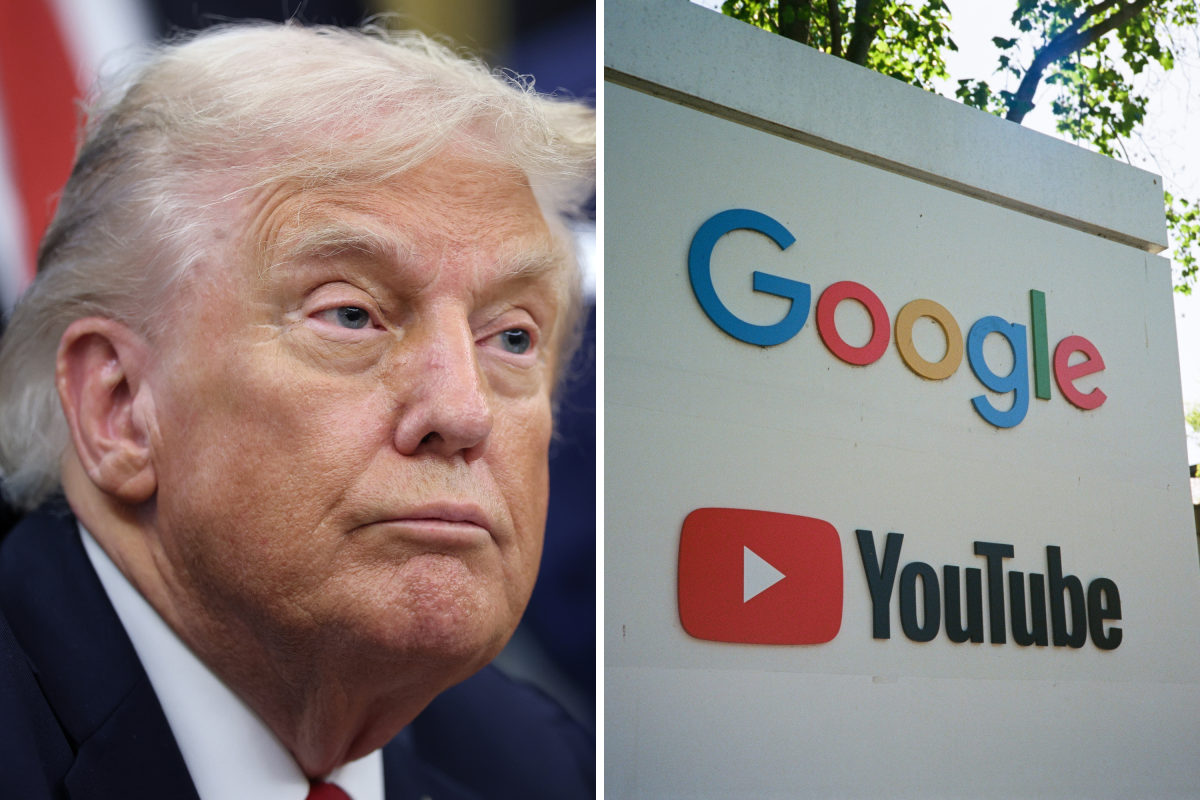
President Donald Trump requested that Google and YouTube restore Univision on their platform before the 2026 Midterm Elections. Univision, a major Spanish-language network, was dropped from YouTube TV after contract talks failed. The move has prompted reactions from political figures and calls for reconsideration.
Key Facts
President Trump asked Google and YouTube to bring back Univision on their service.
YouTube TV removed Univision and TelevisaUnivision channels after contract renewal discussions fell through.
Univision is the largest Spanish-language broadcaster in the United States.
YouTube claimed that Univision content was a small part of its overall consumption on YouTube TV.
TelevisaUnivision criticized Google's decision, stating it took important news access away from Hispanic viewers.
Univision started a campaign named "Do the Right Thing Google" to address the issue.
The issue surfaced as YouTube settled a lawsuit brought by Trump related to his account suspension.
Political figures, including Senator Ted Cruz, have spoken against Google’s decision to put Spanish-language channels behind a paywall.
Read the Original
Want the full story? Tap a source to open the original
article.
A video showing apartments in Vienna appearing to float without support sparked curiosity online. Experts explain that the illusion is created using a construction method called "cantilevering," which allows parts of a building to extend outward without visible supports. This method uses hidden structures to keep these elements stable and secure.
Key Facts
The viral video showed modern apartments in Vienna appearing as if they floated without support.
The illusion is achieved through a construction technique called "cantilevering."
A cantilever is a beam or slab anchored at one end, allowing it to extend outward.
Hidden supports, or "back spans," balance the weight and maintain stability.
Modern software helps architects and engineers design and analyze these structures safely.
Cantilevers can make dramatic visual design statements and maximize space.
Architects use cantilevers in various buildings to create visually interesting and practical designs.
Read the Original
Want the full story? Tap a source to open the original
article.
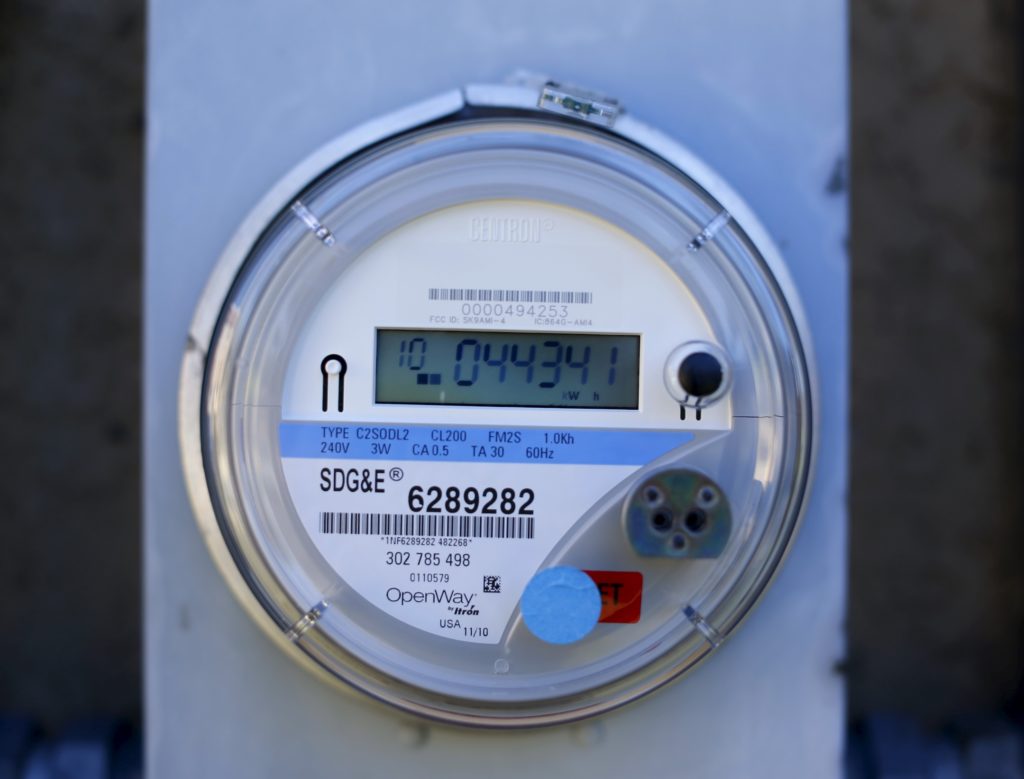
Devices that remain plugged in, such as coffee makers, game consoles, and laptop chargers, use energy even when turned off. These "vampire devices" can make up 5 to 10% of home energy consumption in the U.S. Alexis Abramson from Columbia University explains this issue.
Key Facts
Devices plugged in but not in use still use energy.
Examples include coffee machines, video game consoles, and laptop chargers.
These devices can use up to 10% of a home's energy.
This issue is referred to as "vampire devices."
Alexis Abramson from the Climate School at Columbia University discussed this issue.
Reducing use of such devices can lower home energy bills.
Read the Original
Want the full story? Tap a source to open the original
article.
Newsweek asked ChatGPT to make images of mixed-breed dogs using real DNA results from different dog owners. The article explores the surprising outcomes when people guessed their dogs' breeds based on appearances alone, compared to the actual DNA findings.
Key Facts
Newsweek used ChatGPT to create images of mixed-breed dogs.
They based these images on real DNA test results from five dog owners.
Mixed-breed dogs often have unexpected ancestry, making their DNA makeup complex.
The global dog DNA testing market is growing and is expected to reach $723 million by 2030.
One dog, Loki George, was expected to be a golden retriever but had 29% German shepherd and other breeds according to DNA results.
Jay, another dog owner, thought his dog was a West Highlander terrier, but DNA tests showed otherwise.
ChatGPT's generated images illustrate the differences between a dog's appearance and its true genetic makeup.
Read the Original
Want the full story? Tap a source to open the original
article.
A man named Steven Suprise noticed an issue with his vision and, after not getting clear answers from doctors, used ChatGPT to understand his symptoms better. ChatGPT suggested it might be serious, prompting him to seek further medical evaluation, which led to a cancer diagnosis. Experts caution against using AI like ChatGPT for medical advice without consulting a professional.
Key Facts
Steven Suprise noticed a drooping eye and initially consulted doctors who found nothing alarming.
He used ChatGPT to help understand his symptoms, which led to a serious diagnosis.
Doctors diagnosed him with a rare cancer called adenoid cystic carcinoma (ACC).
He received 30 rounds of radiation and five rounds of chemotherapy.
Experts warn against relying solely on AI tools like ChatGPT for medical advice.
Research shows that AI like GPT-4o can sometimes give unsafe medical advice.
Steven shares his experience on TikTok to raise awareness about the rare cancer.
He remains hopeful and stresses that while AI can help, it should not replace doctors.
Read the Original
Want the full story? Tap a source to open the original
article.
The fashion industry is using artificial intelligence (AI) to anticipate upcoming trends by analyzing data from various sources. Companies are employing AI to make decisions on design choices and predict which styles will be popular. AI helps process large data sets, but human insight remains an important part of trend forecasting.
Key Facts
AI is being used by fashion companies to predict trends by analyzing data from runway shows and social media.
The company Heuritech predicted trends like dotted prints and flat-thong sandals, which were later seen at fashion weeks.
Over 40% of global consumers bought clothing and accessories via social media at least three times in 2024.
AI tools help make quicker design decisions, such as choosing between color options for clothing.
Human expertise is still necessary in combination with AI to accurately predict fashion trends.
AI is also applied in customer experiences, supply chain management, and virtual clothing try-ons.
Read the Original
Want the full story? Tap a source to open the original
article.
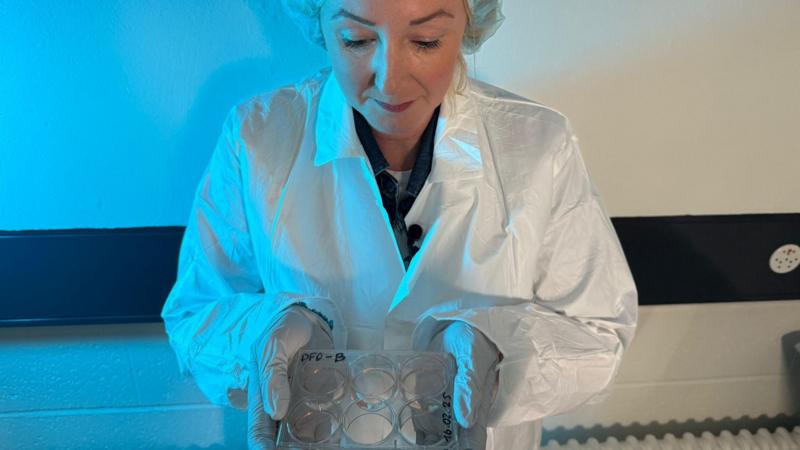
Scientists in Switzerland are working on creating biocomputers using living cells. These biocomputers involve growing small clusters of neurons, called organoids, from human stem cells. The goal is to develop computers that use less energy and can learn in ways similar to artificial intelligence (AI).
Key Facts
Scientists are experimenting with creating computers from living cells, a field known as biocomputing.
A group of researchers in Switzerland is leading efforts to develop these "living" computers.
The process uses stem cells, transformed into neurons and then grown into clusters called organoids.
These organoids can be attached to electrodes to function like basic computers.
FinalSpark lab in Switzerland buys human stem cells from a clinic in Japan for this research.
The organoids are simple versions of human brains, capable of responding to electrical signals.
Scientists aim to evolve these biocomputers to learn and perform tasks using low energy.
A significant challenge remains in maintaining the organoids without blood vessels.
Read the Original
Want the full story? Tap a source to open the original
article.