Fact-first summaries of the news — stay informed, stay grounded.
Your favorite news sources, one calm feed — fact-first summaries that always link to the
original story. No outrage bait, and we tell you when you're caught up. How it works
Technology News
Breaking news and analysis from the world of technology
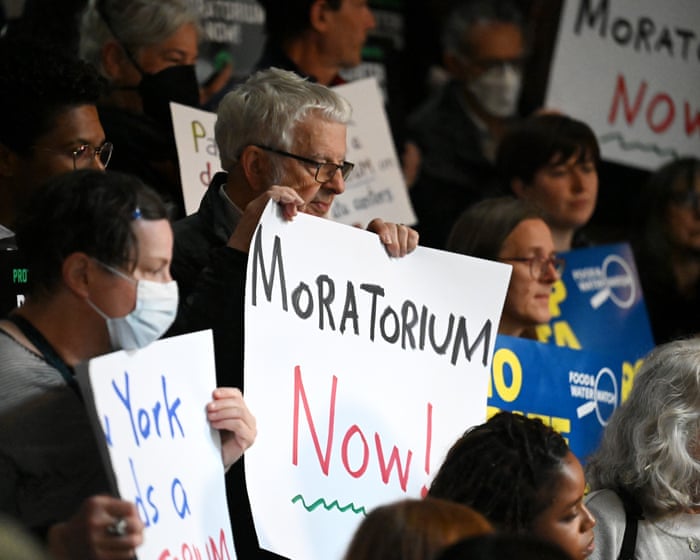
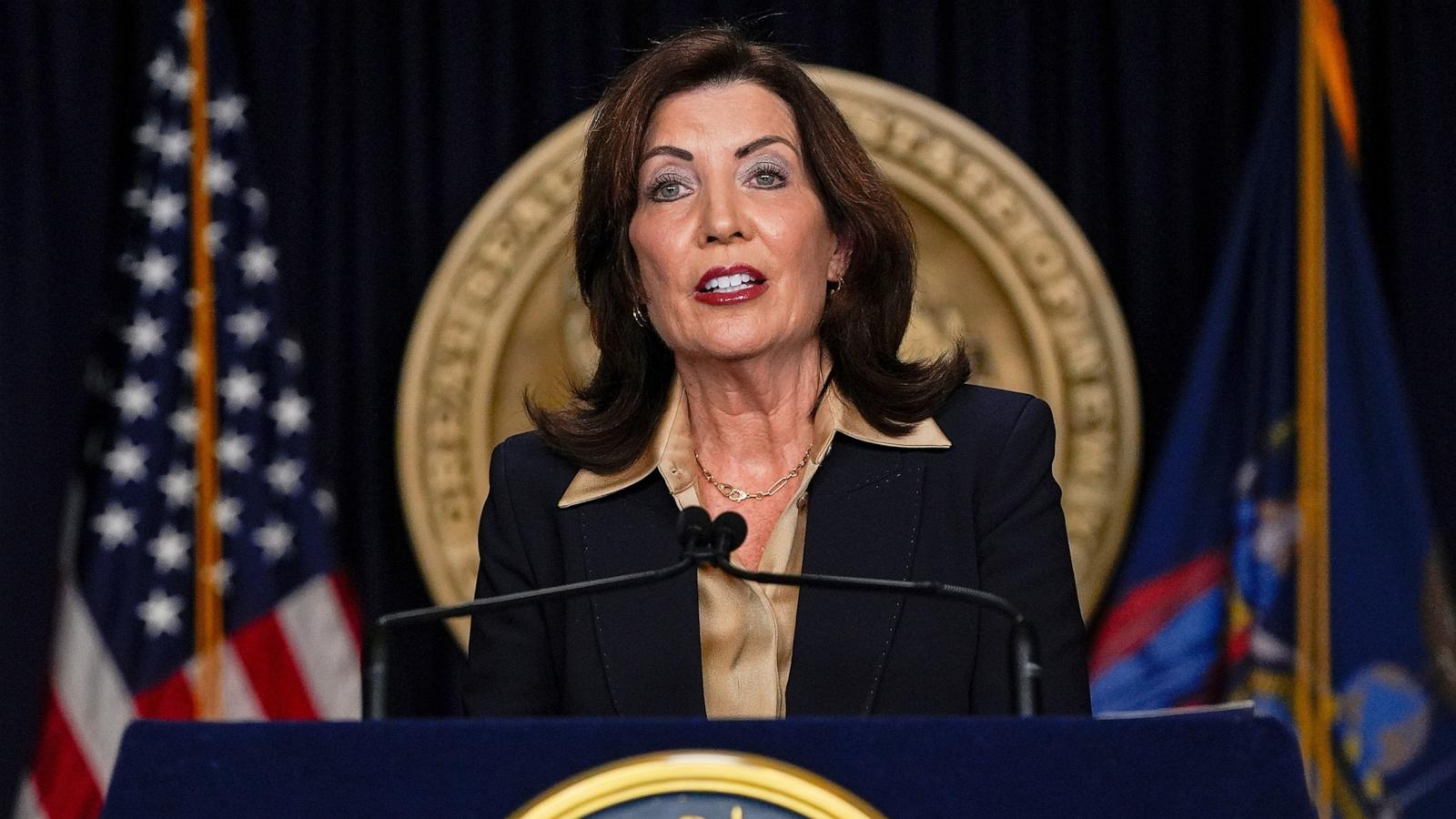
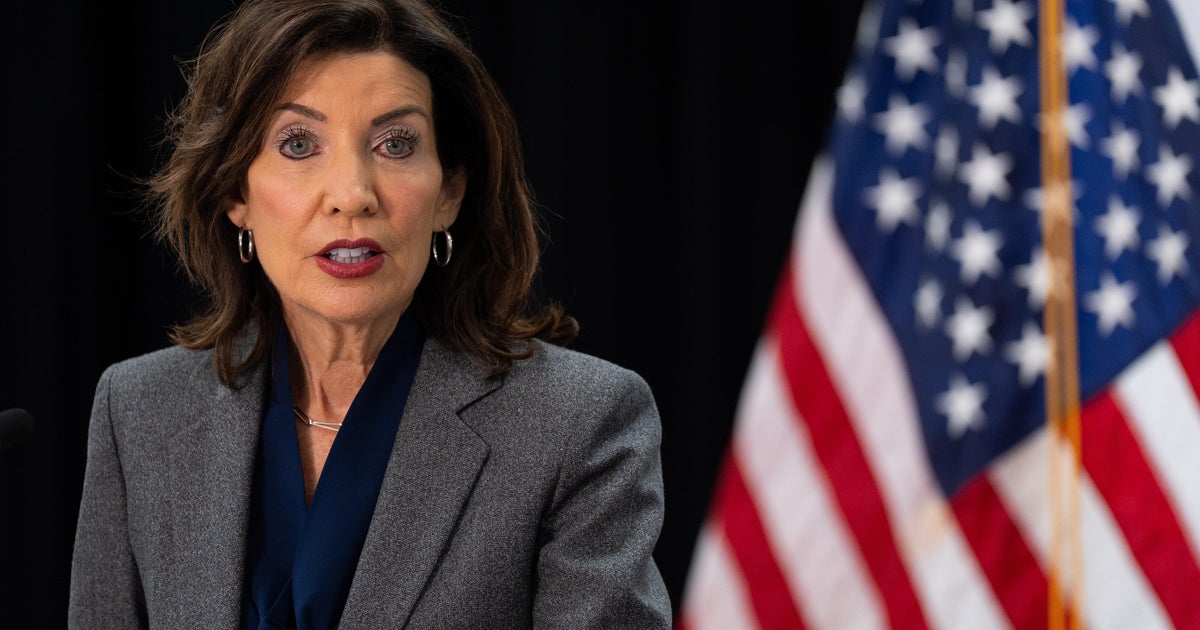
New York State has paused all construction of large data centers for one year to develop clear rules for responsible building and protect the environment. Governor Kathy Hochul aims to prevent rising utility costs and resource depletion caused by these facilities, which support the artificial intelligence (AI) industry.
Key Facts
New York banned data center construction projects using 50 megawatts or more for one year.
The pause will last until the state creates consistent environmental and development standards.
Data centers consume large amounts of energy and water, raising concerns about pollution and high costs.
Some federal lawmakers have proposed nationwide bans, but President Donald Trump opposes them, citing risks to U.S. leadership in AI.
New York has fewer data centers than states like Virginia and Texas but has many projects waiting for approval.
Governor Hochul plans to repeal sales tax exemptions that previously attracted data center investments.
The state will conduct a detailed environmental review called a Generic Environmental Impact Statement (GEIS) during the moratorium.
The decision reflects growing pressure on officials to balance economic benefits with public concerns about natural resource use.
Read the Original
Want the full story? Tap a source to open the original
article.
New York state has paused new big data centers for one year through an order from Governor Kathy Hochul. The pause aims to allow time to create rules addressing energy use, water, and environmental effects of these centers.
Key Facts
New York is the first U.S. state to stop new large data centers for one year.
The pause applies to data centers using more than 50 megawatts of electricity.
The governor wants to study environmental impacts, energy needs, and water use from these facilities.
Many Americans dislike data centers near them because of higher utility bills and environmental concerns.
Over a dozen states have considered similar pauses on building data centers.
Maine passed a moratorium but its governor vetoed it, while some cities, like Seattle, have also paused construction.
New York’s legislature approved a similar bill, but Governor Hochul has not yet signed it, choosing an executive order instead.
Public opinion in New York is mixed; nearly half support the one-year pause while some oppose it.
Read the Original
Want the full story? Tap a source to open the original
article.
Scammers are using FaceTime video calls to pretend to be bank representatives and trick people into giving sensitive information. These scams often begin with a text message warning about suspicious activity on a person's bank account or credit card.
Key Facts
Scammers contact victims using FaceTime video calls.
They pretend to be bank employees or financial representatives.
The scam usually starts with a text message about suspicious activity on an account.
The goal is to steal money or personal information.
Consumer advocates have noticed an increase in these types of scams.
The scams rely on convincing victims that the calls are from their actual bank.
People are advised to be cautious and verify any unexpected bank communications.
Read the Original
Want the full story? Tap a source to open the original
article.
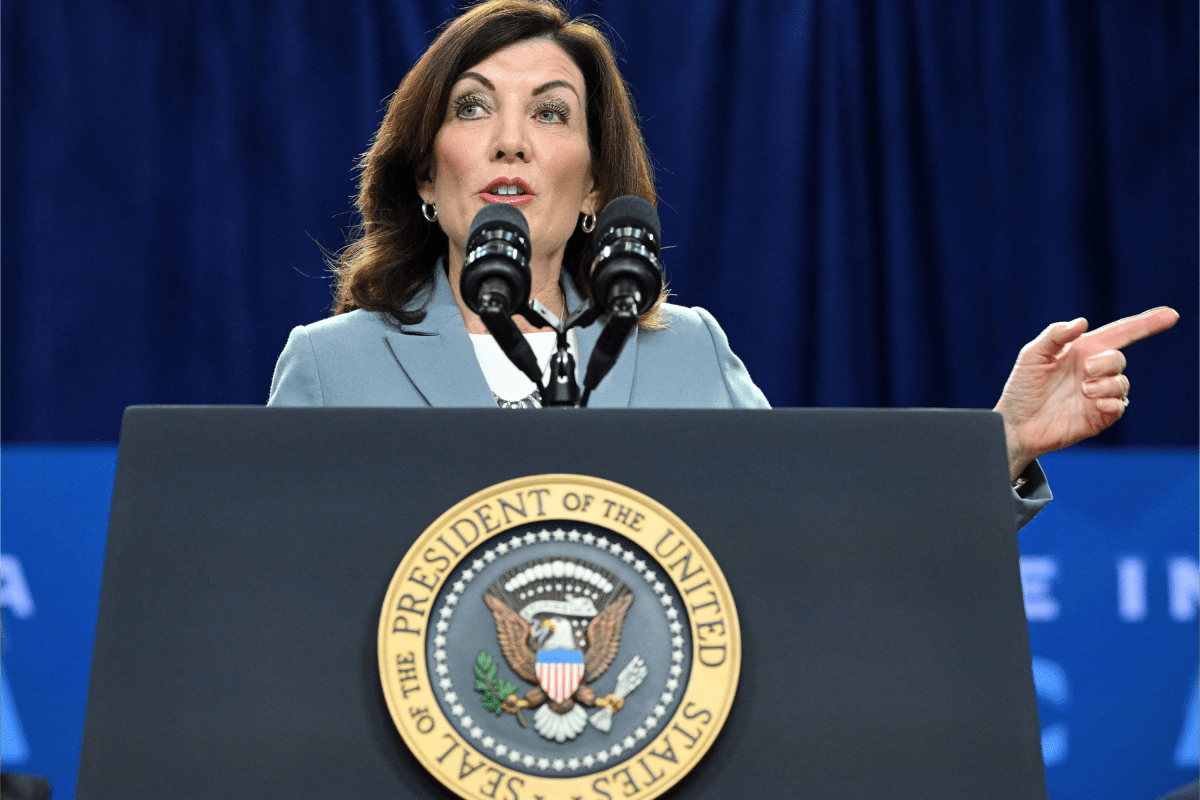
New York Governor Kathy Hochul announced she will sign a pause, called a moratorium, on building new data centers in the state. This means no new data centers can be approved or started for a certain time.
Key Facts
Governor Hochul is issuing a moratorium on new data centers in New York.
A moratorium temporarily stops new projects or approvals.
The announcement aims to pause data center construction for now.
The reason or length of the moratorium was not detailed in the article.
Data centers are buildings that hold many computer servers for storage and internet services.
This is an initial report and more updates are expected later.
Read the Original
Want the full story? Tap a source to open the original
article.
The UK wants to grow its share in the global race for AI technology but is cautious about the risks, including potential financial problems. Meanwhile, OpenAI faces legal challenges from Apple over allegations of stealing trade secrets, which could affect OpenAI’s plans to go public with a very high valuation.
Key Facts
The Bank of England plans to relax some lending rules to encourage more investment in AI.
The central bank is worried about loans going to hedge funds buying AI stocks, raising the risk of a market bubble.
Bank of England Governor Andrew Bailey warned about three risks related to AI: too much investment, slower adoption, and fast changes leaving some companies behind.
The UK is trying to catch up with the US and China in AI but is hesitant to invest heavily because of financial risks.
OpenAI was sued by Apple for allegedly stealing trade secrets to build its own hardware.
Apple and OpenAI had a cooperative relationship two years ago, which has since worsened.
OpenAI recently paid $6.4 billion to acquire a startup led by Jony Ive, a former Apple design chief.
The lawsuit names a former Apple vice-president who now works on hardware at OpenAI.
Read the Original
Want the full story? Tap a source to open the original
article.
D-topia is a video game set on a future planet where an AI system cares for people by managing everything to keep them happy. Players take on the role of a helper who interacts with both humans and robots, solving puzzles and making small decisions in a calm, controlled environment.
Key Facts
The game takes place on a distant planet controlled by an AI called the Optimization System.
This AI appears as friendly robots and manages everything, including the city design and weather.
Players act as a "Facilitator," helping both robots and humans through simple puzzles and conversations.
The game focuses on calm, easy tasks to create a peaceful but somewhat dull atmosphere.
Characters show mixed feelings about living in this controlled world, which limits personal expression.
The story raises questions about AI’s role in society without being overly scary or negative.
Visuals and gameplay create a soothing but eerie feeling, compared to a high-end care facility.
Themes include the balance between convenience and loss of human culture under AI control.
Read the Original
Want the full story? Tap a source to open the original
article.
The main issue with artificial intelligence (AI) is no longer whether AI systems will get better—they will. The bigger challenge is whether our organizations and rules can adapt quickly enough to handle these improvements.
Key Facts
AI models will continue to improve over time.
The main concern is if institutions can keep up with the rapid progress in AI.
Institutions include government, companies, and other organizations responsible for managing AI.
Current AI policies may be too slow or outdated compared to how quickly AI evolves.
Adapting policies is important to safely use and control AI technology.
Read the Original
Want the full story? Tap a source to open the original
article.
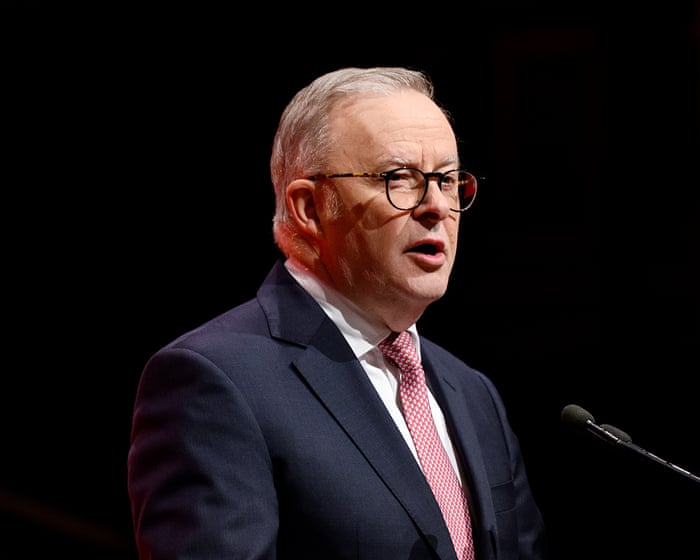
Prime Minister Anthony Albanese announced that Australia will speed up approval processes for AI projects, including datacentres, to attract investment and build community trust. He also revealed plans to create a new national AI office to handle economic, social, security, and environmental issues related to AI in one framework.
Key Facts
Australia will fast-track approvals for AI-related projects like datacentres to boost investment.
A new national office of AI will be set up within the Prime Minister’s department.
This office will create Australian AI standards and coordinate AI efforts across the government.
The government aims to address AI issues including intellectual property, security risks, and environmental impact.
The government wants clearer rules on using Australian content to train large language models (AI systems).
AI is seen as a major technology disruptor with both benefits and risks, including threats from misuse by extremists and foreign actors.
Australia is working with its intelligence allies in the Five Eyes group on AI security concerns.
The government is expanding its own AI service, GovAI, to improve public service efficiency.
Read the Original
Want the full story? Tap a source to open the original
article.
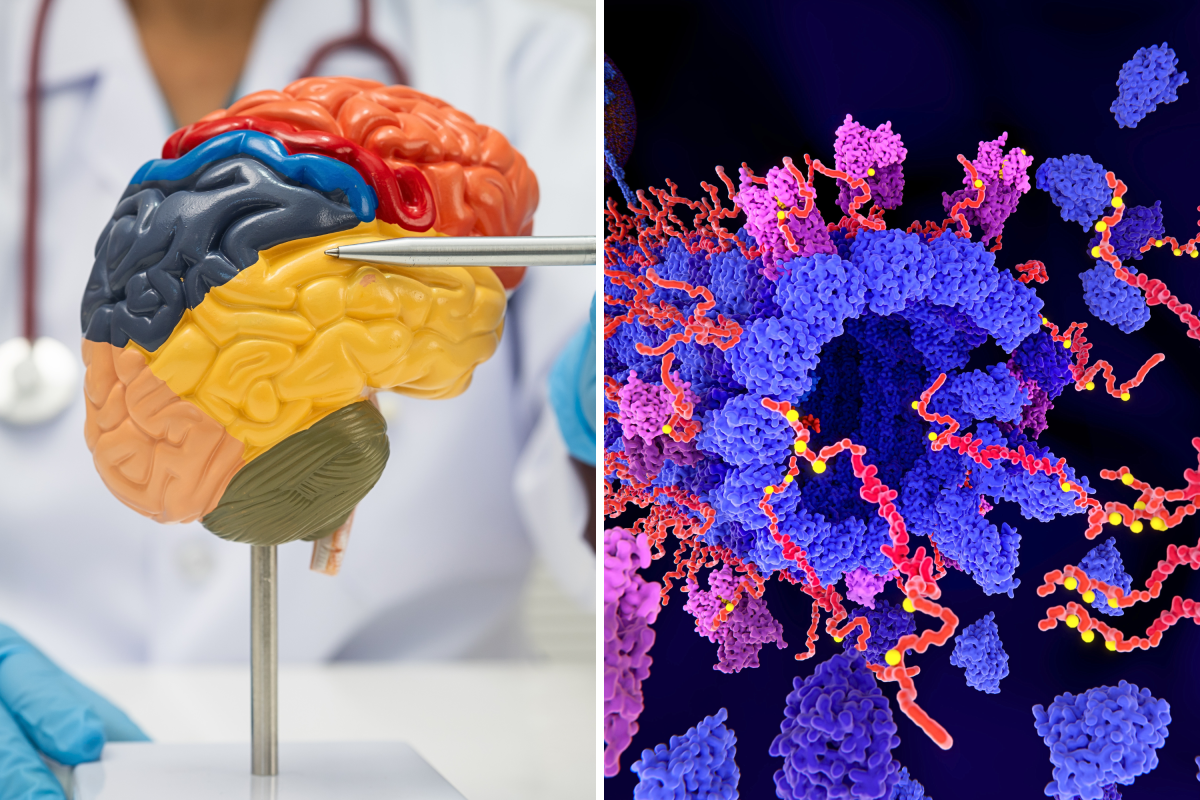
Scientists studied a protein called tau, known for its role in Alzheimer’s disease, and found it also helps healthy brains form long-lasting memories. Research in mice showed tau helps select specific brain cells to store memories and reduces background brain activity to make memories clearer.
Key Facts
Tau protein usually is linked to brain damage in Alzheimer’s disease.
New research shows tau also helps healthy brain cells build memories that last weeks.
The study focused on “remote memory,” memories recalled days or weeks after an event.
Tau helps select a small group of brain cells called engram cells to store memories.
Tau reduces background brain activity, helping memories form more clearly.
A chemical process called phosphorylation changes tau and is part of normal memory formation.
This research was done in mice, so results may not apply directly to humans or Alzheimer’s.
The findings could lead to new treatments that keep tau’s normal functions while addressing disease.
Read the Original
Want the full story? Tap a source to open the original
article.
New York Governor Kathy Hochul has issued a one-year pause on building new hyperscale data centers in the state. This moratorium aims to give lawmakers time to create rules that protect residents and the environment before allowing more data centers to be developed.
Key Facts
The pause on new data centers will last for one year.
The ban stops approval of environmental permits for hyperscale data centers.
Hyperscale data centers are large facilities with thousands of servers that use 50+ megawatts of power.
These centers need a steady water supply to keep their equipment cool.
New York is the first state to impose a statewide moratorium on data center construction.
The pause responds to rapid growth in demand driven by AI and other computing needs.
The Department of Public Service will develop standards to regulate future data center projects.
Once the new guidelines are ready, the ban will end and construction can resume.
Read the Original
Want the full story? Tap a source to open the original
article.
New York state has paused the construction of large new data centers for one year. The pause aims to review how these centers affect energy use, water resources, and local communities before allowing more to be built.
Key Facts
New York is the first U.S. state to stop building large data centers temporarily.
Governor Kathy Hochul announced a one-year halt to major data center projects.
The pause is due to concerns about rising electricity demand and utility bills.
Officials will review energy use, water consumption, and community impacts.
The goal is to create new rules for future data center development.
Data centers use a lot of electricity because they store and manage online data.
This action reflects growing attention to balancing AI growth with environmental concerns.
Read the Original
Want the full story? Tap a source to open the original
article.
A woman used the internet to find a man she noticed at an airport while boarding a flight to Florida. This story shows how people can connect with others through online tools even after just a brief encounter.
Key Facts
A woman spotted a man at an airport before boarding a plane to Florida.
She used the internet to search for this man.
The story was covered by ABC News, reported by Sophie Flay.
The internet can help people reconnect after short meetings in public places.
This event highlights how technology is used for personal connections.
The report was shared on July 14, 2026.
The article was part of a live stream and news updates on various topics.
Read the Original
Want the full story? Tap a source to open the original
article.
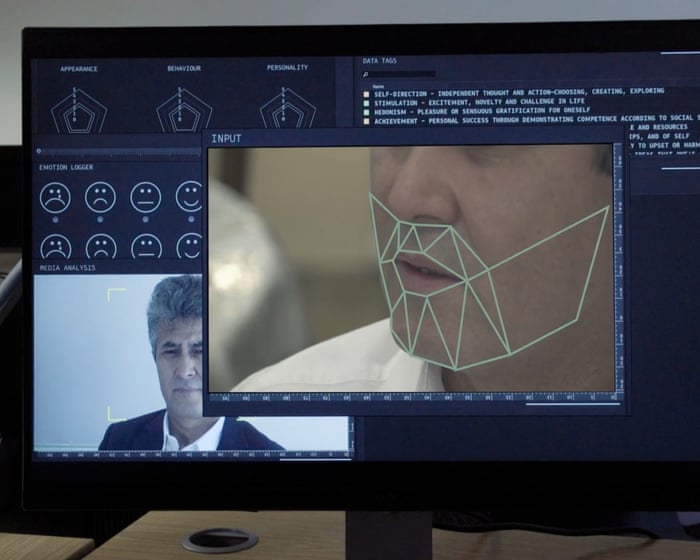
Marc Isaacs made a new film called Synthetic Sincerity, which mixes real people and fictional ideas about artificial intelligence (AI). The film shows a pretend AI research lab trying to create digital human characters, including one based on a real Uyghur man who runs a restaurant in London.
Key Facts
The film is a blend of documentary and fiction about AI.
It features fictional AI researchers played by actors.
The AI lab is called Synthetic Sincerity and is located at a made-up University of Southern England.
The film uses real people’s images and voices to train AI characters.
One AI figure is based on Ablikim Rahman, an exiled Uyghur man in London.
The story includes a debate about AI speaking for real people’s feelings.
The film also shows conflicts tied to Chinese funding and political views.
The movie explores questions about identity, AI, and reality.
Read the Original
Want the full story? Tap a source to open the original
article.
Lynk & Co is a car brand created by a European-Chinese team under Geely Auto Group. It targets creative, independent-minded customers and collects real-time feedback through an app to improve its cars quickly.
Key Facts
Lynk & Co is part of Geely Auto Group, which also owns Volvo and Polestar.
The brand combines European and Chinese engineering with design from Gothenburg, Sweden.
Most sales happen in China, but the company has expanded to 23 countries, including several in Europe and Asia.
Lynk & Co has about 30,000 cars on the road in the Netherlands and sells 300,000-350,000 vehicles globally each year.
Their typical customers are described as creative people like poets, dreamers, and musicians.
The cars feature the Co:LAB app, allowing owners to send feedback and suggestions directly to the company.
The company receives daily messages from customers about car features and quickly uses this information to improve designs.
Common feedback includes requests to adjust indicator noise, change clock placement, add apps showing power use, and add games for electric driving range.
Read the Original
Want the full story? Tap a source to open the original
article.
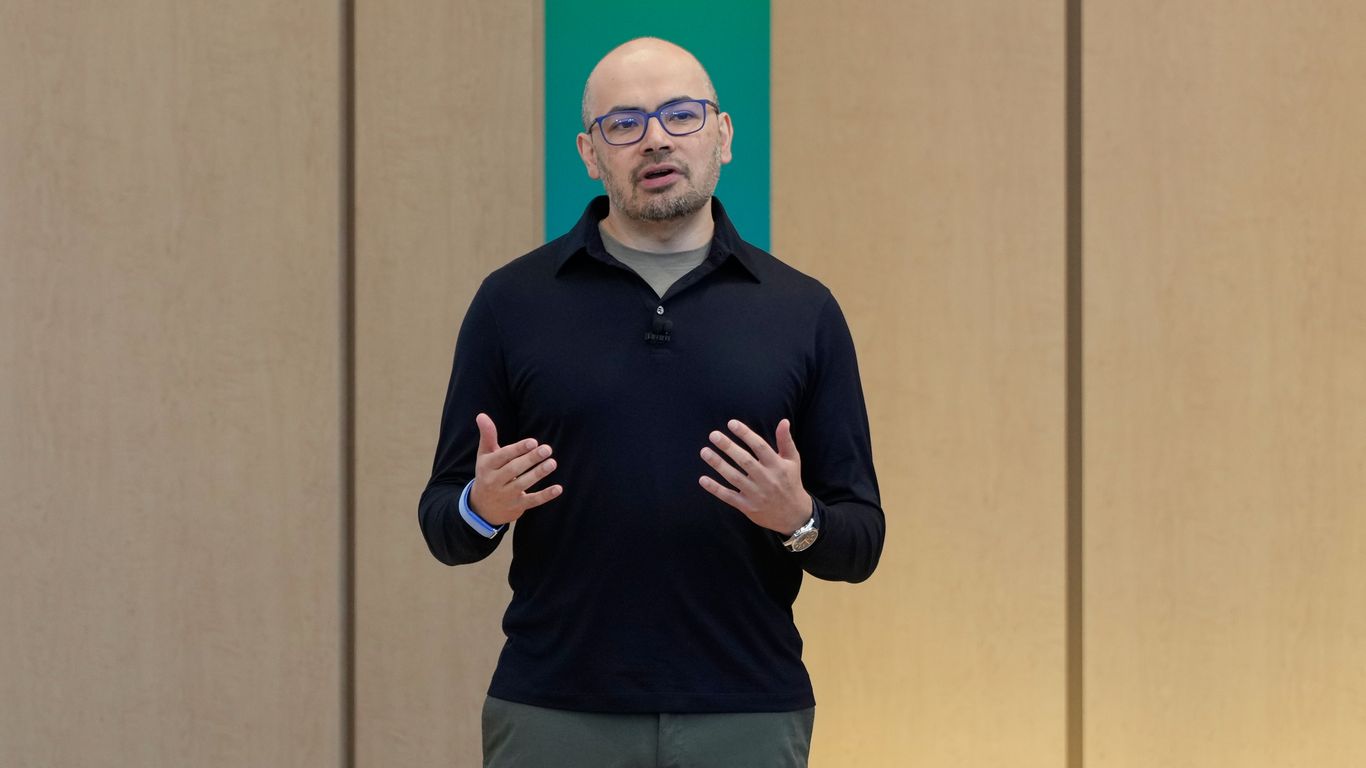
Demis Hassabis, CEO of Google DeepMind, proposes the U.S. create a global AI watchdog to test the safest ways to release advanced artificial intelligence models. This watchdog would monitor AI risks and coordinate a slowdown if needed, involving industry experts and government oversight.
Key Facts
Hassabis wants a U.S.-led AI regulatory body to screen advanced AI models before public release.
The watchdog would be similar to FINRA, a financial industry regulator funded by the industry but supervised by the government.
AI labs would submit their models for safety testing up to 30 days before launch.
The board would include top AI experts, industry leaders, government officials, and open-source representatives.
The body’s rules would apply globally to all advanced AI models, regardless of country or openness.
Hassabis began discussing the plan with the Trump administration and global officials months ago.
Recent U.S. government actions, like freezing Anthropic’s models, showed the need for clear AI rules.
Hassabis predicts artificial general intelligence (AGI), AI with human-like thinking, may arrive in a few years.
Read the Original
Want the full story? Tap a source to open the original
article.
Scientists and NASA experts say living on the moon could change how people think and feel because of isolation, confinement, and the moon’s unique environment. NASA plans to have astronauts live and work on the moon by 2032, but the mental and emotional effects of this stay, including risks like anxiety and sleep problems, need to be understood and managed.
Key Facts
NASA aims to establish a permanent base on the moon near the South Pole by 2032.
Living on the moon will involve isolation, confinement, and separation from Earth.
NASA studies show long space missions can slow brain functions such as attention and memory.
Reduced gravity on the moon may affect sleep, movement, and mood.
Experts warn lack of natural Earth signals (like weather and wildlife) can harm mental health.
Prolonged isolation in space can cause insomnia, anxiety, depression, and even hallucinations.
The moon’s environment is described as very different from Earth, potentially causing emotional and cognitive challenges.
NASA currently uses health measures on the International Space Station to reduce risks, but lunar missions will be more challenging.
Read the Original
Want the full story? Tap a source to open the original
article.
Microsoft released the Surface Laptop 8, a faster and longer-lasting version of its ARM-based laptop. It has a higher price than the previous model and includes new features like a haptic trackpad and a bright, high-quality screen.
Key Facts
The Surface Laptop 8 uses Qualcomm Snapdragon X2 Plus or X2 Elite chips.
The price starts at £1,449 ($1,600), about £400 more than the previous model.
It has a solid aluminum body and comes in new colors, including jade green.
The laptop features a 13.8-inch or 15-inch 120Hz LCD screen with HDR and Dolby Vision.
It supports Windows 11 haptic signals, giving physical feedback through the trackpad.
Battery life lasts nearly 14 hours of mixed work, which is very good for a Windows laptop.
It includes two USB-C ports, a USB-A port, headphones jack, and a Surface Connect port (charger not included).
Performance is improved but still not as fast as Apple’s MacBook Air with the M5 chip.
Read the Original
Want the full story? Tap a source to open the original
article.
Labor MP Ed Husic urges his party to impose stricter rules on big AI companies instead of letting them regulate themselves. Ahead of Prime Minister Albanese’s speech on AI, there is debate in the government about whether to change copyright laws to benefit AI firms, with Husic opposing any loosening of protections for creators.
Key Facts
Ed Husic says watering down copyright laws to help AI companies goes against Labor’s values.
Husic argues self-regulation by AI companies like OpenAI and Anthropic has failed and governments must set strong rules.
The Prime Minister’s upcoming speech will address AI policy, data centers, and intellectual property in Australia.
Labor is considering, but has not finalized, changes to copyright laws related to AI training on Australian creative works.
Treasury officials warned about complaints from Anthropic regarding copyright rules and data center development.
Husic insists creators deserve fair payment when their works are used by AI companies.
There are concerns about the impact of AI-related infrastructure on local communities, including energy and resources.
The debate illustrates Labor’s challenge balancing support for AI growth with protecting creators and communities.
Read the Original
Want the full story? Tap a source to open the original
article.
SpaceX plans to launch its Starship and Super Heavy booster on their 13th test flight, carrying 20 real Starlink Version 3 satellites. The mission will last about an hour and will test satellite deployment, laser communication links, and heat shield imaging before the spacecraft lands in the ocean.
Key Facts
The launch window opens Thursday at 5:45 pm CDT from Starbase, Texas.
This will be Starship’s 13th full-scale test flight and second using the newest Starship version.
Inside Starship’s cargo bay are 20 real Starlink V3 satellites, not yet part of the active network.
The satellites will deploy one by one using a pulley system on the spacecraft’s side.
Engineers will test laser communication between the new satellites and older Starlink satellites in orbit.
The flight will follow a suborbital path over the Indian Ocean, lasting just over one hour.
Starship will splash down northwest of Australia; the satellites will burn up on reentry.
Some satellites have cameras to capture images of Starship’s heat shield during flight for analysis.
Starship can carry up to 60 Starlink V3 satellites in future launches, greatly increasing network capacity.
Read the Original
Want the full story? Tap a source to open the original
article.
More than 200 experts, including Nobel winners, have urged leaders to prepare for big changes caused by artificial intelligence (AI). They warn AI could change the economy faster and more deeply than the Industrial Revolution and could cause job losses as well as improvements in living standards.
Key Facts
The open letter was organized by Stanford University’s digital economy lab.
It is signed by over 200 economists and AI researchers, including 16 Nobel laureates.
The letter warns AI may become much more powerful in the next decade.
Experts say AI could cause large-scale job displacement but also create new opportunities.
The letter calls for governments and companies to set rules and supports to help people benefit from AI.
Professor Anton Korinek said waiting too long to act would be a mistake.
Amazon recently cut 14,000 jobs, partly due to AI taking over some work.
The United Nations warned that AI might increase economic inequality between rich and poor countries.
Read the Original
Want the full story? Tap a source to open the original
article.