Neutral summaries of your favorite news sources — just the facts.
Your favorite news sources, one neutral feed — we distill their reporting into fact-first
summaries and always link to the original story. How it works
US News
Latest developments and key stories from across the United States
President Donald Trump’s efforts to redraw U.S. House districts had mixed outcomes on May 12, 2026. South Carolina’s Senate rejected new district maps aligned with Trump’s goals, while Missouri’s top court approved a new map favoring Republicans. This redistricting follows recent Supreme Court decisions that have affected how states can create voting districts.
Key Facts
South Carolina’s Senate did not approve district maps supported by President Trump.
Missouri’s Supreme Court upheld a redistricting plan that may give Republicans an extra U.S. House seat.
The redistricting fight has grown since a Supreme Court ruling weakened the federal Voting Rights Act.
The Supreme Court ruled against a majority-Black district in Louisiana, calling it an illegal racial gerrymander.
Alabama plans a special primary after the court overturned a map with two majority-Black districts, replacing it with one such district.
Republicans expect to gain up to 14 House seats from new maps in several states, including Texas and Missouri.
Democrats believe they could gain six seats from new maps in states like California and Utah.
The Virginia Supreme Court recently blocked a redistricting plan that might have helped Democrats win more seats.
Read the Original
Want the full story? Tap a source to open the original
article.
A new bipartisan bill in the U.S. Senate aims to increase monthly disability payments for veterans and surviving family members receiving benefits from the Department of Veterans Affairs. If passed, the bill would automatically raise existing payment amounts for millions of veterans without changing disability ratings or eligibility rules.
Key Facts
The bill is Senate Bill S. 4487, introduced by Republican Senator Jerry Moran with support from 15 senators across both parties.
It proposes to increase the base monthly disability compensation and survivor payments starting in late 2026.
The increase would apply automatically to all veterans and survivors already receiving VA disability and Dependency and Indemnity Compensation (DIC).
The bill does not create new benefit categories or change how disability ratings are assigned.
Nearly 6 million veterans currently receive VA disability compensation, so the increase could affect millions of people.
Service-connected disabilities include injuries or illnesses related to military service, such as PTSD, hearing loss, and respiratory diseases.
The bill seeks to address rising living costs by boosting payments beyond routine cost-of-living adjustments.
It has bipartisan support, which may improve its chances of becoming law, though the timeline is unclear.
Read the Original
Want the full story? Tap a source to open the original
article.
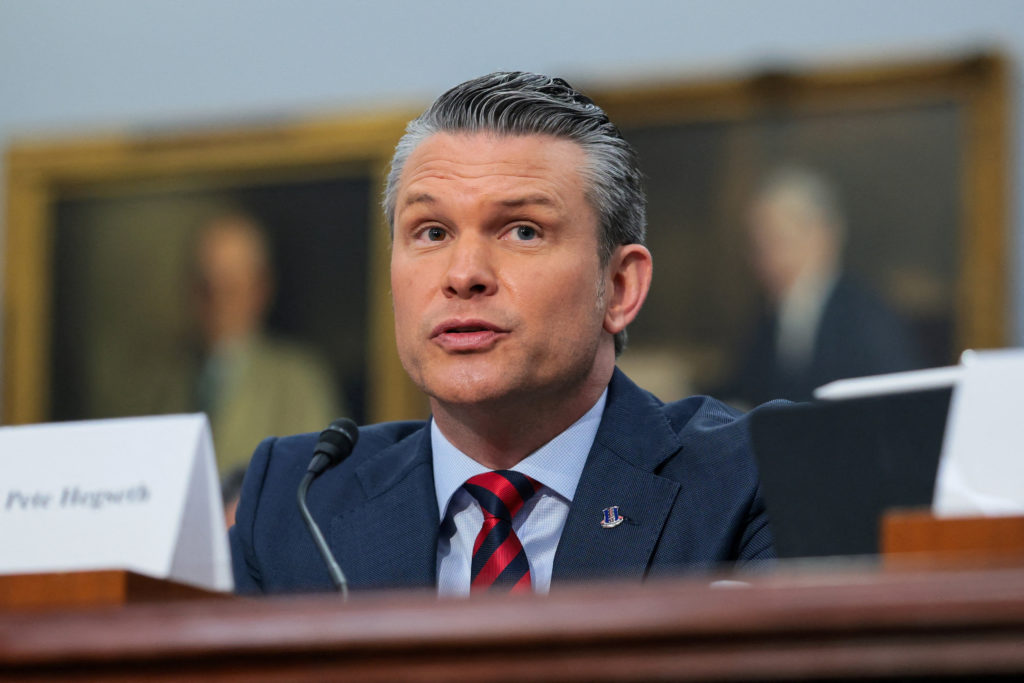
Senator Patty Murray questioned the Pentagon’s estimate of the war cost in Iran during a Senate hearing. She pointed out that the $29 billion figure given by Pentagon officials might be too low because it does not include the cost of damage to U.S. military facilities. Defense Secretary Pete Hegseth did not provide a damage cost but emphasized the importance of preventing Iran from getting a nuclear weapon.
Key Facts
Senator Patty Murray challenged the Pentagon’s cost estimate of the war on Iran, calling it too low.
The Pentagon’s comptroller said the war cost had risen to $29 billion.
The estimate apparently does not include damage to U.S. military facilities in Iran.
Murray asked Defense Secretary Pete Hegseth for the cost of damage, but he did not give a number.
Hegseth focused on the cost of preventing Iran from acquiring nuclear weapons.
President Donald Trump is making efforts to confront Iran’s nuclear program despite the costs.
The hearing was held before a Senate Appropriations subcommittee.
The issue reflects ongoing debates about the financial impact of U.S. actions in Iran.
Read the Original
Want the full story? Tap a source to open the original
article.
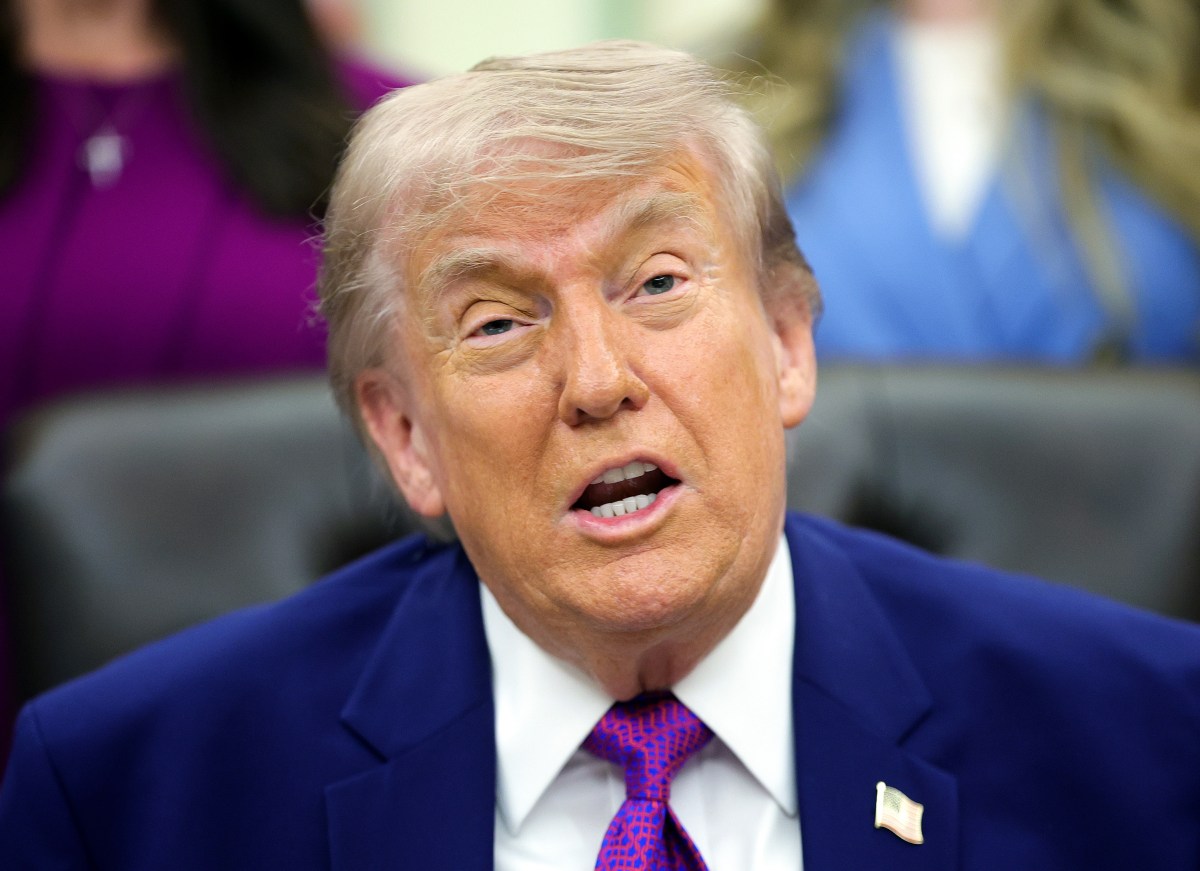
A recent poll from The Economist/YouGov shows President Donald Trump's net approval rating at -22 percent, matching former President Joe Biden's lowest rating over three weeks. Trump's approval is low across several key voter groups, which could affect the Republican Party's performance in the upcoming midterm elections.
Key Facts
President Trump's net approval rating is -22 percent, the lowest in his two terms.
This rating matches President Biden's lowest three-week average.
Trump's overall approval rating is 36 percent; disapproval is 58 percent.
Approval among Hispanics is 35 percent, Gen Z at 25 percent, and independents at 24 percent.
Nearly half of U.S. adults strongly disapprove of Trump's job performance.
The poll surveyed 1,549 U.S. adults from May 9 to 11, with a margin of error of ±3.5%.
Economic concerns, inflation, and the war with Iran are mentioned as possible factors influencing public opinion.
The White House said the administration is focused on tax cuts, deregulation, and energy policies to support the economy.
Read the Original
Want the full story? Tap a source to open the original
article.
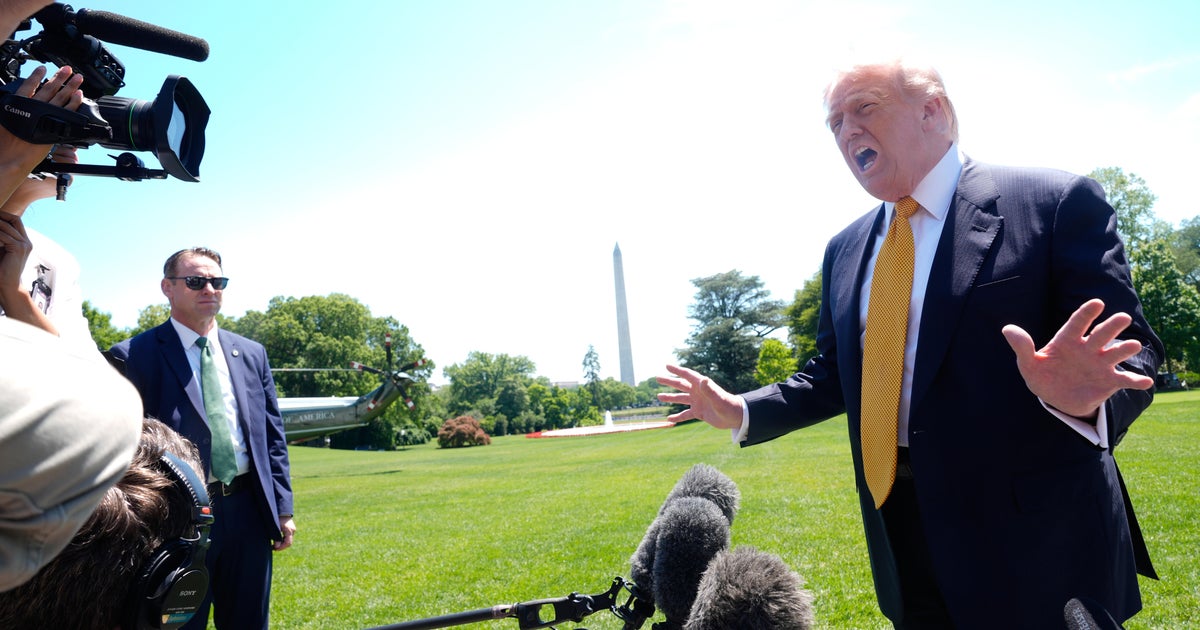
President Donald Trump said his main concern in negotiations with Iran is stopping the country from getting nuclear weapons, not the financial impact on Americans. He emphasized that preventing Iran from obtaining nuclear arms is more important than issues like inflation or gas prices.
Key Facts
President Trump said he does not consider Americans' financial struggles when dealing with Iran.
His primary focus is to prevent Iran from developing nuclear weapons.
Inflation in the U.S. reached 3.8% annually in April 2023, the highest this year.
Many Americans are feeling financial pressure due to high gas prices, with an average price of $4.50 per gallon.
The Strait of Hormuz has been mostly closed, affecting oil supply and prices.
Secretary of State Marco Rubio warned that a nuclear-armed Iran could control oil prices by threatening the straits.
Polls show over half of Americans find high gas prices financially difficult.
Analysts predict gas prices could reach $5 per gallon if the Strait of Hormuz remains closed.
Read the Original
Want the full story? Tap a source to open the original
article.
A U.S. federal appeals court temporarily blocked a lower court's decision that would have stopped President Trump's 10 percent global tariff. The tariff was imposed under a 1974 law, and the court is reviewing if the president had the legal authority to enforce it.
Key Facts
President Trump introduced a 10 percent global tariff in January under Section 122 of the 1974 Trade Act.
This tariff followed the Supreme Court striking down previous tariffs based on a different law (IEEPA).
A lower court ruled that Trump did not meet the legal conditions to impose these tariffs and called them invalid.
The federal appeals court paused that lower court decision to allow more time for review.
The tariff affects many imported goods, causing higher prices for consumers on items like clothes, electronics, toys, and furniture.
A group of 24 states challenged the tariff, saying it exceeds presidential power and harms consumers and businesses.
The current tariff is scheduled to expire in July unless Congress extends it.
Customs has started refunding tariffs imposed earlier under the related IEEPA-based policy, totaling over $35 billion so far.
Read the Original
Want the full story? Tap a source to open the original
article.
Senator Shelley Moore Capito is competing in a Republican primary to keep her Senate seat in West Virginia this fall. Both the Republican and Democratic parties have several candidates running in their primaries. Voting ends at 7:30 p.m. Eastern Daylight Time.
Key Facts
Shelley Moore Capito is the current Republican U.S. Senator from West Virginia.
She is running in the Tuesday primary to secure her party’s nomination for the November election.
Multiple Republicans are challenging her in the primary race.
Several Democratic candidates are also competing in their party’s primary.
Polls in West Virginia close at 7:30 p.m. EDT.
The election results are being tracked live by Decision Desk HQ.
Read the Original
Want the full story? Tap a source to open the original
article.
Voters in Nebraska are voting in the primary election to choose their party candidates for governor. Republican Governor Jim Pillen, supported by President Donald Trump, is running for re-election, while Democrat Lynne Walz is competing for her party’s nomination.
Key Facts
Nebraska held a primary election for governor on Tuesday.
Jim Pillen is the Republican governor running to keep his job.
President Donald Trump supports Governor Pillen.
Lynne Walz, a former state senator, is competing for the Democratic nomination.
The primary election will decide who each party’s candidate will be in the governor’s race.
Read the Original
Want the full story? Tap a source to open the original
article.
Republican Representative Don Bacon is retiring, creating a chance for Democrats to win his seat in Nebraska this fall. Voters in Nebraska will choose candidates for the 2nd Congressional District and the state’s other two House seats in upcoming primary elections.
Key Facts
Don Bacon, a Republican, is retiring from Congress.
His retirement opens an opportunity for Democrats to win the 2nd Congressional District seat.
Nebraska voters will take part in primary elections soon.
The primary will decide candidates for all three Nebraska House seats.
Mike Flood, a Republican, currently represents Nebraska’s 1st District.
Elections will shape who represents Nebraska in the U.S. House of Representatives.
Primaries determine which candidates will run in the general election this fall.
The focus is on party nominations ahead of the general election.
Read the Original
Want the full story? Tap a source to open the original
article.
West Virginia voters are participating in primary elections to choose candidates for the U.S. House of Representatives. Two current Republican representatives, Carol Miller and Riley Moore, are running to be reelected in their districts.
Key Facts
West Virginia is holding primary elections for its U.S. House seats.
Republican Carol Miller represents the 1st Congressional District and is running for reelection.
Republican Riley Moore represents the 2nd Congressional District and is running for reelection.
Voting polls will close at 7:30 p.m. Eastern Daylight Time.
Results are being reported live by Decision Desk HQ.
Read the Original
Want the full story? Tap a source to open the original
article.
Senator Pete Ricketts is running in Nebraska’s Republican primary to keep his seat in the U.S. Senate. He has support from President Donald Trump. On the Democratic side, Cindy Burbank and William Forbes are competing for their party’s nomination.
Key Facts
Pete Ricketts is a Republican senator from Nebraska.
He is running in the Republican primary to be the party’s candidate for the Senate.
President Donald Trump supports Pete Ricketts.
Cindy Burbank and William Forbes are running in the Democratic primary for the same Senate seat.
The election results are being watched closely by political observers.
The primary elections determine which candidate each party will have in the general Senate election.
The primaries took place on a Tuesday.
This election is for Nebraska’s representation in the U.S. Senate.
Read the Original
Want the full story? Tap a source to open the original
article.
A plan by South Carolina Republicans to redraw the state's U.S. House congressional map did not pass in the state Senate. The move was part of a larger effort to influence the national redistricting process but failed to get enough votes.
Key Facts
South Carolina Republicans tried to change the state's congressional map.
The goal was to join the national discussion on redistricting.
Redistricting means redrawing the boundaries for U.S. House districts.
The state Senate held a vote on the new map proposal.
The proposal did not get enough votes to pass.
This stopped South Carolina from changing its congressional districts at this time.
Read the Original
Want the full story? Tap a source to open the original
article.
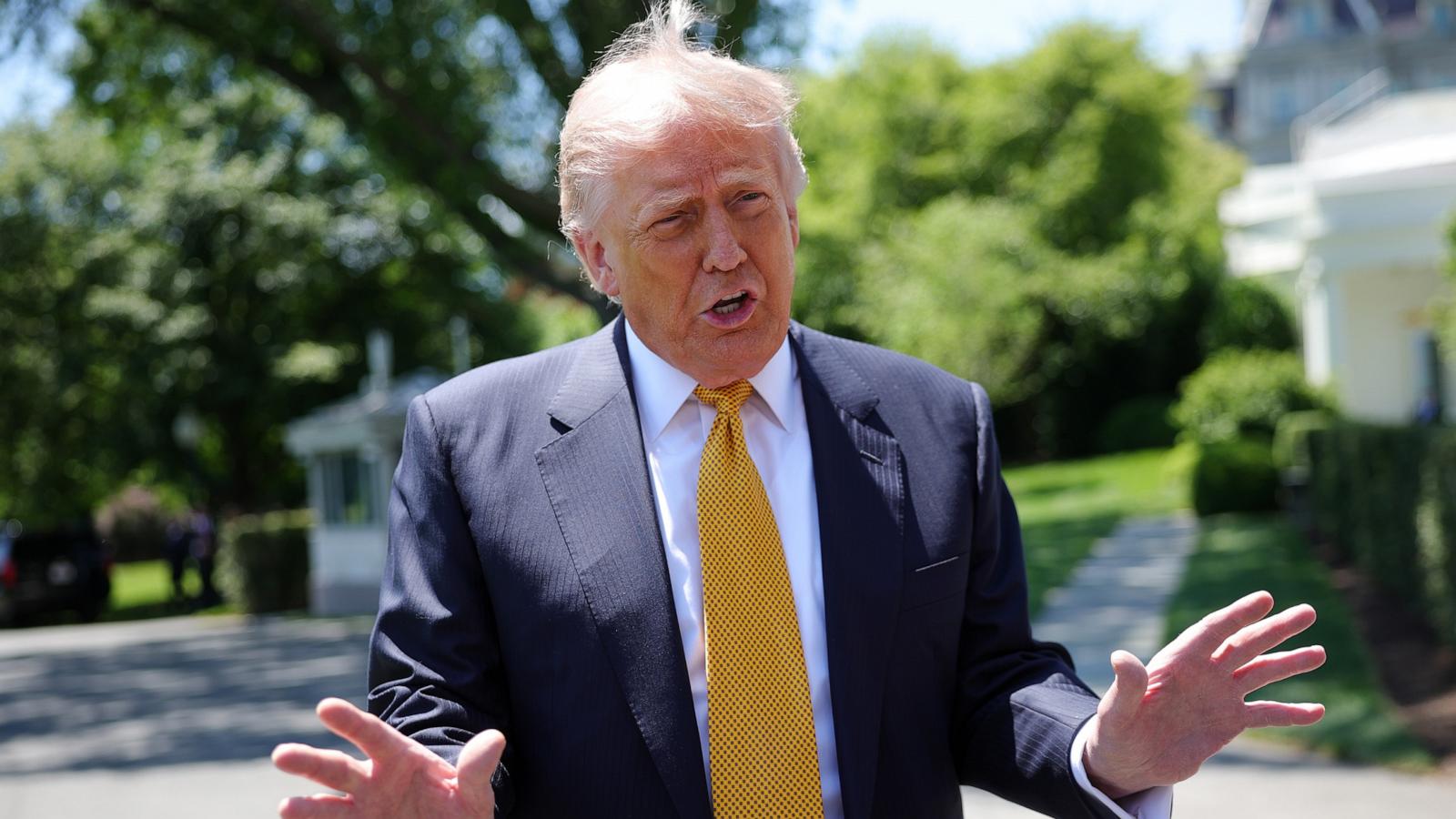
President Donald Trump said that stopping Iran from getting a nuclear weapon is his only concern in negotiations, not the financial struggles of Americans. Despite rising inflation and high gas prices in the U.S., he focused on national security rather than the economic impact of the ongoing conflict with Iran.
Key Facts
President Trump stated that Americans' financial situation is "not even a little bit" a factor in his Iran negotiations.
His main goal is to prevent Iran from obtaining a nuclear weapon.
Inflation in the U.S. rose for the second month in a row, hitting a three-year high of 3.8% in April 2026.
Gas prices in the U.S. reached an average of $4.50 per gallon, up over $1.50 since the Iran war started in late February.
About two-thirds of Americans disapprove of how President Trump is handling the economy and cost of living.
President Trump suggested that gas prices will drop significantly when the conflict with Iran ends.
He recently proposed a federal gas tax holiday to help lower prices for Americans temporarily.
President Trump described Iran's latest response to a peace proposal as "totally unacceptable."
Read the Original
Want the full story? Tap a source to open the original
article.
The Wall Street Journal editorial board criticized President Trump’s approach to conflict with Iran. They said Iran is not afraid and thinks it can wait out the president’s desire to avoid fighting.
Key Facts
The editorial board wrote about President Trump’s strategy toward Iran.
They believe Iran is not scared by his approach.
Iran has broken a ceasefire agreement with the U.S. by carrying out attacks.
The board suggests Iran thinks it can last longer than President Trump wants to keep fighting.
The article was published on a Monday by The Wall Street Journal editorial board.
It focuses on U.S.-Iran relations and military tensions.
Read the Original
Want the full story? Tap a source to open the original
article.
The Trump administration is seeking to take over more than 14 acres of land owned by the Catholic Diocese of Las Cruces in New Mexico to expand border wall infrastructure near the important religious site Mount Cristo Rey. The Diocese is legally challenging the government, arguing the seizure would harm the pilgrimage site and violate religious freedom laws.
Key Facts
The government filed a lawsuit to seize 14.259 acres of church land using eminent domain, led by Homeland Security Secretary Markwayne Mullin.
The land is needed for building border-security features such as roads, fencing, lighting, cameras, and sensors.
The land involved lies along the U.S.–Mexico border south of Mount Cristo Rey, a site of religious significance with up to 40,000 annual Catholic pilgrims.
The Diocese argues the land seizure would block pilgrimage routes and damage sacred areas protected by the First Amendment and Religious Freedom Restoration Act.
The government values the land at about $183,000 but could take control before final compensation is decided if a judge allows it.
Doña Ana County, where the site is located, has about 225,000 people and is New Mexico’s second-largest county.
Mount Cristo Rey features a 29-foot statue of Christ and has cultural and religious importance to people in southern New Mexico and West Texas.
Church leaders plan to use all legal means to oppose the government’s action, citing concerns over religious freedom and community impact.
Read the Original
Want the full story? Tap a source to open the original
article.
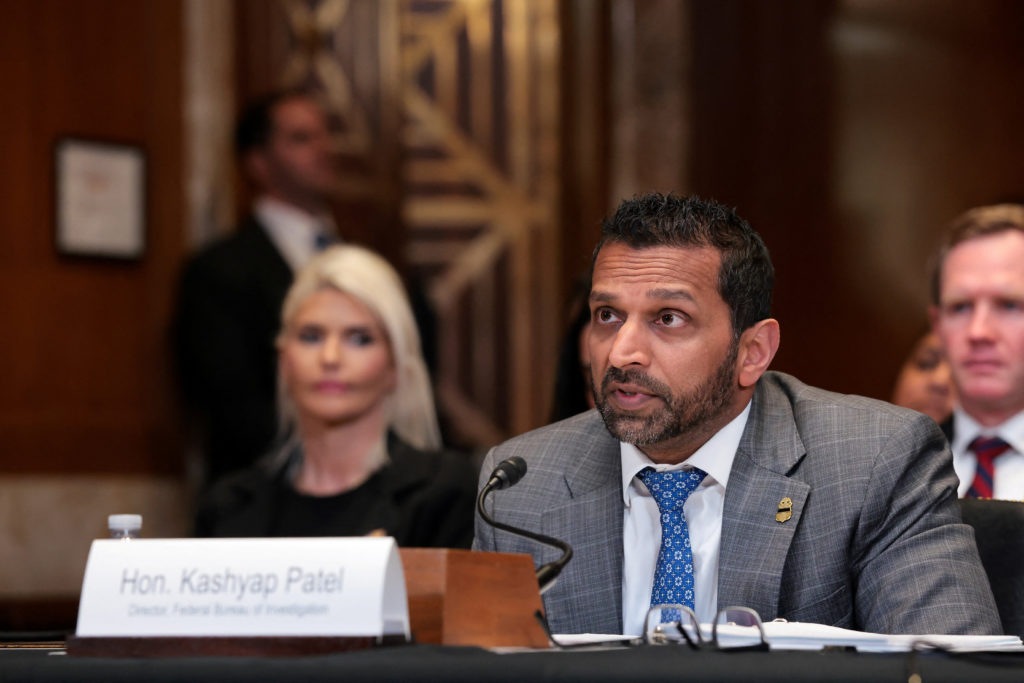
FBI Director Kash Patel strongly denied claims that he drinks too much at work and is sometimes unreachable to his staff during a Senate budget hearing. He called the accusations false and criticized a Democratic senator who confronted him about these allegations.
Key Facts
FBI Director Kash Patel denied claims of excessive drinking and being hard to reach at work.
The accusations came from an article in The Atlantic magazine.
Patel has filed a lawsuit against The Atlantic over the story.
The Atlantic says it will defend its article and calls the lawsuit without merit.
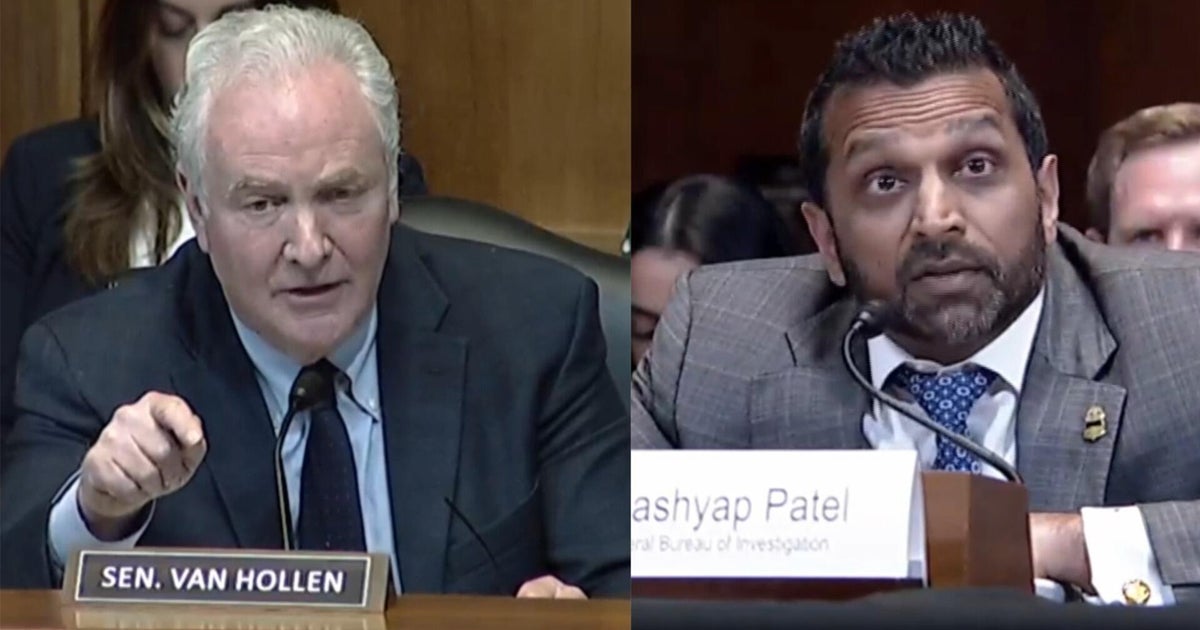
Patel and Senator Chris Van Hollen had a heated exchange during a Senate Appropriations subcommittee hearing.
Patel accused Van Hollen of inappropriate behavior related to a past visit to a jailed individual in El Salvador.
The hearing focused on the budget for federal law enforcement agencies.
Read the Original
Want the full story? Tap a source to open the original
article.
President Donald Trump does not have to pay an $83 million defamation judgment to writer E. Jean Carroll yet. The appeals court allowed a delay in payment while the U.S. Supreme Court reviews or rejects Trump’s appeal.
Key Facts
The 2nd U.S. Circuit Court of Appeals allowed Trump to delay paying $83 million to E. Jean Carroll.
Trump must post a $7.4 million bond to cover extra interest costs during the delay.
This delay is in place until the Supreme Court decides on Trump’s appeal.
Trump’s lawyers asked for the delay after the court upheld Carroll’s $83 million defamation award in early 2024.
Carroll accused Trump of sexually attacking her in 1996 and later defaming her when she spoke about it in 2019.
A jury found Trump liable for sexual abuse and defamation, awarding Carroll $5 million initially, which later increased to $83 million.
Trump claims absolute immunity for his statements made as president and says Carroll’s claims are politically motivated or to promote her memoir.
The appeals court noted Trump continued to attack Carroll publicly before and during the trial.
Read the Original
Want the full story? Tap a source to open the original
article.
Alabama Governor Kay Ivey has scheduled a special primary election for August after the U.S. Supreme Court allowed the state to use a previously blocked congressional district map. This decision may affect how Alabama holds its 2026 elections.
Key Facts
Governor Kay Ivey is from the Republican Party.
The U.S. Supreme Court lifted a block on Alabama's congressional map.
The map was originally drawn by the GOP (Republican Party).
The state can now use this map for the 2026 elections.
A special primary election is set for August.
The governor emphasized that Alabama understands its own districts and people best.
Read the Original
Want the full story? Tap a source to open the original
article.
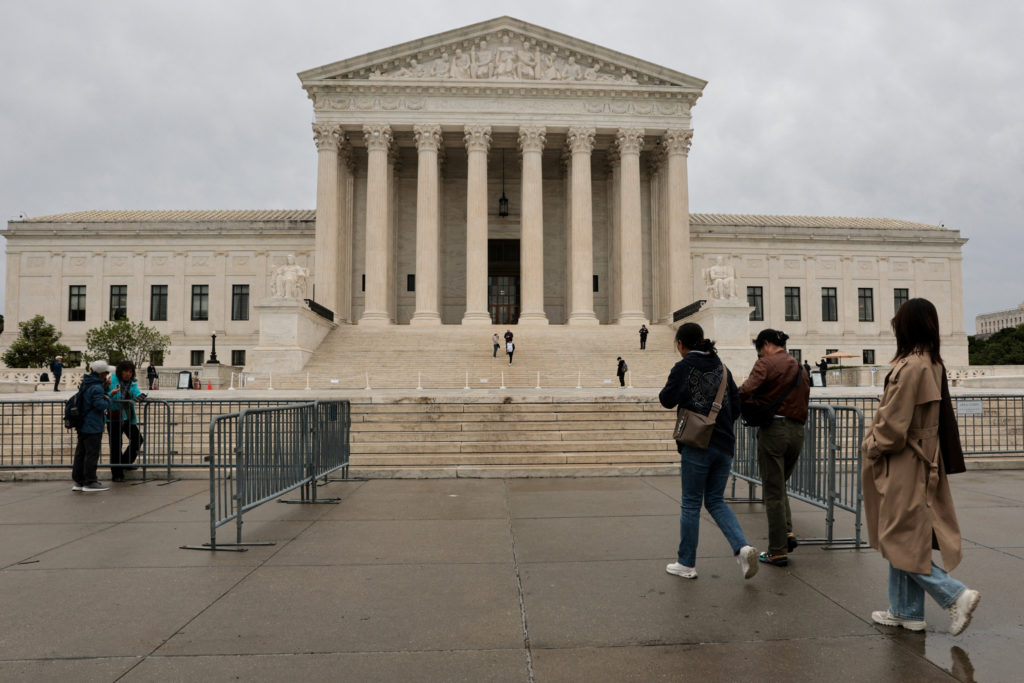
The U.S. Supreme Court paused a lower court’s order requiring Alabama to keep two mostly Black congressional districts before the upcoming elections. This move could allow Alabama to use a new map with only one majority-Black district, potentially helping Republicans win an extra seat in the House of Representatives.
Key Facts
The Supreme Court’s decision affects Alabama’s congressional district map before the midterm elections.
Alabama currently has two districts where Black voters are the majority.
The court’s ruling could lead to reducing those to one majority-Black district.
This change may help Republicans gain a new seat in the U.S. House of Representatives.
The decision was influenced by a prior Supreme Court case about racial gerrymandering in Louisiana.
That earlier case found a majority-Black district in Louisiana was unconstitutional.
Alabama’s Republican-led legislature approved the new map in 2023.
The Supreme Court sent the case back to a lower court to review with these new guidelines.
Read the Original
Want the full story? Tap a source to open the original
article.
Senator Chris Van Hollen and FBI Director Kash Patel had a heated discussion during Patel’s testimony at a Senate Appropriations subcommittee. They debated the reasons behind the firing of FBI agents.
Key Facts
The event was a Senate Appropriations subcommittee hearing.
Kash Patel is the Director of the FBI.
Senator Chris Van Hollen questioned Patel during the hearing.
The main topic was the firing of FBI agents.
The exchange between Van Hollen and Patel was tense.
The hearing focused on oversight of the FBI and its actions.
This was the second time they had a sharp exchange on this subject during the session.
Read the Original
Want the full story? Tap a source to open the original
article.