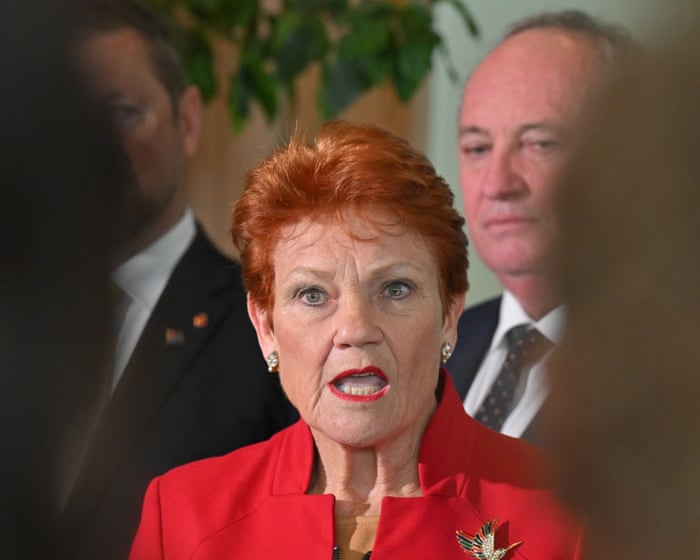
Pauline Hanson, leader of Australia’s One Nation party, blamed the media for negative news coverage about her recent comments and actions. She claimed journalists took her words out of context and accused mainstream media of bias, similar to tactics used by President Donald Trump.
Key Facts
Pauline Hanson faced criticism for meeting far-right figure Tommy Robinson and comments about domestic violence.
Hanson posted audio to claim media distorted her domestic violence remarks.
She accused mainstream media of biased reporting and linked this to job cuts in news organizations.
Hanson has previously banned several Australian media outlets from her events.
Her party, One Nation, often blames the media for reporting on its controversies instead of addressing them directly.
Hanson’s critics say her style of blaming the media mirrors Donald Trump’s approach.
Negative headlines followed Hanson’s European trip, including controversial statements on immigration.
Hanson and her deputy Malcolm Roberts defended themselves by accusing the media of unfair and selective reporting.
Read the Original
Want the full story? Tap a source to open the original
article.
The article warns that ignoring Asian American voters could hurt the Democratic Party in the 2026 midterm elections. It suggests that Asian American voters are an important group that could influence election results.
Key Facts
The 2026 midterm elections are coming soon.
Asian American voters are a significant voter group.
Democrats may lose support if they overlook Asian American concerns.
Asian American voters have the power to affect election outcomes.
Including Asian American voters in campaign efforts can be important for success.
Read the Original
Want the full story? Tap a source to open the original
article.
A member of Vice President JD Vance's Secret Service team is being investigated for possibly leaking sensitive information. The probe started as an internal review but could become a criminal investigation.
Key Facts
The investigation involves a member of the Vice Presidential Protective Division.
Allegations relate to compromising security and operational information.
The Secret Service spokesperson did not reveal the identity or details of the case.
The investigation was first reported by CNN.
This news follows a report about the security team’s frustrations with Vance’s office over unusual requests for trips and assignments.
Vice President Vance and his family have 24/7 Secret Service protection.
Vance’s primary home is the Naval Observatory in Washington, D.C.
The family is preparing to lease a new home in Middleburg, Virginia, with added security measures.
Second Lady Usha Vance recently had their fourth child.
Read the Original
Want the full story? Tap a source to open the original
article.
President Donald Trump said that a civilian nuclear deal with Saudi Arabia depends on the kingdom joining the Abraham Accords, which means normalizing relations with Israel. The U.S. and Saudi Arabia announced a partnership for peaceful nuclear cooperation, but key details are unclear and the deal must be approved by Congress.
Key Facts
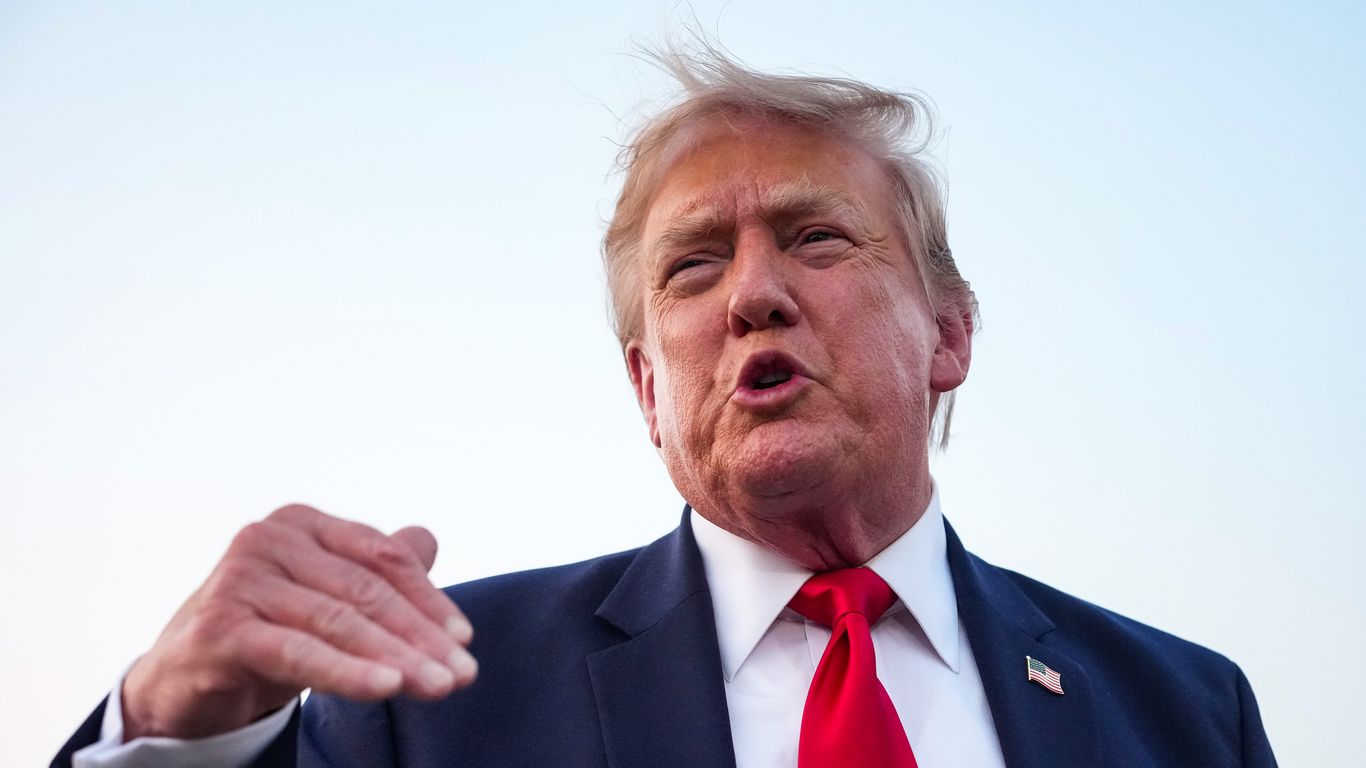
President Trump stated the nuclear deal with Saudi Arabia requires the country to join the Abraham Accords.
The Abraham Accords are agreements to normalize relations between some Arab countries and Israel.
The U.S. Department of Energy announced a multi-billion-dollar civilian nuclear cooperation deal with Saudi Arabia.
The deal includes a bilateral safeguard agreement for Saudi Arabia’s civilian nuclear program.
Approval from the U.S. Congress is needed before the deal can move forward.
Reports suggested Saudi Arabia may be allowed to enrich uranium domestically, but Trump denied this, saying there will be no enrichment.
Uranium enrichment is used for nuclear fuel but can also be used to make weapons if done at a high level.
Critics worry the deal could cause a nuclear arms race in the Middle East and increase tensions with Iran.
Read the Original
Want the full story? Tap a source to open the original
article.
A member of Vice President JD Vance’s security team is under investigation by the Secret Service. The investigation concerns possible problems with security operations and information protection.
Key Facts
The Secret Service is looking into a member of Vice President JD Vance’s protective detail.
The investigation may lead to criminal charges.
The issue involves claims of compromising security operations and sensitive information.
Vice President JD Vance recently met with President Donald Trump and Lebanese President Joseph Aoun.
The investigation details have not been fully released yet.
Read the Original
Want the full story? Tap a source to open the original
article.
Stephen A. Smith spoke about the death of 18-year-old Nolan Wells, saying it affects the Black community deeply. He noted that the case has suspicious details and unanswered questions.
Key Facts
Nolan Wells was 18 years old at the time of his death.
Stephen A. Smith is a political and sports commentator.
Smith discussed the case on NewsNation with Chris Cuomo.
The death has a strong impact on the Black community.
The circumstances of the case are described as suspicious.
There are still unanswered questions about what happened to Nolan Wells.
The discussion aimed to understand why the case is drawing attention.
Read the Original
Want the full story? Tap a source to open the original
article.
The U.S. House of Representatives passed the Sunshine Protection Act of 2025, which would make daylight saving time permanent and stop the twice-yearly clock changes. President Donald Trump supports the bill, but it faces opposition and uncertainty in the Senate, with some senators concerned about darker winter mornings in certain states.
Key Facts
The House approved the Sunshine Protection Act of 2025 with a vote of 308-117.
The bill would make daylight saving time permanent across the country, ending clock changes in spring and fall.
President Donald Trump supports the bill.
Nineteen states have laws ready to adopt permanent daylight saving time if Congress allows it.
Some senators from northern and western states oppose the bill, citing safety concerns with dark winter mornings.
Arkansas Senator Tom Cotton and South Dakota Senator Mike Rounds are notable opponents.
Arizona and Hawaii already observe permanent standard time and do not change their clocks.
The Senate’s decision on the bill is uncertain despite strong House support.
Read the Original
Want the full story? Tap a source to open the original
article.
A new poll in New Hampshire shows Representative Alexandria Ocasio-Cortez leading potential Democratic candidates for the 2028 presidential race with 22% support. Former Transportation Secretary Pete Buttigieg follows closely with 21%.
Key Facts
Alexandria Ocasio-Cortez has 22% support in the New Hampshire poll for the 2028 Democratic presidential nomination.
Pete Buttigieg is second in the poll with 21% support.
The poll was conducted by the University of New Hampshire.
The poll focuses on possible Democratic candidates for the 2028 election.
New Hampshire is often an early and important state in U.S. presidential elections.
Read the Original
Want the full story? Tap a source to open the original
article.
House Minority Leader Hakeem Jeffries and other Democratic leaders held a news briefing to discuss their party's achievements and future plans as the midterm elections approach. They talked about their work on immigration issues, economic concerns, and other priorities.
Key Facts
House Minority Leader Hakeem Jeffries represents New York as a Democrat.
Democratic leaders spoke to reporters on a Thursday morning.
They outlined the party’s accomplishments in the current congressional term.
The midterm elections are coming soon.
Democrats have focused on opposing President Donald Trump’s immigration policies.
They also addressed economic issues related to affordability.
The briefing aimed to share priorities for the upcoming months.
Read the Original
Want the full story? Tap a source to open the original
article.
The U.S. House of Representatives narrowly approved a resolution urging the government to stop military actions in Iran, requiring congressional approval for any further conflict. This vote reflects growing concern among some lawmakers about the direction and cost of the war under President Donald Trump’s administration. The Senate is expected to vote on a similar resolution soon.
Key Facts
The House voted 214 to 208 to require congressional approval before continuing military action in Iran.
Some Republicans joined Democrats in voting to halt the war, but most Republicans supported President Trump’s approach.
President Trump has said that continued attacks do not mean a long-term war.
The conflict involves disputes over the Strait of Hormuz, a key waterway for global oil transport.
The war has resulted in American casualties and increased U.S. military spending, estimated at $37.5 billion so far.
Rising fuel prices and economic concerns are linked to the ongoing conflict.
President Trump recently attended a ceremony for fallen U.S. service members.
The Senate is set to consider a resolution similar to the one passed by the House.
Read the Original
Want the full story? Tap a source to open the original
article.
The UK Prime Minister Andy Burnham is setting up a new government office called No 10 North in Manchester to help boost the country's economy. Senior ministers and staff, including Education Secretary Lucy Powell and Housing Secretary Angela Rayner, plan to work there regularly, with the office expected to grow to 300 people.
Key Facts
No 10 North is a new government office based in Manchester city centre at Heron House.
It aims to be an important driver of the UK's economy.
Senior ministers like Lucy Powell, Angela Rayner, and Louise Haigh plan to work there.
Andy Burnham will work there at least one day a week and bring his team from Greater Manchester.
The office is expected to have around 300 staff within 18 months.
Some London civil servants have concerns about moving, especially due to higher house prices in Manchester.
The project plans to create a lasting government presence outside London.
The new office will eventually move to a redeveloped brownfield site called the Manchester Digital Campus.
Read the Original
Want the full story? Tap a source to open the original
article.
Four Republican members of the U.S. House of Representatives voted with Democrats to pass a resolution seeking to stop U.S. military action in Iran without explicit permission from Congress. The resolution passed by a narrow margin and shows some Republican lawmakers disagreeing with President Donald Trump's approach to the conflict with Iran.
Key Facts
Four Republicans joined Democrats to support a resolution to limit U.S. military action in Iran.
The Republicans who voted this way are Brian Fitzpatrick (PA), Warren Davidson (OH), Tom Barrett (MI), and Thomas Massie (KY).
The resolution requires Congress to give clear approval before the military can act against Iran.
The vote count was 214 in favor and 208 against.
These same four Republicans also opposed President Trump's Iran war powers in June.
The resolution is largely symbolic but shows a lack of full agreement within the Republican Party.
The Senate planned to consider a similar resolution later the same day.
This vote reflects rising concern in Congress about the conflict escalating in Iran.
Read the Original
Want the full story? Tap a source to open the original
article.
The US House of Representatives passed a resolution directing President Donald Trump to withdraw US military forces from the conflict with Iran. This is the second time the House has done so, but the Trump administration considers such resolutions unconstitutional and has not complied.
Key Facts
The House passed the war powers resolution with a 214-208 vote, with four Republicans joining Democrats.
A similar resolution was passed last month by both the House and Senate but was not acted on by the administration.
The resolution calls for ending US military involvement in the conflict with Iran.
Top Democrat Greg Meeks accused President Trump of breaking the law by continuing hostilities.
Meeks plans to introduce legislation to make House Speaker Mike Johnson sue Trump for compliance, but this is unlikely to succeed.
The House also approved a $95 billion budget plan focused on military spending related to the Iran conflict.
Recent fighting has increased tensions, with Iran attacking US bases and Houthis targeting oil shipments and tankers.
Rising conflict in the Middle East has pushed oil prices higher in recent weeks.
Read the Original
Want the full story? Tap a source to open the original
article.
More than 40 U.S. states have high error rates in their SNAP food assistance payments, which could soon make them pay part of the program’s costs. The Trump administration’s new rules say states with error rates above 6% must share funding responsibilities starting next year, aiming to reduce mistakes and improper payments.
Key Facts
SNAP stands for Supplemental Nutrition Assistance Program and helps low-income people buy groceries.
SNAP benefits are funded by the federal government, but states share administrative costs equally with the federal government.
The Trump administration introduced rules requiring states with over 6% payment errors to pay part of SNAP benefit costs.
In Fiscal Year 2025, the national SNAP payment error rate was 10.62%, with errors meaning benefits paid too much or too little.
41 states and Washington DC have SNAP error rates above 6% and may face financial penalties unless they improve.
Alaska has the highest error rate at 23.15%, much higher than the 6% limit.
States with the lowest error rates include South Dakota (2.47%), Idaho (3.85%), and Wyoming (3.96%).
Improper SNAP payments totaled over $10 billion last year, highlighting the scale of the issue.
Read the Original
Want the full story? Tap a source to open the original
article.
The U.S. House of Representatives voted 214 to 208 to pass a resolution directing President Donald Trump to end military actions against Iran without Congress's approval. Some Republicans joined Democrats in opposing the president's handling of the conflict, especially after several U.S. service members died and fighting increased.
Key Facts
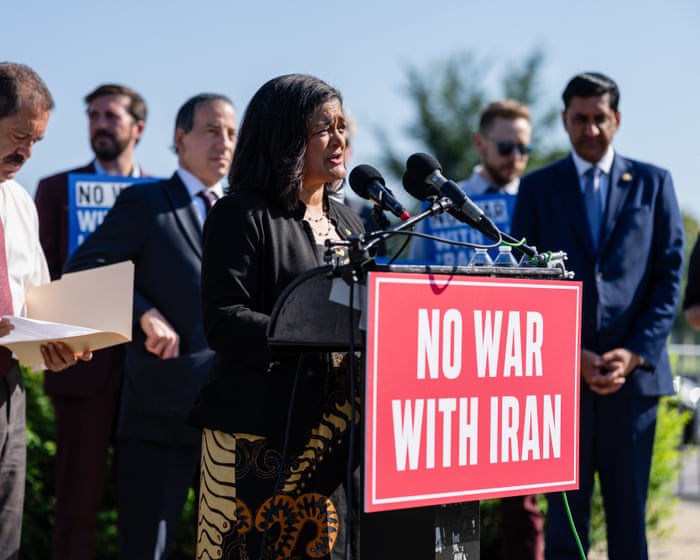
The House passed a war powers resolution introduced by Democrat Pramila Jayapal to limit military action against Iran.
The resolution directs President Trump to stop U.S. forces from fighting Iran unless Congress approves it.
Four Republicans sided with Democrats in voting for the resolution.
The vote follows the deaths of U.S. service members caused by Iranian attacks.
President Trump ended a monthlong ceasefire with Iran on July 10 and notified Congress that military actions resumed.
The War Powers Resolution of 1973 requires the president to notify Congress within 48 hours of starting hostilities and limits military action to 60 days without congressional approval.
The Trump administration argues that renewed hostilities reset the 60-day limit and also contests the constitutionality of the War Powers Resolution.
The administration requested $67 billion to fund the conflict and replenish military supplies, as well as $1.5 trillion funding for the Pentagon next year.
Read the Original
Want the full story? Tap a source to open the original
article.
President Donald Trump announced that the U.S. reached an agreement with Saudi Arabia on a civilian nuclear program. The deal requires Saudi Arabia to normalize relations with Israel and does not allow uranium enrichment.
Key Facts
President Trump said Saudi Arabia must normalize relations with Israel under the Abraham Accords as part of the deal.
The nuclear program is civilian, meaning it is meant for peaceful purposes.
The agreement forbids Saudi Arabia from enriching uranium, a process that can be used to make nuclear weapons.
Some experts worry the deal lacks strong measures to prevent Saudi Arabia from enriching uranium to weapons-grade levels.
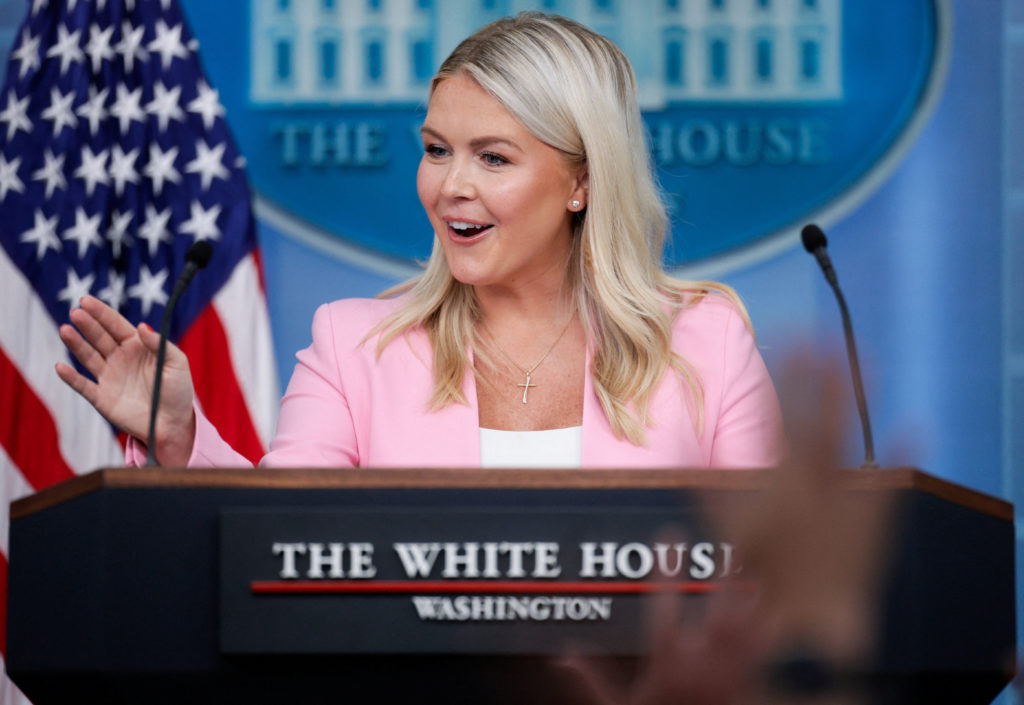
White House press secretary Karoline Leavitt held a news briefing about the agreement.
The deal is seen as significant for U.S.-Saudi relations and regional security in the Middle East.
The news conference was scheduled for 11 a.m. Eastern Daylight Time.
Read the Original
Want the full story? Tap a source to open the original
article.
The House of Representatives voted 214-208 to pass a resolution asking President Donald Trump to stop military actions in Iran. The vote included support from some Republicans and all Democrats, but the resolution is symbolic and does not change the law.
Key Facts
The House passed the resolution to limit President Trump's military campaign in Iran.
Four Republicans joined all Democrats in supporting the measure.
The vote was 214 in favor and 208 against.
The resolution tells President Trump to end hostilities but has no legal power.
This is the second time the House has passed a similar resolution against the Iran war effort.
The resolution gained momentum after three U.S. troops died recently in the region.
Many Republicans support the military campaign, but some want more debate and oversight.
The Senate is preparing to vote on a similar resolution, but it faces challenges there.
Read the Original
Want the full story? Tap a source to open the original
article.
The Senate Judiciary Committee held two days of hearings about Todd Blanche's nomination for U.S. attorney general. Some senators expressed concerns about whether Blanche would remain loyal to President Donald Trump.
Key Facts
Todd Blanche was nominated for the position of U.S. attorney general.
The Senate Judiciary Committee conducted hearings over two days to review his nomination.
Senators questioned Blanche about his potential loyalty to President Donald Trump.
The hearings aimed to evaluate Blanche's qualifications and views on the role.
Loyalty to the sitting president is a common concern during such nominations.
The committee’s review will influence whether Blanche is confirmed for the job.
Read the Original
Want the full story? Tap a source to open the original
article.
The House of Representatives passed a resolution to limit President Trump’s ability to engage in military action against Iran. The vote was 214 to 208, with all Democrats and four Republicans supporting the measure.
Key Facts
The House passed a war powers resolution focused on Iran.
The resolution aims to restrict President Trump’s military actions without congressional approval.
The vote count was 214 in favor and 208 against.
All Democrats supported the resolution.
Four Republicans joined the Democrats: Reps. Tom Barrett, Warren Davidson, Thomas Massie, and Brian Fitzpatrick.
The resolution was sponsored by Rep. Pramila Jayapal from Washington.
The resolution reflects ongoing concern about the President’s military decisions involving Iran.
Read the Original
Want the full story? Tap a source to open the original
article.
A federal appeals court has paused the Trump administration’s plan to end deportation protection for over 300,000 Haitian migrants living in the U.S. This protection, called Temporary Protected Status (TPS), was scheduled to end on Friday, but the court’s action delays it for a few more days.
Key Facts
The Trump administration planned to end TPS for hundreds of thousands of Haitians.
TPS gives Haitians protection from deportation and allows them to work legally in the U.S.
More than 300,000 Haitian migrants were affected by this plan.
A Supreme Court ruling influenced the timing of the TPS ending.
A federal appeals court has temporarily blocked the administration from ending TPS immediately.
This block will last at least until Monday, giving more time before any changes occur.
Read the Original
Want the full story? Tap a source to open the original
article.