Neutral summaries of your favorite news sources — just the facts.
Your favorite news sources, one neutral feed — we distill their reporting into fact-first
summaries and always link to the original story. How it works
US News
Latest developments and key stories from across the United States
Camp Mystic has decided not to reopen in summer 2026 and has withdrawn its application for a camp license. This decision follows public criticism after deadly floods last year killed more than 100 people, including 27 campers at Camp Mystic.
Key Facts
Camp Mystic will not operate in summer 2026 and withdrew its license application.
The decision came after floods during the Fourth of July last year killed over 100 people in the Texas Hill Country.
Of those deaths, 27 girls died at Camp Mystic during the floods.
Camp operators planned to reopen using only parts of the camp that did not flood and expected about 900 campers.
Families of victims and some state officials opposed the camp’s reopening plans.
Texas lawmakers criticized the camp’s leadership and questioned their flood safety plans.
Camp Mystic’s co-director apologized and acknowledged the community’s grief.
The camp owners said their decision respects the families and honors the lives lost during the floods.
Read the Original
Want the full story? Tap a source to open the original
article.
FCC Chairman Brendan Carr denied that the agency's order for ABC to apply early to renew its TV licenses is punishment for a joke by Jimmy Kimmel. Carr said the decision is linked to an ongoing investigation into Disney and ABC’s diversity and equal employment practices, not outside pressure.
Key Facts
Brendan Carr, appointed by President Donald Trump, is the chair of the Federal Communications Commission (FCC).
The FCC ordered ABC to apply early to renew licenses for eight local TV stations.
The order followed an FCC probe into Disney and ABC’s diversity and inclusion efforts that began in March 2025.
The order came one day after President Trump and the First Lady criticized ABC over a joke made by Jimmy Kimmel.
Carr denied the FCC’s action was politically motivated or related to the Kimmel controversy.
Some officials and press freedom groups believe the move is a form of punishment against ABC.
FCC Commissioner Anna M Gomez, appointed by Democrats, called the order a “pretext” and part of harassment by the administration.
Disney says it is compliant and plans to fight the FCC’s actions, which could take years to resolve while ABC continues to operate normally.
Read the Original
Want the full story? Tap a source to open the original
article.
President Donald Trump said Senator Bill Cassidy was playing “political games” after Cassidy’s actions led to the end of the confirmation process for Trump’s second nominee for surgeon general. Trump announced he was withdrawing the nomination of Casey Means and planned to choose a different candidate.
Key Facts
President Trump had nominated Casey Means for surgeon general.
Senator Bill Cassidy opposed the confirmation process for Casey Means.
Cassidy’s actions contributed to the end of the nomination’s progress in the Senate.
President Trump publicly criticized Cassidy for playing “political games.”
Trump announced on Truth Social that he was withdrawing Casey Means’s nomination.
Trump said he would nominate a new candidate for surgeon general.
This is Trump’s second nominee for the position during his current term.
The surgeon general is a key public health official in the U.S. government.
Read the Original
Want the full story? Tap a source to open the original
article.
President Donald Trump plans to sign an order to help more people access retirement savings plans. This comes before a new federal program called the Saver’s Match provides a $1,000 matching contribution to encourage saving, which was created by a 2022 law under President Biden.
Key Facts
President Trump will sign an order to improve access to retirement plans.
The Saver’s Match offers up to a $1,000 federal match to boost retirement savings.
The Saver’s Match was created by a 2022 law passed under President Biden.
The goal is to encourage more people to save for retirement.
The new order aims to prepare for or support the Saver’s Match program.
Read the Original
Want the full story? Tap a source to open the original
article.
The House approved a bill to restore funding for most of the Department of Homeland Security, ending a 76-day government shutdown and preventing airport problems. However, the bill does not include money for immigration enforcement agencies like ICE and Border Patrol, causing ongoing disagreements between Republicans and Democrats.
Key Facts
The government shutdown lasted 76 days, the longest in U.S. history.
The House passed a bipartisan bill to fund most DHS agencies, including the TSA.
Funding for ICE and Border Patrol was left out of this bill.
Republicans want to approve enforcement funding separately using budget reconciliation, which avoids Democratic opposition.
The GOP approved a budget plan to provide billions for immigration enforcement through the rest of President Trump’s term.
Democrats oppose this plan, claiming it removes proper checks and raises civil rights concerns.
The dispute over immigration enforcement funding is expected to cause more conflict in Congress.
Restoring funding stopped immediate problems but left the immigration issue unresolved.
Read the Original
Want the full story? Tap a source to open the original
article.
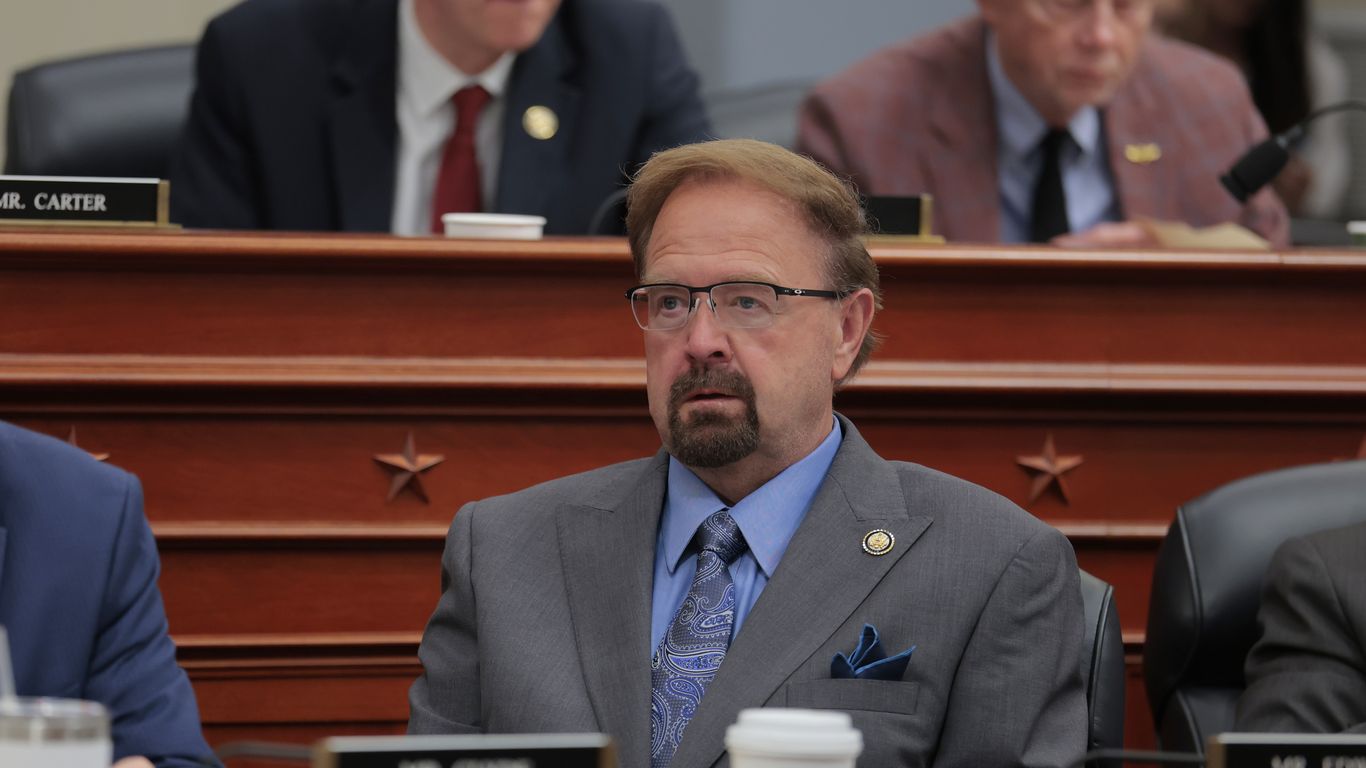
The House Ethics Committee is investigating Representative Chuck Edwards, a Republican from North Carolina, over unspecified allegations. The investigation may affect his chances of reelection in November.
Key Facts
The House Ethics Committee is probing Rep. Chuck Edwards for unknown allegations.
The committee’s chair, Michael Guest, and ranking member, Mark DeSaulnier, approved the investigation.
Several aides who worked for Edwards have been contacted by the committee.
Edwards stated he welcomes the investigation and denied wrongdoing.
Ethics investigations can take months or years to finish.
Such probes can cover issues from minor rule violations to serious misconduct.
Three other House members resigned recently while under Ethics investigations.
The Office of Congressional Conduct often refers cases to the House Ethics Committee after an initial review.
Read the Original
Want the full story? Tap a source to open the original
article.
Defense Secretary Pete Hegseth said the 60-day limit on military action against Iran paused when President Trump announced a ceasefire. This statement came as Democratic senators prepared to hold another vote on war powers related to the conflict.
Key Facts
President Trump informed Congress about military actions in Iran on March 2.
The 60-day period for military operations was set to end on a Friday.
Defense Secretary Hegseth claimed the 60-day countdown stopped when Trump announced a ceasefire.
Democratic senators are planning a new vote on war powers concerning the Iran conflict.
The debate focuses on the legal authority for military actions against Iran.
The ceasefire announcement is seen as a key moment in the ongoing conflict.
The situation involves oversight of U.S. military involvement in Iran.
Read the Original
Want the full story? Tap a source to open the original
article.
House Republicans narrowly approved a plan to fund U.S. immigration enforcement agencies, a key step to reopen the Department of Homeland Security (DHS). The vote was close, 215 to 211, after long discussions and several members changed their votes to support the plan.
Key Facts
The vote was held late Wednesday night after House Republican leaders met with members who were uncertain.
The plan funds Immigration and Customs Enforcement (ICE) and Customs and Border Protection (CBP) for the rest of President Donald Trump’s term.
Republicans are using a special process called reconciliation to pass the bill despite Democratic opposition.
Democrats oppose funding ICE and CBP without changes to how these agencies operate after two fatal shootings by federal agents.
The Department of Homeland Security has been shut down since mid-February, the longest shutdown in U.S. history.
President Trump set a June 1 deadline for Republicans to fund these agencies.
The recent shooting at the White House Correspondents' Association dinner increased urgency in the funding fight.
It is not yet clear when House Republican leaders will bring the Senate’s DHS funding bill to a vote.
Read the Original
Want the full story? Tap a source to open the original
article.
The US House of Representatives voted to fund the Department of Homeland Security (DHS), ending a 76-day partial government shutdown that affected immigration enforcement operations. The bill, supported by President Donald Trump, restores funding to most of DHS but leaves out new money for Immigration and Customs Enforcement (ICE) and US Border Patrol.
Key Facts
The government shutdown lasted 76 days, the longest in DHS history.
The House approved a Senate-passed bill by voice vote to end the shutdown.
Funding was restored for most of DHS operations.
The bill does not include new funding for ICE or US Border Patrol.
Democrats want changes to immigration enforcement, while Republicans plan separate funding efforts for ICE and Border Patrol.
The bipartisan bill now goes to President Donald Trump for final approval.
The shutdown primarily affected immigration enforcement agencies.
The vote signals cooperation between parties to end the funding gap.
Read the Original
Want the full story? Tap a source to open the original
article.
Both Republican and Democratic senators are urging President Trump to take stronger actions against China's growing influence in Latin America. This comes before President Trump's important meeting with Chinese President Xi Jinping in Beijing scheduled for May.
Key Facts
Senators from both major U.S. political parties want President Trump to address China's presence in Latin America.
The request is made through a resolution introduced by Senator Jeanne Shaheen, a Democrat from New Hampshire.
The meeting between President Trump and President Xi Jinping is planned for May in Beijing.
The resolution encourages the U.S. to strengthen its relations and influence in Latin America.
Lawmakers are concerned about China's expanding role in the region's politics and economy.
The Senate Foreign Relations Committee is involved in this discussion.
This move shows bipartisan interest in competing with China on the global stage.
Read the Original
Want the full story? Tap a source to open the original
article.
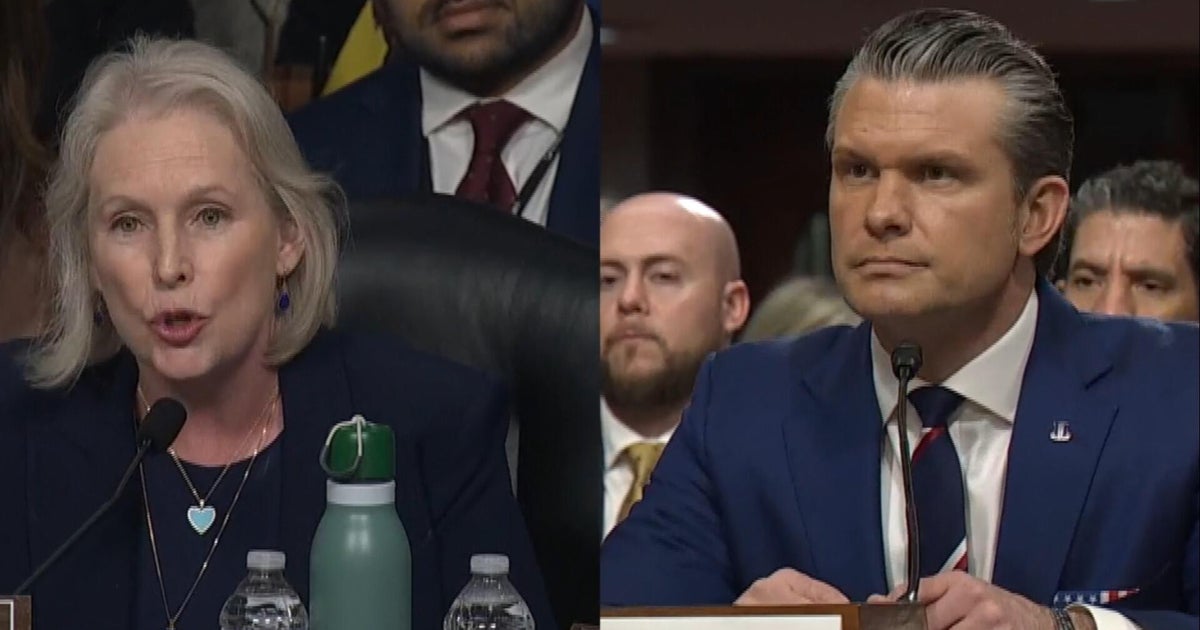
Senator Kirsten Gillibrand from New York criticized Defense Secretary Pete Hegseth for ignoring the public’s lack of support for a war with Iran. She said there is no proof that the war would make the United States safer.
Key Facts
Senator Kirsten Gillibrand is a Democrat from New York.
She spoke about the idea of a war with Iran.
Defense Secretary Pete Hegseth is involved in discussions about this issue.
Gillibrand said Hegseth does not care if Americans support the war.
She claims there is no evidence the war would improve U.S. safety.
The discussion was covered in a CBS News video segment.
Read the Original
Want the full story? Tap a source to open the original
article.
President Donald Trump said he talked with Tennessee Governor Bill Lee about changing the state's voting district boundaries. The goal is to help Republicans win more seats in Congress before the November midterm elections. This discussion follows a Supreme Court ruling that reduced the power of a law protecting voting rights for minority groups.
Key Facts
President Trump spoke with Tennessee Governor Bill Lee about redistricting.
Redistricting means changing the boundaries of voting districts.
The purpose is to give Republicans an advantage in congressional races.
The midterm elections will take place in November.
A recent Supreme Court decision weakened part of the Voting Rights Act.
The affected Voting Rights Act provision helped create majority-minority districts.
Majority-minority districts are voting areas where most residents are from minority groups.
The Supreme Court ruling limits protections for these districts.
Read the Original
Want the full story? Tap a source to open the original
article.
The House of Representatives voted to fund most of the Department of Homeland Security (DHS), except for immigration enforcement, and sent the bill to President Donald Trump to sign. This action ends the longest shutdown of the agency, which had started on February 14 and caused problems for DHS workers and operations.
Key Facts
The House approved funding for much of DHS but excluded immigration enforcement activities.
This funding bill was sent to President Donald Trump for approval.
The DHS has been without regular funding since February 14.
The shutdown was the longest in the agency’s history.
Temporary funds had been used to pay some DHS workers, including TSA staff.
The White House warned that these temporary funds would soon run out.
The shutdown caused hardship for many workers at DHS.
Some immigration programs important to President Trump’s policies were funded separately and were not affected by this shutdown.
Read the Original
Want the full story? Tap a source to open the original
article.
Arizona Governor Katie Hobbs, a Democrat, leads Republican Andy Biggs in the race for governor according to recent polls. Despite President Donald Trump winning Arizona in the 2024 presidential election, Hobbs shows strong support among independent voters and is positioned for reelection.
Key Facts
A new poll shows Hobbs leading Biggs by about 10 points (48% to 38%) among likely voters.
Hobbs has 51% support among independent voters, while Biggs has 27%.
42% of voters approve of Hobbs' job performance; 37% disapprove.
55% disapprove of President Trump’s job performance; 39% approve.
Andy Biggs was endorsed by President Trump and faces several primary opponents.
Polls from other organizations also show Hobbs leading, though one showed a closer race (44% to 43%).
Arizona is a swing state that voted for Trump in 2024 but has mixed support for Democrats in other races.
Experts say shifts in Latino voter turnout could influence future elections in Arizona.
Read the Original
Want the full story? Tap a source to open the original
article.
The United States dropped seven places in the 2025 Reporters Without Borders press freedom ranking, reaching a historic low at 64th out of 180 countries. The report highlights problems linked to President Trump’s policies and media ownership concentration, along with increased pressure by the Federal Communications Commission on broadcasters and journalists.
Key Facts
The US press freedom ranking fell from 57th to 64th in 2025.
Over half of the world’s countries were rated as having “difficult” or “very serious” conditions for press freedom.
President Donald Trump’s administration is reported to have reduced press freedom through policies and rhetoric.
Six companies control most US media, including Comcast, Disney, and Paramount Skydance.
The FCC chair threatened to revoke licenses of broadcasters for “hoaxes” and critical coverage of Trump’s policies.
FCC investigations extended to TV hosts, including Jimmy Kimmel, after controversial jokes about the White House.
Some politicians, including Republican Senator Ted Cruz, criticized the FCC’s role in policing speech.
The White House maintains that President Trump is the most transparent in US history, citing frequent news conferences.
Read the Original
Want the full story? Tap a source to open the original
article.
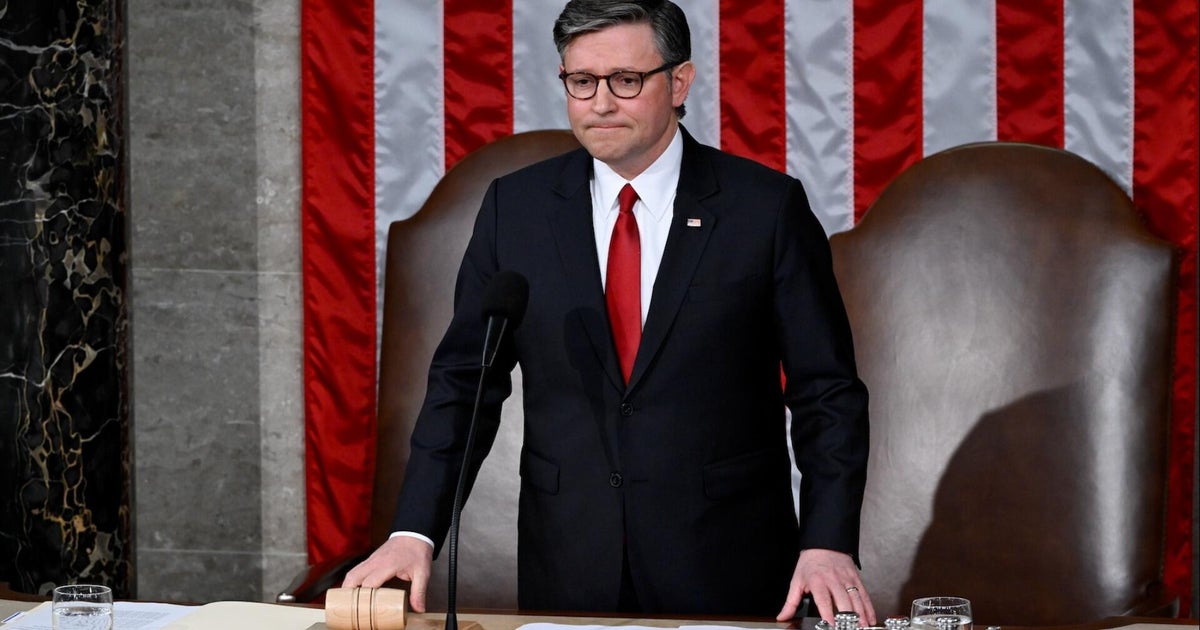
The U.S. House of Representatives approved a bill from the Senate to provide money for the Department of Homeland Security. This vote ended a 76-day government shutdown that had affected some parts of the federal government.
Key Facts
The House and Senate agreed on a bill to fund the Department of Homeland Security (DHS).
The bill’s approval ended a 76-day government shutdown.
The shutdown had paused some government operations due to lack of funding.
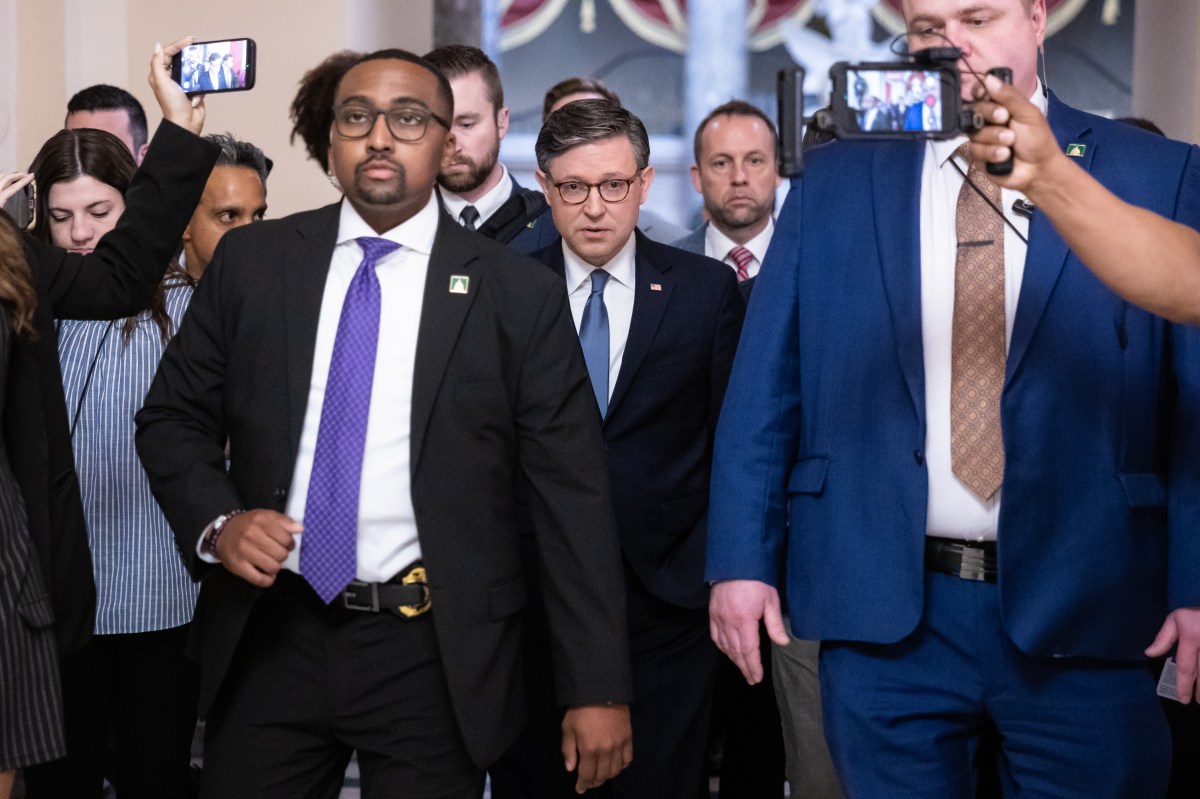
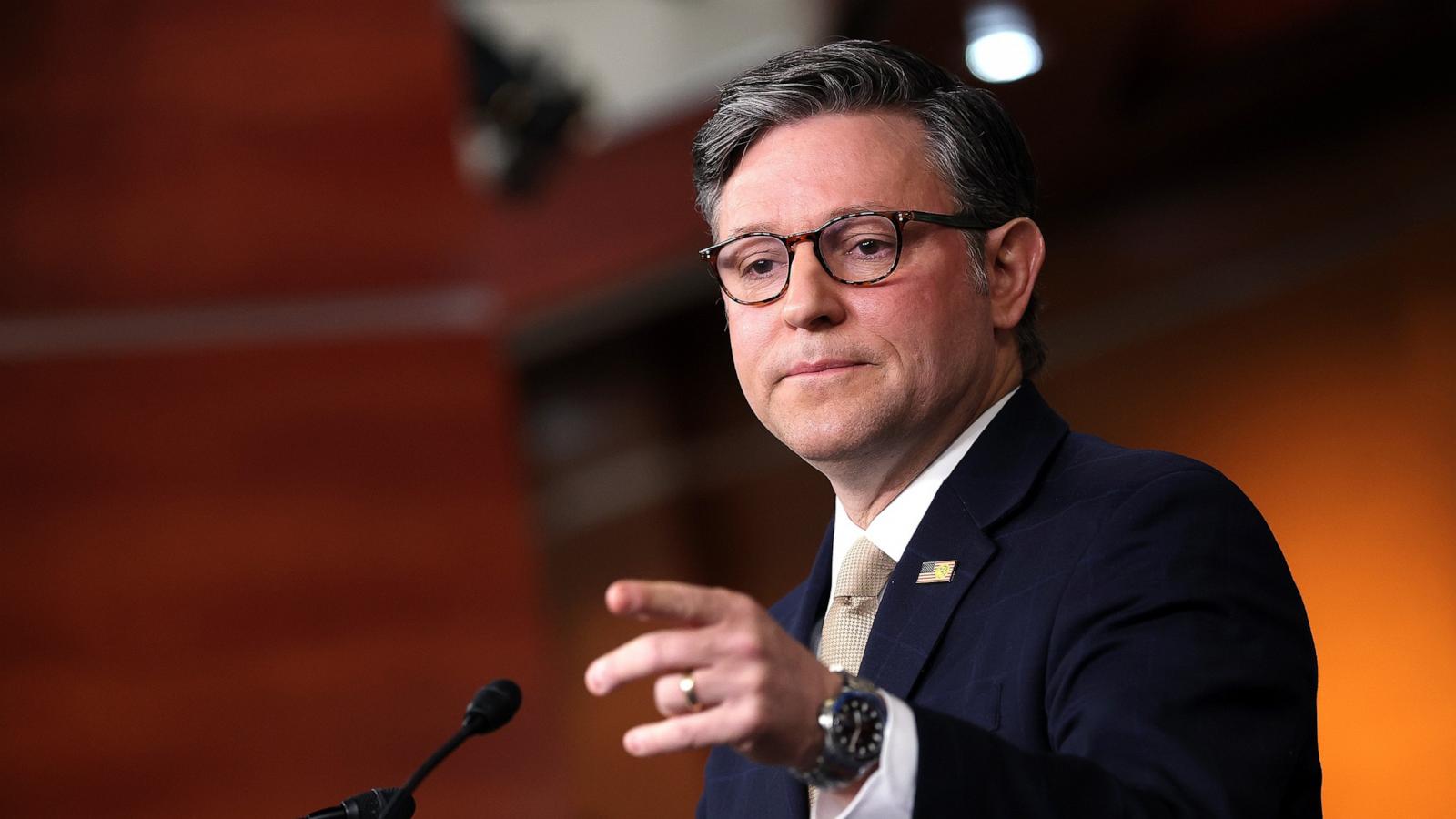
Speaker Mike Johnson spoke publicly about the House’s decision on Thursday.
Funding the DHS allows its employees and services to resume normal work.
The vote followed ongoing negotiations between lawmakers to avoid a longer shutdown.
Read the Original
Want the full story? Tap a source to open the original
article.
Senator Jack Reed criticized Pentagon official Pete Hegseth for overstating U.S. success in the ongoing conflict with Iran. Reed said Hegseth gave President Trump overly optimistic information and used harsh language that could harm the mission and morale of troops.
Key Facts
Pete Hegseth testified before the Senate armed services committee about the Pentagon’s $1.45 trillion military budget.
Senator Jack Reed accused Hegseth of exaggerating U.S. military achievements against Iran.
The conflict with Iran has lasted eight weeks, with no clear victory and the closure of the Strait of Hormuz.
Reed said American families are paying economically for a war they did not support.
Reed criticized Hegseth for harsh rhetoric, such as rejecting rules of engagement and promising “no mercy.”
Hegseth was also criticized for focusing on personal priorities instead of the conflict, such as changing Pentagon policies and hosting a celebrity on a military helicopter.
The hearing was briefly disrupted by protesters shouting against the war.
Reed expressed concern that Hegseth’s actions and statements could weaken military leadership and discourage officers.
Read the Original
Want the full story? Tap a source to open the original
article.
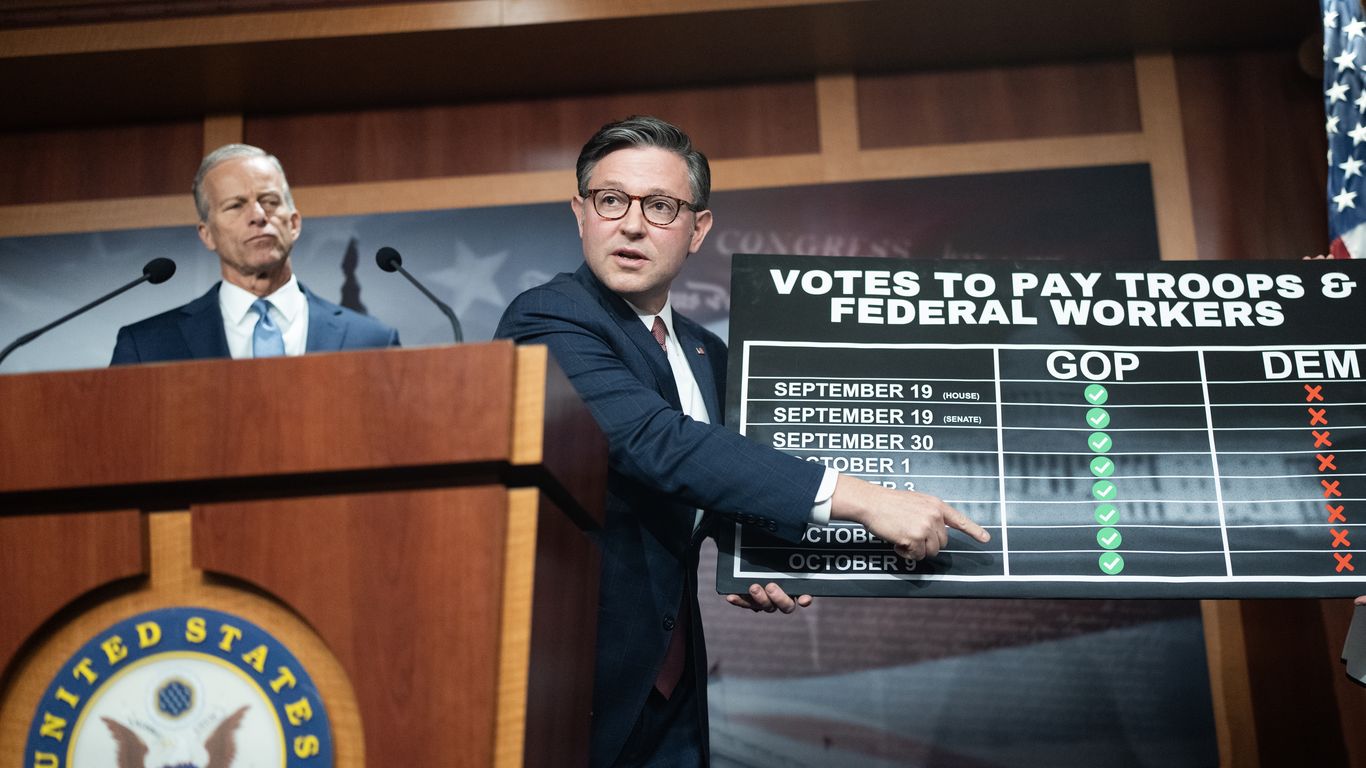
The House of Representatives voted to fund the Department of Homeland Security (DHS), ending the longest partial government shutdown in U.S. history. This funding deal came after House and Senate leaders agreed to a two-part approach, with additional funding for immigration enforcement to follow.
Key Facts
The House passed DHS funding on Thursday by a voice vote.
This vote ended a 75-day partial shutdown of DHS.
House Speaker Mike Johnson and Senate Majority Leader John Thune agreed on a two-track funding plan in early April.
The first part funded most of DHS except ICE and Border Patrol.
ICE and Border Patrol are already funded under a previous 2025 budget bill.
A separate budget reconciliation bill will add more funding for ICE and Border Patrol later.
Some House members opposed passing funding without including ICE and Border Patrol initially.
The House passed a budget resolution to begin providing billions of dollars for immigration enforcement.
Read the Original
Want the full story? Tap a source to open the original
article.
Maine Governor Janet Mills ended her campaign to run for the U.S. Senate, leaving Democrat Graham Platner as the likely nominee to challenge Republican Senator Susan Collins. Platner is a political newcomer, a Marine Corps veteran, and runs an oyster farming business in Maine.
Key Facts
Janet Mills, age 78, quit her bid for the Democratic Senate nomination in Maine.
Mills was the popular two-term governor of Maine and had support from national Democrats.
Financial difficulties were a key reason Mills stopped her Senate campaign.
Graham Platner, 41, is now the main Democratic candidate; he has no prior political experience.
Platner is a Marine Corps veteran and works in oyster farming in Maine.
Platner received endorsements from progressive leaders like Bernie Sanders and Elizabeth Warren.
Platner raised about $3 million in his first seven weeks of campaigning.
Platner faced controversy over past social media posts and a tattoo resembling a Nazi symbol, which he has disavowed and explained.
Mills had significant political experience, including time as Maine’s attorney general and governor.
Mills gained national attention after a public disagreement with President Donald Trump over transgender athletes in 2025.
Read the Original
Want the full story? Tap a source to open the original
article.
The Federal Communications Commission (FCC) is reviewing the license renewals of eight ABC stations owned by Disney because of a year-long investigation into alleged discrimination related to Diversity, Equity, and Inclusion (DEI) practices. FCC chairman Brendan Carr said this review is not connected to President Donald Trump's recent criticism of late-night host Jimmy Kimmel.
Key Facts
The FCC is conducting an early renewal review of eight ABC stations owned by Disney.
The investigation began in March last year and focuses on alleged discriminatory DEI policies within Disney.
Brendan Carr, FCC chairman, said the review is about enforcing non-discrimination rules, not about controlling speech.
The review was prompted by a complaint alleging Disney created racially segregated spaces and forced racial or identity quotas.
Disney has cooperated by providing hundreds of documents in response to the FCC's inquiries.
The timing of the review has caused speculation because it follows President Trump’s criticism of Jimmy Kimmel.
President Trump accused Kimmel of making a "call to violence" after Kimmel joked about First Lady Melania Trump at a Washington Correspondents’ dinner event.
Carr clarified the FCC’s focus remains on discrimination issues, not the conflict between Trump and Kimmel.
Read the Original
Want the full story? Tap a source to open the original
article.