Neutral summaries of your favorite news sources — just the facts.
Your favorite news sources, one neutral feed — we distill their reporting into fact-first
summaries and always link to the original story. How it works
US News
Latest developments and key stories from across the United States
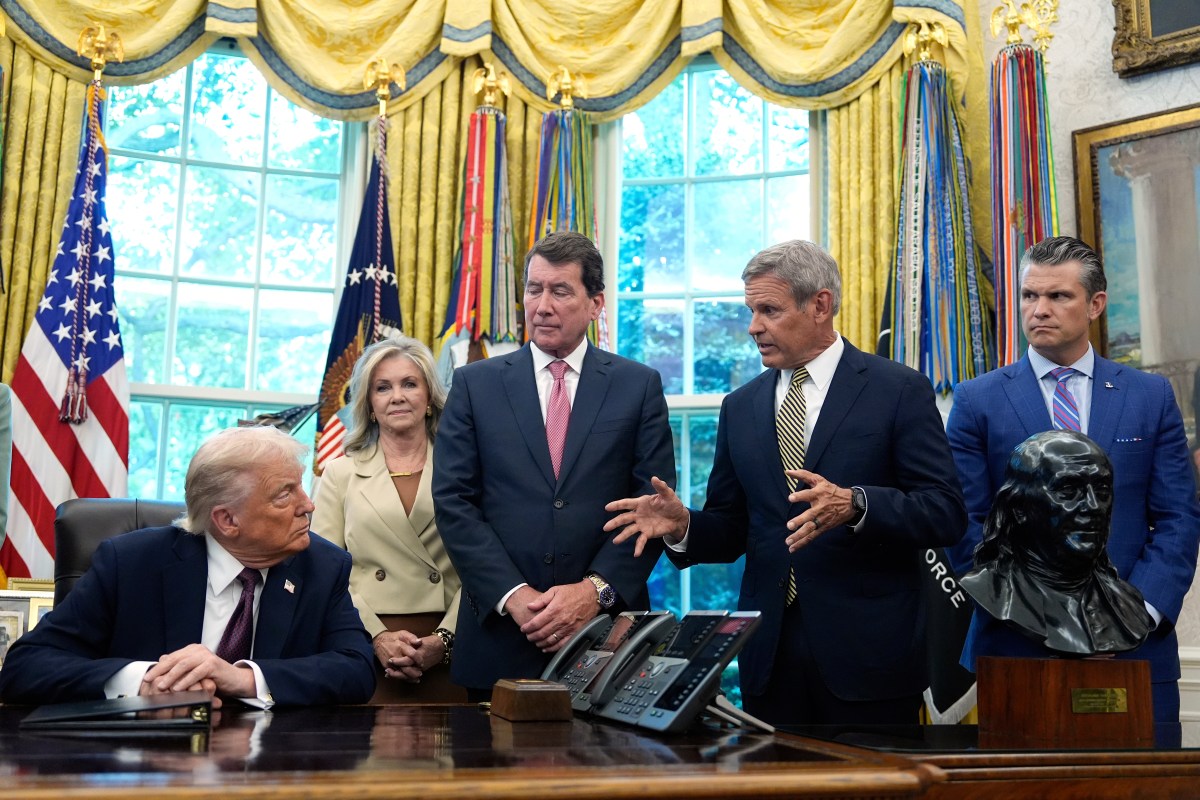
President Donald Trump said Tennessee leaders are responding to a recent U.S. Supreme Court ruling about voting districts. He urged Governor Bill Lee to redraw maps in a way that could help the Republican Party.
Key Facts
The U.S. Supreme Court made a decision affecting how voting districts are drawn.
The ruling weakened protections for minority voters under the Voting Rights Act.
Tennessee officials are planning to change their congressional district maps because of this ruling.
President Donald Trump encouraged Governor Bill Lee, a Republican, to pursue new district boundaries to benefit his party.
Other states, including Louisiana, are also reviewing their voting maps after the court’s decision.
Louisiana stopped its congressional primary elections after the court struck down a district with a majority Black population.
Republicans in several states are thinking about changing their House district maps before the 2026 midterm elections.
Read the Original
Want the full story? Tap a source to open the original
article.
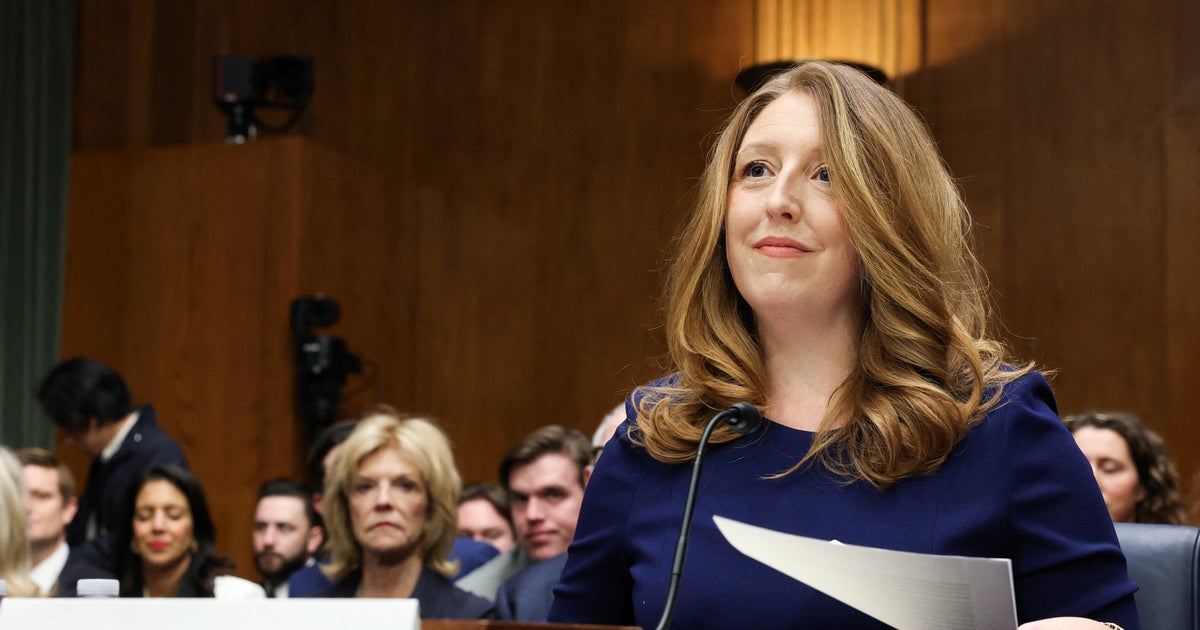
President Donald Trump has withdrawn his nomination of Dr. Casey Means for U.S. surgeon general and instead nominated Dr. Nicole B. Saphier. Means’ nomination stalled in the Senate due to lack of support, while Saphier is a radiologist and former Fox News medical contributor known for her work on cancer detection and prevention.
Key Facts
President Trump announced he is replacing Casey Means with Nicole B. Saphier as his nominee for U.S. surgeon general.
Casey Means’ confirmation process stalled in the Senate since her February hearing.
Senator Bill Cassidy was mentioned by President Trump as blocking Means’ nomination.
Means did not clearly support childhood vaccination during her Senate testimony and said “science is never settled” on vaccines and autism.
Means experimented with psychedelic drugs in her 30s and does not have an active medical license.
Nicole Saphier is a radiologist and former Fox News medical contributor who works on breast cancer diagnosis and treatment.
Saphier wrote a book and hosts a health podcast focused on cancer and wellness.
Means was originally nominated in May 2025 but her hearing was delayed due to childbirth.
Read the Original
Want the full story? Tap a source to open the original
article.
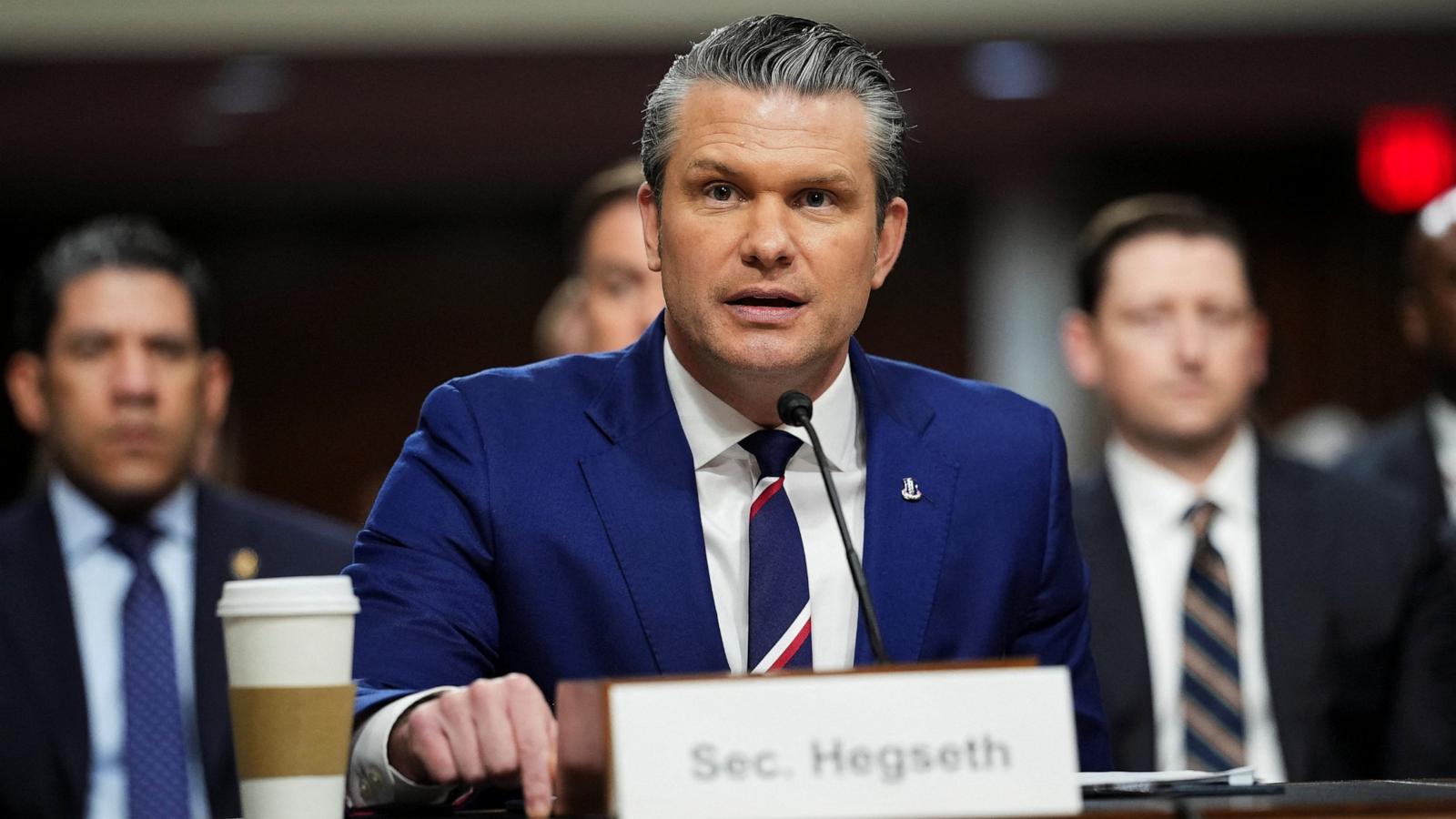
Defense Secretary Pete Hegseth told Congress that lawmakers who doubt the U.S. military's efforts in the war in Iran are harming the mission. He described some members of Congress as the biggest obstacle to success, while lawmakers pushed back, questioning the war’s goals and costs.
Key Facts
The war in Iran began in February 2026.
Defense Secretary Pete Hegseth called dissenting members of Congress "defeatists" and said they undermine military efforts.
Hegseth testified during congressional hearings about President Donald Trump’s 2027 defense budget request, the largest ever at $1.5 trillion.
The war has cost $25 billion so far, with a request for an additional $200 billion in funding.
Some Democratic and Republican lawmakers questioned the war’s purpose, end goals, and financial impact.
General Dan Caine and Senator Roger Wicker said Russia is trying to disrupt U.S. actions in Iran.
Protesters interrupted one of the hearings.
Lawmakers criticized Hegseth for not providing clear and complete information about the war costs and strategy.
Read the Original
Want the full story? Tap a source to open the original
article.
House Speaker Mike Johnson said states should redraw their congressional district maps after the Supreme Court ruled that Louisiana’s attempt to add a second majority-Black district was unconstitutional. The court found that Louisiana’s map was a racial gerrymander, meaning it was unfairly drawn based on race.
Key Facts
The Supreme Court ruled Louisiana’s new congressional map was unconstitutional.
Louisiana had added a second majority-Black district in its map.
The court decided this map was a racial gerrymander, which means race was wrongly used to draw district lines.
House Speaker Mike Johnson supports other states redrawing their maps following this decision.
Johnson discussed this issue in an interview with CNN’s Manu Raju.
The ruling affects how states can create voting districts before the November midterm elections.
Redrawing maps can change how voters are grouped for congressional elections.
Read the Original
Want the full story? Tap a source to open the original
article.
President Donald Trump announced that he is nominating Dr. Nicole Saphier to be the next surgeon general. Dr. Saphier is a radiologist who directs breast imaging at a New Jersey cancer center and often shares medical information on Fox News.
Key Facts
President Trump made the nomination announcement on social media.
Dr. Nicole Saphier specializes in breast imaging and works at Memorial Sloan Kettering Monmouth in New Jersey.
She has experience with image-guided, minimally invasive procedures on several organs including the breast and thyroid.
Dr. Saphier is known for helping women with breast cancer diagnosis and treatment.
She frequently appears on Fox News as a medical contributor.
Her nomination follows another nominee, Dr. Casey Means, who recently appeared at a Senate committee hearing but did not gain confirmation.
Dr. Means had shown cautious views on vaccines during her hearing.
The Senate Health, Education, Labor and Pensions (HELP) committee is involved in confirming the surgeon general nominee.
Read the Original
Want the full story? Tap a source to open the original
article.
The House of Representatives passed a bill to fund the Department of Homeland Security (DHS), except for immigration enforcement activities. The bill, already approved by the Senate, now goes to President Donald Trump to be signed into law, ending the long DHS shutdown.
Key Facts
The House passed the DHS funding bill on April 30, 2026.
The bill was previously approved by the Senate.
The funding covers all DHS agencies except those involved in immigration enforcement.
No official recorded vote was requested in the House.
The bill will go to President Donald Trump for his signature.
Passing this bill will end the longest DHS shutdown in history.
The article mentions the situation is still developing with updates to follow.
Read the Original
Want the full story? Tap a source to open the original
article.
A 75-day partial U.S. government shutdown ended after the House narrowly voted to fund the Department of Homeland Security (DHS). The vote came after a last-minute agreement on ethanol fuel rules and allowed Republicans to approve $75 billion for immigration and border enforcement without Democratic support.
Key Facts
The partial government shutdown lasted 75 days, one of the longest in U.S. history.
The House passed a Republican funding plan for DHS after a late-night rally and a deal on ethanol fuel provisions.
The plan provides up to $75 billion for Immigration and Customs Enforcement (ICE) and border patrol agencies.
Republicans passed the funding on party lines, avoiding Democratic demands for new oversight.
President Donald Trump set a June 1 deadline for a final DHS funding package.
The White House warned that without funding, most DHS employees may not be paid from May onward.
Over 1,100 Transportation Security Administration agents have quit since February.
Funding for other DHS agencies not related to immigration still needs approval before Congress’s recess.
Read the Original
Want the full story? Tap a source to open the original
article.
The House has approved a Senate bill to provide most funding for the Department of Homeland Security (DHS), aiming to end the 76-day partial government shutdown. The shutdown began on February 14 and will end once President Donald Trump signs the bill, but funding for Immigration and Customs Enforcement (ICE) and Border Patrol will be addressed separately.
Key Facts
The House approved the Senate bill by a voice vote to fund most of DHS.
The DHS shutdown started on February 14, making it the longest partial government shutdown in U.S. history.
Democrats have opposed funding ICE and Border Patrol because of disagreements over immigration enforcement.
Senate and House leaders, including President Trump, agreed on a two-step plan: pass the Senate DHS bill first, then fund ICE and Border Patrol through a special budget process called reconciliation.
DHS Secretary Markwayne Mullin warned that money to pay employees would run out by early May during the shutdown.
Some DHS parts like the Coast Guard, TSA, and FEMA have suffered most from the funding gap.
ICE and Border Patrol have continued operating mostly normally because of prior funding from last year’s budget law.
The budget reconciliation process offers a way for Republicans to approve funding for immigration agencies without needing Democratic votes.
Read the Original
Want the full story? Tap a source to open the original
article.
The House of Representatives passed a bill to fund most parts of the Department of Homeland Security (DHS) except for Border Patrol and Immigration and Customs Enforcement (ICE). This action aims to help end a 10-week shutdown that has affected the department’s operations.
Key Facts
The bill funds most of the DHS but does not include Border Patrol and ICE.
The House passed the bill by a voice vote, which is a quick way to approve legislation.
The shutdown of DHS has lasted for 10 weeks, making it a record-breaking event.
Republican leaders quickly pushed the bill through the House.
Funding the DHS is important to keep many government services running.
Border security agencies like Border Patrol and ICE remain unfunded by this bill.
The vote was part of efforts to resolve the money issue causing the shutdown.
Read the Original
Want the full story? Tap a source to open the original
article.
Cole Allen, a man accused of trying to assassinate President Donald Trump, will stay in jail while waiting for his trial. The attempt was related to an incident at the White House Correspondents' Dinner.
Key Facts
Cole Allen is the suspect in an attempted assassination of President Trump.
The incident is connected to the White House Correspondents' Dinner.
Allen has agreed to stay in jail before his trial begins.
The trial for Cole Allen has not yet started.
CBS News reporters Anna Schecter and Melissa Quinn provided the update.
The case involves a serious threat to the U.S. President’s safety.
Maintaining custody means Allen will not be released on bail before court.
The White House Correspondents' Dinner is an annual event attended by government officials and journalists.
Read the Original
Want the full story? Tap a source to open the original
article.
Two women who were Green party candidates in Lambeth, south London, were arrested by the Metropolitan police over alleged antisemitic posts on social media. The arrests relate to claims that they shared hateful material online, and both remain in police custody as investigations continue.
Key Facts
The two arrested women are Saiqa Ali (57) and Sabine Mairey (54), Green party candidates in Lambeth local elections.
They are suspected of stirring up racial hatred online, an offense under the Public Order Act 1986.
The arrests followed concerns reported to police about antisemitic social media posts made on or before April 21.
Ali’s posts included an image connected to the banned Islamist group Hamas with the slogan “Resistance is freedom.”
Mairey shared a post saying “Ramming a synagogue isn’t antisemitism. It’s revenge.”
Ali apologized earlier in April for any offence caused by her social media posts after allegations by local Labour politicians.
Both candidates’ details were removed from the Lambeth Greens’ website after the incidents.
Lambeth council is a Labour stronghold, but the Green party aims to gain more seats there in upcoming elections.
Read the Original
Want the full story? Tap a source to open the original
article.
Senator Angus King from Maine said the cost of the war with Iran might be about $50 billion, which is twice what Pentagon officials reported recently. He shared this estimate during an interview on CNN.
Key Facts
Senator Angus King is an independent lawmaker from Maine.
He said the Iran war could have cost the U.S. about $50 billion.
This amount is roughly double the Pentagon's official estimate given to Congress.
The Pentagon’s acting chief financial officer, Jules Hurst III, provided the original cost estimate.
Senator King mentioned these figures during a CNN interview.
The discussion focused on the financial cost of the conflict involving the U.S. and Iran.
Read the Original
Want the full story? Tap a source to open the original
article.
President Donald Trump withdrew his nomination of Casey Means for the position of US surgeon general. He announced he would nominate Dr. Nicole Saphier, a radiologist and Fox News contributor, instead.
Key Facts
President Trump pulled Casey Means as his nominee for US surgeon general.
Casey Means supports the "Make America Healthy Again" (MAHA) movement led by Health Secretary Robert F. Kennedy Jr.
Senator Bill Cassidy, a Republican from Louisiana, opposed Means’s nomination.
Despite opposition, Trump said Means would continue working on MAHA health issues.
Trump announced Dr. Nicole Saphier as the new nominee for US surgeon general.
Dr. Saphier is a radiologist and contributes to Fox News.
The announcement was made on Trump’s Truth Social platform.
The article notes more details will be provided later.
Read the Original
Want the full story? Tap a source to open the original
article.
President Donald Trump withdrew the nomination of Casey Means for U.S. surgeon general. He announced on Truth Social that he will nominate Dr. Nicole Saphier, a Fox News contributor and radiologist, as the new candidate for the position.
Key Facts
President Trump canceled Casey Means's nomination for surgeon general.
Dr. Nicole Saphier, a radiologist and Fox News contributor, is now the nominee.
This is the third person Trump has chosen for the surgeon general role.
Saphier has experience helping women with breast cancer.
The announcement was made on President Trump’s social media platform, Truth Social.
Read the Original
Want the full story? Tap a source to open the original
article.
A man named Cole Tomas Allen was charged with trying to assassinate President Donald Trump at a press dinner in Washington, DC. He fired a shotgun near the event, was arrested, and will stay in custody while he faces federal charges.
Key Facts
The event was the White House correspondents’ association dinner held at the Washington Hilton hotel.
Allen charged past security and fired a shotgun outside the ballroom where President Trump and other officials were present.
He was arrested after being wrestled to the ground by federal agents who responded with their guns drawn.
Allen allegedly traveled from Torrance, California, to Washington, DC, armed with guns and knives.
He faces charges including attempted assassination, using a gun during a violent crime, and illegally transporting weapons across state lines.
Prosecutors say Allen planned to attack government officials and sent an email referring to targeting administration members.
Allen’s lawyers argue there are problems with the case and say he has no previous criminal record.
The Secret Service agent reportedly hit by gunfire was protected by a bulletproof vest and not seriously injured.
Read the Original
Want the full story? Tap a source to open the original
article.
The U.S. Supreme Court ruled that Louisiana’s current congressional map violates the Voting Rights Act because it does not fairly represent Black voters. As a result, Louisiana’s May 16 primary elections will be delayed while state officials work on creating a new map.
Key Facts
The Supreme Court decided that Louisiana’s map, which has only one majority-Black district out of six, breaks the Voting Rights Act.
More than one-third of Louisiana’s voters are Black, but the map does not reflect this.
The lower courts had ordered Louisiana to add a second majority-Black district, but the Supreme Court reversed that decision.
The ruling prevents Louisiana from holding congressional elections under the current map.
Governor Jeff Landry plans to suspend the May 16 primaries using executive power.
Absentee ballots were already sent out, but early in-person voting had not started.
Some officials say it may be too late to change the map for the 2026 election cycle, but the current map cannot be used.
The state is working with the legislature and secretary of state to find the next steps.
Read the Original
Want the full story? Tap a source to open the original
article.
Graham Platner, a Democrat running for the U.S. Senate in Maine, praised Governor Janet Mills after she decided not to run for the Senate seat. With Mills out, Platner is likely to win the Democratic primary and face the current Senator Susan Collins in the general election.
Key Facts
Graham Platner is running for the U.S. Senate seat in Maine.
Governor Janet Mills chose not to run for the Senate race.
Platner praised Mills for her career serving Maine.
Mills’s exit makes Platner the likely Democratic nominee.
Platner will compete against incumbent Senator Susan Collins in the general election.
The primary election is scheduled for June.
Mills is a member of the Democratic Party.
Susan Collins currently holds the Senate seat.
Read the Original
Want the full story? Tap a source to open the original
article.
Secretary of Defense Pete Hegseth appeared before lawmakers on Capitol Hill to answer questions about his policies related to Iran and the Pentagon. The discussion involved disagreements or debates about these policies.
Key Facts
Pete Hegseth is the current Secretary of Defense.
He appeared before U.S. lawmakers on Capitol Hill.
Lawmakers asked questions about his policies on Iran.
They also discussed his policies involving the Pentagon.
The discussion included back-and-forth exchanges or debates.
Coverage was provided by CBS News and Axios reporter Hans Nichols.
The event was reported on the CBS News app and website.
Read the Original
Want the full story? Tap a source to open the original
article.
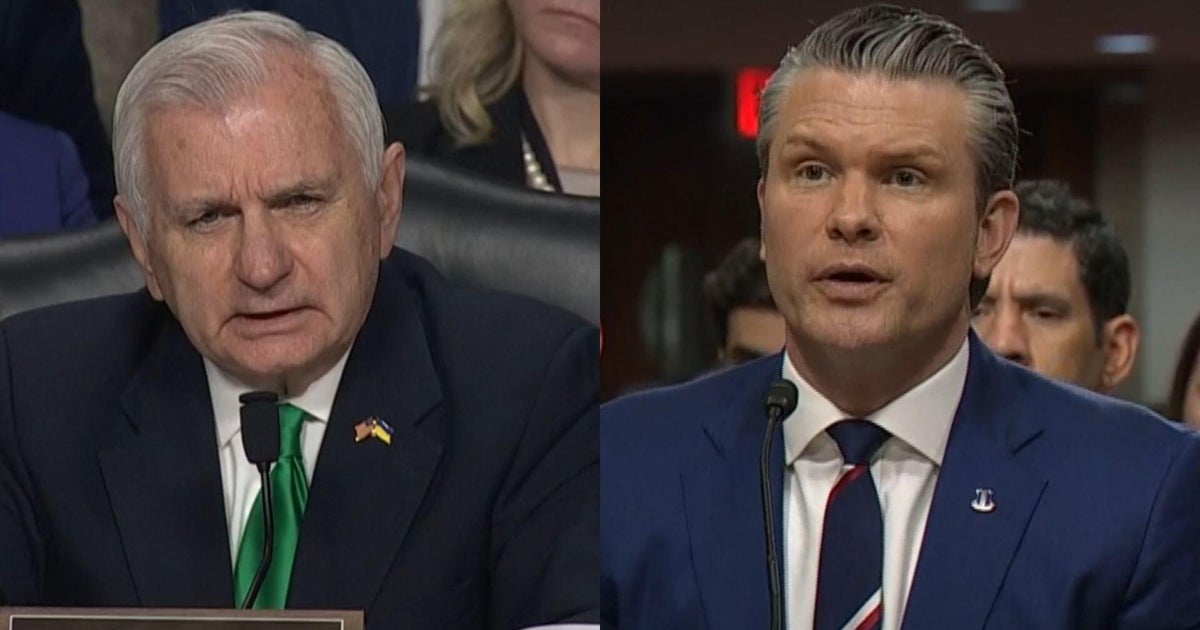
Senator Jack Reed, a Democrat from Rhode Island, questioned Defense Secretary Pete Hegseth about why certain generals and admirals were fired and how President Trump's administration managed the situation involving Iran. The discussion took place during a CBS News interview.
Key Facts
Senator Jack Reed represents Rhode Island and is a member of the Democratic Party.
Pete Hegseth is the current U.S. Defense Secretary.
Senator Reed asked about firings of high-ranking military officers, including generals and admirals.
The questions focused on the reasons behind these firings.
Senator Reed also questioned how President Trump’s administration handled issues related to Iran.
The conversation was featured on CBS News.
The interview was available on the CBS News app and through web browsers.
Read the Original
Want the full story? Tap a source to open the original
article.
Cherise Doyley, a woman in Florida, was forced into a court hearing via video call while in labor because she refused a planned C-section. The state and hospital wanted the surgery to protect the baby’s life, but Doyley argued she wanted to continue labor despite risks and believed her rights were violated.
Key Facts
The hearing took place on September 8, 2024, while Doyley was in active labor at a hospital in Jacksonville, Florida.
Doyley had previously had three C-sections and refused a fourth unless it became an emergency.
Doctors testified the baby’s heart showed distress and labor could cause uterine rupture, a dangerous uterus tear.
The state argued they must protect the unborn child’s life, leading to the emergency court hearing.
Doyley asked for a lawyer but was told she had no right to one in this emergency proceeding.
She described feeling outnumbered and believed discrimination played a role in the court case.
The hospital and state attorney’s office said they presented medical facts but do not make medical decisions.
Doyley is an experienced doula and wanted to advocate for her medical choice to avoid another difficult recovery.
Read the Original
Want the full story? Tap a source to open the original
article.