Neutral summaries of your favorite news sources — just the facts.
Your favorite news sources, one neutral feed — we distill their reporting into fact-first
summaries and always link to the original story. How it works
US News
Latest developments and key stories from across the United States
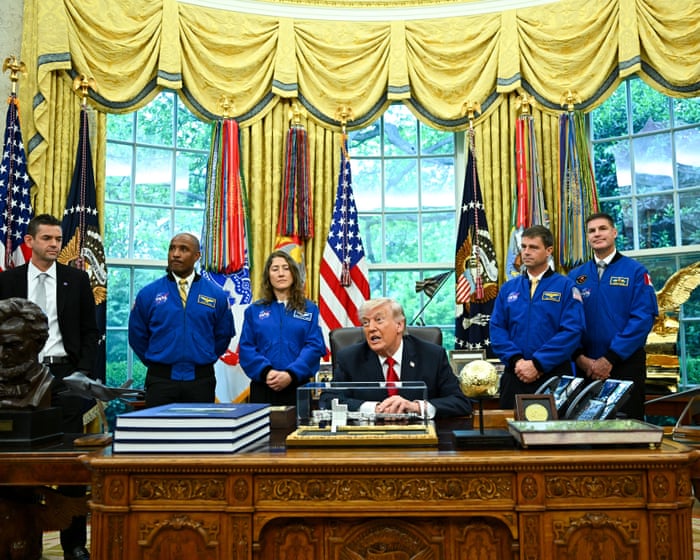
President Donald Trump said he believes NASA has a good chance to return astronauts to the Moon before 2029. He spoke about progress on the Artemis II program while meeting the four astronauts who recently flew around the Moon.
Key Facts
President Trump said NASA has a “good shot” at landing astronauts on the Moon before 2029.
He avoided promising it would definitely happen, saying that would risk claiming failure if it doesn’t.
The Artemis II mission recently flew four astronauts—three Americans and one Canadian—around the Moon.
This was the first crewed trip around the Moon in over 50 years.
NASA aims for a lunar landing in 2028 as part of the Artemis program.
Some experts doubt lunar landers from SpaceX and Blue Origin will be ready on time.
NASA administrator Jared Isaacman said the plan to return to the Moon is achievable.
China aims to send astronauts to the Moon by 2030.
Read the Original
Want the full story? Tap a source to open the original
article.
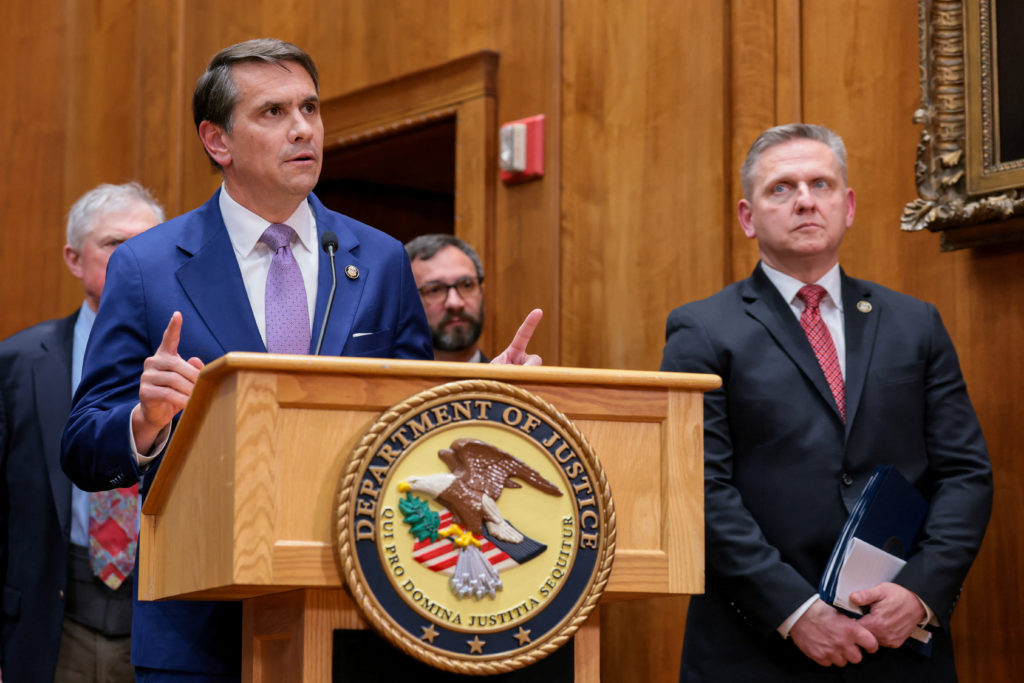
Acting Attorney General Blanche said President Donald Trump did not order him to prosecute former FBI Director James Comey. Comey appeared in court after being charged by the Justice Department.
Key Facts
Acting Attorney General Blanche denied receiving orders from President Trump to prosecute James Comey.
James Comey is the former FBI Director.
Comey was charged by the Justice Department.
He made his first court appearance on Wednesday.
The charge involves alleged threats to President Trump.
The threat reportedly involved seashells arranged to spell "86-47."
CBS News reporter Jake Rosen covered the story.
Read the Original
Want the full story? Tap a source to open the original
article.
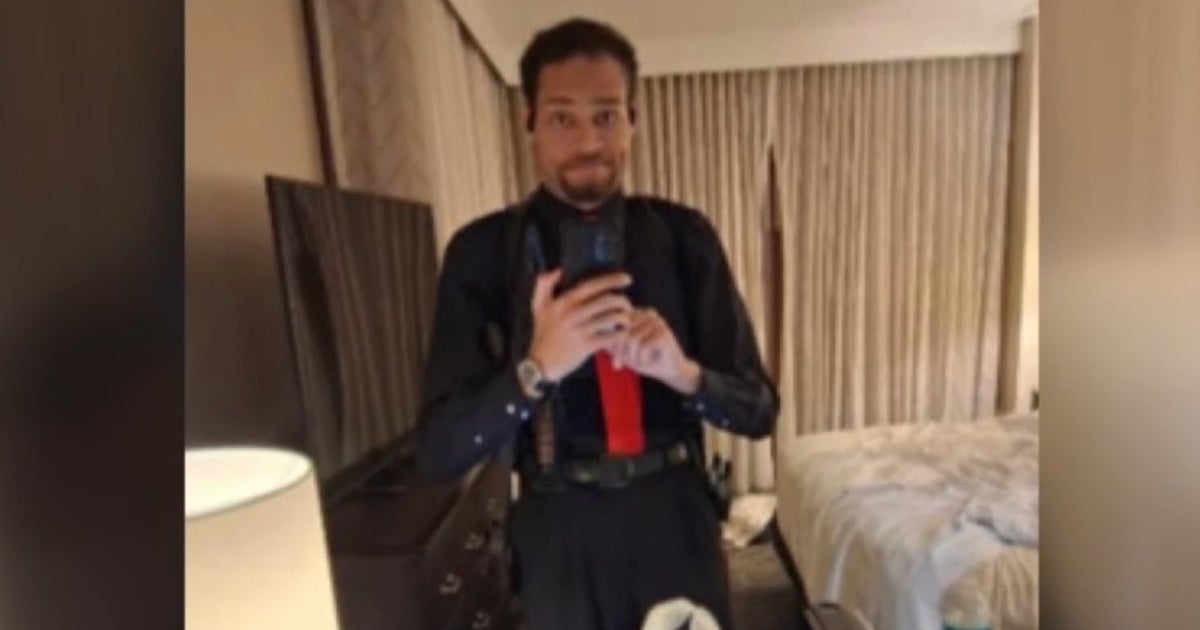
The Justice Department shared a new photo of the suspect involved in the shooting at the White House Correspondents' Dinner. They also provided details about what the suspect did in the minutes before the shooting happened.
Key Facts
The shooting occurred at the White House Correspondents' Dinner event.
The Justice Department released a new photo of the suspect.
A recent court filing explains the suspect’s actions shortly before the shooting.
The incident is under federal investigation by the Justice Department.
CBS News reporter Anna Schecter covered the story.
The photo and information aim to help understand and investigate the event better.
Read the Original
Want the full story? Tap a source to open the original
article.
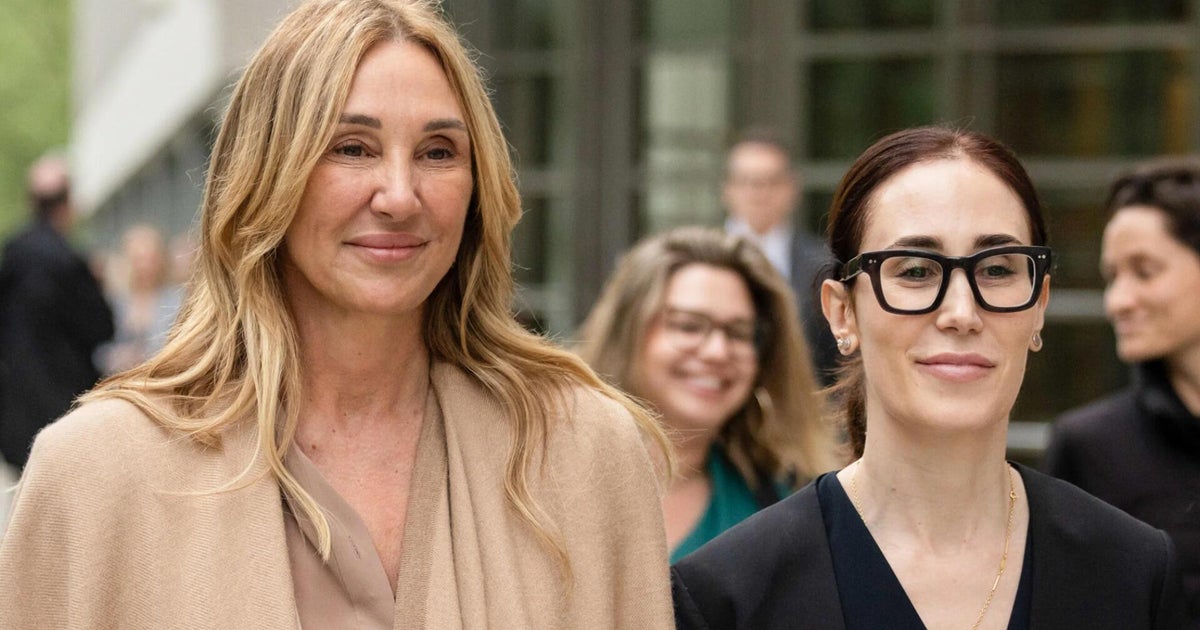
Prosecutors accused of having cult-like behavior are working to help allies of President Donald Trump receive pardons. They aim to get convicted leaders pardoned by supporting those close to the President.
Key Facts
A group of prosecutors has been compared to a sex cult because of their behavior.
This group is encouraging allies of President Donald Trump to seek pardons.
Their goal is to help convicted leaders connected to these allies get pardoned.
The information was reported by CBS News investigative reporter Gabe Kaminsky.
The effort involves legal and political support from people close to the President.
Read the Original
Want the full story? Tap a source to open the original
article.
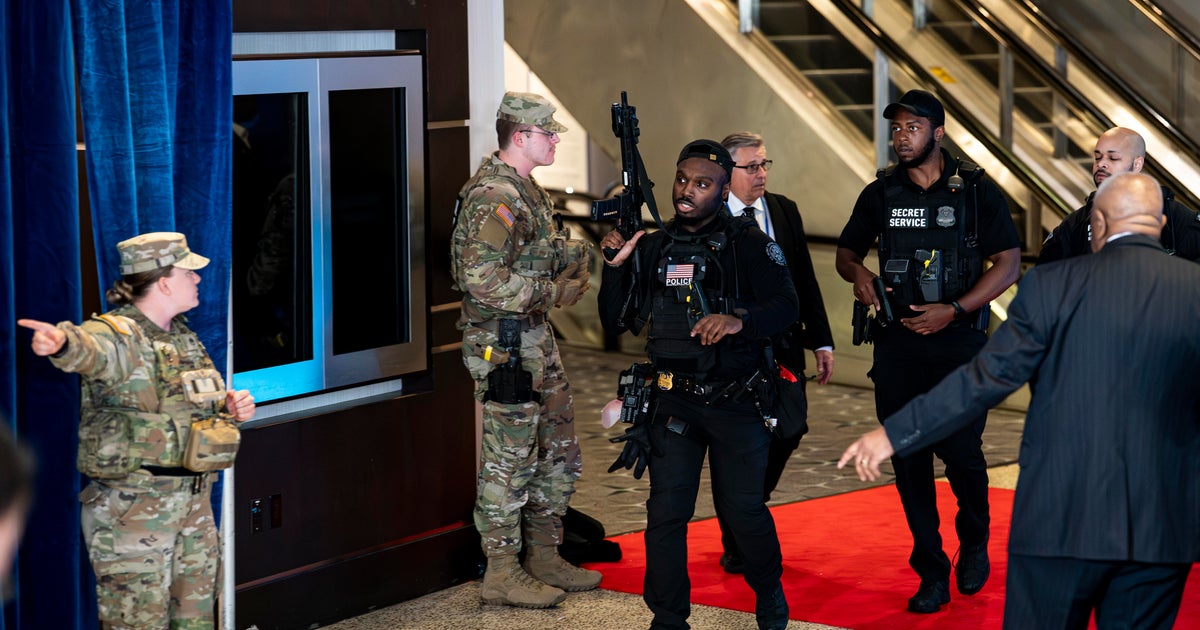
A U.S. Secret Service officer was hit by a bullet during a shooting outside the White House Correspondents' Dinner, but the bullet was not fired by the officer’s own team. The suspect, Cole Allen, fired a shotgun at a security checkpoint, was arrested, and has been charged with several crimes including attempting to assassinate President Donald Trump.
Key Facts
The shooting happened near the Washington Hilton, outside the White House Correspondents' Dinner.
The suspect, 31-year-old Cole Allen, fired a shotgun at a security checkpoint.
Six shots were fired in total: one by Allen and five by the Secret Service officer who was struck.
The bullet that hit the officer likely hit his cellphone inside his bulletproof vest pocket.
The officer was not seriously injured.
Allen fell during the incident and was arrested without being hurt.
He faces charges including attempting to assassinate President Donald Trump and transporting a firearm with intent to commit a felony.
Allen had his first federal court hearing but did not enter a plea.
Read the Original
Want the full story? Tap a source to open the original
article.
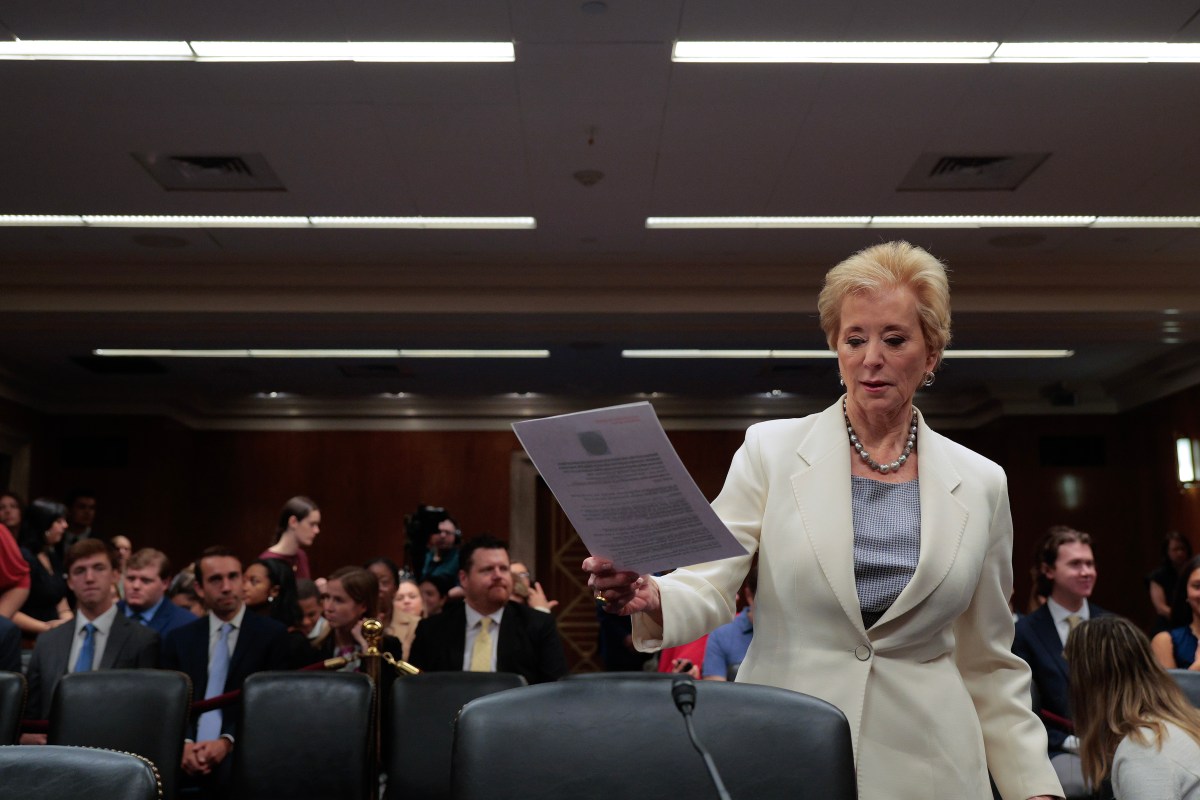
Education Secretary Linda McMahon called the current student loan forgiveness review process “tedious” due to a large backlog of cases and complex rules. The backlog mainly involves thousands of applications under the Public Service Loan Forgiveness (PSLF) buyback program, which allows some borrowers to get credit for past loan payments during periods when payments were paused.
Key Facts
The Department of Education faces a backlog of about 8,000 pending PSLF buyback applications.
The PSLF buyback program lets borrowers count past deferred or paused payments toward loan forgiveness.
Verifying employment history for these borrowers is complicated and slow.
Secretary McMahon did not give a specific timeline for clearing the backlog but said efforts are ongoing.
President Donald Trump’s 2027 education budget proposes $76.5 billion, which is $2.3 billion less than 2026 funding.
Some experts view the description of the process as a policy sign, highlighting a tightening of forgiveness options.
Critics warn that budget cuts and fewer staff may worsen delays in student aid services.
Democratic lawmakers expressed concerns that these changes could dismantle parts of the Department of Education.
Read the Original
Want the full story? Tap a source to open the original
article.
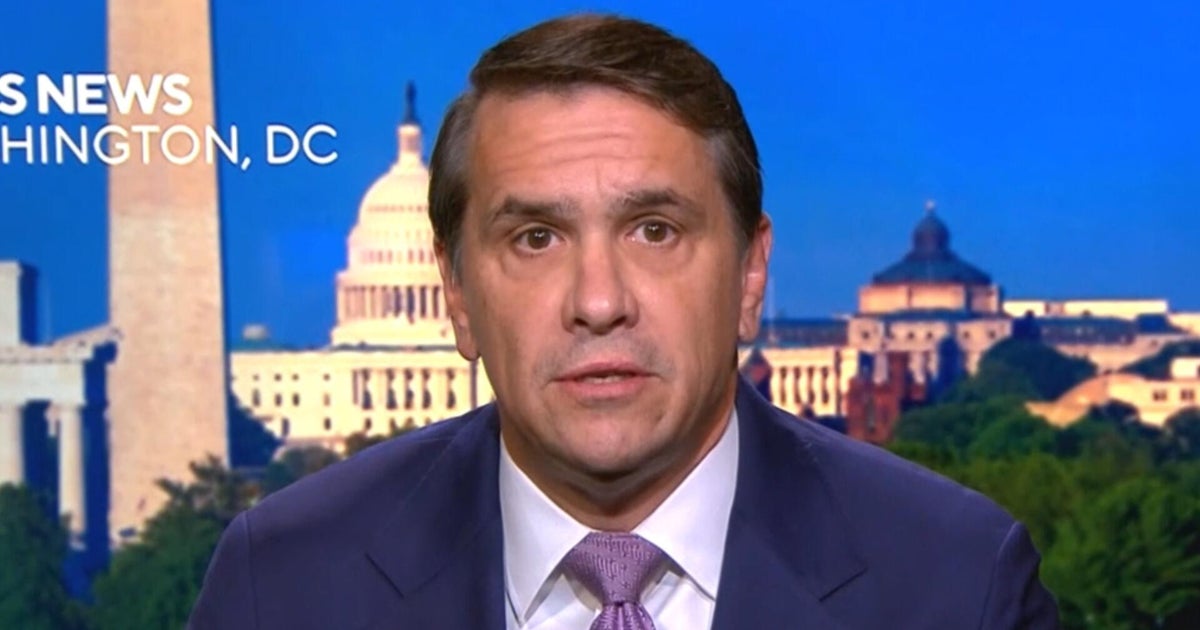
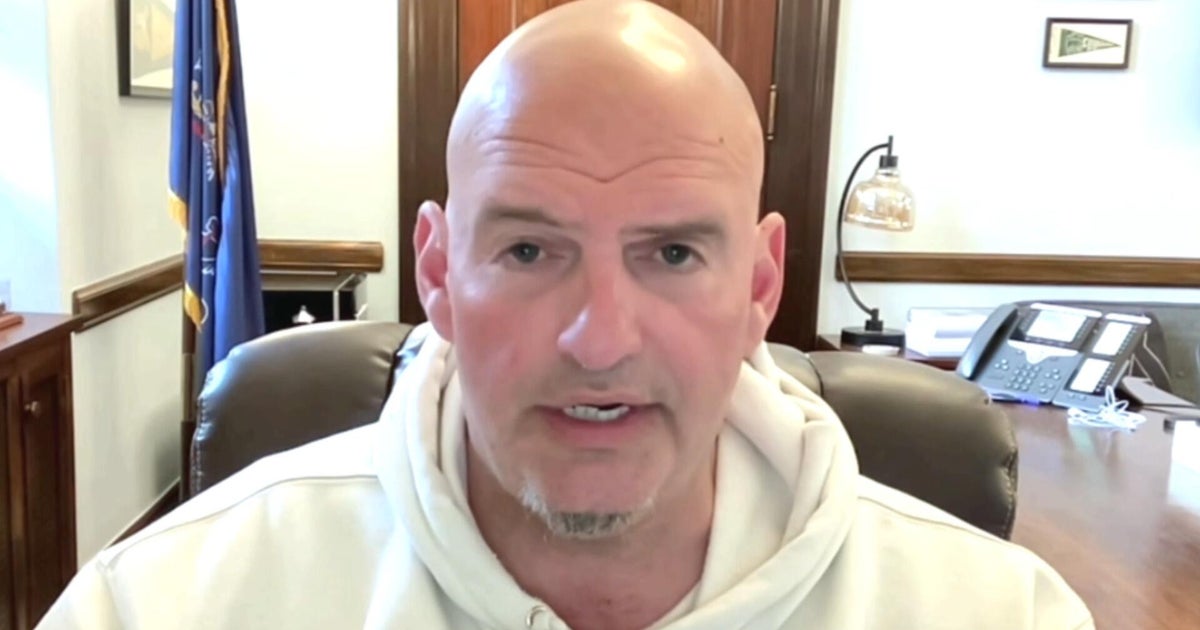
Senator John Fetterman from Pennsylvania urged Democrats to come together in support of the war in Iran. Defense Secretary Pete Hegseth testified before lawmakers on Capitol Hill, marking his first appearance since the war began.
Key Facts
Senator John Fetterman spoke about the Iran war on a CBS News program called "The Takeout."
He encouraged Democrats to unite behind the war effort.
Defense Secretary Pete Hegseth testified in front of Congress on Wednesday.
This was Hegseth’s first testimony since the war in Iran started.
The testimony took place on Capitol Hill.
The war in Iran is currently ongoing.
Read the Original
Want the full story? Tap a source to open the original
article.
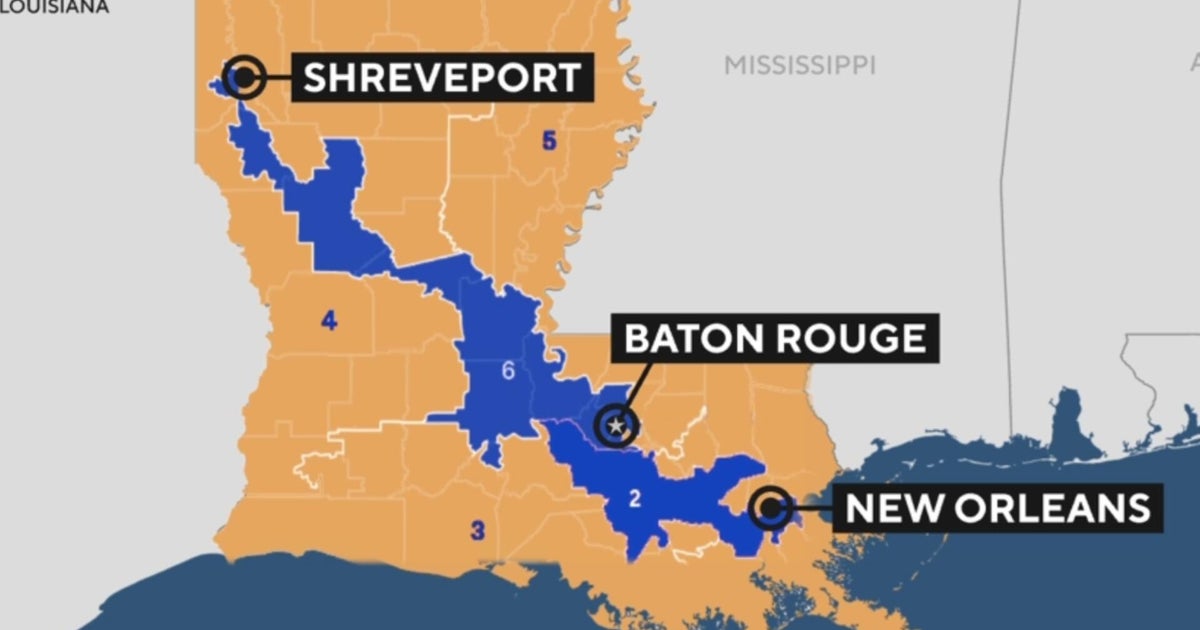
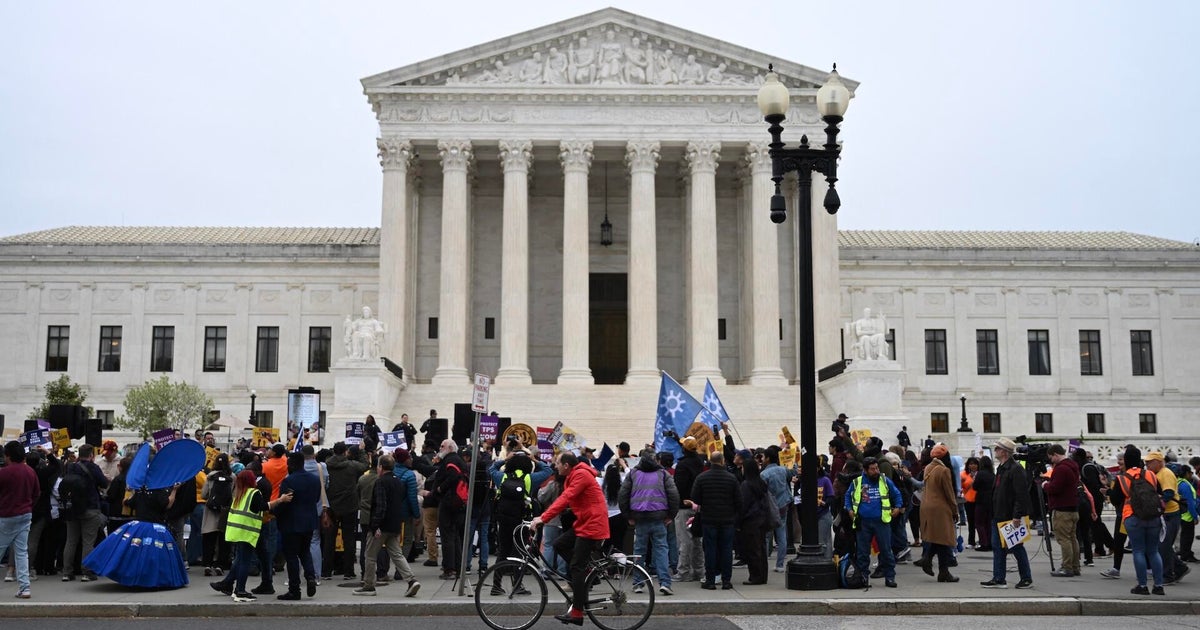
The Supreme Court made a decision that weakens an important part of the Voting Rights Act. This ruling affects Louisiana’s congressional map by removing a second district where Black voters made up the majority. The decision is expected to impact voting and redistricting battles across the United States.
Key Facts
The Supreme Court ruled on Louisiana’s House district map.
The court struck down Louisiana’s second majority-Black district.
Justice Samuel Alito wrote the majority opinion for the Court.
The ruling weakens a key part of the Voting Rights Act.
This decision is likely to restart conflicts over how voting districts are drawn nationwide.
Redistricting is the process of redrawing the boundaries of voting districts after the census.
The Voting Rights Act is a law designed to prevent racial discrimination in voting.
The ruling’s effects will influence voters and election maps in many states.
Read the Original
Want the full story? Tap a source to open the original
article.
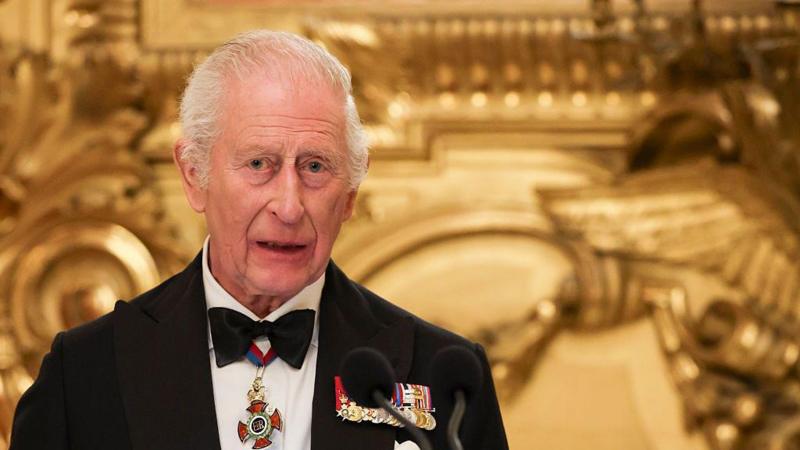
King Charles and Queen Camilla visited the United States, receiving a warm and positive reception across political groups. Their visit included events at the White House, Congress, and New York, where King Charles spoke about history, democracy, and unity.
Key Facts
King Charles and Queen Camilla visited the US and were warmly welcomed.
The King addressed a joint session of Congress, becoming only the second British monarch to do so.
President Donald Trump expressed strong support and praised the King’s visit.
The visit drew positive reactions from both political parties in the US.
King Charles’ speeches included humor, history, and calls for unity.
The visit came during some recent tensions between the US and UK governments over Iran.
The King’s visit also boosted interest in British culture and businesses in the US.
The royal couple visited the 9/11 Memorial in New York during their trip.
Read the Original
Want the full story? Tap a source to open the original
article.
President Donald Trump’s approval rating among Hispanic voters has dropped to a new low during his second term, according to a recent Emerson College poll. The poll also shows Democrats leading Republicans by 10 percent on the generic congressional ballot, partly due to stronger Hispanic voter support for Democrats.
Key Facts
President Trump’s overall approval rating is 40%, with 56% disapproving.
Among Hispanic voters, Trump’s approval is about 29%, with 70% disapproval.
This is the lowest approval rating Trump has had with Hispanics during his second term.
Hispanic voters now favor Democrats by a 35-point margin (61% to 26%).
The poll surveyed 1,000 likely U.S. voters from April 24 to 26 and has a 3% margin of error.
Democrats are gaining support among Hispanic voters, women, and independent voters.
White House spokesperson highlighted Trump’s efforts to help middle-class families and address inflation.
Hispanic voters were important in Trump’s 2024 election victory but now show declining support.
Read the Original
Want the full story? Tap a source to open the original
article.
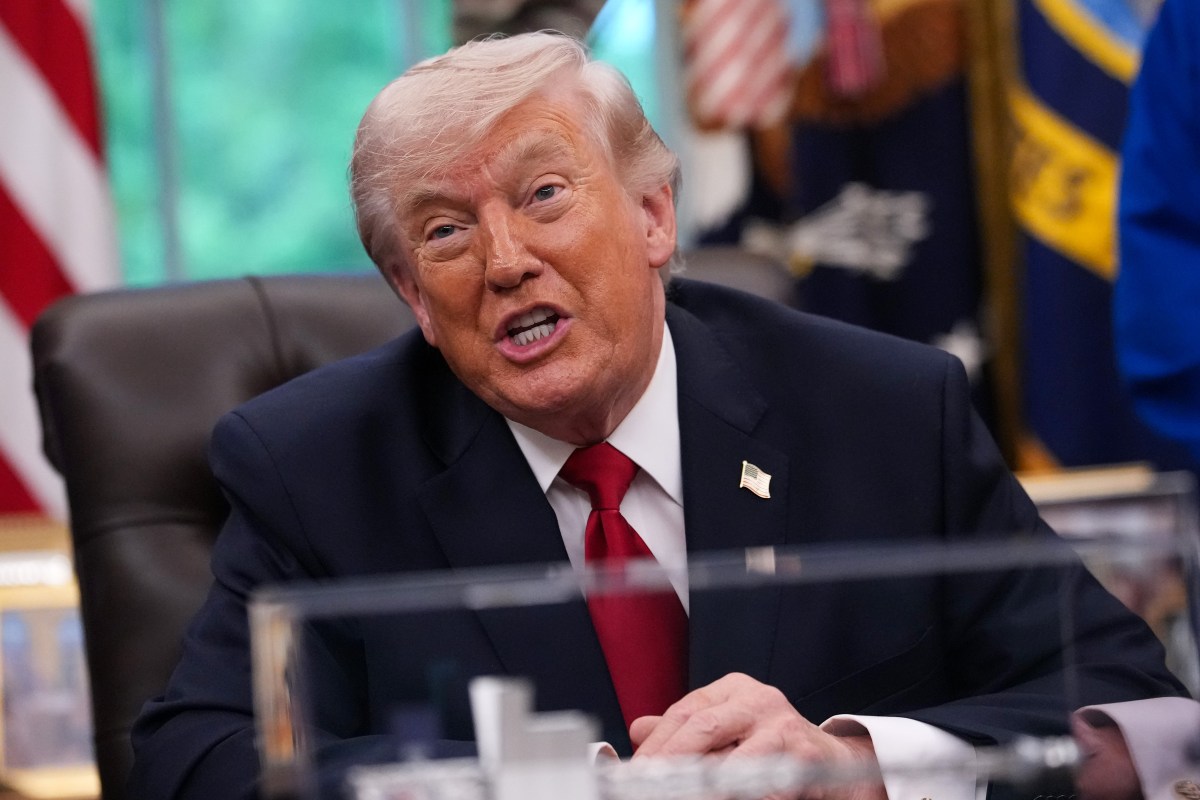
President Donald Trump hosted the crew of NASA’s Artemis II mission at the White House, praising their achievements. During the event, he also discussed the Supreme Court decision reducing protections under the Voting Rights Act and commented on ongoing international conflicts and UFO disclosures.
Key Facts
President Trump met the Artemis II crew—commander Reid Wiseman, pilot Victor Glover, and mission specialists Christina Koch and Jeremy Hansen—in the Oval Office.
Artemis II completed a historic lunar flyby, traveling farther from Earth than any crewed mission before, reaching 252,756 miles.
The mission ended with a successful splashdown of the Orion capsule in the Pacific Ocean on April 10.
Trump previously praised NASA’s crew but proposed a 23% budget cut to the agency, including a 46% cut for space science programs.
The Supreme Court struck down Section 2 of the Voting Rights Act in a 6-3 decision, removing a key tool used to protect minority voters in redistricting; President Trump welcomed this ruling.
Trump mentioned ongoing talks with Iran, now conducted remotely rather than in person.
Trump stated his belief that Ukraine is militarily defeated, citing heavy losses of ships, planes, missiles, and drones.
He said his administration plans to release more information about unidentified flying objects (UFOs) soon.
Read the Original
Want the full story? Tap a source to open the original
article.
The Justice Department announced plans to change and reduce many gun rules as part of a policy shift supported by President Donald Trump’s base. One key change is removing a rule that required many gun sellers at events like gun shows to conduct background checks on buyers.
Key Facts
The Justice Department moved to roll back several gun regulations.
These changes represent a major shift in firearm policy.
Supporters of gun rights, especially those backing President Trump, favored the changes.
Gun control advocates criticized the move as risky and unsafe.
The changes come shortly after a man with weapons tried to attack an event attended by President Trump.
One important rollback is canceling a 2024 rule that required more gun dealers to do background checks at gun shows and similar sales.
The background check rule was introduced during President Joe Biden’s administration.
Over 30 gun regulation changes were announced in total.
Read the Original
Want the full story? Tap a source to open the original
article.
The House approved a three-year renewal of Section 702 of the Foreign Intelligence Surveillance Act (FISA), which allows warrantless government spying, but the Senate is unlikely to agree because of a ban on digital currencies added by House Republicans. Section 702 is set to expire soon, and without a new law, an important security tool could stop working.
Key Facts
The House voted 235-191 to extend Section 702 of FISA for three years.
Section 702 lets the government conduct warrantless surveillance for national security.
The renewal bill includes a ban on central bank digital currency (CBDC), added by House GOP leaders.
Both Senate Democrats and Republicans oppose the CBDC ban, calling it a "poison pill" that blocks passing the bill.
Section 702 is set to expire at midnight Thursday, risking a gap in surveillance powers.
The House previously passed a short-term FISA extension earlier in the month after failing to approve longer renewals.
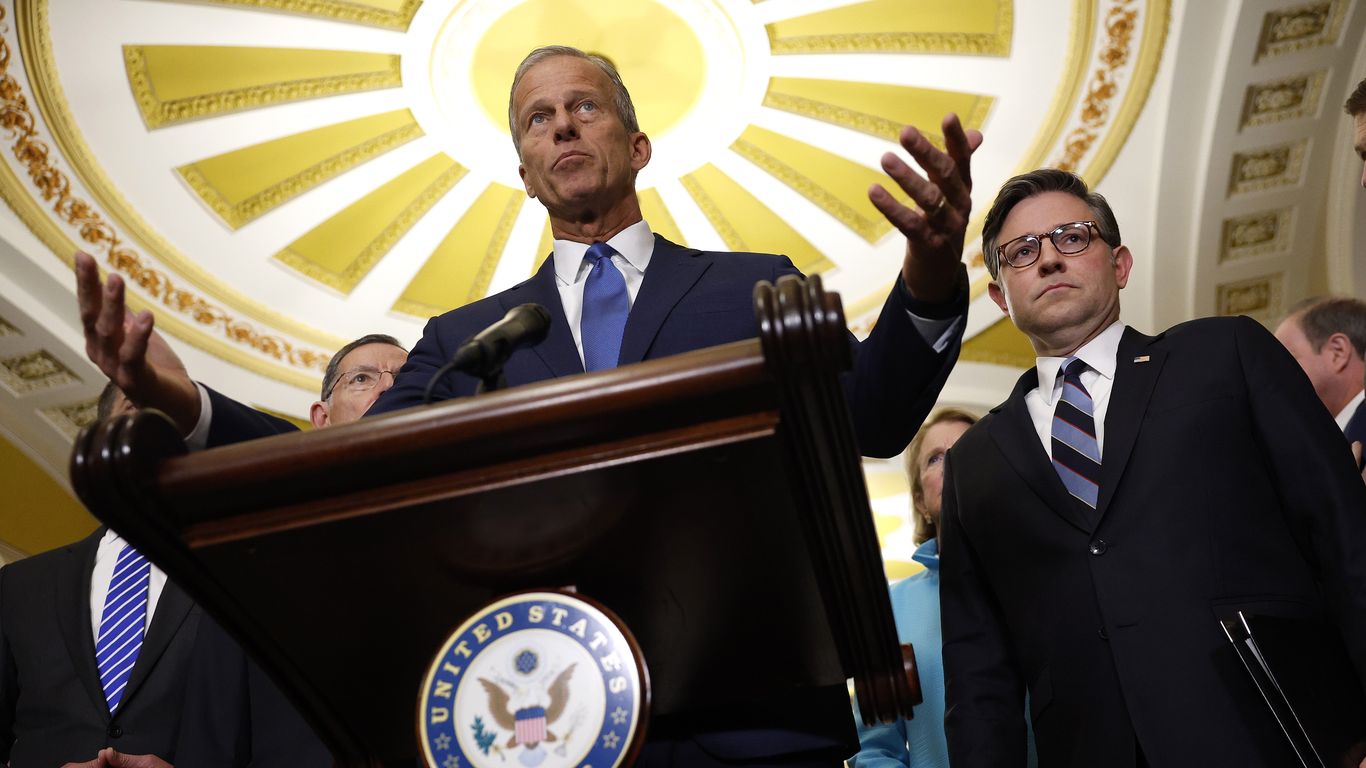
Senate Majority Leader John Thune says the Senate will try to pass its own FISA extension without the CBDC ban.
If the Senate passes its version, it must return to the House for approval, which may be difficult without the added ban or major changes.
Read the Original
Want the full story? Tap a source to open the original
article.
The House of Representatives voted 235-191 to renew a government surveillance law that lets agencies collect foreign intelligence without a warrant. This law, called Section 702 of the Foreign Intelligence Surveillance Act, now needs approval from the Senate before it becomes law.
Key Facts
The House approved the renewal of Section 702 of the Foreign Intelligence Surveillance Act.
The vote was 235 in favor and 191 against, with members from both parties supporting it.
Section 702 allows U.S. intelligence agencies to collect information from foreign targets without getting a warrant.
This surveillance power is aimed at protecting national security.
The bill still needs to pass the Senate before it can be renewed.
The renewal process is considered difficult because the Senate has different views on this issue.
The law has been used for many years to gather foreign intelligence.
Some lawmakers are concerned about privacy and civil liberties related to this surveillance.
Read the Original
Want the full story? Tap a source to open the original
article.
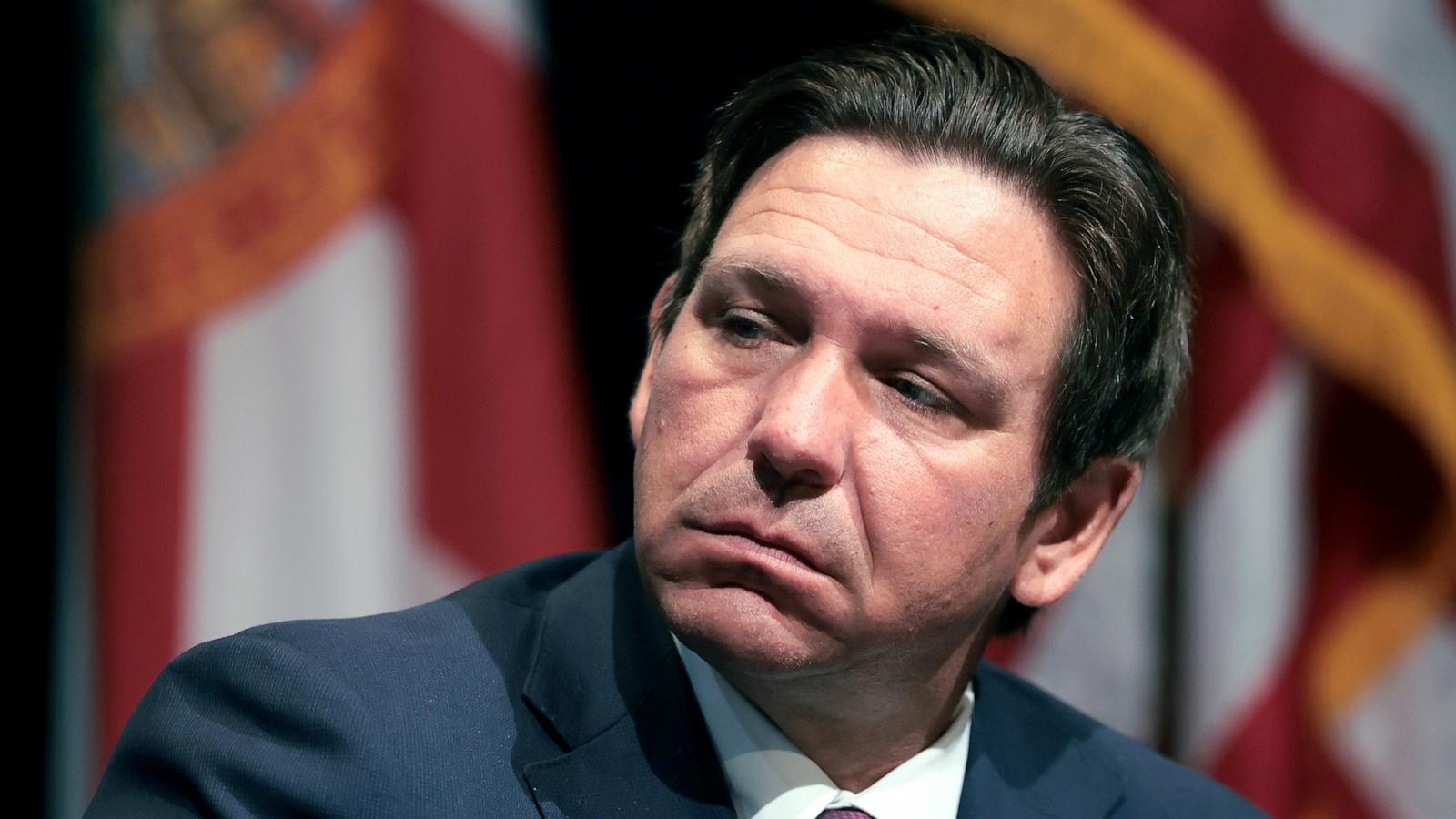
Florida’s state legislature approved a new congressional map that could help Republicans gain up to four more seats in the 2026 midterm elections. Governor Ron DeSantis supports the map, but Democrats say it violates Florida’s rules against favoring a political party and expect legal challenges.
Key Facts
The new map was passed by Florida’s legislature and is supported by Governor Ron DeSantis.
It could reduce Democratic-held districts in Florida to just four after the 2026 midterms.
Florida’s Fair Districts Amendments forbid drawing districts to benefit or harm a political party or incumbent.
DeSantis and his team claim the state needs the map due to population growth and legal issues.
Democrats argue the map was rushed and is meant to favor Republicans illegally.
The map will likely face court challenges based on Florida’s constitutional protections.
The approval comes amid a recent U.S. Supreme Court ruling striking down another state’s congressional map for racial bias.
Some Republicans had concerns the map could weaken GOP incumbents or energize Democratic voters.
Read the Original
Want the full story? Tap a source to open the original
article.
The U.S. Supreme Court invalidated Louisiana's congressional map, which affects how voting districts are drawn in the state. This decision reduces the power of the 1965 Voting Rights Act, a law designed to protect voters' rights.
Key Facts
The Supreme Court ruled against Louisiana's congressional map.
This ruling impacts the drawing of voting districts in Louisiana.
The decision weakens the protections provided by the Voting Rights Act of 1965.
The Voting Rights Act was created to prevent discrimination in voting.
The case brings changes to how voting rights are enforced in some states.
The ruling could influence future election maps in other states.
The Supreme Court’s decision reflects ongoing debates about voting laws in the U.S.
Read the Original
Want the full story? Tap a source to open the original
article.
Illinois Governor JB Pritzker criticized the U.S. Supreme Court’s recent decision to strike down a voting map in Louisiana. The court ruled 6-3 against the map, and Pritzker said the decision harms an important part of American democracy.
Key Facts
The U.S. Supreme Court made a 6-3 ruling against a Louisiana voting map.
Illinois Governor JB Pritzker called the ruling an “abomination.”
Pritzker said the decision attacks a key part of democracy, referring to it as a “crown jewel.”
The ruling took place on a Wednesday during a press conference.
The voting map in Louisiana had been challenged, leading to the Supreme Court case.
Read the Original
Want the full story? Tap a source to open the original
article.
Defense Secretary Pete Hegseth said that $400 million in support for Ukraine was released after Senator Mitch McConnell wrote an angry opinion piece about delays in the funding. The money was meant for building European security capacity and was freed up recently.
Key Facts
$400 million was allocated to support Ukraine.
The funds are for European capacity building, meaning helping European countries strengthen their defense.
Senator Mitch McConnell wrote an op-ed criticizing the delay in releasing the money.
Defense Secretary Pete Hegseth confirmed the money was released after the op-ed.
The announcement was made on a Wednesday.
The delay in funding had been a concern before the release.
This funding is part of the U.S. support for Ukraine amid ongoing conflicts.
Read the Original
Want the full story? Tap a source to open the original
article.
The Republican-controlled House is set to vote on extending a U.S. surveillance program for three more years before it expires on Friday. The bill adds new oversight rules but does not require warrants, and it still needs approval from the Senate and President Donald Trump.
Key Facts
The surveillance program is set to expire this Friday.
The House Republicans want to extend it for three years.
The bill includes new oversight but does not require warrants for spying.
Some lawmakers want stronger privacy protections, including a warrant requirement.
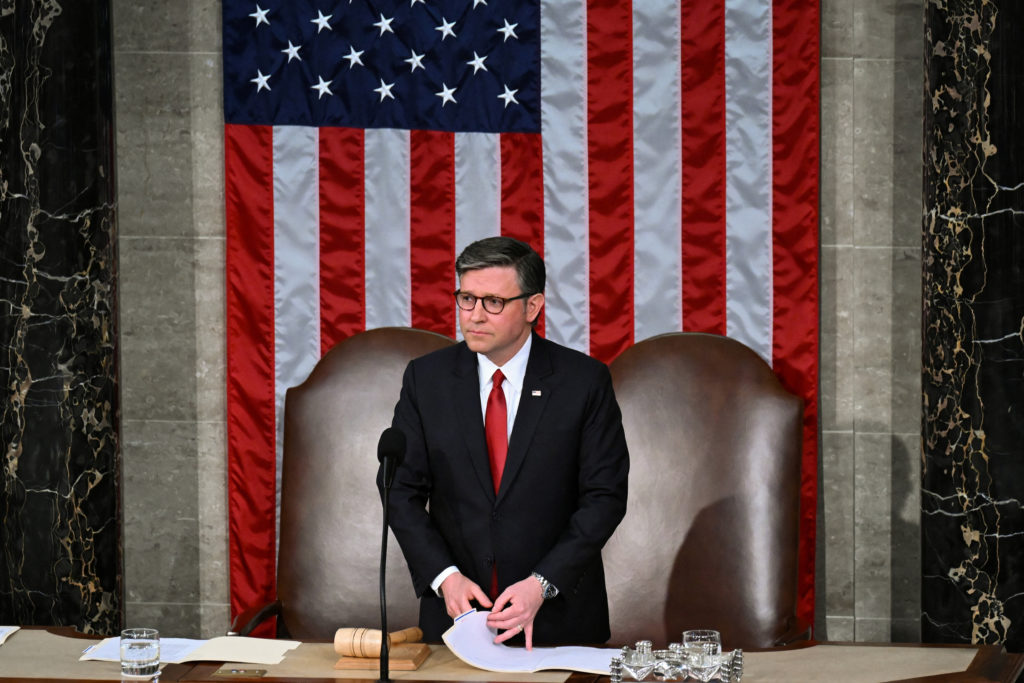
Speaker Mike Johnson said the program provides two-thirds of President Trump’s national security information.
The House passed a key procedural vote to move the bill forward after earlier failed attempts.
The bill must still be approved by the Senate and signed by President Trump.
The decision is seen as important for ongoing U.S. intelligence operations.
Read the Original
Want the full story? Tap a source to open the original
article.
The Supreme Court made changes that reduce the power of the Voting Rights Act, a law designed to protect voting rights. Pete Hegseth spoke in support of how President Trump’s administration managed the conflict with Iran.
Key Facts
The Supreme Court altered parts of the Voting Rights Act.
This change makes it harder to enforce some voting protections.
Pete Hegseth defended the Trump administration’s actions regarding Iran.
The discussion was part of CBS News’ program "The Takeout with Major Garrett."
The show aired on April 29.
The Voting Rights Act aims to prevent unfair voting rules that can block people from voting.
The Trump administration took specific steps related to U.S. involvement with Iran.
CBS News offers its content on various apps and browsers.
Read the Original
Want the full story? Tap a source to open the original
article.