Neutral summaries of your favorite news sources — just the facts.
Your favorite news sources, one neutral feed — we distill their reporting into fact-first
summaries and always link to the original story. How it works
US News
Latest developments and key stories from across the United States
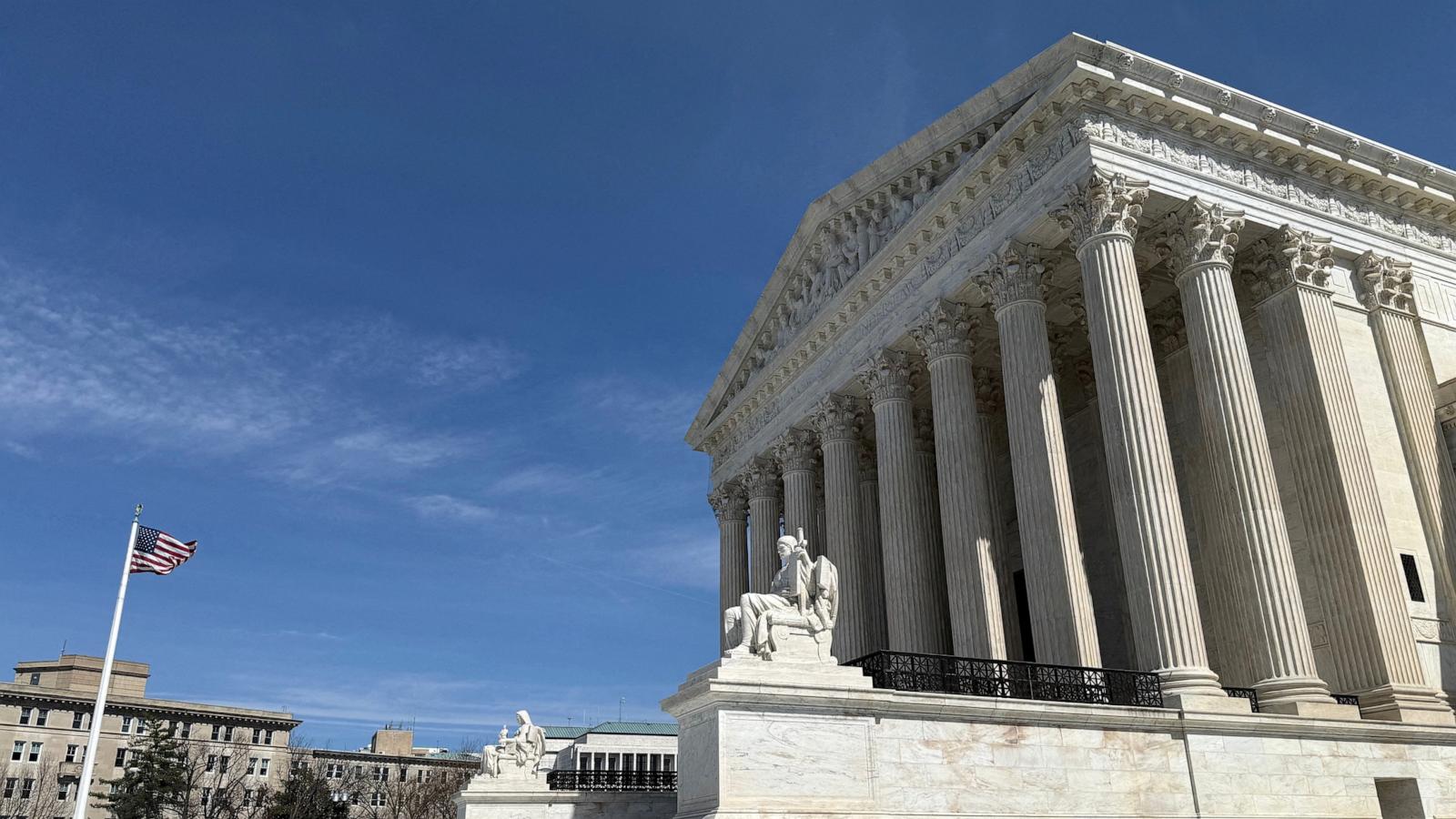
New York City Mayor Zohran Mamdani criticized a recent Supreme Court ruling on the Voting Rights Act. He said the decision could prevent millions of people from voting, especially affecting racial minorities.
Key Facts
The Supreme Court made a new ruling about the Voting Rights Act.
Mayor Zohran Mamdani is unhappy with this ruling.
He believes the ruling could stop many Americans from voting.
The ruling may disproportionately impact people of certain races.
Mamdani said this decision weakens the Voting Rights Act.
The Voting Rights Act is a law that protects people’s right to vote.
Mamdani is the mayor of New York City and a member of the Democratic Party.
Read the Original
Want the full story? Tap a source to open the original
article.
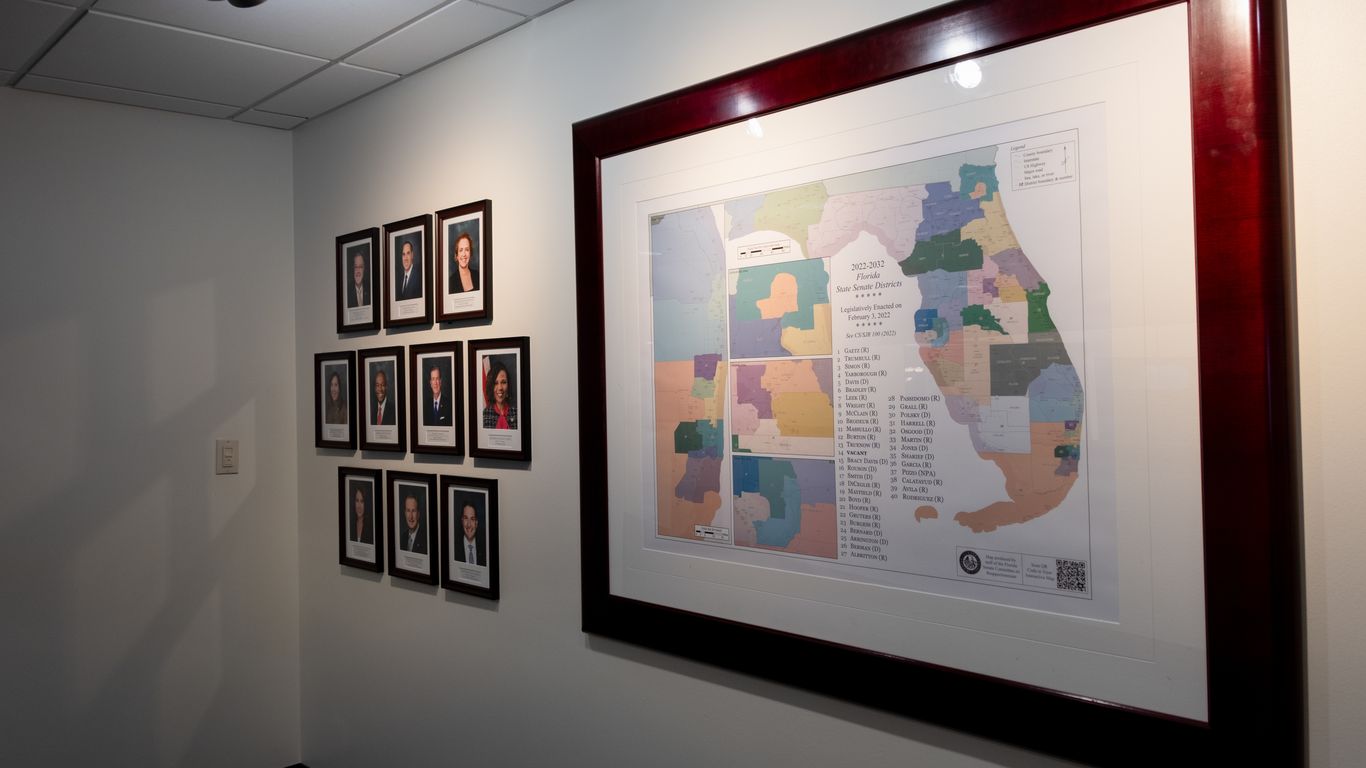
Florida’s Republican-controlled legislature approved a new congressional map that favors Republicans and could increase their seats in the US House of Representatives. This map is part of a wider national effort by states to redraw districts ahead of the November midterm elections, prompting legal challenges and debate over fairness.
Key Facts
Florida’s legislature passed a new congressional map that benefits Republicans.
The map could increase Republican seats from 20 to 24, while Democrats may drop from 8 to 4.
Governor Ron DeSantis supported and unveiled the new map days before the vote.
Democrats criticized the map as politically motivated and expect legal challenges.
The redistricting is part of a broader national trend where states redraw maps to favor one party, a practice called gerrymandering.
Some see the new map as risky for Republicans due to possible vote dilution and falling approval for President Donald Trump.
The US Supreme Court recently ruled a Louisiana map unconstitutional, affecting minority protections under the Voting Rights Act.
Despite the map change, Democrats remain favored to perform well in upcoming Florida legislative elections.
Read the Original
Want the full story? Tap a source to open the original
article.
President Donald Trump met with oil and gas company leaders to discuss the ongoing war in Iran and its impact on gas prices in the U.S. Gas prices have risen to $4.23 per gallon, the highest in four years, as the U.S. naval blockade of the Strait of Hormuz continues. The president rejected a deal with Iran that would end the blockade without a nuclear agreement.
Key Facts
President Trump and officials met with oil and gas executives on April 28, 2026, to talk about the Iran war and energy supply.
The U.S. naval blockade at the Strait of Hormuz remains until Iran agrees to a peace plan focused on nuclear issues.
Gas prices in the U.S. reached $4.23 per gallon, up 44% since the Iran war began.
Trump canceled a planned negotiation trip to Pakistan, stating he saw no point in sending negotiators.
Treasury Secretary Scott Bessent hosted the meeting, with Vice President JD Vance and Chief of Staff Susie Wiles also attending.
The meeting covered topics like U.S. oil production, Venezuela’s role in oil, oil futures markets, natural gas, and shipping logistics.
Trump used the Defense Production Act to increase energy production and extended a waiver to allow foreign ships to move goods between U.S. ports.
Rising gas prices are causing concern among Americans and political risk for Republicans ahead of the November elections.
Read the Original
Want the full story? Tap a source to open the original
article.
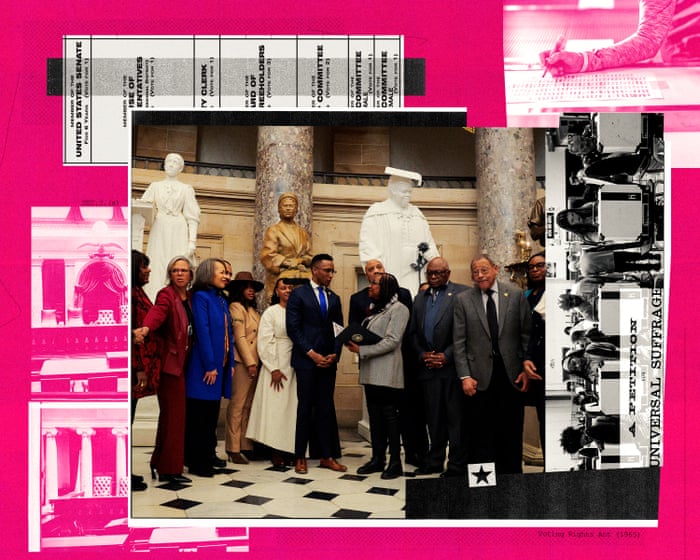
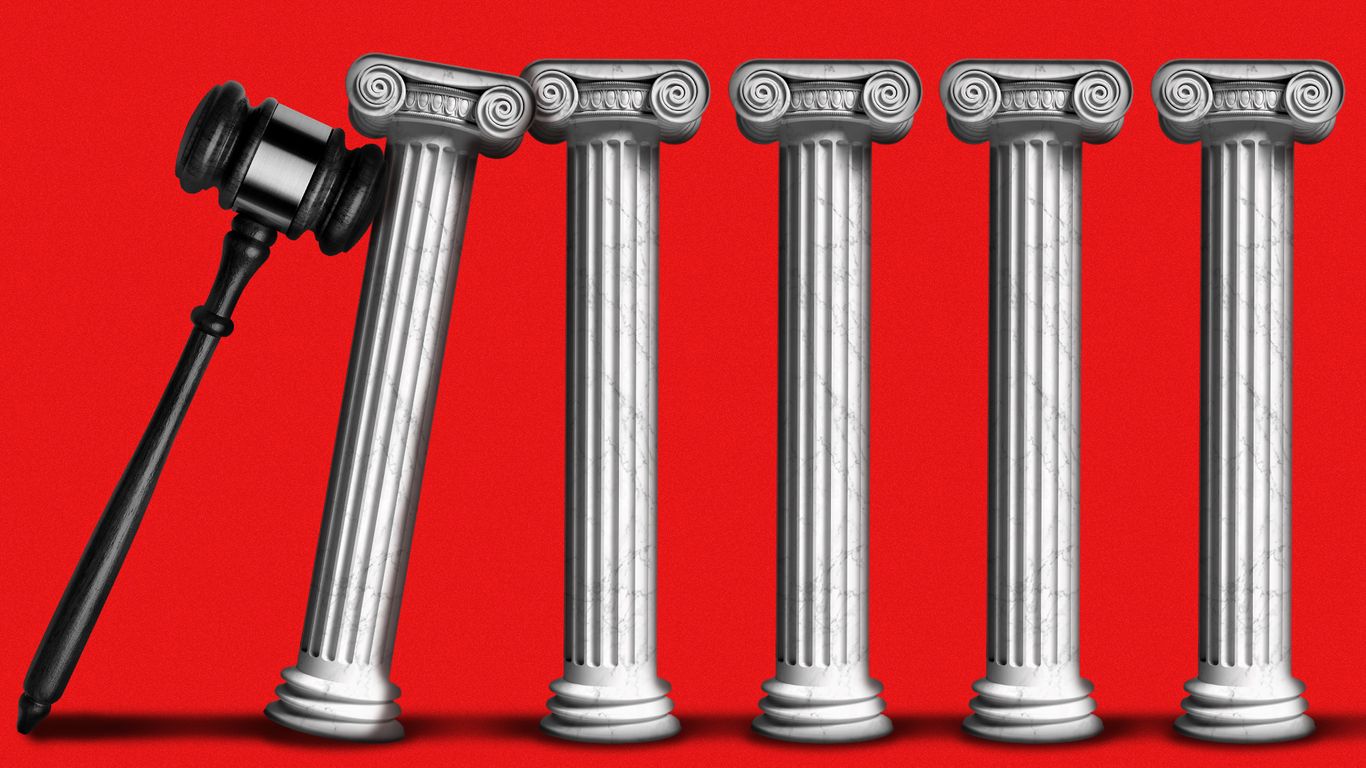
The U.S. Supreme Court ruled in the Callais v. Landry case to limit part of the Voting Rights Act that prevented racial discrimination in voting. This change makes it harder to challenge voting district maps that reduce the political power of Black voters, especially in areas where race and party voting overlap.
Key Facts
The Voting Rights Act was created to protect voters from racial discrimination and was linked to civil rights struggles.
The Supreme Court's Callais decision requires proof that race was the main reason for drawing voting districts a certain way.
This ruling allows Republicans to redraw voting maps without considering race, even if the change weakens Black political power.
Black voters tend to live in urban areas where Democratic support is strong, so redistricting can split these areas to reduce their influence.
The number of Black members in Congress recently reached a historic high, equaling their share of the population.
Most non-white members of Congress are Democrats, and very few Republicans are non-white.
Segregation in housing keeps many Black people in certain urban areas, making their votes easier to dilute by splitting districts.
This ruling affects mainly southern states but applies across the U.S., where racial and political geography overlap.
Read the Original
Want the full story? Tap a source to open the original
article.
The Supreme Court unanimously ruled that a New Jersey anti-abortion group called First Choice Women’s Resource Centers can legally challenge a subpoena seeking the names of its donors before giving up that information. The Court said the group's First Amendment rights protect them from having to immediately hand over donor details.
Key Facts
The case involves First Choice Women’s Resource Centers, which runs five anti-abortion centers in New Jersey.
The subpoena was issued by the New Jersey attorney general to investigate whether the group engaged in deceptive or illegal activities.
The subpoena demanded thousands of pages of documents, including private donor names and contact information.
First Choice claimed the subpoena was meant to intimidate and sued to block it.
The Supreme Court’s decision was unanimous, written by Justice Neil Gorsuch.
The Court cited a similar 1950s case involving the NAACP protecting its membership lists as a precedent.
The ruling emphasized the importance of First Amendment protections for groups to keep their private associational information safe.
Religious rights advocates welcomed the decision, calling it a victory for faith-based organizations.
Read the Original
Want the full story? Tap a source to open the original
article.
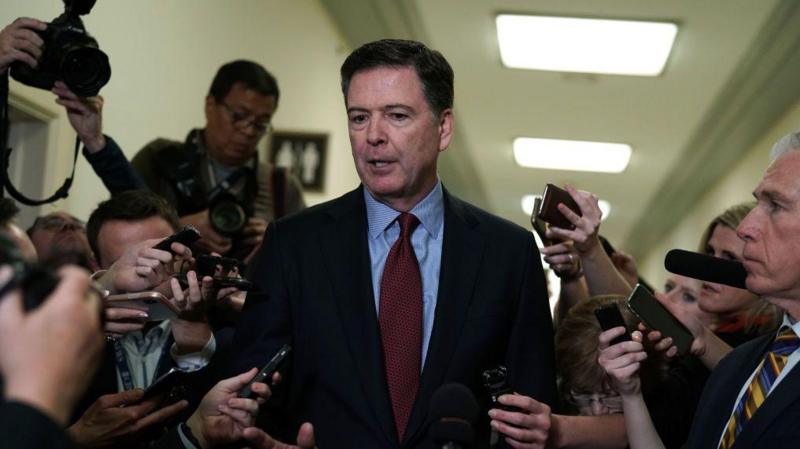
James Comey, the former FBI director, was indicted by the Department of Justice for allegedly threatening President Donald Trump in a social media post. Legal experts are doubtful the government can secure a conviction due to free speech protections and unclear intent in the post.
Key Facts
James Comey was charged with threatening President Donald Trump through an Instagram post.
The post showed seashells arranged as “86 47,” which some interpret as a call to remove Trump (the 47th president).
Prosecutors must prove Comey intended the post as a real threat to harm the president.
Comey deleted the post and said he did not mean to threaten anyone, explaining he found the seashells on the beach.
Legal experts doubt the case will succeed because the post’s meaning is unclear and protected by free speech rights.
This is the second time Comey has faced charges from the Justice Department over similar accusations; the previous case was dismissed.
The indictment comes after several threats and attempts on President Trump’s life in recent years.
Acting Attorney General Todd Blanche said threatening the president is a serious crime regardless of the post’s appearance.
Read the Original
Want the full story? Tap a source to open the original
article.
The U.S. Supreme Court weakened the Voting Rights Act, making it harder for minority voters to challenge local and state election rules that reduce their voting power. This change could allow local governments to redraw voting districts in ways that limit minority representation.
Key Facts
The Supreme Court ruling affects Section 2 of the Voting Rights Act, which helps minority voters fight unfair election maps and rules.
The decision makes it more difficult to win lawsuits claiming violations of minority voting rights.
Local and state governments, such as city councils and county commissions, may now have more freedom to redraw voting districts without considering minority impact.
The ruling may lead to reinstating at-large elections that weaken minority political influence.
Critics warn the decision could reduce representation for Black and Hispanic voters at local and state levels.
Some states, like Mississippi, face upcoming redistricting efforts that could be affected by this ruling.
Changes to voting district protections may impact future elections, including the 2026 midterms and the redistricting after the 2030 Census.
Read the Original
Want the full story? Tap a source to open the original
article.
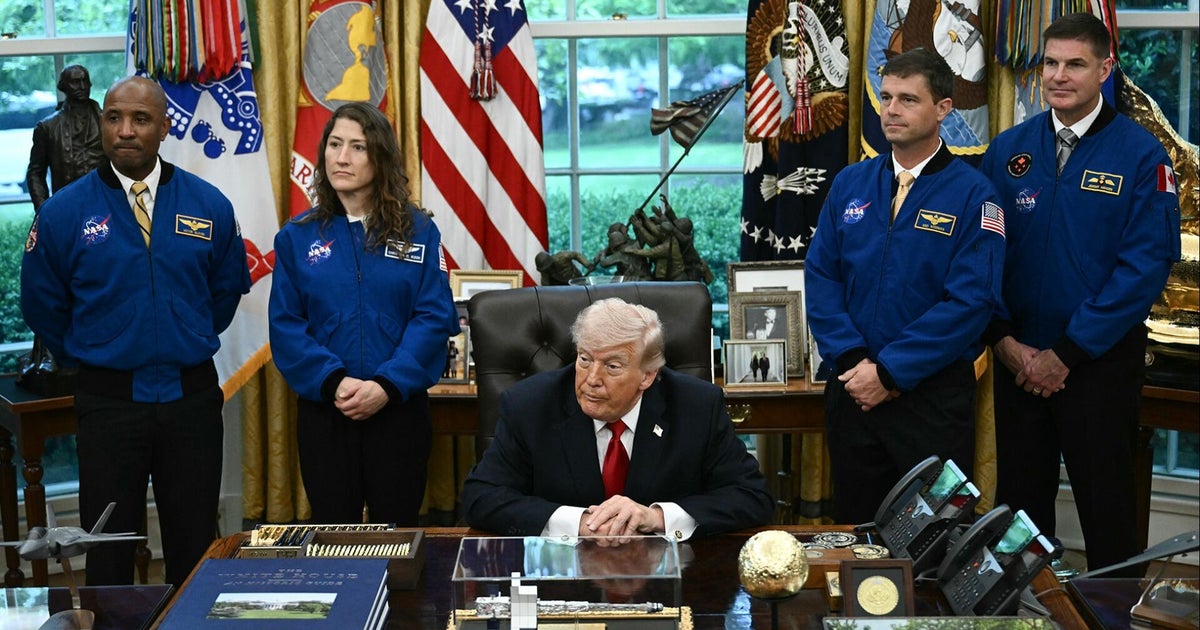
President Donald Trump welcomed the astronauts of the Artemis II mission to the White House. He also spoke to reporters and answered their questions from the Oval Office.
Key Facts
President Trump hosted the Artemis II crew at the White House.
The visit happened on a Wednesday.
President Trump held a question-and-answer session with reporters.
The session took place in the Oval Office.
CBS News covered the event and provided analysis through their White House reporter, Aaron Navarro.
Artemis II is a NASA mission involving astronauts.
The event was shared through the CBS News app and website.
Read the Original
Want the full story? Tap a source to open the original
article.
Judge Andrew Napolitano said the legal charges against former FBI Director James Comey will probably be dismissed. He believes the case involves protected speech and that a motion to drop the charges will be approved.
Key Facts
Andrew Napolitano is a former Fox News host and current New Jersey Superior Court Judge.
Napolitano spoke about the Comey indictment on Wednesday.
He called the indictment "frivolous," meaning he thinks it has little legal merit.
Napolitano expects Comey’s legal team will ask the court to dismiss the case.
He said the case likely involves protected speech, which is a legal term for freedom of expression under the law.
He predicts the court will grant the motion to dismiss the indictment.
Read the Original
Want the full story? Tap a source to open the original
article.
The US State Department announced a special edition passport for the 250th anniversary of American Independence that will feature President Donald Trump’s portrait on the inside cover. This is the first time a sitting president’s image will appear in US passports, and the move has received criticism from lawmakers and citizens.
Key Facts
The special passport, called the “patriot passport,” will include President Trump’s portrait, the Declaration of Independence text, the US flag, and Trump’s gold-colored signature.
These passports will only be issued in Washington, D.C.
Normally, US passports show historical scenes or American symbols, not current leaders’ portraits.
The passport launch is planned for July 4th, the USA’s 250th birthday.
Many lawmakers have criticized the move, calling it vanity or megalomania.
Some Americans compared this to actions by dictators, noting that even North Korea does not show its leader in passports.
Since returning to office, President Trump’s image and name have appeared on government buildings, currency, and newly named institutions.
The US Treasury also announced that Trump’s signature will appear on paper money, and Trump-class battleships have been named after him.
Read the Original
Want the full story? Tap a source to open the original
article.
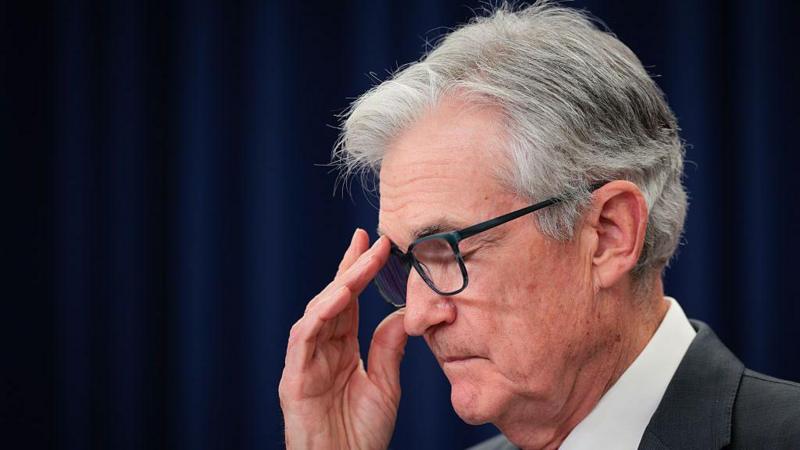
The Federal Reserve, led by Jerome Powell in his final meeting as chair, kept U.S. interest rates steady amid uncertainties caused by the conflict involving Iran. Powell will remain on the Fed board until a government investigation into him ends, while his successor, Kevin Warsh, prepares to take over as chair next month.
Key Facts
The Federal Reserve held interest rates between 3.5% and 3.75%.
The decision followed concerns about the economic impact of the war involving Iran, which has increased energy and food prices.
Inflation in March rose to 3.3%, the highest since May 2024.
Powell’s term as Fed chair is ending, but his term as a Fed governor runs until 2028.
Powell will stay on the Fed board until a Trump administration investigation into him is fully resolved.
President Trump has pressured the Fed to lower interest rates and has criticized Powell during his presidency.
Kevin Warsh, Powell’s successor, has pledged to keep the Fed independent despite expected pressure from the president.
Legal actions by the Trump administration against the Fed are described by Powell as unprecedented and harmful to the institution’s independence.
Read the Original
Want the full story? Tap a source to open the original
article.
Former FBI Director James Comey appeared in a federal court in Virginia after being charged with threatening President Donald Trump in a social media post. Comey denies the charges and plans to fight them, while the case will continue with another court hearing expected in North Carolina.
Key Facts
James Comey was indicted on two charges: threatening the life of President Donald Trump and sending threats across state lines.
The charges relate to a social media post Comey shared, showing seashells arranged as "8647."
The number 47 refers to President Trump as the 47th president, and 86 is slang that can mean to remove or discard something.
Prosecutors say the post could be seen as a serious threat, while Comey says he did not intend it as a threat and opposes violence.
Comey turned himself in and was released without special conditions by a US magistrate judge.
The next court hearing is planned in North Carolina, where the indictment was issued.
His lawyer claims the case is a punishment for Comey exercising his legal rights.
Each charge can result in up to five years in prison, a fine, or both.
Read the Original
Want the full story? Tap a source to open the original
article.
Julie Davis, the acting U.S. Ambassador to Ukraine, will leave her position in June after a 30-year career in the Foreign Service. The State Department said her departure is a retirement and denied reports that she is leaving because of frustration with President Trump.
Key Facts
Julie Davis is the acting U.S. Ambassador to Ukraine and also serves as ambassador to Cyprus.
She will retire and leave her post in June.
Davis has worked in the Foreign Service for 30 years.
The State Department confirmed her departure is due to retirement.
The Financial Times reported she was leaving because of frustration with President Trump.
State Department spokesperson Tommy Piggot denied this report.
The news came from a State Department statement shared with The Hill.
Read the Original
Want the full story? Tap a source to open the original
article.
Alejandro Jacomino Gonzalez, a truck driver who disappeared while transporting vehicles from Georgia to Florida, was found dead in coastal Georgia, the FBI said. His truck was found missing several vehicles, and authorities are investigating the incident as suspicious.
Key Facts
Alejandro Jacomino Gonzalez was a 41-year-old truck driver with a commercial driver's license (CDL).
He picked up multiple vehicles on April 16 from the Port of Brunswick, Georgia, and was supposed to deliver them to Miami, Florida.
Gonzalez was last seen early on April 17 at a rest stop on I-95 south in Brevard County, Florida.
His truck was found later on April 17 in Port Wentworth, Georgia, but Gonzalez was not there.
Several vehicles were missing from the truck but were later found in Florida.
Gonzalez became unreachable shortly after the truck moved from its last rest stop.
The FBI confirmed Gonzalez's body was found in coastal Georgia but did not provide details about the timing or exact location.
The FBI divisions in Tampa and Atlanta are leading the investigation, and they ask the public to provide any information related to the case.
Read the Original
Want the full story? Tap a source to open the original
article.
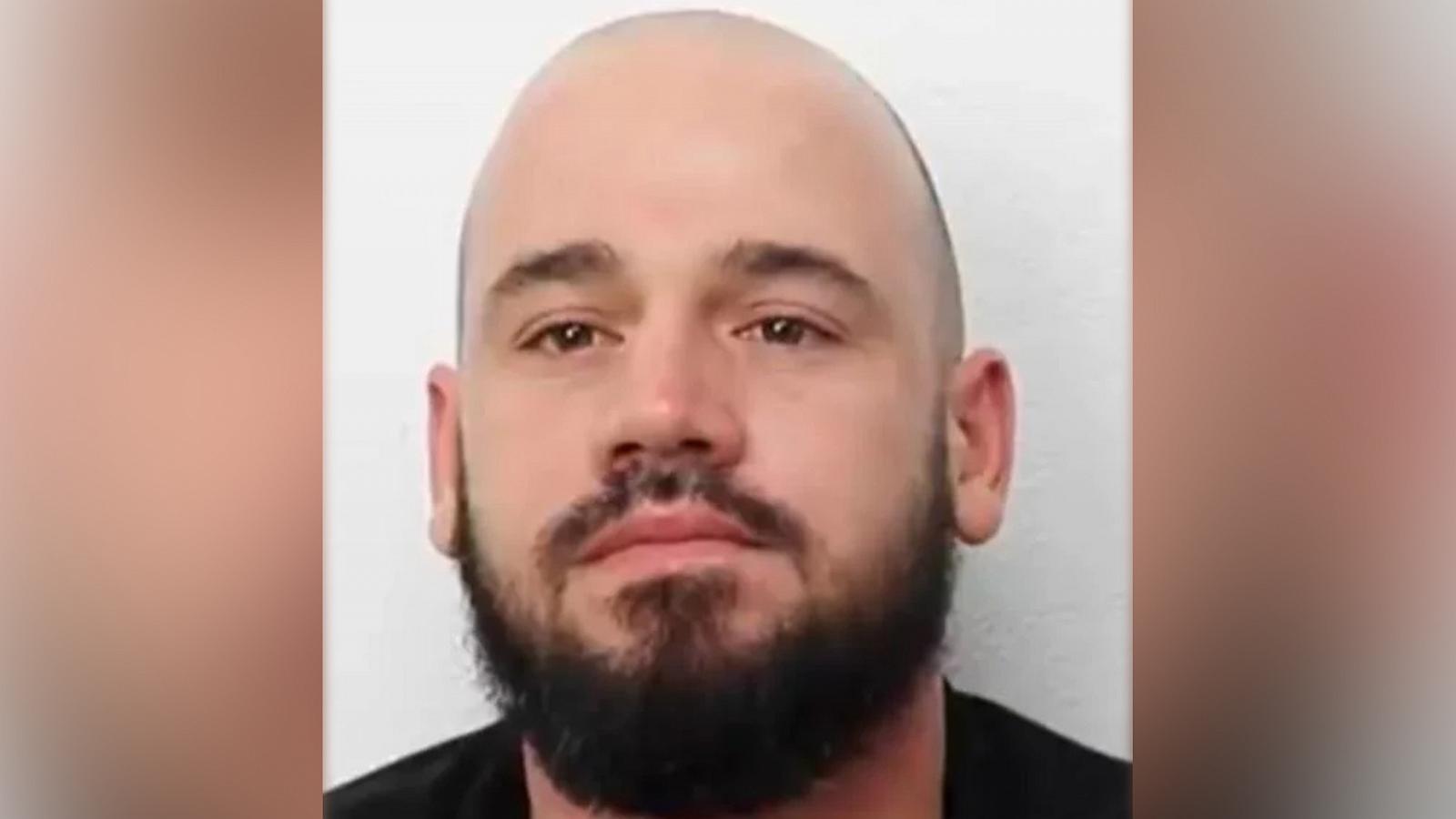
Dakota Sweeney, a cousin of reality TV star West Wilson, was arrested in Carroll County, Missouri, and charged with murder. The victim, Gayle R. Wilson, 75, was reportedly shot after an argument about chores, and Sweeney pleaded not guilty in court.
Key Facts
Dakota Sweeney was arrested on a murder charge in Carroll County, Missouri.
The victim was Gayle R. Wilson, aged 75, identified as a grandparent.
The shooting occurred after a dispute about Sweeney not doing chores.
Sweeney had been sitting next to the victim for 30 minutes before the shooting.
Sweeney made his first court appearance on April 24 and pleaded not guilty.
Sweeney was assigned a public defender for his legal case.
Gayle R. Wilson owned the house where the killing happened, and Sweeney was reportedly living there.
West Wilson is a reality TV personality on Bravo’s show Summer House, related to the suspect.
Read the Original
Want the full story? Tap a source to open the original
article.
The U.S. Supreme Court made a decision that helps Florida Governor Ron DeSantis’ plan to create new Republican-leaning congressional districts, but it did not fully approve his entire redistricting approach. The court’s ruling changed how race-related voting district cases are handled, but it did not settle the issue of whether Florida’s ban on drawing maps favoring one political party will stand.
Key Facts
Florida lawmakers approved new congressional maps that favor Republicans, despite a state amendment banning partisan gerrymandering (drawing districts to help one party).
The U.S. Supreme Court's ruling in a related case weakened part of the Voting Rights Act linked to race-based districts, creating stricter rules for lawsuits under Section 2 of the Act.
Florida’s state constitution uses language similar to Section 2 to protect Black and Hispanic voting power.
Governor DeSantis argues the whole state amendment banning partisan gerrymandering should be invalid because it mixed racial and political rules.
DeSantis’ team drew maps without using race, but did consider political data about how people vote.
The Florida Supreme Court will likely decide if the new maps are allowed.
Democrats and liberal groups plan to sue once the maps are signed into law.
The new map keeps some districts designed to represent Black voters, which could help Republicans by concentrating Democratic voters in fewer districts.
Read the Original
Want the full story? Tap a source to open the original
article.
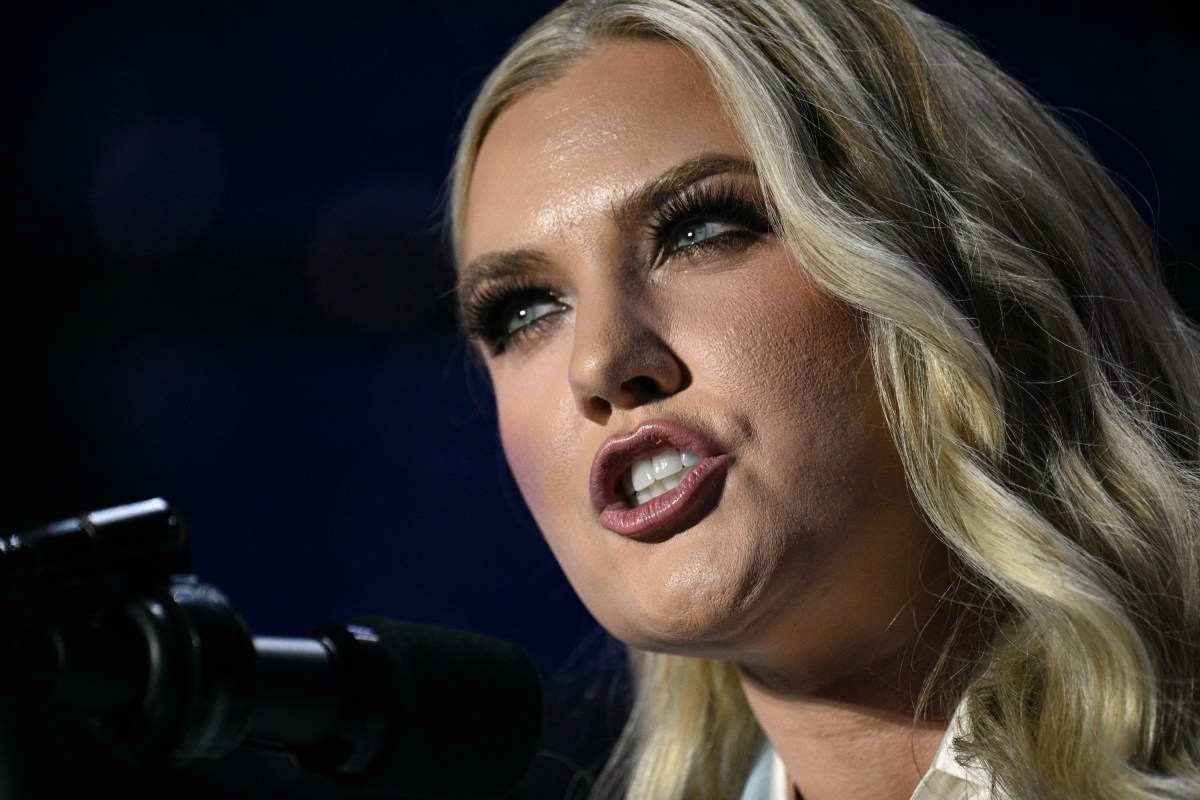
Erika Kirk, CEO of Turning Point USA, responded to a shooting at the White House Correspondents Association (WHCA) dinner by criticizing teachers she called "radicalized liberals" and blaming them for political violence. The suspected shooter, Cole Allen Tomas, was a teacher recently recognized at a tutoring company and has been charged with the attempted assassination of President Donald Trump.
Key Facts
Erika Kirk is the CEO of Turning Point USA, a conservative group.
She blamed "radicalized liberal" teachers for promoting ideas linked to political violence.
The shooting happened at the WHCA dinner on a Saturday evening.
The alleged shooter is Cole Allen Tomas, who was charged with trying to kill President Trump and related gun crimes.
Tomas worked for C2 Education and was recently honored as "Teacher of the Month."
Erika Kirk’s husband, Charlie Kirk, co-founder of Turning Point USA, was killed by a shooter last September.
Erika Kirk criticized journalists at the dinner, saying some have lied about her.
She raised concerns about illegal immigration and what she called "systemic indoctrination" of citizens.
Read the Original
Want the full story? Tap a source to open the original
article.
US Defense Secretary Pete Hegseth testified before Congress about the Pentagon’s budget related to the conflict involving the US and Israel against Iran. Officials estimated that the cost of this war is currently about $25 billion.
Key Facts
Pete Hegseth is the US Defense Secretary.
He spoke to Congress about the Pentagon’s budget.
The budget concerns the US-Israeli war on Iran.
Officials estimate the war has cost $25 billion so far.
The discussion focuses on how much money is being spent on the conflict.
Read the Original
Want the full story? Tap a source to open the original
article.
United States Secretary of Defense Pete Hegseth testified before Congress about the ongoing US-Israel war with Iran, discussing the war's costs and goals. He reported the war has cost $25 billion so far, defended President Trump’s policies, and faced tough questions about Iran’s nuclear program and the future of the conflict.
Key Facts
The US-Israel war with Iran started on February 28.
The Pentagon estimated the war has cost $25 billion to date, mostly on weapons and military operations.
Fighting has mostly stopped since April 8, with a US naval blockade on the Strait of Hormuz.
The White House has requested a $1.5 trillion defense budget amid the war.
President Trump warned that attacks will resume if ceasefire talks fail.
Lawmakers questioned Hegseth about contradictions regarding Iran’s nuclear program status.
Hegseth rejected calls to label the war a “quagmire” and criticized defeatist language in Congress.
There has been talk of possibly requesting an additional $200 billion for the war effort.
Read the Original
Want the full story? Tap a source to open the original
article.
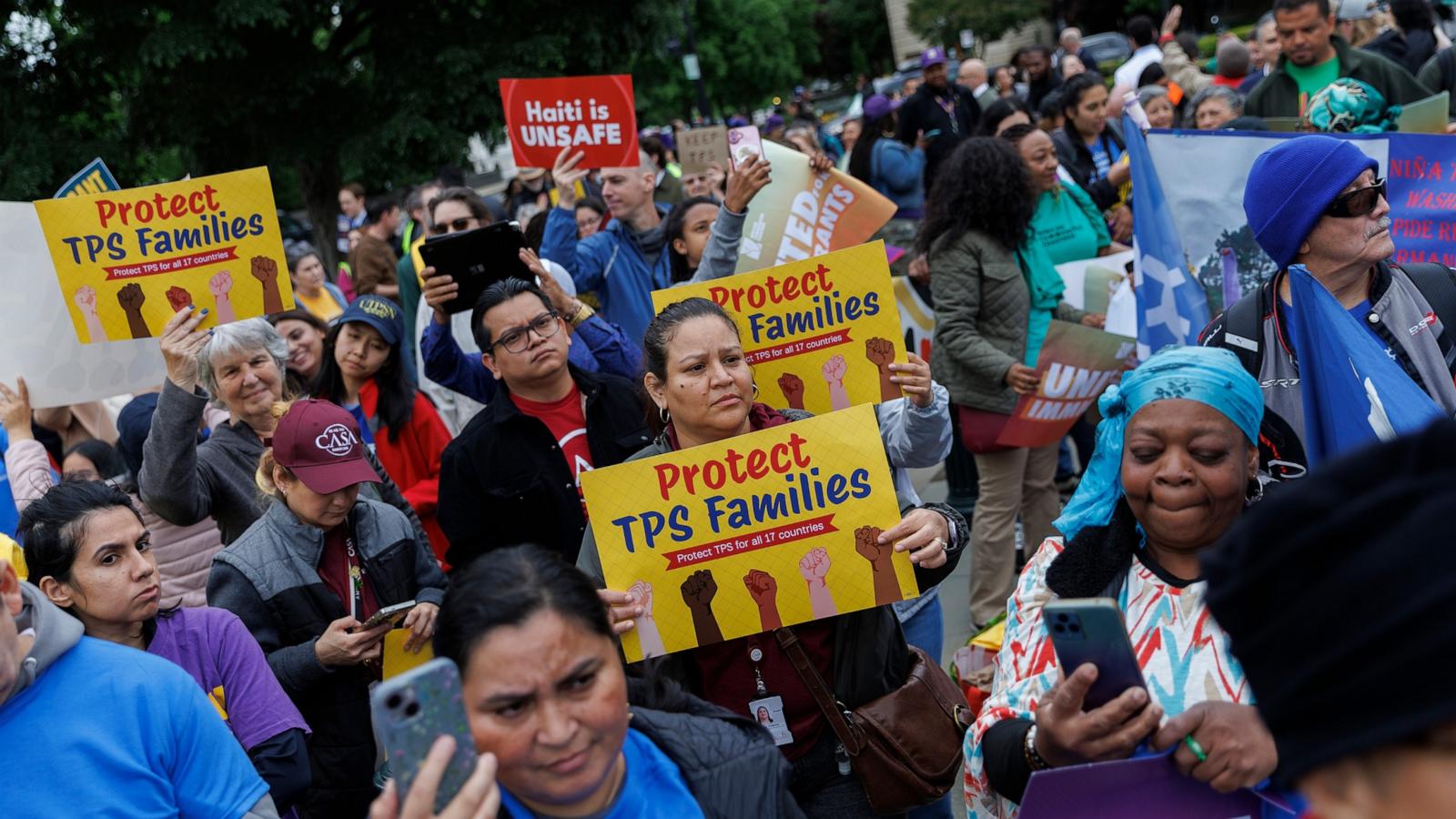
The U.S. Supreme Court is reviewing whether the Trump administration has the authority to end Temporary Protected Status (TPS) for Haitians and Syrians without allowing courts to check that decision. TPS protects immigrants from being deported if their home countries are unsafe, and the case focuses on whether the government followed required steps before ending the protections.
Key Facts
TPS protects immigrants from countries facing dangers like conflict or disasters by preventing deportation.
The Trump administration tried to end TPS for Haitians and Syrians.
The Supreme Court is deciding if courts can review the government's decision to end TPS.
The government argues it has the sole authority to manage TPS without court interference.
TPS holders’ lawyers say the government must follow rules, including checking country conditions and giving notice.
Some justices questioned how much courts should review the process if the government follows procedures.
Liberal justices pointed to President Trump’s public comments about Haitian immigrants as possibly showing bias.
Demonstrators protested outside the Supreme Court during the hearings.
Read the Original
Want the full story? Tap a source to open the original
article.