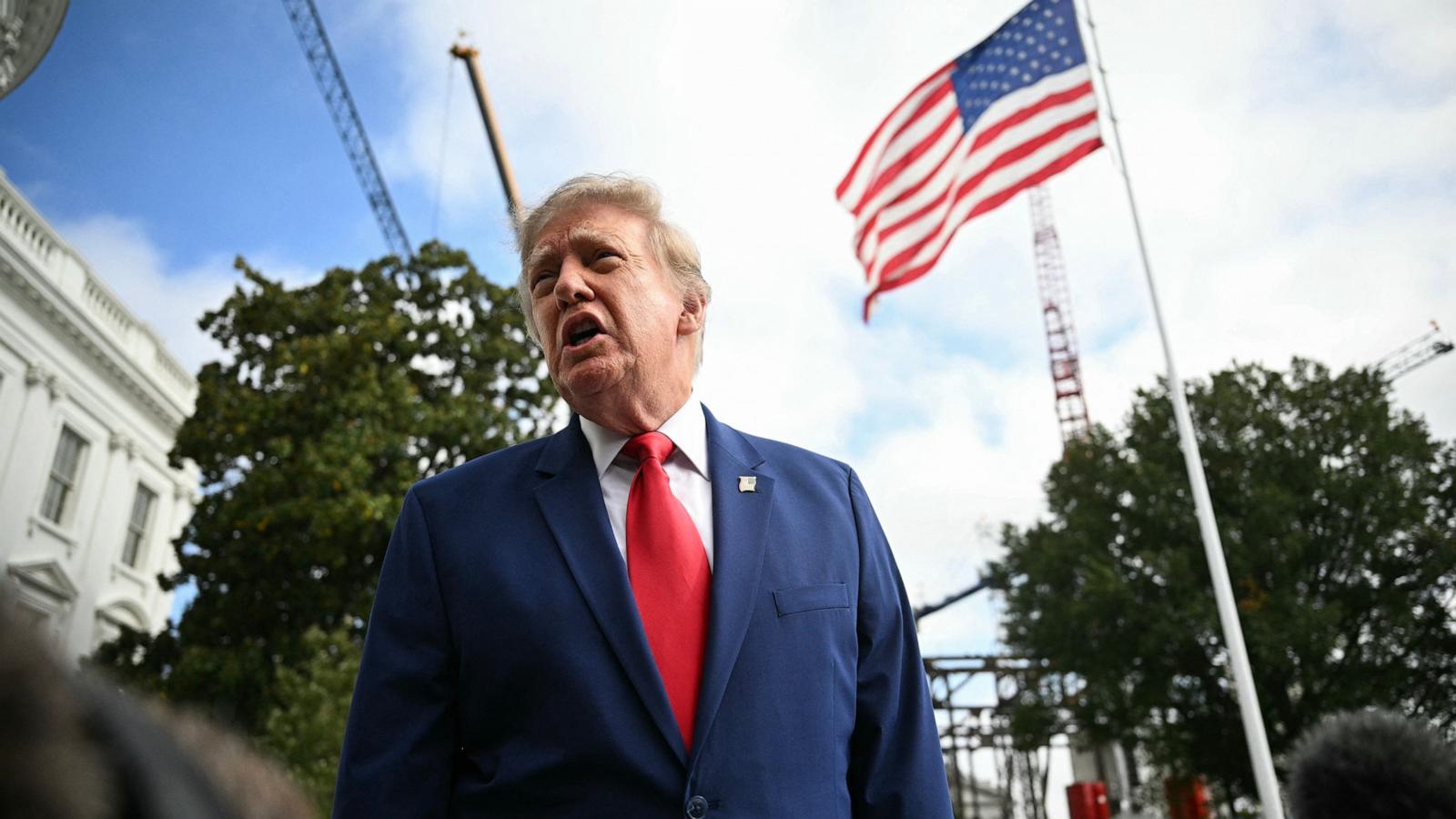
President Trump waived new sanctions on Russia, saying it was in the national interest to delay the penalties under the Graham Act. This decision reduces U.S. pressure on Russia, despite strong opposition from both Democrats and Republicans.
Key Facts
President Trump signed the Lindsey O. Graham Sanctioning Russia and Iran Act in September.
The Act imposes broad sanctions on Russia and countries that do business with it, especially those buying Russian oil.
The president can waive sanctions if he certifies it serves U.S. national interests; Trump did this recently.
The White House announced the executive order late Friday night.
Democrats criticized the waiver, saying it betrays Ukraine and ignores Congress’s intent to punish Russia.
Republicans have also shown concern about recent actions easing pressure on Russia, including a deal allowing Russian diesel sales.
The waiver follows a week of several moves by President Trump that loosen U.S. pressure on Russia.
The issue is politically sensitive as many American voters view Russia as an adversary.
Read the Original
Want the full story? Tap a source to open the original
article.
Polls show that the U.S. Senate races are very close in several key states ahead of the midterm elections. Democrats need to gain four seats to take control, but many races are within the margin of error, making the outcome uncertain until Election Day.
Key Facts
The Senate majority is currently held narrowly by Republicans.
Polling in states like Texas, Kansas, Iowa, Ohio, Maine, and Alaska shows tight races, often too close to call.
Democrats need to gain four seats to control the Senate.
President Donald Trump’s approval ratings have dropped in areas like the economy, immigration, jobs, and foreign policy.
Political analysts warn that Republicans may outperform poll predictions by 3-4 points, which could keep the Senate under GOP control.
Recent polls show Democrats slightly ahead or tied in several toss-up races, but many results fall within the margin of error.
Polling data was collected through surveys of likely voters, with typical margins of error around 2.5-5 percent.
Midterm elections usually result in the president’s party losing seats in Congress.
Read the Original
Want the full story? Tap a source to open the original
article.
Many parents today feel their own parents, the baby boomer generation, are less involved as grandparents than in the past. Experts say this may be due to changes in work, retirement, financial situations, and different expectations about grandparenting.
Key Facts
Some parents expect close help from grandparents, like in past generations, but find less support.
Grandparents may have less free time due to longer work hours and delayed retirement.
The rising cost of living affects grandparents' financial security and ability to help.
Family roles and expectations about grandparenting have changed between generations.
Millennial parents often feel grandparents do not meet their hopes for involvement.
Experts emphasize grandparents are not unpaid babysitters but can have a meaningful role.
Both generations may have different ideas about how much time and help is appropriate.
These changes can create tension and hurt relationships between parents and grandparents.
Read the Original
Want the full story? Tap a source to open the original
article.
President Donald Trump signed an executive order that stops new US sanctions and tariffs on Russia’s energy income. This move has lowered the relationship between the United States and Ukraine, which is currently involved in a war.
Key Facts
President Trump signed the order on Friday, October 17, 2026.
The order waives sanctions and tariffs aimed at reducing Russia’s energy revenue.
These sanctions were part of earlier US efforts to pressure Russia because of the war in Ukraine.
The change in policy reduces US financial pressure on Russia.
Ukraine’s ties with the US have weakened because of this decision.
The news was reported by France 24 and correspondent Gulliver Cragg.
The executive order reflects a shift in US foreign policy related to the conflict in Ukraine.
Ukrainian President Volodymyr Zelensky criticized the decision and related deals with Russia.
Read the Original
Want the full story? Tap a source to open the original
article.
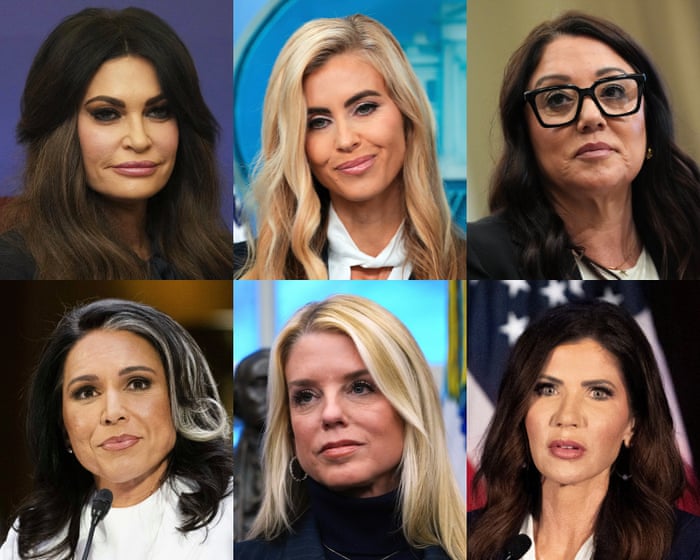
President Donald Trump’s second term has seen many women leave his cabinet and key administration positions. Half of his eight female cabinet members have resigned or been fired recently, and all were replaced by men. Meanwhile, many top male officials have kept their jobs despite criticism.
Key Facts
Half of the eight women in President Trump’s cabinet have left within a few months.
All women who left have been replaced by men.
Susie Wiles, the first female White House chief of staff, remains in her position despite rumors of replacement.
Katie Zacharia was fired as White House press secretary after only five days.
Kristi Noem, former homeland security secretary, was fired after controversies linked to immigration policies and leadership issues.
Pam Bondi, former attorney general, was pushed out after problems with managing the release of Epstein files and other frustrations.
Some male officials, like defense secretary Pete Hegseth and FBI director Kash Patel, stayed despite calls for resignation.
Former commerce secretary Howard Lutnick was supported by the White House despite past connections to Jeffrey Epstein.
Read the Original
Want the full story? Tap a source to open the original
article.
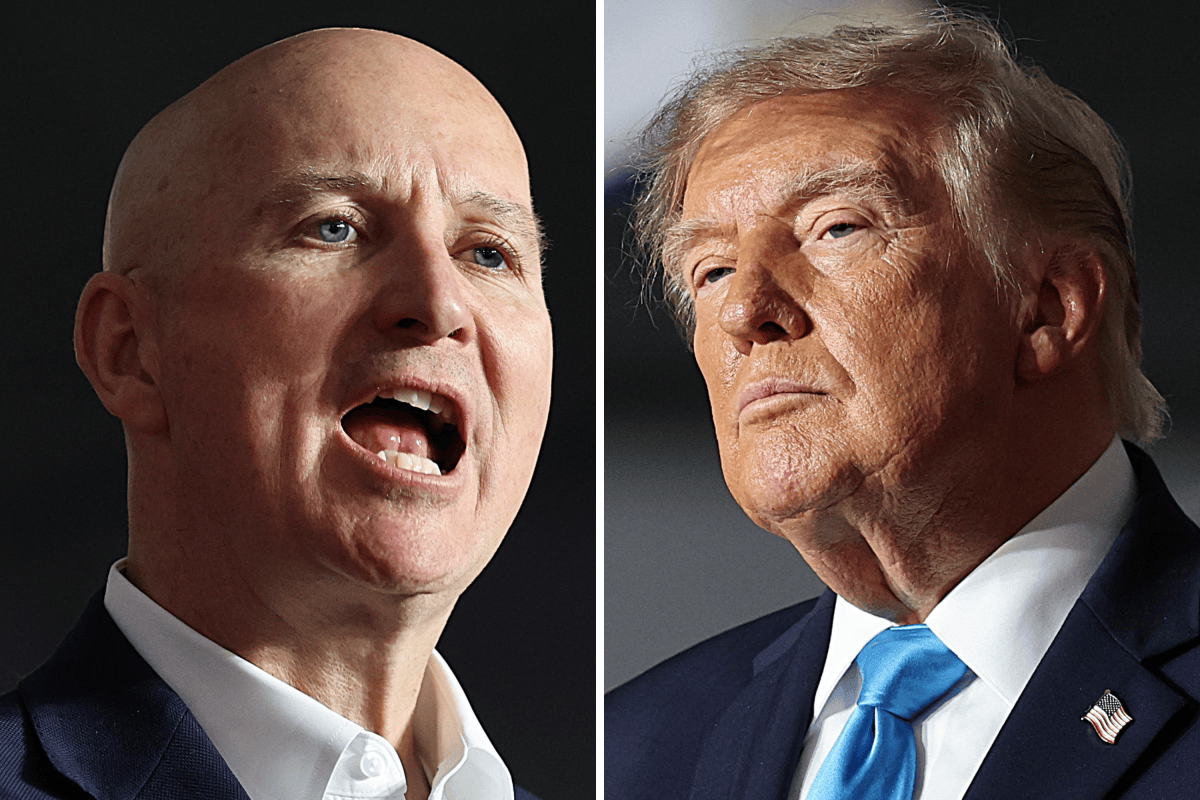
Republican Senator Pete Ricketts faces a closer-than-expected race for reelection in Nebraska, despite the state being strongly won by President Donald Trump in 2024. Independent candidate Dan Osborn has gained support, making the contest more competitive as Election Day approaches.
Key Facts
Nebraska was won by President Donald Trump by 20.4 percentage points in the 2024 presidential election.
Senator Pete Ricketts, a Republican, is being challenged by independent candidate Dan Osborn.
Recent polls show a close race, with leads for both Ricketts and Osborn within 5 points.
Sabato’s Crystal Ball moved the race from “Likely Republican” to “Leans Republican” on October 14.
Republicans currently hold a 53-47 majority in the U.S. Senate.
Democrats need to gain four seats in the upcoming election to take control, relying on Vice President JD Vance to break ties.
President Trump campaigned with Ricketts in Grand Island, Nebraska, on October 5.
Both campaigns accuse each other of misleading voters; Osborn says he will remain independent and not join either party.
Read the Original
Want the full story? Tap a source to open the original
article.
A U.S. Navy veteran and pastor experienced frequent nosebleeds starting in November 2025, which he initially thought were caused by dry air. After persistent symptoms and medical tests, he was diagnosed with adenoid cystic carcinoma, a rare type of cancer affecting the nasal cavity.
Key Facts
The man served 15 years in the U.S. Navy, including deployments to Iraq and Afghanistan.
He first noticed a severe nosebleed in November 2025 but did not seek immediate medical attention.
His wife urged him to see a doctor due to ongoing nosebleeds.
A CT scan revealed a tumor in his right nasal cavity and surrounding areas.
A biopsy confirmed adenoid cystic carcinoma, a rare cancer of glandular tissue.
This type of cancer accounts for about 1% of all head and neck cancers in the U.S., with around 1,200 new cases annually.
The diagnosis was life-changing and caused him to worry about his family and future.
His experience highlights the importance of paying attention to persistent symptoms, even those that might seem harmless.
Read the Original
Want the full story? Tap a source to open the original
article.
Analysts say it is likely too late for President Donald Trump to improve the Republican Party’s chances in the upcoming midterm elections. Polls show Democrats leading and only a small number of voters remain open to changing their minds before the vote on November 3.
Key Facts
President Trump is touring the U.S. to promote his successes and encourage voters to support Republicans.
The Republican Party is behind Democrats in most election forecasts for both the Senate and House of Representatives.
A recent Politico survey found that even big political moves, like ending the Iran war or lowering gas prices, are unlikely to increase Republican votes significantly.
Only about 16-29% of undecided voters said certain potential changes could make them more likely to vote Republican.
Some Republican strategists believe a major unexpected event would be needed to change the election outcome.
The White House remains confident Trump is the best communicator and motivator for the Republican base.
Polls show Democrats have about a 49% to 41% lead over Republicans nationally.
Forecasters give Democrats a strong chance to keep control of the House and Senate after the midterms.
Read the Original
Want the full story? Tap a source to open the original
article.
President Donald Trump and Venezuela’s interim president Delcy Rodríguez made a deal to share control of Venezuela’s oil, which will last many years and claims to bring large financial benefits. The deal was made secretly and uses vague language similar to wording often seen in corruption cases, while U.S. enforcement of anti-corruption laws was recently weakened, raising concerns about the deal’s transparency and oversight.
Key Facts
The U.S.-Venezuela oil deal claims control over 65 billion barrels of Venezuelan oil for 100 years.
Venezuela’s interim president, Delcy Rodríguez, says the deal will bring over $200 billion to Venezuela’s treasury.
The deal was made in secret, without competitive bidding or public scrutiny.
The Foreign Corrupt Practices Act (FCPA) enforcement was paused for 180 days starting in February 2025 under President Trump.
The Justice Department’s unit focused on corruption enforcement was dismantled and anti-corruption resources reduced.
New rules require the attorney general to approve all cases secretly, focusing mostly on cartels and American companies.
$500 million from the first Venezuelan oil sale went through a secretive account in Qatar; officials admit they don’t know where the money is managed.
Venezuela’s oil production has fallen to one-third of what it was in 1998, partly due to corruption and sanctions.
Read the Original
Want the full story? Tap a source to open the original
article.
Republicans are making a stronger-than-expected challenge for a U.S. Senate seat in Minnesota, a state that has not elected a Republican senator in nearly 25 years. Recent polls show Democratic Lieutenant Governor Peggy Flanagan leading Republican Michele Tafoya by a small margin, but the race has become more competitive due to local political issues and changing voter support.
Key Facts
Minnesota’s open Senate seat is contested between Democrat Peggy Flanagan and Republican Michele Tafoya.
A political forecaster moved the race from “Likely Democratic” to “Leans Democratic,” signaling increased competition.
Flanagan still holds a slight lead in recent polls, but the gap has narrowed.
Republicans have not won a Minnesota Senate race in almost 25 years.
Local issues like social services fraud and immigration enforcement have complicated Democrats’ position.
Democrats in Minnesota face additional pressure from conflicts involving Governor Tim Walz and Representative Ilhan Omar.
Tafoya argues Flanagan is tied to the state administration’s controversial policies, while Flanagan warns Tafoya would support President Trump’s agenda.
Flanagan’s campaign is confident but acknowledges the need for strong voter turnout to secure victory.
Read the Original
Want the full story? Tap a source to open the original
article.
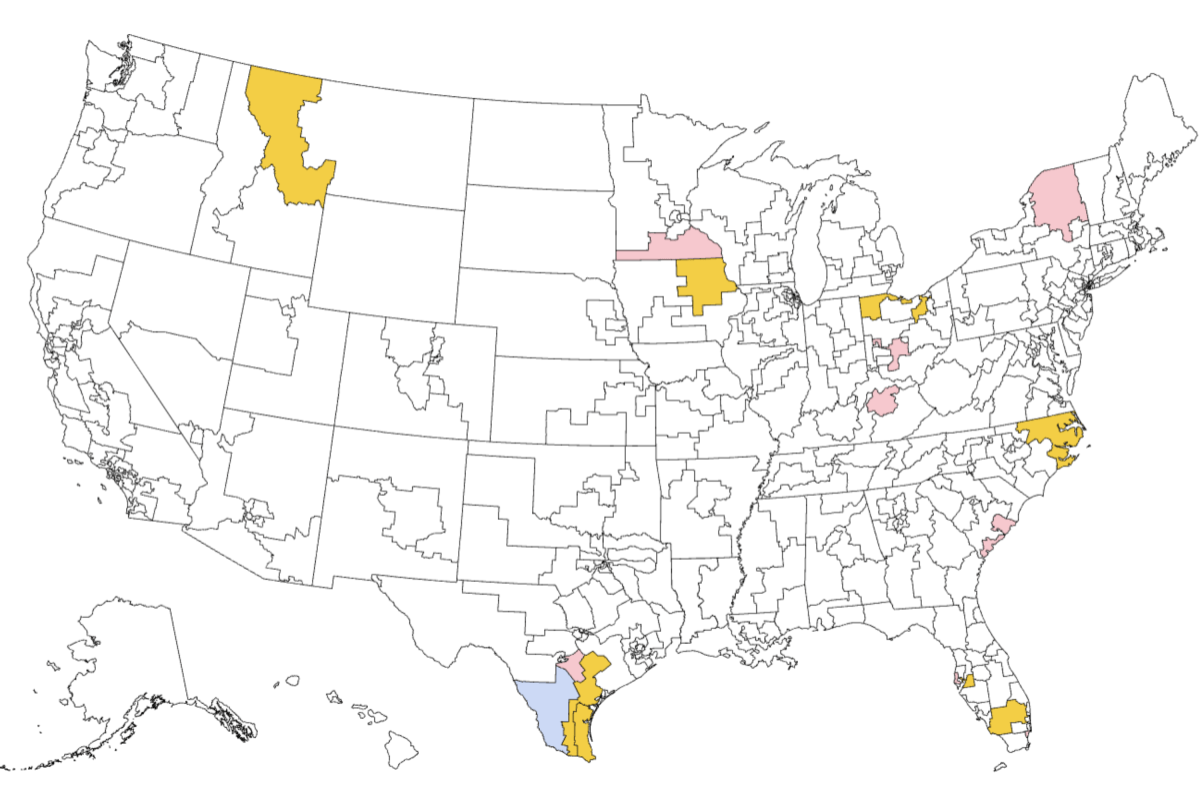
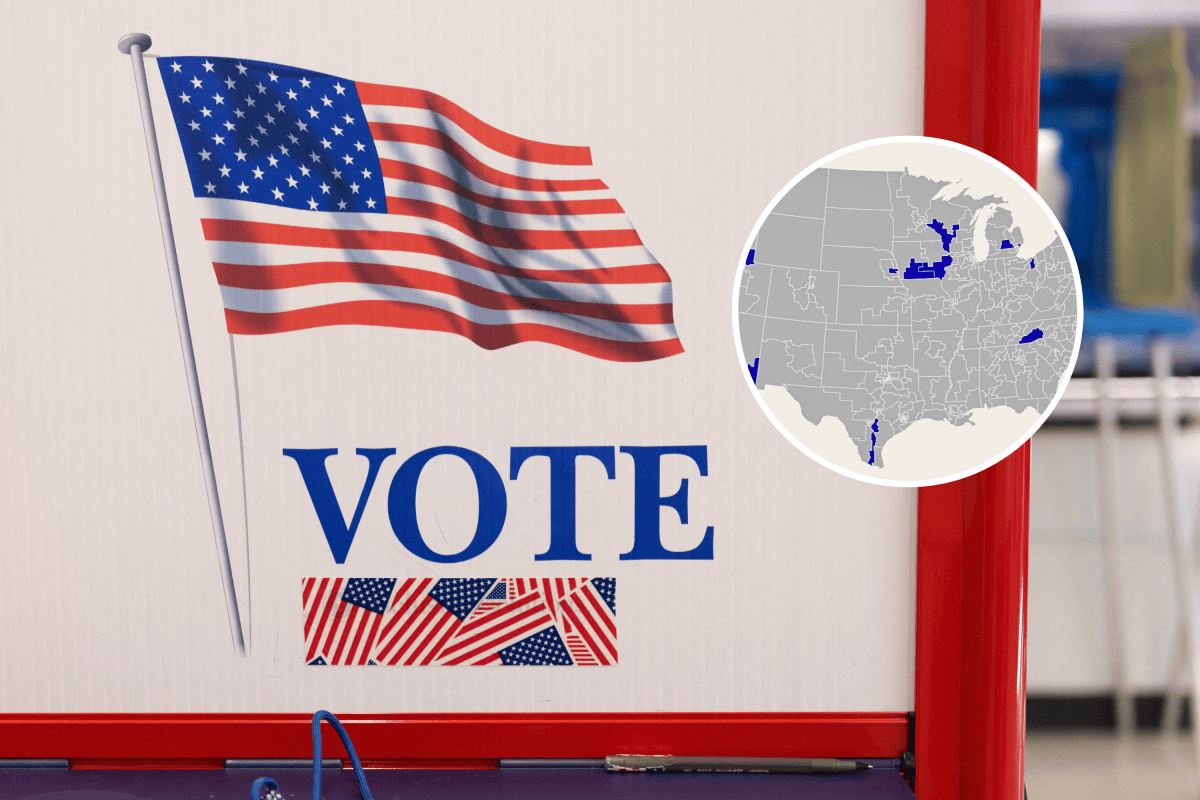
More than a dozen U.S. House districts that voted strongly for President Donald Trump in 2024 are now seen as competitive for Democrats in the 2026 midterm elections. Democrats hope to win enough seats to take control of the House from Republicans, who currently have a small majority.
Key Facts
Republicans hold a slim majority in the House with 218 seats to Democrats’ 214.
Democrats only need to flip a few seats to gain control of the House.
Some districts that Trump won by large margins in 2024 are now considered competitive.
Redistricting in mostly Republican states made some Democratic-held districts more conservative.
Hispanic voters, who shifted toward Republicans recently, may shift back to Democrats in 2026.
Polls show Trump’s approval rating is lower than two years ago, making some districts more competitive.
Four key competitive districts are in Florida, a state with a growing Republican influence but with hopes for a Democratic comeback.
Past “blue wave” elections during Trump’s first term saw Democrats win many Trump-won districts, showing a possibility for 2026.
Read the Original
Want the full story? Tap a source to open the original
article.
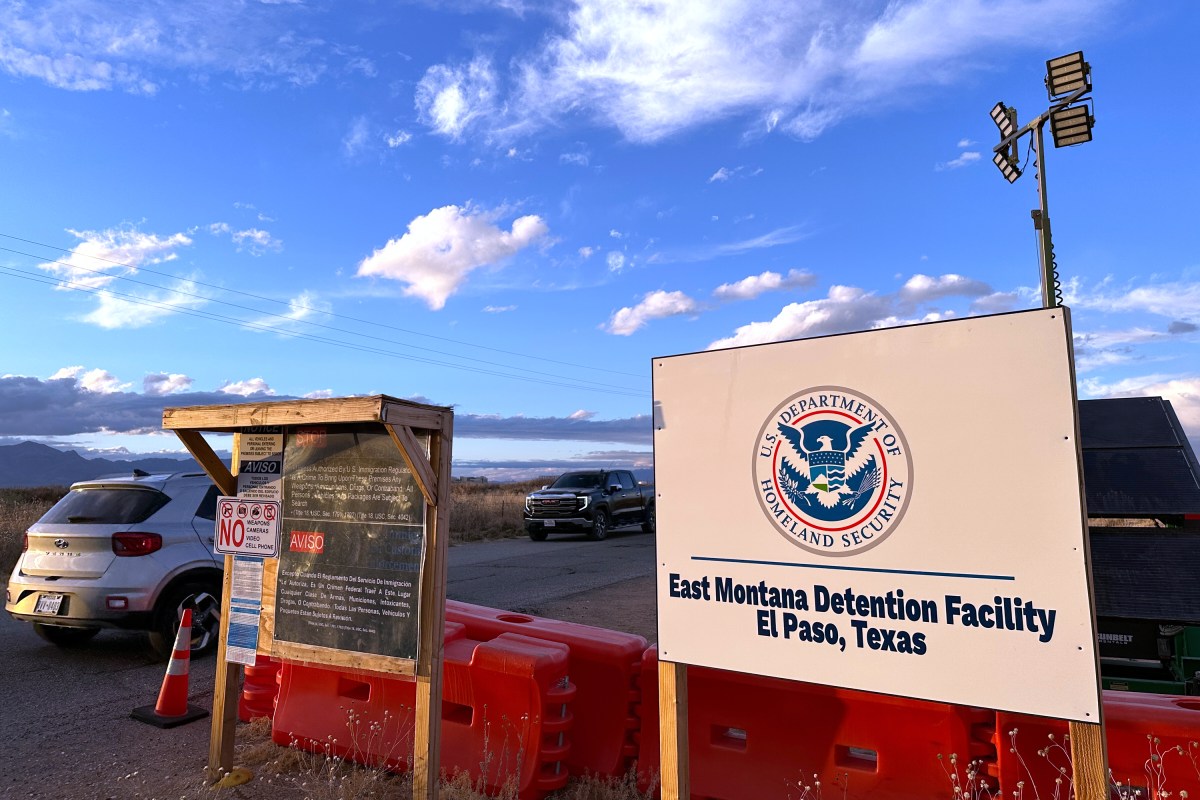
ICE detainees at Camp East Montana in Texas have asked a federal judge to stop what they call harsh and violent treatment by guards. The detainees say guards beat people who refused to be sent back to Mexico and forced some to cross the border. ICE and the Department of Homeland Security (DHS) deny these claims.
Key Facts
The detainees filed a request in federal court in El Paso, Texas, asking for a preliminary injunction against ICE’s treatment at Camp East Montana.
The request includes statements from 43 people, medical records, government reports, and expert opinions.
One detainee said guards hit his head against a wall and crushed his testicles after he refused removal to Mexico.
Another detainee said guards forced him toward the border and told some to jump into Mexico, with masked personnel present.
ICE’s inspection in February found a 37.5% failure rate in areas like use of force, security, and sexual abuse prevention but still rated the facility as “Acceptable/Adequate.”
A later unannounced inspection in May reported increased problems with no corrective actions taken.
DHS called the allegations “false” and part of a “smear campaign.”
The judge has not yet ruled on the truth of the detainees’ claims.
Read the Original
Want the full story? Tap a source to open the original
article.
Experts warn the United States could have up to 6,500 measles cases by the end of 2026 due to lower vaccination rates in some areas. The disease was eliminated in the U.S. in 2000, but outbreaks are growing, especially in places like Pennsylvania, where cases and deaths have risen.
Key Facts
The U.S. had 4,080 confirmed measles cases by October 8, 2025, which is 78% more than the total cases in 2024.
Infectious disease experts predict 6,000 to 6,500 cases in 2026 if current trends continue.
Measles was declared eliminated in the U.S. in the year 2000 thanks to the vaccine.
Pennsylvania has seen 1,222 cases, 225 hospitalizations, and 5 confirmed deaths linked to measles.
Most people infected are unvaccinated; only 4 cases involved vaccinated individuals in Pennsylvania.
The MMR vaccine, given in two doses, is about 97% effective at preventing measles.
National vaccination coverage for the MMR vaccine dropped to around 92.4%, below the 95% needed to prevent outbreaks.
New York declared a State Disaster Emergency due to measles outbreaks in rural areas.
Read the Original
Want the full story? Tap a source to open the original
article.
Democrats are predicted to win 15 House seats in states where President Donald Trump won in 2024, which could help them gain control of the House of Representatives in the November midterm elections. This reflects voters’ possible dissatisfaction with President Trump and a general shift favoring Democrats across many states.
Key Facts
The forecast predicts Democratic wins in 15 House races in states that supported President Trump in 2024.
Winning these seats could allow Democrats to take the majority in the House.
Voter dissatisfaction with President Trump is seen as a key factor in these projected gains.
Midterm elections often result in losses for the party of the sitting president; no president’s party has kept House control in a first midterm since 2002.
The shift toward Democrats is expected to happen nationwide but varies by state.
Some states have redrawn election districts to favor one party, which can affect outcomes.
Analysts note that even with some unfair district boundaries, a big enough Democratic vote could still win House control.
VoteHub gives Democrats an 84 percent chance to control the House after the elections.
Read the Original
Want the full story? Tap a source to open the original
article.
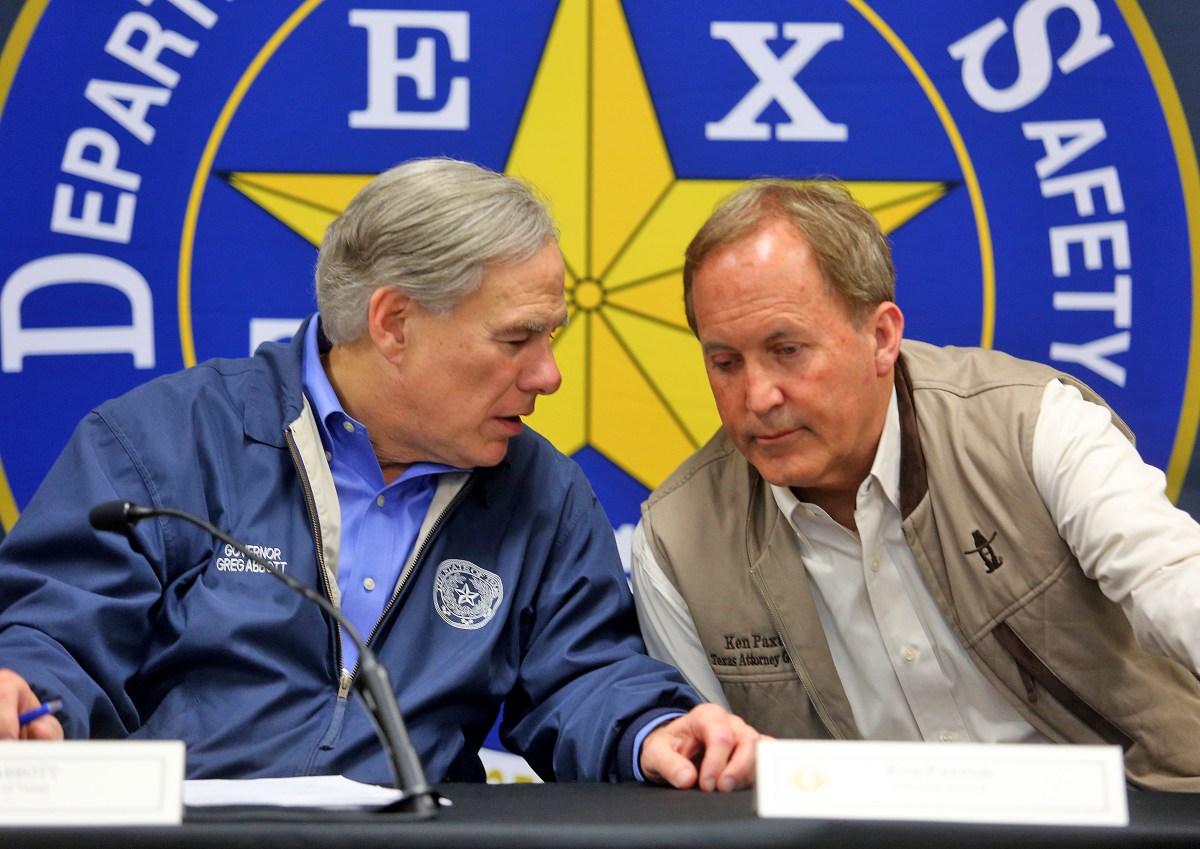
Democrats James Talarico and Gina Hinojosa have attracted more individual donors than Republicans Ken Paxton and Greg Abbott in Texas suburban counties. These suburbs, near big Texas cities, are important battlegrounds that could influence upcoming elections for Texas attorney general and governor.
Key Facts
Talarico raised over twice as much money as Paxton from individual donors in 19 suburban counties around Dallas-Fort Worth, Houston, Austin, and San Antonio.
Hinojosa had more donors than Abbott in all 19 suburban counties and outnumbered him by more than 10 to 1 in seven counties.
Early voting for these races started on Monday, and polls show Talarico narrowly leading Paxton while Abbott and Hinojosa are close.
Republicans have traditionally relied on suburban areas to offset losses in larger urban centers.
Talarico’s campaign raised $11.5 million from about 38,000 donors; Paxton’s raised $4.3 million from about 8,300 donors in the third quarter.
Abbott raised $13.4 million from about 7,700 donors; Hinojosa raised $8.7 million from about 86,000 donors.
In the suburbs, Abbott raised $1.96 million (half of which came from one donor), while Hinojosa raised $1.54 million and had more donors in every suburban county.
Political experts note that Paxton is losing ground in urban areas and is tied with Talarico in suburban areas, making suburban votes critical for his reelection chances.
Read the Original
Want the full story? Tap a source to open the original
article.
A 16-year-old student opened fire at an elementary school in Oregon, killing three children and a teacher. Police and school officials said the shooter was previously classified as a special-needs student at that school.
Key Facts
The shooter was 16 years old.
The shooting took place at an elementary school in Oregon.
Three children and one teacher were killed.
Police confirmed the shooter was a former special-needs student at the school.
School officials also verified the student's special-needs status.
The incident is under investigation by authorities.
The community and law enforcement are responding to the tragedy.
Read the Original
Want the full story? Tap a source to open the original
article.
President Donald Trump signed an executive order to stop new sanctions and tariffs on Russia that were set to begin on October 18, 2026. The order removes legal limits on the president’s power to change or lift sanctions on Russia in the future, but does not remove existing sanctions.
Key Facts
The executive order was signed on October 16, 2026.
It cancels new sanctions and tariffs required by a law named after Senator Lindsey Graham.
The law originally stopped the president from removing certain sanctions on Russia.
The order gives the president more freedom to decide which sanctions to keep or remove.
Existing sanctions on Russia remain in place and are not lifted by this order.
The new sanctions and tariffs were scheduled to start in two days, on October 18, 2026.
The law’s enforcement deadline was the reason for the timing of the president’s action.
This change affects U.S. policy regarding economic pressure on Russia.
Read the Original
Want the full story? Tap a source to open the original
article.
The UK Home Office refused a visitor visa for a British baby’s mother living in Thailand, blocking her from traveling to the UK to meet the baby’s great-grandfather, who cannot travel due to health problems. The family planned a Christmas reunion in Lancashire, but the visa denial was based on doubts about her reasons to return to Thailand and lack of proof of income.
Key Facts
William Cross, a British baby, was born in Thailand to a British father and a refugee mother from Myanmar.
The family lives on Koh Tao island, where the father runs a steakhouse restaurant and the mother manages staff and social media.
William’s great-grandfather, George Kerr, 74, has health problems and cannot travel to Thailand.
The family planned a UK Christmas gathering so Kerr could meet his great-grandchild.
The Home Office refused a visitor visa to the baby’s mother, Khin Thant Zin, saying there was no proof she would return to Thailand or evidence of income.
The visa application required expensive and complicated steps, including biometric screening and financial guarantees from the family.
There is no appeal process for this visa refusal; the family plans to apply again at a high cost without a guarantee.
The Home Office said visa decisions are made based on individual cases and provided evidence.
Read the Original
Want the full story? Tap a source to open the original
article.
President Donald Trump has removed some sanctions on Russia to help lower energy prices. This decision has caused criticism from Ukraine and European Union countries, especially as relations between President Trump and Ukraine’s President Zelenskyy become more strained.
Key Facts
President Donald Trump waived additional sanctions on Russia.
The reason given was to reduce energy prices.
Ukraine strongly criticized this move.
European Union allies also condemned the decision.
The action comes amid worsening relations between President Trump and Ukraine’s President Zelenskyy.
Sanctions are penalties set by one country on another, often to influence behavior.
Energy prices are an important factor in many countries’ economies.
The decision may affect international relations involving the U.S., Russia, and Ukraine.
Read the Original
Want the full story? Tap a source to open the original
article.
President Donald Trump has delayed the start of new sanctions on Russia that he recently signed into law, saying the hold is in the country’s best interest. The sanctions, created to punish Russia for its war actions and limit its money from oil and gas, were set to begin soon but are now postponed.
Key Facts
President Trump signed a law last month to impose sanctions on Russia.
The sanctions target Russian officials, banks, and a secret fleet of tankers carrying energy.
The law included tariffs up to 100% on the largest buyers of Russian oil and gas, with some exceptions.
Trump paused the sanctions just two days before they were to start.
The pause came shortly after the US agreed to buy diesel fuel from Russia.
Critics say the diesel deal helps Russia’s war efforts and does not reduce fuel prices.
Lawmakers from both parties passed the sanctions law with wide support.
Trump has criticized Ukrainian President Zelenskyy recently and faces disapproval from the public on various issues ahead of midterm elections.
Read the Original
Want the full story? Tap a source to open the original
article.