A bipartisan group of U.S. senators introduced the PROMISE Act, a bill aiming to require Congress to create and vote on a plan to fix Social Security’s financial problems. Social Security faces a funding shortfall expected by 2032, which could cause automatic benefit cuts if no action is taken.
Key Facts
The PROMISE Act would not immediately raise taxes, cut benefits, or change eligibility rules.
It would create a process forcing Congress to vote on a plan to restore Social Security’s long-term finances.
Social Security’s retirement trust fund is projected to run out by 2032, a year earlier than before.
Without changes, Social Security could only pay about 78% of scheduled benefits starting in 2032.
Around 70 million Americans currently receive Social Security benefits.
The Social Security Advisory Board would draft a plan to keep the program financially stable for 50 years.
The program faces challenges because Americans are living longer and there are fewer workers per beneficiary.
PROMISE Act does not propose a specific fix but encourages open debate on possible solutions.
Read the Original
Want the full story? Tap a source to open the original
article.
New York Governor Kathy Hochul has decided to stop new data center projects in the state for one year. This pause is meant to review how data centers affect the environment and local communities.
Key Facts
Kathy Hochul is the Governor of New York.
She has issued a ban on building new data centers for one year.
The pause aims to assess environmental and community impacts.
Data centers are facilities that store and manage large amounts of internet data.
The decision focuses on balancing technology growth with protecting people.
The pause also signals upcoming rules to make data centers more accountable.
This action is related to concerns about rapid tech expansion in the state.
Read the Original
Want the full story? Tap a source to open the original
article.
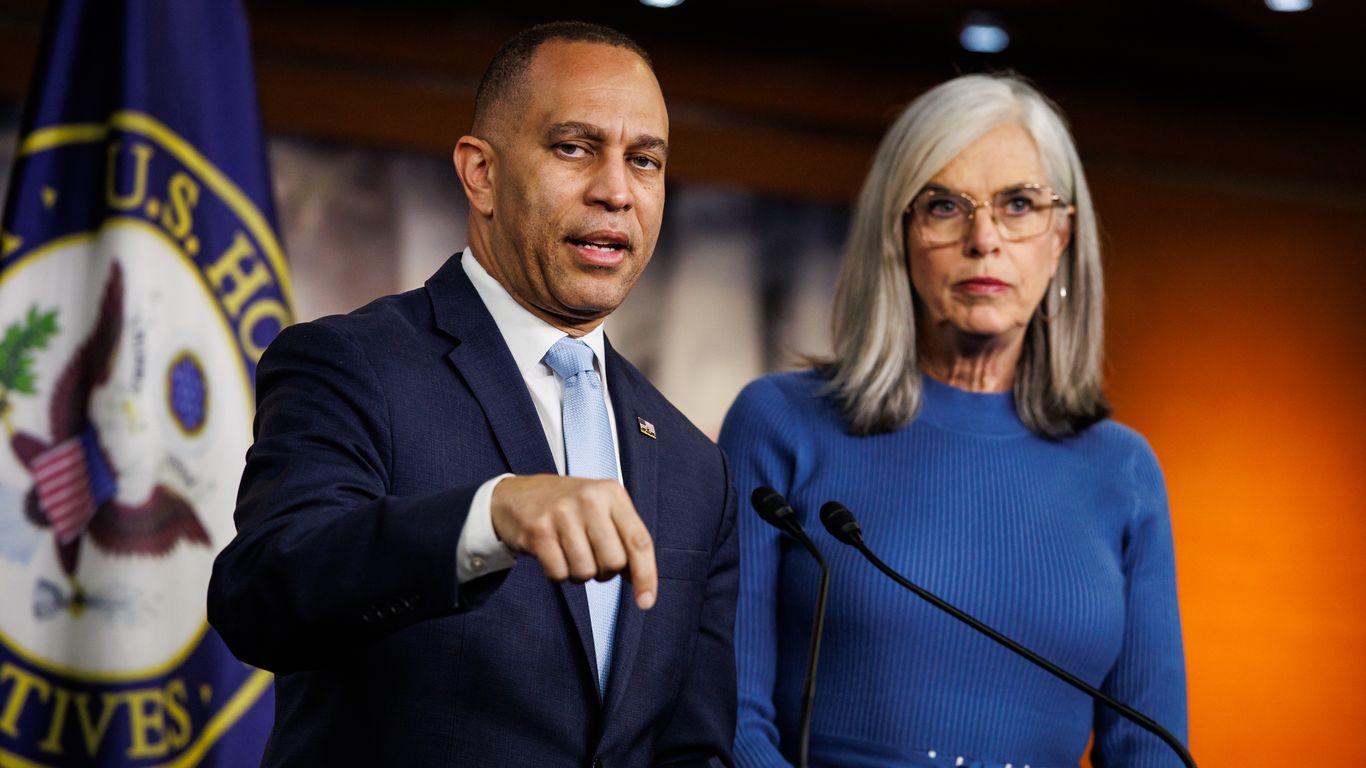
House Democratic leaders are divided over a vote to stop U.S. aid to Israel, with Minority Leader Hakeem Jeffries planning to vote against it and Minority Whip Katherine Clark planning to support it. The vote is causing tension within the party because some Democrats feel pressure from progressive members to back the amendment, even though it may have negative consequences.
Key Facts
The vote concerns an amendment by Rep. Thomas Massie to block U.S. money going to Israel.
Katherine Clark will vote for the amendment, saying military aid should not be a "blank check."
Hakeem Jeffries plans to vote against it but is allowing members to decide for themselves.
The amendment would cut all aid to Israel, including humanitarian funding for Palestinian civilians.
Many Democrats are worried the amendment is poorly written and could have unexpected effects.
The party is experiencing rare public disagreement between its top two leaders.
Some Democrats are voting for the amendment to avoid backlash from progressive voters and potential primary challengers.
The vote could split the Democratic caucus roughly in half, with 100 to 150 out of 212 members supporting the amendment.
Read the Original
Want the full story? Tap a source to open the original
article.
Senator Jon Husted, a Republican from Ohio, spoke positively about a new housing bill that became law without President Donald Trump signing it. He said he wished President Trump had actively supported and promoted the bill publicly.
Key Facts
The housing bill passed with support from both Republicans and Democrats.
President Trump did not sign the bill but allowed it to become law.
Senator Jon Husted praised the bipartisan effort behind the bill.
Husted expressed a desire for President Trump to promote the bill more openly.
The bill focuses on housing issues, though specific details were not given in the excerpt.
The interview took place on a Tuesday, shortly after the bill became law.
Husted represents Ohio in the U.S. Senate as a Republican.
Read the Original
Want the full story? Tap a source to open the original
article.
The article argues that the National Guard should focus mainly on helping within the country during emergencies. It suggests that the Guard’s role as a backup force for the military should be secondary.
Key Facts
The National Guard’s original purpose is to serve as a force for domestic emergencies.
It also serves as a backup or reserve force for the military in states.
The article calls for the Guard to prioritize its domestic emergency role.
It suggests reducing or limiting the Guard’s role as a strategic military reserve.
This change would return the Guard to its historical focus and mission.
The National Guard operates both under state and federal authority.
Its domestic missions include disaster response like hurricanes and floods.
The strategic reserve role typically involves military training and deployment readiness.
Read the Original
Want the full story? Tap a source to open the original
article.
The article discusses threats made against Supreme Court justices, including Justice Amy Coney Barrett. It emphasizes that such threats are unacceptable for anyone to endure.
Key Facts
Justice Amy Coney Barrett has experienced serious threats.
These threats were directed at members of the Supreme Court.
The article suggests that no one should have to face such threats.
The issue highlights concerns about the safety of judicial officials.
It implies a need for greater protection of Supreme Court justices.
The article reflects on the seriousness of threats to high-level government officials.
Read the Original
Want the full story? Tap a source to open the original
article.
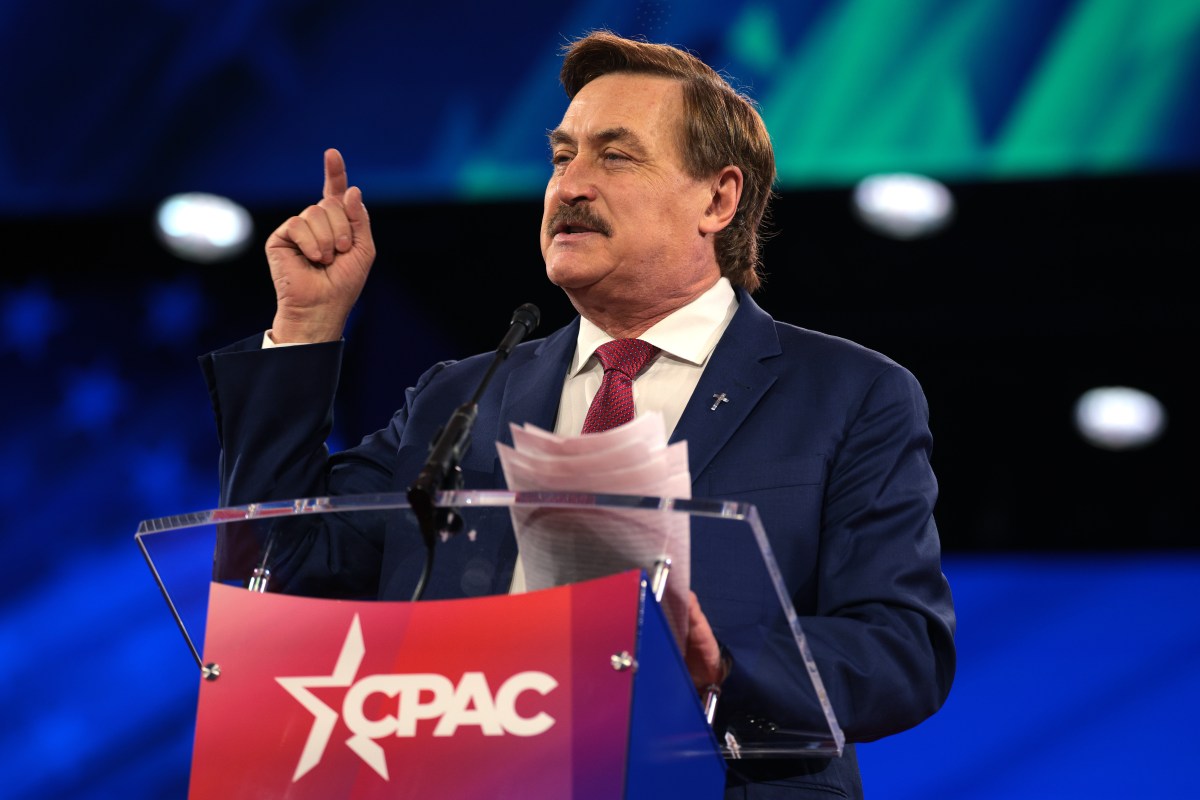
Mike Lindell, CEO of MyPillow, received President Donald Trump’s endorsement in the Minnesota governor race ahead of the August primary. Lindell is competing for the Republican nomination against several candidates and is likely to face Democrat Senator Amy Klobuchar in the November general election.
Key Facts
President Trump endorsed Mike Lindell on social media, calling him a hardworking patriot.
Lindell supports claims of fraud in the 2020 presidential election.
Several Republicans, including Lisa Demuth and Kendall Qualls, are competing in the primary.
Recent polls show a close race among Republican candidates, with Lindell, Demuth, and Qualls all polling within a few points of each other.
Minnesota’s current governor, Tim Walz, a Democrat, will not seek a third term.
Immigration became a key election issue after two American citizens were fatally shot by immigration officers in Minneapolis earlier this year.
Political experts say Trump’s endorsement of Lindell could hurt Republicans’ chances in Minnesota because Lindell is unpopular with independent voters.
The likely Democratic candidate in the race is Senator Amy Klobuchar, who is considered the frontrunner.
Read the Original
Want the full story? Tap a source to open the original
article.
A bipartisan panel in Wisconsin found that Elon Musk likely broke state law by giving $1 million to voters during the 2025 state supreme court election. The Wisconsin Elections Commission voted to send complaints about this act to the local district attorney.
Key Facts
Elon Musk gave out $1 million to voters before the 2025 Wisconsin state supreme court election.
The Wisconsin Elections Commission has three Democrats and three Republicans; they voted 5-1 to send complaints to the Brown County district attorney.
The panel said there is probable cause that Musk’s cash gifts broke Wisconsin’s election bribery laws.
Wisconsin law prohibits giving anything valuable to voters to influence their vote.
Three voters received checks from Musk, including two at a rally in Green Bay.
The state’s Democratic attorney general tried to stop Musk from giving the checks, but the Wisconsin Supreme Court refused to intervene before the rally.
Musk and supporting groups spent over $20 million last year supporting a conservative candidate in the same kind of court election.
Musk’s related political action committee used money offers to encourage voters to sign petitions about judges and constitutional rights before recent elections.
Read the Original
Want the full story? Tap a source to open the original
article.
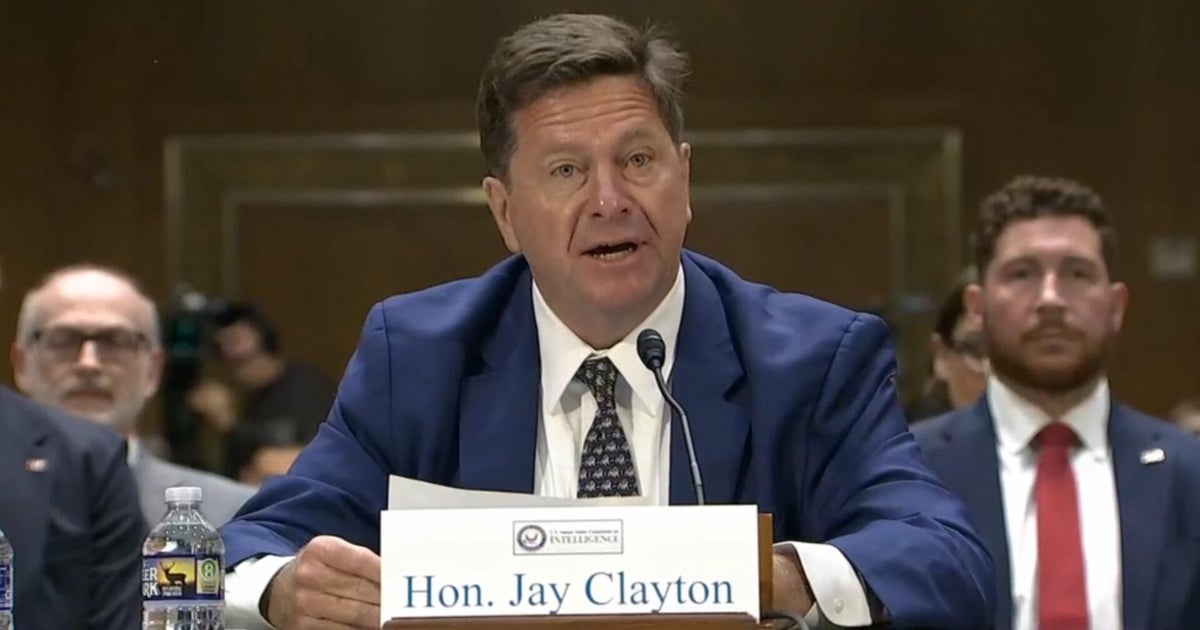
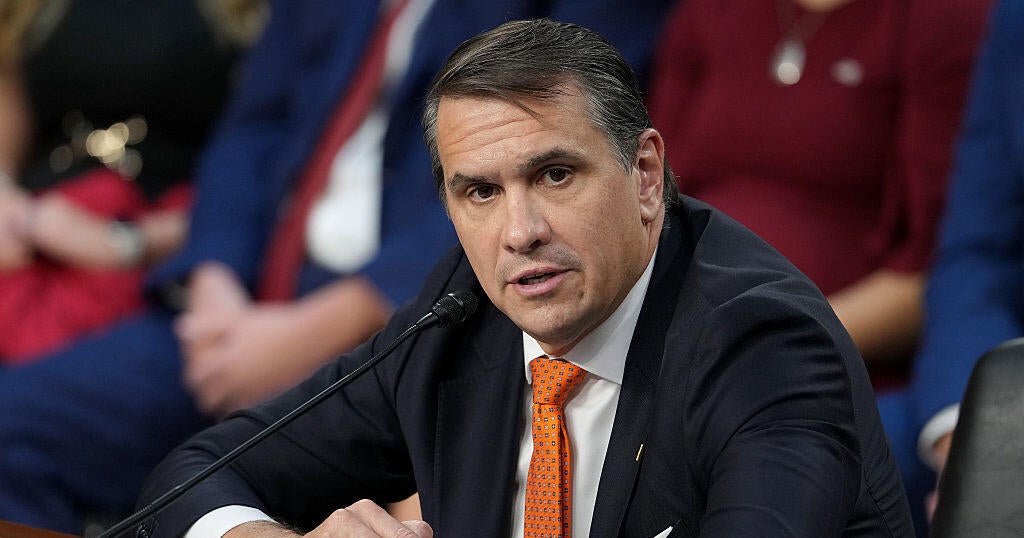
Jay Clayton, chosen by President Donald Trump to lead U.S. intelligence, spoke to the Senate Intelligence Committee during his confirmation hearing. This was a step in the process for him to become the director of national intelligence.
Key Facts
Jay Clayton is President Donald Trump’s pick for director of national intelligence.
He gave an opening statement at a Senate Intelligence Committee hearing.
The hearing took place on a Tuesday.
The purpose of the hearing was to confirm Clayton for the intelligence position.
The director of national intelligence oversees U.S. intelligence agencies.
The Senate Intelligence Committee is responsible for reviewing this position.
This hearing is part of the confirmation process required before appointment.
Read the Original
Want the full story? Tap a source to open the original
article.
Surveillance videos show the events leading up to and after the fatal shooting of Joan Sebastian Durán Guerrero, a Colombian man, by a federal ICE officer in Maine on July 13. Durán Guerrero was not the target of the ICE warrant, and the incident has raised questions about how ICE agents enforce the law and their use of body cameras.
Key Facts
Joan Sebastian Durán Guerrero, legally allowed to work in the U.S., was shot and killed by an ICE officer in Maine on July 13.
Durán Guerrero was not the person wanted in the ICE enforcement operation according to officials.
Surveillance video and audio from doorbell and business cameras captured the moments around the shooting, including gunshots and shouting.
ICE agents involved did not have body cameras, despite federal funding to provide them.
The incident happened shortly after another fatal shooting by ICE officers in Houston and a death during immigration enforcement in Florida.
Video shows Durán Guerrero’s car slowing and making tight circles before being stopped by an ICE vehicle.
After the car stopped, ICE officers pulled Durán Guerrero’s body from the vehicle and handcuffed him.
The event has prompted protests and renewed debates over ICE enforcement tactics.
Read the Original
Want the full story? Tap a source to open the original
article.
The U.S. government will pay a Southern California water agency up to $65 million to keep some of its Colorado River water in Lake Mead. This new agreement aims to help prevent the lake’s water level from dropping too low and to protect power production at Hoover Dam.
Key Facts
The Metropolitan Water District of Southern California approved a deal with the U.S. Bureau of Reclamation.
The government will pay $325 for each acre-foot of water kept in Lake Mead, up to 200,000 acre-feet in 2026.
An acre-foot equals about 326,000 gallons, enough for about three Southern California households.
Funding comes from the Lower Colorado River Basin System Conservation and Efficiency Program, supported by the 2022 Inflation Reduction Act.
Lake Mead is the largest U.S. reservoir and its water level is at risk due to drought and low rainfall.
If Lake Mead falls too low, Hoover Dam’s electricity production could drop by 70 percent.
The Metropolitan Water District includes 26 cities and serves nearly 19 million people in Southern California.
Related agreements involve conserving agricultural water with local tribes and water districts to add more water to Lake Mead in coming years.
Read the Original
Want the full story? Tap a source to open the original
article.
David Griffiths, who pretended to be a former Army major and wealthy pilot, was sentenced to three-and-a-half years in prison for fraud. He lied to two women he met on dating apps and took thousands of pounds from them by making up stories about his job and financial situation.
Key Facts
David Griffiths claimed he was a former Army major who served with Prince Harry and had over half a million pounds.
He defrauded two women, Joanne and Helen, of more than £14,000 in total.
Griffiths lied about his job, saying he was a helicopter company director earning £120,000, but the company did not exist.
He also said he worked as a search and rescue pilot, but these claims were false.
Griffiths's victims met him through dating apps like Hinge.
The fraud included the women lending him money and paying for a holiday that never happened.
His lies were exposed when he tried to buy a house as a cash buyer without having the money.
Judge Paul Hobson said Griffiths did not care about the emotional harm caused to his victims.
Read the Original
Want the full story? Tap a source to open the original
article.
Senator Elizabeth Warren questioned Federal Reserve Chair Kevin Warsh at a Senate hearing about how he managed an investigation into a Fed official who attended a private dinner with Wall Street bankers. The hearing focused on whether this meeting raised concerns about conflicts of interest or rules for Fed officials.
Key Facts
Senator Elizabeth Warren is from Massachusetts and a member of the Senate Banking Committee.
Kevin Warsh is the new Chair of the Federal Reserve.
The issue involves Fed Vice Chair of Supervision Michelle Bowman attending a private dinner with bankers from Wall Street.
Warren asked Warsh how the Fed investigated this private dinner.
The concern is about possible conflicts of interest or improper relations between Fed officials and bankers.
The hearing took place on a Wednesday with Senate oversight of financial regulation.
Read the Original
Want the full story? Tap a source to open the original
article.
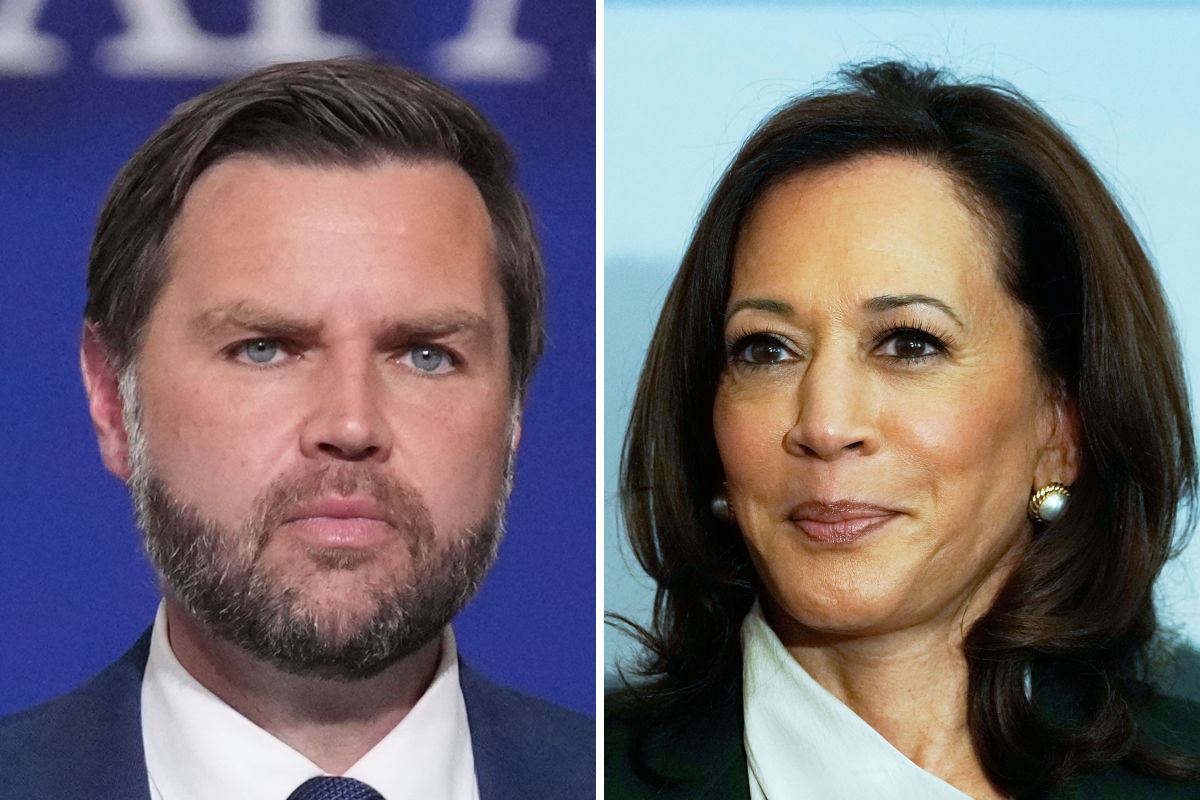
A recent Harvard CAPS / Harris Poll shows Vice President JD Vance has a slightly better net favorability rating than Vice President Kamala Harris and Congresswoman Alexandria Ocasio-Cortez. The poll highlights Vance's strong support among Republicans and a less negative view from independents compared to other national political figures.
Key Facts
JD Vance’s net favorability rating is -3 percent (40% favorable, 43% unfavorable).
Kamala Harris’s net favorability rating is -7 percent (41% favorable, 48% unfavorable).
Alexandria Ocasio-Cortez’s net favorability rating is -6 percent (30% favorable, 36% unfavorable).
Vance is seen as a potential leading Republican candidate for the 2028 presidential race.
Favorability ratings are highly divided by party, with Republicans favoring Vance, and Democrats favoring Harris and Ocasio-Cortez.
President Donald Trump’s net favorability is -13 percent (40% favorable, 53% unfavorable), showing continued polarization.
The poll surveyed 1,776 registered voters and has a margin of error of plus or minus 2.3 percentage points.
Among other political figures, Robert F. Kennedy Jr. and Marco Rubio have slightly positive net favorability ratings (+1%).
Read the Original
Want the full story? Tap a source to open the original
article.
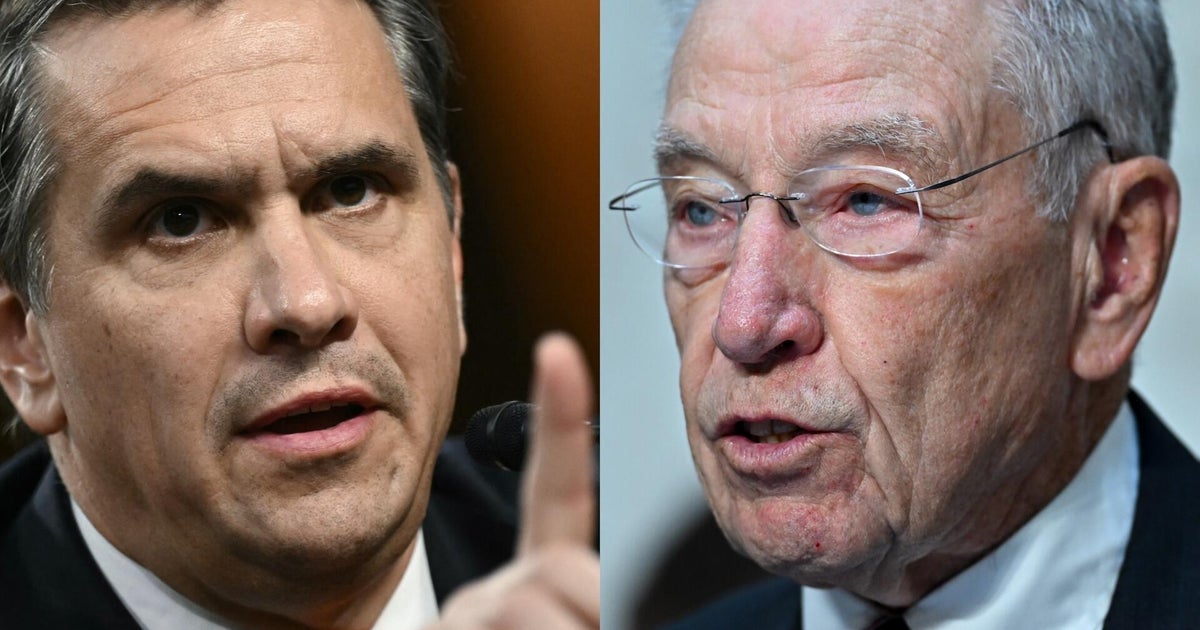
Senator Chuck Grassley, who leads the Judiciary Committee, questioned Todd Blanche, the acting attorney general, about problems handling files related to Jeffrey Epstein. These files were released when Blanche worked at the Department of Justice during President Donald Trump’s second term.
Key Facts
Senator Chuck Grassley is a Republican from Iowa and chairs the Senate Judiciary Committee.
Todd Blanche served as acting attorney general.
Blanche oversaw the release of files connected to Jeffrey Epstein.
There were concerns about how these Epstein files were handled and released.
The events occurred during President Donald Trump’s second term.
Senator Grassley questioned Blanche about his role in the alleged mishandling.
The matter is part of an ongoing investigation or review related to Epstein case documents.
Read the Original
Want the full story? Tap a source to open the original
article.
Senator Jon Ossoff, a Democrat from Georgia, raised $20 million in the second quarter of the year. He now has $42 million in cash as he campaigns to keep his Senate seat against Republican Mike Collins in the upcoming election.
Key Facts
Jon Ossoff is a Democratic senator from Georgia.
He is seen as the most vulnerable Democratic senator this election cycle.
Ossoff raised $20 million between April and June (second quarter).
His campaign has $42 million in cash available for spending.
He is running against Republican Representative Mike Collins.
The election to keep his Senate seat will happen this fall.
Fundraising is an important part of his effort to stay in the Senate.
Read the Original
Want the full story? Tap a source to open the original
article.
Acting Attorney General Todd Blanche said the Justice Department will not start a $1.8 billion "anti-weaponization" fund from a settlement between President Donald Trump and the IRS. The settlement has not been changed in court, and some senators questioned how the agreement is being handled.
Key Facts
The settlement called for a $1.8 billion fund to pay victims of alleged government "weaponization."
The fund was part of a deal granting immunity to President Trump, his two oldest sons, and related companies from future tax claims.
Acting Attorney General Blanche told the Senate Judiciary Committee the fund is "dead" and no money has been moved.
A federal judge criticized the Justice Department and sanctioned a Trump attorney for pursuing the lawsuit improperly.
Senators from both parties expressed concerns about how the settlement and fund are being handled.
The settlement agreement says changes must be agreed on in writing by all parties.
No formal changes have been filed in court by either side yet.
Blanche said the settlement could be enforced in court and that President Trump’s team might try to enforce it, but the Justice Department will not start the fund.
Read the Original
Want the full story? Tap a source to open the original
article.
Representative Alexandria Ocasio-Cortez criticized Senator Mitch McConnell for not attending Congress. She questioned the legality of his absence and said she found it surprising.
Key Facts
Alexandria Ocasio-Cortez is a Democratic representative from New York.
Mitch McConnell is a Republican senator from Kentucky.
McConnell has been absent from congressional sessions.
Ocasio-Cortez expressed surprise and concern about this absence.
She questioned whether his absence is legal.
The remarks were made publicly on a recent Tuesday.
This issue reflects tensions between some members of Congress.
Read the Original
Want the full story? Tap a source to open the original
article.
Senior Home Share provides a new approach to senior care by designing small homes where a few older adults live together with 24-hour caregiver support. The focus is on respecting each person’s history and daily routines to give them dignity and purpose, especially for those with dementia.
Key Facts
About 7.2 million Americans aged 65 and older are expected to have Alzheimer’s dementia in 2025.
By 2034, there will be an estimated 9.7 million job openings in direct care for seniors.
Senior Home Share creates small shared homes with constant caregiver support.
Caregivers focus on personal routines and identities instead of just schedules and medical tasks.
Residents participate in activities that reflect their past roles and interests, like cooking or daily rituals.
Consistent caregivers help build trust and a family-like atmosphere for residents.
One resident in hospice lived four extra years after receiving personal attention and companionship.
The approach aims to meet emotional, spiritual, and social needs along with physical care.
Read the Original
Want the full story? Tap a source to open the original
article.
Senator John Cornyn from Texas has not yet decided whether to support Todd Blanche’s nomination to be Attorney General. During a hearing, Cornyn questioned Blanche about a disputed fund used by President Donald Trump’s administration linked to preventing misuse of government power.
Key Facts
Senator John Cornyn is from Texas and belongs to the Republican Party.
Todd Blanche is the acting Attorney General nominated to lead the Department of Justice.
Cornyn has concerns about the nomination but has not made a final decision.
Cornyn questioned Blanche about an “anti-weaponization” fund used by the Trump administration.
The fund is controversial because it relates to efforts to stop the misuse of government agencies for political purposes.
The hearing took place on a Wednesday as part of the confirmation process.
The Department of Justice is the U.S. federal agency responsible for enforcing laws.
Read the Original
Want the full story? Tap a source to open the original
article.