Senator Jim Risch is running in a primary election on Tuesday to try to keep the Republican nomination for the Idaho Senate race. Several candidates are competing for the Republican and Democratic spots. Voting polls will close at 8 p.m. Pacific Daylight Time.
Key Facts
Senator Jim Risch is a candidate in the Idaho Senate primary election.
The primary will decide who represents the Republican and Democratic parties in the Senate race.
Multiple candidates are competing for each party’s nomination.
The polls close at 8 p.m. PDT on Tuesday.
The event is being covered live by Decision Desk HQ.
Read the Original
Want the full story? Tap a source to open the original
article.
Voters in Georgia are voting in a primary election to choose candidates for the governor race this fall. The Republican primary is competitive, with Lt. Gov. Burt Jones, supported by President Donald Trump, running closely against a wealthy rival.
Key Facts
Georgia voters are choosing who will run for governor in the fall election.
The current governor, Brian Kemp, will not be in this race.
The Republican primary race has seen a lot of spending by candidates.
Lt. Gov. Burt Jones is running as a Republican candidate.
President Donald Trump has endorsed Lt. Gov. Burt Jones.
Burt Jones is competing closely against a billionaire candidate.
The primary election is taking place on a Tuesday.
Read the Original
Want the full story? Tap a source to open the original
article.
Several candidates in Alabama are competing in primary elections to run for the U.S. Senate seat currently held by Senator Tommy Tuberville, who is instead running for governor. Republican Representative Barry Moore is currently leading in the crowded Republican primary, which includes opponents such as State Attorney General Steve Marshall and newcomer Jared Hudson.
Key Facts
Alabama is holding primary elections for the U.S. Senate seat on Tuesday.
Senator Tommy Tuberville is not running for re-election to the Senate; he is running for governor.
Republican Rep. Barry Moore is the leading candidate in the Republican Senate primary.
Other candidates in the GOP primary include Steve Marshall and Jared Hudson.
The election results will determine who appears on the November ballot for the Senate seat.
Read the Original
Want the full story? Tap a source to open the original
article.
Voters in Pennsylvania are participating in primary elections for several U.S. House seats. Three Republican-held districts in the state are considered competitive for the upcoming general election in the fall.
Key Facts
Pennsylvania is holding primary elections for U.S. House seats.
Several contests are taking place within both major political parties.
Three Republican-held districts are listed as “toss ups,” meaning they could be won by either party.
The competitive districts include the 7th, 8th, and another district represented by Republican members.
These primaries help decide who will run in the general election later this year.
The Cook Political Report is a source that analyzes and rates how competitive elections are.
Voter participation in the primaries impacts party nominations for the November elections.
The outcomes may affect the balance of party power in Pennsylvania’s House representation.
Read the Original
Want the full story? Tap a source to open the original
article.
Voters in Oregon are voting in House primary elections on Tuesday. Six current lawmakers are running to be their party’s choice for the November general election. Polls close at 8 p.m. Pacific Time.
Key Facts
Oregon is holding primary elections for House seats on Tuesday.
Six incumbents (current lawmakers) are running for their party’s nomination.
The winners will move on to compete in the general election in November.
Polls close at 8 p.m. Pacific Daylight Time (PDT).
Live results are being provided by Decision Desk HQ.
Read the Original
Want the full story? Tap a source to open the original
article.
Georgia is holding primary elections to choose candidates for four open U.S. House seats. Three current Republican representatives are not running for re-election, with two seeking Senate seats and one retiring from Congress.
Key Facts
Four U.S. House seats in Georgia are open in this election cycle.
Primary elections took place on Tuesday to select candidates.
Republicans Mike Collins, Buddy Carter, and Barry Loudermilk are not running for re-election to the House.
Mike Collins and Buddy Carter are running for the U.S. Senate.
Barry Loudermilk is retiring from Congress.
Voters will decide who will run in the general election for these open seats.
Read the Original
Want the full story? Tap a source to open the original
article.
Voters in Idaho are taking part in primary elections for two U.S. House seats. Republican incumbents Russ Fulcher and Mike Simpson are running for re-election and face challengers within their party.
Key Facts
Idaho holds primary elections for its two U.S. House districts.
Both seats are held by Republican incumbents, Russ Fulcher and Mike Simpson.
Both incumbents are seeking re-election in November.
They face opponents in the Republican primary races.
Polls close at 8 p.m. Pacific Daylight Time on election day.
Results are being tracked live by Decision Desk HQ.
Read the Original
Want the full story? Tap a source to open the original
article.
Voters in Alabama are voting in primary elections for the state's seven House districts. Representative Barry Moore is not running again for his House seat; instead, he is trying to become a senator, replacing Tommy Tuberville, who plans to run for governor.
Key Facts
Alabama is holding primary elections for its seven House districts.
Representative Barry Moore of the 1st District is not seeking reelection.
Barry Moore is running to replace Senator Tommy Tuberville.
Senator Tuberville is running for governor of Alabama.
Polls in Alabama close at 8 p.m. Eastern Daylight Time.
The elections will decide candidates for the general election.
All other House incumbents in Alabama are running to keep their seats.
Read the Original
Want the full story? Tap a source to open the original
article.
The Justice Department added a new part to its settlement with President Donald Trump that stops the IRS from auditing him, his family, and their businesses. This addendum is part of a larger agreement that includes a $1.776 billion fund to help people who say they were wrongly targeted by the IRS under the Biden administration.
Key Facts
The DOJ issued an addendum barring the IRS from auditing Trump, his family, or related businesses.
The addendum was signed by Acting Attorney General Todd Blanche.
The IRS is permanently forbidden from investigating or pursuing tax examinations of those covered by the settlement.
The addendum extends a settlement that includes a $1.776 billion "Anti-Weaponization Fund" for people who claim wrongful IRS targeting.
President Trump dropped a $10 billion lawsuit against the IRS as part of the deal.
The settlement also ended two civil claims totaling $230 million tied to investigations from Trump’s first term and a 2022 Mar-a-Lago search.
Critics argue the settlement may violate the separation of powers by limiting IRS authority.
Read the Original
Want the full story? Tap a source to open the original
article.
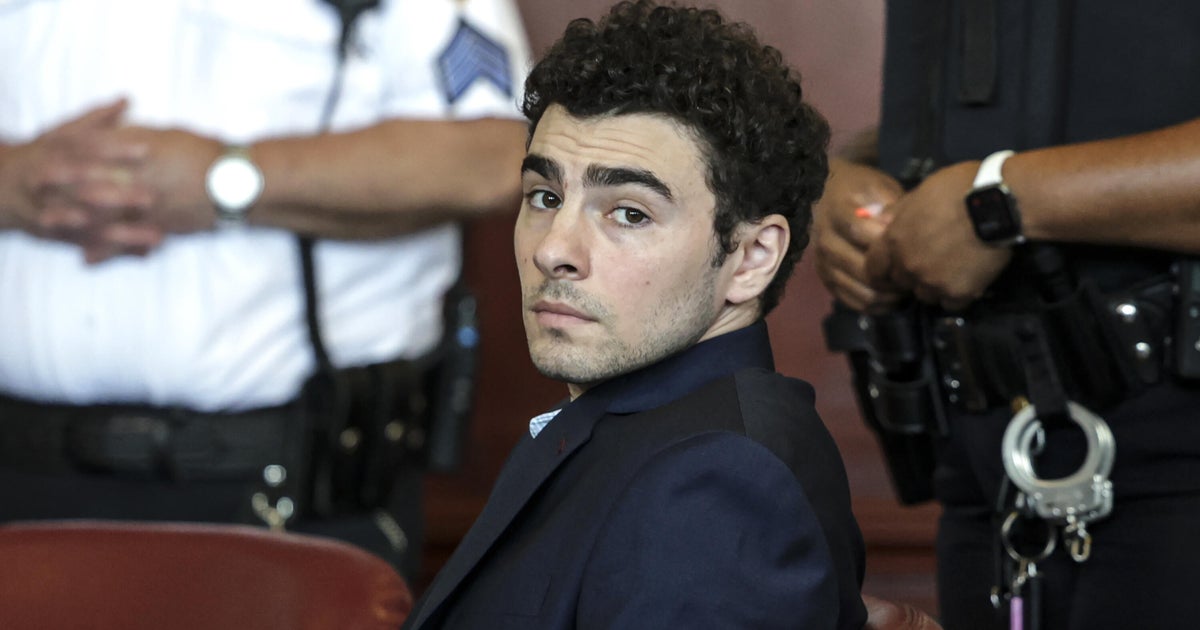
New York City Mayor Zohran Mamdani said that three supporters of Luigi Mangione should not have received press passes to attend a court hearing related to the killing of UnitedHealthcare CEO Brian Thompson. The mayor's office is now reviewing how press credentials are approved to ensure proper standards.
Key Facts
Three Mangione supporters called "The Mangionistas" were given press passes for a court hearing.
These supporters made offensive statements about the victim, Brian Thompson, outside the court.
The mayor said the group should not have been granted press passes.
Press passes are now managed by the Mayor's Office of Media and Entertainment, after a lawsuit moved the responsibility from the NYPD in 2022.
The mayor is reviewing and updating the approval process for press credentials.
The Mangionistas have small followings on social media, except for one member with 150,000 Instagram followers.
Former Mayor Eric Adams criticized the current administration for undoing rules meant to strengthen press credential standards.
Adams condemned the supporters’ comments as dangerous and morally wrong.
Read the Original
Want the full story? Tap a source to open the original
article.
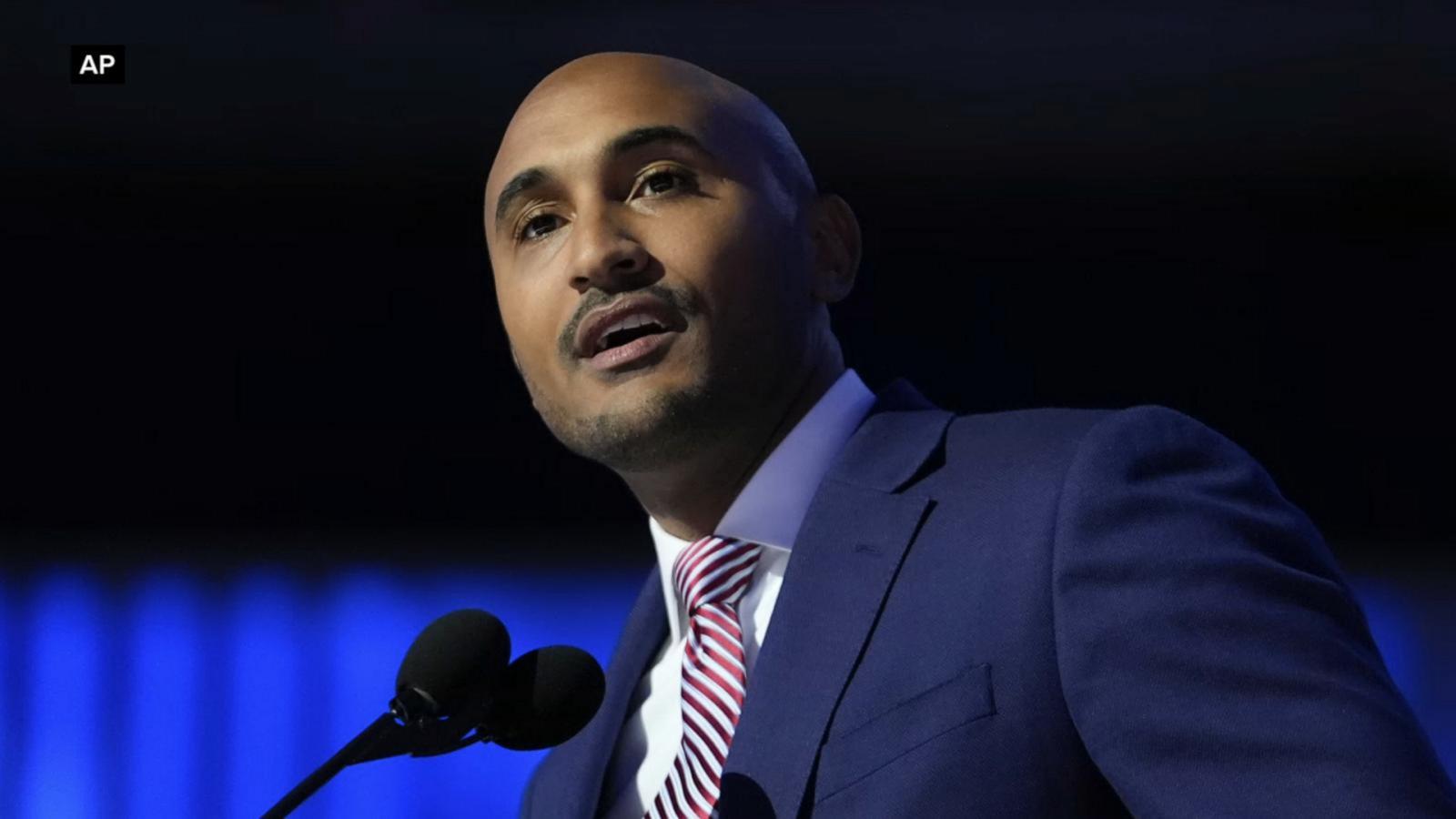
Representative Shomari Figures from Alabama spoke about concerns that new redistricting plans may remove his congressional district and many other districts where most voters are Black. The Supreme Court recently approved changes that could lead to this result in the Southern United States.
Key Facts
Rep. Shomari Figures represents a district in Alabama.
The Supreme Court has allowed new redistricting plans that may eliminate his district.
These plans also threaten most majority Black districts across the Southern U.S.
Redistricting is the process of redrawing the boundaries for voting districts.
The potential changes affect representation for Black communities in Congress.
This issue involves ongoing debates about voting rights and political fairness.
The news reflects recent court decisions impacting how districts are shaped.
Read the Original
Want the full story? Tap a source to open the original
article.
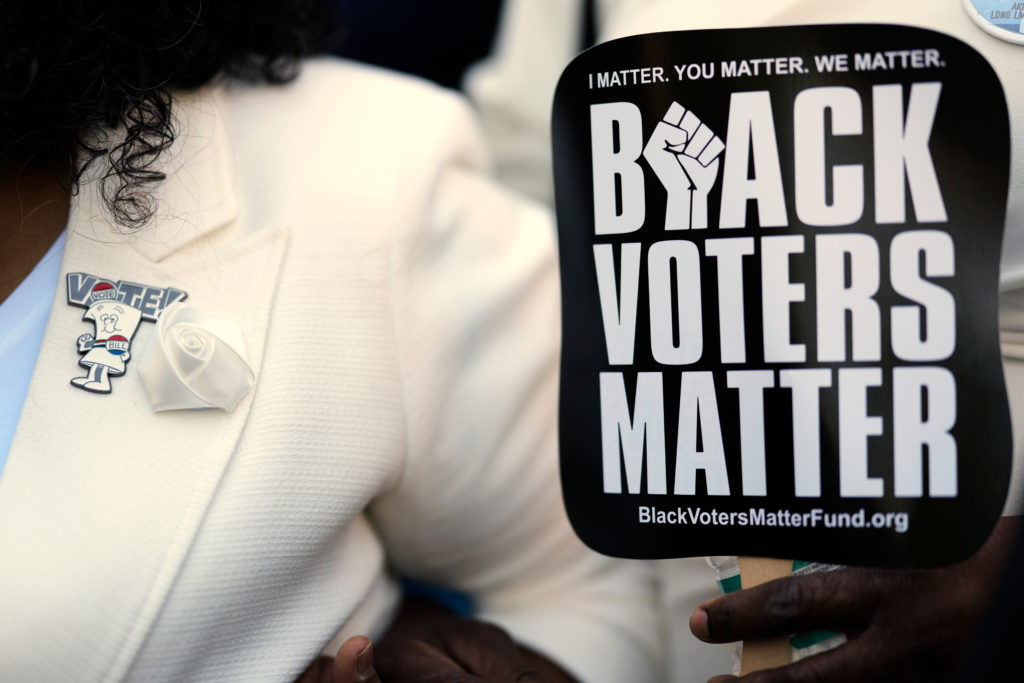
The NAACP has started a campaign called "Out of Bounds" that asks Black athletes, their families, alumni, and fans to stop supporting sports programs at public universities in certain states. These states are being criticized for making changes that the NAACP says reduce Black people's ability to vote.
Key Facts
The NAACP is the oldest civil rights group in the United States.
The campaign is called "Out of Bounds."
It targets public universities in states that have made voting rules that the NAACP views as harmful to Black voters.
The group is asking people to stop supporting these universities’ sports teams and to withhold money.
The boycott focuses on Black athletes, their families, alumni, and fans.
The goal is to pressure states to protect Black voting rights.
The campaign was announced on a Tuesday.
The NAACP believes these states are trying to limit or erase Black voting representation.
Read the Original
Want the full story? Tap a source to open the original
article.
On the biggest stories we show what the outlets agree on and where they differ. Readers keep that going, and get the daily digest by email every morning. Most choose $3.99/month.
The IRS is not allowed to look at President Donald Trump’s old tax returns, based on a recent legal agreement. This decision comes from a settlement in a lawsuit that President Trump filed against the IRS.
Key Facts
The IRS cannot audit President Trump’s past tax returns.
This restriction is part of a settlement between President Trump and the IRS.
The settlement was announced along with a one-page addendum.
The addendum was signed by Acting Attorney General Todd Blanche.
The lawsuit was originally filed by President Trump against the IRS.
The agreement prevents future IRS investigations of these tax returns.
The restriction is described as “forever barred,” meaning it is permanent.
The information was made public on a Tuesday.
Read the Original
Want the full story? Tap a source to open the original
article.
Fewer American teenagers are working summer jobs this year, with businesses expected to hire the lowest number of teen workers since 1948. Many factors contribute to this trend, including economic challenges, the rise of technology replacing some jobs, competition from older workers, and teens focusing on school, sports, or other activities.
Key Facts
Businesses are expected to hire about 790,000 teenagers this summer, the lowest since 1948.
In the late 1990s, over 2 million teens worked summer jobs.
Teen participation in the labor force has decreased from about 50% in the 1980s to under 30% today.
Leisure and hospitality businesses, such as restaurants and amusement parks, are hiring fewer teens.
Economic uncertainty and higher energy costs make businesses cautious about hiring more workers.
Technology, including AI, now handles many entry-level tasks once done by teens.
Teens face competition from older workers who remain in the workforce longer.
Many teens prioritize college preparation, sports, internships, caregiving, or independent work like tutoring and gig jobs.
Read the Original
Want the full story? Tap a source to open the original
article.
The article discusses the relationship between President Donald Trump and Kevin Warsh, the new Chair of the U.S. Federal Reserve. It explores whether the Federal Reserve can keep its independence from the government, especially after past tensions between President Trump and the previous Chair, Jerome Powell.
Key Facts
Kevin Warsh has recently become the Chair of the U.S. Federal Reserve.
The Federal Reserve is America's central bank, responsible for managing the country's money and interest rates.
President Donald Trump had conflicts with the former Chair, Jerome Powell.
The article questions if the Federal Reserve can stay independent from political influence.
Kevin Warsh underwent a confirmation hearing before the Senate Banking Committee.
The discussion took place on a program called Business Daily on the World Service.
The article highlights the importance of the relationship between the President and the central bank chief.
Read the Original
Want the full story? Tap a source to open the original
article.
President Donald Trump showed reporters the construction of a new ballroom at the White House on the site of the former East Wing. He described the project as a gift to the United States, despite some opposition in Congress about funding it.
Key Facts
The ballroom is being built on the site of the old East Wing of the White House.
President Trump spoke to reporters amid noisy construction work.
The White House asked for $1 billion from taxpayers to improve security on the White House grounds, including the ballroom.
The Senate parliamentarian said the ballroom funding cannot be included in a bill for immigrant enforcement agencies.
Some Republican lawmakers oppose the ballroom’s cost during an election year.
Voters are concerned about rising prices for gasoline, groceries, and other goods linked to the Iran war and oil supply issues.
The project has encountered delays because of the funding dispute in Congress.
Read the Original
Want the full story? Tap a source to open the original
article.
President Donald Trump and the IRS expanded a settlement that stops future tax investigations into him, his family, and his businesses. This new agreement adds to an earlier deal that created a $1.8 billion fund to compensate people targeted by political actions.
Key Facts
The expanded settlement says the IRS cannot investigate or prosecute Trump, his family, or his businesses ever again.
This new document was signed by Acting Attorney General Todd Blanche, who was once Trump’s personal lawyer.
The earlier settlement created a $1.776 billion fund to pay people affected by political "weaponization" or unfair prosecutions.
The original agreement was signed by IRS CEO, Associate Attorney General Stanley Woodward, and Trump’s legal team.
Most federal officials, including the president, usually cannot stop the IRS from investigations, but the attorney general seems to have this power here.
The settlement followed Trump dropping a lawsuit against the IRS after a former contractor leaked his tax returns to the media.
Critics have raised concerns because it is unusual for a president to make deals limiting an agency he controls.
The Department of Justice did not immediately comment on the expanded settlement.
Read the Original
Want the full story? Tap a source to open the original
article.
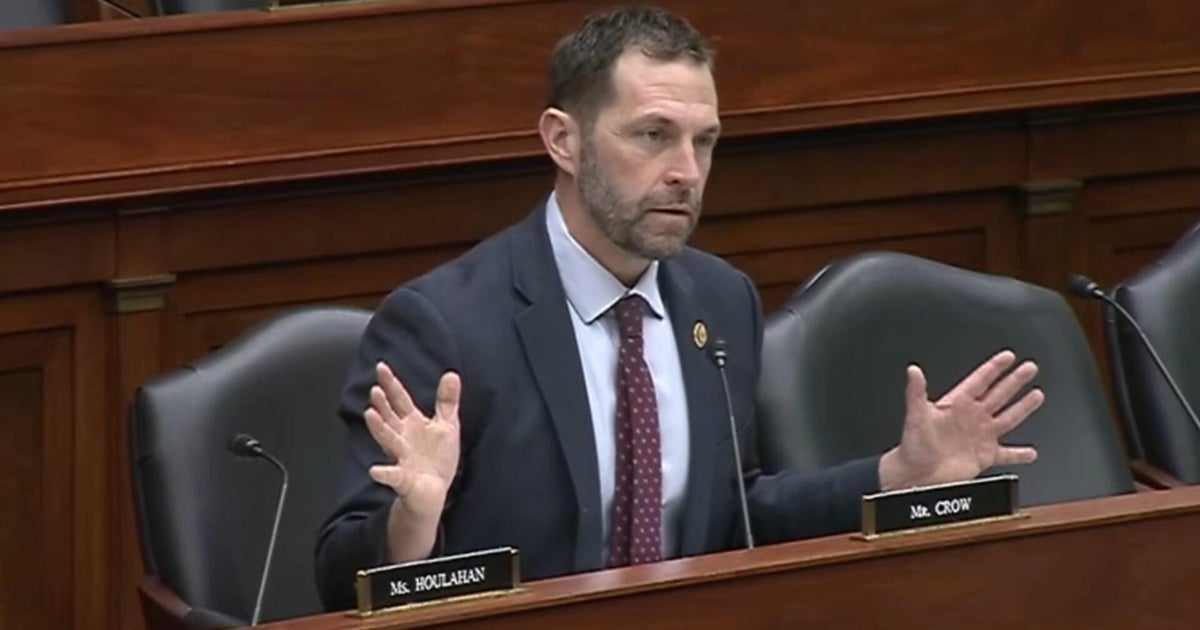
Rep. Jason Crow questioned Adm. Brad Cooper, the U.S. Central Command leader, about rules on giving quarter to enemies during a House hearing. The discussion came after Defense Secretary Pete Hegseth said the U.S. would show "no quarter, no mercy" in the war with Iran.
Key Facts
Rep. Jason Crow is a Democratic representative from Colorado.
Adm. Brad Cooper is the commander of U.S. Central Command (CENTCOM).
The exchange happened during a House Armed Services Committee hearing.
Defense Secretary Pete Hegseth previously said the U.S. would offer "no quarter, no mercy" to enemies in the Iran conflict.
"No quarter" means not sparing or showing mercy to enemies in war.
Rep. Crow challenged the legality and rules around this stance.
The topic relates to U.S. military policy and conduct in potential conflict with Iran.
The hearing occurred on a Tuesday after Hegseth's statement on March 13.
Read the Original
Want the full story? Tap a source to open the original
article.
Staying informed here is free for everyone. If it's worth something to you, pay what you want. Supporters also get the daily digest by email every morning.
The CDC has ordered two American passengers exposed to hantavirus on a cruise ship to stay in a quarantine facility in Nebraska. These orders apply to two of the 18 passengers from the M/V Hondius cruise ship.
Key Facts
Two American passengers exposed to hantavirus are required to stay in a quarantine facility.
The quarantine location is in Nebraska.
The passengers were part of a group of 18 from the M/V Hondius cruise ship.
The CDC issued the quarantine orders.
The orders were announced via a CDC social media post.
The situation is being managed under the Trump administration.
Read the Original
Want the full story? Tap a source to open the original
article.
A new study shows that about 5 million fewer people may sign up for health insurance through the Affordable Care Act this year. Those who keep their coverage will likely pay more, with yearly deductibles and monthly premiums both increasing.
Key Facts
Enrollment in the Affordable Care Act health insurance marketplace could drop by over 5 million people this year.
This decline would cut the number of participants by more than 20%.
People who stay enrolled will face higher costs for healthcare.
The average deductible (the amount paid before insurance starts to help) has increased by more than $1,000.
The average monthly premium (the monthly payment for insurance) has gone up by about $65.
The information comes from the healthcare research group KFF (Kaiser Family Foundation).
Rising costs may affect the affordability and access to health insurance for many Americans.
Read the Original
Want the full story? Tap a source to open the original
article.