Some U.S. politicians are warning about the threat of Sharia law in America, but there is no evidence of Islamic law taking over American courts. The House Judiciary Subcommittee held a hearing on this topic, and experts said these warnings are unfounded and could violate constitutional rights.
Key Facts
Texas Republican candidates are concerned about Sharia law impacting America.
The House Judiciary Subcommittee held a hearing called “Sharia-Free America.”
Experts argue that American courts follow the Constitution and established laws, not religious rules.
Religious practices must comply with civil law in the U.S., regardless of faith.
“Sharia bans” in various states do not address real legal issues, as courts already cannot enforce unconstitutional laws.
These laws and rhetoric are seen as targeting Muslim communities without evidence.
Professor Ilya Somin testified that proposed laws against Sharia are unconstitutional under the First Amendment.
Despite expert warnings, some lawmakers continue to push these ideas.
Read the Original
Want the full story? Tap a source to open the original
article.
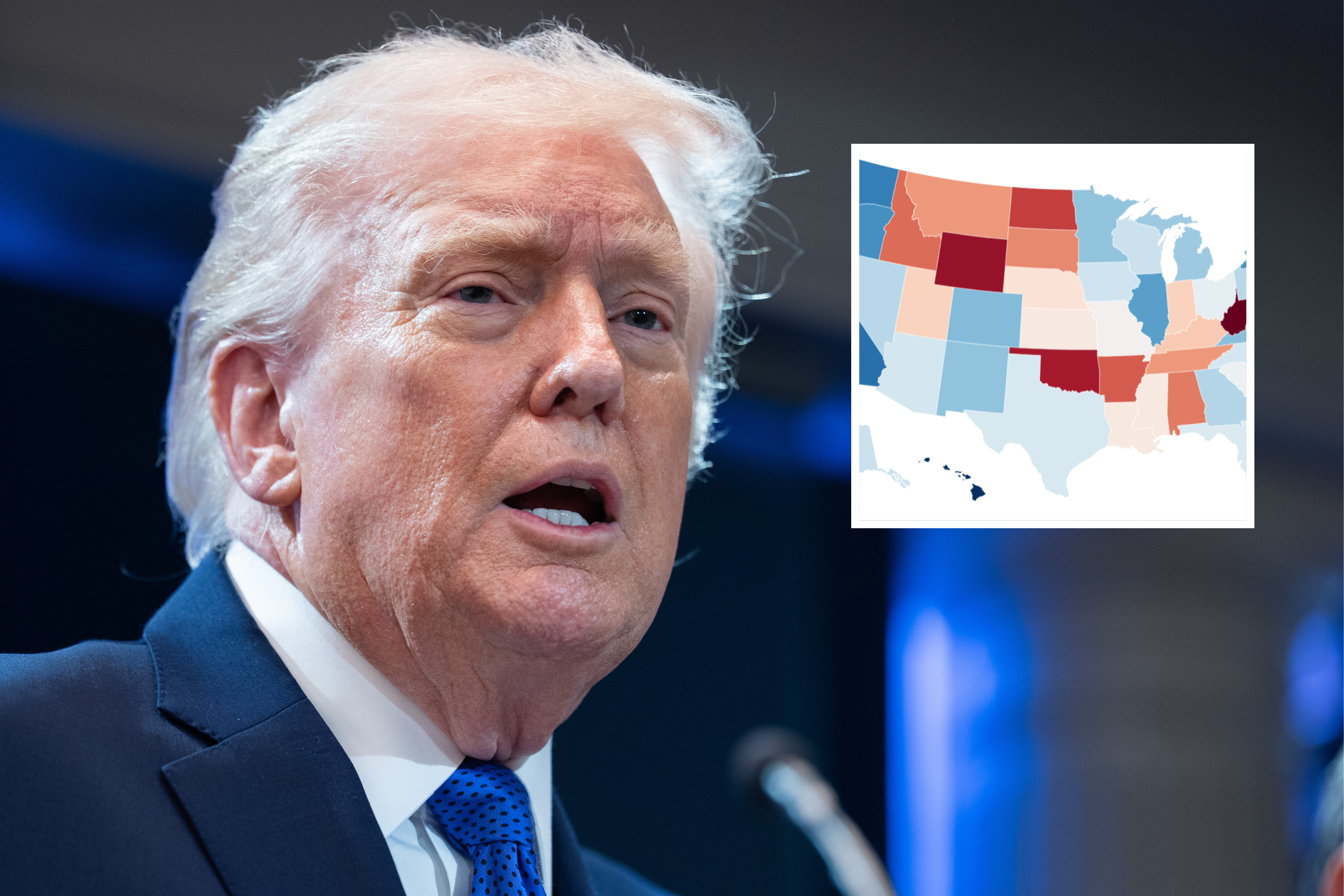
A year after his reelection, President Donald Trump's approval ratings show a clear political divide in the U.S. He has strong support in some southern and western states, while opposition is high on the West Coast and in the Northeast. In key battleground states, his approval is lower than his disapproval, but not by a large margin.
Key Facts
The data includes responses from over 87,000 registered voters from January 2025 to February 2026.
Trump has the highest support in West Virginia, with a 58% approval rating.
Other states where Trump maintains strong support include Oklahoma, Wyoming, and North Dakota.
His approval is weakest in Hawaii, with only 19% supporting him.
States like California and Massachusetts also show low approval rates at around 25-26%.
In states like Pennsylvania, Trump’s approval is lower than disapproval by about 16 percentage points.
Battleground states such as Arizona and Georgia show approval in the low 40% range.
Read the Original
Want the full story? Tap a source to open the original
article.
The National Weather Service issued winter storm warnings and advisories across several U.S. states. These warnings predict heavy snowfall, with some areas expecting as much as 15 inches of snow. Affected states include New York, Vermont, Connecticut, New Jersey, Maine, New Hampshire, Michigan, Wisconsin, Kansas, Oregon, Washington, California, and Alaska.
Key Facts
Up to 15 inches of snow is forecasted in some regions.
Winter storm warnings are active in parts of New York, including Hamilton and Warren counties.
Vermont's Bennington and Windham counties could see up to 2 inches of snow.
Connecticut areas may receive 11 to 15 inches, with winds up to 45 mph.
Northern and southern New Hampshire, along with southwest Maine, are under warnings.
Northern Lower Michigan and the Upper Peninsula have advisories for several inches of snow.
Winter weather advisories in Oregon and Washington predict snowfall, particularly at higher elevations.
Parts of northern and western Alaska face winter storm warnings.
Read the Original
Want the full story? Tap a source to open the original
article.
Illinois Governor JB Pritzker has sent a request to President Donald Trump, asking for an $8.7 billion refund on tariffs. This follows a Supreme Court ruling that said Trump's tariffs were an overstep of his authority. Pritzker argues these tariffs increased costs for Illinois residents.
Key Facts
The Supreme Court ruled 6-3 that Trump overstepped his authority with the tariffs.
Governor Pritzker claims the tariffs hurt Illinois families by raising prices.
Pritzker's request includes $1,700 for each of Illinois's 5,105,448 households.
The refund demand totals $8,679,261,600 for the period from February 2025 to January 2026.
The invoice sent to Trump is labeled "past due – delinquent."
The request targets reimbursement for tariff costs felt at places like grocery stores.
Pritzker's actions have sparked a broader debate on whether refunds for these tariffs are warranted.
President Trump expressed disappointment in the Supreme Court's decision.
Read the Original
Want the full story? Tap a source to open the original
article.
A mom named Jacqueline Skirvin shared her experience of her daughter's teenage years, which turned out to be different from the negative warnings she received. Instead of losing touch, Jacqueline and her daughter Preslea built a strong connection during this time. Jacqueline's story gained attention online, showing a positive perspective on parenting teens.
Key Facts
Jacqueline Skirvin was warned about difficult teenage years with her daughter Preslea.
She was told to expect bad attitudes and a strained relationship.
Contrary to warnings, Jacqueline and Preslea grew a strong bond.
They maintained open communication and support even during disagreements.
Jacqueline shared her story on Instagram, where it went viral with over 181,000 likes.
Many commenters appreciated the positive take on parenting during the teen years.
Jacqueline sees challenging days as an opportunity to build trust with her daughter.
Read the Original
Want the full story? Tap a source to open the original
article.
President Donald Trump's current approval ratings differ across various polls, with some showing more disapproval than approval. A recent national poll reported his lowest approval rating of his second term. In Wisconsin, a key swing state, a poll showed Trump with low approval, which could affect future elections.
Key Facts
President Trump had an approval rating of 39% and a disapproval rating of 54% in Wisconsin, leaving a net approval of -15.
A New York Times average of national polls showed a 41% approval and 56% disapproval for Trump.
A poll from the Public Polling Project showed Trump with a 42.4% approval and 54.6% disapproval nationwide.
In one poll, 43% of people strongly disapprove of Trump's job performance.
Trump's initial approval at the start of his second term was 55.5%, which has since declined.
Wisconsin's poll was conducted with 1,524 registered voters and had a credibility interval of ±2.7%.
The nationwide poll surveyed over 2,000 registered voters and had a margin of error of ±2.1%.
Read the Original
Want the full story? Tap a source to open the original
article.
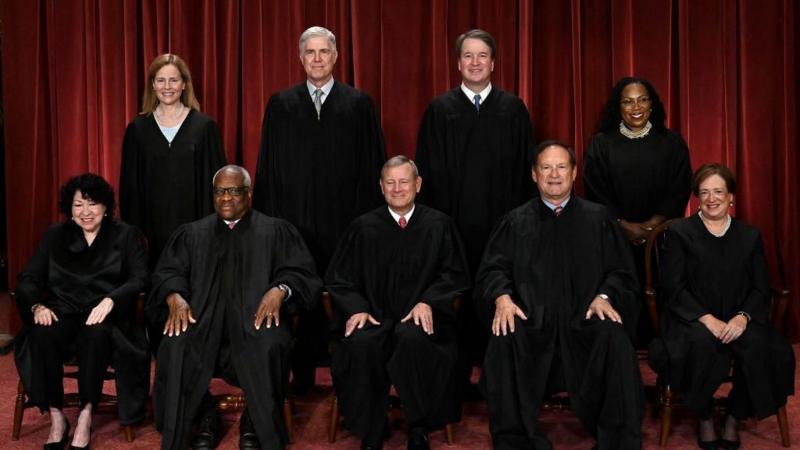
President Donald Trump and Vice President JD Vance criticized the U.S. Supreme Court after it overturned trade tariffs set by the White House. The Supreme Court ruled 6-3 against President Trump's tariff policy, leading to strong remarks from both leaders.
Key Facts
President Trump criticized Supreme Court justices after they struck down his trade tariffs.
The Supreme Court ruling was a 6-3 decision against the tariffs.
President Trump appointed two of the justices, Neil Gorsuch and Amy Coney Barrett, during his first term.
Trump expressed disappointment in the justices, suggesting foreign influence without evidence.
He praised Justices Clarence Thomas, Samuel Alito, and Brett Kavanaugh for their dissent.
Vice President JD Vance accused the court of "lawlessness" in a social media post.
The Supreme Court has six justices appointed by Trump’s Republican Party.
Read the Original
Want the full story? Tap a source to open the original
article.
President Donald Trump criticized six Supreme Court justices for their decision to strike down his administration's global tariffs. The court ruled that presidents cannot impose broad tariffs without specific authority. Trump expressed disappointment with the justices and promised to find other ways to implement tariffs.
Key Facts
President Trump criticized six Supreme Court justices for blocking his global tariffs.
The ruling stated that presidents need specific authority to impose broad tariffs.
The six justices who opposed Trump's position are split between conservative and liberal views.
Chief Justice John Roberts wrote the decision, with support from Justices Gorsuch and Barrett, whom Trump appointed.
Trump accused the court of being influenced by "foreign interests" without providing evidence.
Trump praised Justices Thomas, Alito, and Kavanaugh, who supported his tariff power.
Justice Kavanaugh stated that blocking the tariffs would mean refunding billions in revenue.
Read the Original
Want the full story? Tap a source to open the original
article.
Top Democrats plan different responses to President Trump's upcoming State of the Union speech. These responses aim to show their disagreement with his agenda. The Democratic reactions include official responses, speeches in Spanish, and counter-rallies.
Key Facts
Democrats are organizing varied responses to President Trump's State of the Union address.
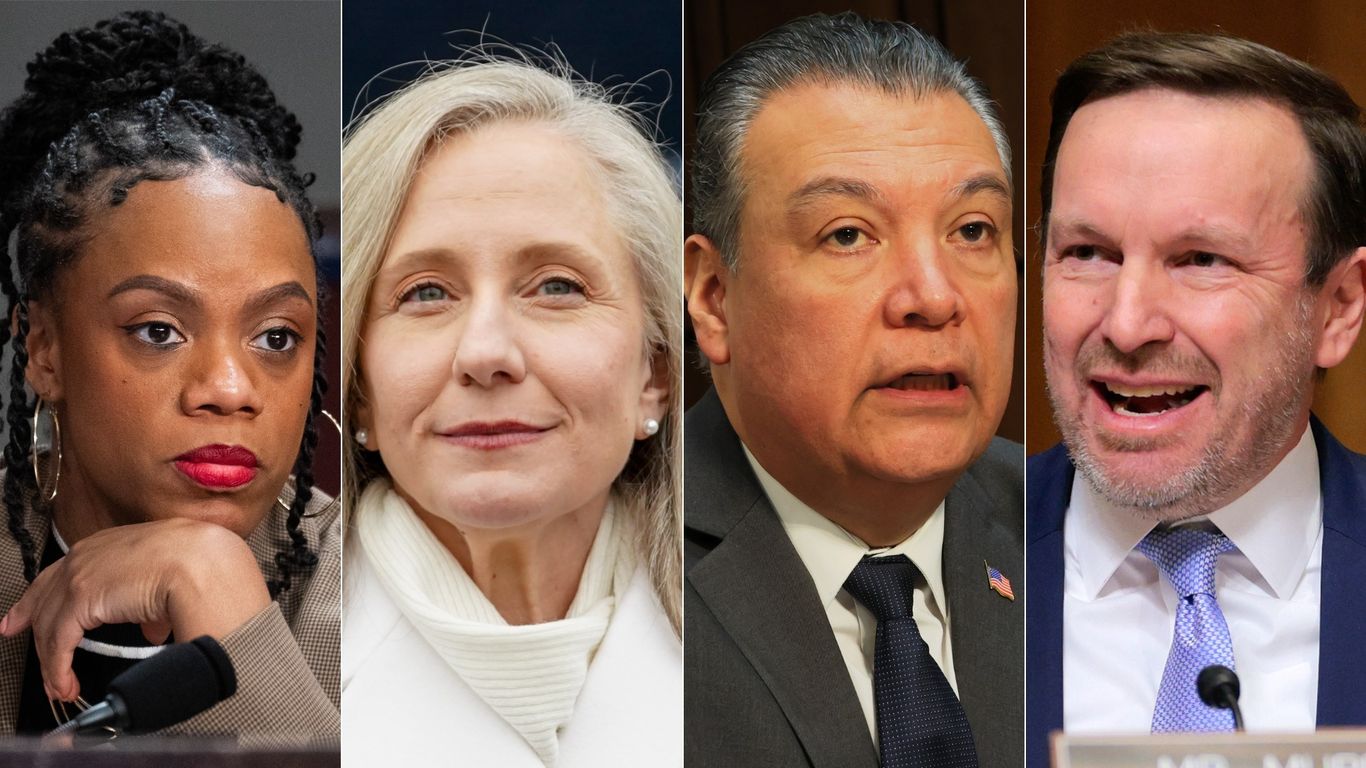
Virginia Governor Abigail Spanberger will give the official Democratic response.
Spanberger made history as the first female governor of Virginia and is considered a moderate politician.
Senator Alex Padilla will deliver the Democratic response in Spanish, focusing on immigration issues.
Representative Summer Lee will speak for the party's progressive wing.
Democrats are also arranging counter-rallies alongside the speech.
The official Democratic response is usually broadcast on television.
Political responses from different party factions have become common in recent years.
Read the Original
Want the full story? Tap a source to open the original
article.
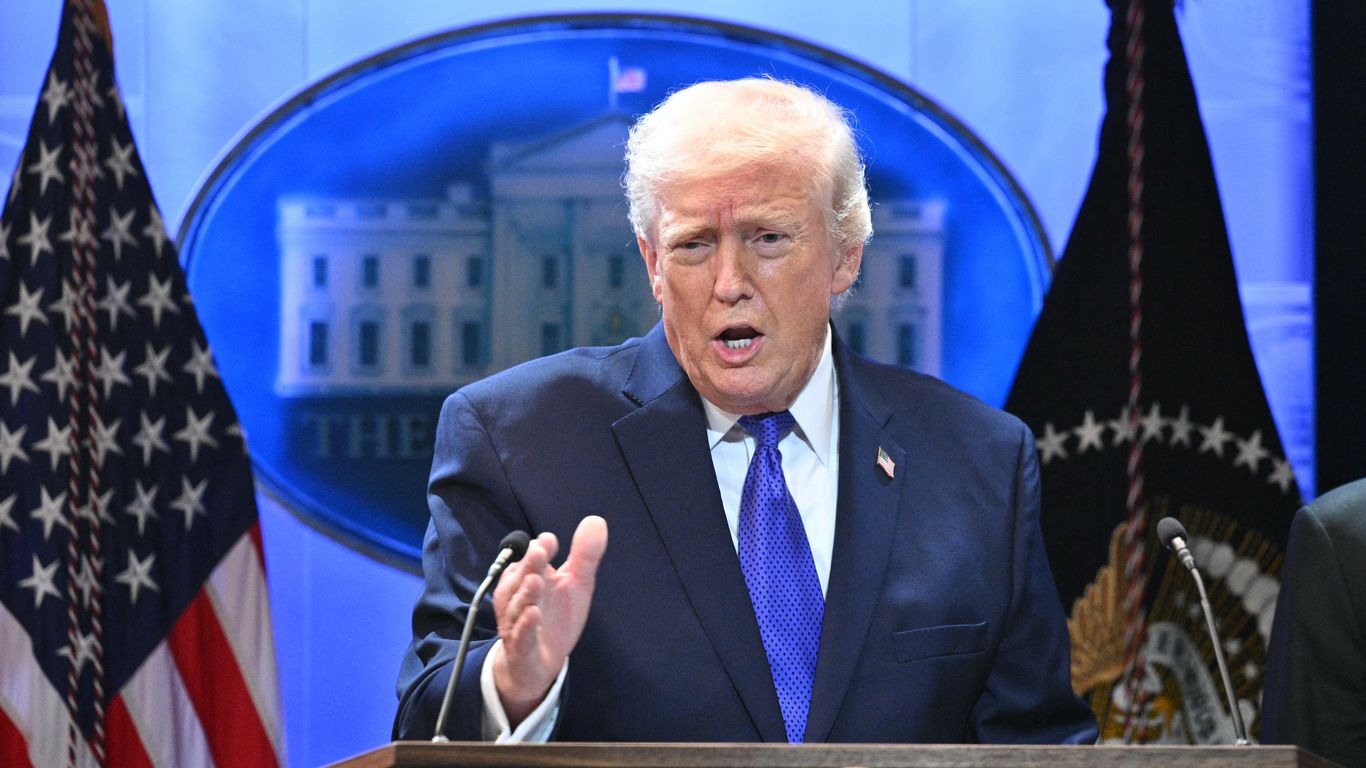
President Donald Trump criticized the U.S. Supreme Court's decision to overturn his tariffs on global imports. The court said Trump had gone beyond his legal authority. In response, President Trump announced a new 10% tariff under a different law.
Key Facts
President Trump criticized the Supreme Court's decision on tariffs.
The Supreme Court ruled Trump overstepped his authority under the International Emergency Economic Powers Act.
The decision stated that the Act does not allow the President to impose tariffs.
In response, Trump announced a new 10% tariff on global imports.
Trump plans to use a different legal statute for the new tariffs.
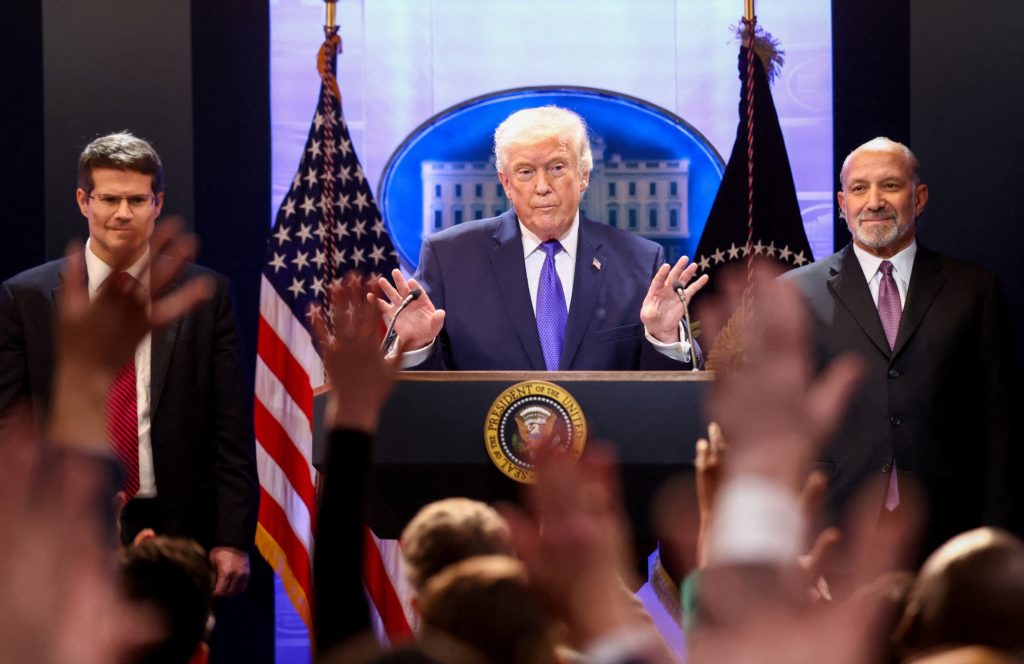
The BBC's Bernd Debusmann reported on the press briefing.
Read the Original
Want the full story? Tap a source to open the original
article.
The United States Supreme Court ruled that President Donald Trump's global tariffs were illegal. The decision stated that he did not have the authority to impose these tariffs under a 1977 law. The case will go back to a lower court to sort out potential refunds.
Key Facts
The Supreme Court found Trump's global tariffs illegal with a 6-3 vote.
Chief Justice John Roberts wrote the decision, saying the 1977 law doesn't allow sweeping tariffs.
Trump argued the tariffs were needed due to national emergencies like trade deficits and drug issues.
The court ruled the law was meant for specific emergencies, not broad trade changes.
Trump called the ruling "a disgrace."
Three justices disagreed, saying Trump could impose tariffs under other laws.
An estimated $130 billion in tariffs has been collected so far.
The case goes back to the US Court of International Trade to address possible refunds.
Read the Original
Want the full story? Tap a source to open the original
article.
The Supreme Court ruled against President Trump's authority to impose certain global tariffs. Some Republicans privately welcomed this decision as it helped avoid internal disagreements on trade policy. The ruling might lead Congress to consider new actions regarding tariffs.
Key Facts
The Supreme Court ruled 6-3 that President Trump could not impose certain tariffs without Congressional approval.
The decision specifically nullified a 10% global tariff and additional tariffs on several countries.
Other tariffs, like those on aluminum and steel, remain in place.
Some Republicans were relieved by the ruling, as it helped avoid public disputes with the President.
The ruling has potential political implications for upcoming elections.
President Trump is exploring other ways to impose tariffs using different legal powers.
Congress may need to vote on the future of remaining tariffs in a few months.
There is discussion within the Republican party about legislative efforts to support new or existing tariffs.
Read the Original
Want the full story? Tap a source to open the original
article.
The Supreme Court invalidated President Trump's tariffs but did not clarify if $175 billion in collected fees should be refunded. As a result, businesses seeking refunds must wait for a decision from the trade court. In response, President Trump plans to impose a new 10% global tariff.
Key Facts
The Supreme Court ruled against President Trump's tariffs, questioning their legality.
The court did not specify if collected tariffs, totaling $175 billion, should be refunded.
Large companies like Costco and Revlon have already sued for potential refunds.
President Trump criticized the Supreme Court for not resolving the refund issue.
He announced a new global 10% tariff to replace the overturned ones.
Justice Brett Kavanaugh suggested the ruling could lead to significant refund issues.
Businesses may wait years for the trade court to decide on refund mechanisms.
The situation affects a vast number of importers and products.
Read the Original
Want the full story? Tap a source to open the original
article.
President Donald Trump criticized the US Supreme Court after it ruled 6-3 against his global tariffs. Despite the decision, Trump announced he would impose a new 10 percent global tariff for 150 days using other legal approaches. He stated these would be additional to current tariffs on certain goods.
Key Facts
President Trump called the Supreme Court's ruling a "disgrace" after it blocked his global tariffs.
The court decision was made with a 6-3 vote, stopping Trump's use of emergency powers for tariffs.
Trump plans to enforce a new 10 percent global tariff for 150 days.
The new tariff will start in about three days.
Existing tariffs on steel, aluminum, and auto parts will remain.
Trump called the Supreme Court's liberal justices "a disgrace" and criticized conservatives who joined them.
Trump believes he can still apply tariffs using other trade authorities permitted by law.
Read the Original
Want the full story? Tap a source to open the original
article.
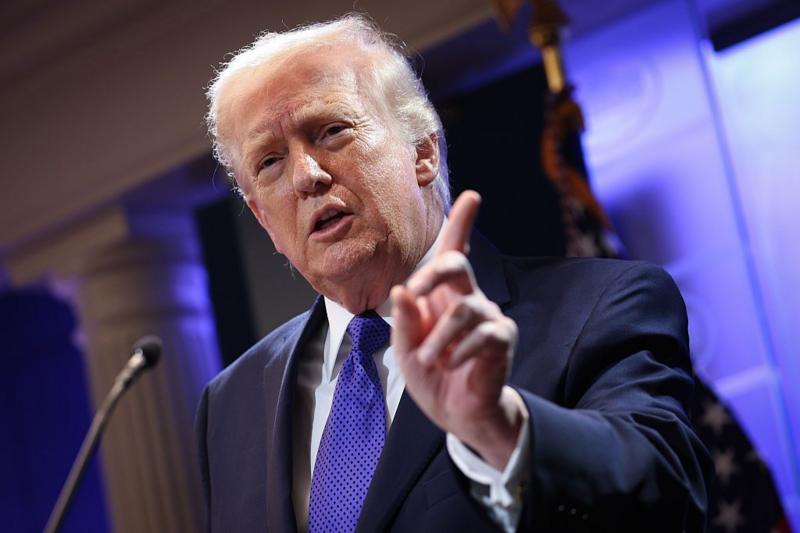
President Donald Trump criticized the Supreme Court after it blocked many of his global tariffs. Despite the ruling, he announced a new 10% tariff on worldwide imports.
Key Facts
The U.S. Supreme Court struck down the legal basis for many of President Trump's global tariffs.
President Trump described the court's decision as "deeply disappointing."
In response, President Trump announced a new 10% tariff on global imports.
Trump's announcement came after a press conference following the Supreme Court ruling.
The tariffs are a part of President Trump's economic plans.
The discussion about this event was featured in a podcast episode by Americast, a BBC News podcast series.
Read the Original
Want the full story? Tap a source to open the original
article.
Rachel Reyes, the mother of Ruben Ray Martinez, a U.S. citizen killed by a federal immigration agent in Texas last year, is seeking justice and answers. Martinez was shot during a night-time traffic stop by a Homeland Security Investigations team, an event not initially disclosed by the Department of Homeland Security. The family and their lawyers are calling for a thorough investigation into the incident.
Key Facts
Rachel Reyes is the mother of Ruben Ray Martinez, a U.S. citizen who was killed in Texas.
Martinez was shot by a federal immigration agent during a late-night traffic stop.
The Department of Homeland Security did not disclose the shooting at the time it happened.
Reyes and her family have been seeking justice and answers for over a year.
The family's lawyers demand a full investigation into why Homeland Security Investigations was involved.
There is a call for transparency and accountability in the case.
Updates to the story are ongoing as it develops.
Read the Original
Want the full story? Tap a source to open the original
article.
President Donald Trump expressed his disappointment after the U.S. Supreme Court overturned global tariffs he implemented last year. The court ruled that President Trump overstepped his authority by using a law meant for national emergencies. In response, Trump announced plans to impose a new 10% tariff using a different legal option.
Key Facts
President Donald Trump reacted to the U.S. Supreme Court's decision to strike down global tariffs he had imposed.
The Supreme Court said President Trump exceeded his authority by using a law for national emergencies to implement the tariffs.
The tariffs were supposed to affect global trade and had been in place since last year.
In response to the court's decision, President Trump plans to use section 122 of the 1974 Trade Act.
Trump announced he will issue an executive order to impose a new 10% global tariff under this section.
Read the Original
Want the full story? Tap a source to open the original
article.
President Donald Trump criticized the U.S. Supreme Court for overturning his global tariffs known as "Liberation Day" tariffs. He indicated that he does not intend to return the tariff fees already collected by the government.
Key Facts
The Supreme Court overturned President Trump's "Liberation Day" global tariffs.
President Trump criticized the Supreme Court's decision.
The tariffs affected international trade by adding extra charges on goods.
Tariffs are taxes charged on imports or exports.
President Trump stated he does not plan to return the fees collected from these tariffs.
These tariff fees had already been collected by the U.S. government.
Read the Original
Want the full story? Tap a source to open the original
article.
There are no ads, so there is no reason to bait you. Readers who chip in keep it that way. Most choose $3.99/month, and get the daily digest every morning.
President Donald Trump criticized the Supreme Court after it ruled against tariffs he had imposed. The Court decided that the President did not have the legal power to set these tariffs without a proper national emergency.
Key Facts
President Donald Trump criticized the Supreme Court.
The Court struck down tariffs that Trump imposed in 2025.
The decision was a 6-3 vote by the justices.
The Court said Trump didn't have the authority to use a law meant for emergencies to impose these tariffs.
Trump called some of the justices a "disgrace."
Read the Original
Want the full story? Tap a source to open the original
article.
The Supreme Court decided against President Trump's tariffs, stating he did not have the legal authority to impose them under the current law. In response, President Trump announced his plan to implement a 10% global tariff using a different legal approach.
Key Facts
The Supreme Court ruled against most of President Trump's tariffs.
The decision was made with six justices in favor and three against.
The court said the president lacked the authority under an economic emergency law.
President Trump plans to impose a 10% tariff globally using another law.
The discussion on the ruling included insights from legal analyst Amy Howe.
Read the Original
Want the full story? Tap a source to open the original
article.