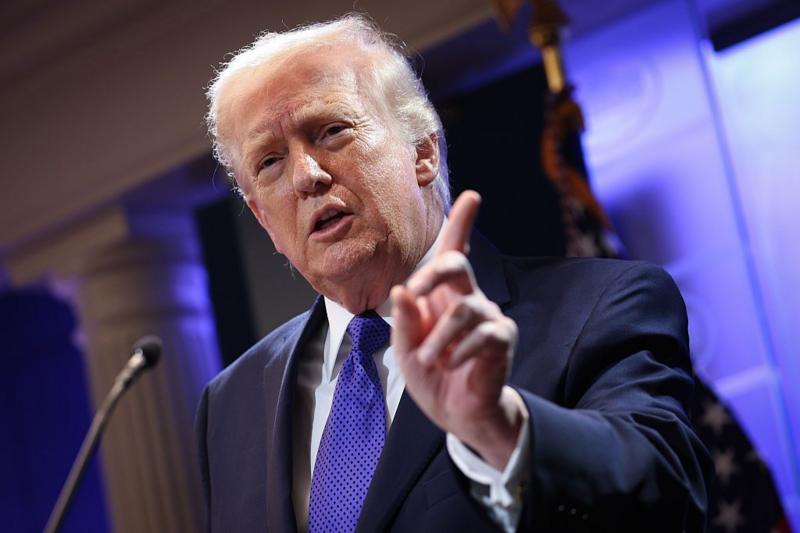
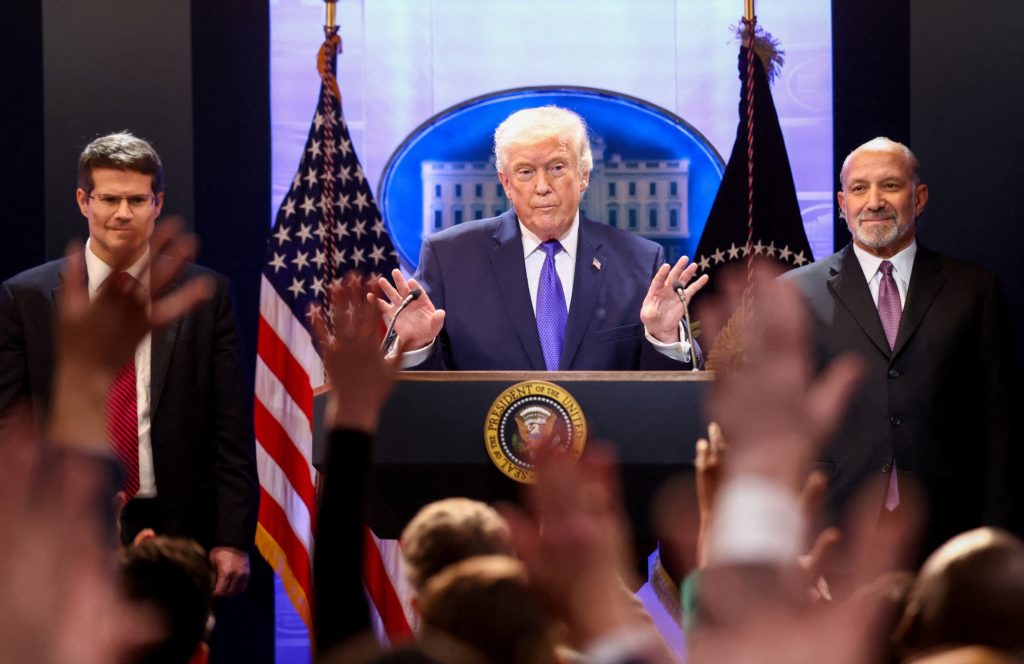
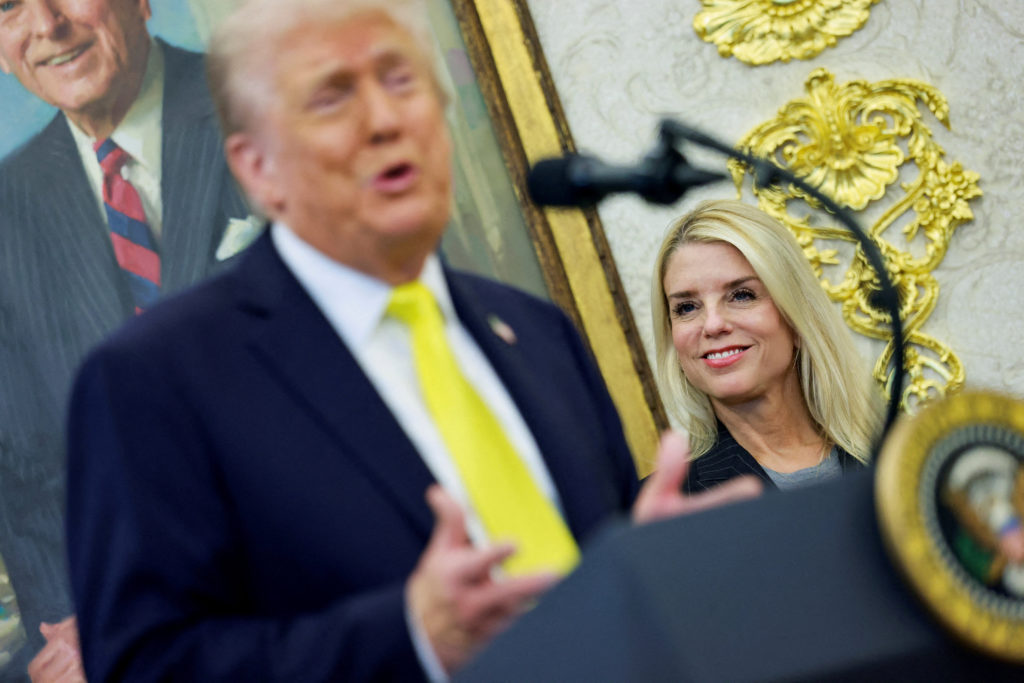
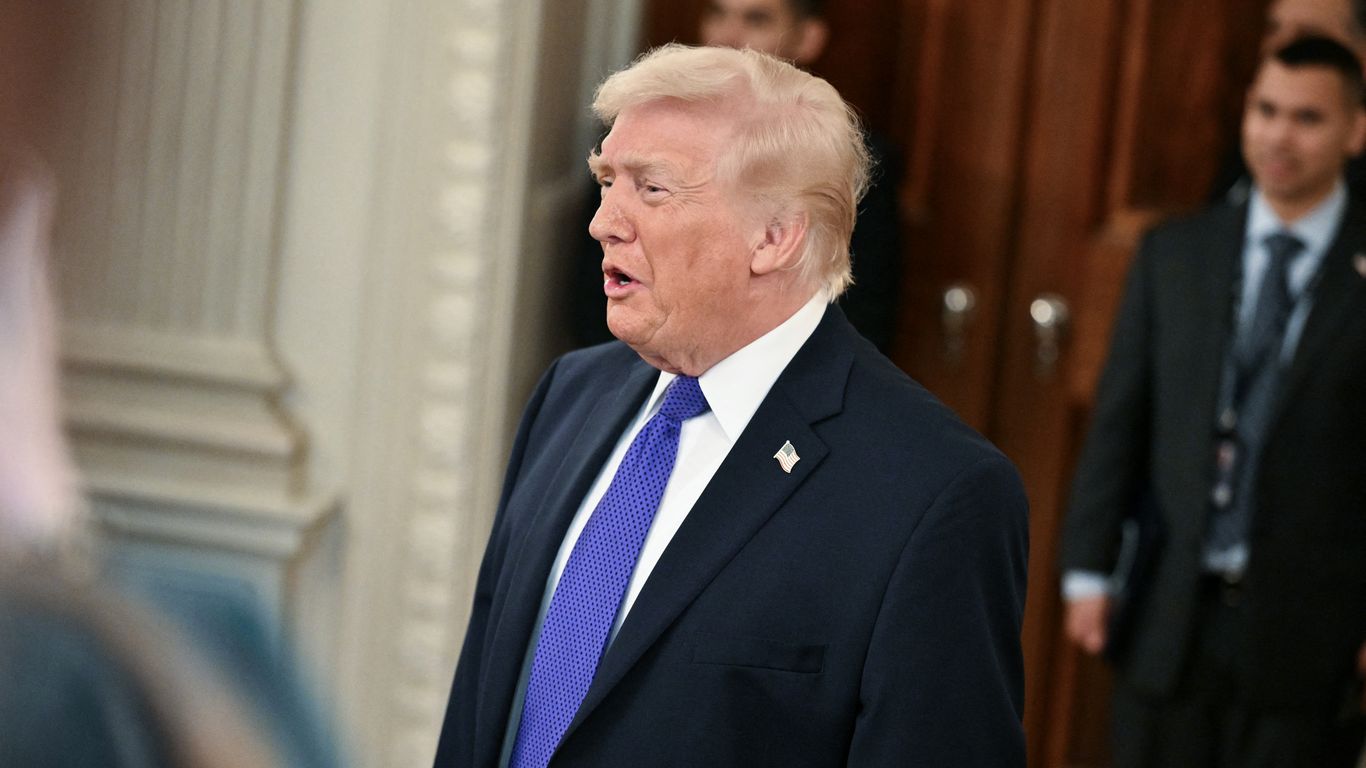
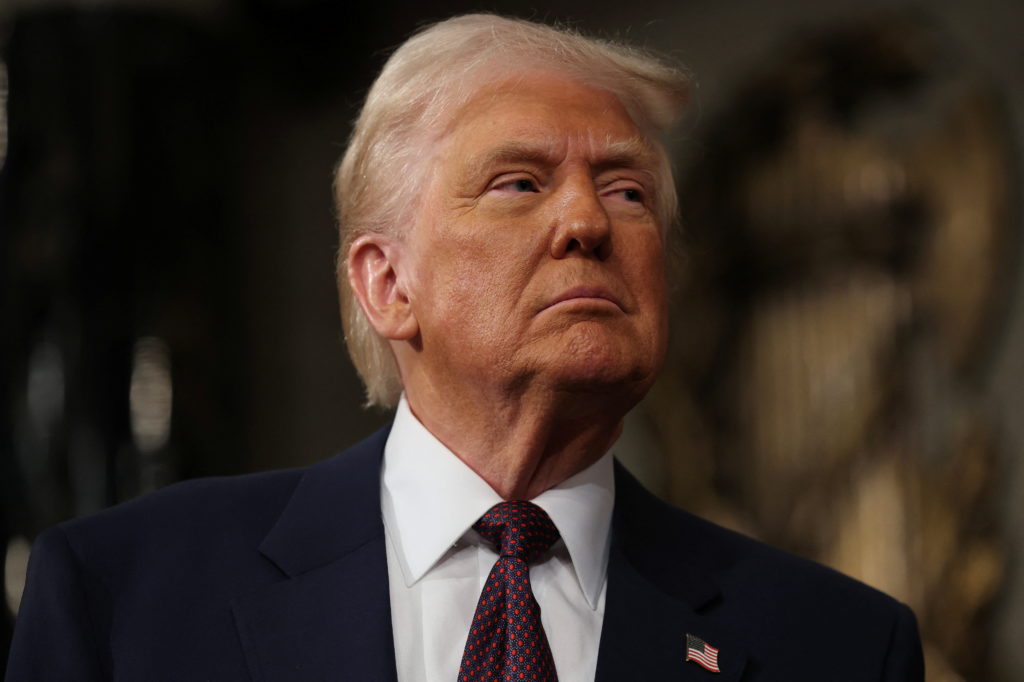
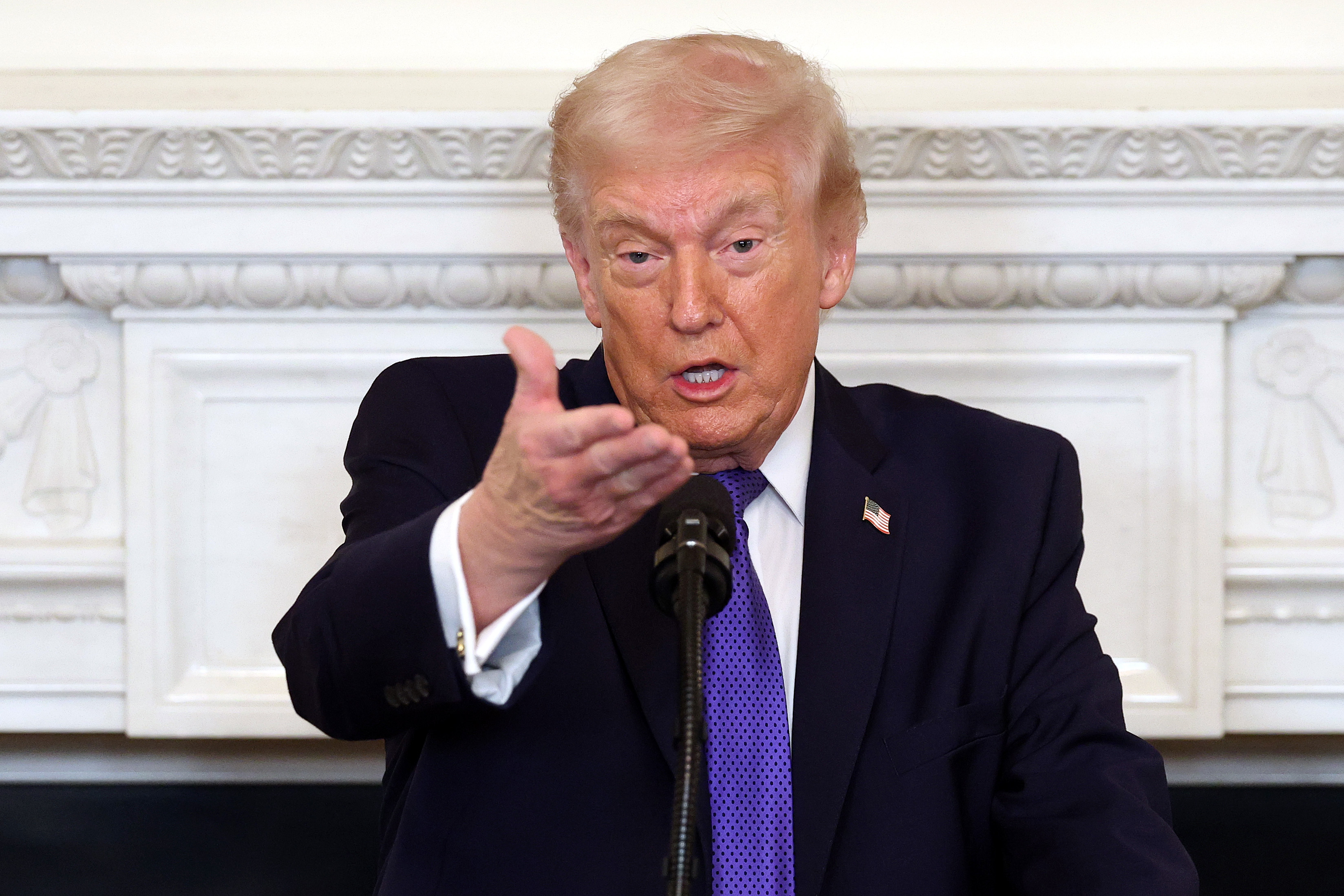
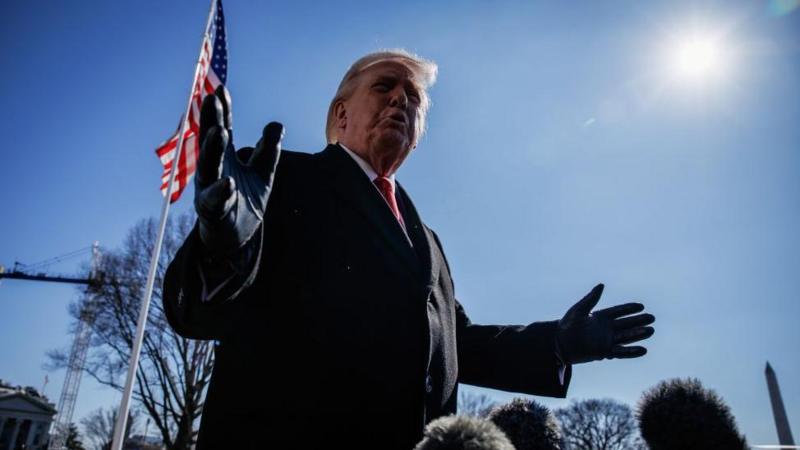
President Donald Trump criticized the US Supreme Court after it ruled 6-3 against his global tariffs. Despite the decision, Trump announced he would impose a new 10 percent global tariff for 150 days using other legal approaches. He stated these would be additional to current tariffs on certain goods.
Key Facts
President Trump called the Supreme Court's ruling a "disgrace" after it blocked his global tariffs.
The court decision was made with a 6-3 vote, stopping Trump's use of emergency powers for tariffs.
Trump plans to enforce a new 10 percent global tariff for 150 days.
The new tariff will start in about three days.
Existing tariffs on steel, aluminum, and auto parts will remain.
Trump called the Supreme Court's liberal justices "a disgrace" and criticized conservatives who joined them.
Trump believes he can still apply tariffs using other trade authorities permitted by law.
Read the Original
Want the full story? Tap a source to open the original
article.
President Donald Trump criticized the Supreme Court after it blocked many of his global tariffs. Despite the ruling, he announced a new 10% tariff on worldwide imports.
Key Facts
The U.S. Supreme Court struck down the legal basis for many of President Trump's global tariffs.
President Trump described the court's decision as "deeply disappointing."
In response, President Trump announced a new 10% tariff on global imports.
Trump's announcement came after a press conference following the Supreme Court ruling.
The tariffs are a part of President Trump's economic plans.
The discussion about this event was featured in a podcast episode by Americast, a BBC News podcast series.
Read the Original
Want the full story? Tap a source to open the original
article.
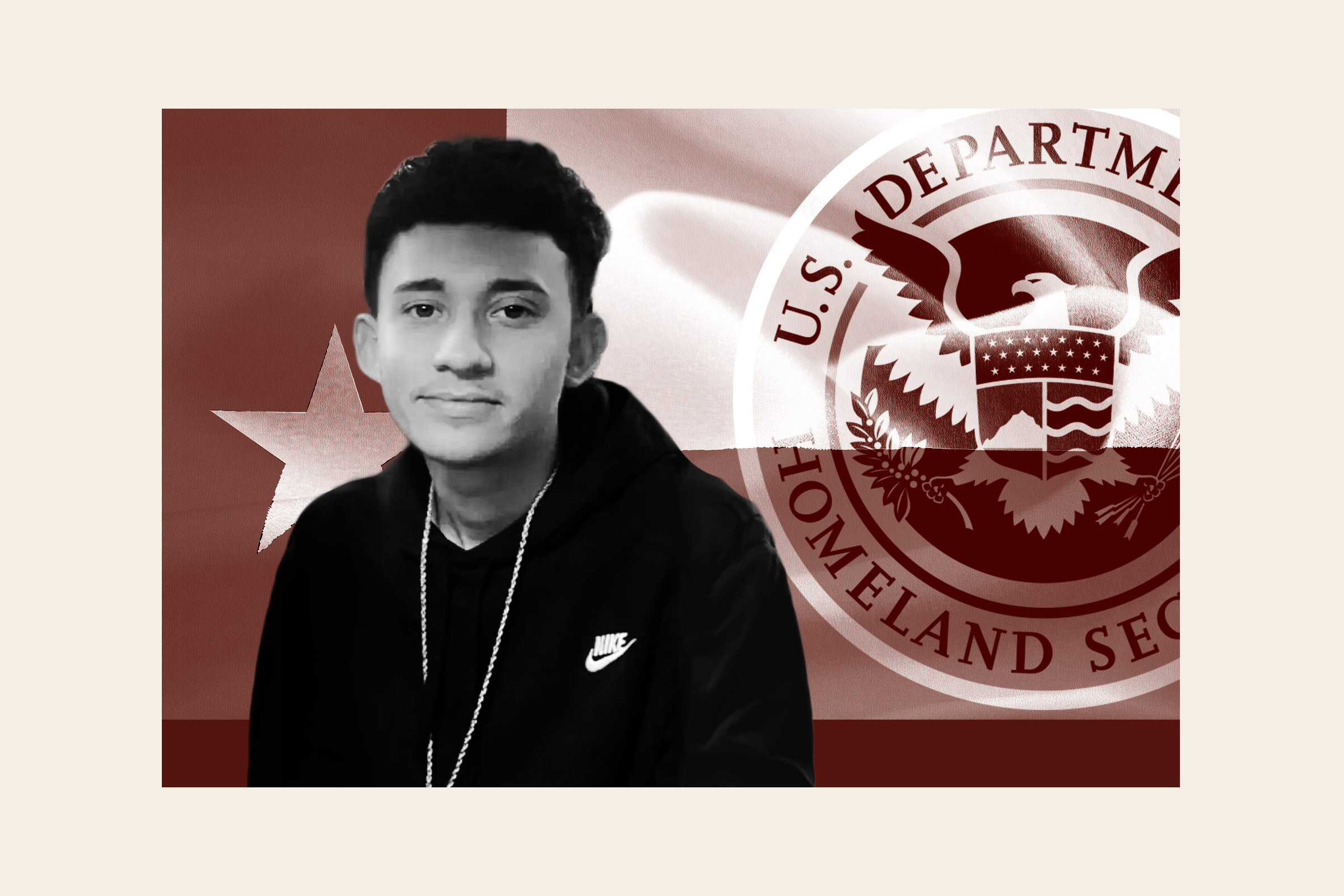
Rachel Reyes, the mother of Ruben Ray Martinez, a U.S. citizen killed by a federal immigration agent in Texas last year, is seeking justice and answers. Martinez was shot during a night-time traffic stop by a Homeland Security Investigations team, an event not initially disclosed by the Department of Homeland Security. The family and their lawyers are calling for a thorough investigation into the incident.
Key Facts
Rachel Reyes is the mother of Ruben Ray Martinez, a U.S. citizen who was killed in Texas.
Martinez was shot by a federal immigration agent during a late-night traffic stop.
The Department of Homeland Security did not disclose the shooting at the time it happened.
Reyes and her family have been seeking justice and answers for over a year.
The family's lawyers demand a full investigation into why Homeland Security Investigations was involved.
There is a call for transparency and accountability in the case.
Updates to the story are ongoing as it develops.
Read the Original
Want the full story? Tap a source to open the original
article.
President Donald Trump expressed his disappointment after the U.S. Supreme Court overturned global tariffs he implemented last year. The court ruled that President Trump overstepped his authority by using a law meant for national emergencies. In response, Trump announced plans to impose a new 10% tariff using a different legal option.
Key Facts
President Donald Trump reacted to the U.S. Supreme Court's decision to strike down global tariffs he had imposed.
The Supreme Court said President Trump exceeded his authority by using a law for national emergencies to implement the tariffs.
The tariffs were supposed to affect global trade and had been in place since last year.
In response to the court's decision, President Trump plans to use section 122 of the 1974 Trade Act.
Trump announced he will issue an executive order to impose a new 10% global tariff under this section.
Read the Original
Want the full story? Tap a source to open the original
article.
President Donald Trump criticized the U.S. Supreme Court for overturning his global tariffs known as "Liberation Day" tariffs. He indicated that he does not intend to return the tariff fees already collected by the government.
Key Facts
The Supreme Court overturned President Trump's "Liberation Day" global tariffs.
President Trump criticized the Supreme Court's decision.
The tariffs affected international trade by adding extra charges on goods.
Tariffs are taxes charged on imports or exports.
President Trump stated he does not plan to return the fees collected from these tariffs.
These tariff fees had already been collected by the U.S. government.
Read the Original
Want the full story? Tap a source to open the original
article.
President Donald Trump criticized the Supreme Court after it ruled against tariffs he had imposed. The Court decided that the President did not have the legal power to set these tariffs without a proper national emergency.
Key Facts
President Donald Trump criticized the Supreme Court.
The Court struck down tariffs that Trump imposed in 2025.
The decision was a 6-3 vote by the justices.
The Court said Trump didn't have the authority to use a law meant for emergencies to impose these tariffs.
Trump called some of the justices a "disgrace."
Read the Original
Want the full story? Tap a source to open the original
article.
The Supreme Court decided against President Trump's tariffs, stating he did not have the legal authority to impose them under the current law. In response, President Trump announced his plan to implement a 10% global tariff using a different legal approach.
Key Facts
The Supreme Court ruled against most of President Trump's tariffs.
The decision was made with six justices in favor and three against.
The court said the president lacked the authority under an economic emergency law.
President Trump plans to impose a 10% tariff globally using another law.
The discussion on the ruling included insights from legal analyst Amy Howe.
Read the Original
Want the full story? Tap a source to open the original
article.
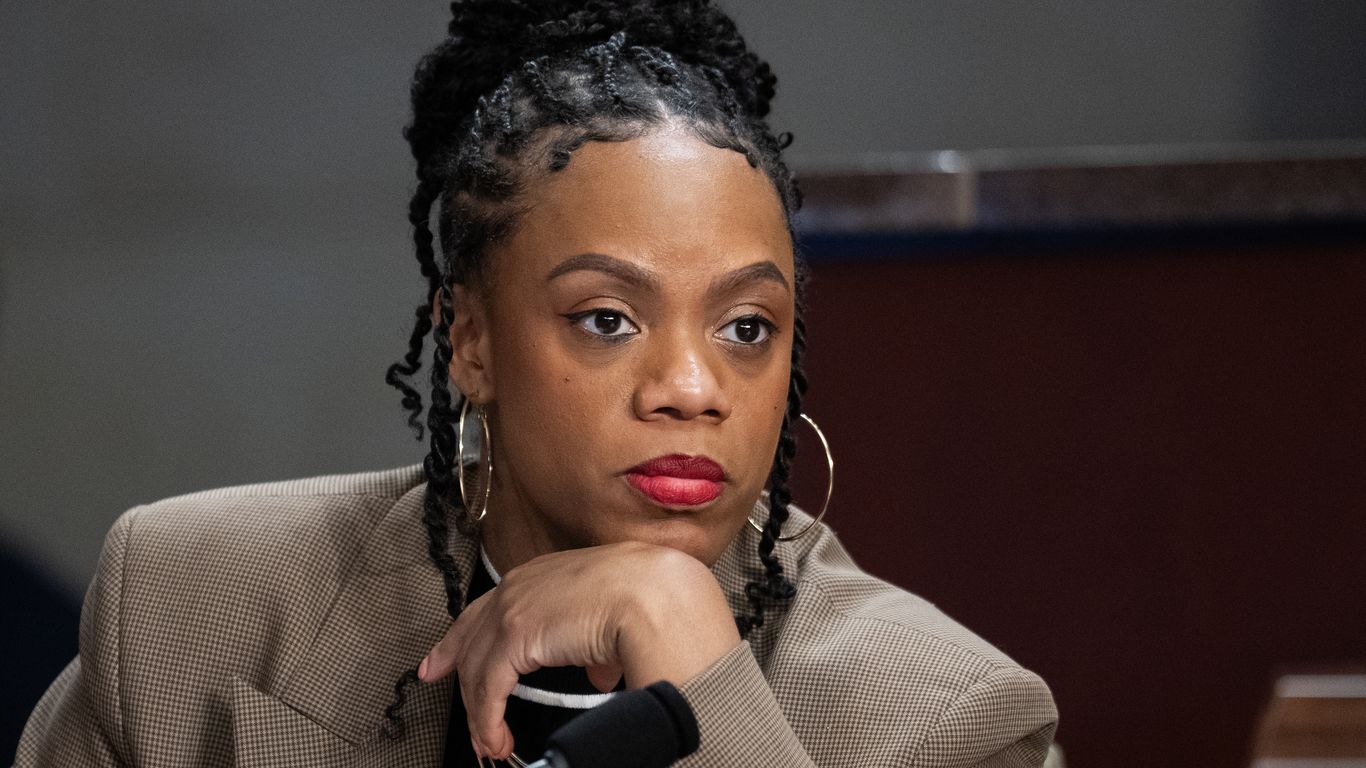
Rep. Summer Lee will deliver the Working Families Party's response to President Trump's State of the Union address. This response is part of a tradition where rising stars on the left share their views after the President's speech. The main Democratic response will be provided by Virginia Governor Abigail Spanberger, highlighting differences within the Democratic Party.
Key Facts
Rep. Summer Lee is from Pennsylvania and will speak for the progressive Working Families Party.
This response follows a tradition of rising stars delivering speeches, with past speakers like Reps. Ayanna Pressley and Rashida Tlaib.
Lee plans to address concerns about a "rigged system" favoring the wealthy.
The main Democratic response will come from Virginia Governor Abigail Spanberger.
Spanberger represents a more moderate view within the Democratic Party.
The speeches happen amid Democratic Party debates between progressive and moderate factions.
Progressive and moderate Democrats are competing in primary elections across the country.
House Minority Leader Hakeem Jeffries has encouraged Democrats to quietly attend or boycott the State of the Union, avoiding protests inside the chamber.
Read the Original
Want the full story? Tap a source to open the original
article.
President Donald Trump, now in his second term, has included individuals in his administration who previously supported his false claims about the 2020 election. These include people in high positions, such as the attorney general and lawyers in the Justice Department, like Kurt Olsen, who now lead efforts related to that election.
Key Facts
President Donald Trump claims the 2020 election was fraudulent, despite being investigated.
Several people in Trump's current administration supported these false claims.
Kurt Olsen, who pushed false 2020 election claims earlier, is now leading a new investigation into the election.
The Justice Department's lawyers, influenced by these claims, are involved in related lawsuits.
In January, authorities seized ballots and records from Fulton County, Georgia, related to 2020 claims.
Fulton County has been a focus due to its history of election conspiracy theories aligned with Trump.
Read the Original
Want the full story? Tap a source to open the original
article.
The US Supreme Court ruled against President Trump's use of a national emergency declaration to enforce widespread global tariffs. This decision affects how tariffs, or taxes on imported goods, are applied when linked to national emergencies.
Key Facts
The US Supreme Court made a decision against President Trump's tariff policy.
These tariffs were linked to a national emergency declaration.
The ruling affects how future tariffs can be imposed in similar situations.
President Trump used a national emergency as a reason for these tariffs.
The Court clarified that the United States is not at war with every nation, influencing their decision.
Read the Original
Want the full story? Tap a source to open the original
article.
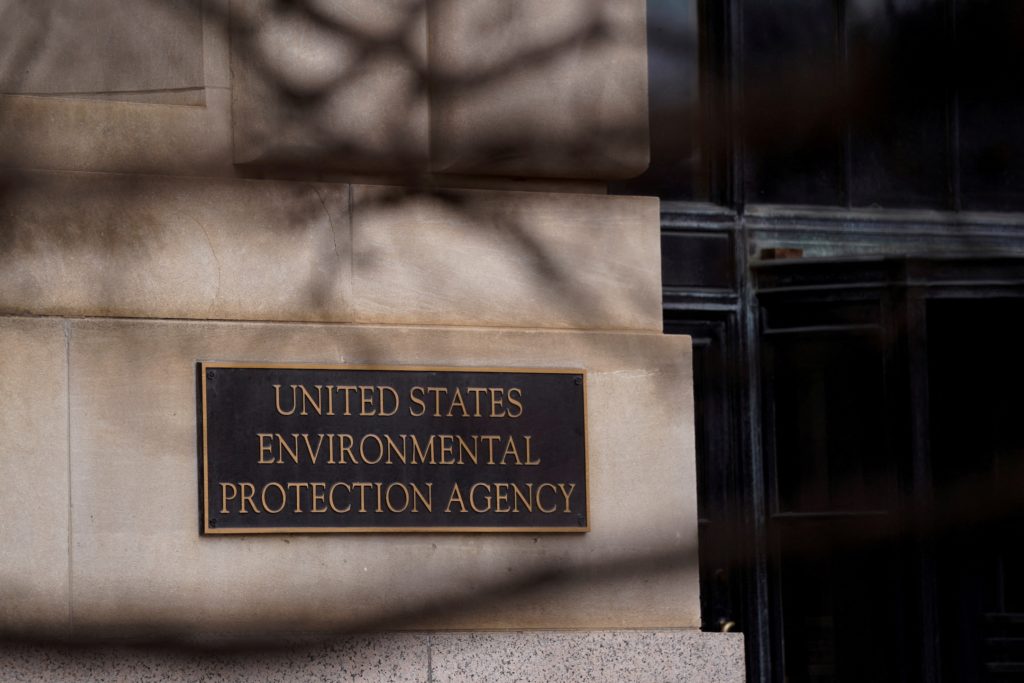
The Environmental Protection Agency (EPA) plans to reduce restrictions on toxic emissions from coal power plants. This change might allow plants to release more harmful pollutants like mercury. Some groups believe this could harm people's health and increase medical costs.
Key Facts
The EPA is scaling back rules on toxic emissions from coal-burning power plants.
The changes could allow more pollutants, such as mercury, to be released.
Mercury and other pollutants can be harmful to human health.
The rollback of these limits might lead to higher health care expenses.
Environmental groups, like the Natural Resources Defense Council, are expressing concerns.
Discussions took place with John Walke from the Natural Resources Defense Council about the potential impacts.
Read the Original
Want the full story? Tap a source to open the original
article.
President Trump expressed disappointment after the Supreme Court ruled against his wide-ranging tariffs plan. He believed the tariffs would help grow the U.S. economy and reduce national debt.
Key Facts
President Trump said he is "absolutely ashamed" of the Supreme Court's decision.
The case related to Trump's tariffs was described by him as the "most important case ever."
The Supreme Court's decision is seen as a setback to Trump's economic and foreign policy.
Trump hoped the tariffs would boost the U.S. economy and pay down national debt.
The Supreme Court ruled that Trump's global tariffs were illegal.
Trump mentioned he might need to find new solutions if tariffs are not allowed.
He previously argued that removing tariffs could affect U.S. national security.
Read the Original
Want the full story? Tap a source to open the original
article.
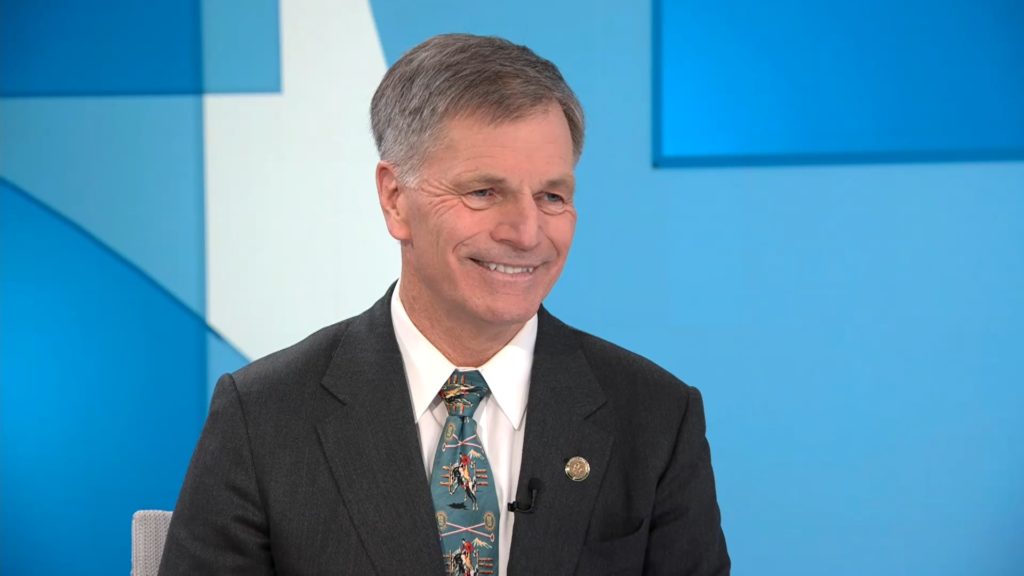
President Trump met with governors from both political parties at the White House. At the same time, the Supreme Court ruled against tariffs, which might impact states like Wyoming. Wyoming's economy heavily depends on trade and energy production.
Key Facts
President Trump held a meeting with governors from different political parties at the White House.
The Supreme Court announced a major decision against tariffs during the meeting.
Tariffs had been affecting several states, including Wyoming.
Wyoming relies significantly on trade and energy production for its economic stability.
The effects of the Supreme Court's ruling on Wyoming were discussed with Governor Mark Gordon.
Read the Original
Want the full story? Tap a source to open the original
article.
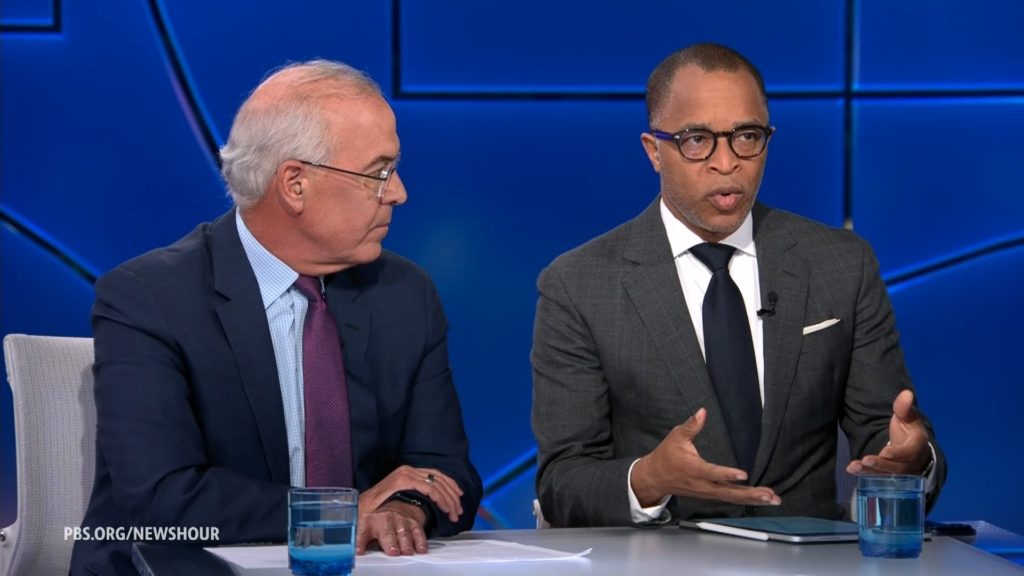
David Brooks and Jonathan Capehart discussed recent political events. They talked about the Supreme Court's decision on tariffs, President Trump's comments about the justices, the Board of Peace's first meeting, and remembered Rev. Jesse Jackson after his passing.
Key Facts
The conversation included the Supreme Court's ruling on tariffs.
President Trump criticized members of the Supreme Court.
There was the first meeting of a newly formed Board of Peace.
Rev. Jesse Jackson's contributions were remembered following his passing.
The discussion was part of a political analysis hosted by Geoff Bennett.
Read the Original
Want the full story? Tap a source to open the original
article.
President Donald Trump will give his first State of the Union address of his second term on February 24, 2026. This speech will be live at 6 p.m. EST and is an important moment for him to discuss his administration's achievements and future goals.
Key Facts
The address is President Trump's first State of the Union in his second term.
It will take place on February 24, 2026, before Congress and the nation.
Live coverage starts at 6 p.m. Eastern Standard Time.
The speech will cover topics like mass deportation, deregulation, and "law and order."
President Trump will also discuss efforts to resolve global conflicts.
The address is a chance to support his party before the midterm elections in November.
Read the Original
Want the full story? Tap a source to open the original
article.
A U.S. federal judge criticized the Department of Justice lawyers for not having the needed resources and training to handle immigration cases properly. The judge noted failures in a specific case where the government did not comply with court orders regarding the release of a detained man. This situation is part of broader issues related to immigration enforcement under President Donald Trump's administration.
Key Facts
A federal judge said U.S. attorneys working on immigration cases lack resources and training.
Judge Provinzino from the U.S. Minnesota District Court highlighted these issues in an order.
The case involved Rigoberto Soto Jimenez, who filed a habeas corpus writ challenging his detention.
The court ordered Soto Jimenez's release by February 13, but the government did not comply as instructed.
Soto Jimenez was released in Texas instead of Minnesota and without his identification documents.
The judge found Special Assistant U.S. Attorney Isihara in civil contempt for not following court orders.
A $500 daily fine was imposed for each day after February 19 that Soto Jimenez remained without his documents.
Immigration enforcement has been a focal point during President Trump's administration, leading to protests and scrutiny.
Read the Original
Want the full story? Tap a source to open the original
article.
The National Governors Association (NGA) winter meeting faced political attention due to President Donald Trump's decision not to invite two Democratic governors to a White House breakfast event. Despite the tension, NGA Chair Kevin Stitt emphasized unity among governors. Poll results presented during the event highlighted Americans' desire for less political drama.
Key Facts
The NGA winter meeting usually focuses on bipartisan cooperation but faced unusual attention this year.
President Trump did not invite Democratic Governors Wes Moore and Jared Polis to the White House breakfast event.
NGA Chair Kevin Stitt, a Republican, tried to calm tensions and called for unity among governors.
Trump stated on Truth Social that Moore and Polis were excluded due to specific disagreements.
Democratic Governors Polis and Moore previously held leadership roles in the NGA.
Poll results showed that many Americans feel more divided than united and desire less political conflict.
54 percent of Americans have a positive view of their governors compared to the federal government.
Read the Original
Want the full story? Tap a source to open the original
article.
The No Kings protest group has planned a nationwide day of action in the U.S. on March 28 to oppose President Donald Trump's administration. They have mapped out cities and towns where protests will occur. The group has organized similar protests in the past against what they describe as unjust policies by the administration.
Key Facts
The No Kings group organized 1,800 protests on June 14, President Trump's birthday.
There was some violence during past protests, including a vehicular attack in Virginia.
Over 1,000 local protest events are confirmed for March 28, including a major event in the Minneapolis-Saint Paul area.
The group claims millions attended their protests in June and October.
No Kings has started a training program to monitor immigration officials, with 260,000 participants so far.
In October, over 2,700 events took place nationwide against President Trump’s policies.
Events in cities like New York, Boston, and Chicago attracted over 100,000 attendees each.
Read the Original
Want the full story? Tap a source to open the original
article.
On the biggest stories we show what the outlets agree on and where they differ. Readers keep that going, and get the daily digest by email every morning. Most choose $3.99/month.
An ICE Homeland Security Investigations agent in South Padre Island, Texas, shot and killed Ruben Ray Martinez, a U.S. citizen, on March 15, 2025. The incident occurred after Martinez allegedly drove his car into another federal agent. The Texas Rangers are investigating the shooting.
Key Facts
Ruben Ray Martinez was killed by a Homeland Security Investigations agent on March 15, 2025.
The shooting happened in South Padre Island, Texas.
Martinez reportedly intentionally drove over another federal agent.
The involved agent fired in defense, according to the Department of Homeland Security.
The Texas Rangers are currently investigating the incident.
The Texas Department of Public Safety confirmed the investigation's ongoing status.
The FBI is not part of the investigation.
Newsweek is seeking more information through public records requests.
Read the Original
Want the full story? Tap a source to open the original
article.
The U.S. Supreme Court ruled that President Trump cannot unilaterally impose tariffs, citing that Congress has that power. This decision limits the president's ability to use tariffs as part of his trade policy, requiring options that involve more regulation and justification. The ruling might require the Trump administration to consider returning tariff revenues collected recently.
Key Facts
The Supreme Court ruled that only Congress can impose tariffs, not the president.
The decision was based on the Emergency Economic Powers Act of 1977, which does not give the president broad tariff powers.
The ruling limits President Trump's ability to use tariffs as part of his trade strategy.
The court's decision may lead to the Trump administration possibly needing to return some of the tariff revenue collected.
Options for imposing tariffs now require detailed reports and have limitations in scope and duration.
President Trump could seek explicit authorization from Congress to regain tariff powers.
The ruling suggests a significant check on presidential powers by the Supreme Court.
Read the Original
Want the full story? Tap a source to open the original
article.