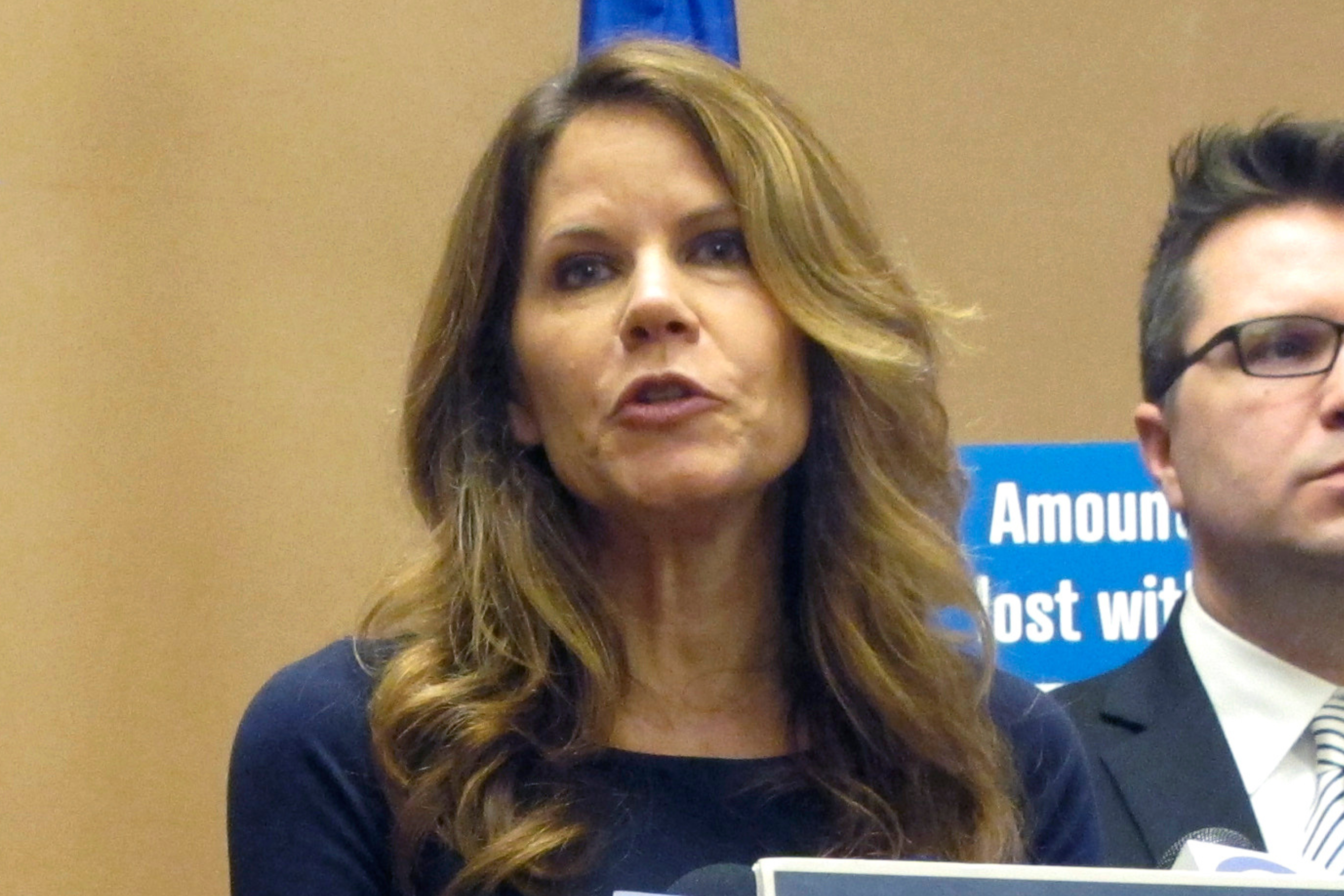
Caleb Flynn, a past contestant of "American Idol," was charged with the murder of his wife, Ashley Flynn, after calling 911 to report a break-in at their home where she was found dead. Police in Ohio charged Flynn with murder and other offenses, and he has pleaded not guilty in court.
Key Facts
Caleb Flynn called 911, claiming someone broke into his home and shot his wife.
Ashley Flynn, 37, was found dead in their home in Tipp City, Ohio.
Caleb Flynn faces charges including one count of murder and two counts of felonious assault.
Police found probable cause to arrest Flynn for his wife's murder.
Flynn used a 9mm handgun, according to court documents.
Ashley Flynn worked as a substitute teacher and was remembered fondly by her community.
Caleb Flynn appeared on "American Idol" in 2013 and said he loved his wife.
Flynn pleaded not guilty, and his bail is set at $2 million.
Read the Original
Want the full story? Tap a source to open the original
article.
A fundraiser for Gabrielle "Sam" Linehan, a former Team USA synchronized skater, has raised over $60,000 after she was shot and killed at a Starbucks drive-thru in St. Louis, Missouri. The funds will cover immediate expenses and create a scholarship in her name, while the suspect in the shooting has been charged with murder.
Key Facts
Gabrielle "Sam" Linehan, a 28-year-old former Team USA skater, was killed in St. Louis, Missouri.
She was shot at a Starbucks drive-thru on February 10, 2026.
A GoFundMe fundraiser for her family has raised over $61,000.
Funds will cover expenses like cremation and a scholarship in her name.
The suspect in the case, Keith Lamon Brown, faces charges including first-degree murder.
A celebration of life event for Linehan is planned for March 2.
The St. Louis Synergy team described her as a cherished coach and mentor.
Police are seeking more information about the incident.
Read the Original
Want the full story? Tap a source to open the original
article.
A woman was charged with animal abandonment and resisting arrest after leaving her dog at Las Vegas airport. She allegedly left the dog because she didn't have the right papers to fly with it. The animal is now in foster care, and many have shown interest in adopting it.
Key Facts
A woman left her two-year-old golden doodle/mini poodle at Harry Reid International Airport in Las Vegas.
She was charged with animal abandonment and resisting arrest.
The dog was found tied to a baggage sizer after travelers informed the police.
The woman did not have the necessary documents to travel with the dog as a service animal.
She claimed the dog had a tracking device and would find its way back to her.
The dog, nicknamed Jet Blue, was taken to Animal Protective Services and later to a charity.
Many people have asked to adopt the dog from Retriever Rescue of Las Vegas.
Read the Original
Want the full story? Tap a source to open the original
article.
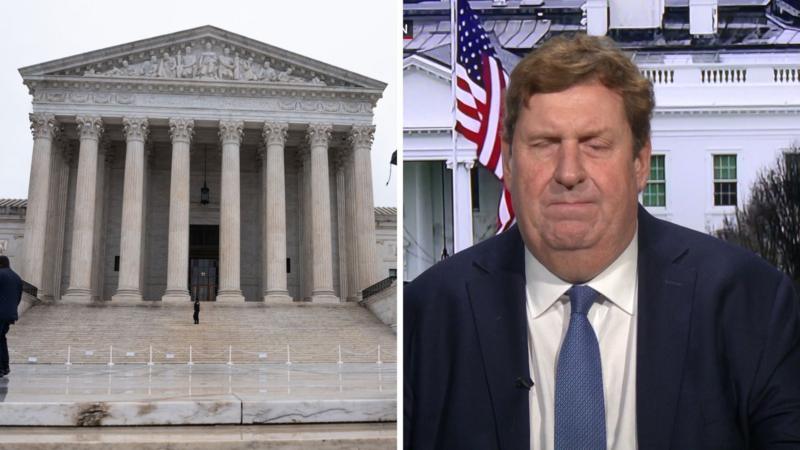
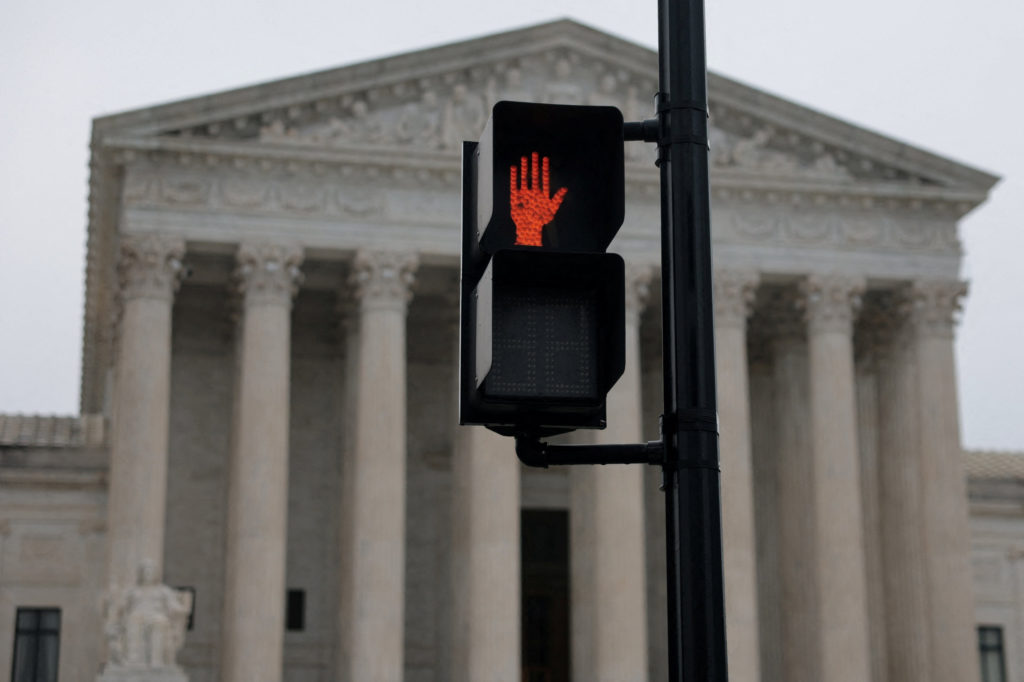
The US Supreme Court decided that President Trump did not have the authority to impose certain tariffs using a law meant for national emergencies. This ruling affects President Trump's economic plans and was possibly anticipated by his administration.
Key Facts
The US Supreme Court ruled against tariffs imposed by President Trump.
The ruling was made with a 6-3 majority by the court.
The court stated President Trump exceeded his authority with these tariffs.
The tariffs were imposed using a law intended for national emergencies.
This decision impacts President Trump's economic agenda.
The administration may have expected this ruling.
Read the Original
Want the full story? Tap a source to open the original
article.
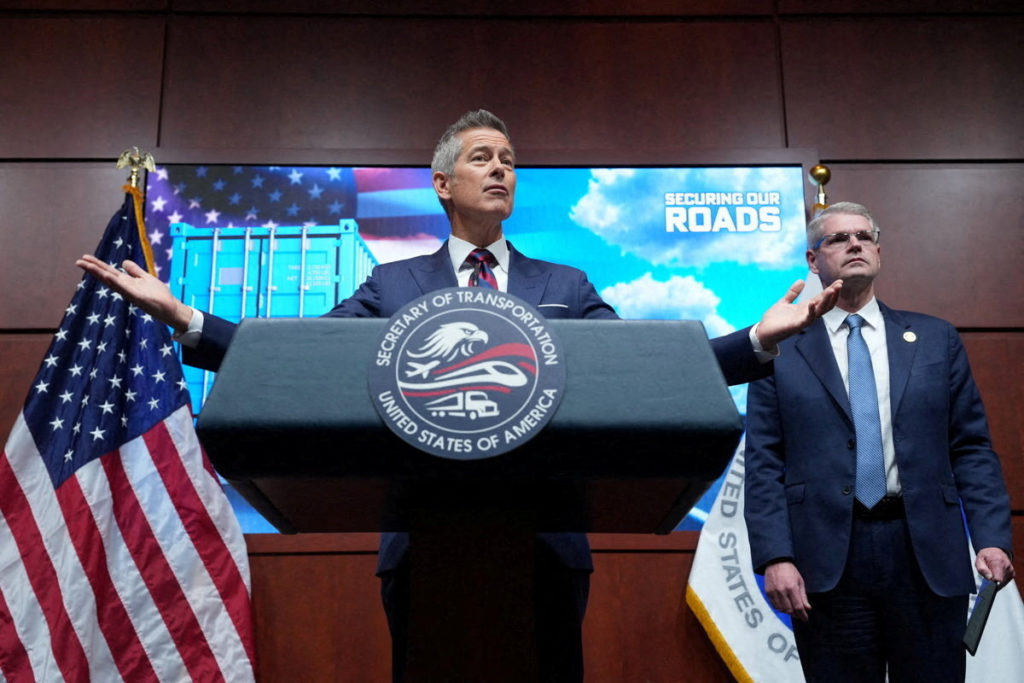
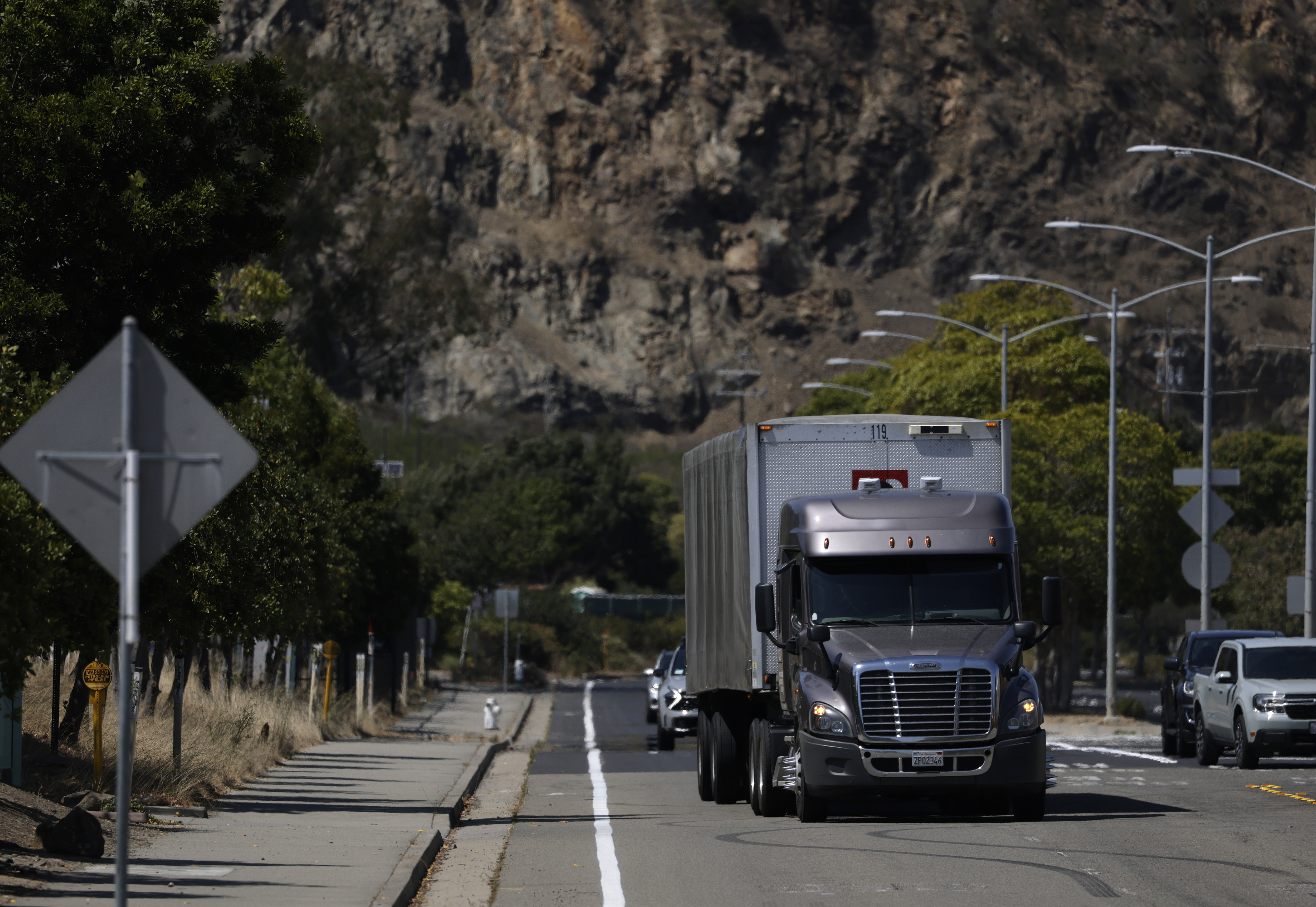
The U.S. Transportation Department requires all commercial driver's license tests to be taken in English, aiming to improve road safety. This change is part of a larger effort to ensure drivers are qualified and to shut down unsafe driving schools and fraudulent trucking companies.
Key Facts
All commercial driver's license (CDL) tests must now be in English.
The goal is to improve safety by ensuring drivers can read road signs and communicate with law officers.
Florida has already started giving tests only in English.
Previously, some states allowed tests in multiple languages, like California offering 20 languages.
Secretary Duffy highlighted problems with some testing companies not checking if drivers are really qualified.
The Transportation Department found 557 driving schools failing safety standards.
Officials are targeting companies using multiple names to dodge rules, known as "chameleon carriers."
Following a deadly crash in Indiana, linked companies and the driver’s school faced penalties.
Read the Original
Want the full story? Tap a source to open the original
article.
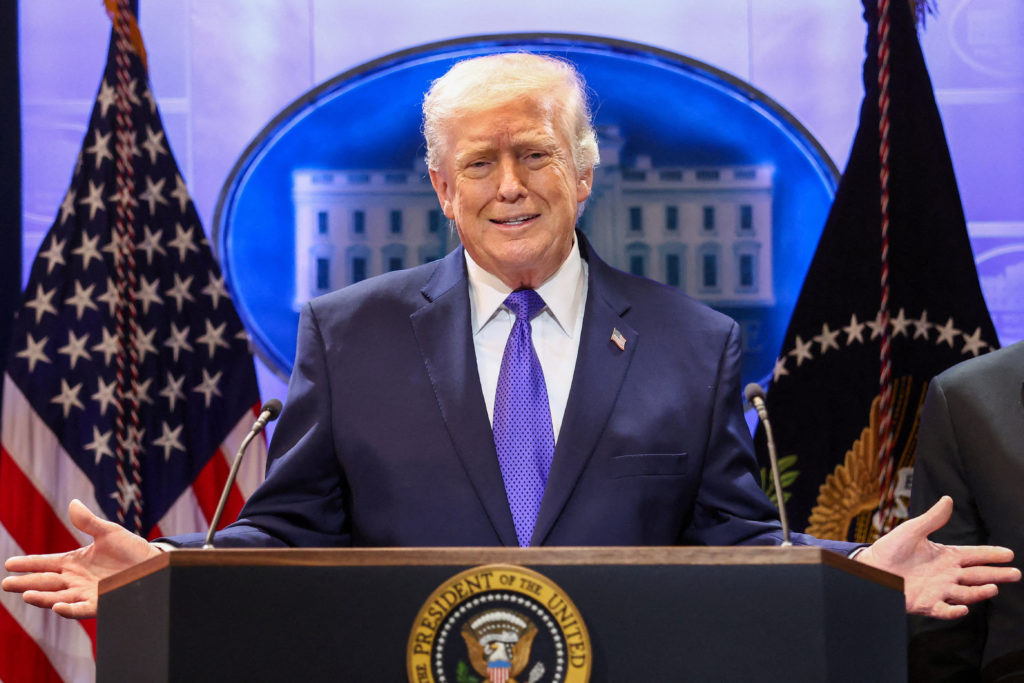
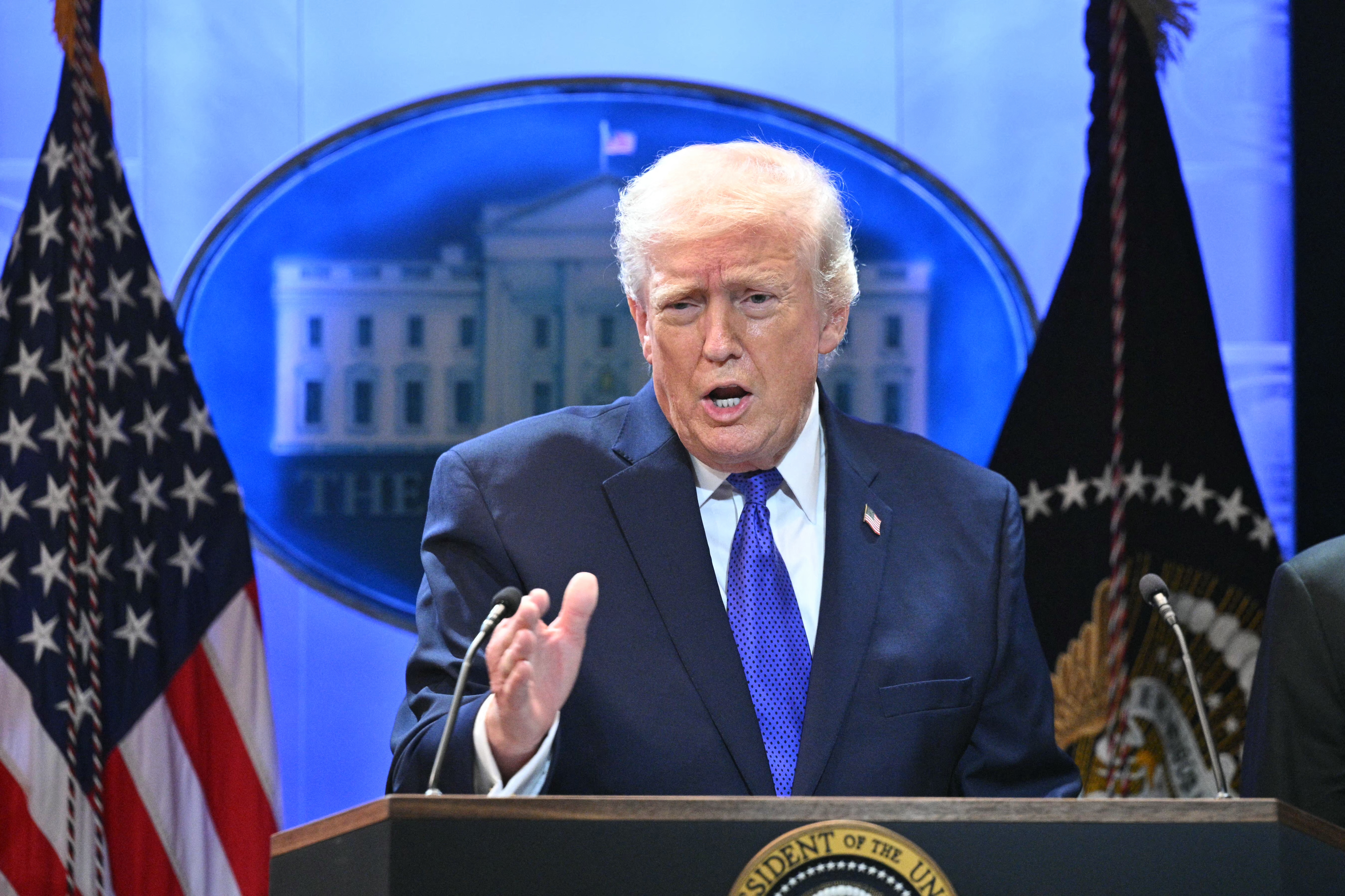
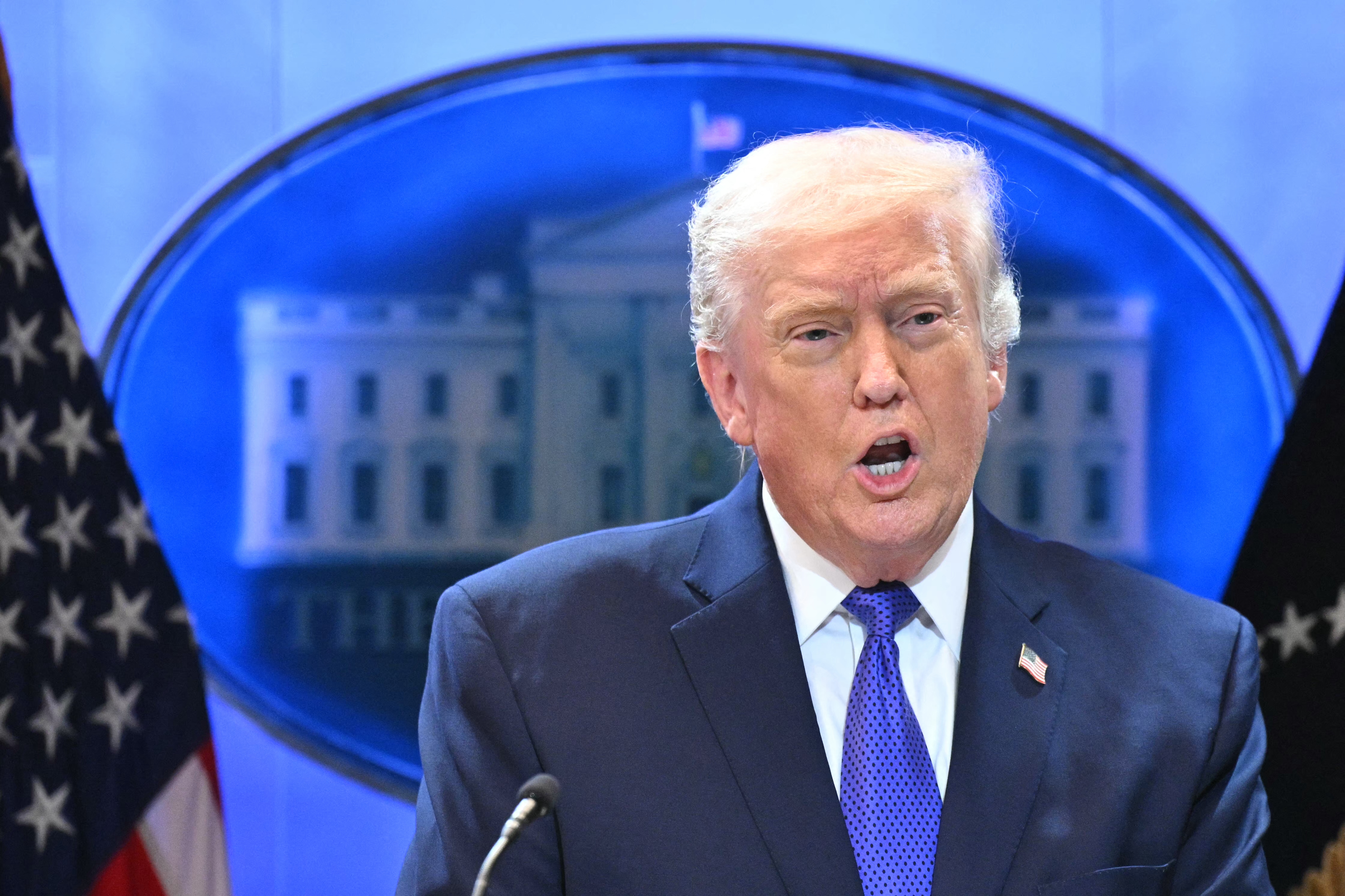
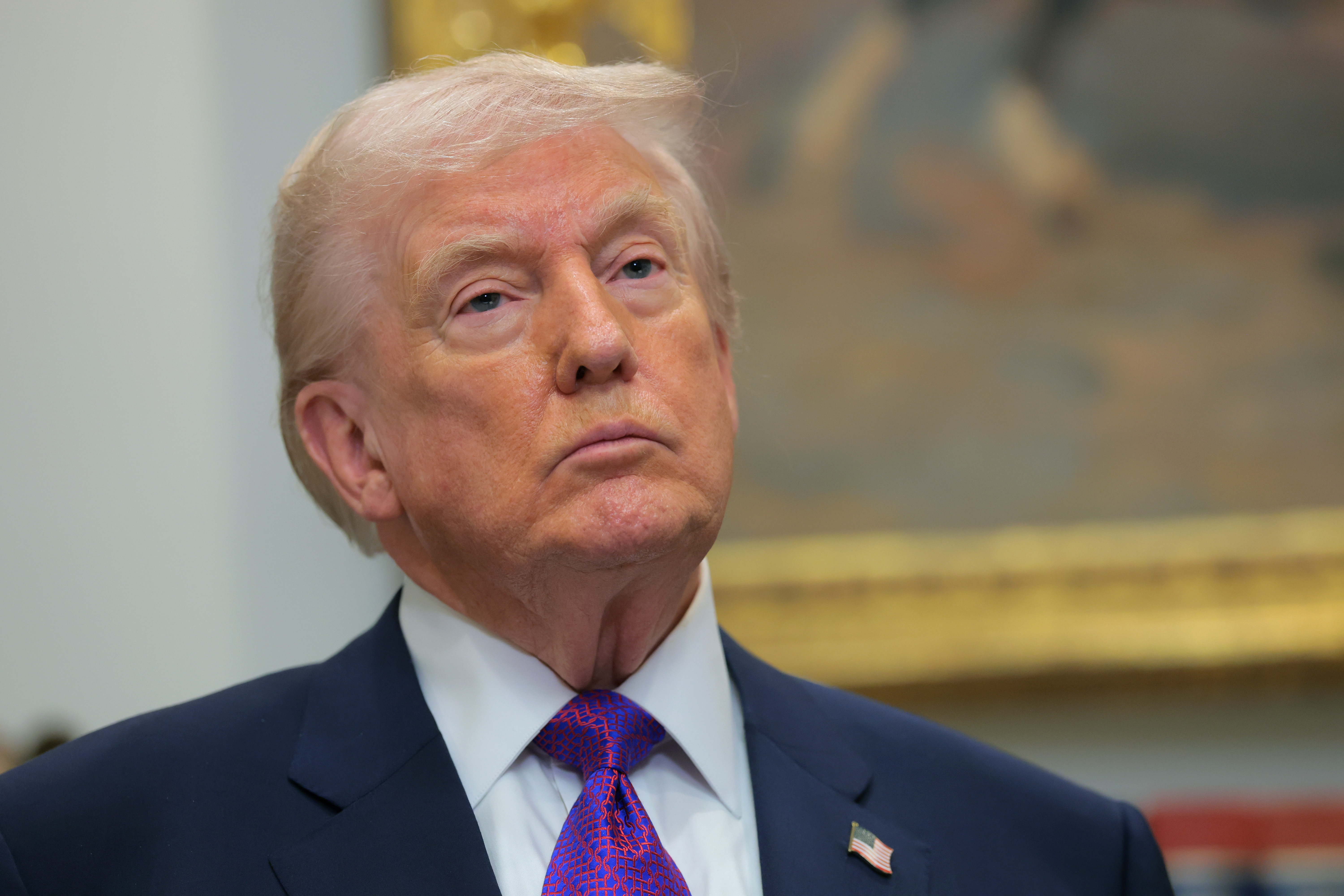
President Donald Trump criticized the U.S. Supreme Court after it blocked the global tariffs he had set using emergency powers. He expressed disappointment with most of the justices, except for three who disagreed with the ruling.
Key Facts
President Trump criticized the Supreme Court for stopping the global tariffs he imposed.
The tariffs were set using the International Emergency Economic Powers Act.
The Supreme Court's decision was 6-3 against the tariffs.
Justices Thomas, Alito, and Kavanaugh were the three who disagreed with the majority decision.
President Trump expressed pride in these three justices for their dissent.
He held a news conference to discuss his reaction to the court's ruling.
Read the Original
Want the full story? Tap a source to open the original
article.
A new rule will require all truck and bus drivers in the U.S. to take their commercial driver's license tests in English. The Transportation Secretary says this change aims to improve road safety.
Key Facts
The new rule affects truck and bus drivers.
Drivers must take their commercial license tests in English.
The change is due to safety concerns.
The rule aims to ensure drivers can read road signs.
Drivers must also be able to communicate with police officers.
Recent incidents with foreign-born drivers contributed to this decision.
The announcement was made by the U.S. Secretary of Transportation, Sean Duffy.
Read the Original
Want the full story? Tap a source to open the original
article.
The United States Supreme Court has struck down President Donald Trump's use of tariffs under a law intended for national emergencies. The court decided that the president exceeded his authority by imposing these tariffs without clear permission from Congress. The ruling affects global trade and financial markets.
Key Facts
The Supreme Court ruled 6-3 against President Trump's use of tariffs under a 1977 law.
The decision says the president cannot impose such tariffs without clear authorization from Congress.
The Constitution gives Congress the power to impose taxes and tariffs.
President Trump used tariffs as a key tool in economic and foreign policy, leading to a global trade war.
Businesses and 12 Democratic-governed states challenged the tariffs in court.
Chief Justice John Roberts wrote the majority opinion.
Justices Alito, Thomas, and Kavanaugh disagreed with the majority ruling.
The ruling does not clarify if companies can get refunds for tariff payments.
The tariffs collected over $175 billion, and the amount may need refunding.
Read the Original
Want the full story? Tap a source to open the original
article.
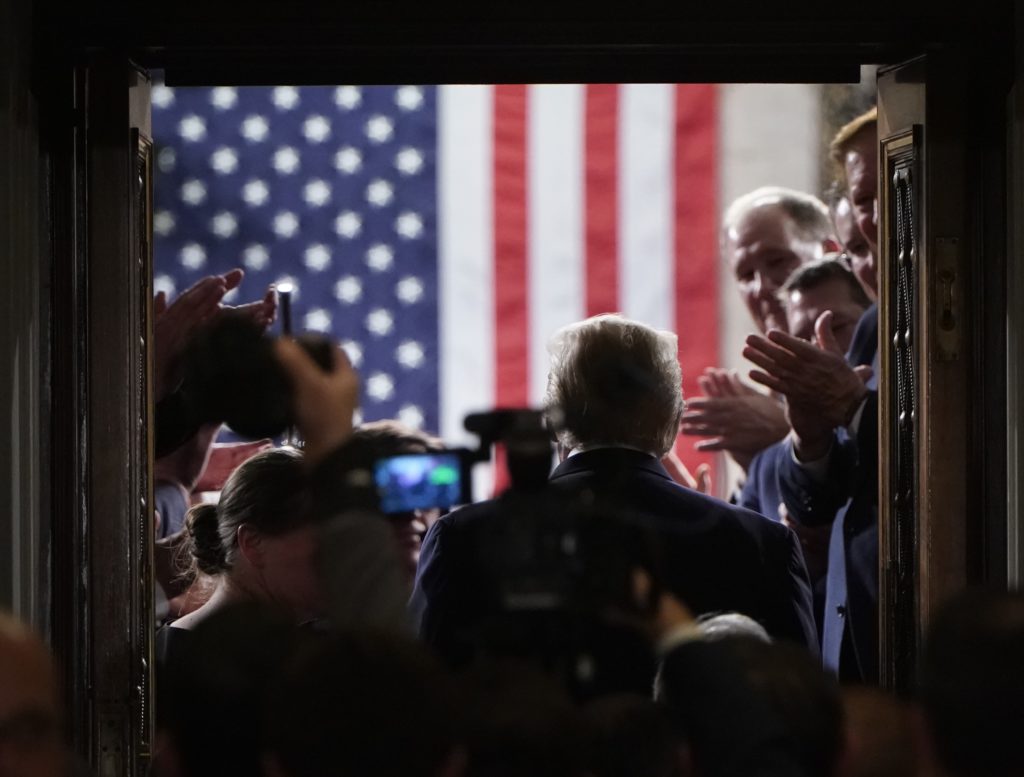
President Donald Trump will give his first State of the Union address of his second term on February 24, 2026. This speech comes after over a year of significant actions and challenges, including a setback from the Supreme Court and ongoing political conflicts.
Key Facts
President Donald Trump will speak to the nation on February 24, 2026.
This is his first State of the Union address since starting his second term.
The speech follows 13 months of rapid policy changes and executive orders.
The Supreme Court recently struck down Trump's tariffs, affecting his agenda.
There is a partial shutdown of the Department of Homeland Security due to immigration policy disagreements.
There are ongoing concerns about economic policies and leadership.
Questions remain about the administration's handling of the Jeffrey Epstein investigation.
Read the Original
Want the full story? Tap a source to open the original
article.
Chris Taylor, considered a liberal candidate, is favored to win a seat on the Wisconsin Supreme Court over her conservative opponent, Maria Lazar. The race could affect the court's majority balance, although liberals already have a slight edge. The election is scheduled for April 7, 2025.
Key Facts
Chris Taylor is competing against Maria Lazar for a seat on the Wisconsin Supreme Court.
The winner will replace retiring conservative Justice Rebecca Bradley.
The race is nonpartisan, but Taylor is seen as liberal and Lazar as conservative.
Taylor holds a significant lead in fundraising, reporting over $820,000.
Betting markets give Taylor a 90% chance of winning.
Abortion rights are a key topic in the race.
If Taylor wins, liberal justices would increase their majority to 5-2 on the court.
The election is set for April 7, 2025, and the winner will serve a 10-year term.
Read the Original
Want the full story? Tap a source to open the original
article.
The Supreme Court struck down President Donald Trump's global tariffs, stating only Congress can impose taxes like tariffs. President Trump expressed disappointment but plans to use other legal methods to maintain his tariff policy.
Key Facts
The Supreme Court ruled 6-3 against President Trump's extensive global tariffs.
The court decided that only Congress can impose taxes, including tariffs.
President Trump used the 1977 International Emergency Economic Powers Act to impose these tariffs.
The decision affects tariffs on countries like China, Canada, and Mexico.
President Trump appointed three of the justices currently on the Supreme Court.
Trump criticized the justices, claiming they were influenced by political opponents.
Trump plans to use other laws to continue his tariff strategy, though it may be more complex and slower.
An AP-NORC poll suggests that many Americans think Trump's tariff approach went too far.
Read the Original
Want the full story? Tap a source to open the original
article.
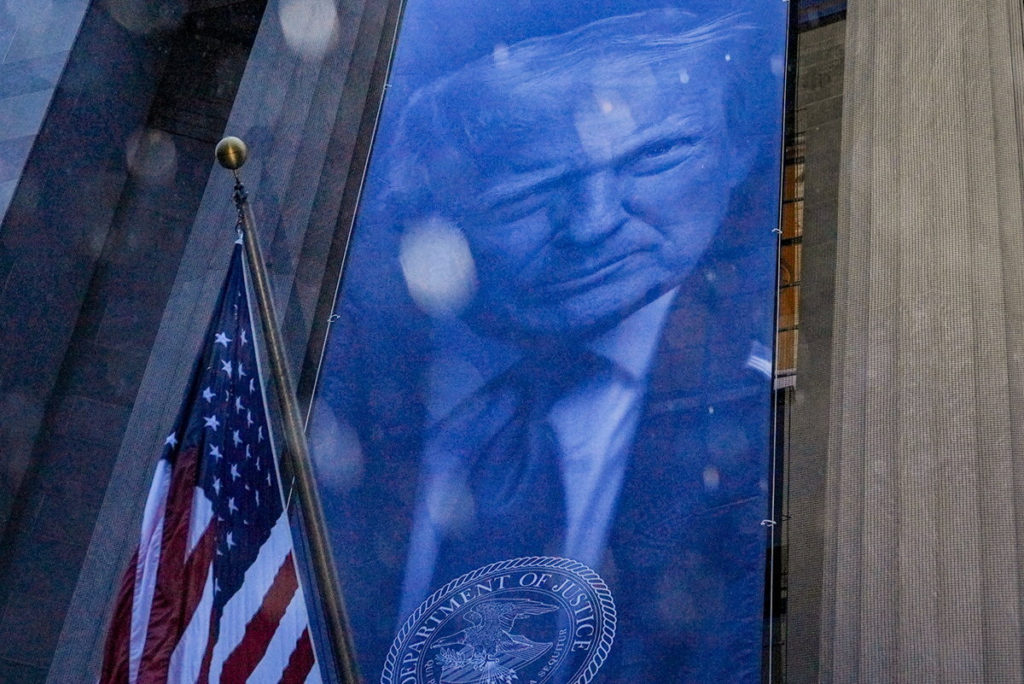
A large banner with President Donald Trump's face was placed on the Justice Department headquarters in Washington, D.C. The banner shows the administration's message, "Make America Safe Again," related to efforts against illegal immigration and crime.
Key Facts
A banner with President Trump's face was hung on the Justice Department building.
This took place in Washington, D.C.
The banner included the slogan "Make America Safe Again."
The slogan relates to efforts against illegal immigration and violent crime.
Trump banners have been displayed outside other U.S. agencies.
The Justice Department is typically independent of White House control.
Read the Original
Want the full story? Tap a source to open the original
article.
Each summary links back to the original reporting, so you can check the work. Support that, and get the daily digest every morning. Most choose $3.99/month.
Nancy Guthrie, the 84-year-old mother of TV host Savannah Guthrie, is missing from Tucson, Arizona. A search is underway by local law enforcement and the FBI, and officials are careful to handle evidence correctly to strengthen the criminal case. The community is urged to assist, and a reward is offered for information.
Key Facts
Nancy Guthrie was last seen on January 31 in Tucson, Arizona.
The search involves local law enforcement and the FBI.
Alleged ransom notes appeared after her disappearance.
Officials believe she may have been kidnapped.
Nancy requires daily medication, which is crucial for her health.
Evidence handling is critical to maintain the case's credibility in court.
The community is asked to provide any information through specified hotlines.
Rewards are offered for information leading to her recovery or to arrest anyone involved.
Read the Original
Want the full story? Tap a source to open the original
article.
The Supreme Court ruled against President Trump’s tariffs that were imposed on many countries. The court decided that using emergency powers to enact these tariffs was not allowed.
Key Facts
The Supreme Court ruled against tariffs imposed by President Trump.
The ruling was a 6-3 decision.
Two justices appointed by President Trump agreed with the majority.
The tariffs were a key part of Trump's economic policy.
The court said Trump’s use of an emergency powers law to set tariffs was invalid.
This was the first major policy of Trump's second term to be reviewed by the court.
Read the Original
Want the full story? Tap a source to open the original
article.
The U.S. Supreme Court ruled against some of President Trump's tariffs, but his administration is ready with backup plans to maintain them. Officials have identified several trade laws that can be used to impose tariffs, even though some options involve legal risks or require investigations.
Key Facts
The Supreme Court struck down President Trump's tariffs but did not remove his ability to impose new ones.
The administration has at least four alternative legal paths to impose tariffs.
Section 301 allows tariffs after an investigation of unfair trade practices; Trump used it during his first term.
Section 122 permits tariffs up to 15% with limited procedures, but they expire after 150 days.
Section 232 allows tariffs on national security grounds but needs a Commerce Department investigation.
Section 338 permits tariffs up to 50% on countries discriminating against U.S. commerce but is legally untested.
The Supreme Court's decision creates a $2 trillion impact on national debt, according to some analysts.
Read the Original
Want the full story? Tap a source to open the original
article.
The Supreme Court ruled against President Donald Trump's use of a national emergency law to impose wide-ranging tariffs. The court decision means Trump did not have the authority to implement these tariffs, leading to calls for refund checks to those affected by the higher prices. California Governor Gavin Newsom urged the payment of refunds, citing financial impacts on consumers.
Key Facts
The Supreme Court ruled 6–3 that President Trump did not have the legal authority to impose certain tariffs.
The court found that the International Emergency Economic Powers Act (IEEPA) does not allow a president to impose tariffs without Congress.
The power to impose taxes and tariffs is held by Congress, according to the U.S. Constitution.
The tariffs led to increased prices on a variety of consumer goods, affecting Americans financially.
Governor Gavin Newsom called for immediate refunds of these tariffs with interest.
Trump used the IEEPA for the first time to impose tariffs, targeting several countries.
The White House has not yet provided a timeline for any potential refund checks.
Legal consequences might follow as the ruling challenges the tariffs' legality.
Read the Original
Want the full story? Tap a source to open the original
article.
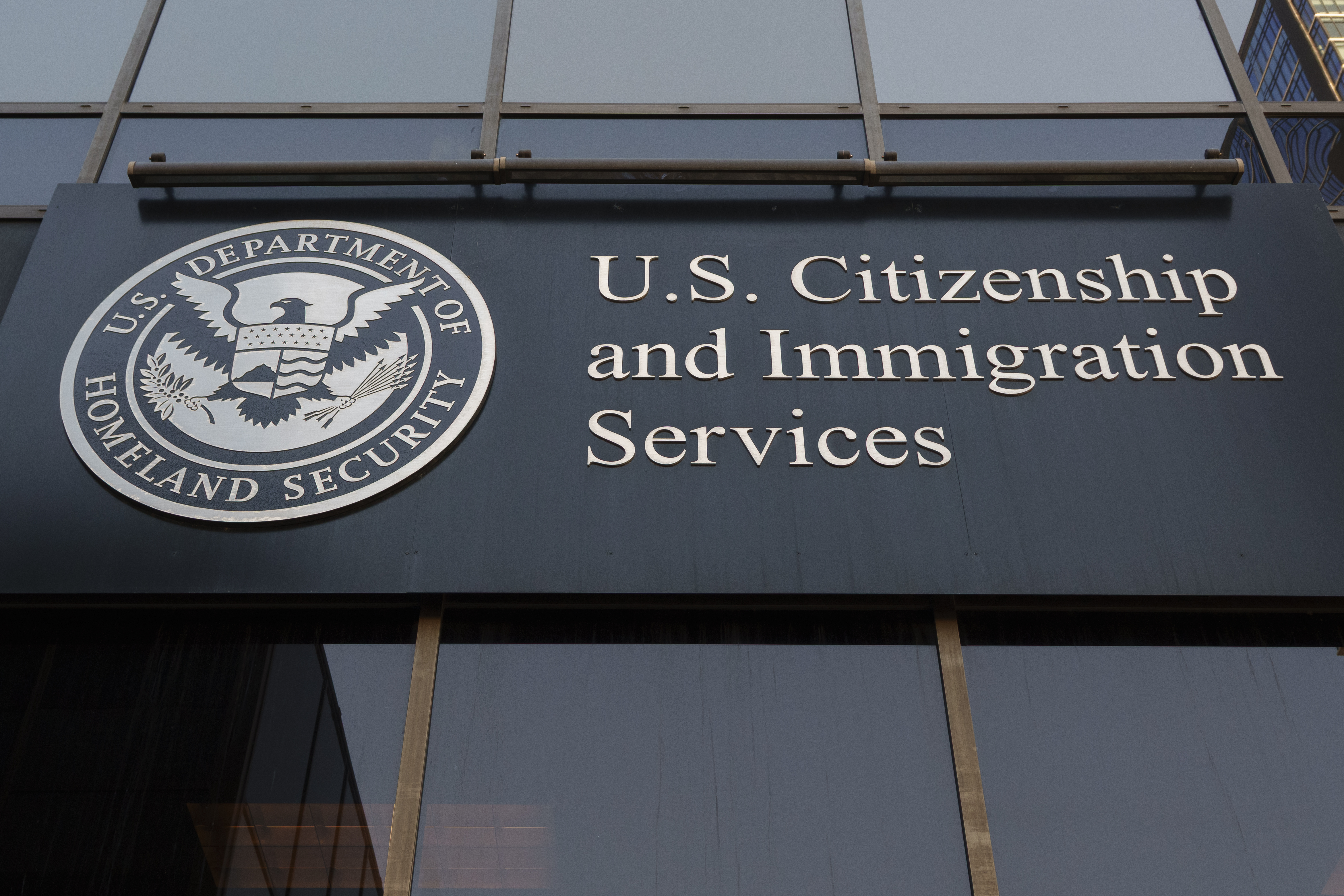
The Trump administration plans to stop asylum seekers from getting work permits for their first year in the U.S. This change could affect about 500,000 immigrants each year and may alter their potential earnings.
Key Facts
The Trump administration is making changes to work permits for asylum seekers.
Asylum seekers will need to wait a year before applying for work permits.
U.S. Citizenship and Immigration Services (USCIS) announced this rule.
The change aims to address a large backlog of asylum cases.
This new rule might affect up to 500,000 immigrants annually.
USCIS says the change could result in billions of dollars lost in earnings for immigrants.
The administration believes this could benefit American workers.
Read the Original
Want the full story? Tap a source to open the original
article.
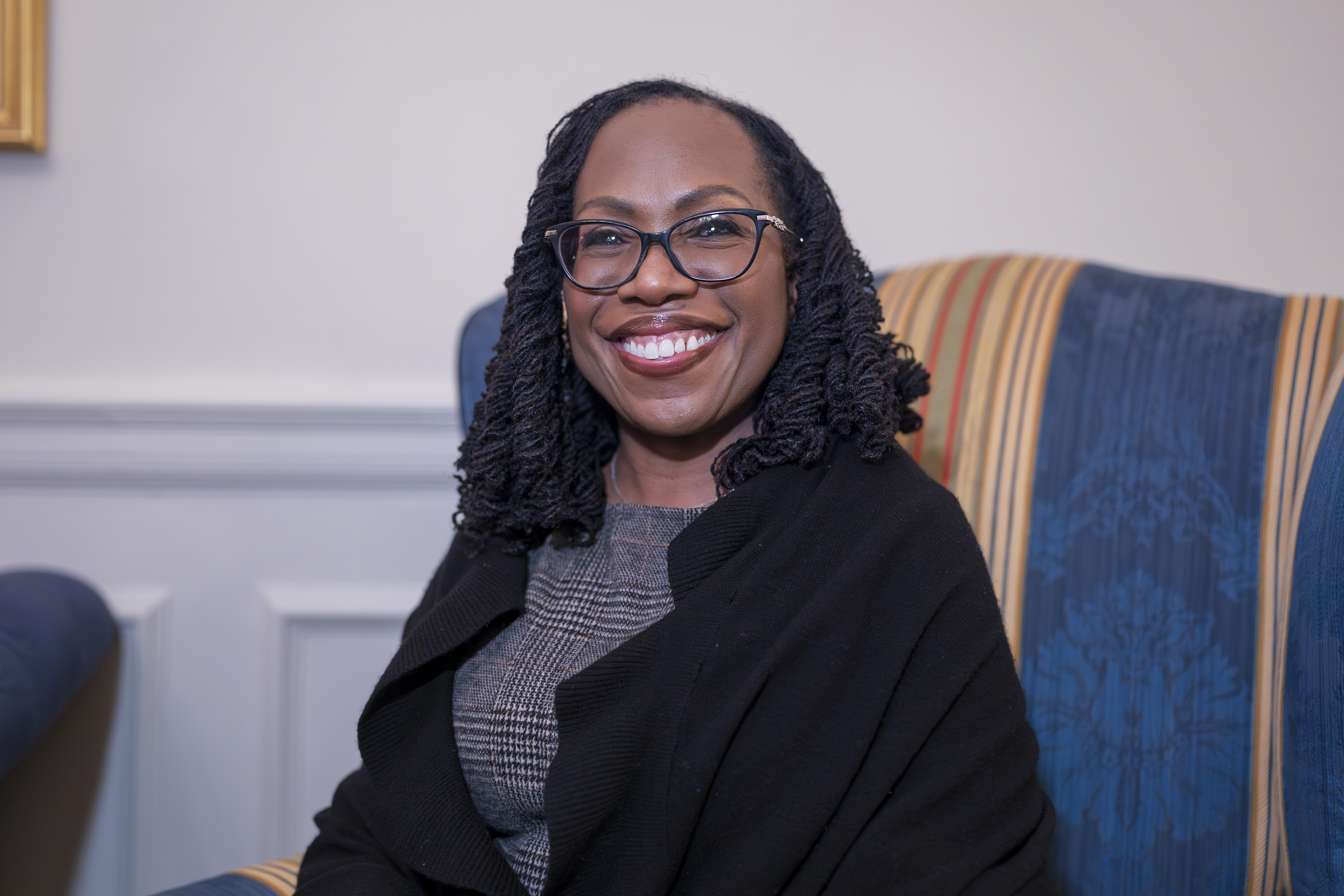
The U.S. Supreme Court ruled 6-3 against global tariffs that President Trump imposed, stating that Congress, not the President, has the power to impose tariffs. The decision clarified that the International Emergency Economic Powers Act (IEEPA) does not allow the President to impose tariffs, based on an analysis of the act's legislative history.
Key Facts
The Supreme Court made a 6-3 ruling that limits President Trump's power to impose global tariffs.
Chief Justice John Roberts wrote that only Congress has the authority to impose taxes and tariffs.
The ruling involved interpreting the International Emergency Economic Powers Act (IEEPA) from 1977.
Justices Kagan, Sotomayor, and Ketanji Brown Jackson agreed on the ruling, using the act’s legislative history for interpretation.
Ketanji Brown Jackson referenced older laws like the Trading with the Enemy Act of 1917 to support the decision.
The decision emphasizes that Congress intended to limit the President’s authority to impose tariffs through IEEPA.
The dissenting justices were Samuel Alito, Clarence Thomas, and Brett Kavanaugh.
Read the Original
Want the full story? Tap a source to open the original
article.
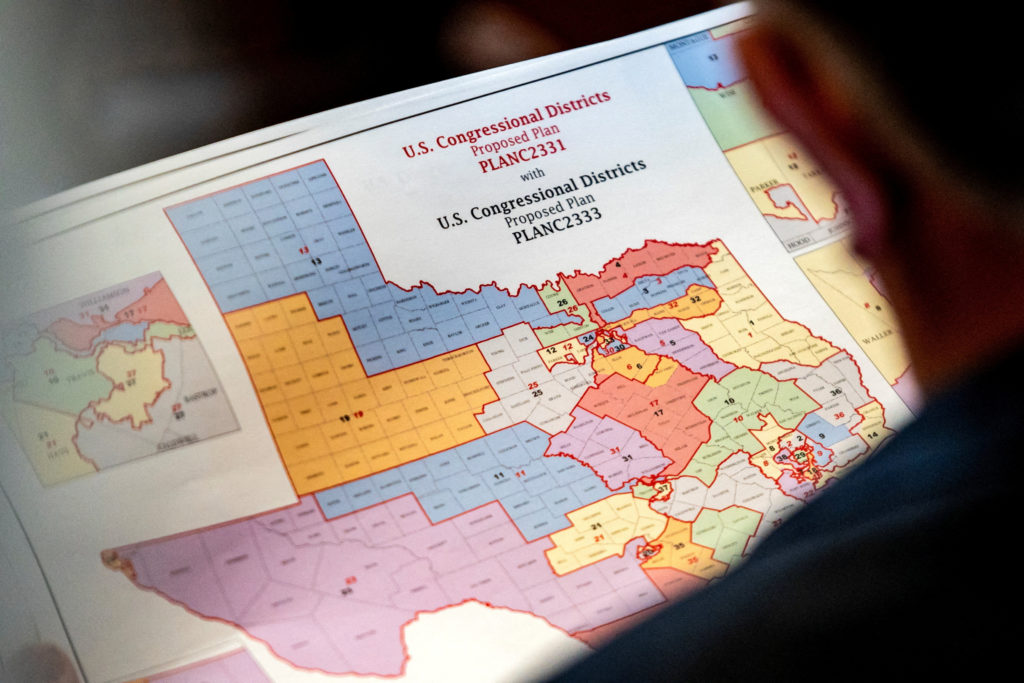
Texas created a new congressional map that aims to increase Republican seats in Congress during the midterm elections. This plan depends on whether voters who supported President Trump in his election will also support other Republican candidates now that he's not running.
Key Facts
Texas designed a new congressional map to boost Republican chances in the midterms.
Republicans want to gain five seats held by Democrats.
If successful, Democrats' representation would drop from 13 to 8 out of 38 districts in Texas.
The plan's success depends on Trump's previous voters supporting other Republicans.
Primaries are currently happening in Texas to select candidates.
Read the Original
Want the full story? Tap a source to open the original
article.
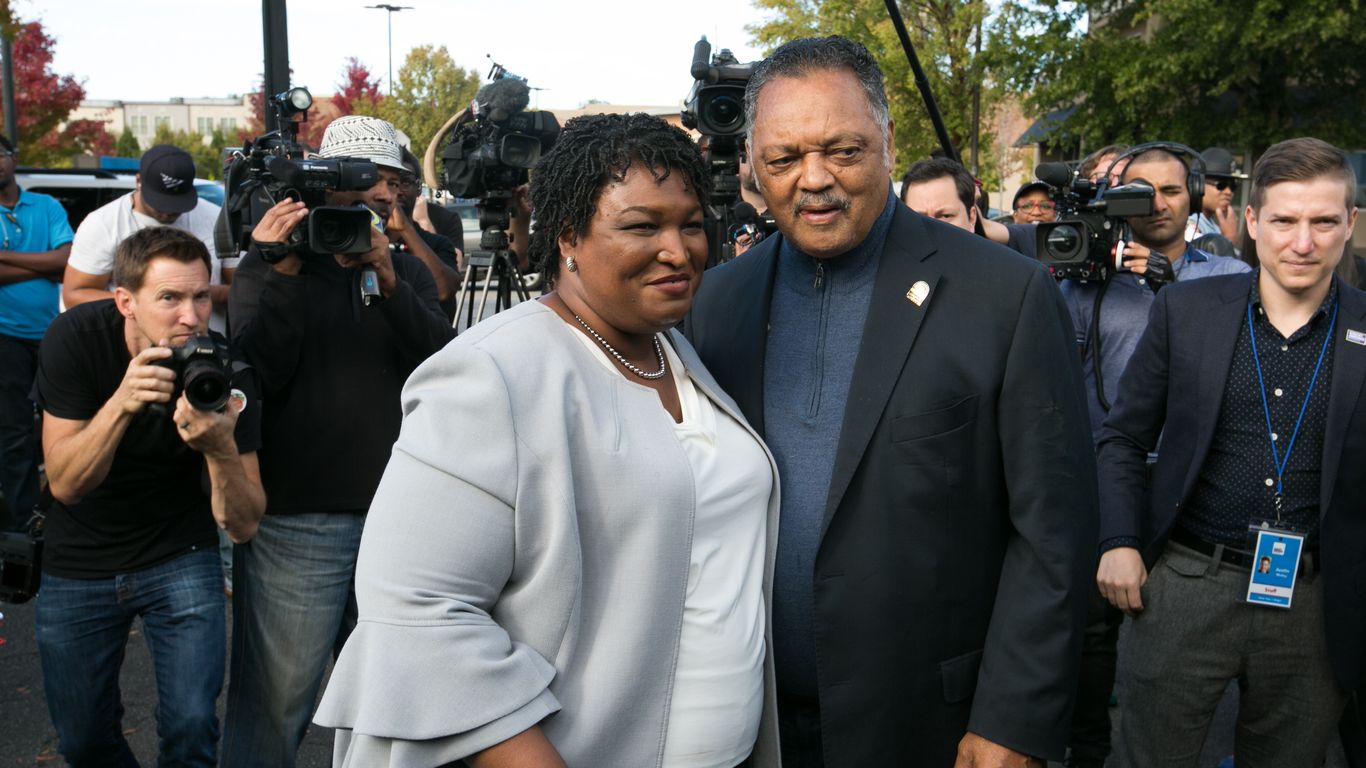
Jesse Jackson significantly influenced Democratic politics by leveraging Southern Black voters to change party primary rules. His efforts helped reshape the allocation of political power and continue to affect national elections.
Key Facts
Jesse Jackson passed away at the age of 84.
He influenced Democratic primary rules by winning support from Southern Black voters.
Jackson's work in Southern states helped increase political leverage in Democratic politics.
He co-founded organizations like Operation Breadbasket and the Rainbow PUSH Coalition.
Jackson ran for U.S. President in 1984 and 1988, highlighting the importance of Southern Black voters in primaries.
His actions contributed to changes allowing candidates to compete more effectively in Democratic primaries.
Stacey Abrams cited Jackson as a mentor and noted his understanding of Southern political dynamics.
Read the Original
Want the full story? Tap a source to open the original
article.