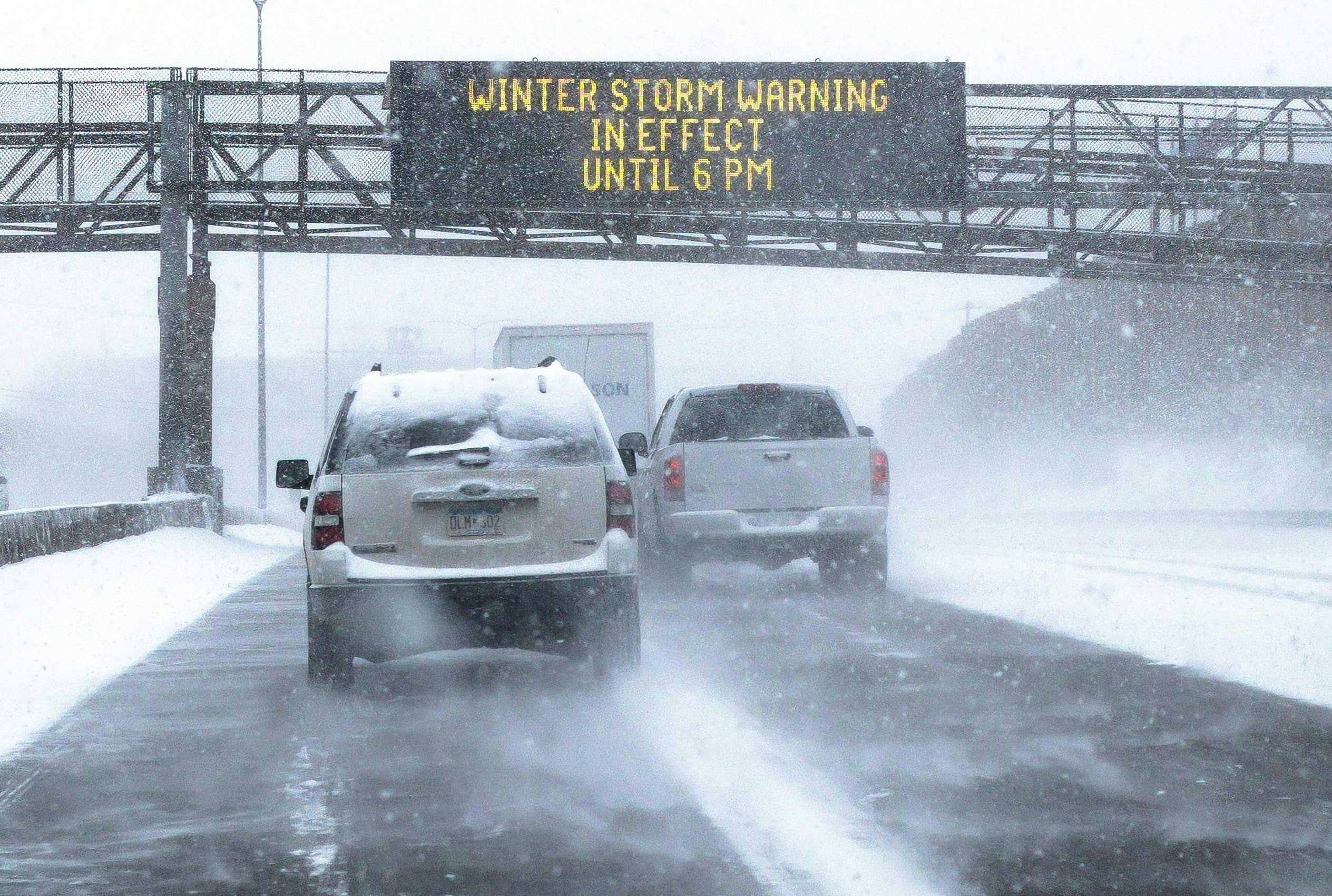
A winter storm warning is in place for parts of the U.S., with heavy snow and strong winds expected between Wednesday and Friday. The National Weather Service (NWS) predicts up to 24 inches of snow in some areas, potentially making travel dangerous and affecting power and infrastructure.
Key Facts
The storm will impact parts of the U.S. from Wednesday through Friday morning.
Areas like Sheep Range and Spring Mountains in Nevada could get 16 to 24 inches of snow.
Colorado’s southwest and eastern San Juan Mountains may see up to 8 inches of snow.
New Mexico's part of the Sangre de Cristo Mountains could also expect up to 8 inches.
Some roads in Alaska could experience blizzard-like conditions due to strong winds and snow.
Utah's southern mountains may receive up to 8 inches of snow in certain high regions.
The NWS advises drivers to carry an emergency kit and check road conditions before traveling.
Residents are encouraged to prepare properties for freezing temperatures and potential snow-related damage.
Read the Original
Want the full story? Tap a source to open the original
article.
A new poll shows that more voters would choose Democratic candidates if the midterm elections were held today. The poll presents a challenge for Republicans who are trying to improve their chances before next year's elections.
Key Facts
The poll was conducted by PBS News, NPR, and Marist.
It shows a majority of voters prefer Democratic candidates for the midterms.
Democrats recently had several election wins.
Republicans see warning signs in the poll as they prepare for the upcoming elections.
The midterm elections are scheduled for next year.
Read the Original
Want the full story? Tap a source to open the original
article.
Injectable peptides, used for muscle building, weight loss, and anti-aging, are becoming popular in the U.S., even though the FDA hasn't approved them. Experts are concerned about their safety as they haven't been widely tested on humans. Some peptides are banned in sports due to doping rules.
Key Facts
Peptides are short chains of amino acids that exist naturally in the human body and perform important functions.
Examples of peptides include insulin and GLP-1, which are involved in blood sugar control and energy conversion.
Peptides like BPC-157 and TB-500 are gaining popularity but are banned in sports for doping.
Influential figures such as Joe Rogan and Jennifer Anniston have promoted peptide use.
The FDA is cracking down on non-approved peptide use by issuing warning letters and tightening regulations.
The cost of peptides can range from $300 to $600 per vial online.
Concerns exist because many peptides have not been thoroughly tested for safety in humans.
The uncertainty around peptides includes potential health risks, especially when injected.
Read the Original
Want the full story? Tap a source to open the original
article.
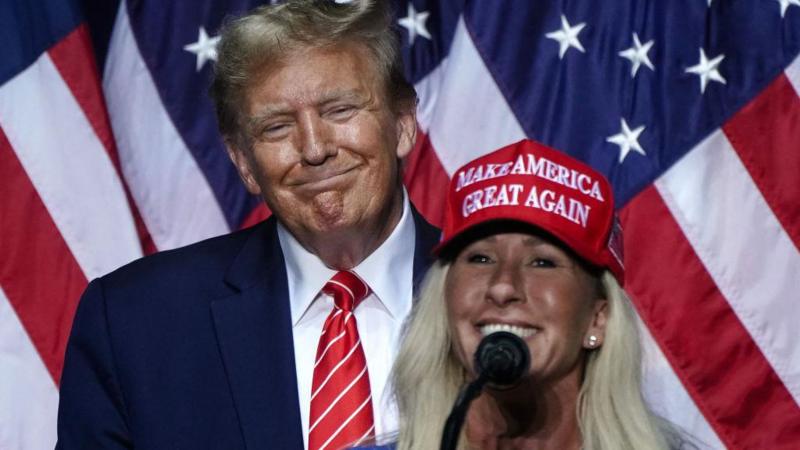
Newsweek contributors debate the future of the MAGA movement, initiated by President Donald Trump. They discuss whether the movement is declining due to factors like political challenges, economic issues, and shifts in party support. Some argue the movement's ideas are still strong, but the leadership may change in coming years.
Key Facts
The discussion centers on whether the MAGA movement is ending or evolving.
The release of the Jeffrey Epstein files and economic concerns are mentioned as influencing factors.
President Trump is seen by some as a key leader who brought populist ideas to prominence.
The "America First" movement is now popular in U.S. politics, gaining significant voter support.
Internal disagreements within the movement are noted, particularly regarding new leadership.
Economic issues, like the cost of living, remain significant challenges for the movement.
Some believe that President Trump's actions may harm the movement's future success.
Read the Original
Want the full story? Tap a source to open the original
article.
People in parts of Georgia and South Carolina are advised to stay indoors due to unhealthy air quality caused by high levels of tiny pollution particles, known as PM2.5. The Environmental Protection Agency (EPA) issued warnings because these particles can harm health, especially for sensitive groups like children and the elderly.
Key Facts
The air quality in parts of Georgia and South Carolina is considered "Unhealthy" due to PM2.5 particle pollution.
PM2.5 particles are very small and can come from sources like fires, industrial sites, and cars.
High levels of PM2.5 can trigger health issues, especially for people with heart or lung problems.
The EPA uses the Air Quality Index (AQI) to measure air pollution; a score of 151-200 is "Unhealthy."
Counties in Georgia and South Carolina reported AQI readings around 153, prompting health warnings.
People, particularly those at risk, are advised to limit outdoor activities and stay inside.
Local burns and meteorological conditions are partly blamed for the poor air quality.
The EPA warns that even healthy individuals might experience temporary discomfort from polluted air.
Read the Original
Want the full story? Tap a source to open the original
article.
A new report predicts that in 2026, many Americans will move to midsize university towns, particularly in the South and Southwest regions of the U.S. Knoxville, Tennessee; Tulsa, Oklahoma; and Vancouver, Washington, are expected to see the most newcomers. Cities may face challenges related to rapid growth, including housing and infrastructure needs.
Key Facts
The study forecasts a shift in moving trends, focusing on midsize university towns over coastal cities.
Knoxville, Tennessee, is predicted to have the highest in-migration rate in 2026.
Other top destinations include Tulsa, Oklahoma, and Vancouver, Washington.
The South and Southwest regions have the strongest predicted move ratios.
Almost half of the top 25 cities are in the South or Southwest, indicating regional preference.
The analysis highlights "comeback cities" like Saint Paul, Minnesota, with significant increases in interest.
Major cities like Austin, Texas, which were previously popular, now show reduced move interest.
Cities facing growth must prepare for increased demand in housing and infrastructure services.
Read the Original
Want the full story? Tap a source to open the original
article.
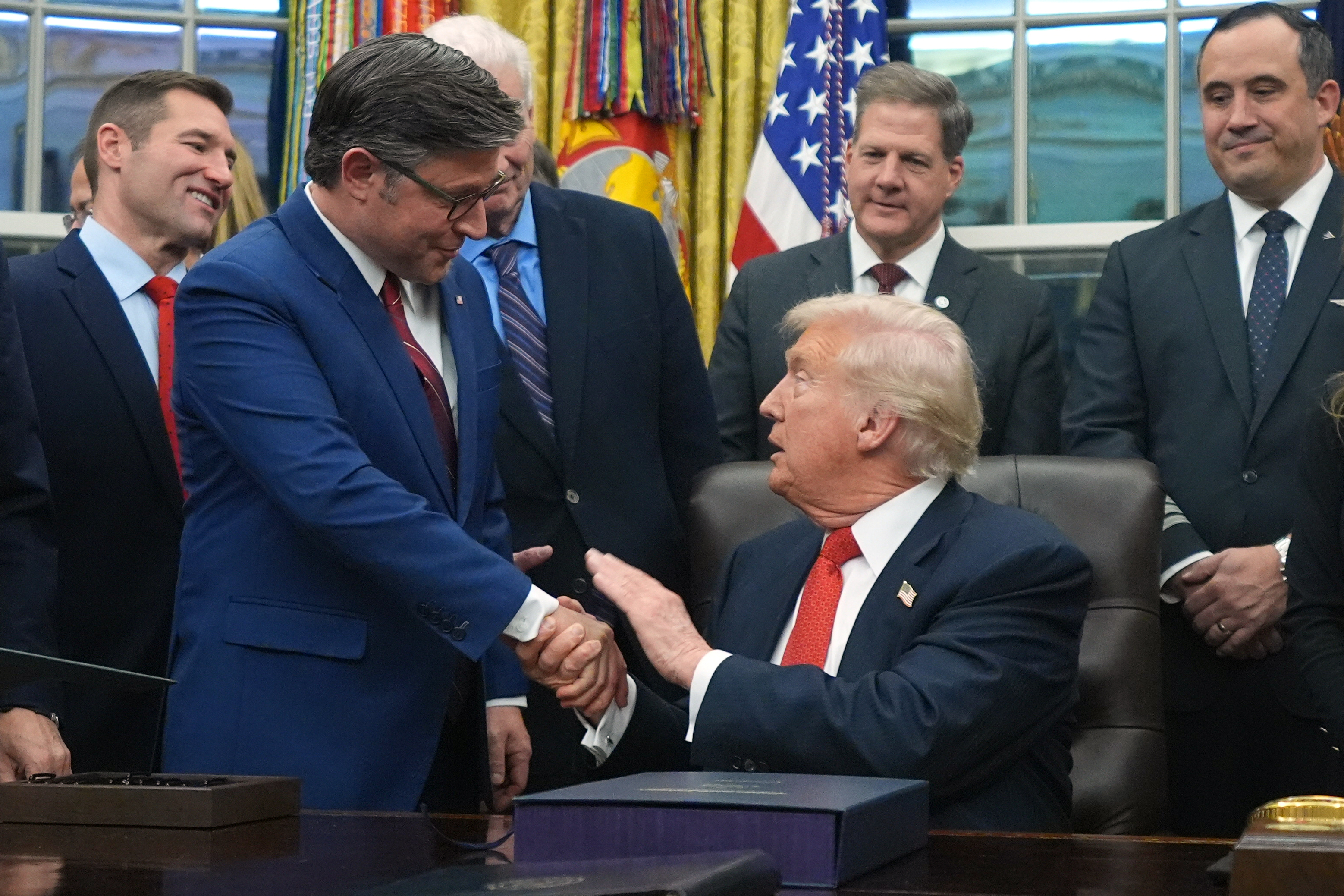
House Speaker Mike Johnson mentioned that President Donald Trump might veto a bill that asks the Justice Department to make files about Jeffrey Epstein public. The bill was approved by both the House and Senate, and it is now waiting for Trump's decision. Although Trump has suggested he plans to sign it, Johnson expressed concerns about the bill not being amended.
Key Facts
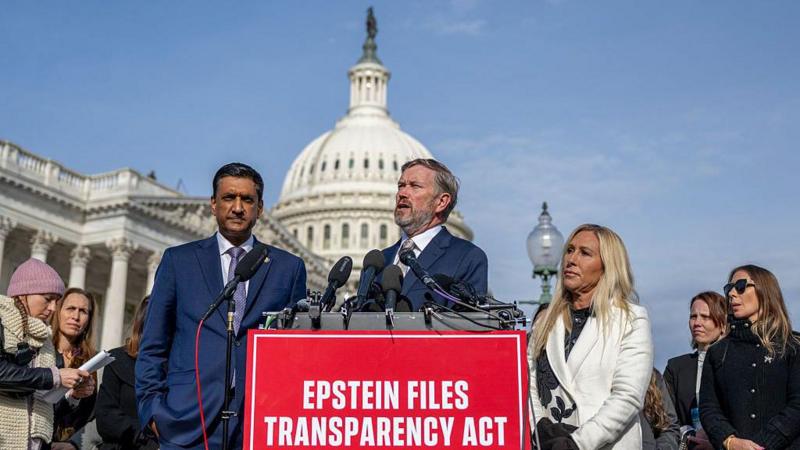
The bill is called the Epstein Files Transparency Act.
Both the House and Senate voted to release the Epstein files to the public.
Jeffrey Epstein was awaiting trial on sex trafficking charges when he died by suicide in 2019.
President Trump has indicated he will sign the legislation.
House Speaker Mike Johnson is concerned because the Senate passed the bill without changes.
Johnson mentioned uncertainty about whether Trump would veto the bill, saying "I don't know."
Read the Original
Want the full story? Tap a source to open the original
article.
The U.S. House of Representatives passed a bill to undo environmental rules set during President Biden's time in office. These rules restricted oil drilling in Alaska. The bill had strong Republican support and was backed by three Democrats.
Key Facts
The House approved a bill to remove limits on oil drilling in northern Alaska.
These limits were introduced under President Joe Biden.
Three Democrats joined Republicans in supporting the bill.
The Democrats who supported the bill are Representatives Henry Cuellar, Vincente Gonzalez, and Jim Costa.
Biden's policy blocked oil and gas leasing on 10.6 million acres in Alaska.
Additional restrictions were placed on over 2 million more acres.
The Trump administration previously argued that these limits affected Alaska's energy opportunities and job creation.
Read the Original
Want the full story? Tap a source to open the original
article.
An employee of U.S. Immigration and Customs Enforcement (ICE) was arrested in Minnesota during a police operation targeting sex trafficking. The operation aimed to identify people trying to buy sex from a 17-year-old. The ICE agent may face federal charges.
Key Facts
The arrest was part of a Minneapolis trafficking investigation called "Operation Creep."
Police arrested 16 men during the operation.
The goal was to catch individuals attempting to solicit sex from a minor.
The ICE employee worked as an auditor.
The ICE employee may face federal charges.
The police chief mentioned the operation during a news conference.
The operation took place over three days starting November 5.
Read the Original
Want the full story? Tap a source to open the original
article.
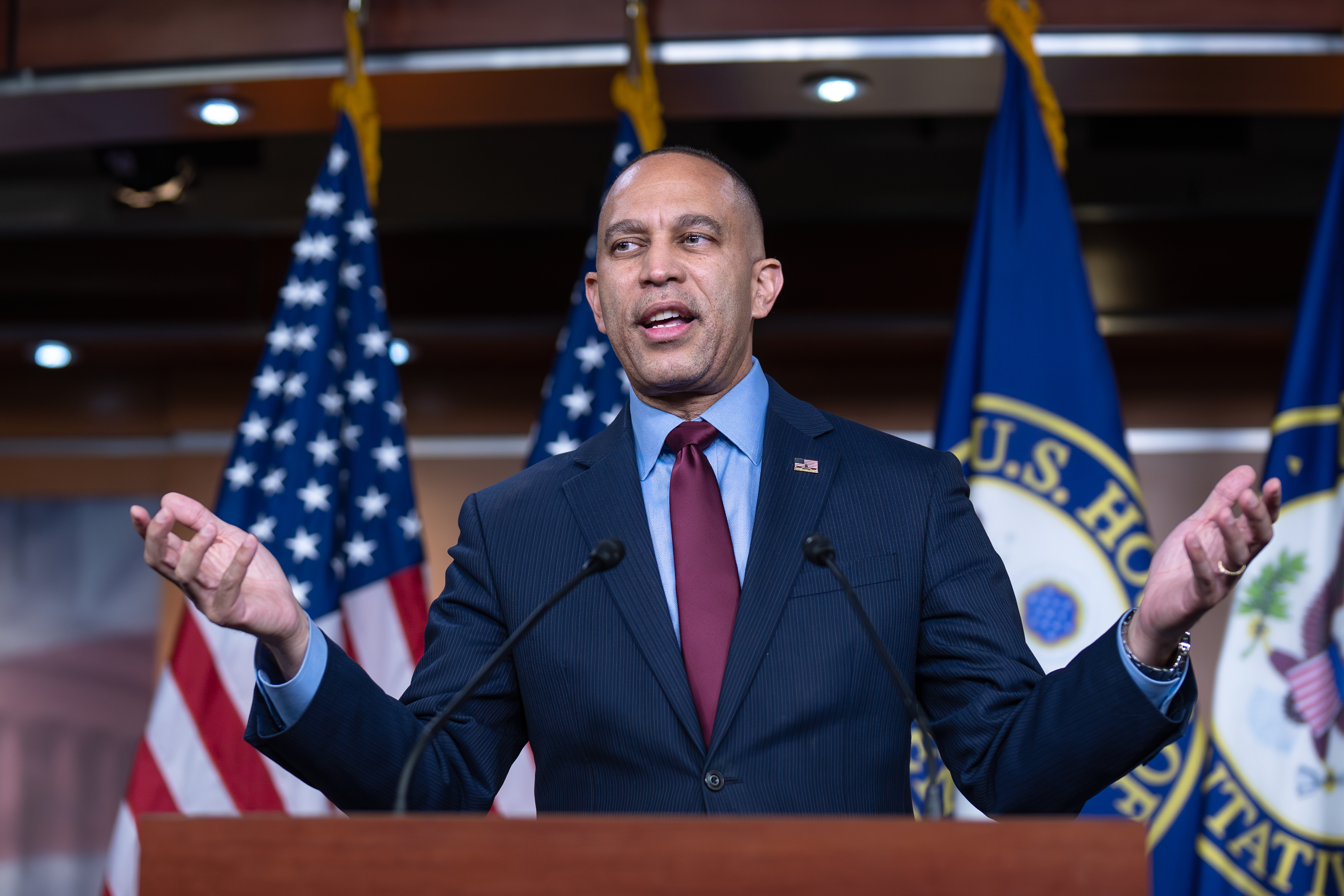
Hakeem Jeffries, a U.S. political leader, responded to questions after his name was mentioned in a 2013 email related to Jeffrey Epstein. The email came from a political consulting firm offering a fundraiser and was not written by Jeffries. Jeffries stated he does not remember the email and denied any personal connection with Epstein.
Key Facts
Hakeem Jeffries' name appeared in a 2013 email connected to Jeffrey Epstein.
The email was sent by a political consulting firm about a fundraiser event.
Jeffries did not write or send this email himself.
There is no evidence that Jeffries met Epstein or that Epstein donated due to this email.
Jeffries claimed he does not recall the email when questioned.
Jeffries stated he never met Epstein and only knows about Epstein's criminal activities through news.
Jeffries supports efforts to uncover more information from the Department of Justice files related to Epstein.
Read the Original
Want the full story? Tap a source to open the original
article.
President Donald Trump received criticism for calling a journalist "piggy" during a conversation about releasing files related to Jeffrey Epstein. Trump plans to sign a bill that requires the Justice Department to make these files public, but questions remain about how much will be revealed. Legal analyst Joyce Vance expressed concerns about the treatment of women in this situation.
Key Facts
President Trump called a Bloomberg journalist "piggy" during a discussion about Epstein investigation files.
Trump has agreed to sign a bill that demands public release of these files.
Concerns exist about whether all relevant information will be made public due to potential redactions.
Joyce Vance, a former prosecutor, criticized Trump's comments and handling of the situation.
Epstein was a convicted sex offender who died in jail in 2019.
The new bill has passed both the House and the Senate and awaits Trump’s signature.
Trump ended his friendship with Epstein in the early 2000s.
A potential new investigation may affect what information the Justice Department can release.
Read the Original
Want the full story? Tap a source to open the original
article.
Congress voted to release files about Jeffrey Epstein, and the decision now goes to President Trump for approval. This move has caused disagreements within the Republican Party but highlights the influence of President Trump's supporters. President Trump initially did not support releasing the documents, but he changed his position as more Republican representatives encouraged the release.
Key Facts
Congress voted 427-1 in favor of releasing the Epstein files.
The bill requires President Trump's signature to become law.
President Trump initially found the case uninteresting but later supported releasing the files after pressure from Republicans.
The situation caused splits within the Republican Party.
Many Republicans and the public supported transparency regarding the Epstein case.
Congresswoman Marjorie Taylor Greene was a vocal critic, calling the issue divisive within Trump's base.
A poll showed that 67% of Republican voters supported the release of all Epstein files with names redacted.
Read the Original
Want the full story? Tap a source to open the original
article.
That's the point of this site, and readers keep it that way. Support for any amount and the daily digest lands in your inbox every morning at 7am Eastern.
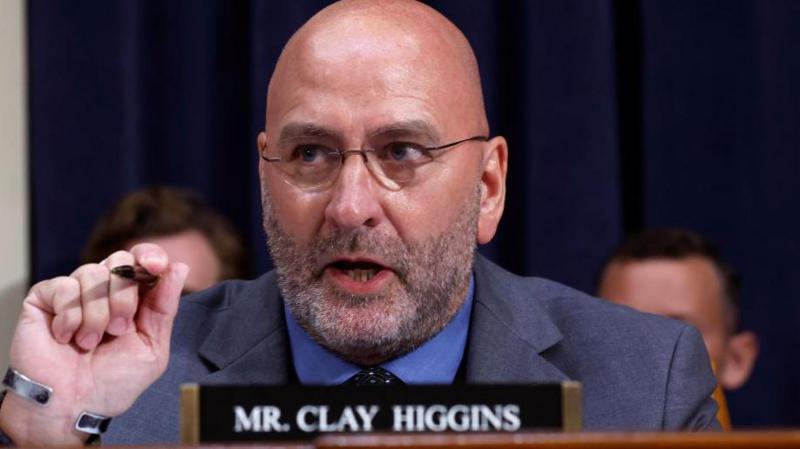
The U.S. House of Representatives passed a bill to release documents related to Jeffrey Epstein, with nearly all Republicans voting in favor. Congressman Clay Higgins from Louisiana was the only "no" vote, citing concerns about revealing personal information of Epstein's victims. The bill also passed in the Senate, and President Donald Trump is expected to sign it into law.
Key Facts
The U.S. House voted 427-1 to release documents about Jeffrey Epstein.
Congressman Clay Higgins was the only member who voted against the bill.
Higgins expressed concerns that the bill could harm innocent people by making personal information public.
The Senate approved the bill after the House passed it.
President Trump is expected to sign the bill into law.
The bill originally faced some opposition but gained support after President Trump supported the vote.
Higgins has a history of taking unique positions and making controversial statements.
Read the Original
Want the full story? Tap a source to open the original
article.
House Democrats are using a move to censure Rep. Cory Mills to counter a Republican effort to censure Del. Stacey Plaskett. The Democrats' strategy has helped block other Republican censure efforts so far. A vote on the Mills censure must happen soon unless the motion is withdrawn.
Key Facts
House Democrats want to censure Rep. Cory Mills, a Republican from Florida.
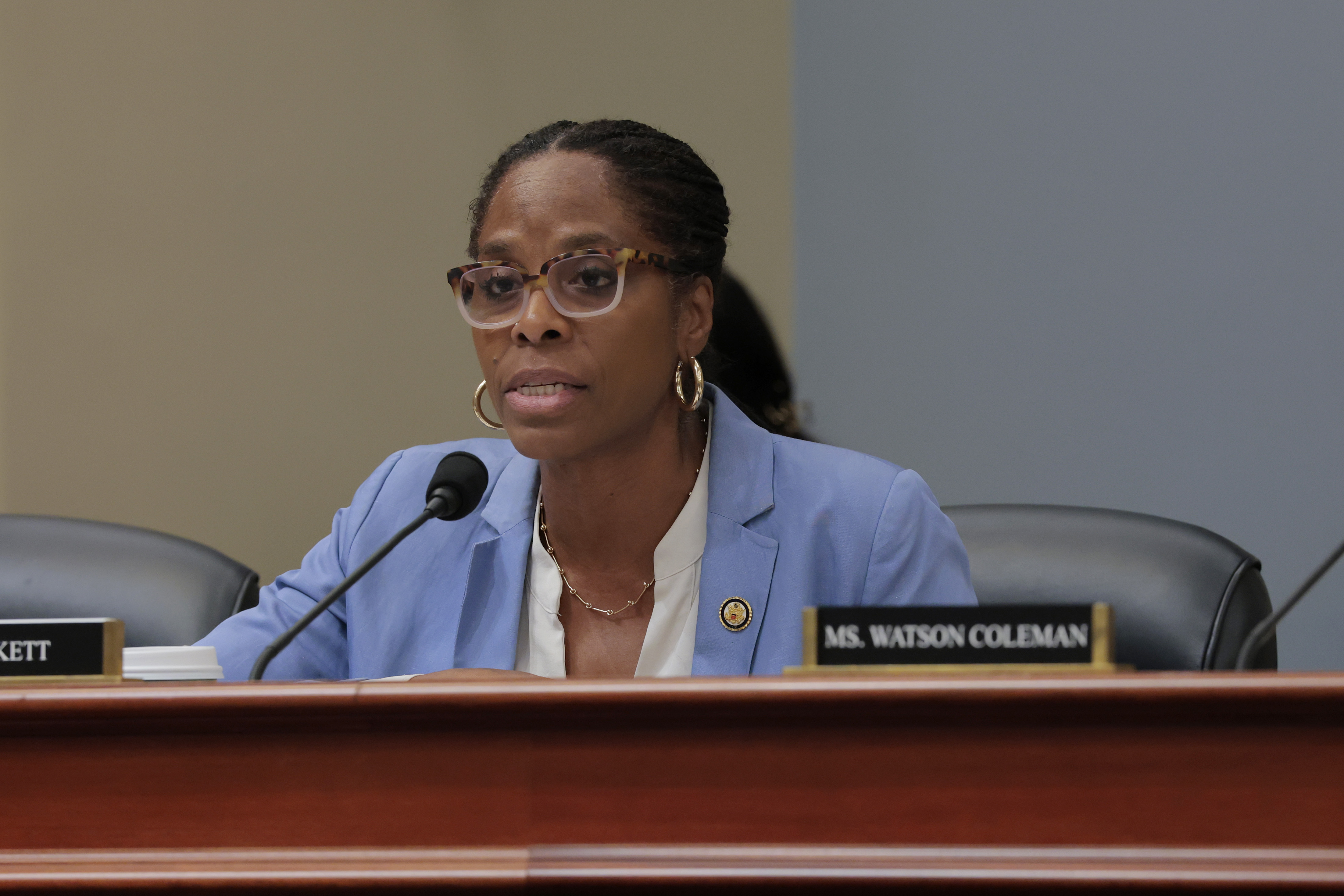
This action counters a Republican move to censure Del. Stacey Plaskett for texting Jeffrey Epstein during a hearing.
Rep. Yvette Clarke introduced the Mills censure measure previously in September.
The censure measure accuses Mills of misconduct, including domestic abuse and financial issues, which he denies.
A vote on the Mills censure is required by Thursday unless withdrawn.
Republicans have a narrow majority in the House, making any defections critical.
Some Republicans, like Rep. Nancy Mace, indicated support for the Mills censure.
The vote result could impact the ongoing Republican and Democrat censure conflicts in the House.
Read the Original
Want the full story? Tap a source to open the original
article.
The U.S. Congress has passed a bill to release documents related to Jeffrey Epstein, a sex offender with connections to powerful figures. The bill passed overwhelmingly in the House and Senate and now awaits President Donald Trump's signature. Despite initially opposing the release, President Trump plans to sign the bill into law.
Key Facts
The bill to release Jeffrey Epstein documents passed the House with a 427-1 vote.
The Senate approved the bill unanimously, even before formally receiving it.
The bill now goes to President Trump, who intends to sign it into law.
Epstein was a financier known for abusing young girls and having connections with influential people.
President Trump initially called the controversy a "hoax" but later agreed to the files' release.
Epstein first pleaded guilty to related charges in 2008 and was charged again in 2019.
He was found dead in his jail cell in 2019, with the death ruled as suicide.
Epstein had ties to many notable figures, including politicians and academia leaders.
Read the Original
Want the full story? Tap a source to open the original
article.
Congress has passed a bill that directs the U.S. justice department to release files related to Jeffrey Epstein. The measure received broad support in both the House and Senate and is now awaiting President Donald Trump's approval. The bill requires the release of unclassified documents and allows certain information to be withheld if it might affect ongoing investigations or reveal victims' identities.
Key Facts
Congress passed a bill to release files on Jeffrey Epstein.
The House voted 427-1 in favor, while the Senate approved the bill without a formal vote.
President Trump supported disclosing the files after initially opposing it.
The bill mandates releasing documents related to Epstein and Ghislaine Maxwell within 30 days of becoming law.
The measure gives Attorney General Pam Bondi the power to withhold information that could impact ongoing investigations or identify victims.
Epstein, who died in prison in 2019, was facing sex trafficking charges.
President Trump and Epstein socialized in the past, but Trump stated he ended their relationship long ago.
Recently released documents mention President Trump, but there's no evidence of wrongdoing by him.
Read the Original
Want the full story? Tap a source to open the original
article.
Three Republicans joined Democrats to stop a motion to censure Stacey Plaskett, a delegate from the U.S. Virgin Islands, due to her text exchanges with Jeffrey Epstein during a congressional hearing. The defeated motion aimed to reprimand Plaskett over claims she communicated with Epstein, a convicted sex offender, who tried to influence the hearing. President Trump called the Epstein issue a Democratic "hoax."
Key Facts
Three Republicans and all Democrats voted against censuring Stacey Plaskett.
The vote to censure Plaskett failed with 214 votes against and 209 in favor.
Documents revealed that Epstein texted Plaskett during a 2019 hearing where Michael Cohen, President Trump's former lawyer, testified.
Plaskett admitted to exchanging messages with Epstein, describing it as limited to gathering information.
Epstein, a convicted sex offender since 2008, died in jail in August 2019.
A proposed act, the Epstein Files Transparency Act, will require the Department of Justice to release more files on Epstein and is expected to be signed by President Trump.
Epstein's texts attempted to influence Plaskett's questioning during the hearing by highlighting remarks made about Rhona Graff, a former Trump aide.
Read the Original
Want the full story? Tap a source to open the original
article.
The Senate passed a bill that requires the Justice Department to release files about Jeffrey Epstein. This bill now goes to President Trump, who has said he will sign it, but the files may not be released soon due to potential ongoing investigations.
Key Facts
The Senate passed the Epstein files bill unanimously.
The bill also passed almost unanimously in the House.
President Trump supports the bill after previously opposing it.
If signed, the Justice Department could still withhold files if they affect ongoing investigations.
Trump has directed investigations into Epstein's connections with figures like former President Clinton.
Only one Republican lawmaker, Rep. Clay Higgins, opposed the bill.
Senate Minority Leader Chuck Schumer requested the Senate's unanimous consent for the bill.
Speaker Mike Johnson mentioned the need for amendments to protect victims and whistleblowers.
Read the Original
Want the full story? Tap a source to open the original
article.
On Tuesday, the U.S. Congress passed a bill to release files related to Jeffrey Epstein. Rep. Clay Higgins was the only Republican to vote against it, citing concerns over privacy and justice. President Trump supports the bill and plans to sign it.
Key Facts
Only one Republican, Rep. Clay Higgins, voted against the bill to release Epstein files.
President Donald Trump plans to sign the bill, which he supports.
The bill passed unanimously in the Senate and was backed by almost all House Republicans.
Rep. Higgins expressed concerns about the bill potentially harming innocent people by revealing sensitive information.
The bill contains language to protect the privacy of Epstein survivors.
Rep. Higgins argues that an investigation by the Oversight Committee would be a better approach.
Higgins represents Louisiana’s Third District and is part of the House Freedom Caucus.
Read the Original
Want the full story? Tap a source to open the original
article.
A federal court stopped Texas from using its new congressional map in the 2026 elections, saying it involved racial gerrymandering, which is against the law. The court decision is a setback for Republican efforts to reshape districts in favor of their party ahead of the important midterm elections. The judgment restores the earlier congressional map from 2021.
Key Facts
A panel of federal judges blocked Texas's new congressional map for the 2026 elections.
The judges found evidence that the districts were drawn based on race, which violates the law.
Racial gerrymandering is illegal under the US Constitution and the Voting Rights Act.
The court's decision makes it harder for Republicans to gain an advantage in the upcoming midterm elections.
President Donald Trump's administration had encouraged redrawing the map to add more Republican seats.
The decision restores the 2021 congressional map that is currently in use.
The ruling affects Texas, where Republicans currently hold a majority of the congressional seats.
The fight over redistricting has led to similar actions in other states like North Carolina and Missouri.
Read the Original
Want the full story? Tap a source to open the original
article.