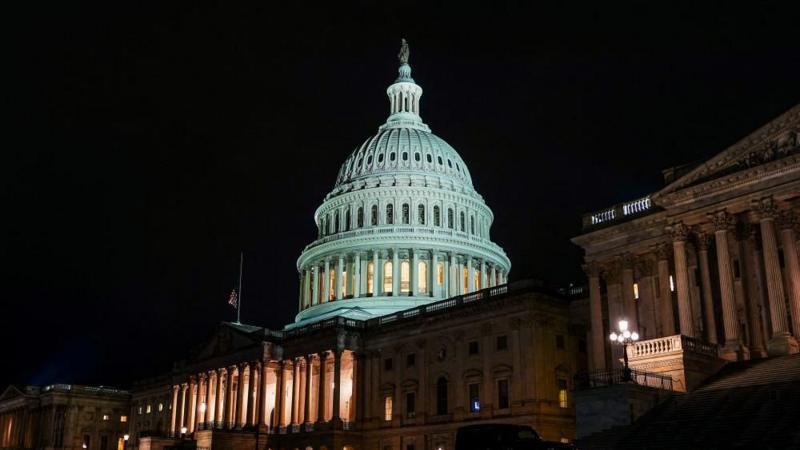
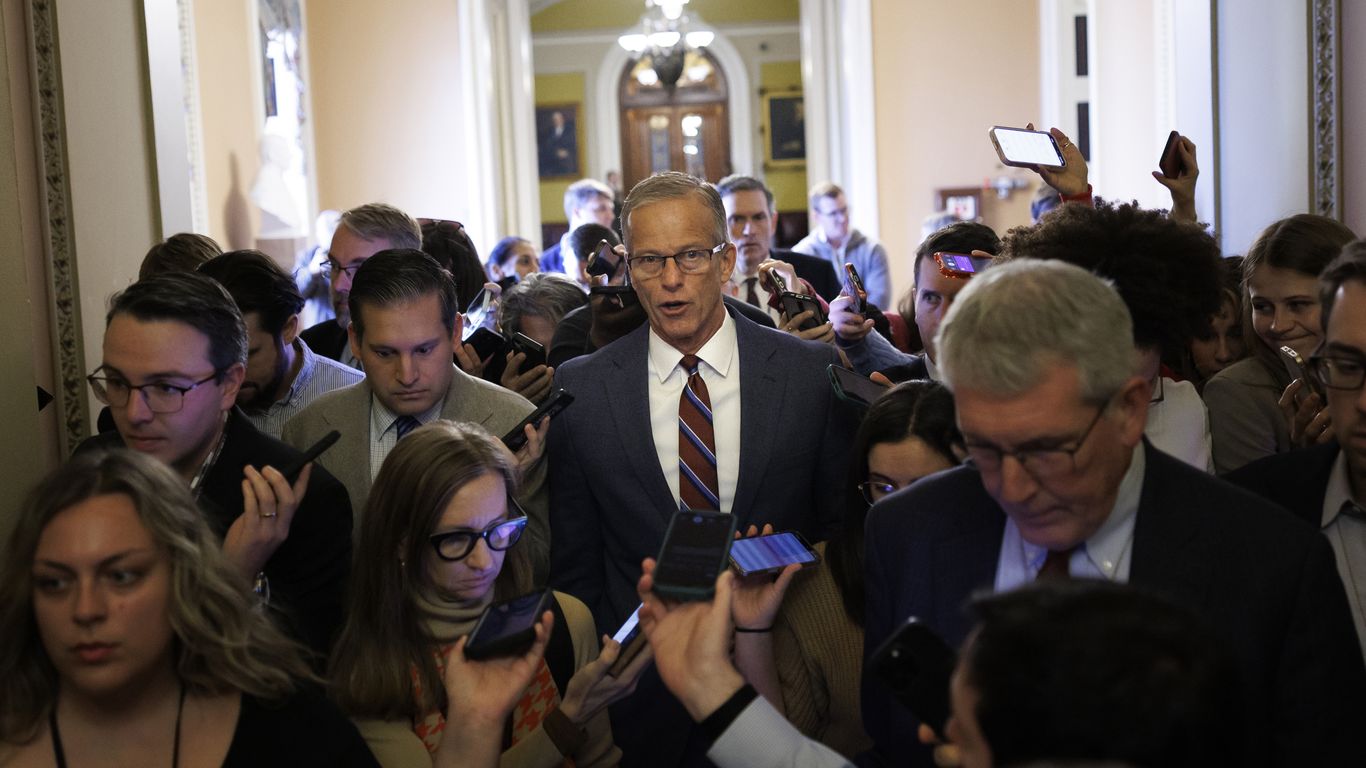
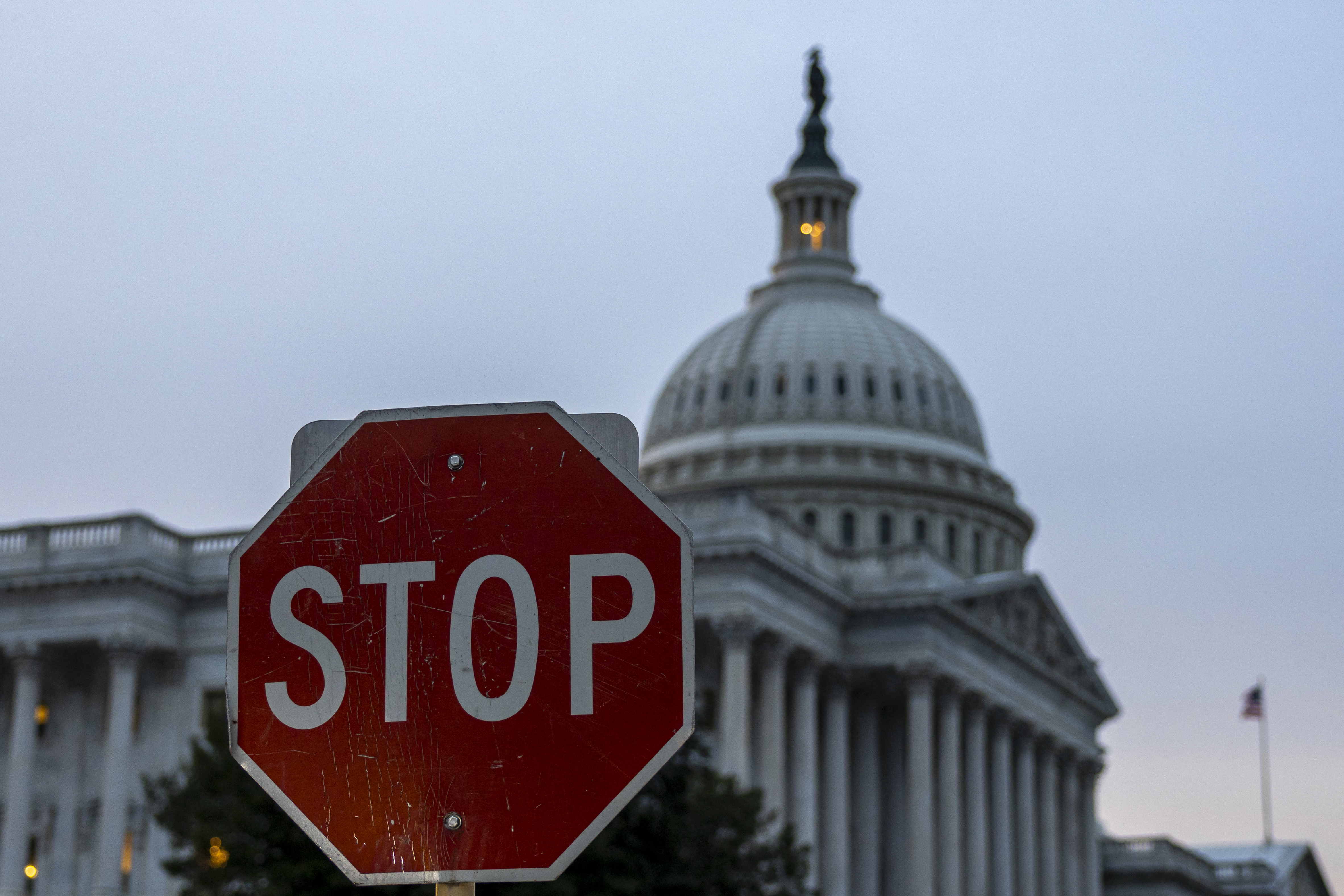
The US Senate passed a funding bill to potentially end the longest government shutdown in history. The bill needs approval from the House of Representatives before President Donald Trump can sign it. The agreement funds the government until the end of January and addresses several key financial areas.
Key Facts
The Senate passed the funding bill with a 60-40 vote, needing support from eight Democrats alongside almost all Republicans.
The bill extends government funding until January 30 and is designed to end the current government shutdown.
The House of Representatives, which is controlled by Republicans, must pass the bill next.
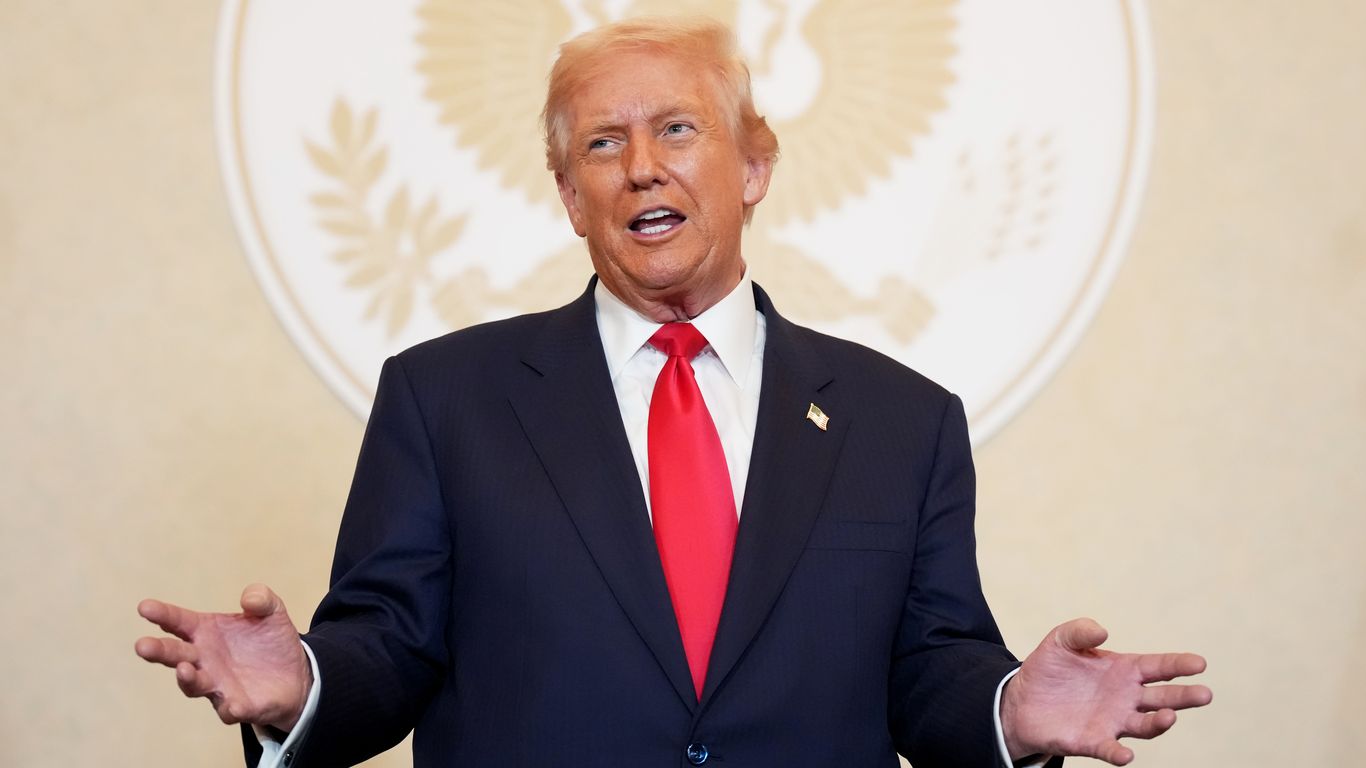
President Donald Trump indicated willingness to sign the bill once it passes the House.
Government services have been limited since October, affecting around 1.4 million federal workers and services like air travel and food assistance.
The bill includes funding for the Department of Agriculture, military construction, and other agencies through the year.
Provisions in the bill ensure federal workers receive back pay for their time during the shutdown.
The agreement includes a planned vote in December on extending healthcare subsidies.
Read the Original
Want the full story? Tap a source to open the original
article.
The U.S. Senate passed a bill to end the longest government shutdown in U.S. history, which lasted over five weeks. The bill, which funds the government through January 30 and reinstate federal workers' pay, now goes to the House of Representatives and then to President Trump for approval.
Key Facts
The Senate passed the spending package with a vote of 60 to 40.
The package funds the government until January 30.
The bill must be approved by the House and signed by President Trump to end the shutdown.
Hundreds of thousands of federal workers were affected, either furloughed or working without pay.
The shutdown started on October 1 and has impacted services like food stamps and airport operations.
The bill includes funding for agriculture, the FDA, military projects, veterans affairs, and Congress.
An issue regarding healthcare subsidies remains unresolved, with a vote expected in December.
There have been significant disruptions, such as reduced air traffic control capacity leading to travel delays.
Read the Original
Want the full story? Tap a source to open the original
article.
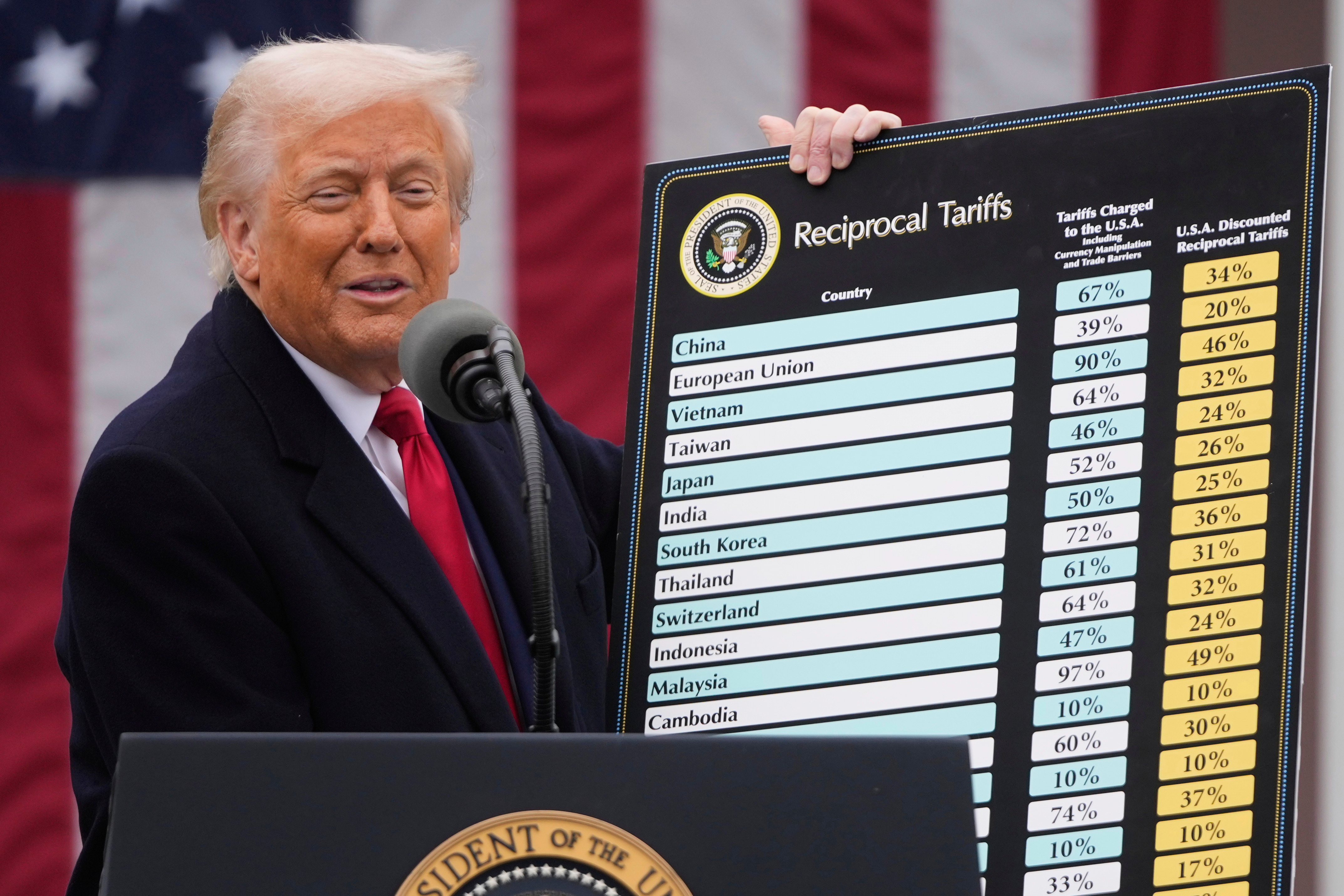
President Donald Trump has expressed concerns over a Supreme Court case about his authority to impose tariffs. If the Court rules against him, it could cost the U.S. $3 trillion by requiring refunds to businesses. The decision might change how much power a president has in handling national emergencies.
Key Facts
The Supreme Court is deciding if President Trump can impose major tariffs without Congress's approval.
Lower courts have said these tariffs are an overreach of presidential power.
Tariffs have brought in $195 billion in revenue this year and could generate $3 trillion over ten years.
A negative ruling could disrupt trade deals and require refunds to businesses that paid tariffs.
Trump mentioned using tariff revenue to send $2,000 checks to Americans, except those with high incomes.
The legal challenge is based on the International Emergency Economic Powers Act.
The case could set a precedent for presidential powers in economic and foreign policy.
The Supreme Court may issue a decision by December.
Read the Original
Want the full story? Tap a source to open the original
article.
A Utah judge has chosen a new congressional map that could make one of the state's four seats more competitive for Democrats. The decision rejects a Republican-proposed map and relates to a state rule from 2018 meant to prevent unfair drawing of district lines. This change is part of ongoing redistricting battles as both parties prepare for the 2026 midterm elections.
Key Facts
A judge in Utah selected a congressional map to increase competition for Democrats in one of the districts.
The decision affects one of Utah's four congressional seats, which are currently held by Republicans.
Judge Dianna Gibson rejected the Republican-proposed map for not following a 2018 state rule.
Proposition 4 is a rule from 2018 designed to stop gerrymandering by using an independent redistricting commission.
Redistricting is a broader issue between Republicans and Democrats across the U.S.
President Donald Trump wants Republicans to keep control of the U.S. House of Representatives in the 2026 elections.
The 2026 midterm elections are important as they will impact Trump's last two years in office.
Read the Original
Want the full story? Tap a source to open the original
article.
Protests became violent at a Turning Point USA event at the University of California, Berkeley. The event, part of the American Comeback tour, included guests Rob Schneider and Frank Turek. Police arrested several individuals due to violent clashes and vandalism related to the protests.
Key Facts
A Turning Point USA event led to violent protests at UC Berkeley.
The event was part of the American Comeback tour.
Conservative personality Charlie Kirk was associated with the tour.
The event featured guests like Rob Schneider and Frank Turek.
Police arrested at least three people due to the violence.
Four students were arrested earlier for alleged vandalism.
Protesters used chants and signs against the event's ideology.
Read the Original
Want the full story? Tap a source to open the original
article.
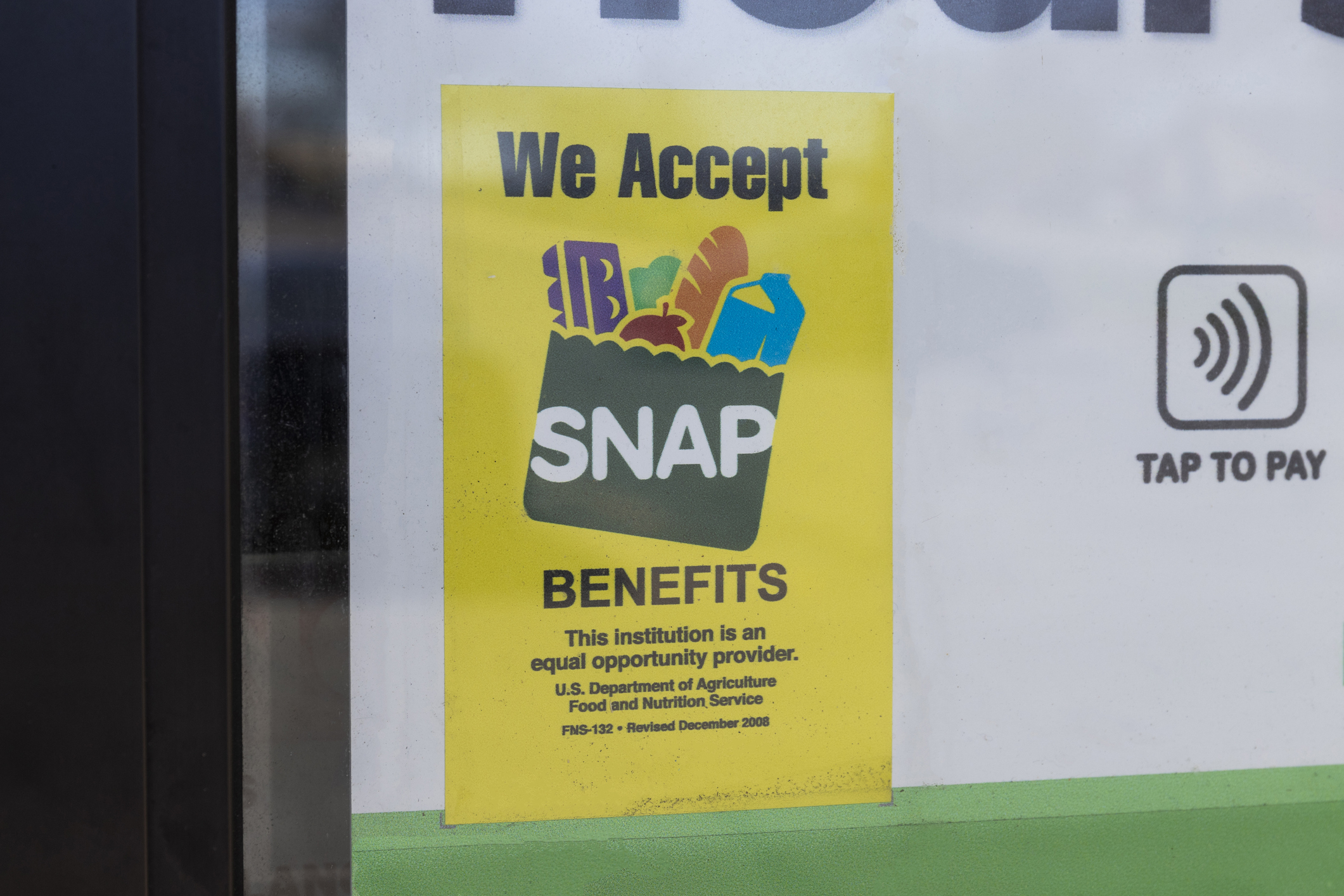
President Trump has criticized the Supplemental Nutrition Assistance Program (SNAP), saying it is being overused and needs reform. The program provides food assistance to low-income individuals and households, but President Trump believes spending on SNAP has increased too much. Critics note that SNAP has strict eligibility rules and that spending is actually lower than during the pandemic peak.
Key Facts
President Trump spoke about SNAP in an interview, saying it is being overused.
SNAP is a program that gives food assistance to people with very low incomes.
President Trump claimed SNAP spending increased significantly, but didn’t provide specifics.
Eligibility for SNAP requires very low income (around 30% of the poverty line) and few assets.
Most people on SNAP are in households with children, elderly, or disabled individuals.
Spending on SNAP peaked at $128 billion in 2021 during the pandemic and has decreased since then.
SNAP participation dropped after benefits during the pandemic lifted but remains steady now.
Officials from the White House and USDA did not comment on the possibility of SNAP reform.
Read the Original
Want the full story? Tap a source to open the original
article.
A federal judge has stopped President Trump's administration from enforcing a rule that would cut back food assistance benefits under the SNAP program. The administration had tried to retract benefits after the USDA informed states to comply with court rulings. The judge criticized the administration for acting against the states' efforts to distribute full benefits to SNAP beneficiaries.
Key Facts
A federal judge is preventing a rule from the Trump administration aimed at reducing SNAP benefits.
SNAP stands for Supplemental Nutrition Assistance Program, which provides food assistance to about 42 million people in the U.S.
The U.S. Department of Agriculture (USDA) oversees the SNAP program.
The USDA had told states to stop providing full SNAP benefits, calling any such actions unauthorized.
U.S. District Judge Indira Talwani criticized the administration's actions as not following legal and policy guidelines.
Full SNAP payments issued recently will not be revoked as per the court's ruling.
The situation is ongoing, with more updates expected as the story develops.
Read the Original
Want the full story? Tap a source to open the original
article.
The Senate passed a deal to end the longest government shutdown in U.S. history, which lasted 40 days. The package has bipartisan support and aims to reopen the government and fund key agencies. A House vote is expected soon, and the White House supports this plan.
Key Facts
The government shutdown lasted 40 days, making it the longest in U.S. history.
The Senate vote to end the shutdown was 60 in favor and 40 against.
Seven Democrats and Independent Angus King supported the deal in the Senate.
Sen. Rand Paul opposed the deal, seeking changes related to hemp products, but his amendment did not pass.
Speaker Mike Johnson of the House has told members to return for a vote on the package.
The House vote on the package is expected as soon as Wednesday.
The White House agrees with the deal, meaning the government is set to reopen this week.
Read the Original
Want the full story? Tap a source to open the original
article.
A crash involving a people carrier, also known as a mobile lounge, occurred at Washington Dulles International Airport, injuring 18 people. The vehicle hit a dock, and the injured passengers were taken to the hospital with non-life-threatening injuries. The airport remains operational despite the incident.
Key Facts
18 people were injured in a crash at Washington Dulles International Airport.
The vehicle involved is known as a mobile lounge and is used to transport passengers to and from planes.
The accident happened around 16:30 EST on Monday.
The mobile lounge hit a dock at the airport, causing damage.
Passengers exited the vehicle using stairs after the crash.
Mobile lounges have been used at Dulles airport since 1959 but are considered outdated by some.
The airport has a fleet of 19 mobile lounges, each carrying up to 102 people.
The incident occurred during a government shutdown affecting US airports and causing flight delays.
Read the Original
Want the full story? Tap a source to open the original
article.
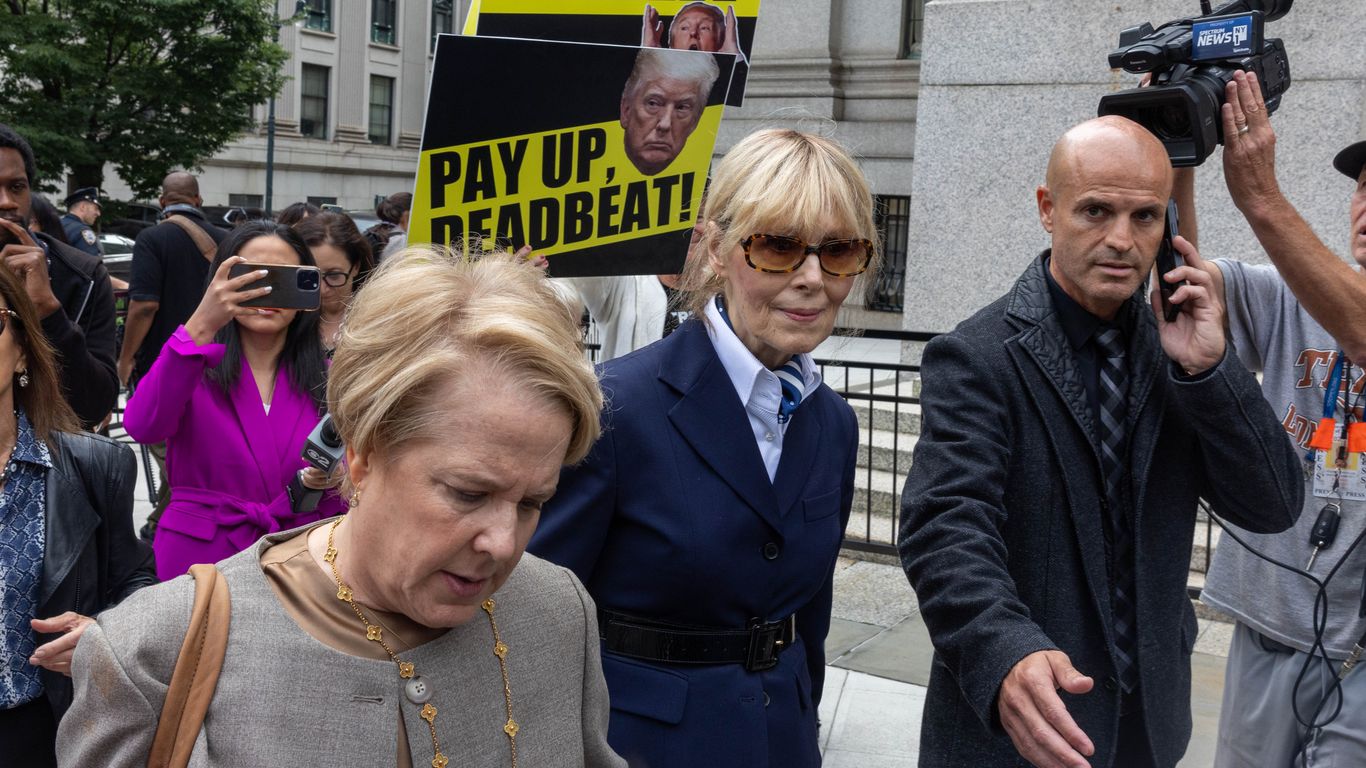
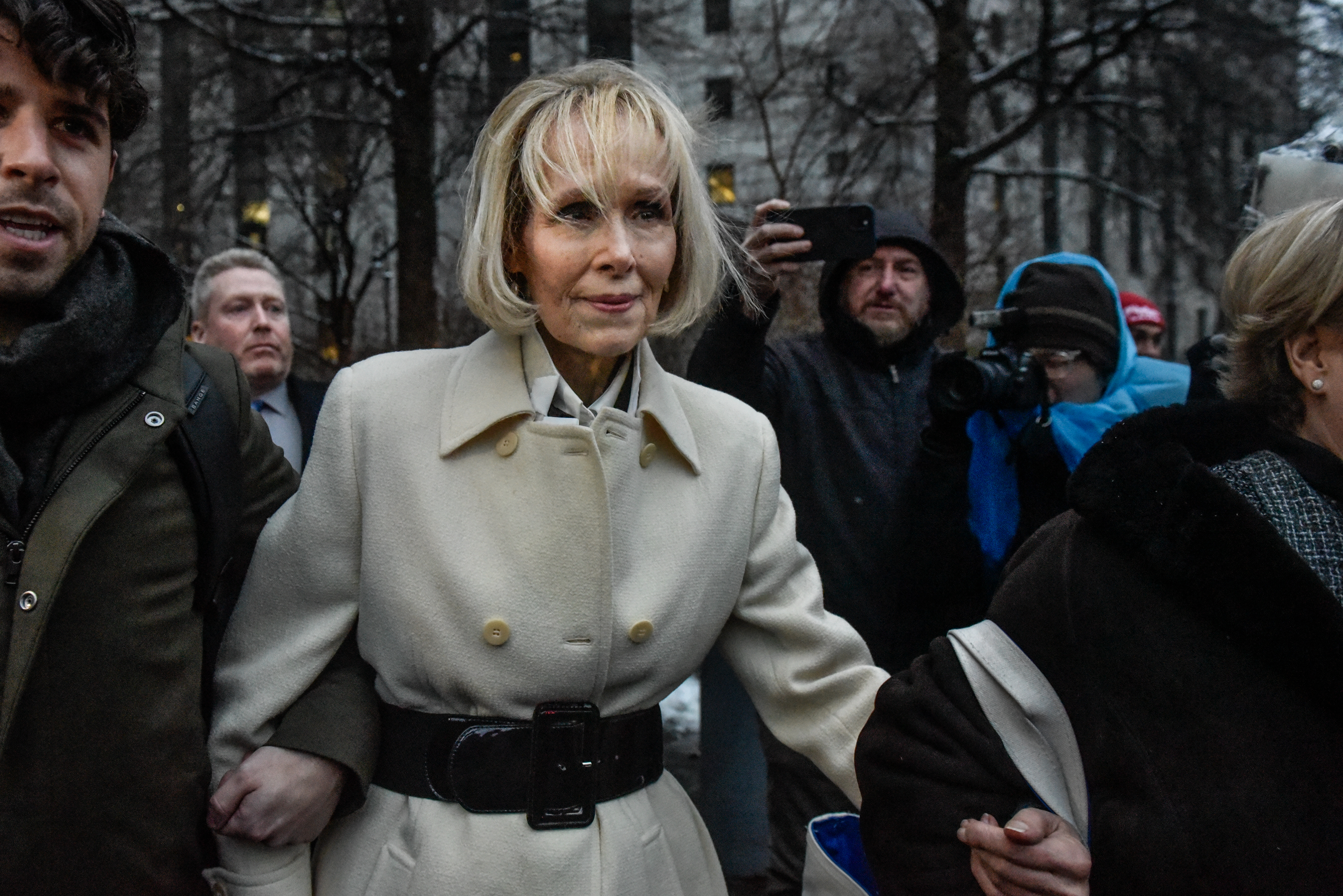
President Donald Trump has asked the U.S. Supreme Court to review a $5 million civil verdict against him. The verdict found him responsible for sexually abusing and defaming writer E. Jean Carroll. A federal appeals court had previously upheld this decision.
Key Facts
President Trump is seeking Supreme Court review of a $5 million verdict.
The verdict found Trump liable for actions against E. Jean Carroll, including defamation.
A federal appeals court previously upheld the verdict requiring Trump to pay damages.
Carroll accused Trump of assaulting her in a department store in the 1990s.
Carroll first sued Trump for defamation in 2019 and filed another suit in 2022.
The appeal says no eyewitnesses or concrete evidence like videos or police reports exist.
The Supreme Court has not yet decided if it will hear the case.
Read the Original
Want the full story? Tap a source to open the original
article.
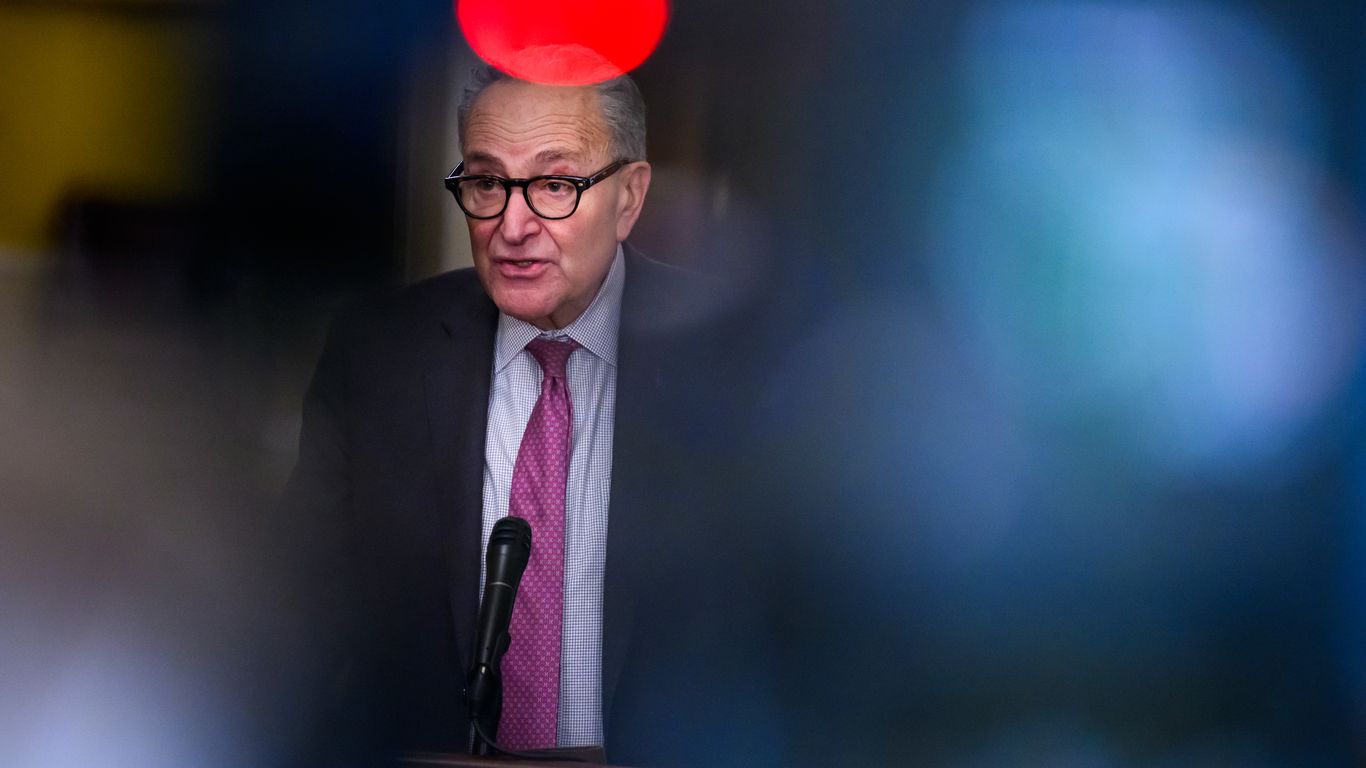
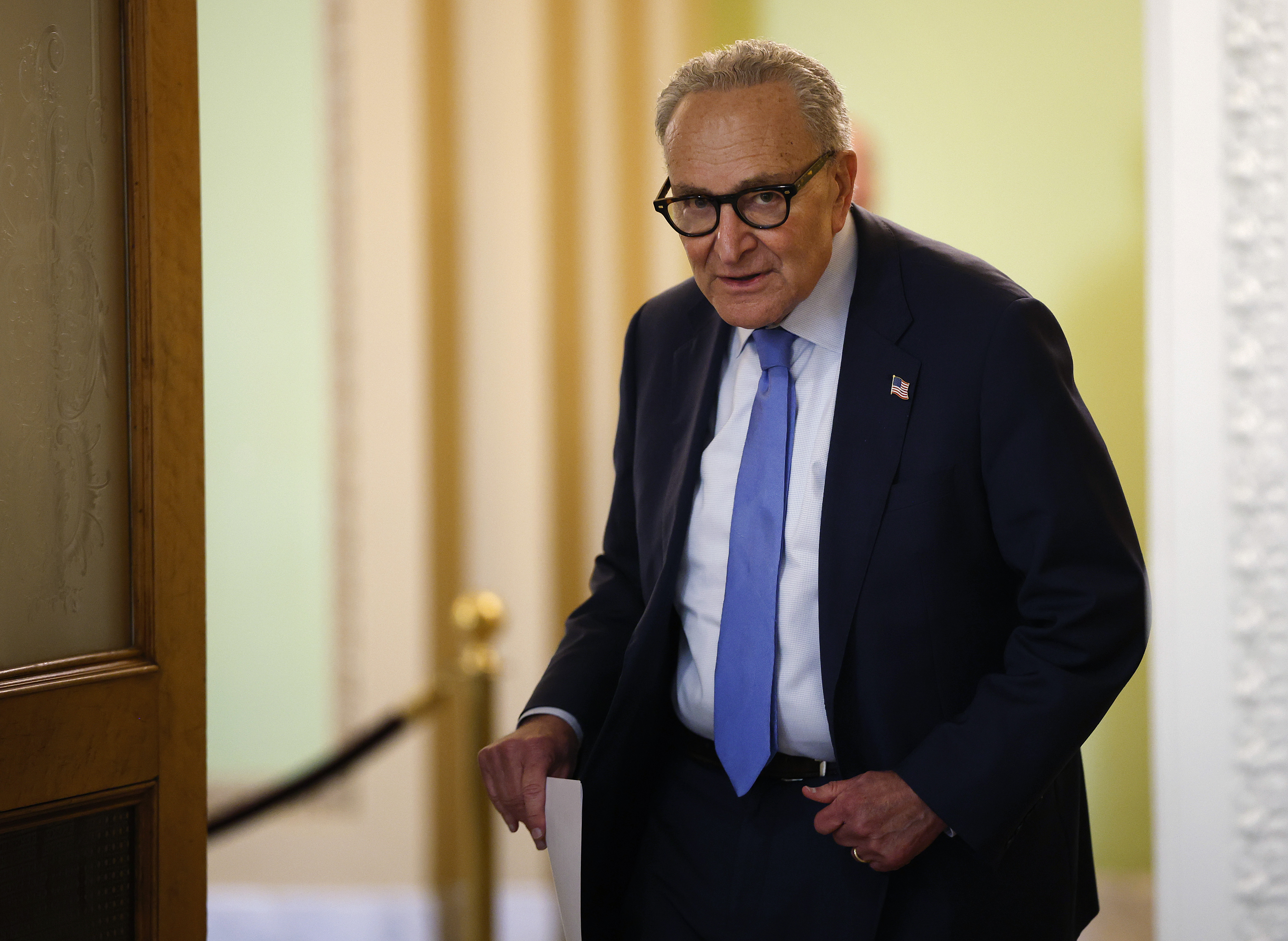
Some House Democrats and activist groups want Chuck Schumer to resign as Senate Minority Leader because they believe he did not effectively oppose a government reopening deal. Certain Democratic representatives and candidates publicly called for Schumer to step down, although Senate Democrats have not shown public support for this.
Key Facts
A group of House Democrats and liberal groups are asking Chuck Schumer to resign as Senate Minority Leader.
They are upset because Schumer did not stop senators from voting to reopen the government.
Representatives Rashida Tlaib, Seth Moulton, Mike Levin, Shri Thanedar, Ro Khanna, and Delia Ramirez have all criticized Schumer.
Schumer faced criticism for being unable to unite his caucus to oppose the bipartisan spending deal.
The group Indivisible is encouraging voters to ask senators to replace Schumer.
Despite this criticism, House Minority Leader Hakeem Jeffries supports Schumer and praised Senate Democrats' efforts.
Senate Democrats have not publicly stated that Schumer should step down.
Read the Original
Want the full story? Tap a source to open the original
article.
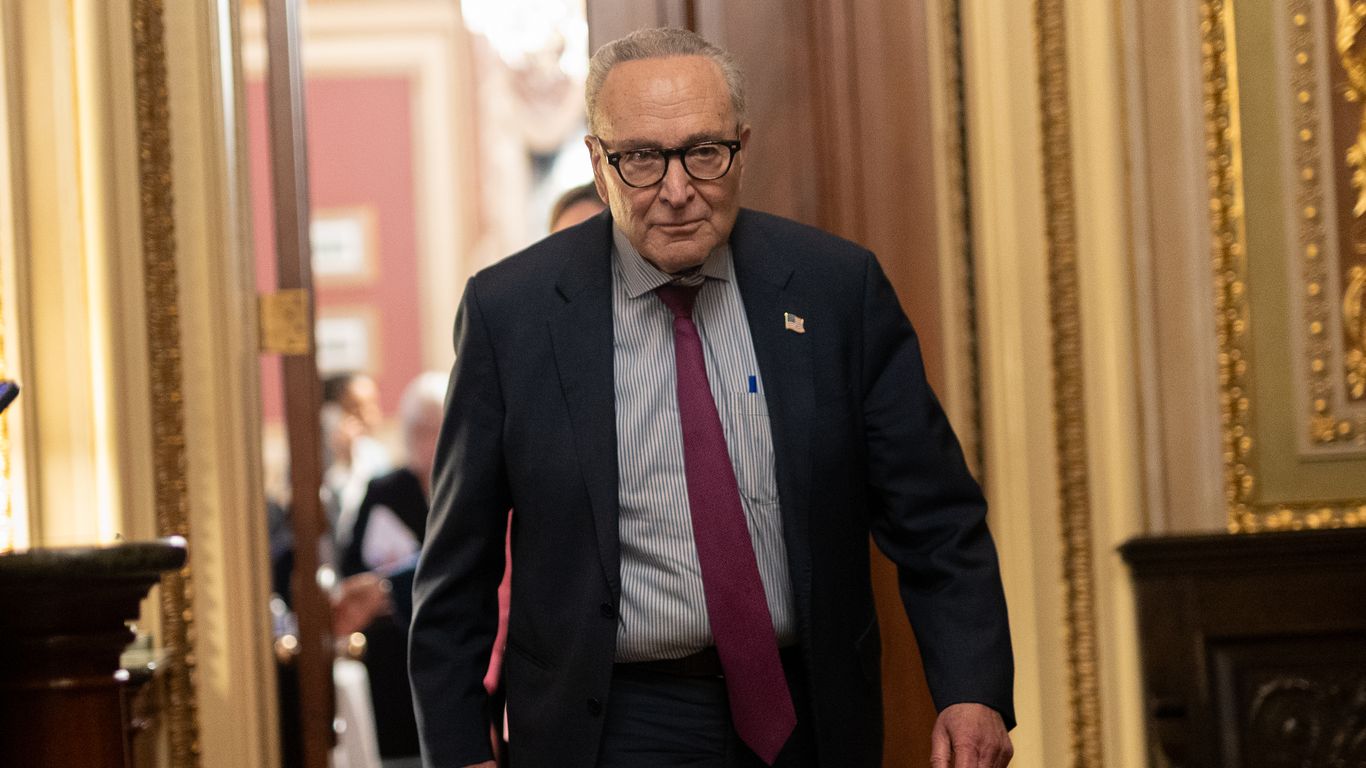
David Axelrod, a former adviser to President Barack Obama, suggested that Senate Minority Leader Chuck Schumer might not lead the Democrats in 2027. This speculation comes amid challenges from a government shutdown and tensions within the Democratic Party concerning legislative strategies. The Senate recently approved a temporary funding bill to end the shutdown, though it didn't meet all Democratic demands.
Key Facts
David Axelrod believes Chuck Schumer may not lead Senate Democrats by 2027.
Schumer faces criticism due to a long government shutdown and internal party disagreements.
Some Democratic senators supported a Republican-led funding bill to end the shutdown.
Schumer opposed the funding bill because it did not extend Affordable Care Act subsidies.
Eight Democratic senators backed the temporary funding measure, revealing party splits.
The government shutdown disrupted services and delayed federal workers' pay.
The funding bill still needs approval from the House and President Donald Trump to become law.
Read the Original
Want the full story? Tap a source to open the original
article.
That's the point of this site, and readers keep it that way. Support for any amount and the daily digest lands in your inbox every morning at 7am Eastern.
A new survey shows that Muslim voters in the United States largely supported Democratic candidates in recent elections. The Council on American-Islamic Relations conducted this poll, which highlighted strong backing for Democratic candidates and high voter turnout among Muslims.
Key Facts
Muslim voters in the U.S. showed strong support for Democratic candidates in recent elections.
The poll was conducted by the Council on American-Islamic Relations (CAIR).
In New York, 97% of Muslim voters backed Mayor-elect Zohran Mamdani.
Virginia’s Democratic Senator Ghazala Hashmi received 95% of the Muslim vote for lieutenant governor.
Democratic candidates Abigail Spanberger and Mikie Sherrill both received about 85% support from Muslim voters.
California's Proposition 50, which supports Democrats, was approved by 90% of Muslim voters.
CAIR interviewed 1,626 Muslim respondents for this survey.
The survey showed that 38 out of 76 Muslim candidates won in recent elections.
Read the Original
Want the full story? Tap a source to open the original
article.
Senate Minority Leader Chuck Schumer urged moderate Democrats to maintain the government shutdown until November, despite facing pressure to reopen. He hoped to negotiate better terms when the Affordable Care Act enrollment began. However, some Democrats eventually voted with Republicans to end the shutdown.
Key Facts
Chuck Schumer is the Senate Minority Leader and a member of the Democratic Party.
Schumer privately encouraged moderates to extend the government shutdown until early November.
The shutdown lasted two weeks when moderate Democrats began considering a vote to reopen the government.
The moderates wanted to wait until the Affordable Care Act (ACA) enrollment started.
Schumer opposed a bipartisan deal aimed at ending the shutdown.
Democratic Senator Jeanne Shaheen led efforts to find a compromise but did not comment on Schumer's role.
The shutdown ended when some Democrats voted with Republicans after securing a promised vote in December on ACA tax credits.
Read the Original
Want the full story? Tap a source to open the original
article.
House Democrats held a private call where they expressed anger over Senate Democrats' agreement with Republicans to end a government shutdown. Many House Democrats are upset, feeling the deal makes their party look like they are giving in. The deal involves a promise for a Senate vote on health care tax credits, but it lacks assurance of passing due to needing 60 votes.
Key Facts
House Democrats are upset with Senate Democrats for making a shutdown deal with Republicans.
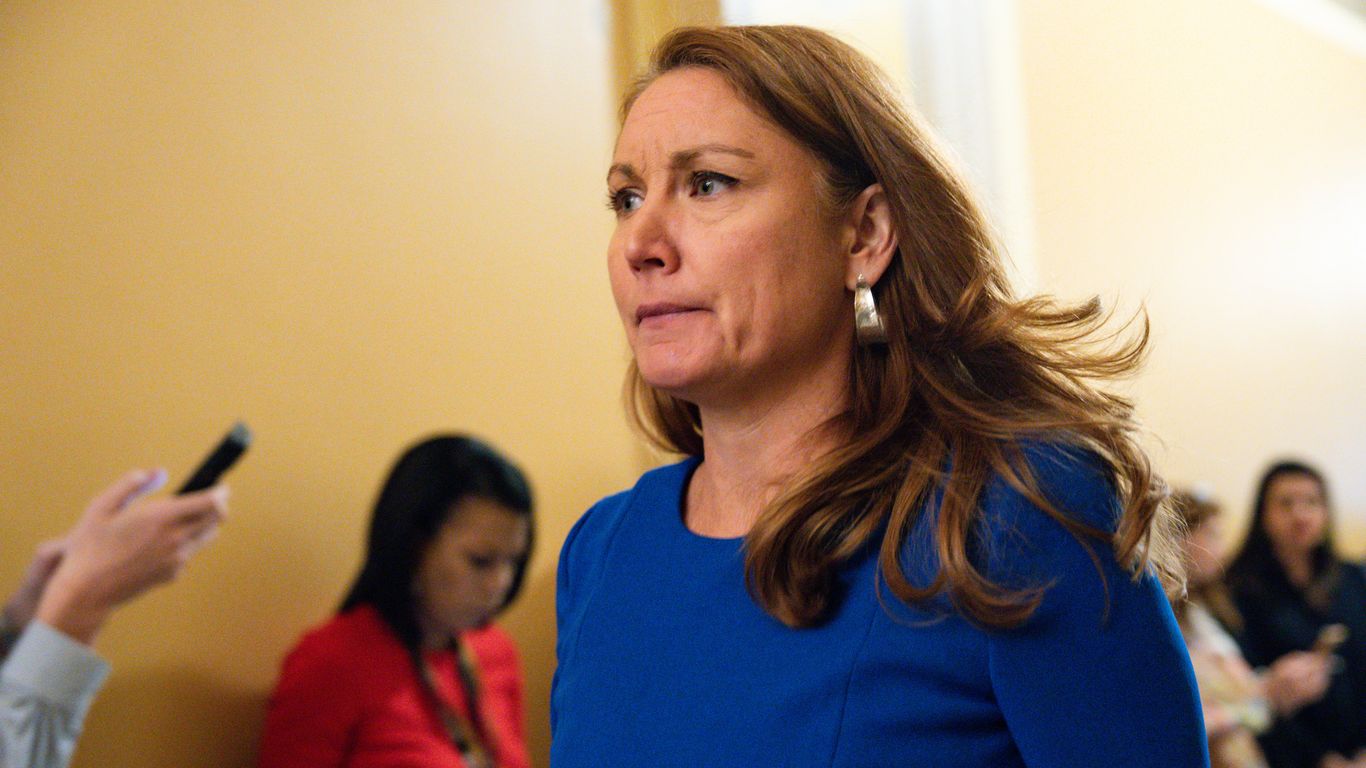
Rep. Melanie Stansbury expressed that the public is angry with Democrats for appearing to back down.
House Minority Leader Hakeem Jeffries urged members to focus on health care issues.
The deal includes a Senate vote on health care tax credits but lacks a guaranteed House vote.
Many criticized Senate Minority Leader Chuck Schumer for his role in the deal.
Some centrist House Democrats are open to the deal, despite widespread anger from others.
Rep. Jared Golden expressed support for the deal as he opposed his party's shutdown approach.
Read the Original
Want the full story? Tap a source to open the original
article.
The Supreme Court received a filing from the Justice Department arguing that a federal judge exceeded authority by ordering full funding of SNAP benefits during a government shutdown. This legal fight involves ensuring food assistance for about 42 million Americans, but complications have arisen due to government budget issues. The government shutdown may soon end, which could resolve some of the funding challenges.
Key Facts
The Justice Department filed a brief with the Supreme Court about a federal judge's order to fully fund SNAP benefits.
About 42 million Americans rely on SNAP, which provides food assistance.
The legal dispute stems from a government shutdown affecting SNAP funding.
Charities and cities have sued to ensure the government pays full SNAP benefits.
The USDA has tried to manage SNAP funding using emergency funds.
Supreme Court Justice Kentaji Brown temporarily paused a judge's order demanding full SNAP payments.
The First Circuit Court of Appeals rejected a request to avoid fully funding SNAP.
The ongoing legal battle might be resolved if the government shutdown ends, with legislative steps already in motion.
Read the Original
Want the full story? Tap a source to open the original
article.
A group of Democratic Senators voted with Republicans to temporarily end the longest U.S. government shutdown in history. The Senate passed the bill 60-40, but it caused divisions within the Democratic Party as the deal did not include an extension for Affordable Care Act tax credits.
Key Facts
The government shutdown lasted over 40 days, making it the longest in U.S. history.
The shutdown affected federal services and delayed payments to federal workers.
The Senate vote to end the shutdown was 60 in favor and 40 against.
Some Democratic Senators joined Republicans in voting for the bill.
Key Democratic figures who voted yes included Senators Jeanne Shaheen, Dick Durbin, and Tim Kaine.
The bill did not guarantee extending Affordable Care Act tax credits, a significant issue for many Democrats.
These events have highlighted differences within the Democratic Party regarding legislative priorities.
Read the Original
Want the full story? Tap a source to open the original
article.
President Donald Trump proposed giving $2,000 to most Americans using money collected from tariffs. Economists say this plan could cost more than the government makes in a year from tariffs. The Supreme Court might cancel these tariffs, affecting how any payments could be funded.
Key Facts
President Trump wants to give $2,000 payments to most Americans from tariff money.
Economists estimate this could cost hundreds of billions of dollars.
Tariffs have generated $195 billion in revenue in the fiscal year 2025.
Trump said the payments would be for people earning $100,000 or less.
A proposed $300 billion in payments is more than the $90 billion net revenue from tariffs.
Secretary Scott Bessent mentioned possible tax savings under Trump's tax policies.
The Supreme Court is reviewing the legality of Trump's tariffs, expressing concern over their nature as a revenue source.
Read the Original
Want the full story? Tap a source to open the original
article.
Staying informed here is free for everyone. If it's worth something to you, pay what you want. Supporters also get the daily digest by email every morning.
President Donald Trump has asked the U.S. Supreme Court to overturn a civil lawsuit verdict in which he was found responsible for sexually abusing and defaming writer E. Jean Carroll. The case involves questions about how evidence is handled in trials and what actions public figures can be held accountable for. It could influence future legal cases involving high-profile individuals.
Key Facts
President Trump is seeking to overturn a verdict that found him liable for abusing and defaming E. Jean Carroll.
Carroll accused Trump of assaulting her in a department store dressing room in 1996 and later defaming her.
In 2023, a jury awarded Carroll $5 million in damages.
An appellate court upheld this verdict in December 2024.
Trump's lawyer claims the incident was a "politically motivated hoax" and notes a lack of physical evidence or eyewitnesses.
The Supreme Court's decision could affect legal standards for evidence and public figure accountability.
Carroll is known as an advice columnist and former TV host.
Read the Original
Want the full story? Tap a source to open the original
article.
The U.S. government shutdown is causing significant delays and cancellations for airline passengers across the country. President Donald Trump is urging air traffic controllers to return to work, with promises of payment for those who continue working without pay. There are concerns about ongoing staffing shortages affecting flight schedules.
Key Facts
The U.S. government shutdown is affecting air travel, causing many delays and cancellations.
Delays are averaging over an hour at major airports like New York's LaGuardia and around 44-46 minutes at others, like Chicago O'Hare.
On Thursday, there were 1,700 flight cancellations and over 5,000 delays in the U.S.
Airlines for America says that over four million passenger travel plans were disrupted since the shutdown began on October 1.
President Trump ordered air traffic controllers to return to work, threatening pay cuts for those who do not comply.
Staffing shortages have reached 20-40% of air traffic controllers not showing up, with the worst day recorded over a weekend.
The FAA is reducing flights by several percentages at major airports due to safety concerns.
Some general aviation operations at major U.S. airports have been suspended.
Read the Original
Want the full story? Tap a source to open the original
article.