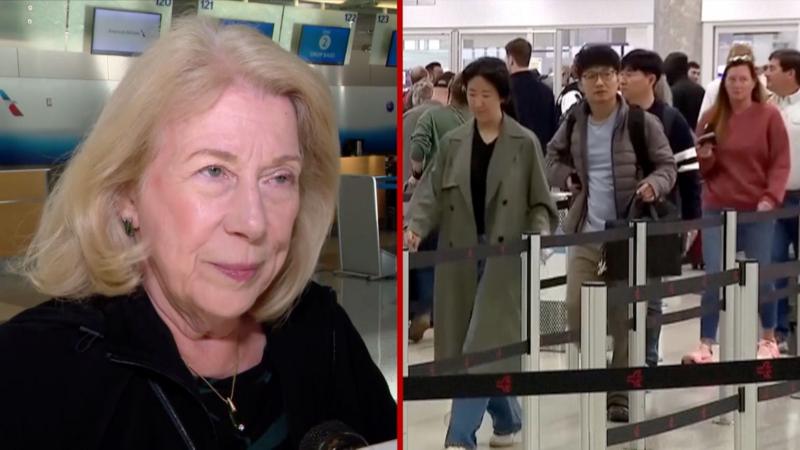
Many airline travelers in the United States are upset about ongoing flight delays and cancellations caused by a government shutdown. Staffing shortages at airports have been worsened by the shutdown, prompting the Federal Aviation Administration (FAA) to mandate reductions in flight operations. A government deal was recently passed by U.S. senators to potentially end the shutdown.
Key Facts
The U.S. is experiencing a government shutdown.
This shutdown has led to staffing shortages at airports.
The FAA announced it would require flight reductions due to these shortages.
Flight operations may be reduced by up to 10% by November 14.
U.S. senators passed an agreement that could end the shutdown.
Travelers are frustrated with the government due to ongoing flight delays and cancellations.
The FAA cited "operational strain" as a reason for the flight cutbacks.
Read the Original
Want the full story? Tap a source to open the original
article.
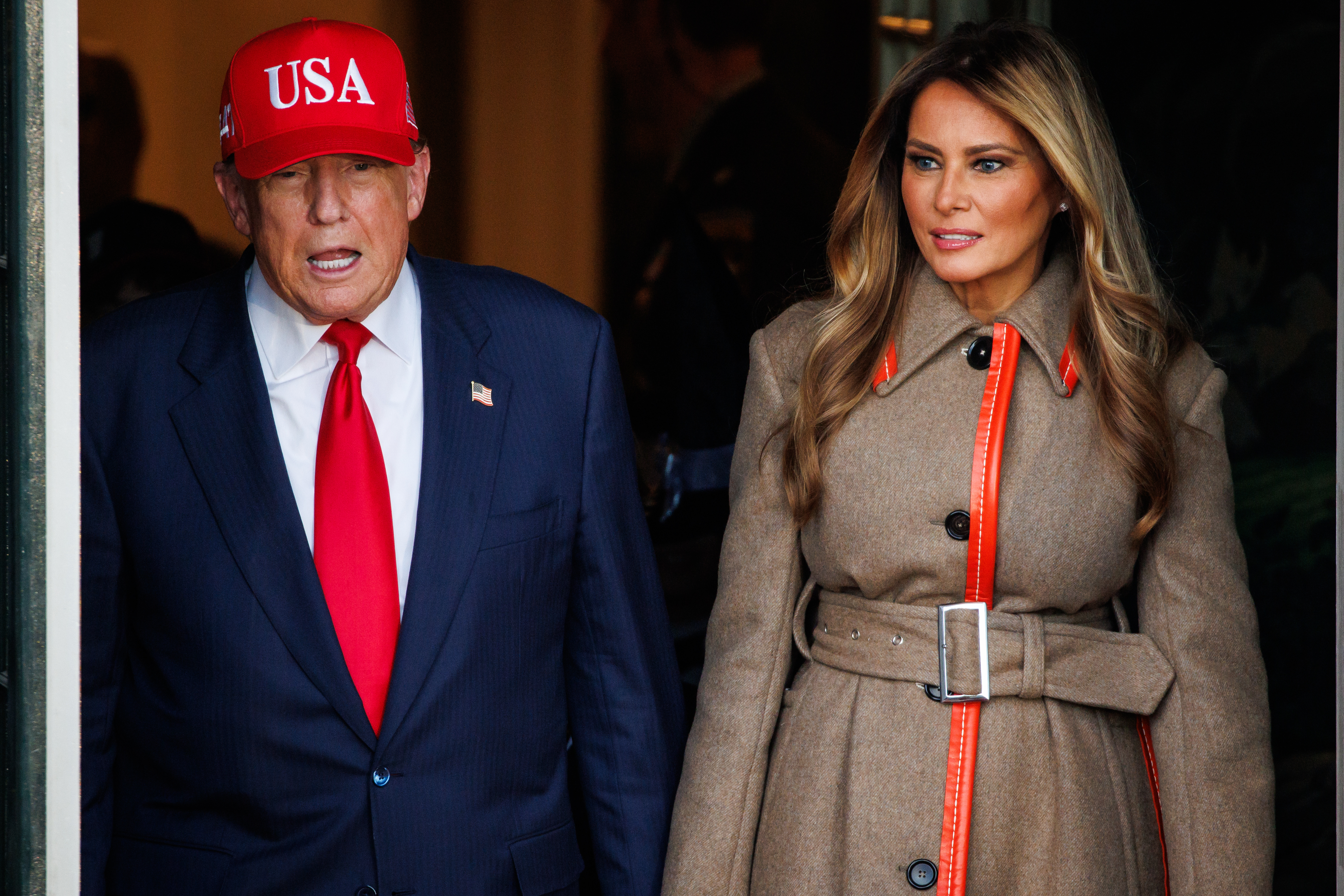
President Donald Trump discussed plans to demolish the East Wing of the White House to build a new $300 million ballroom. He addressed concerns reportedly raised by First Lady Melania Trump, stating she now supports the project. The East Wing, which houses the First Lady's offices, will be rebuilt as part of the renovation.
Key Facts
President Trump plans to demolish the East Wing to construct a new ballroom.
The project is estimated to cost $300 million.
First Lady Melania Trump reportedly had private concerns about the demolition.
President Trump stated Melania Trump now supports the project.
The East Wing contains offices for the First Lady and her staff.
Trump criticized the current state of the East Wing, noting past renovations.
The White House will rebuild the East Wing as part of the ballroom construction.
Read the Original
Want the full story? Tap a source to open the original
article.
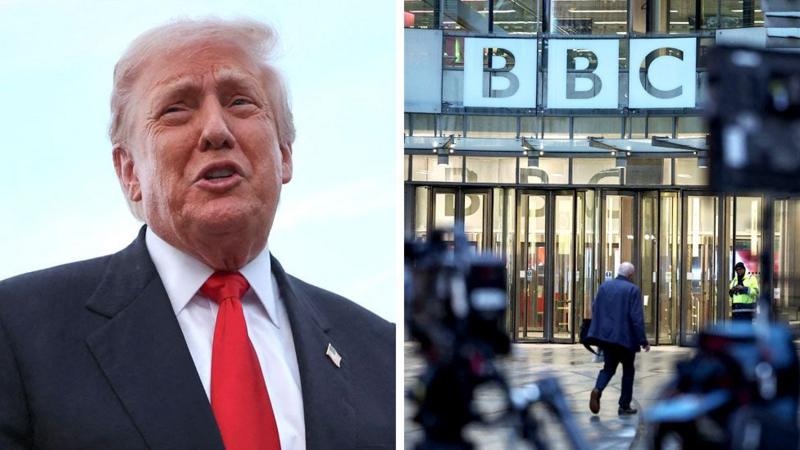
President Donald Trump plans to sue the BBC for $1 billion, claiming that a documentary edited his speech in a misleading way. The BBC admitted an error in judgment over the edit and is deciding how to respond to Trump's legal threat. The podcast episode discusses Trump's issues with the media and other current topics like the US government shutdown.
Key Facts
President Donald Trump claims the BBC edited his speech in a way that was false and harmful.
Trump is threatening to sue the BBC for $1 billion because of this edited documentary.
The BBC's chair, Samir Shah, apologized and called it a mistake in judgment.
The BBC is currently considering its response to Trump's legal threat.
The issue relates to a documentary about Trump's January 6th speech.
The podcast also covers other topics such as a US government shutdown and Elon Musk's new project.
The episode panel includes Justin Webb, Anthony Zurcher, and Marianna Spring.
Read the Original
Want the full story? Tap a source to open the original
article.
President Donald Trump is threatening to sue the BBC for $1 billion. He claims that a BBC documentary wrongly edited his January 6, 2021, speech to make it appear as if he urged people to attack the U.S. Capitol. The BBC has admitted an error in judgment regarding the edit but insists there was no attempt to hide issues raised about this.
Key Facts
President Trump threatened to sue the BBC for $1 billion over a documentary.
The issue centers around a January 6, 2021, speech that was allegedly edited by the BBC's Panorama program.
The speech edit made it appear as if Trump urged an attack on the U.S. Capitol.
The BBC set a deadline of November 14 to retract the documentary or face legal action.
The documentary was highlighted in a leaked memo that accused the BBC of anti-Trump bias.
BBC chair Samir Shah apologized for the editing error.
Trump's attorney accused the BBC of defamation under Florida law.
The edited sections of the speech were originally over 50 minutes apart.
Read the Original
Want the full story? Tap a source to open the original
article.
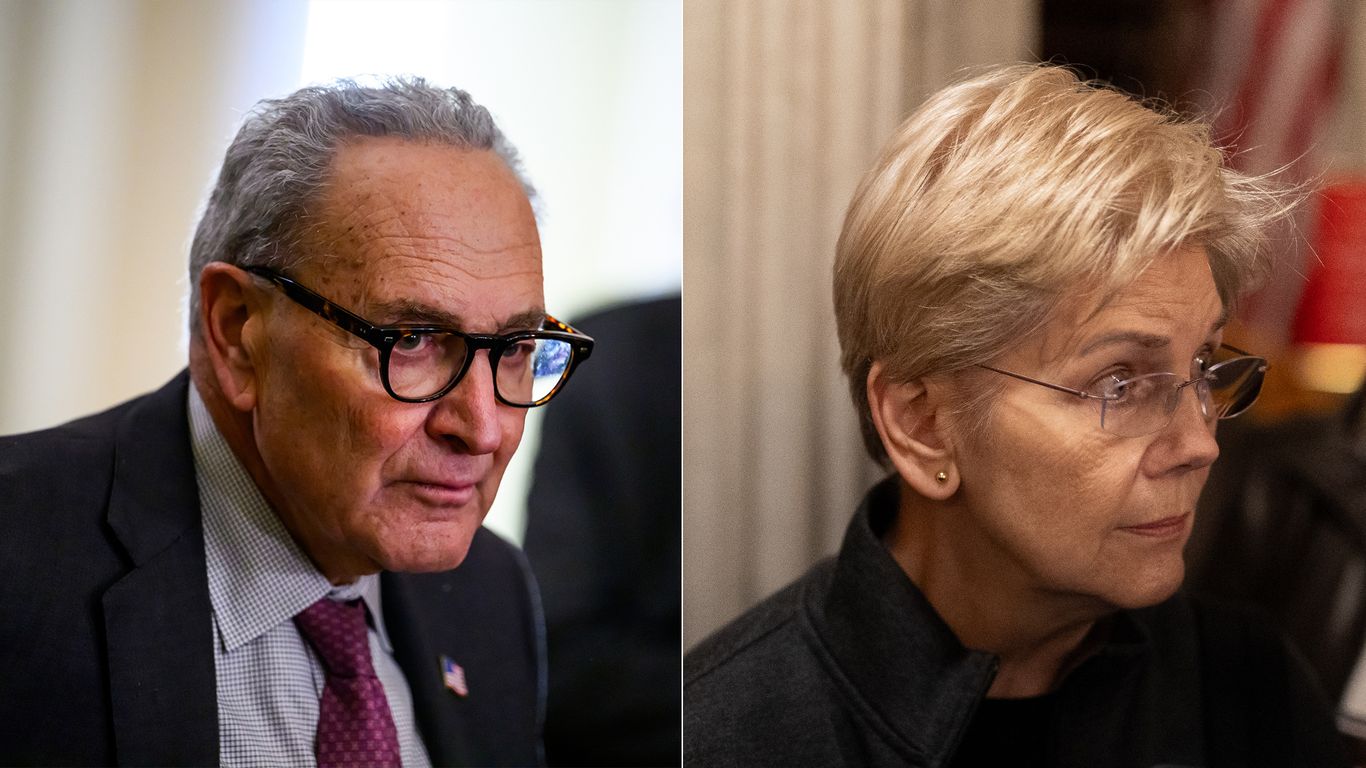
Congressional Democrats are unhappy with a Senate deal to reopen the government after a long shutdown. The deal didn't include their main request for extending health care subsidies, causing frustration with party leadership. Despite securing a future vote on the subsidies, many Democrats feel they lost leverage against President Trump and Republicans.
Key Facts
The Senate deal is expected to fund the government until late January.
Eight Senate Democrats broke ranks to support the deal.
The deal reverses federal worker layoffs during the shutdown.
Democrats wanted a one-year extension of Affordable Care Act tax credits, helping 22 million people.
Many blame the shutdown issues on Republicans and President Trump.
House Democrats are likely to oppose the Senate's deal, complicating its passage.
Senate Minority Leader Chuck Schumer faces criticism from fellow Democrats.
The Trump administration's handling of the shutdown increased pressure to reach a deal.
Read the Original
Want the full story? Tap a source to open the original
article.
A group of Democrats and one independent have worked with Republicans to potentially end the longest government shutdown in U.S. history. The agreement needs approval from the Senate, House, and President Trump. If accepted, the government could reopen as soon as this week.
Key Facts
The government shutdown has lasted 41 days, making it the longest in U.S. history.
Some Democrats and an independent have reached a deal with Republicans.
The agreement needs approval from the Senate, House of Representatives, and President Trump.
If all parties approve, the government could reopen this week.
The deal aims to restore normal government operations.
The shutdown has affected many government services and employees.
Read the Original
Want the full story? Tap a source to open the original
article.
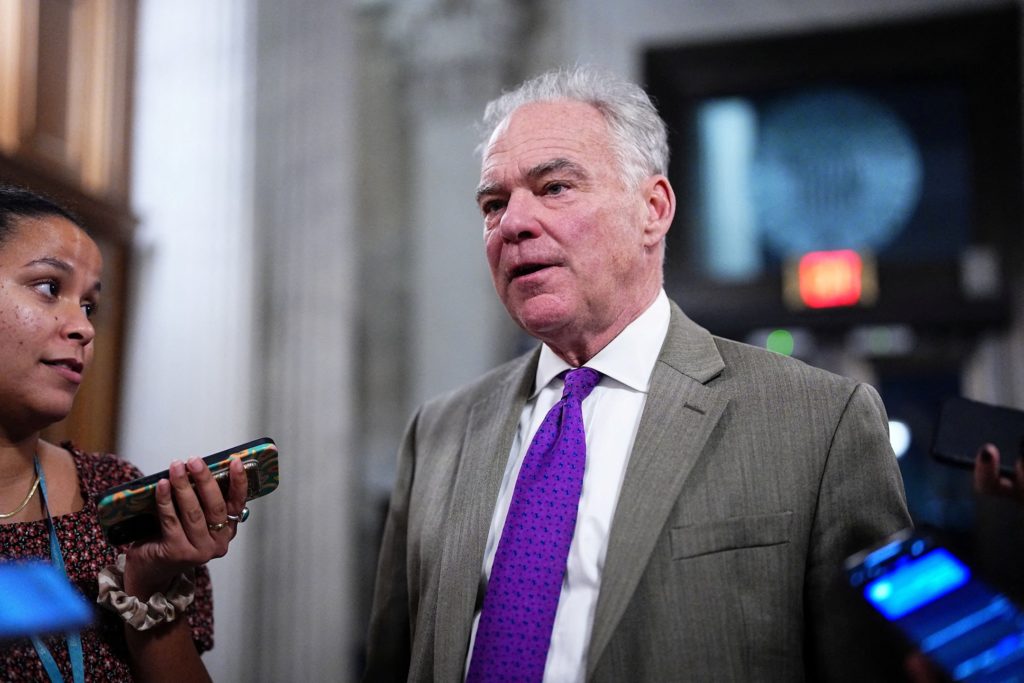
The government shutdown ended after a vote in the Senate. Senator Tim Kaine from Virginia was one of eight Democrats who voted to end it. He explained his decision in a discussion with Geoff Bennett.
Key Facts
The government shutdown was resolved by a Senate vote.
Eight Democratic senators voted in favor of ending the shutdown, including Senator Tim Kaine.
Senator Tim Kaine represents the state of Virginia.
The shutdown caused a stalemate, which refers to a situation where no progress can be made, in the government.
The discussion about the vote took place between Senator Kaine and Geoff Bennett.
The vote to end the shutdown showed differing opinions among Senate Democrats.
Read the Original
Want the full story? Tap a source to open the original
article.
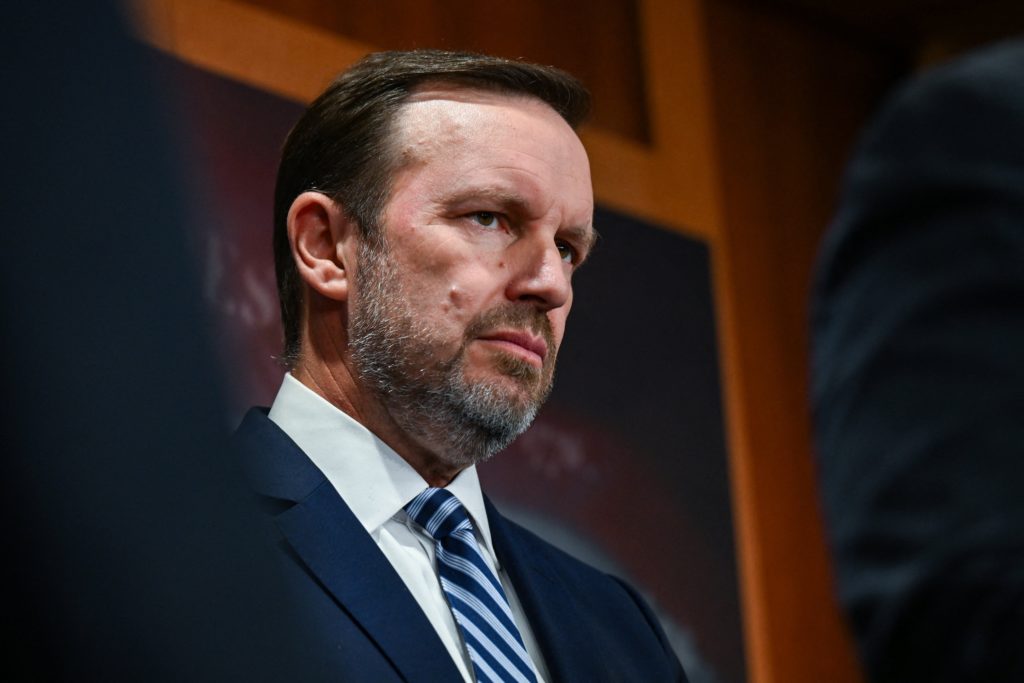
Senator Chris Murphy from Connecticut voted against a deal to end the government shutdown. He discussed the situation with Amna Nawaz, mentioning how the involvement of some Democrats might impact President Trump's actions.
Key Facts
Senator Chris Murphy represents Connecticut.
40 Democrats, including Murphy, voted against ending the shutdown.
8 Democrats voted in favor of the deal to end the shutdown.
President Trump may feel encouraged by some Democrats supporting the deal.
The discussion about the shutdown and votes happened on a show with Amna Nawaz.
Read the Original
Want the full story? Tap a source to open the original
article.
President Trump has pardoned several of his allies who were accused of trying to change the results of the 2020 election. These pardons are related to efforts disputing the election won by Joe Biden.
Key Facts
President Donald Trump granted pardons to people connected to attempts to overturn the 2020 election results.
The pardons cover former administration officials and allies.
The 2020 election was won by Joe Biden.
The pardons aim to protect those accused of trying to change the election outcome.
This action is part of President Trump's continued claims about the 2020 election.
Read the Original
Want the full story? Tap a source to open the original
article.
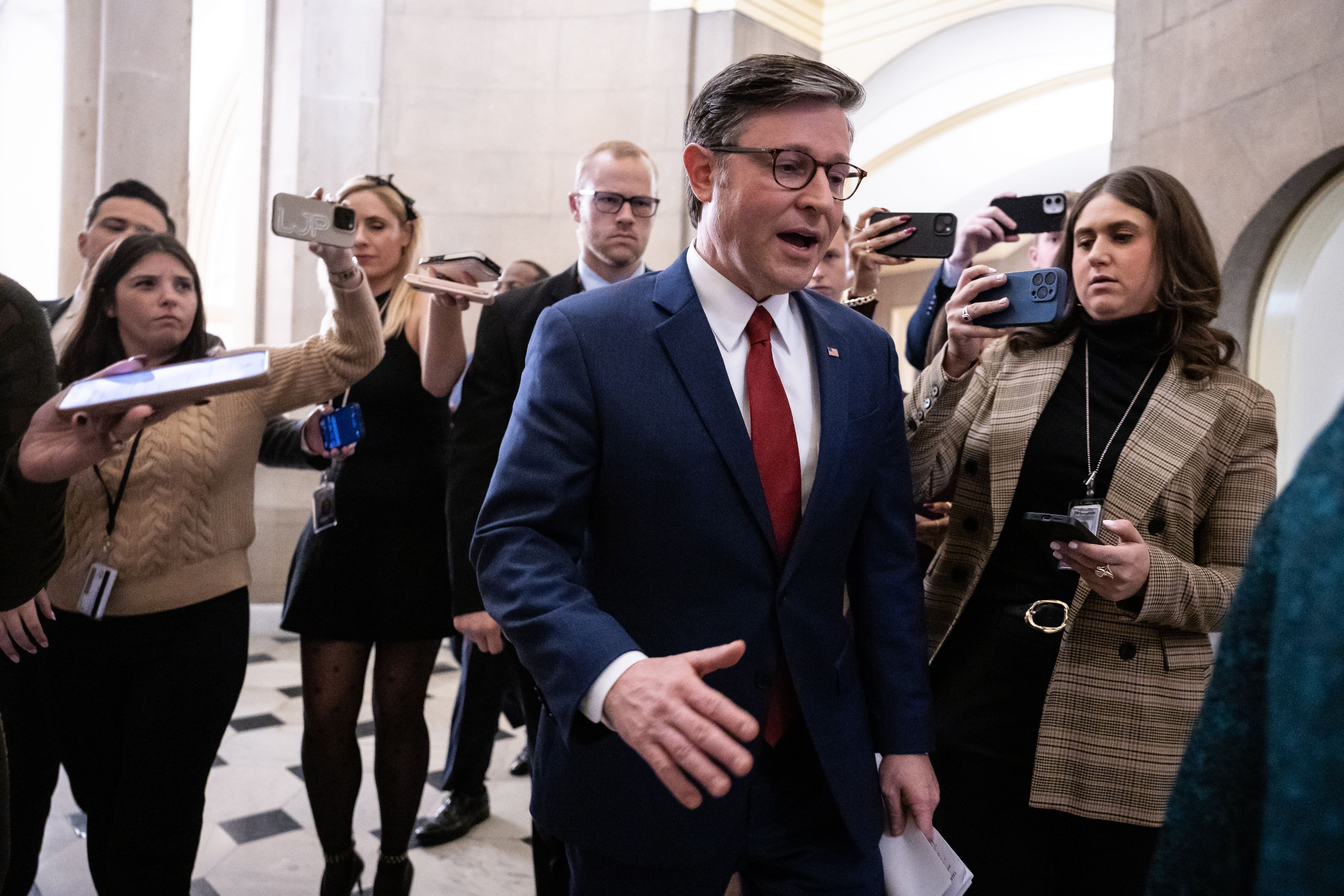
US House Speaker Mike Johnson stated that the House of Representatives is preparing to vote on a deal to end the government shutdown. The announcement follows a Senate vote that backed the legislation to reopen the government and provide necessary funding. The bill includes stopgap funding to keep government operations going until January 30.
Key Facts
US House Speaker Mike Johnson announced an upcoming House vote to end the federal shutdown.
The Senate's 60-40 vote supports legislation to reopen the government.
Seven Senate Democrats and one independent senator voted with Republicans.
The bill funds federal operations and programs like the SNAP food aid until January 30.
The legislation includes back pay for federal workers who were furloughed.
A decision on healthcare subsidies, a significant issue for Democrats, is delayed until next month.
Cancellation and staffing issues in aviation continue to impact flight schedules.
Read the Original
Want the full story? Tap a source to open the original
article.
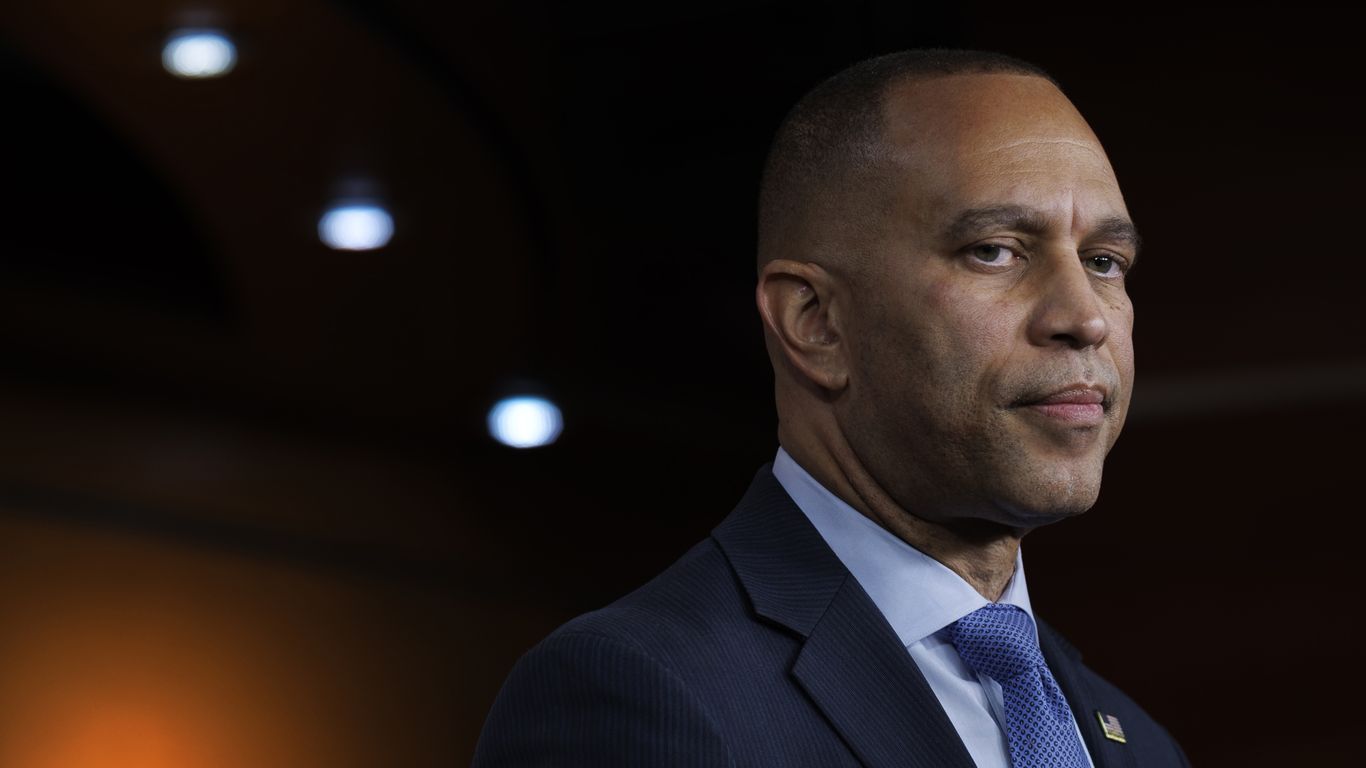
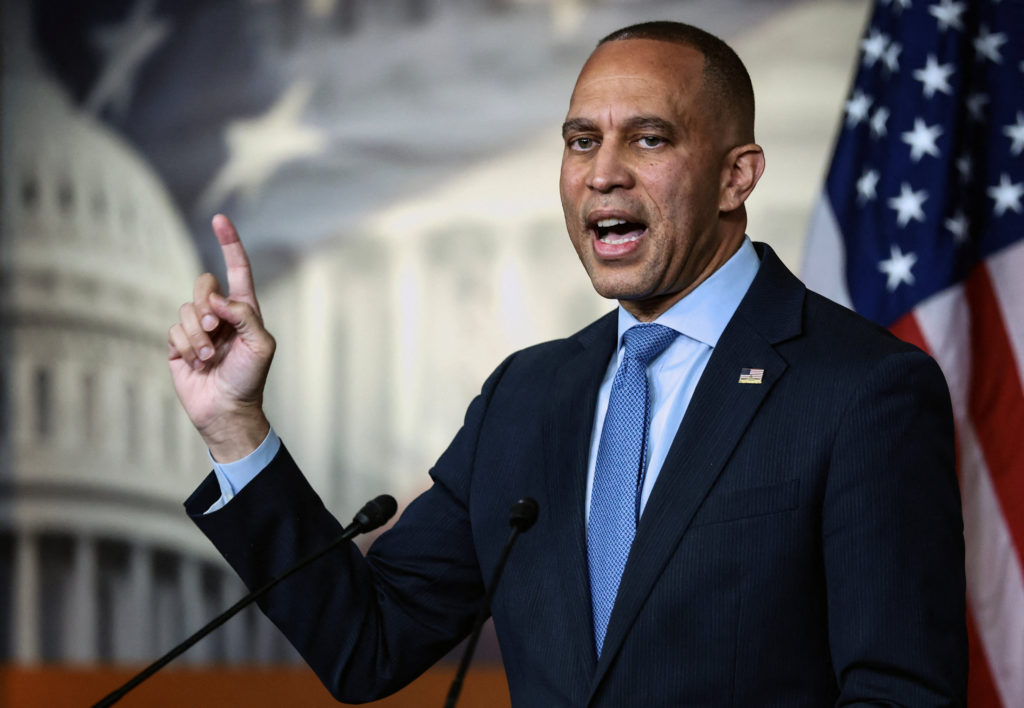
House Minority Leader Hakeem Jeffries supports Senator Chuck Schumer despite some Democrats being angry at Schumer for not stopping senators from advancing a government reopening deal. Jeffries plans to oppose the deal in the House, calling it a "Republican spending bill." Jeffries has stated that most Senate Democrats, led by Schumer, have been fighting against the deal for several weeks.
Key Facts
Hakeem Jeffries is the House Minority Leader from New York.
Jeffries supports Senate Leader Chuck Schumer, who is also from New York.
Some Democrats are upset with Schumer over a government reopening deal.
The deal includes a promise of a vote on Affordable Care Act tax credits in December.
Jeffries calls the deal a "partisan Republican spending bill" and pledges to fight it in the House.
Schumer did not vote for the deal, and most Senate Democrats oppose it.
Representative Jared Moskowitz mocked Schumer in a social media post.
Jeffries will discuss the bill's opposition in a caucus meeting.
Read the Original
Want the full story? Tap a source to open the original
article.
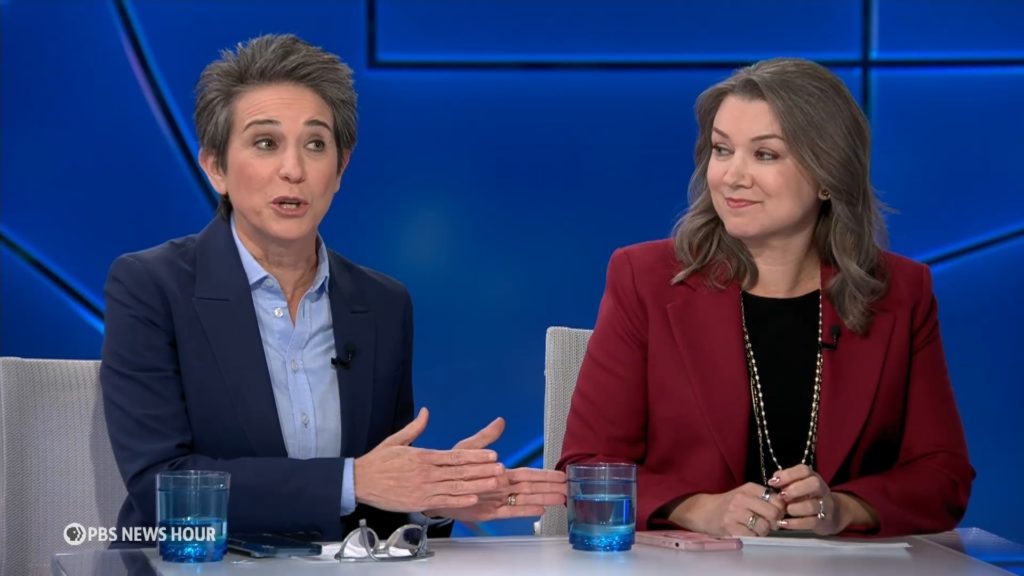
Tamara Keith and Amy Walter discussed the Senate's decision to end the longest government shutdown. They also talked about Democrats criticizing President Trump on affordability issues and upcoming challenges Republicans might face in the midterm elections.
Key Facts
The Senate voted on a plan to end the longest government shutdown in U.S. history.
The government shutdown lasted for an extended period before this vote.
Senate action cleared the path to reopen the government.
Democrats are attacking President Trump on issues of affordability.
There's a focus on economic matters affecting everyday people.
Republicans face challenges in the midterm elections ahead.
Analysts are looking at how these political issues might impact future campaigns.
Read the Original
Want the full story? Tap a source to open the original
article.
That's the point of this site, and readers keep it that way. Support for any amount and the daily digest lands in your inbox every morning at 7am Eastern.
The U.S. Supreme Court is reviewing a case involving a prisoner, Damon Landor, who claims his religious rights were violated when prison officials cut his dreadlocks. The court will decide if individual government officials can be held financially responsible under a federal law for such violations. The U.S. government supports Landor, but it's uncertain how the Supreme Court will rule.
Key Facts
Damon Landor, a prisoner, alleges his dreadlocks were forcibly cut, violating his religious rights.
Landor filed a lawsuit against individual prison officials and the Louisiana Department of Corrections.
A lower court ruled that the law does not allow suing individual state officials for damages.
The U.S. government supports Landor's case in a court brief, advocating for holding officials accountable.
The Supreme Court's liberal justices seemed to support Landor during the hearing.
Justice Amy Coney Barrett noted the serious nature of the allegations but mentioned previous courts ruled otherwise.
Louisiana claims the existing law doesn’t allow suing individual officials for monetary damages.
The Supreme Court has not yet made a decision in this case.
Read the Original
Want the full story? Tap a source to open the original
article.
The Senate began voting on a plan from Republicans aimed at ending the longest government shutdown in U.S. history. Some Democratic Senators decided to vote with Republicans to move the plan forward, while Speaker Mike Johnson said he couldn't promise a House vote on the Affordable Care Act (ACA) tax credits. The White House approved the proposal to end the shutdown, but many issues, including health care tax credits, remain unresolved.
Key Facts
The Senate votes on a Republican plan to end the government shutdown.
A group of Democratic Senators joined Republicans in the vote to reopen the government.
The deal includes a future Senate vote on extending ACA tax credits set to expire on January 1.
Speaker Mike Johnson said he cannot guarantee a House vote on the ACA issue.
The White House called the Senate proposal a "positive development."
Federal workers would receive back pay under the proposal.
President Trump expressed optimism about ending the shutdown.
Senator Angus King stated that the shutdown wasn't effective in reaching its goals.
Read the Original
Want the full story? Tap a source to open the original
article.
President Donald Trump mentioned the idea of giving $2,000 checks to Americans using money from tariffs, but it's unclear if tariffs raise enough funds. Economists say the rebates would need Congress's approval, and the legality of some tariffs is currently under review by the Supreme Court.
Key Facts
President Trump suggested $2,000 checks funded by tariffs.
Economists say it's unclear if tariffs provided enough funding.
The U.S. collected about $195 billion in customs duties in Fiscal Year 2025.
More than 163 million Americans filed tax returns this year.
Checks for everyone who filed taxes would mean about $1,192 each.
The Supreme Court is reviewing the legality of some tariffs.
Congress would need to approve any funding shortfall for the checks.
The eligibility for receiving checks is not clearly defined yet.
Read the Original
Want the full story? Tap a source to open the original
article.
The new deal to end the U.S. government shutdown does not address the expiring Affordable Care Act tax credits, which help reduce health insurance costs for many Americans. These credits will expire at the end of the year if Congress does not act. The Senate plans to vote on the issue in December, but it is unclear if the House will do the same.
Key Facts
A new government shutdown deal was reached but does not address expiring health subsidies.
The Affordable Care Act tax credits help lower health insurance costs for millions.
These tax credits will expire at the end of the year if Congress does not extend them.
Senate Republicans and some Democrats agreed to a December vote on the credits.
House Speaker Mike Johnson has not agreed to hold a similar vote in the House.
Some Democrats have proposed temporary extensions to keep the subsidies going.
There is no agreement from Republican leaders on these temporary measures.
Read the Original
Want the full story? Tap a source to open the original
article.
A judge allowed the continued deployment of over 300 West Virginia National Guard members in Washington, D.C., supporting President Trump's efforts to send military to Democratic-run cities. The decision was made despite a lawsuit claiming the state's governor exceeded his authority in authorizing the deployment. The deployment may last until the end of November and could be extended.
Key Facts
A judge ruled that West Virginia National Guard members can stay in Washington, D.C.
President Trump requested the deployment to patrol Democratic-run cities.
The judge's decision came after a lawsuit argued the West Virginia governor overstepped his authority.
The National Guard deployment from West Virginia could extend past November.
The state attorney general's office stated the deployment was lawful.
The lawsuit claimed that deploying the guard forces the civic group to divert resources.
President Trump declared a crime emergency in Washington, D.C., in August, despite low violent crime rates according to the Department of Justice.
Over 2,300 National Guard troops from several states and D.C. are patrolling under the Army's command.
Read the Original
Want the full story? Tap a source to open the original
article.
President Donald Trump responded to criticism from Rep. Marjorie Taylor Greene, who said he should focus more on U.S. affordability issues rather than foreign policy. Trump said Greene has "lost her way" and defended his attention to foreign affairs as important.
Key Facts
Marjorie Taylor Greene is a Representative from Georgia.
Greene criticized President Trump for focusing too much on foreign policy.
She suggested Trump should pay more attention to affordability issues in the U.S.
President Trump responded by saying Greene has "lost her way."
Trump defended his focus on foreign affairs and national security.
Trump suggested Greene was "catering to the other side."
A clip of Trump's comments can be viewed in an available video player.
Read the Original
Want the full story? Tap a source to open the original
article.
President Donald Trump has asked air traffic controllers to return to work during a government shutdown, offering bonuses to those who comply and threatening pay cuts to those who do not. Former Transportation Secretary Pete Buttigieg criticized Trump's handling of the situation, saying Trump would not manage as an air traffic controller. The shutdown has led to significant flight disruptions across the United States.
Key Facts
President Trump urged air traffic controllers to resume work amid a government shutdown.
Trump promised a $10,000 bonus to controllers who continued working during the shutdown.
Trump threatened to cut the pay of controllers who did not comply with his directives.
Flight delays and cancellations increased due to staffing shortages at major U.S. airports.
Pete Buttigieg commented that Trump would not last as an air traffic controller.
Trump described those who continued working as "GREAT PATRIOTS" and criticized those who did not.
A potential deal in the Senate could end the current government shutdown.
Read the Original
Want the full story? Tap a source to open the original
article.
Congress is nearing approval of a bill to reopen the U.S. federal government after a long shutdown. Democrats, led by House Minority Leader Hakeem Jeffries, wanted the bill to include health care tax credits but were unable to secure them. Jeffries supports Senate Democratic Leader Chuck Schumer despite some Democrats siding with Republicans to advance the bill.
Key Facts
Congress is close to passing a bill to end the government shutdown.
The shutdown has lasted almost six weeks.
House Minority Leader Hakeem Jeffries spoke on Democrats' goals for health care tax credits.
Some Democratic senators voted with Republicans on the funding bill.
The bill will not include the desired health care tax credits.
Jeffries backs Senate Leader Chuck Schumer amid some party criticism.
Senate Democratic cooperation with Republicans has drawn mixed reactions.
The conflict centers around funding and health care issues.
Read the Original
Want the full story? Tap a source to open the original
article.