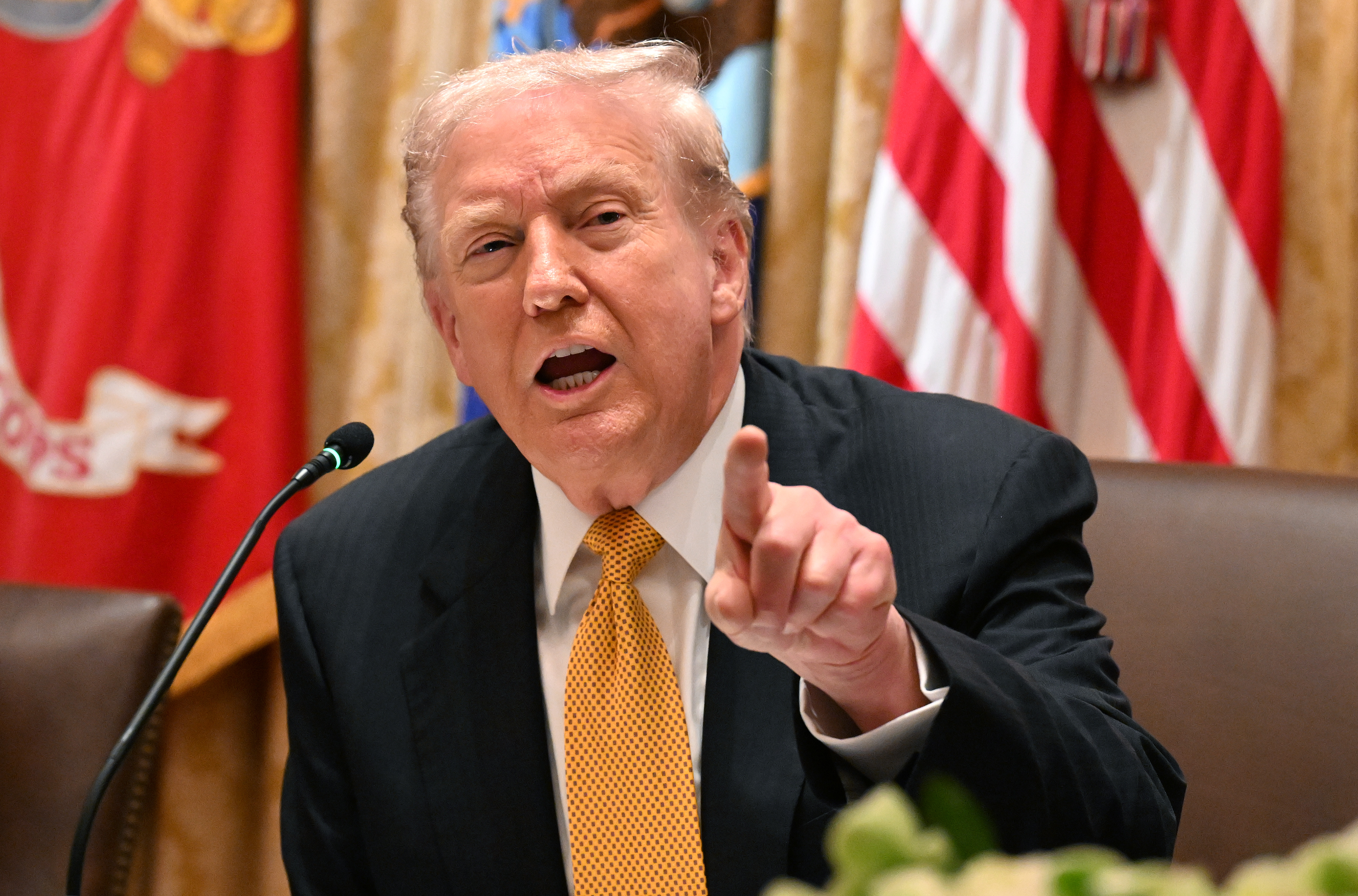
President Donald Trump suggested a $2,000 tariff rebate for low- and middle-income Americans, aimed at easing the cost of tariffs. The proposal still requires congressional approval, and there is no formal plan in place. Critics argue that while the idea sounds beneficial, its implementation faces several hurdles.
Key Facts
President Trump proposed a $2,000 tariff rebate for low- and medium-income Americans.
The rebate aims to help people cope with higher costs due to tariffs.
The U.S. has collected over $220 billion in tariff revenue.
It is estimated that $2,000 checks would cost around $326 billion.
Congressional approval is required for the rebate to proceed.
Treasury Secretary Scott Bessent mentioned there are no formal proposals yet.
People with incomes between approximately $50,000 to $150,000 might qualify.
Similar to COVID-19 stimulus checks, the rebate might adjust tax credits instead of sending new checks.
Read the Original
Want the full story? Tap a source to open the original
article.
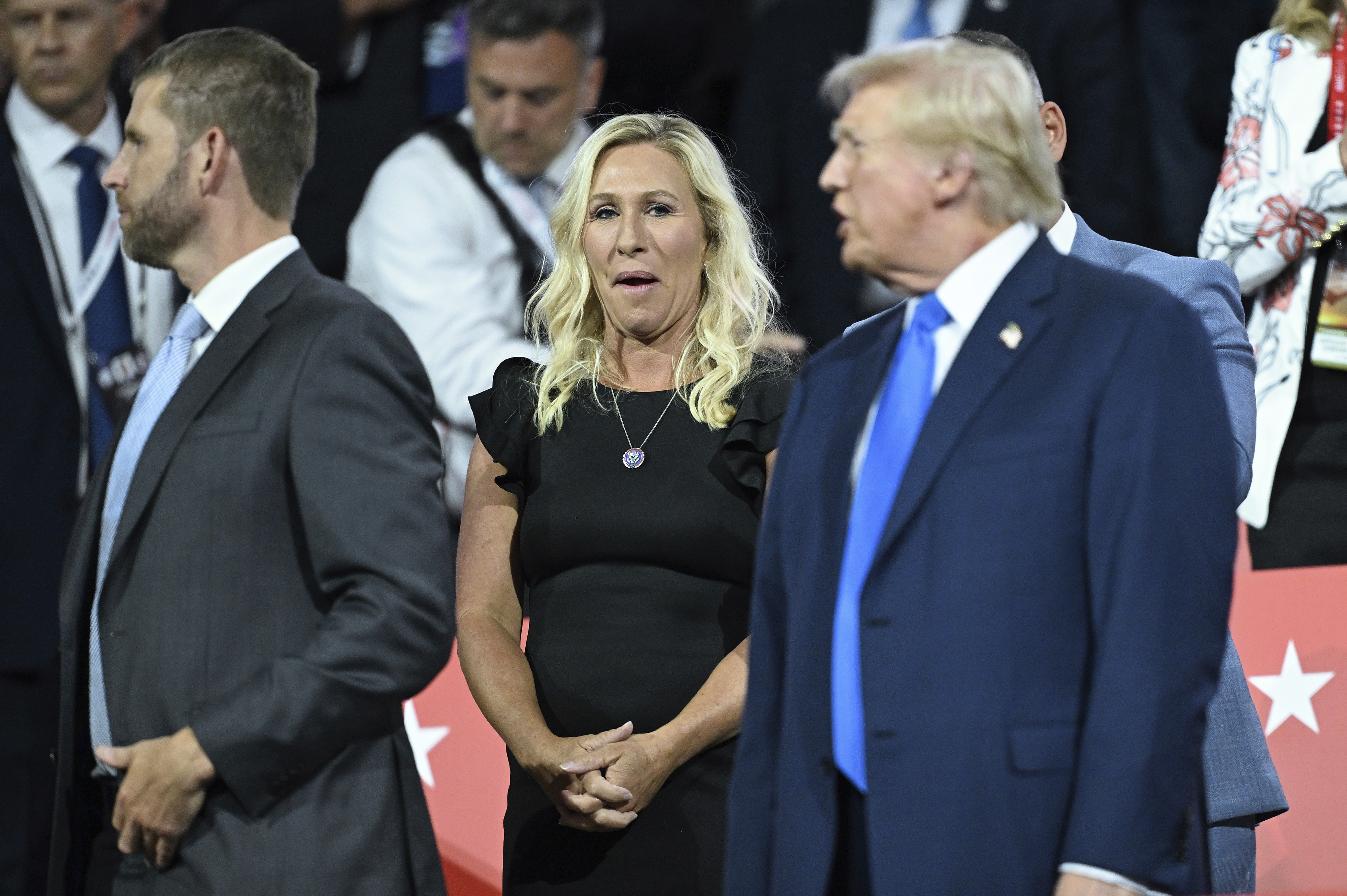
President Donald Trump expressed surprise over comments by Representative Marjorie Taylor Greene, who has criticized his administration amidst an ongoing government shutdown. Greene, once a strong supporter of Trump, urged him to focus more on economic issues rather than foreign policy.
Key Facts
President Trump is "surprised" by remarks from Rep. Marjorie Taylor Greene.
Greene has criticized Trump for focusing too much on foreign policy.
She suggests Trump should prioritize economic issues, like rising prices and the cost of living.
Trump said Greene has "lost her way" and is "catering to the other side."
Greene was previously known for supporting Trump and defending his leadership.
Trump defended his focus on national security.
The comments occurred amid a government shutdown.
Read the Original
Want the full story? Tap a source to open the original
article.
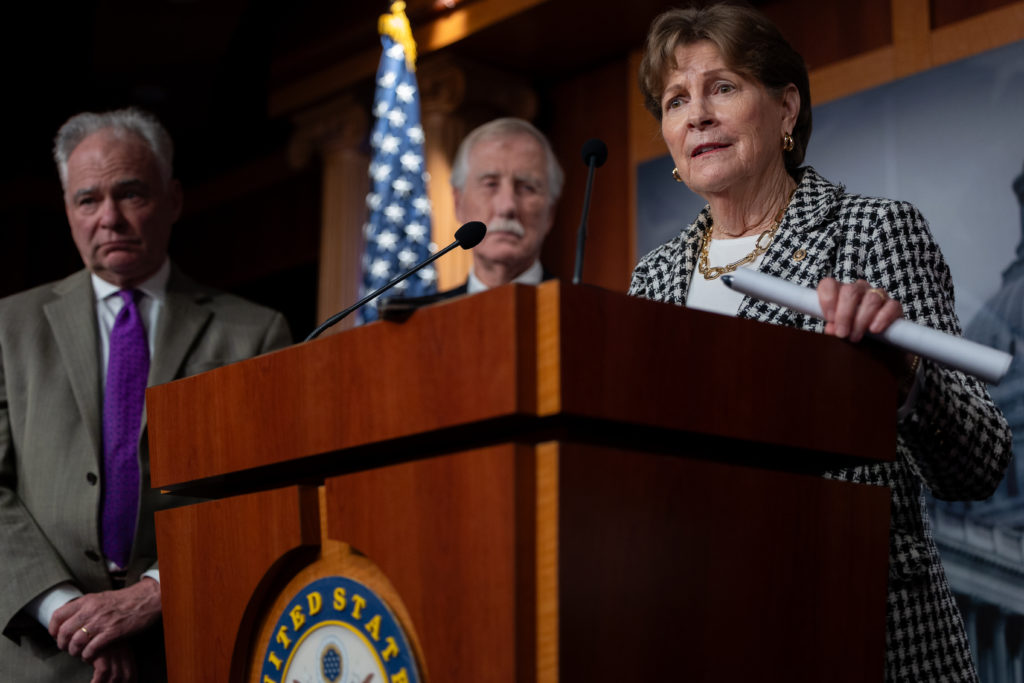
Eight Democratic senators voted with Republicans to advance a bill aimed at reopening the U.S. government. This decision sparked criticism from within the Democratic Party. Senator Bernie Sanders expressed strong disapproval of the vote.
Key Facts
Eight Democratic senators supported a Senate proposal to end the government shutdown.
Their decision helped move compromise legislation forward.
Some Democrats criticized the vote, calling it a "betrayal."
The vote took place on a Sunday night.
Senator Bernie Sanders, who is an independent but usually sides with Democrats, strongly opposed the vote.
This vote is seen as the first step toward ending the government shutdown.
The Senate faced internal disagreements over how to best address the shutdown situation.
Read the Original
Want the full story? Tap a source to open the original
article.
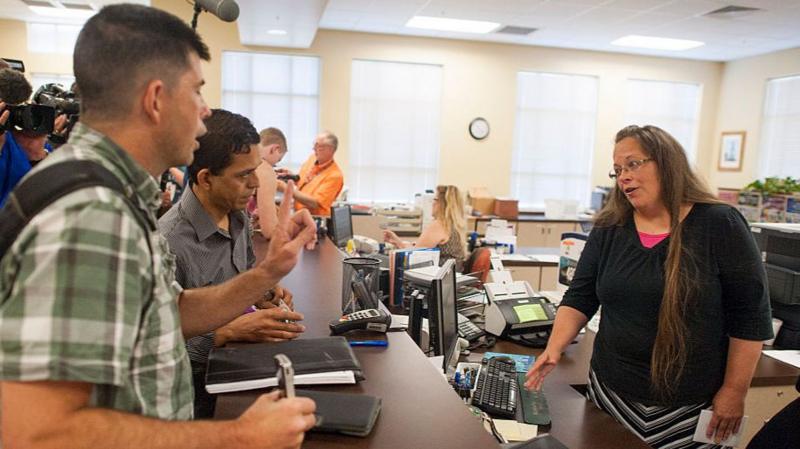
The U.S. Supreme Court decided not to review a case challenging the legalization of same-sex marriage. The case involved Kim Davis, who refused to issue a marriage license to a same-sex couple due to her religious beliefs. Davis was ordered to pay damages in a civil rights lawsuit brought by the couple.
Key Facts
The U.S. Supreme Court chose not to revisit its 2015 decision that legalized same-sex marriage nationwide.
Kim Davis, a former county clerk, refused to issue a marriage license to a same-sex couple, citing her religious beliefs.
A lower court ordered Davis to pay $360,000 in damages for violating the couple's rights.
Davis's legal team argued that same-sex marriage rights are based on a "legal fiction."
A federal judge rejected Davis's argument that her religious beliefs shielded her from legal consequences.
The Supreme Court has a conservative majority but did not take up the case, leaving the previous ruling intact.
Obergefell v. Hodges was the 2015 case that established the right to same-sex marriage, considered a landmark victory for LGBT rights.
Read the Original
Want the full story? Tap a source to open the original
article.
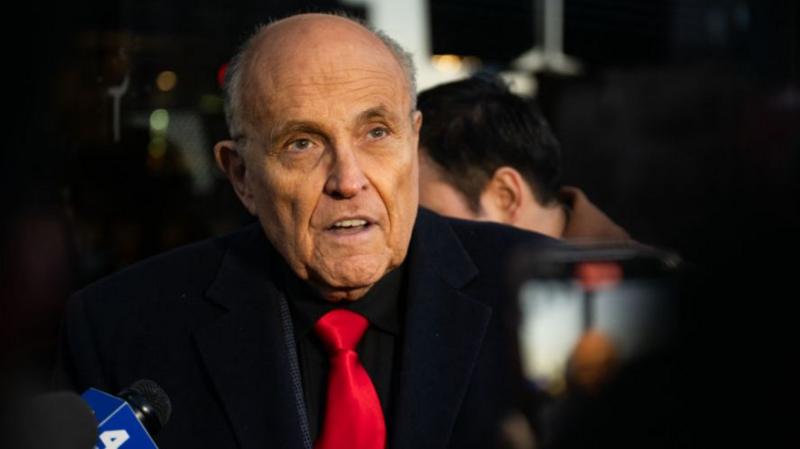
President Donald Trump issued pardons to several individuals, including his former lawyer Rudy Giuliani and ex-chief of staff Mark Meadows, who were alleged to have tried to overturn the 2020 election results. The pardons do not apply to Trump himself and mostly involve individuals not facing federal charges. Although Trump was indicted for efforts to overturn the election, he faces ongoing legal challenges in Georgia.
Key Facts
President Trump pardoned supporters alleged to have tried to reverse the 2020 election results.
The pardons include Rudy Giuliani, Mark Meadows, and other Trump allies.
These pardons do not apply to President Trump himself.
Trump believes the accused individuals were targeted for political reasons.
Some individuals were indicted at the state level, where Trump's pardons do not apply.
Trump was indicted for actions related to the 2020 election but federal charges were dropped after he became president again.
Trump faces ongoing legal charges in Georgia regarding the 2020 election.
Trump's claims about election fraud and his supporters' actions on January 6, 2021, are part of the ongoing discussion around these events.
Read the Original
Want the full story? Tap a source to open the original
article.
President Trump said he might cut the pay of air traffic controllers who were absent from work during the ongoing government shutdown. He also suggested $10,000 bonuses for those who worked without taking time off. The shutdown has led to increased retirements among air traffic controllers and has prompted the FAA to reduce flight numbers to manage staffing shortages.
Key Facts
President Trump threatened to cut pay for air traffic controllers missing work during the shutdown.
He proposed $10,000 bonuses for controllers who did not take time off.
Air traffic controllers are working without pay due to the government shutdown.
There has been an increase in the number of air traffic controllers retiring, from about four to 15-20 retirees per day.
The Federal Aviation Administration (FAA) plans to cut flights by up to 10% at 40 major airports if the shutdown continues.
Flight delays are already affecting travelers due to staffing issues and may worsen with holiday travel approaching.
The government shutdown has been described as record-breaking in its duration.
Read the Original
Want the full story? Tap a source to open the original
article.
A man from Mexico was arrested for shooting at Border Patrol agents in Chicago during their work. The Department of Homeland Security (DHS) reported the attack happened during an immigration operation and said the man arrested had past convictions.
Key Facts
A man from Mexico was arrested after shooting at Border Patrol agents in Chicago.
The incident occurred in the Little Village neighborhood.
The suspect fired shots from a black Jeep and then drove away.
A Chicago police officer was injured during the shooting.
DHS said the arrested man had previous weapon-related convictions and had entered the country illegally before.
DHS noted an increase in violence against federal agents in recent months.
This situation is part of a larger trend of aggression towards law enforcement during operations.
Read the Original
Want the full story? Tap a source to open the original
article.
The U.S. Senate has made progress in ending a government shutdown by advancing a stopgap funding proposal. This shutdown has lasted 41 days, affecting various services and leaving over a million government workers unpaid. The Senate vote allows further debate, but both the House of Representatives and President Trump need to approve the measure for it to become law.
Key Facts
The Senate's step aims to end a 41-day government shutdown.
The proposal extends government funding until January 30.
Over 1.3 million government employees have been unpaid or furloughed due to the shutdown.
The Senate needs a 60-vote majority to proceed with new bills; Republicans hold 53 seats.
Eight senators who usually vote with Democrats supported moving the Republican measure forward.
The planned funding covers some government services like food aid but does not include health insurance subsidies from the Affordable Care Act.
Democrats seek assurance on health insurance subsidies expiring this year.
President Trump suggested moving ACA subsidies directly to individuals’ bank accounts.
Read the Original
Want the full story? Tap a source to open the original
article.
A special election in a typically conservative Tennessee House district is being watched as a possible opportunity for Democrats to gain a seat. Democrat Aftyn Behn is running against Republican Matt Van Epps, with recent polls showing Van Epps leading but the race closer than expected. The outcome may depend on voter turnout.
Key Facts
The election is in Tennessee's 7th Congressional District, a traditionally Republican area.
President Donald Trump won this district by over 20 percentage points in the previous presidential race.
Democrat Aftyn Behn is challenging Republican Matt Van Epps for the seat.
The seat was vacated by Mark Green, who left the House earlier this year.
Recent polls show Republican Van Epps leading by about eight percentage points.
Voter turnout is expected to be crucial for making the race competitive.
Democrats have seen higher turnout in special elections this year compared to Republicans.
The Democratic National Committee is actively supporting Behn in her campaign.
Read the Original
Want the full story? Tap a source to open the original
article.
A wave of cold Arctic air moved over much of the United States, causing a drop in temperatures and bringing snow to several regions. This cold weather is affecting places from the Great Plains to the Southeastern U.S., including Florida, where unusually low temperatures are expected. Weather alerts have been issued in many states, warning of dangerous travel conditions and potential harm to crops.
Key Facts
Arctic air caused temperatures to drop across two-thirds of the U.S., impacting areas as far south as Florida.
Some regions could experience record-low temperatures, especially in the Southeastern U.S.
The Great Plains faced gusty winds, and the Great Lakes and Appalachian regions expected significant snowfall.
In Tennessee, freezing temperatures and snow caused road accidents and school closures.
Areas like Michigan, Indiana, and Wisconsin have winter weather advisories due to hazardous travel conditions.
Florida is preparing for unusually cold weather that might not reach freezing but will impact agriculture.
Iguanas in Florida might fall from trees due to cold, which has happened in previous cold periods.
Agricultural experts advised growers to protect plants due to expected freezing temperatures.
Read the Original
Want the full story? Tap a source to open the original
article.
President Trump pardoned his former lawyer Rudy Giuliani and several allies accused of trying to overturn the 2020 election results. The pardons are mostly symbolic because the charges against them were at the state level, which federal pardons do not affect. The pardons include figures like Giuliani, along with others involved in legal efforts against the 2020 election results.
Key Facts
President Trump pardoned Rudy Giuliani and other allies accused of trying to change the 2020 election outcome.
Federal pardons only apply to federal crimes; these individuals were charged at the state level.
Those pardoned also include former Trump lawyers like Sidney Powell and Jenna Ellis.
Giuliani previously declared bankruptcy after being held liable for false election claims.
President Trump did not include himself in this round of pardons but has said he could pardon himself.
The pardons aim to promote "national reconciliation," according to the proclamation.
Some legal cases against Trump and his allies in various states have been dismissed or stalled.
Read the Original
Want the full story? Tap a source to open the original
article.
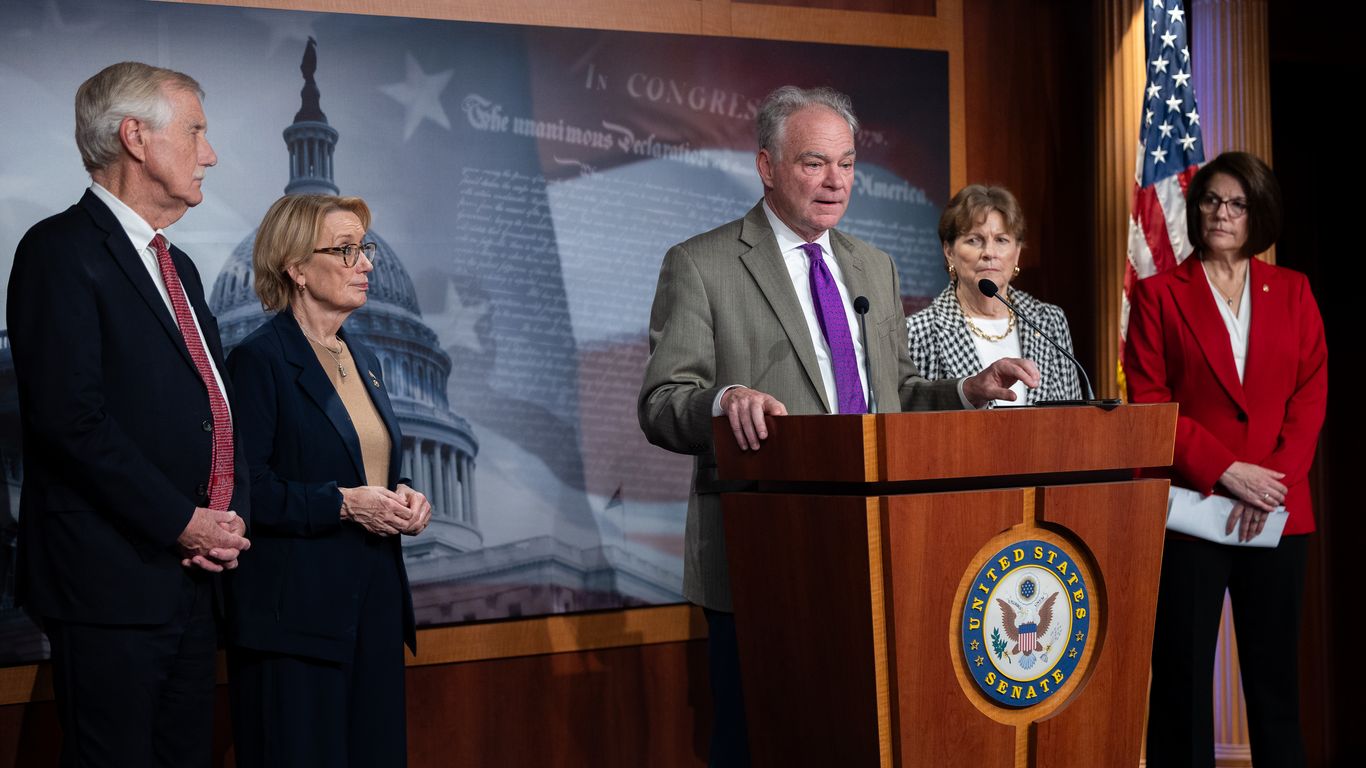
Seven Senate Democrats and one independent voted to help Republicans end a 40-day government shutdown. This decision stopped the shutdown but upset some Democrats who wanted changes to health care law included in the deal. The government is now funded until January, with a promise to vote on health care credits in December.
Key Facts
Seven Democrats and one independent in the Senate voted with Republicans to end a government shutdown.
The vote allowed the government to reopen and is planned to be funded through January.
The shutdown lasted 40 days, affecting federal workers and services like food aid and travel.
There will be a future vote in December on health care tax credits, but it's not guaranteed to pass.
None of the senators who voted for the deal will be facing reelection in 2026.
The shutdown left many Democrats divided between opposing President Trump and finding a compromise.
Senator Angus King (independent) said Republicans would not discuss health care changes during the shutdown.
Read the Original
Want the full story? Tap a source to open the original
article.
Each summary links back to the original reporting, so you can check the work. Support that, and get the daily digest every morning. Most choose $3.99/month.
A health care system in Maine accidentally sent letters to over 500 patients saying they had died. The error was due to a mistake in their computer system, and MaineHealth has since apologized and resolved the issue. No patients were listed as deceased in their medical records.
Key Facts
Over 500 patients received incorrect letters stating they were deceased.
The mistake happened because of an error in MaineHealth's automated system for estate notifications.
MaineHealth apologized for the error and sent apology letters to those affected.
The problem did not affect patients' medical records; they were not marked as deceased.
The incident did not expose any private medical information.
MaineHealth is reviewing and updating their digital systems to prevent future errors.
The error took place on October 20.
Patients can reach out to MaineHealth’s patient relations for assistance.
Read the Original
Want the full story? Tap a source to open the original
article.
The U.S. is experiencing its longest federal government shutdown, lasting 41 days, due to a budget disagreement over healthcare cuts supported by President Trump. The shutdown has resulted in unpaid federal workers and a temporary halt to the Supplemental Nutrition Assistance Program (SNAP), affecting millions of low-income Americans. Recently, the Supreme Court granted an appeal from the Trump administration to block a court order to fully fund SNAP despite the shutdown.
Key Facts
The U.S. government shutdown has lasted 41 days, the longest in modern history.
The shutdown is due to a budget conflict involving healthcare cuts backed by President Trump.
Millions of Americans, including 42 million relying on SNAP for food, have been affected.
SNAP was temporarily halted for the first time since its start in 1964.
Children make up 39% of SNAP participants.
Federal judges ruled the SNAP freeze unlawful, but the Supreme Court allowed a temporary block on full funding.
Federal employees remain unpaid, and there have been disruptions to air travel.
Read the Original
Want the full story? Tap a source to open the original
article.
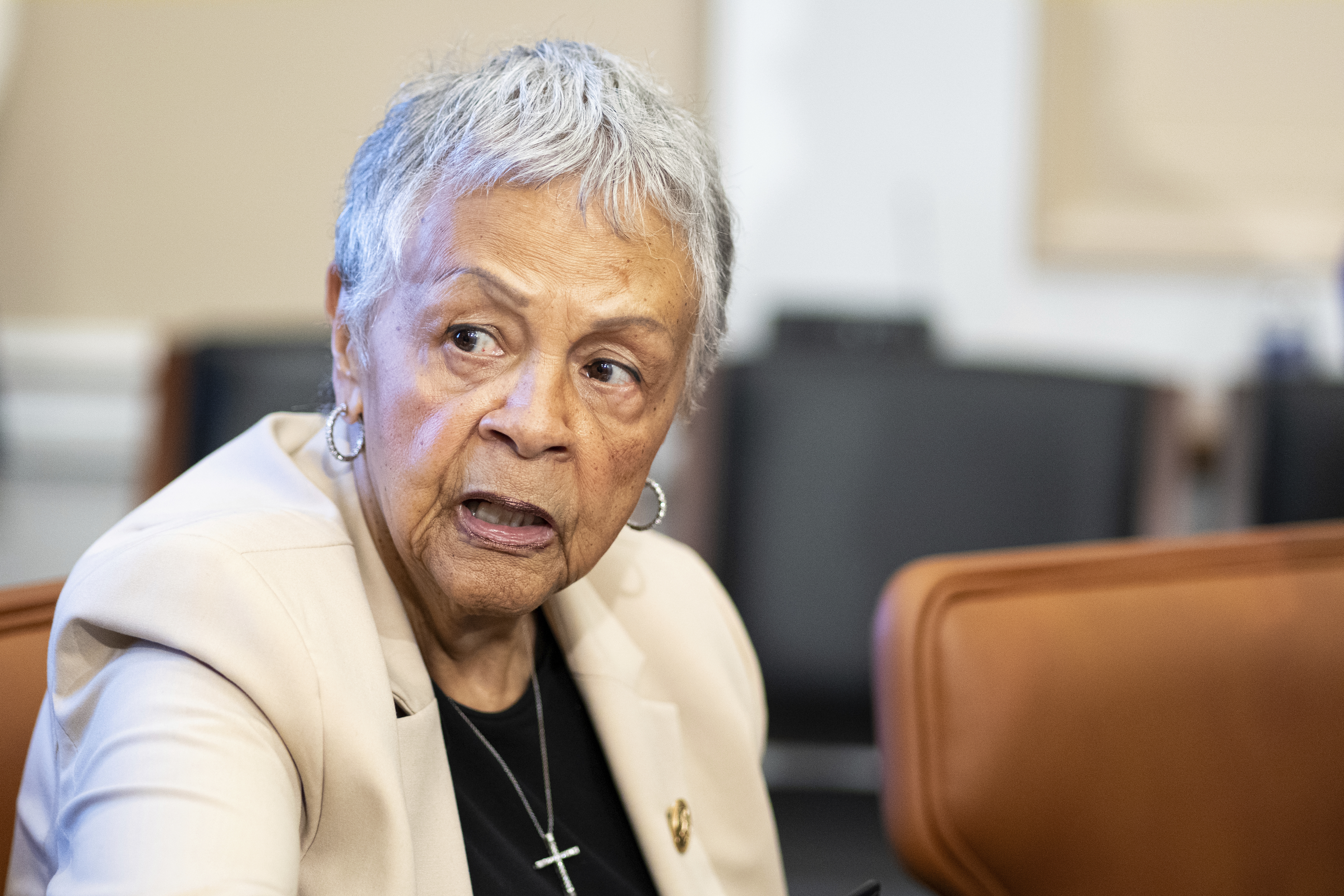
Democratic Representative Bonnie Watson Coleman of New Jersey announced she will retire and not run for reelection next year. Watson Coleman, who is 80 years old, has served since 2014 and represents New Jersey's 12th District, which includes Trenton and Princeton. Her retirement adds to the list of Democrats leaving the House after this term.
Key Facts
Bonnie Watson Coleman is the first Black woman elected to represent New Jersey in Congress.
She announced she will not seek reelection next year.
Watson Coleman is 80 years old.
She first took office in 2014.
She represents New Jersey’s 12th District, which includes areas like Trenton and Princeton.
She is known for her progressive stance, focusing on poverty and economic equality.
Many Democrats, including former Speaker Nancy Pelosi, plan to retire after this term.
Read the Original
Want the full story? Tap a source to open the original
article.
The article discusses the impact of rising health care costs during the unique open enrollment period this fall in the U.S. Health care tax credits for individuals are at risk, which could make insurance unaffordable for millions. If Congress does not act to extend these tax credits, many may lose coverage, worsening both personal health outcomes and the broader health care system.
Key Facts
This fall's open enrollment period is affected by rising health care costs.
High health care costs are leading to increased premiums and out-of-pocket expenses.
Health care tax credits help make insurance affordable, but they are at risk of not being extended by Congress.
Without these tax credits, many people could face a cost increase in their insurance plans.
If Congress does not extend the tax credits, as many as 5 million people may lose coverage.
Losing coverage can lead to delayed medical care and more expensive emergencies.
Several Blue Cross and Blue Shield companies report fewer sign-ups during open enrollment due to high costs.
The article urges people to enroll despite high prices, as tax credits may still be updated to reduce costs.
Read the Original
Want the full story? Tap a source to open the original
article.
A U.S. appeals court has decided not to block full funding for the Supplemental Nutrition Assistance Program (SNAP) payments. This decision impacts over 40 million Americans who rely on SNAP for food assistance. The court's ruling follows complications after a temporary halt by the Supreme Court.
Key Facts
The U.S. Court of Appeals for the 1st Circuit ruled against the Trump administration's request to stop full SNAP payments.
Over 40 million Americans, including 14 million children, depend on SNAP benefits.
Supreme Court Justice Ketanji Brown Jackson had temporarily paused an order for full SNAP funding.
The Department of Agriculture was directed to "immediately undo" actions to issue full benefits after the high court's decision.
U.S. District Judge John McConnell Jr. ordered the USDA to release full SNAP payments after a delay.
The court noted that harms to Americans relying on SNAP outweigh the reasons for delaying payments.
Another judge in a different SNAP case halted the USDA's memo that stopped states from issuing full benefit payments.
The Senate is working on a package to reopen the government, but delays mean legal issues with SNAP continue.
Read the Original
Want the full story? Tap a source to open the original
article.
The article discusses a political move where Democratic senators agreed to end a government shutdown without securing guarantees for health care subsidies, which some view as weakening the party's position. It also touches on President Trump's public approval and the challenges faced by the Democratic Party in presenting united opposition. The article suggests there is division within the Democratic Party regarding their approach to current political challenges.
Key Facts
Several Democratic senators voted to end a government shutdown, joining Republican efforts.
This action did not ensure the continuation of Affordable Care Act subsidies, which some Americans rely on for health care.
There is concern that the Democrats' actions showed weakness in opposing President Trump.
President Trump faced declining approval ratings, with 57% disapproving of his job performance.
Trump's policies, including tariffs and deportations, have been criticized in public opinion polls.
The article describes internal divisions within the Democratic Party regarding strategy and leadership.
Some Democratic figures advocate for new ideas and approaches, highlighting a split in party perspectives.
Read the Original
Want the full story? Tap a source to open the original
article.
That's the point of this site, and readers keep it that way. Support for any amount and the daily digest lands in your inbox every morning at 7am Eastern.
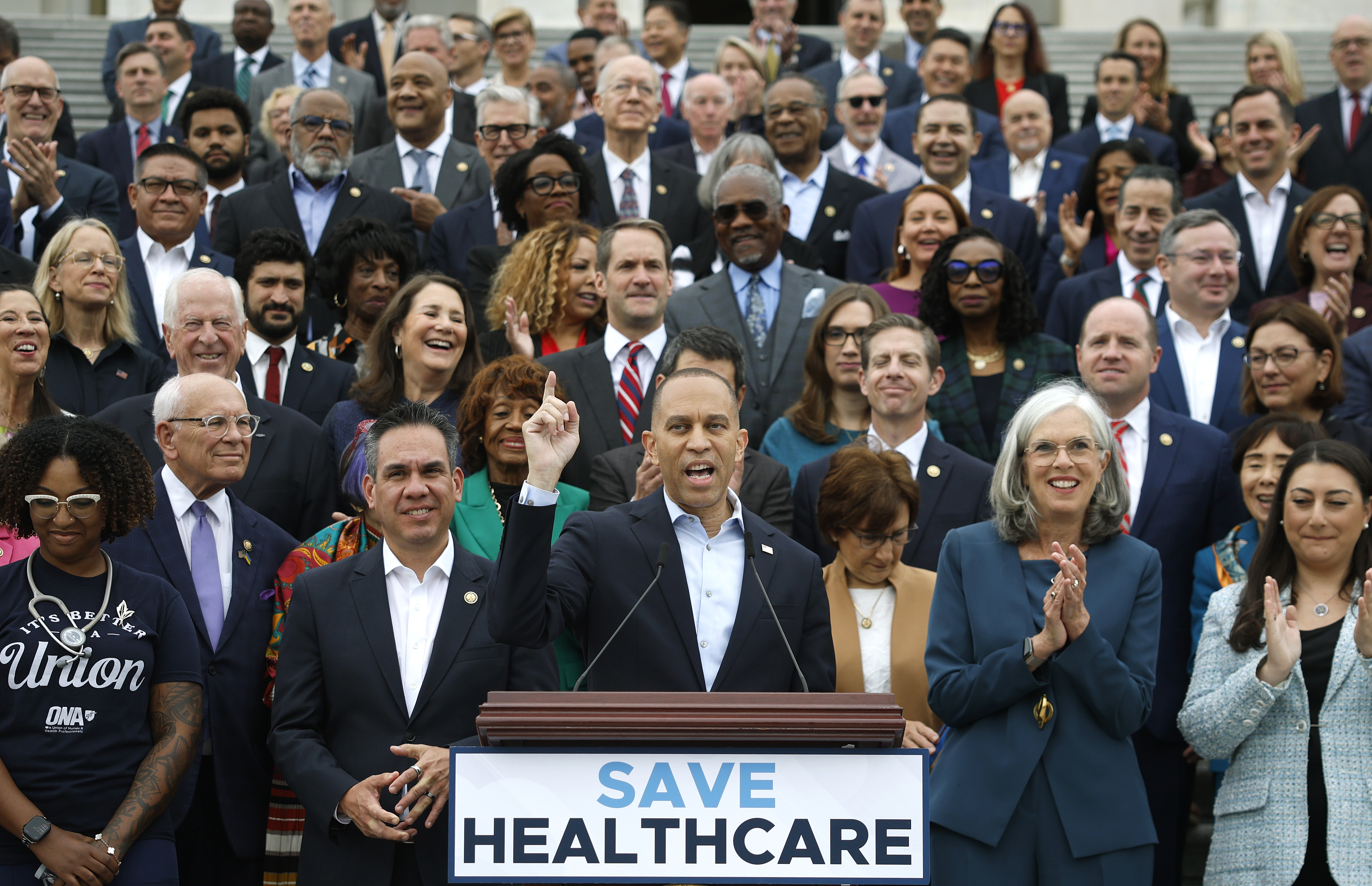
The U.S. Senate moved forward with a plan to end the government shutdown and will vote next month on whether to extend subsidies for the Affordable Care Act (ACA), known as Obamacare. The future of these subsidies is uncertain because of differing views between Democrats and Republicans, and the decision impacts healthcare costs for many Americans.
Key Facts
The U.S. Senate voted 60-40 to advance a bill to end the government shutdown.
ACA subsidies are central to debates between Democrats, who want to extend them, and Republicans, who are less supportive.
Subsidies for the ACA are set to expire at the end of the year.
ACA subsidies were expanded in 2021 during the COVID-19 pandemic to help more Americans access health insurance.
Republicans have promised a future vote on extending the subsidies, but it is uncertain if they will pass it.
If not extended, the cost of health insurance could rise significantly, affecting 24 million Americans who rely on these subsidies.
Health insurance companies' stock prices dropped in response to the uncertainty surrounding the subsidies.
Read the Original
Want the full story? Tap a source to open the original
article.
A mother in Florida ran into a burning trailer to save her two children, who were later found to have been murdered. Authorities discovered that the fire was set on purpose after the children were killed. John Henry Walston, Jr. is charged with murder, assault, and arson related to the incident.
Key Facts
The incident happened in Escambia County, Florida.
A mother tried to rescue her two children from a burning trailer.
The children, aged 7 and 9, were determined to have been murdered before the fire.
Authorities arrested John Henry Walston, Jr. in connection with the crime.
Walston faces charges of premeditated murder, sexual assault on a victim under 12, and arson.
The mother was injured and received treatment at a hospital.
The incident has shocked the local community, according to the Escambia County Sheriff's Office.
Walston is held without bond and will appear in court on November 26.
Read the Original
Want the full story? Tap a source to open the original
article.