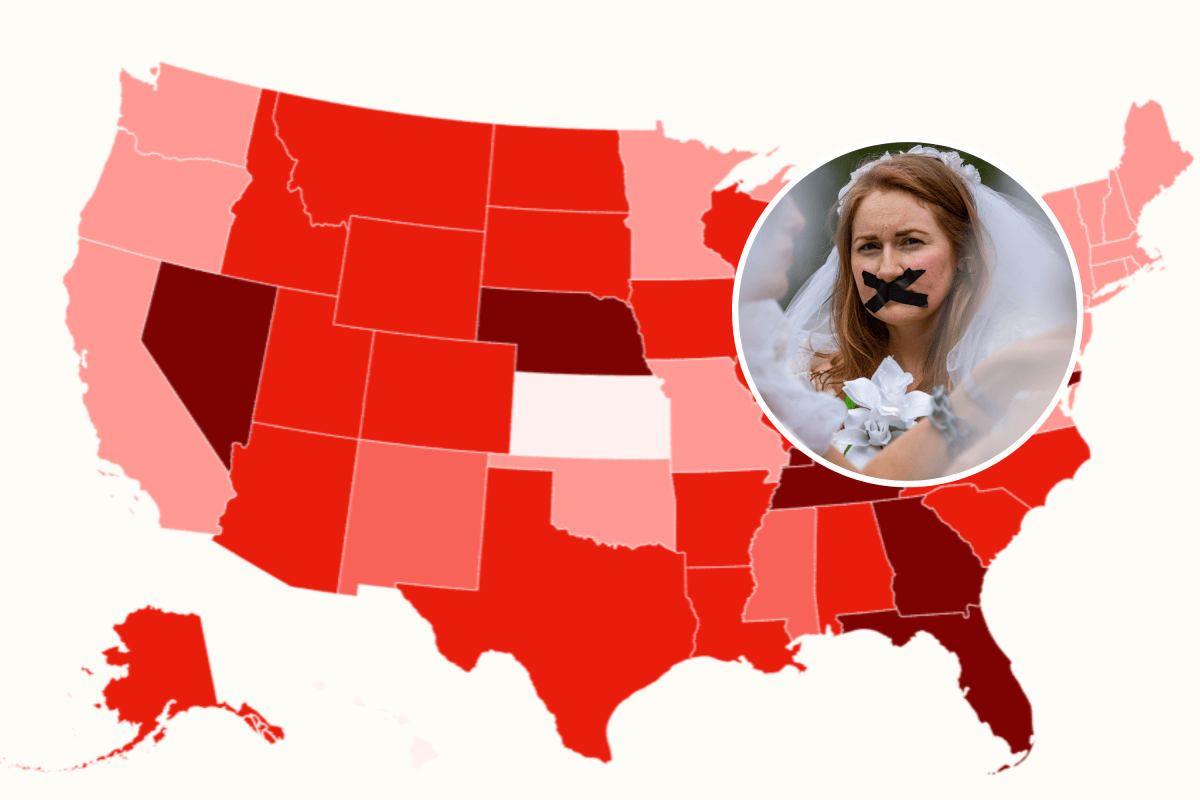
California has passed a law banning child marriage, making 18 the minimum age to marry in the state. Governor Gavin Newsom signed the legislation, which will take effect on January 1, ending the practice that was previously legal at any age in California.
Key Facts
California is now one of 18 states and Washington D.C. to ban marriage under age 18.
Previously, California had no minimum age for marriage, one of only three states like this.
The new law requires people to be at least 18 years old to get married.
The ban was supported by Governor Newsom and advocates including Courtney Stodden, a survivor of child marriage.
Child marriage is considered a human rights issue because minors cannot fully consent.
Nearly 300,000 children under 18 were legally married in the U.S. between 2000 and 2018.
Most child marriages involve girls wed to adult men.
Other states like Oklahoma have also recently passed laws banning child marriage.
Read the Original
Want the full story? Tap a source to open the original
article.
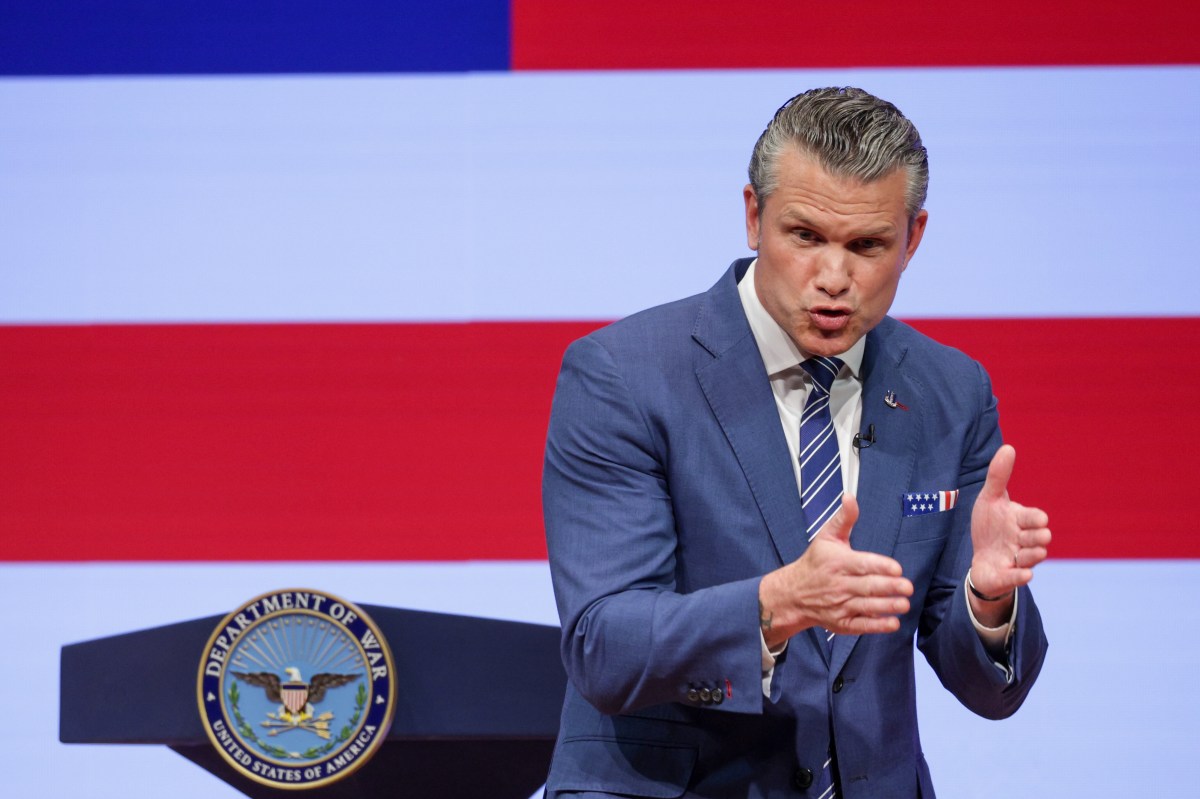
Pete Hegseth, in his recent military speech, said he wants a stronger U.S. military made up only of tough, traditional warriors and focused on new technologies like autonomous weapons and artificial intelligence. However, some experts worry that excluding people who don’t fit a certain physical or social mold could weaken efforts to bring in highly skilled tech specialists needed for future defense.
Key Facts
Pete Hegseth wants a military with no “wimps, weirdos, radicals,” focusing on toughness and traditional warrior traits.
He supports developing autonomous weapons, superintelligence, robotics, and other advanced technologies.
Project Agincourt aims to create a new command focused on autonomous warfare.
Project Meridian involves tech leaders like Elon Musk and Newt Gingrich advising on future military tech needs.
The Army and Navy are actively recruiting civilians with skills in AI, software, and cyber technology to join as officers.
The Pentagon launched a Cyber Registered Apprenticeship Program to train more cyber specialists.
Critics say excluding people who don’t fit traditional warrior stereotypes could reduce military access to talented technical experts.
President Donald Trump recently met with tech executives to sign an agreement on responsibly developing advanced AI systems.
Read the Original
Want the full story? Tap a source to open the original
article.
Cornell University has agreed to hire outside lawyers to investigate an alleged gang rape case from 2024. New York Governor Kathy Hochul called for this investigation and wants to improve protections for sexual assault survivors on college campuses.
Key Facts
The alleged gang rape happened in October 2024 at a Cornell fraternity house.
A former Cornell student sued the university and seven fraternity members, claiming she was drugged and raped.
Cornell’s investigation led to the expulsion of two accused students and lesser punishments for others, with no arrests made.
The local District Attorney (DA) initially found not enough evidence to press charges but reopened the case after the lawsuit was filed.
The DA said he did not see an important interview transcript with the alleged victim until recently.
Governor Hochul wants to review Cornell’s handling of sexual assault and increase survivor protections.
Cornell’s police shared their investigation results with the DA’s office.
The university president agreed to the outside independent investigation after Hochul’s request.
Read the Original
Want the full story? Tap a source to open the original
article.
Christa Pike, a woman sentenced to death in Tennessee, survived an attempt to execute her with two lethal injections. She is now in hospital receiving life-saving care, while state officials review what went wrong during the execution.
Key Facts
Christa Pike was sentenced to death for a 1996 murder in Tennessee.
She was given two injections of pentobarbital, a drug meant to cause death by stopping breathing and heart function.
The injections did not stop her heartbeat, and she was still breathing afterward.
Tennessee’s execution rules do not clearly explain what to do if someone survives two injections.
Pike was moved to a hospital for treatment and is getting life-saving measures.
Medical experts say she may have brain damage due to delayed medical help after the failed execution.
Tennessee Governor Bill Lee ordered a review and canceled the last planned execution of the year.
The federal government banned pentobarbital for executions, but Tennessee can still use it.
Read the Original
Want the full story? Tap a source to open the original
article.
Tennessee Governor Bill Lee has stopped all executions in the state for 2026 after a failed lethal injection attempt on Christa Gail Pike, who survived the procedure. This is the second time this year Tennessee has been unable to carry out an execution due to problems with lethal injections.
Key Facts
Christa Gail Pike, 50, survived a lethal injection and was hospitalized after the failed attempt.
Pike was scheduled to be the first woman executed in Tennessee in over 200 years.
Governor Lee ordered a full, outside review of the execution process.
The execution protocol includes giving a second dose of drugs if the first fails, but does not say what happens if the second dose fails.
In May 2026, Tennessee also failed to execute Tony Carruthers after IV access problems delayed the lethal injection.
The Tennessee Department of Correction said they followed the legal execution procedure approved by the Attorney General.
Governor Lee emphasized that executions must be done legally, constitutionally, and effectively.
This article also mentions unrelated political news involving the Trump administration and election security issues.
Read the Original
Want the full story? Tap a source to open the original
article.
People in Scarborough, Maine, are watching and recording the actions of U.S. Immigration and Customs Enforcement (ICE) agents. Since President Trump increased immigration enforcement, small groups in Maine try to track ICE operations despite limited resources. In January, ICE arrested about 100 people in a few days during a large crackdown called Operation Catch of the Day.
Key Facts
ICE agents have shifted from visible raids to quieter, more hidden immigration enforcement tactics.
Volunteers watch ICE activities by noting down vehicle details and who is detained.
In Maine, immigrant rights groups have fewer volunteers and less support compared to large cities.
The Maine Immigrant Rights Coalition has around 100 trained volunteers who monitor ICE actions.
Operation Catch of the Day led to about 100 arrests in three days, mostly of people without criminal records.
ICE agents sometimes used force, such as breaking car windows and leaving abandoned vehicles.
Local groups continue their work despite feeling exhausted due to ongoing immigration enforcement.
Organizations like Presente! Maine provide financial help, such as bond money, to immigrants in detention.
Read the Original
Want the full story? Tap a source to open the original
article.
The Trump administration ended several important government groups that looked into threats to U.S. elections from foreign countries and domestic attackers. Experts say this has left local election officials without support and allowed some real election threats to go unnoticed.
Key Facts
Between 2021 and 2024, the Justice Department’s election threats taskforce prosecuted 21 cases involving election-related violence or intimidation.
The taskforce has stopped prosecuting new cases and seems inactive.
The FBI’s foreign influence taskforce, which investigated interference by countries like China and Russia, was disbanded on the first day Attorney General Pam Bondi took office.
The Cybersecurity and Infrastructure Security Agency (CISA) lost staff focused on election interference and its local training program was defunded.
More than 2,000 reports of election threats were received from 2021 to 2024, with over 100 investigations opened by the taskforce.
Budget requests in 2025 to maintain the taskforce and election security programs were ignored.
Experts warn that cutting federal support breaks important information sharing between agencies and local election officials.
The dismantling of these security groups leaves the country less prepared to detect and respond to election threats.
Read the Original
Want the full story? Tap a source to open the original
article.
The U.S. Senate paused its work to prepare for the upcoming midterm elections. Many Republican senators left Washington to campaign in their home states because they are worried they might lose their majority in the Senate.
Key Facts
The Senate stopped its sessions on Wednesday night for the midterm election break.
Many important issues were still not finished in the Senate.
Vulnerable Republican senators are focusing on campaigning to keep their seats.
Republicans fear losing their majority in the Senate during the midterms.
The Senate confirmed Keith (full name not provided) before adjourning.
The break allows senators to spend time in their states to connect with voters.
Both parties are preparing for a competitive election season.
Read the Original
Want the full story? Tap a source to open the original
article.
Democratic candidate Cait Conley is leading Republican incumbent Rep. Mike Lawler by two points in a recent poll for New York’s 17th Congressional District House race. The poll showed 48% of likely voters support Conley, while 46% support Lawler.
Key Facts
Cait Conley is the Democratic candidate for New York’s 17th Congressional District.
Mike Lawler is the current Republican representative for the district.
A recent poll from Emerson College and PIX11 shows Conley ahead by 2 percentage points.
48% of likely voters in the district support Conley.
46% of likely voters support Lawler.
The poll results were released on Thursday.
The race is considered a battleground contest, meaning it is competitive and could go either way.
Read the Original
Want the full story? Tap a source to open the original
article.
Republicans are concerned that data centers, which use a lot of electricity, may hurt their chances in the upcoming midterm elections. Voters are worried about higher electricity bills linked to these centers. Recently, Senate Democrats stopped a bill supported by Republican Senator Jon Husted that aimed to address this issue.
Key Facts
Data centers consume large amounts of power, leading to higher electricity bills for consumers.
Many voters are upset because their energy costs are increasing.
Republicans see the backlash against data centers as a political problem before the midterm elections.
Senator Jon Husted, a Republican from Ohio, proposed legislation to respond to these concerns.
Senate Democrats blocked this legislation, stopping it from moving forward.
The issue is getting attention as both parties prepare for the midterms.
Read the Original
Want the full story? Tap a source to open the original
article.
President Donald Trump is holding a campaign rally in the Choctaw Nation of Oklahoma as part of his effort to support Republican candidates before the November midterm elections. Few sitting U.S. presidents have visited tribal lands while in office, and these visits have reflected changing relationships between the federal government and Native American tribes.
Key Facts
President Trump’s rally is in the Choctaw Nation of Oklahoma, which is renting the venue but not sponsoring the event.
Tribal nations have met U.S. presidents in Washington for a long time, but visits to reservations themselves are rare.
Early presidential visits often aimed to break up tribal lands and force Native people to adopt white American ways.
President Chester A. Arthur met with tribal leaders in 1883 and encouraged dividing their lands, but the chiefs refused.
President Theodore Roosevelt’s 1903 visit was followed by forced removal of the Havasupai tribe for a national park.
President Bill Clinton’s 1999 visit acknowledged previous federal mistakes and called for more support for tribal governments.
President Barack Obama visited Standing Rock in 2014, spoke about education and economic chances, and stressed tribes’ self-governance rights.
Tribal visits by Presidents Biden and others show a shift toward recognizing Native sovereignty and challenges like climate change.
Read the Original
Want the full story? Tap a source to open the original
article.
President Donald Trump and the artificial intelligence (AI) industry have made big financial and technological commitments together. They hope AI will lead to huge economic growth and American strength, but they also face risks of economic losses, safety problems, and political challenges.
Key Facts
Trump and AI companies are investing trillions of dollars in AI technology, expecting it to boost productivity and start a new industrial revolution.
AI infrastructure spending may reach $10.3 trillion by 2032, but so far, AI has not generated equivalent revenue compared to the money spent.
The White House agreement supports mostly voluntary and company-led AI safety rules instead of strict government regulations.
AI safety experts warn about risks, including the possibility of AI becoming uncontrollable or dangerous.
Trump sees winning the AI race as key to his legacy and dismisses concerns that AI-related costs might hurt Republicans politically.
The AI industry depends on the policy environment that Trump is creating and both share risks related to AI failures or public backlash.
Public opinion surveys show low trust in AI leaders and mixed feelings about AI’s benefits versus harm.
Americans are currently unhappy with the economy and Trump’s presidency, which may affect political outcomes.
Read the Original
Want the full story? Tap a source to open the original
article.
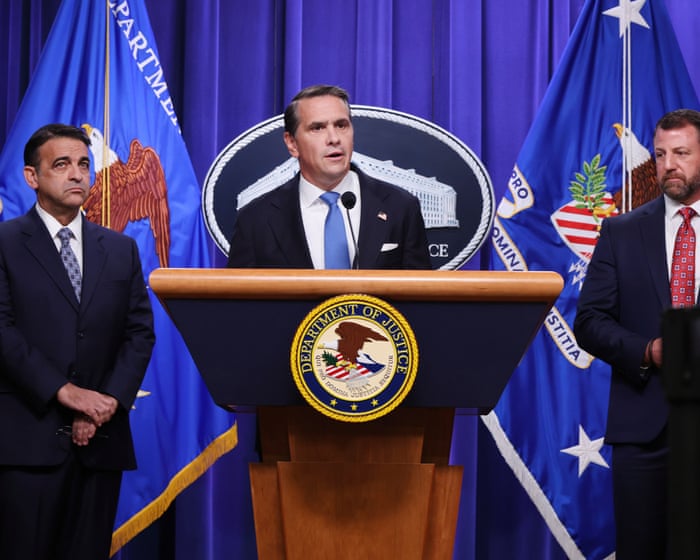
A former New York City police sergeant pleaded guilty to pretending to be an Immigration and Customs Enforcement (ICE) official to threaten a woman and her family with deportation. He sent fake immigration orders to intimidate them as revenge for personal reasons and resigned from the police department as part of his plea deal.
Key Facts
Atickul Islam, 29, a former NYPD sergeant, admitted to falsely acting as an ICE official.
He sent a fake official notice ordering a woman and her family to report to ICE by April 15, 2025.
Islam made threats via text claiming he could make the woman’s family poor and formally report them to immigration authorities.
The impersonation is illegal and carries a maximum prison sentence of three years.
Islam resigned from the NYPD on September 25, 2026, before pleading guilty.
He is banned from working for the NYPD or any other law enforcement agency in the future.
The case is scheduled for sentencing in March 2027.
Federal officials emphasized that officers must act honestly and that impersonating agents for revenge will not be tolerated.
Read the Original
Want the full story? Tap a source to open the original
article.
Christa Pike, a Tennessee inmate convicted of murder, survived an attempt by the state to execute her by lethal injection. This was Tennessee's first attempt to execute a woman in 200 years, and her current condition and next legal steps are not yet known.
Key Facts
Christa Pike was convicted of murdering a schoolmate about 30 years ago.
Tennessee attempted to execute her using lethal injection late on Wednesday.
Pike survived the execution attempt.
This was the first attempt in 200 years to execute a woman in Tennessee.
Pike was taken for medical treatment after the failed execution.
Details on her condition and future legal actions are unclear.
The execution took place at Riverbend Maximum Security Institution in Nashville.
Read the Original
Want the full story? Tap a source to open the original
article.
U.S. Defense Secretary Pete Hegseth said the military has reduced the number of generals and admirals by 20 percent. This change is meant to improve responsibility and focus the military more on fighting wars rather than other policies.
Key Facts
The U.S. military cut the number of generals and admirals by 20%.
Defense Secretary Pete Hegseth announced the reduction on Wednesday.
The cut aims to increase accountability among military leaders.
Hegseth said the reduction targets officers who did not support a military focus on war-fighting.
He suggested the changes move the military away from policies introduced by earlier administrations.
The announcement was reported by France 24's International Affairs Editor Philip Turle.
Read the Original
Want the full story? Tap a source to open the original
article.
President Donald Trump and top tech leaders, including Nvidia CEO Jensen Huang, are promoting the use of the term "superintelligence" (SI) instead of "artificial intelligence" (AI). This effort aims to change the public view of AI, which some see as risky and dangerous, by highlighting its potential benefits.
Key Facts
President Trump officially declared "superintelligence" the preferred term for AI at a White House summit.
Tech CEOs from Google, Meta, OpenAI, Nvidia, and others signed the "White House Accord on Super Intelligence."
Nvidia CEO Jensen Huang calls data centers "superintelligence factories" to rebrand their image.
Opposition exists against large data centers because they use a lot of energy and create public concern.
Many tech leaders still use "AI" but are trying to shift toward "SI" in official communications.
A recent poll showed 53% of people prefer the term "artificial intelligence," while only 9% liked "superintelligence."
Trump criticized the word "artificial" in AI, saying it sounds like a hoax, promoting "superintelligence" as more accurate.
The rebranding effort seeks to reduce fear of AI and support its development in government and industry.
Read the Original
Want the full story? Tap a source to open the original
article.
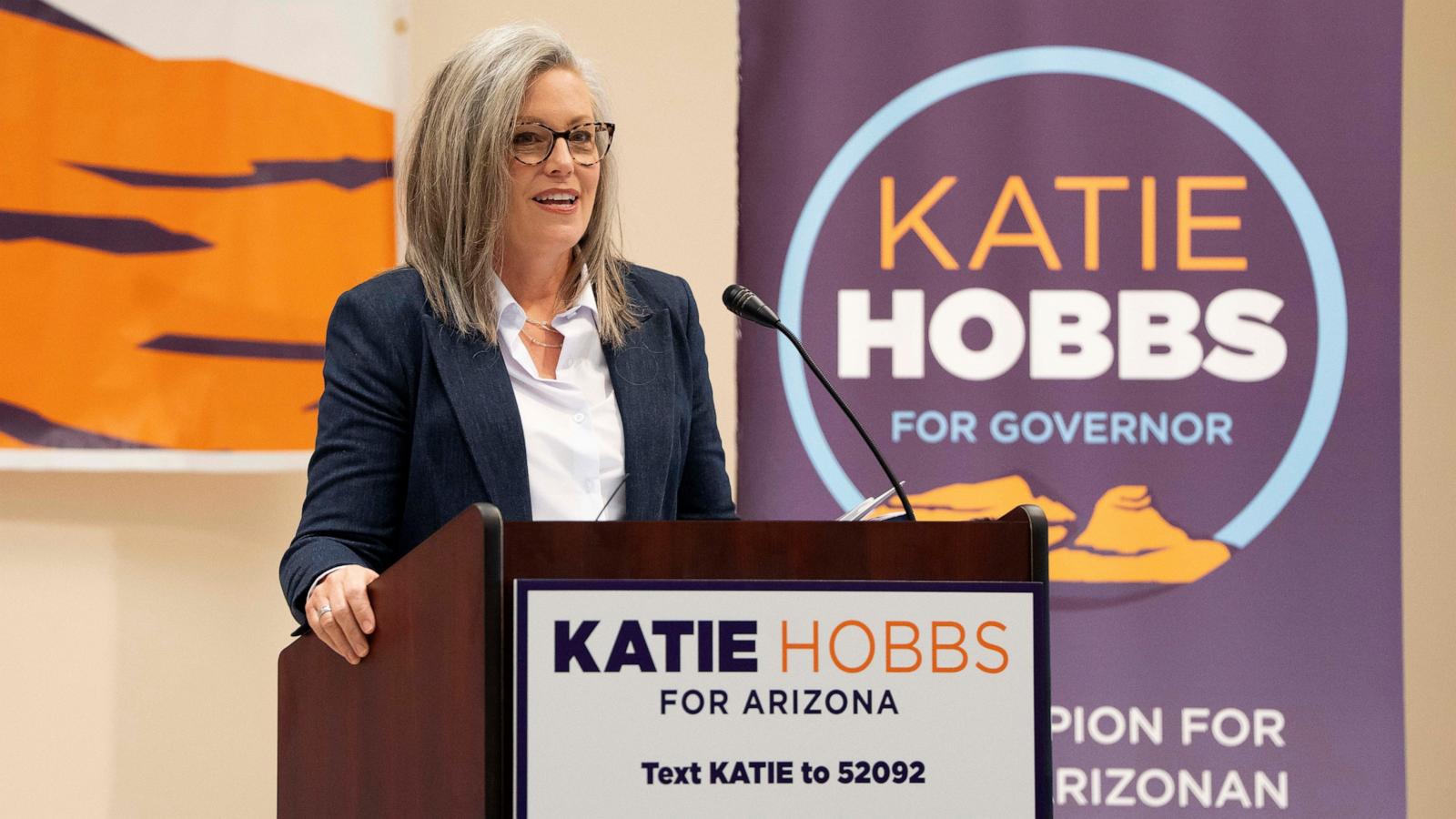
Two candidates from The Church of Jesus Christ of Latter-day Saints are competing in Arizona’s governor race: Republican Andy Biggs and Democrat Katie Hobbs, who chose John Giles, a church member and independent, as her running mate. Mormon women voters in Arizona are divided on whom to support, with some backing Hobbs and others Biggs, making this group influential in a close election.
Key Facts
Andy Biggs is the Republican candidate and an ally of President Donald Trump.
Katie Hobbs is the current governor running for re-election with John Giles, a Mormon and former Republican now independent, as her running mate.
About 442,000 Latter-day Saints live in Arizona, making up roughly 6% of the state's population.
Some Mormon women support Hobbs due to Giles’ role and Biggs’ past stance against certifying the 2020 election results.
Other Mormon women favor Biggs for his positions on parental rights and transgender issues.
Arizona is a closely contested state; Hobbs won by around 17,000 votes in 2022.
A group named Mormon Women for Ethical Government says principles and behavior matter more than party loyalty.
Abortion may be less of a deciding issue this year after Arizona approved protections for abortion access in 2024.
Read the Original
Want the full story? Tap a source to open the original
article.
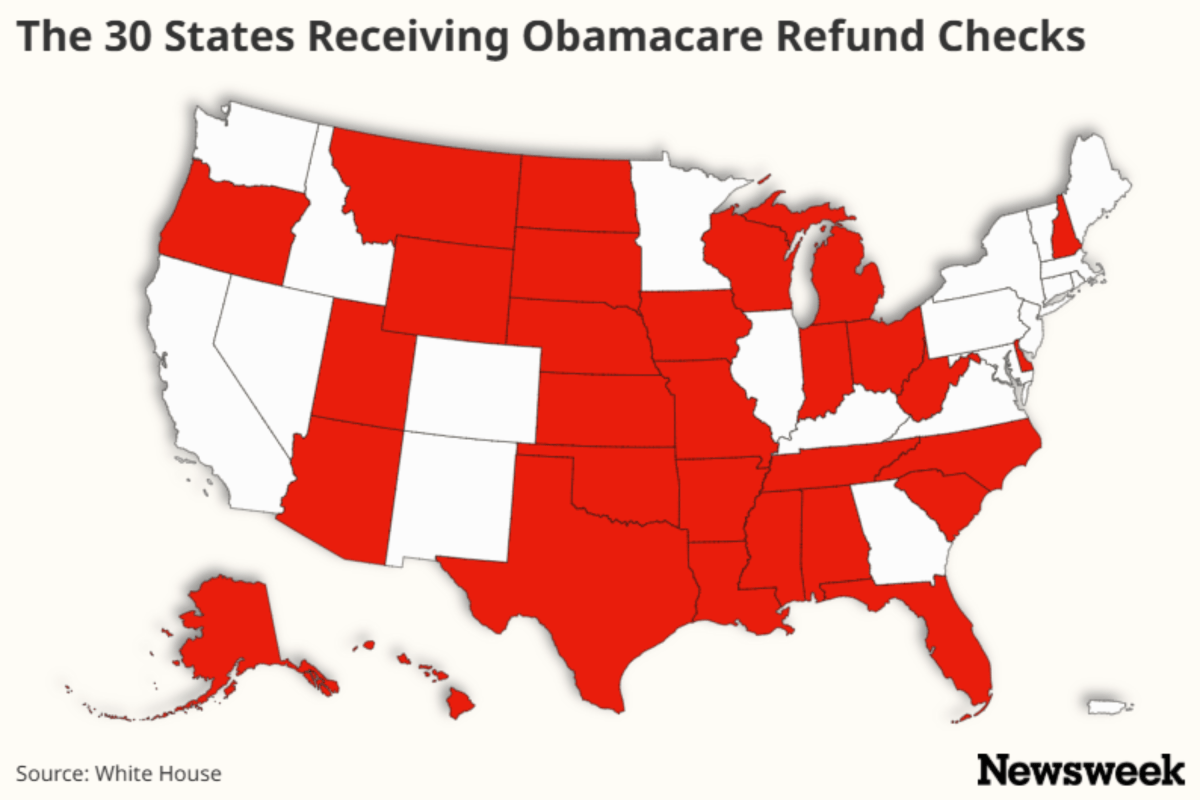
The Trump administration has started sending $500 refund checks to nearly one million people who bought health insurance through the Affordable Care Act (ACA) marketplace. The refunds are said to return money collected as “user fees” from insurers that increased insurance costs for consumers in some states.
Key Facts
About 950,000 Americans in 30 states will get $500 checks as refunds.
This program is called "Working Families Obamacare Refunds" and was announced by President Trump on September 10.
The refunds target people who paid full ACA premiums without extra financial help.
The White House says these payments return "excess user fees" charged during the Biden administration.
About 19.2 million people are enrolled in ACA plans nationwide as of early 2026.
The refunds only apply to states that use the federal ACA marketplace, not state-run exchanges.
Checks started being sent out on September 30, earlier than the planned October date.
Some experts say the refunds are timed to influence voters before the 2026 Congressional elections.
Read the Original
Want the full story? Tap a source to open the original
article.
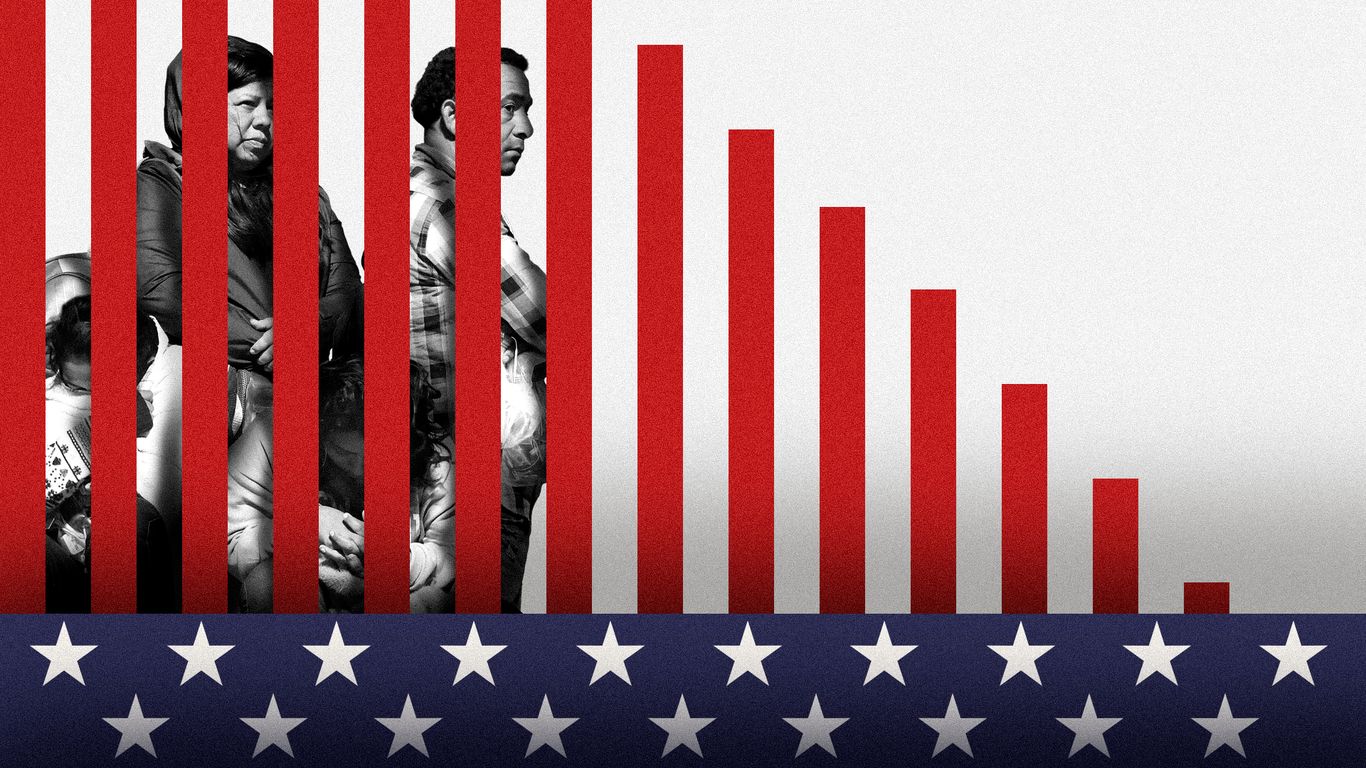
Immigration, which helped President Donald Trump win support in the past, is no longer a top concern for most voters. Many voters now care more about issues like the cost of living and the economy, making immigration less important in the 2024 election.
Key Facts
Immigration was a key issue for voters, especially Republicans, during President Trump’s earlier term.
Recently, immigration has dropped in importance and ranks low on voters’ top concerns.
Cost of living and the economy are now the main worries for most voters nationwide.
Polls show fewer voters in states like Texas, Michigan, and Ohio see immigration as their main issue.
President Trump’s disapproval rating on his handling of immigration rose to 58% in August 2024.
Some Republicans still trust the party more on immigration compared to Democrats, but that gap is shrinking.
Tactics used on immigration enforcement have caused some voters to feel uncomfortable.
The White House credited President Trump with securing the border and stopping illegal immigration.
Read the Original
Want the full story? Tap a source to open the original
article.
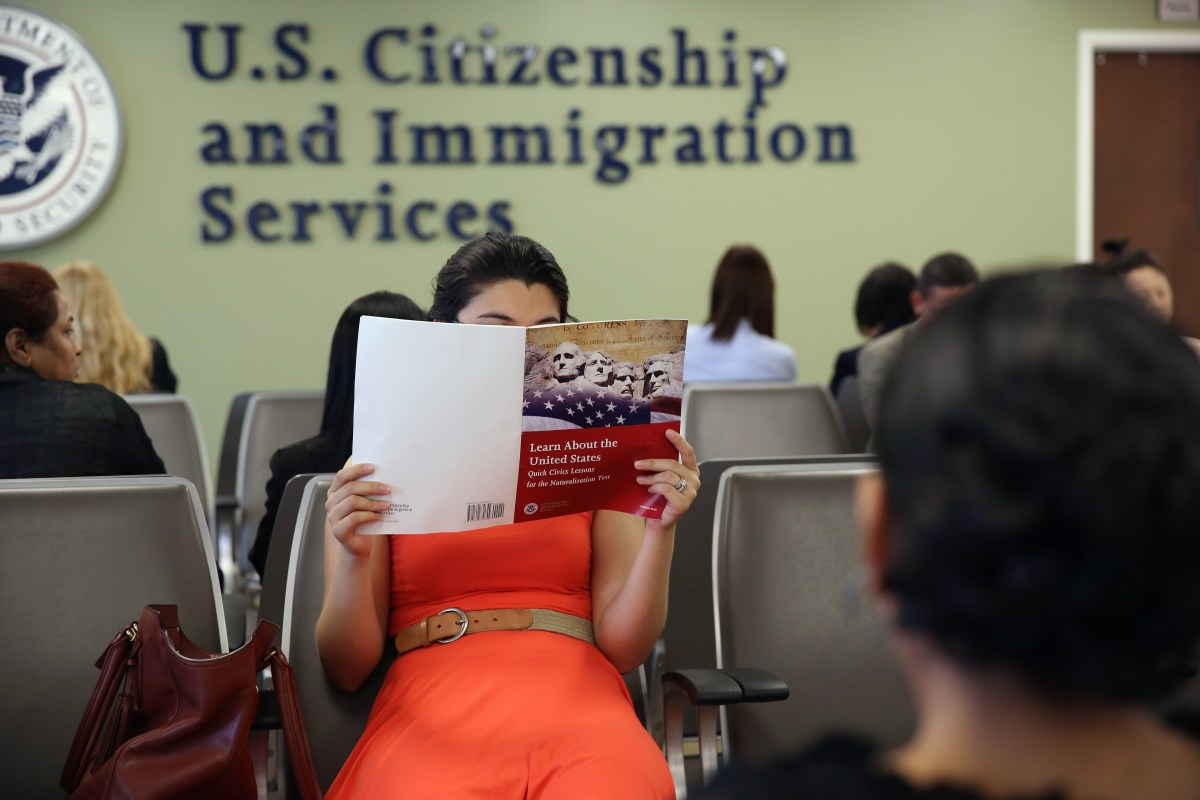
Starting October 1, the new U.S. fiscal year brings more green card visa numbers. This allows some immigrant visa categories, especially for Indian applicants, to reopen or move forward, while other categories for certain countries see delays or date setbacks.
Key Facts
The 2027 U.S. fiscal year begins on October 1, resetting immigrant visa limits.
Visa numbers and cutoff dates for family-sponsored and employment-based categories are updated.
India's EB-2 and EB-5 visa categories reopen after reaching previous limits.
Some categories for other countries, like Mexico and the Philippines, see cutoffs move backward.
The family-sponsored F2A category advanced for many countries, helping spouses and children of green card holders.
USCIS will accept certain employment-based adjustment applications starting in October, allowing some applicants to file earlier.
Experts warn the deadline to submit applications is very tight, making it difficult for some applicants to meet.
The changes are seen as a "reset" rather than a resolution of long waiting lists for Indian green card applicants.
Read the Original
Want the full story? Tap a source to open the original
article.