The Department of Health and Human Services (HHS) is starting a new program called SURPASS to make clinical trials faster and cheaper. The program aims to improve how new drugs are tested by using new technology and better processes over the next five years.
Key Facts
The SURPASS program was announced by Health Secretary Robert F. Kennedy, Jr., ARPA-H Director Alicia Jackson, CMS Administrator Mehmet Oz, and FDA Acting Commissioner Kyle Diamantas.
SURPASS stands for Simulation-augmented, Real-time Platform Adaptive Seamless Trials.
The program will fund teams that include drug sponsors to develop faster and more efficient clinical trials.
The goal is to allow faster trials with fewer patients and to analyze data during the trial instead of after it ends.
Automation and computer predictions will be used to reduce inefficiencies and improve drug outcome forecasts.
The FDA is involved in planning to ensure the trials meet regulatory requirements.
The program hopes to reduce clinical trial costs by up to 10 times and cut the timeline for drug development in half or more.
Additional projects are planned to expand trial sites, improve data systems, and help cancer patients use their data better.
Read the Original
Want the full story? Tap a source to open the original
article.
The Federal Reserve’s watchdog found no evidence of criminal activity in a costly renovation of two Fed buildings in Washington, DC. The project went about $1 billion over budget, but no laws were broken, and no administrative misconduct was found.
Key Facts
The renovation project cost about $2.4 billion, roughly $1 billion over the original budget.
The inspector general found no reason to refer the case for criminal investigation.
President Trump had used the renovation costs to criticize then-Fed Chair Jerome Powell.
Trump pressured Powell to lower interest rates during his time as Fed Chair.
A Department of Justice investigation into the renovation and Powell’s testimony was closed earlier in 2024.
The watchdog report said the Fed poorly managed the project and failed to set a guaranteed maximum price to control costs.
Some design elements, like marble and water features, were blamed for overruns but did not significantly add to the cost.
Cost overruns on government projects are common, including Trump’s own White House ballroom renovation.
Read the Original
Want the full story? Tap a source to open the original
article.
Some Republicans have announced their support for Democratic candidates in the upcoming November elections. This is notable because the November vote will decide which party controls both the Senate and the House of Representatives.
Key Facts
The midterm elections are scheduled for November.
Control of both chambers of Congress is at stake.
A small but growing group of Republicans is supporting Democrats.
Among these Republicans are a former governor, a GOP election official, and a former Senate candidate.
The act of supporting candidates from the other party is sometimes called "crossing the aisle."
This kind of support is unusual because parties usually back their own candidates.
These endorsements may influence voters who identify as Republicans but are open to Democratic candidates.
The overall impact on the election outcome is still uncertain.
Read the Original
Want the full story? Tap a source to open the original
article.
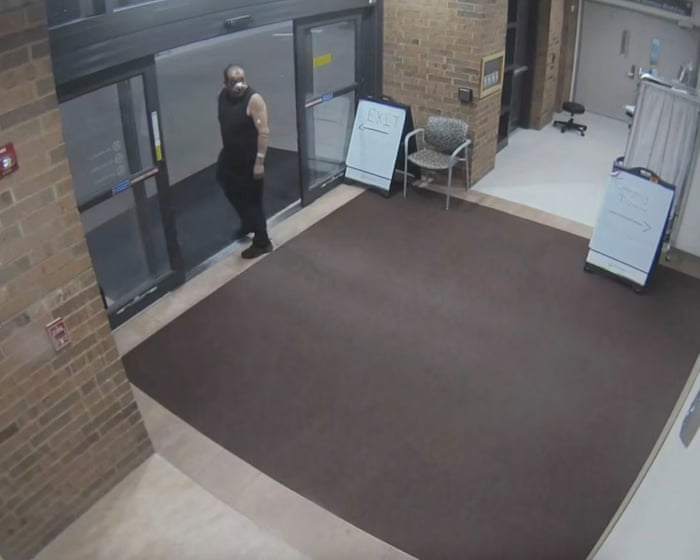
A Michigan nurse, Chloe Renae Freeman, has been charged with helping an undocumented immigrant escape from Immigration and Customs Enforcement (ICE) custody while he was treated at a hospital. The man, who had been injured and was in ICE custody, left the hospital with Freeman’s help and has not been found since.
Key Facts
Chloe Renae Freeman, 33, worked at a hospital in Ann Arbor, Michigan.
She is charged with "instigating or assisting escape," a federal misdemeanor.
The undocumented immigrant from Mexico was arrested by border patrol agents earlier the same day.
The man was injured during the arrest and taken to the hospital for treatment.
Freeman helped the man leave the hospital by removing his IV drip and guiding him out through an ambulance exit.
Freeman said she acted because she disagreed with ICE separating families.
The man has not been found since his escape from the hospital.
Freeman surrendered to authorities, had a court hearing, and was released on a $10,000 bond.
Freeman no longer works at the hospital, which has not fully commented on its cooperation with the FBI.
Read the Original
Want the full story? Tap a source to open the original
article.
Defense Secretary Pete Hegseth will announce plans to cut the number of top generals and admirals in the military by 20% by January 1, 2027. This is double the 10% cut ordered last year and affects about 800 high-ranking military officers.
Key Facts
Hegseth will give a speech at 3 p.m. EDT about these military cuts.
The reduction will affect generals and admirals across all military branches.
The original cut was 10%, now increased to 20%.
The goal is to complete the cuts by January 1, 2027.
Since President Donald Trump and Hegseth took office, over two dozen top military leaders have been fired or pushed to retire.
This includes the Army’s top officer, General Randy George, who was removed in April.
Two women who were four-star officers were also fired.
Senior female officers have been affected at a higher rate than others.
Read the Original
Want the full story? Tap a source to open the original
article.
An appeals court agreed with a lower court that President Donald Trump worked together with the Justice Department in handling a lawsuit involving $10 billion in claims against the IRS. The lawsuit was both initiated and later dropped, and the court ruled this cooperation was improper.
Key Facts
An appeals court upheld a judge’s decision about President Trump’s actions.
The judge involved is U.S. District Judge Kathleen Williams from Florida.
The case involved a $10 billion claim against the IRS.
President Trump and the Justice Department were found to have worked together regarding this case.
The lawsuit was initially filed and then dropped after the involvement of these parties.
The court saw this cooperation as inappropriate or collusion between Trump and the DOJ.
The ruling confirms the lower court’s findings and supports the legal judgment made earlier.
Read the Original
Want the full story? Tap a source to open the original
article.
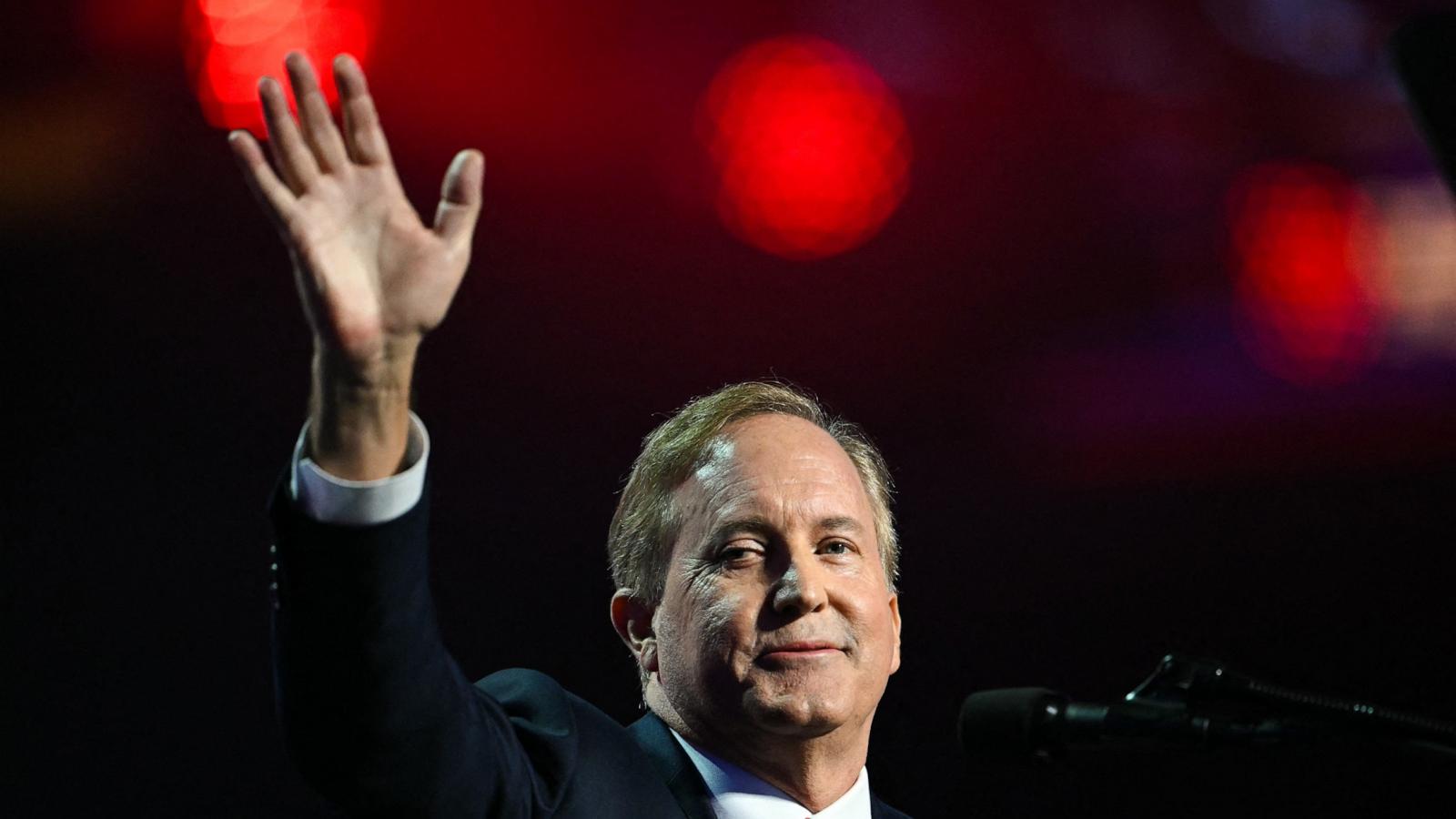
Texas Attorney General and Senate candidate Ken Paxton said in a private fundraiser that President Donald Trump’s GOP midterm convention in Dallas hurt his campaign numbers. Paxton has received Trump’s endorsement and aligned with him, but the Paxton campaign denied the audio recording’s accuracy.
Key Facts
Ken Paxton is running for U.S. Senate in Texas.
Paxton told donors in a private event that Trump’s GOP midterm convention lowered his campaign support.
The recording was obtained by The New York Times.
Paxton’s campaign called the report “manipulated nonsense” but did not directly say the audio was altered.
President Trump endorsed Paxton over the current Senator John Cornyn in the GOP primary.
A recent poll showed Paxton trailing his Democratic opponent James Talarico by 6 percentage points in Texas.
Trump praised Paxton at the convention but also made a joking comment about his appearance.
Several Republicans express concern that Trump’s low approval and economic issues might hurt them in elections.
Read the Original
Want the full story? Tap a source to open the original
article.
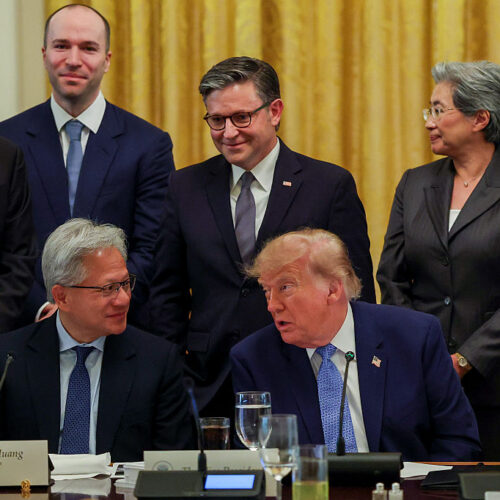
President Donald Trump supports the idea that AI companies should monitor their own work to reduce risks, rather than relying on strict government rules. Recently, about two dozen major tech firms agreed to follow safety checks suggested by the White House, including outside audits to see if their protections really work. This agreement does not create new laws but is meant to encourage companies to act responsibly.
Key Facts
President Trump believes self-regulation by AI companies is the best way to handle AI risks.
Two dozen tech firms, including leaders from OpenAI, Google, Meta, and others, agreed to follow voluntary safety guidelines from the White House.
These guidelines include independent safety audits focused on risks like cybersecurity, biological threats, chemical dangers, and unintended AI behavior.
Firms will meet regularly to share best practices and establish AI safety standards.
No new legal rules were created; this agreement is voluntary and not legally binding.
Some companies, like OpenAI and Google, already supported independent audits before this deal.
There is uncertainty about who will conduct the safety audits and how the process will work in detail.
Polls show a majority of voters want stronger AI regulations, but industry experts worry self-policing might not be enough to ensure safety.
Read the Original
Want the full story? Tap a source to open the original
article.
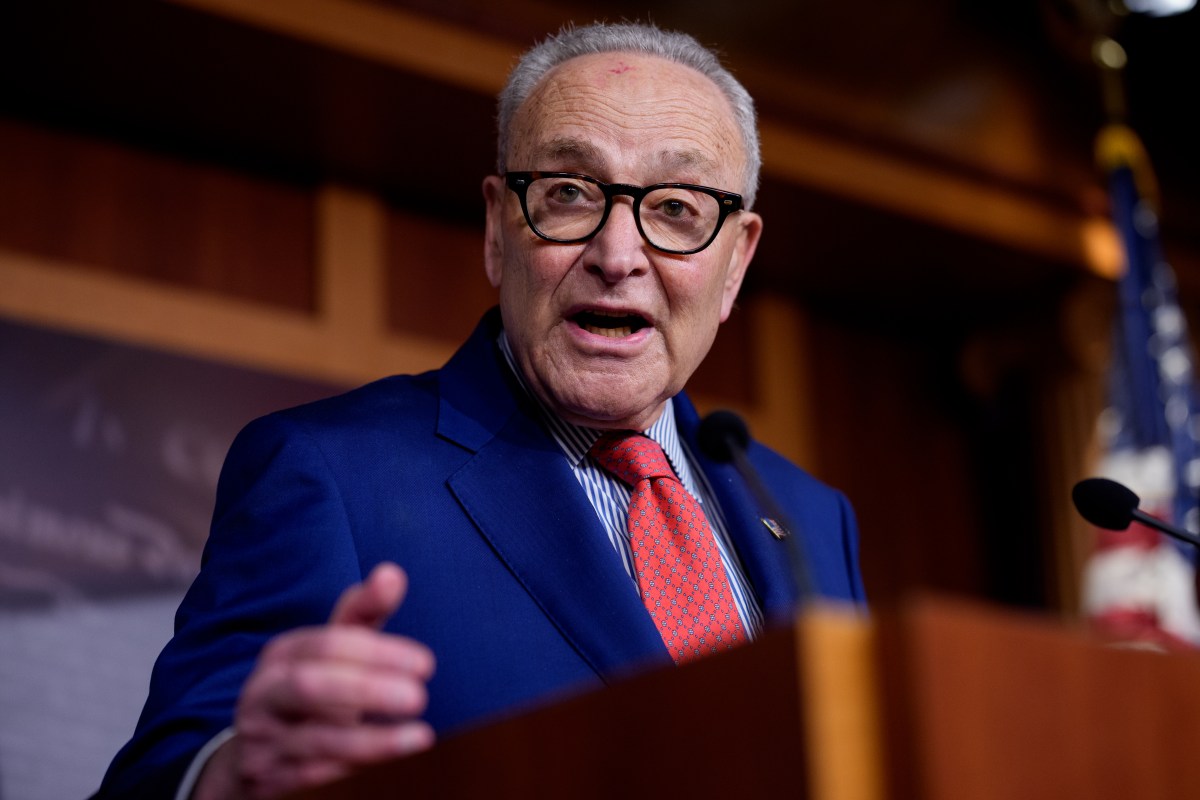
The U.S. Senate voted on a bill called the Stop Insider Trading Act, which would ban members of Congress from buying stocks. All Senate Democrats voted against it because they believe the bill has many loopholes and does not fully stop insider trading, while Republicans supported it as a common sense measure.
Key Facts
The Stop Insider Trading Act was introduced by Republican Senator Pete Ricketts.
The bill failed to get the 60 votes needed to advance, with a 53-47 vote divided along party lines.
Democrats argue the bill does not fully ban stock trading, exempts the president and vice president, and has loopholes.
Republicans say the bill ensures more integrity and accountability for Congress members.
The bill bans members of Congress, their spouses, and dependent children from buying new stocks in public companies.
It requires Congress members to publicly announce stock sales 7 to 14 days ahead of time.
The penalty for violating the bill would be $2,000 or 10% of the investment value.
The vote happened less than five weeks before the 2024 midterm elections, where Democrats hope to gain control of Congress.
Read the Original
Want the full story? Tap a source to open the original
article.
The Guardian US is hosting a live question-and-answer session on October 6, 2026, about how the war with Iran is affecting the 2026 US midterm elections. They invite readers to send questions about the war's impact on government spending, everyday life, and political outcomes for President Trump and other candidates.
Key Facts
The war with Iran has been ongoing for nearly seven months by October 2026.
It has affected Americans' finances, government budgets, and US foreign policy.
The Guardian US will hold a live Q&A on October 6 at 12pm Eastern time on their website.
The session will feature reporters who cover politics and foreign policy.
Readers aged 18 and older can submit questions anonymously or with their name.
The Guardian promises data security and will delete personal info after use.
This Q&A is part of a series focused on the 2026 US midterm elections.
Previous reader sessions covered topics like the Democratic party and campaign funding.
Read the Original
Want the full story? Tap a source to open the original
article.
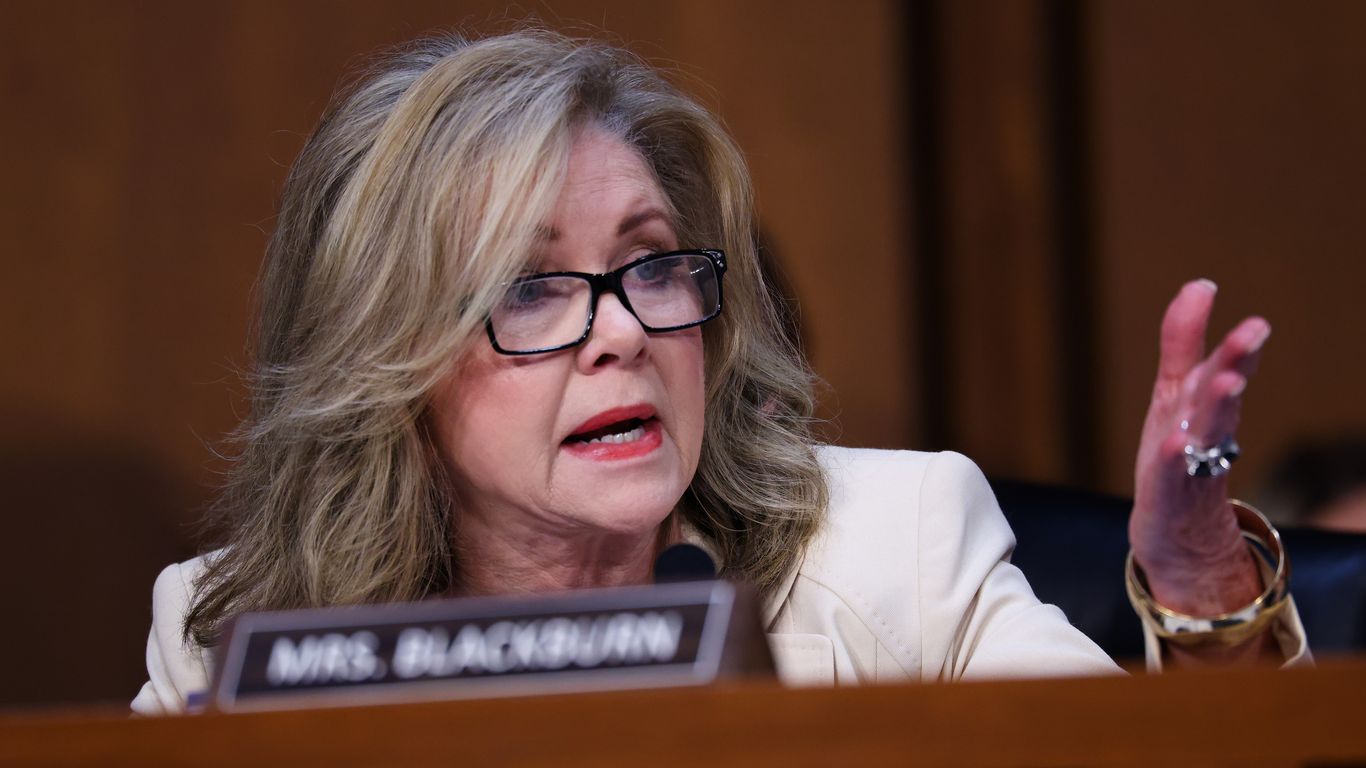
Senator Marsha Blackburn sued special counsel Jack Smith for allegedly obtaining her cellphone records without proper disclosure during his investigation into President Trump and the 2020 election. The lawsuit seeks to hold Smith accountable and challenges the way the investigation handled private information of Republican figures.
Key Facts
Senator Marsha Blackburn filed the lawsuit in Tennessee federal court.
She claims Jack Smith obtained her phone records secretly during the "Arctic Frost" investigation.
The investigation looked into efforts to interfere with the 2020 presidential election certification.
Blackburn wants just $1 in damages, focusing on accountability, not money.
The lawsuit says about 20 Republican members of Congress had records subpoenaed.
Around 400 Republicans and organizations were reportedly targeted in the probe.
Personal data from nearly 5,000 Trump donors was collected, including addresses and bank info.
The dispute continues ongoing legal and political tensions linked to investigations of President Trump and his allies.
Read the Original
Want the full story? Tap a source to open the original
article.
Lara Trump, daughter-in-law of President Donald Trump, said on a YouTube show that a war with Iran might hurt President Trump's party in the upcoming midterm elections. However, she believes that even if the Republican Party loses control of both the House and Senate, the war would still be a price worth paying.
Key Facts
Lara Trump is President Donald Trump’s daughter-in-law.
She is also a former co-chair of the Republican National Committee.
Lara Trump spoke on a YouTube show called “Harry Cole Saves the West.”
She said a war with Iran could impact the results of the midterm elections.
The midterm elections determine who controls the U.S. Congress.
Lara Trump suggested losing both the House of Representatives and the Senate would be worth the cost of war.
This statement links U.S. foreign policy with the political future of President Trump’s party.
Read the Original
Want the full story? Tap a source to open the original
article.
The Federal Reserve's internal watchdog reported that the renovation of a Fed building was badly managed but found no criminal wrongdoing. The renovation cost rose because the agency did not plan the budget well and did not set a firm cost limit, leading to higher prices during construction.
Key Facts
The Federal Reserve spent $2.4 billion on a building renovation project.
The Board of Governors did not get a full cost estimate before starting construction.
They also failed to set a maximum budget, which could have helped control inflation-related price increases.
Prices went up after the construction began in 2022.
The inspector general said the Board did not manage the contract well and often ignored cost control rules.
No criminal wrongdoing was found in the report.
The review was requested last year by Federal Reserve Chair Jerome Powell.
The report was detailed in a 120-page document released by the inspector general.
Read the Original
Want the full story? Tap a source to open the original
article.
A group of Democratic lawmakers has introduced the "Mom Economy Resolution" aimed at helping working mothers by improving childcare affordability, increasing the Child Tax Credit, protecting SNAP benefits, raising the minimum wage, and guaranteeing paid leave. The resolution highlights the challenges mothers face in balancing work and family responsibilities, calling for stronger support systems including expanded nutrition assistance through SNAP.
Key Facts
The "Mom Economy Resolution" supports policies to help working mothers and their families.
It calls for cheaper childcare, expanded Child Tax Credit, better SNAP benefits, higher minimum wage, and paid family leave.
Mothers earn about 84 cents for every dollar earned by men and often bear most caregiving duties.
Nearly 45% of mothers contribute at least half of their household’s income.
Lack of paid leave causes about 30% of women to leave the workforce after childbirth.
The resolution is introduced in the House by Rep. Grace Meng and in the Senate by Sen. Tammy Duckworth, both Democrats.
Expanding SNAP and school meal programs is part of the plan to ease financial pressure on families.
The goal is to help mothers stay financially stable and continue working while caring for their children.
Read the Original
Want the full story? Tap a source to open the original
article.
The Justice Department wants to censure two federal judges in Minnesota because they spoke to The New York Times about immigration actions during President Donald Trump’s administration. One judge is former, and the other is currently serving.
Key Facts
The Justice Department is asking to formally reprimand two federal judges in Minnesota.
The judges spoke to The New York Times about immigration raids from President Trump’s time in office.
One judge is Patrick Schiltz, appointed by President George W. Bush.
The other judge is John Tunheim, who is still serving.
Speaking to the media about government actions led to the censure request.
Censure means an official statement expressing disapproval.
Read the Original
Want the full story? Tap a source to open the original
article.
A federal appeals court stopped the execution of Christa Gail Pike, who was convicted of a 1995 murder committed at age 18 in Tennessee. The court wants to review if her claims of childhood abuse and mental illness were properly considered before she was sentenced to death.
Key Facts
Christa Gail Pike was convicted for the 1995 murder of Colleen Slemmer when Pike was 18 years old.
Pike was scheduled to be the first woman executed in Tennessee in over 200 years.
The 6th Circuit U.S. Court of Appeals halted her execution about an hour before it was to start.
Pike alleges severe childhood sexual abuse and says she has mental illnesses, including bipolar disorder and PTSD.
Her boyfriend, who was 17 at the time, admitted to carving a pentagram into the victim’s body and was sentenced to life with parole.
Pike’s supporters argue her age and mental condition should impact her death sentence.
The victim’s mother supports the execution and has waited decades for it to happen.
Tennessee’s attorney general appealed the stay to the U.S. Supreme Court.
Read the Original
Want the full story? Tap a source to open the original
article.
President Donald Trump is expected to announce $200 billion in new investments from South Korea, including $54 billion for a natural gas project in Alaska. The announcement supports energy development and is tied to a recent trade and investment deal between the US and South Korea.
Key Facts
South Korea plans to invest $200 billion in various US strategic sectors, including $54 billion for a liquefied natural gas (LNG) project in Alaska.
The LNG project includes building a 1,300 km (807-mile) natural gas pipeline from Alaska’s North Slope to an export terminal.
This investment follows a $350 billion trade deal signed last November, where the US agreed to lower tariffs on South Korean auto products.
South Korea is the world’s third-largest LNG importer.
Additional South Korean investments will include nuclear power plants and a 6-gigawatt power facility in Texas.
The announcement comes as part of efforts to strengthen US energy infrastructure and support Republican candidates in key Senate races in Alaska and Texas.
President Trump has used tariffs as negotiation tools to secure trade deals and has reduced military exercises with South Korea recently, reflecting some strains in the relationship.
The investments illustrate ongoing economic and strategic ties between the US and South Korea amid changing political dynamics in the Asia Pacific region.
Read the Original
Want the full story? Tap a source to open the original
article.
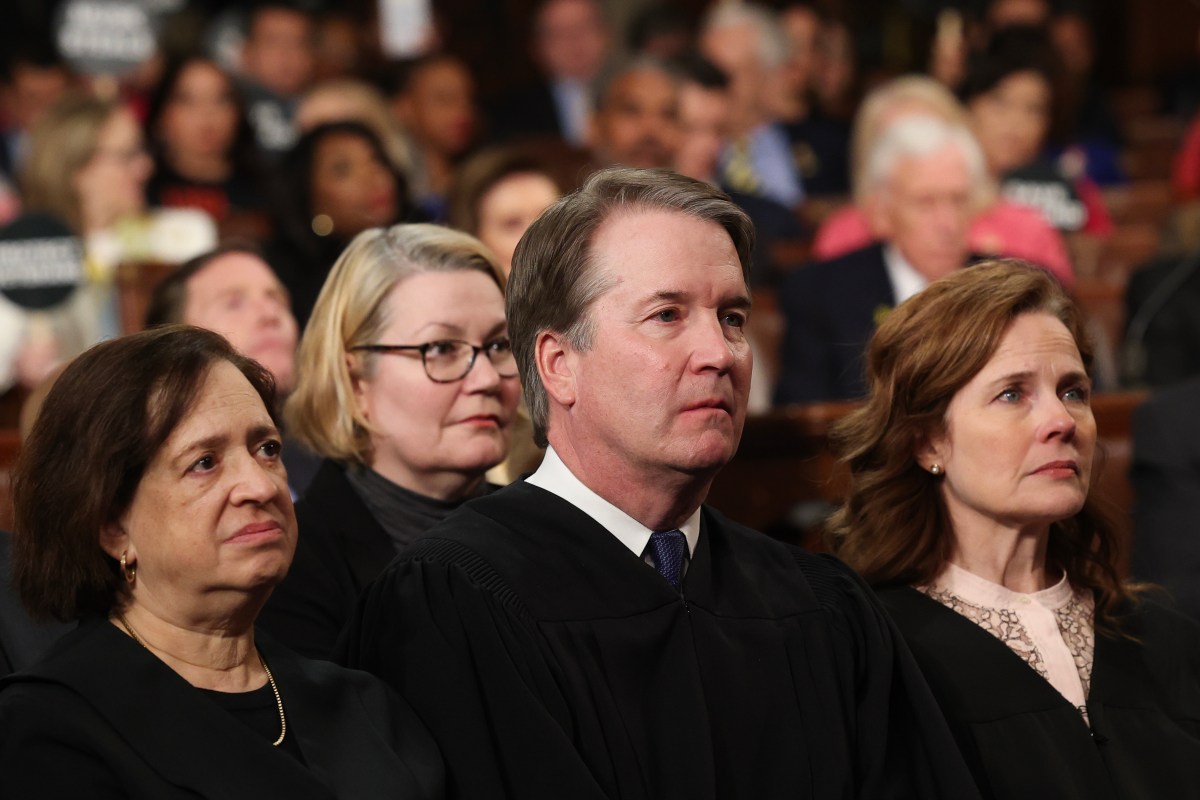
A new Gallup poll shows the U.S. Supreme Court’s approval rating among independent voters has dropped to 31%, the lowest ever recorded by Gallup. Overall approval for the Court is near a record low, with views strongly divided along political lines.
Key Facts
Supreme Court approval among independents fell to 31%, the lowest in Gallup poll history.
Overall Supreme Court approval is at 34%, close to the record low of 33%.
Democrats' approval remains low at about 12%, while Republicans’ approval rose to 65%.
The Court’s approval was as high as 58% in July 2020 but has steadily declined since then.
43% of Americans think the Court is too conservative, 35% say it is about right, and 17% say it is too liberal.
Conservative justices hold a 6-3 majority on the Supreme Court.
Some justices, like Ketanji Brown Jackson, have expressed concerns about the Court’s use of fast-track decisions called the “shadow docket.”
The poll surveyed 1,000 adults with a margin of error of ±4%, conducted from September 1 to 17, 2026.
Read the Original
Want the full story? Tap a source to open the original
article.
An immigration judge ruled that Salah Sarsour, the president of Wisconsin’s largest mosque and a US permanent resident, can be deported using an old law from the Cold War era. This decision came despite earlier court findings that his detention was likely due to his public support for Palestinian rights.
Key Facts
Salah Sarsour has been a US permanent resident for nearly 30 years and leads Wisconsin’s largest mosque.
He was detained by US Immigration and Customs Enforcement (ICE) in March but released after a judge said his detention may have been retaliation for his activism.
A separate immigration case was fast-tracked, leading to a judge ruling that Sarsour is removable from the US.
The judge overseeing the case, Jayme Salinardi, announced retirement shortly after the decision.
The Department of Homeland Security claims Sarsour funded terrorism and lied on immigration forms; Sarsour denies these accusations.
DHS cited decades-old military court convictions in Israel related to violence during the first intifada; Sarsour says he was arrested as a teenager and forced to sign documents under duress.
Sarsour is also a board member of American Muslims for Palestine, a group accused by the Trump administration of opposing US foreign policy.
Sarsour has six children and nine grandchildren, all US citizens, and says he will continue fighting the deportation and advocating for free speech.
Read the Original
Want the full story? Tap a source to open the original
article.