President Donald Trump is expected to announce $200 billion in new investments from South Korea, including $54 billion for a natural gas project in Alaska. The announcement supports energy development and is tied to a recent trade and investment deal between the US and South Korea.
Key Facts
South Korea plans to invest $200 billion in various US strategic sectors, including $54 billion for a liquefied natural gas (LNG) project in Alaska.
The LNG project includes building a 1,300 km (807-mile) natural gas pipeline from Alaska’s North Slope to an export terminal.
This investment follows a $350 billion trade deal signed last November, where the US agreed to lower tariffs on South Korean auto products.
South Korea is the world’s third-largest LNG importer.
Additional South Korean investments will include nuclear power plants and a 6-gigawatt power facility in Texas.
The announcement comes as part of efforts to strengthen US energy infrastructure and support Republican candidates in key Senate races in Alaska and Texas.
President Trump has used tariffs as negotiation tools to secure trade deals and has reduced military exercises with South Korea recently, reflecting some strains in the relationship.
The investments illustrate ongoing economic and strategic ties between the US and South Korea amid changing political dynamics in the Asia Pacific region.
Read the Original
Want the full story? Tap a source to open the original
article.
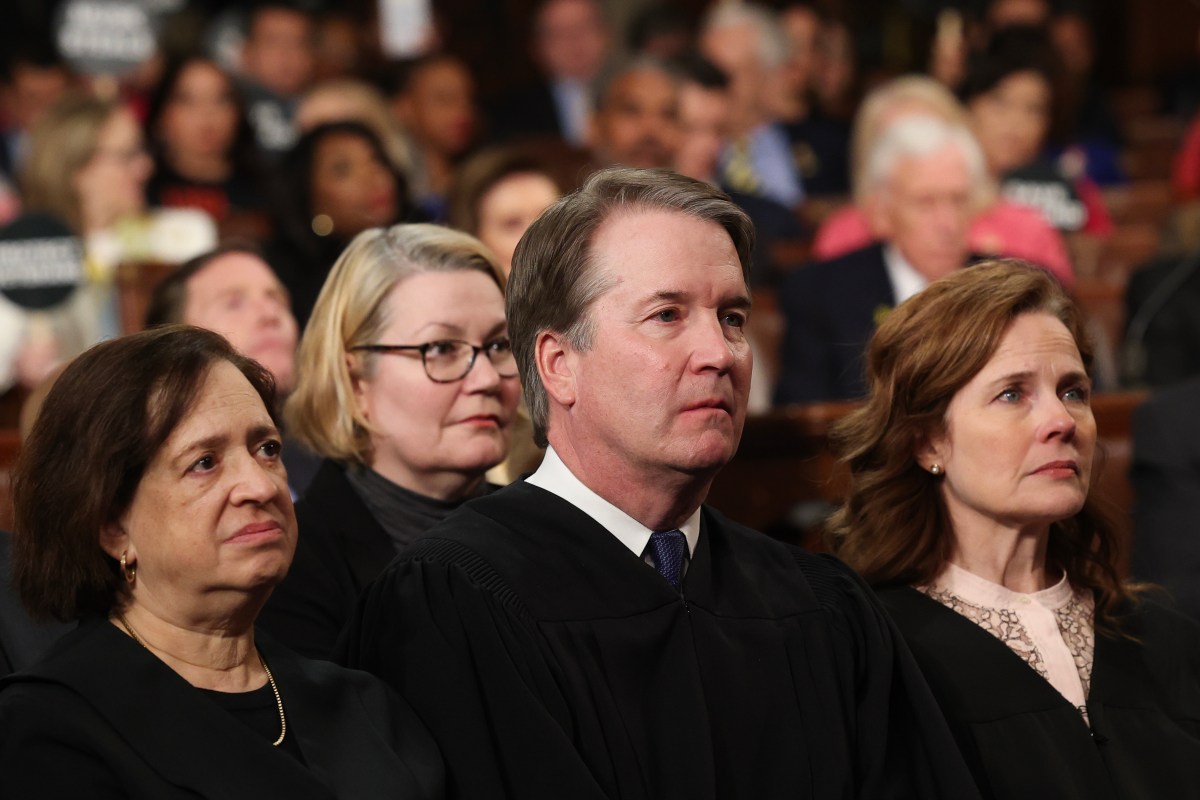
A new Gallup poll shows the U.S. Supreme Court’s approval rating among independent voters has dropped to 31%, the lowest ever recorded by Gallup. Overall approval for the Court is near a record low, with views strongly divided along political lines.
Key Facts
Supreme Court approval among independents fell to 31%, the lowest in Gallup poll history.
Overall Supreme Court approval is at 34%, close to the record low of 33%.
Democrats' approval remains low at about 12%, while Republicans’ approval rose to 65%.
The Court’s approval was as high as 58% in July 2020 but has steadily declined since then.
43% of Americans think the Court is too conservative, 35% say it is about right, and 17% say it is too liberal.
Conservative justices hold a 6-3 majority on the Supreme Court.
Some justices, like Ketanji Brown Jackson, have expressed concerns about the Court’s use of fast-track decisions called the “shadow docket.”
The poll surveyed 1,000 adults with a margin of error of ±4%, conducted from September 1 to 17, 2026.
Read the Original
Want the full story? Tap a source to open the original
article.
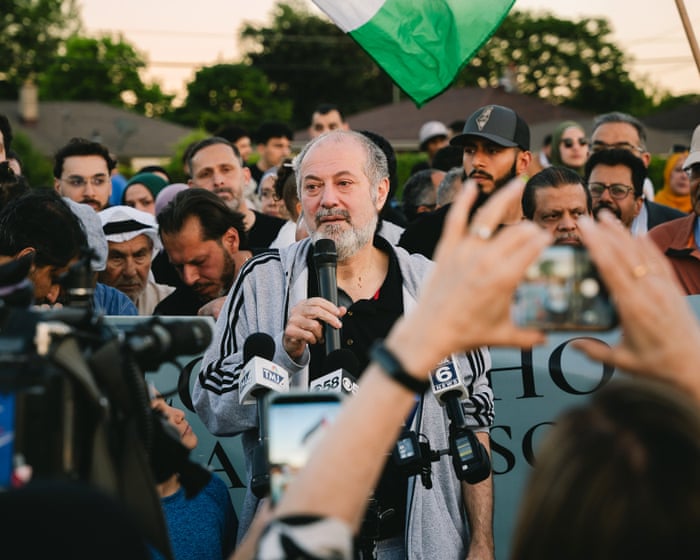
An immigration judge ruled that Salah Sarsour, the president of Wisconsin’s largest mosque and a US permanent resident, can be deported using an old law from the Cold War era. This decision came despite earlier court findings that his detention was likely due to his public support for Palestinian rights.
Key Facts
Salah Sarsour has been a US permanent resident for nearly 30 years and leads Wisconsin’s largest mosque.
He was detained by US Immigration and Customs Enforcement (ICE) in March but released after a judge said his detention may have been retaliation for his activism.
A separate immigration case was fast-tracked, leading to a judge ruling that Sarsour is removable from the US.
The judge overseeing the case, Jayme Salinardi, announced retirement shortly after the decision.
The Department of Homeland Security claims Sarsour funded terrorism and lied on immigration forms; Sarsour denies these accusations.
DHS cited decades-old military court convictions in Israel related to violence during the first intifada; Sarsour says he was arrested as a teenager and forced to sign documents under duress.
Sarsour is also a board member of American Muslims for Palestine, a group accused by the Trump administration of opposing US foreign policy.
Sarsour has six children and nine grandchildren, all US citizens, and says he will continue fighting the deportation and advocating for free speech.
Read the Original
Want the full story? Tap a source to open the original
article.
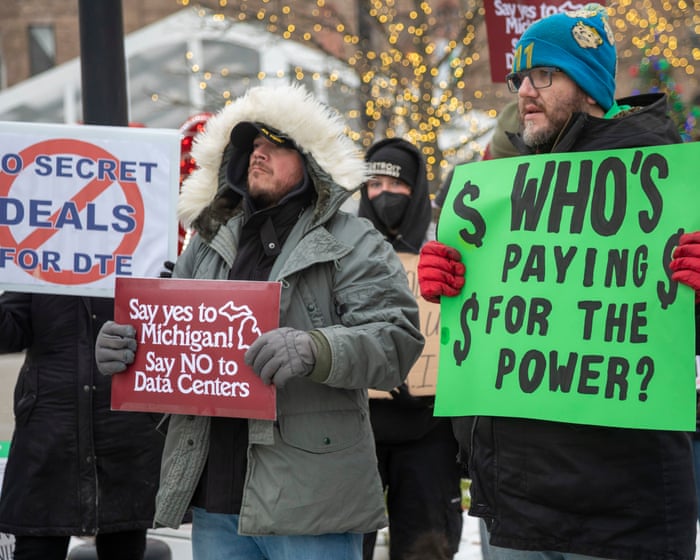
Senate Democrats blocked a Republican bill designed to protect Americans from higher energy costs caused by data centers. The bill aimed to make companies pay for the costs, but Democrats said the bill only offered optional protections and lacked real enforcement.
Key Facts
Senate Democrats voted 57 to 43 against the GOP-led Ratepayer Protection Act.
The bill passed the House with strong bipartisan support (417 to 3 votes).
The bill would let state regulators consider standards to make companies pay more for energy infrastructure costs caused by data centers.
Democrats opposed the bill because its protections are voluntary, not mandatory.
Senate Minority Leader Chuck Schumer criticized the bill as a weak "messaging" effort with no real enforcement.
Republican Senator Jon Husted from Ohio supports the bill and faces a tough election race.
Senate Democrats want stronger laws with clear consequences to control energy costs linked to data centers and AI growth.
The vote took place just before senators left for election campaigns and followed a blocked Senate GOP effort on congressional stock trading limits.
Read the Original
Want the full story? Tap a source to open the original
article.
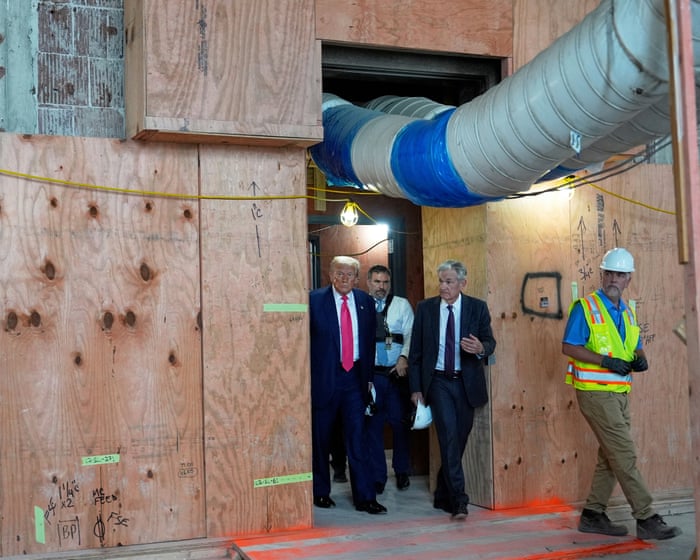
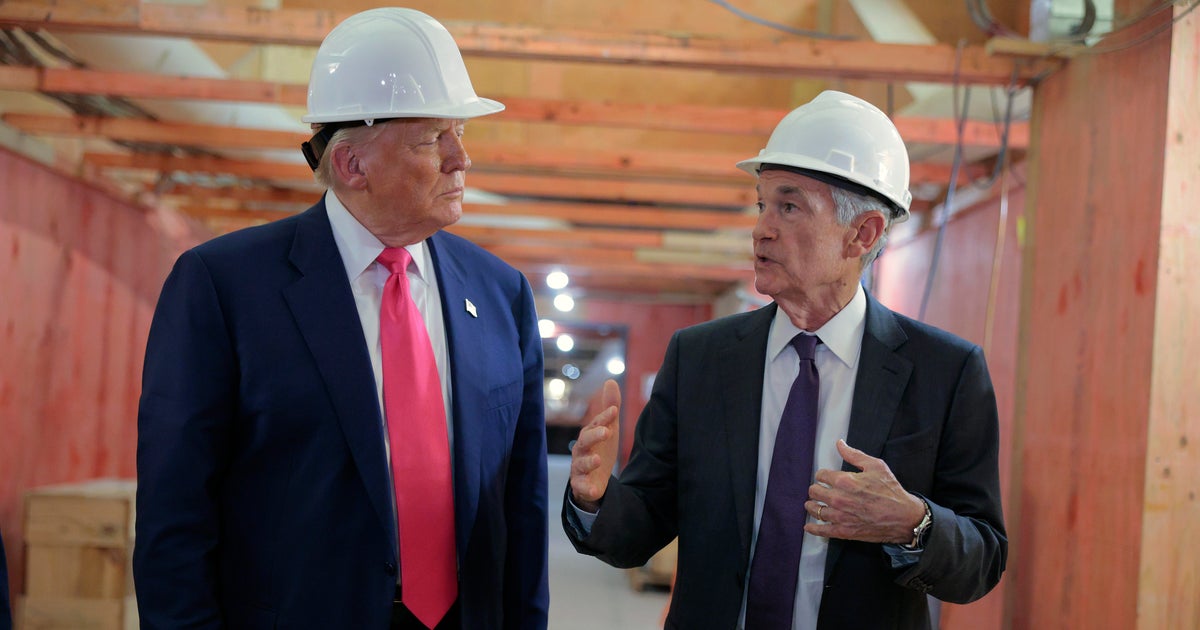
The Federal Reserve’s internal watchdog found that the agency did not manage a $2.4 billion building renovation project well but did not break any laws. The renovation costs doubled and the project was delayed, but no criminal actions were found after an investigation.
Key Facts
The Federal Reserve’s inspector general (IG) reported mismanagement but no criminal violations in the renovation project.
The project cost increased from $921 million in 2020 to over $2 billion by the end of 2024.
The renovation is planned to finish in December 2027, much later than the original mid-2024 date.
The Fed did not get a full initial cost estimate or set a maximum spending limit for the project.
A 2023 design change from open workspaces to closed offices caused delays and higher costs.
Some expensive features criticized before, like fountains and marble, were not the main reasons for cost increases.
The Trump administration investigated whether Fed Chair Powell lied about the renovation costs, but this investigation was dropped.
The IG report said no federal criminal laws were broken, so no case was sent to the US attorney general.
Read the Original
Want the full story? Tap a source to open the original
article.
Senate Democrats blocked a bill aimed at making datacenters pay more of the electricity costs they create, a concern for many voters. The bill passed in the House but failed in the Senate, where Democrats said it would not effectively lower electricity bills.
Key Facts
The Ratepayer Protection Act tried to make datacenters cover costs for electricity upgrades instead of customers.
The bill passed almost unanimously in the House but failed in the Senate by a 57-43 vote.
A 60-vote majority was needed to move the bill forward in the Republican-controlled Senate.
Datacenters have been using more electricity due to growth in AI and technology.
Voters are worried that datacenters increase their electricity bills.
The bill was supported by Republican lawmakers Gabe Evans (House) and Jon Husted (Senate).
Democrats opposed the bill, arguing it wouldn’t actually reduce energy use or costs.
The Senate is ending work soon before the November midterm elections, where energy prices are a key issue.
Read the Original
Want the full story? Tap a source to open the original
article.
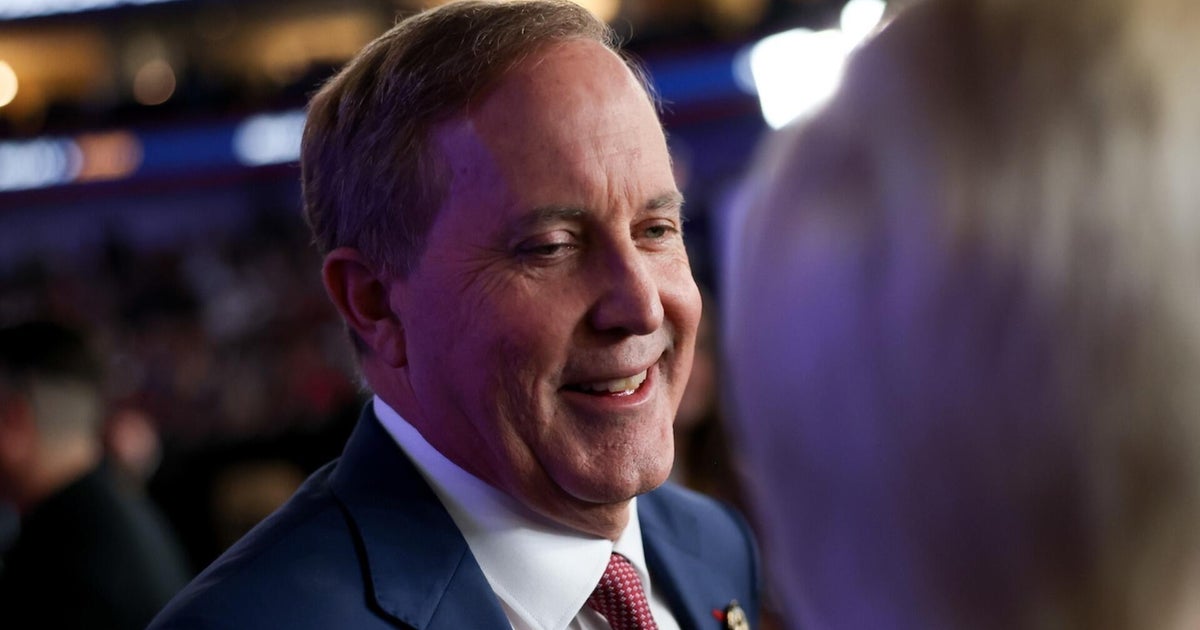
Texas Attorney General Ken Paxton was recorded making comments about the Republican Party’s midterm convention. The audio was leaked and published by The New York Times. CBS News covered the story with a report by Fin Gomez.
Key Facts
Ken Paxton is the Attorney General of Texas.
Paxton’s remarks were about the Republican midterm convention, known as the GOP convention.
The audio of his comments was leaked to the public.
The New York Times published the leaked audio.
CBS News reported on the situation shortly after the leak.
Fin Gomez was the CBS News reporter covering this story.
The context involves Republican Party events ahead of the midterm elections.
Read the Original
Want the full story? Tap a source to open the original
article.
The Massachusetts attorney general released a report showing that over 270 Catholic priests were accused of sexually abusing 944 children in three dioceses, but no new charges will be filed. The investigation found that church leaders often covered up abuse by moving accused priests to new places or sending them to treatment, and many cases are too old to be prosecuted.
Key Facts
The report covers abuse allegations in the Fall River, Springfield, and Worcester dioceses in Massachusetts.
The investigation started in 2019 and reviewed more than 300,000 pages of documents and interviewed over 100 people.
Most abuse cases happened before 2002, and laws preventing abuse were not retroactive, so no new criminal charges can be made.
Church leaders transferred accused priests to different congregations without warning parishioners.
Some accused priests went to psychiatric care but later returned to ministry and allegedly abused again.
Survivors reported feeling pressured to stay silent or to tell their stories only to internal church investigators, sometimes under non-disclosure agreements (NDAs).
Only the Worcester diocese in Massachusetts still has not published a list of credibly accused priests.
The report says publishing these lists helps survivors come forward and improves transparency.
Read the Original
Want the full story? Tap a source to open the original
article.
Senate Democrats blocked a bill called the Ratepayer Protection Act, which aimed to address electricity costs for data centers. The bill passed the House with support from both parties but did not get enough votes in the Senate to move forward.
Key Facts
The bill focused on electricity costs for data centers.
It was called the Ratepayer Protection Act.
The bill passed the House of Representatives with support from both Democrats and Republicans.
Senate Democrats blocked the bill by not reaching the 60 votes needed to overcome a filibuster.
The block happened during a procedural vote on Wednesday.
Senate Democrats described the bill as ineffective or "toothless."
The bill did not become law because it failed to advance in the Senate.
Data centers use large amounts of electricity, which is why the bill's focus was on electricity costs.
Read the Original
Want the full story? Tap a source to open the original
article.
Defense Secretary Pete Hegseth will give a speech called the State of the Force address to share his plans for the U.S. military. He will propose reducing the number of generals and admirals by 20 percent, which is twice the previous cut planned.
Key Facts
Pete Hegseth is the U.S. Secretary of Defense.
He will speak about the military’s future during the State of the Force address.
Hegseth plans to reduce the number of generals and admirals by 20 percent.
This reduction is double the size of a previous planned cut.
The change aims to reorganize the leadership at the Pentagon, the U.S. Department of Defense building.
The speech takes place on Wednesday.
Read the Original
Want the full story? Tap a source to open the original
article.
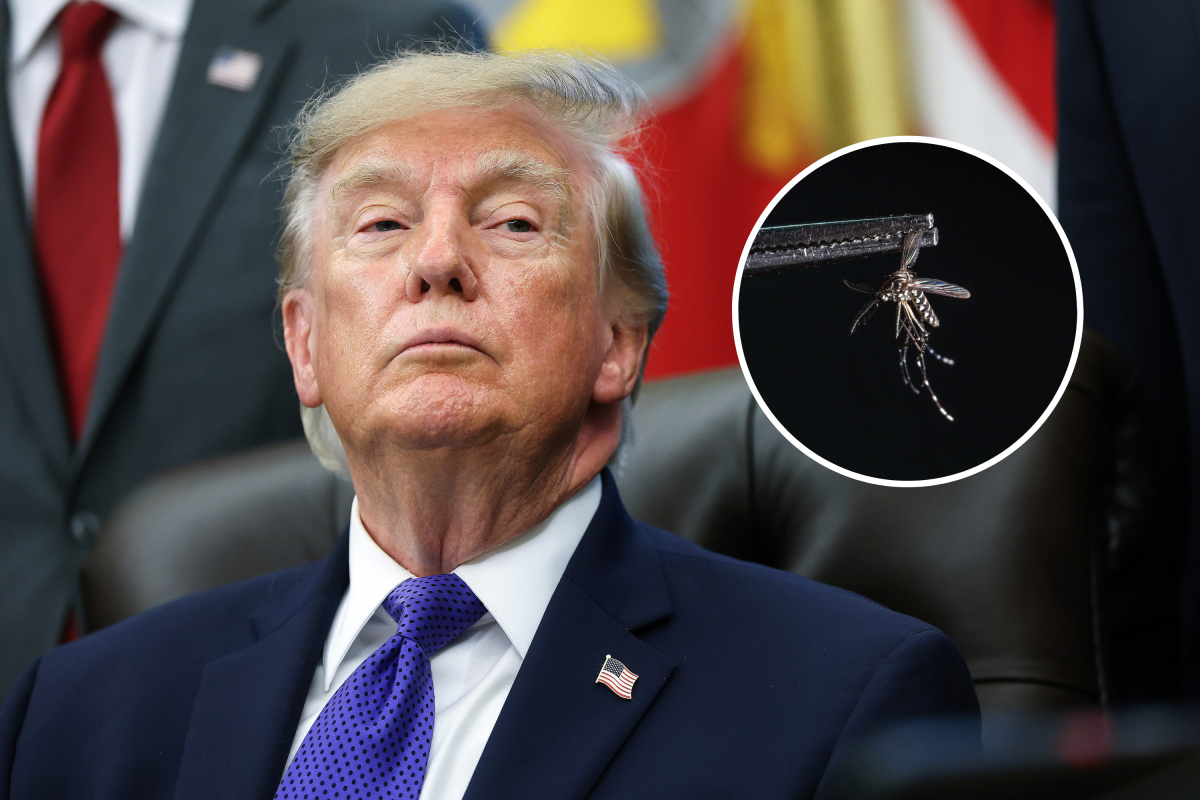
President Donald Trump signed an executive order to reduce mosquito and tick populations in Washington, D.C. The order aims to lower invasive mosquitoes by 90% in 60 days and reduce ticks by 50% within two years, with a focus on safe, non-chemical methods.
Key Facts
The order targets invasive mosquitoes and ticks on federal lands in D.C.
It calls for using commercial and cooperative efforts to fight these pests.
Federal agencies must create rules for new mosquito- and tick-control technologies.
The order supports research and public-private partnerships to develop ways to prevent and treat diseases spread by these insects.
The order also addresses concerns about alpha-gal syndrome, a red-meat allergy linked to tick bites.
Florida is experiencing an unusual outbreak of dengue fever, a virus spread by mosquitoes.
The dengue outbreak has led three Florida counties to declare states of emergency, with 190 local cases reported in 2026 so far.
Heavy rain is believed to contribute to the rise of mosquito-borne illnesses in Florida.
Read the Original
Want the full story? Tap a source to open the original
article.
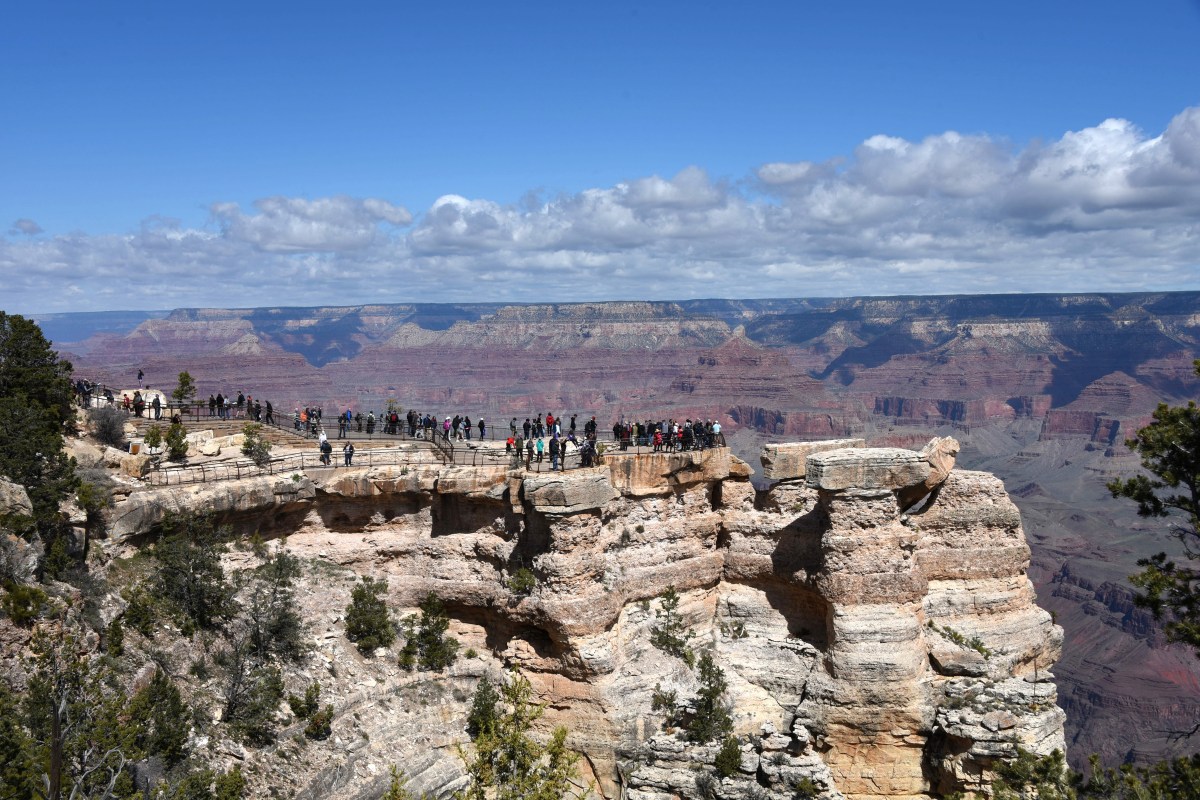
A tour company in Phoenix is suing the Trump administration for raising national park fees on foreign visitors, especially at the Grand Canyon. The company says the fees hurt their business and that the government did not have permission from Congress to increase prices for non-U.S. residents.
Key Facts
President Donald Trump signed Executive Order 14314 to raise entrance fees for some national parks for non-U.S. visitors.
The order added a $100 fee for foreign visitors at 11 parks, and raised the annual pass price for them from $80 to $250.
The new fees began in January 2026.
Across Arizona Tours, supported by the Pacific Legal Foundation for free, says the fees made their sales drop sharply.
The company claims the fee increases are illegal because the executive branch did not get approval from Congress.
The lawsuit was filed in U.S. District Court in Arizona, naming Interior and Agriculture secretaries and National Park Service officials.
The government says higher fees for foreign visitors help fund park maintenance and keep prices affordable for U.S. residents.
The Pacific Legal Foundation states Congress only gave limited authority to set fees, and the administration went beyond this power.
Read the Original
Want the full story? Tap a source to open the original
article.
The Federal Reserve's internal watchdog found no evidence that former Chair Jerome Powell or other Fed officials broke criminal laws in managing a large renovation project. The report noted that the Fed did not handle the construction contract as effectively as it should have.
Key Facts
The Fed’s Inspector General is Michael Horowitz.
The renovation project involved millions of dollars.
No criminal wrongdoings were found against Jerome Powell or other Fed officials.
The Fed did not manage the construction contract risk as well as expected.
The investigation focused on how the Fed handled the ongoing renovation.
The report was released on a Wednesday.
The audit was conducted by the Fed’s own internal watchdog office.
Read the Original
Want the full story? Tap a source to open the original
article.
The Trump administration announced it will send $500 refund checks to nearly 1 million Americans who enrolled in the Affordable Care Act (ACA) through HealthCare.gov. The refunds are meant to return money they say the Biden administration overcharged for ACA premiums.
Key Facts
Nearly 1 million people in 30 states will receive $500 refunds.
The refund checks come with a letter from President Donald Trump.
The refunds target people who earn more than 400% of the federal poverty line and do not get government subsidies.
The Biden administration is said to have charged extra fees on ACA premiums to cover federal exchange costs.
This money was collected through fees from the Centers for Medicare and Medicaid Services.
Some families might get multiple payments if more than one person was affected.
The refunds come as many Americans face higher health insurance costs due to subsidy expiration last year.
The refund program was announced about a month before the U.S. midterm elections.
Read the Original
Want the full story? Tap a source to open the original
article.
California Governor Gavin Newsom described himself as a political "disrupter" in recent interviews. He also talked about the growing popularity of democratic socialist candidates and is considering running for president in 2028.
Key Facts
Gavin Newsom is the governor of California and a member of the Democratic Party.
Newsom called himself a “disrupter,” meaning he wants to change the usual way politics is done.
He gave interviews to Vanity Fair that were published this week.
Newsom spoke about more democratic socialist candidates gaining support in recent elections.
He is thinking about running for president in 2028.
The term “democratic socialist” refers to candidates who support more government control in areas like healthcare and education.
Newsom’s comments were made ahead of the 2028 presidential election cycle.
Read the Original
Want the full story? Tap a source to open the original
article.
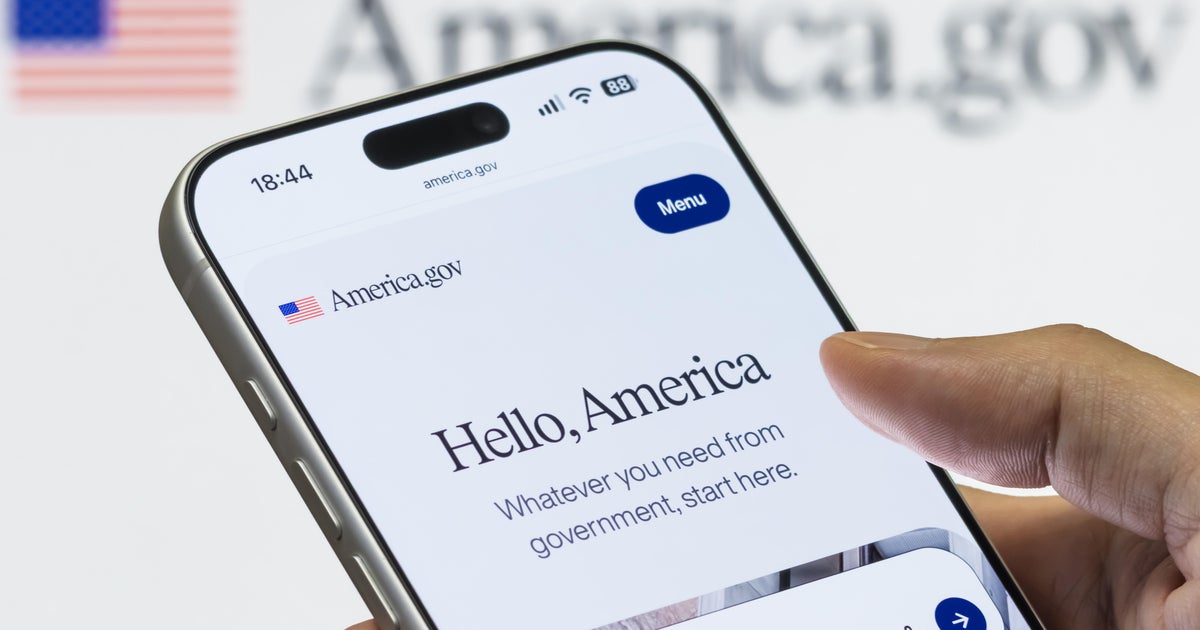
The U.S. government launched America.gov, an AI chatbot that provides answers to health questions using official federal sources. The chatbot’s responses reflect conflicting official information on topics such as vaccines, showing the challenge when government agencies do not fully agree on scientific matters.
Key Facts
America.gov is a government AI chatbot created to give clear answers using data from about 29,000 government websites.
The chatbot uses AI technologies called Gemini and xAI’s Grok but does not disclose detailed technical info.
Health and Human Services Secretary Robert F. Kennedy Jr. sees AI as a tool for better medical advice and challenges to expert opinions.
The chatbot showed different official CDC pages giving conflicting views on whether vaccines cause autism, without choosing a side.
It tries to use the most recent official government sources or the agency in charge to decide which answer to give.
The chatbot failed to account for a federal court order that paused the CDC’s December 2025 recommendation against giving hepatitis B shots at birth.
Kennedy replaced the CDC vaccine advisory committee in 2025; the new committee voted to remove the hepatitis B birth shot recommendation.
A federal judge reversed this change, restoring the previous vaccine schedule including the birth dose, but the chatbot did not reflect this court ruling.
Read the Original
Want the full story? Tap a source to open the original
article.
Eric Flores, a Republican candidate in Texas, was expected to win a congressional seat after new district boundaries were drawn to favor Republicans. However, his race has become more difficult as several factors, including public dissatisfaction with President Trump and other issues, affect Republican chances in the midterm elections. Vice President JD Vance is holding a rally to support GOP candidates.
Key Facts
Eric Flores is a former federal prosecutor and Army National Guard infantry captain running as a Republican in Texas.
Texas redrew congressional districts to help Republicans win more seats in the U.S. House of Representatives.
Flores aimed to defeat Democratic Rep. Vicente Gonzalez in a district that shifted toward Trump in the last presidential election.
Vice President JD Vance is speaking at a GOP rally in Texas to support Republican candidates.
Despite redistricting, the races are proving tougher than expected for Republicans.
Republican hopes to gain up to nine seats between Texas and Florida are challenged by voter concerns.
Issues affecting Republican popularity include President Trump, the economy, the war with Iran, and immigration policies.
Read the Original
Want the full story? Tap a source to open the original
article.
The musician JMSN sent a legal letter asking the White House to stop using his song "Love Me" in a political ad supporting President Donald Trump. The ad featuring the song aired on TV and appeared on the White House’s official YouTube channel in early September.
Key Facts
JMSN is an R&B music artist.
His song "Love Me" was used in a government-funded ad for President Trump’s agenda.
The ad played on television and was shared on the White House YouTube page.
JMSN’s lawyers sent a cease-and-desist letter to the White House.
A cease-and-desist letter is a formal request to stop using something without permission.
The artist wants the song removed from the advertisement immediately.
The ad’s use of the song was done without JMSN’s approval.
Read the Original
Want the full story? Tap a source to open the original
article.
A woman was told she no longer had celiac disease after tests done while she was on a gluten-free diet. She stopped the diet but continued feeling sick for years. Later tests showed she still had the disease because the earlier tests did not detect it properly due to her diet.
Key Facts
Celiac disease is an autoimmune illness triggered by gluten, which harms the small intestine.
Symptoms include stomach pain, diarrhea, fatigue, and nutrient absorption problems.
The woman was first diagnosed with celiac disease at age 12.
After 10 years on a gluten-free diet, new tests suggested she no longer had celiac disease.
She resumed eating gluten and continued to have health issues.
Further testing later confirmed she still had celiac disease.
Earlier tests were inaccurate because they were done while she was already avoiding gluten, allowing her intestines to heal.
She feels frustrated that she was told she could eat gluten again and is now returning to a gluten-free diet.
Read the Original
Want the full story? Tap a source to open the original
article.
The Federal Reserve's inspector general found no criminal law violations in the $2.5 billion renovation of the Fed’s headquarters, despite poor project management raising costs. The investigation, requested by Federal Reserve Chair Jerome Powell and lasting over a year, also cleared Powell of any wrongdoing related to his testimony about the project.
Key Facts
The renovation of the Federal Reserve headquarters cost $2.5 billion.
The inspector general found no criminal violations but noted poor management increased costs.
The report did not find any administrative misconduct during the renovation.
The probe began in July 2025 at Jerome Powell’s request.
A separate Justice Department criminal investigation related to Powell’s testimony was later dropped.
U.S. District Court ruled subpoenas aimed at Powell were a pretext to pressure him about interest rates.
President Trump nominated Kevin Warsh to replace Powell as Fed chair.
The report identified four main reasons for cost increases, including lack of cost estimates and weak project oversight.
Inflation also contributed to the rising renovation costs.
Read the Original
Want the full story? Tap a source to open the original
article.