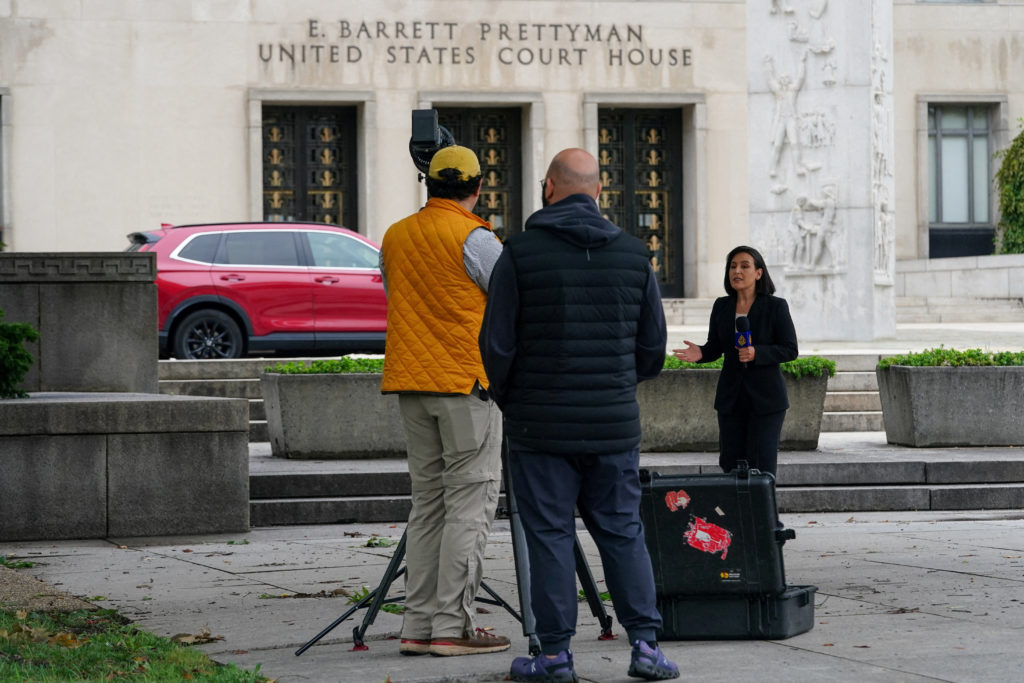
A federal judge questioned President Donald Trump's decision to ban CNN, MS NOW, and Politico from the White House, saying the news outlets were not given proper legal steps before losing access. The judge referred to past court cases that said the government must follow due process before stopping journalists from entering the White House.
Key Facts
President Trump banned CNN, MS NOW, and Politico from the White House last week.
The news outlets filed a lawsuit asking the court to restore their White House access immediately.
Judge Timothy Kelly said the news organizations did not receive proper notice or fair process before the ban.
Earlier court cases require that journalists have due process rights under the Fifth Amendment before their access is revoked.
The Justice Department said the news outlets broke rules by spreading false information and publishing sensitive details, citing letters sent after access was removed.
The judge questioned how the news outlets could follow rules they only learned about after losing access.
Lawyers for the news outlets said the government’s reasoning about national security was a late excuse and does not fit due process or free press rights.
The Justice Department responded that White House access is a privilege, not a right, and said other criticized media still have access.
Read the Original
Want the full story? Tap a source to open the original
article.
Senator Tim Kaine urged President Donald Trump to quickly stop military actions against Iran. He described the ongoing conflict as illegal and pointed out that the House of Representatives passed three resolutions to end it.
Key Facts
Senator Tim Kaine is calling for an immediate end to U.S. military operations against Iran.
The House of Representatives passed three resolutions related to war powers over the Iran conflict.
Kaine described the conflict as “triply illegal,” meaning it breaks the law in multiple ways.
The statements were made on Capitol Hill and shared by CSPAN.
The conflict has been ongoing for several months.
The pressure comes amid debates about the legal authority for military actions in Iran.
Kaine is a Democratic senator from Virginia.
The article focuses on U.S. government actions and political responses toward Iran.
Read the Original
Want the full story? Tap a source to open the original
article.
A federal judge in Washington, D.C., questioned the Trump administration’s decision to ban three news organizations from the White House and take away their press badges. The judge said the administration did not follow proper legal procedures before making this decision.
Key Facts
The judge reviewing the case is U.S. District Judge Timothy Kelly, appointed by President Trump.
The news outlets banned are CNN, Politico, and MS NOW.
These outlets were banned from entering the White House complex.
Their hard press badges, which allow close access to the White House, were revoked.
The judge said “due process wasn’t followed,” meaning the news outlets were not given a fair chance to respond before being banned.
The hearing occurred shortly after the ban was announced last week.
The ban and badge revocation are being challenged in court.
Read the Original
Want the full story? Tap a source to open the original
article.
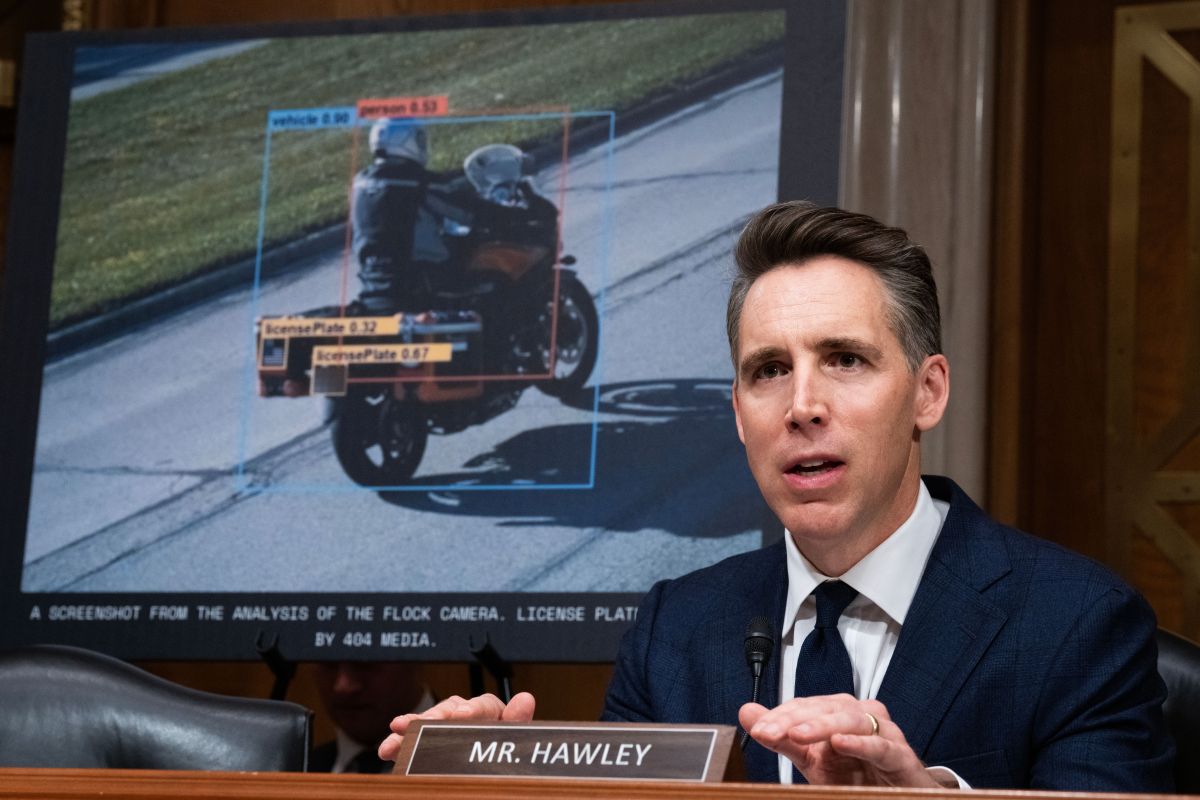
Senators held a hearing to discuss tighter rules on Flock Safety’s network of AI-powered license plate readers used across the U.S. They want stronger privacy protections because the system can track vehicles’ movements over time and raise legal issues under the Fourth Amendment.
Key Facts
Flock Safety operates over 120,000 cameras in 49 states to capture license plate information.
The system allows law enforcement to share vehicle data across different areas.
Senators raised concerns about who can access the data, how long it is kept, and how searches are monitored.
Republican Senator Josh Hawley emphasized upholding constitutional rights despite new technology.
Democratic Senator Dick Durbin acknowledged law enforcement benefits but highlighted the network’s large scale.
Legal experts noted that tracking historical vehicle movements may require a warrant under the Fourth Amendment.
The Supreme Court’s 2018 Carpenter ruling protects long-term location data, influencing this debate.
Some law enforcement officials use and support the technology, but there are calls for limits to prevent privacy violations.
Read the Original
Want the full story? Tap a source to open the original
article.
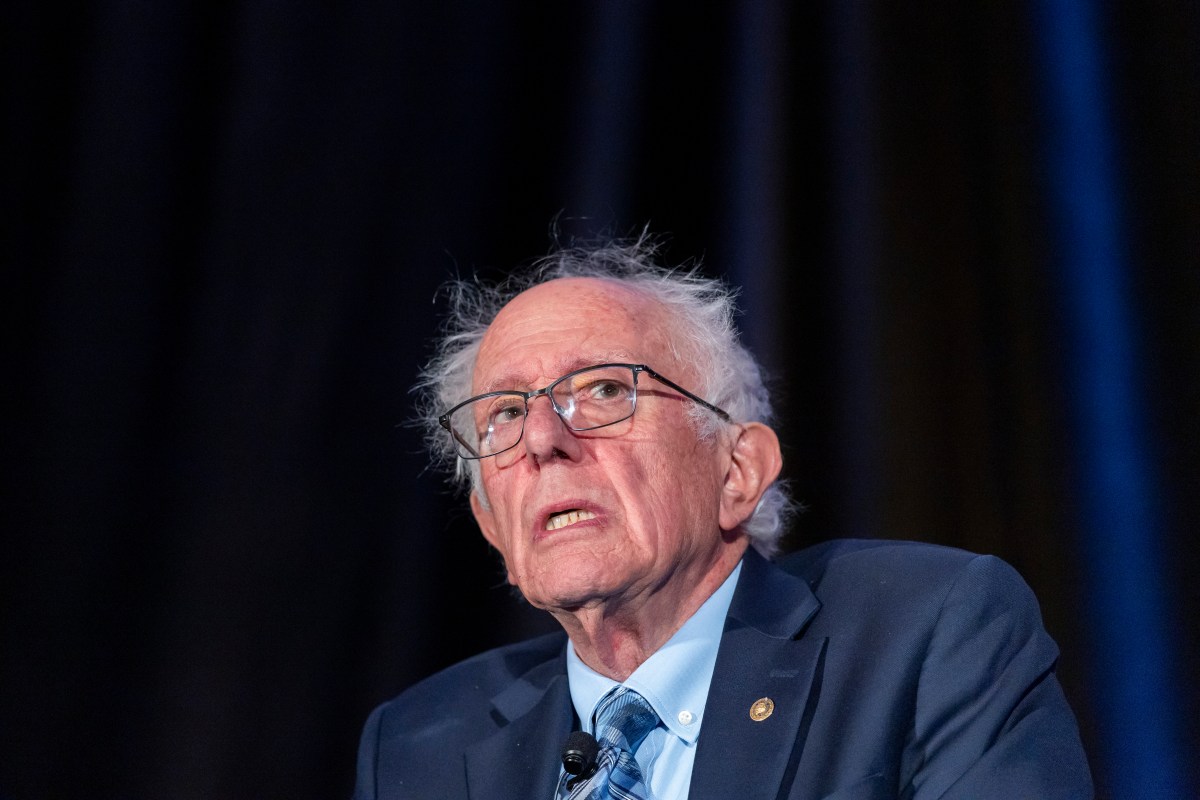
Senator Bernie Sanders introduced a bill called the Stop Social Security Garnishment Act. It would stop the government from taking Social Security money from older adults and disabled people to pay off their overdue student loans.
Key Facts
The bill aims to protect Social Security and disability benefits from being taken to repay old student debts.
About 9 million Americans are behind on their federal student loans and could face collections like wage or benefit garnishments.
More than a third of Social Security recipients with student debt rely on those benefits to pay for basic needs.
The bill is supported by Sanders and several other Democratic senators, including Elizabeth Warren and Ron Wyden.
The legislation would help retirees and disabled people keep access to money for health care, medicine, food, and housing.
Sanders introduced the bill on August 17, and it must pass congressional committees and votes to become law.
Some lawmakers worry that supporting this bill might be seen as backing student loan forgiveness.
The bill responds to concerns about student loans affecting older Americans’ financial security in retirement.
Read the Original
Want the full story? Tap a source to open the original
article.
Pastor Ezra Jin Mingri was detained in China for preaching but was released after President Donald Trump raised his case with Chinese leader Xi Jinping. The article urges President Trump to use upcoming talks with China to push for the release of other political prisoners, including non-Christians, as a way to support religious freedom and protect American values.
Key Facts
Pastor Ezra Jin Mingri, a house-church pastor in China, was arrested for preaching the gospel.
President Donald Trump discussed Pastor Jin’s case with Chinese President Xi Jinping, leading to Jin’s release.
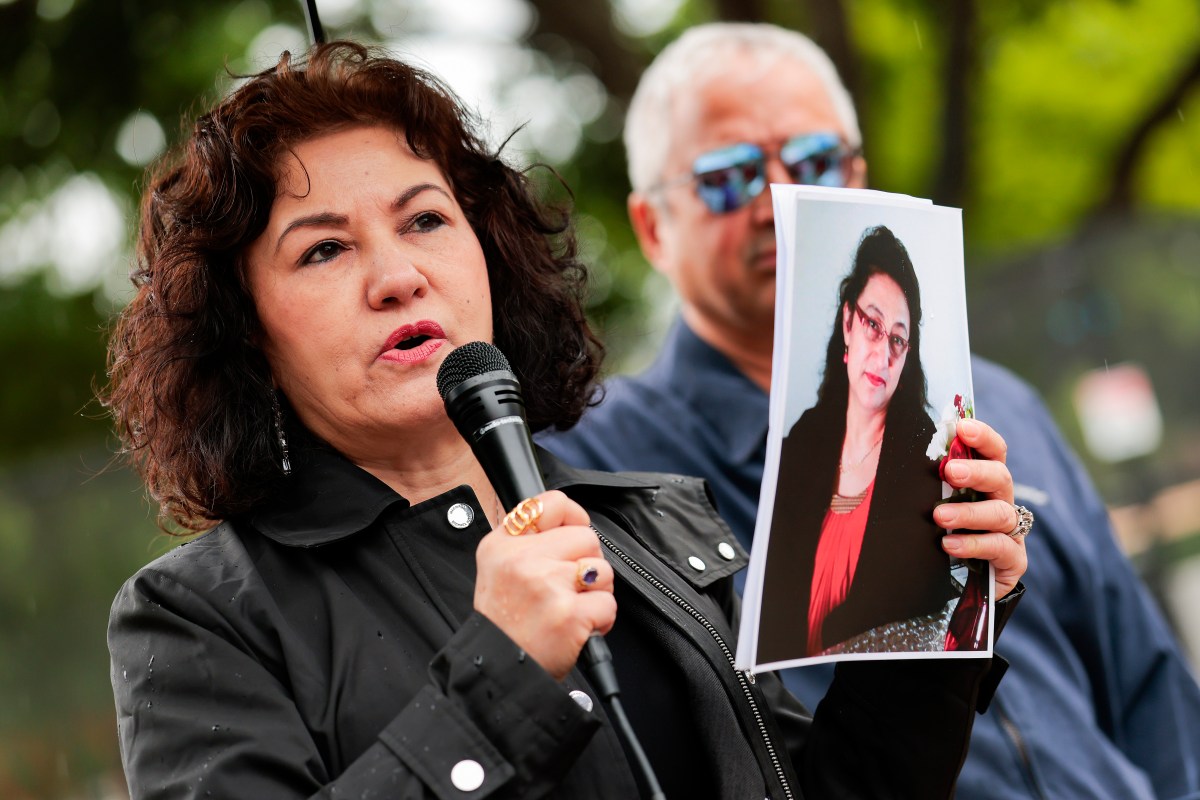
Many political prisoners remain in China, including Uyghur doctor Gulshan Abbas, who was sentenced to 20 years on false charges.
Dr. Abbas was detained after her sister spoke out about the Uyghur genocide in the United States.
The Chinese government is accused of trying to silence free speech, even affecting Americans.
The article calls for President Trump to raise the cases of other prisoners like Tibetan Buddhists and Falun Gong practitioners in talks with China.
Advocating religious freedom is described as important to U.S. national security and values.
The upcoming White House meeting between President Trump and Xi Jinping is seen as an opportunity to address political prisoner releases.
Read the Original
Want the full story? Tap a source to open the original
article.
A judge held a hearing about President Donald Trump's decision to ban three news organizations from the White House. The judge did not make a decision during the hearing but said he would review the arguments before giving an answer.
Key Facts
The hearing was held by D.C. District Court Judge Tim Kelly.
The issue is whether the media ban by President Trump violates the Constitution.
Both sides, including attorneys from the news organizations and the government, presented their arguments.
Judge Kelly ended the hearing without making a ruling.
The judge said he will consider the arguments and provide a ruling later.
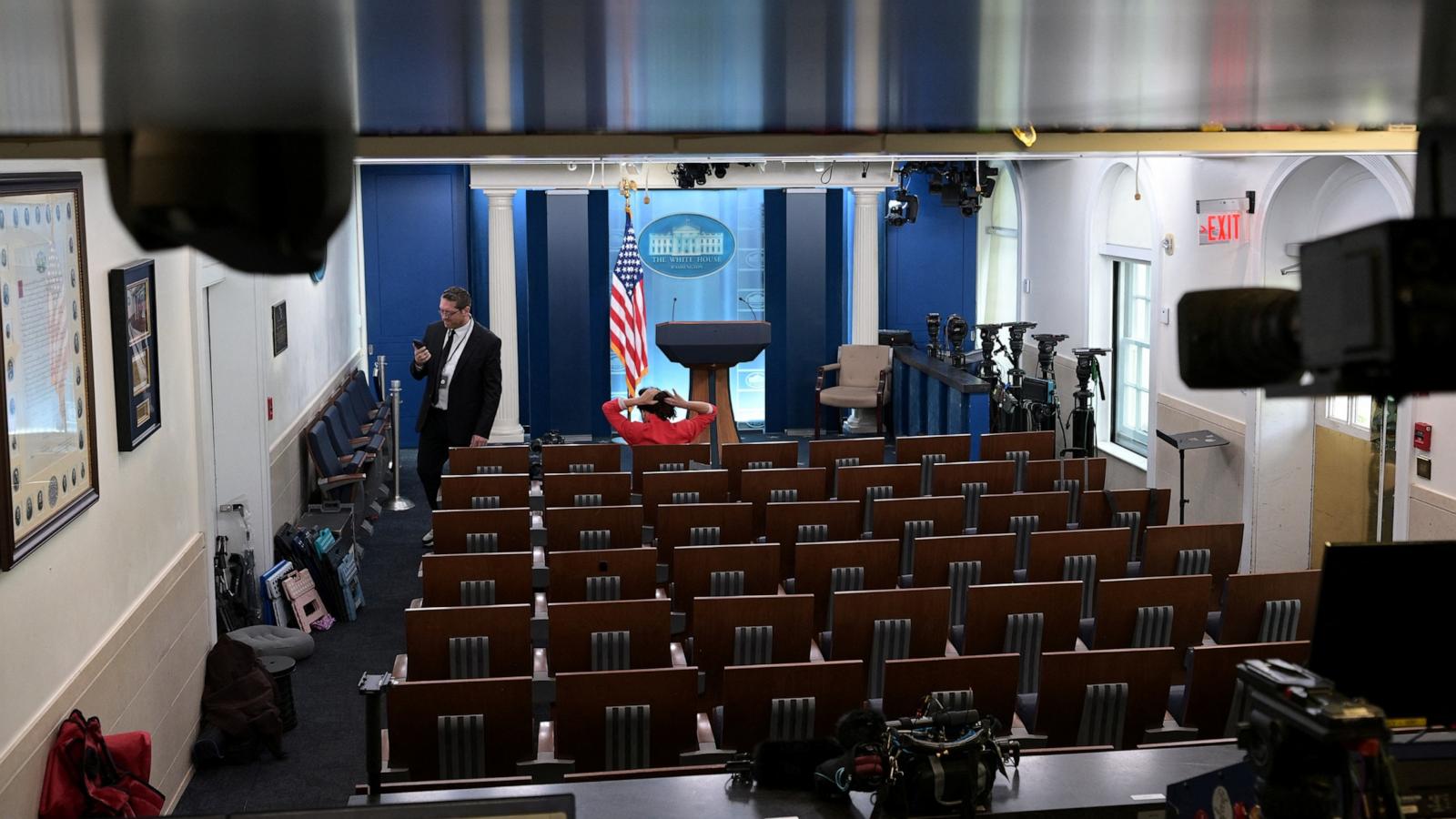
The hearing took place at the White House press briefing room.
This story is ongoing and may have updates in the future.
Read the Original
Want the full story? Tap a source to open the original
article.
A judge in Washington is hearing a case about President Donald Trump’s decision to ban three major news organizations from the White House. The administration argues that it can choose who is allowed inside the White House grounds.
Key Facts
President Donald Trump banned three prominent news outlets from the White House.
The media organizations challenged this ban in court.
A judge is currently hearing arguments about whether the ban breaks the Constitution.
The Trump administration says access to the White House is a privilege, not a right.
The court case is taking place in Washington, D.C.
The dispute centers on freedom of the press and presidential authority.
Read the Original
Want the full story? Tap a source to open the original
article.
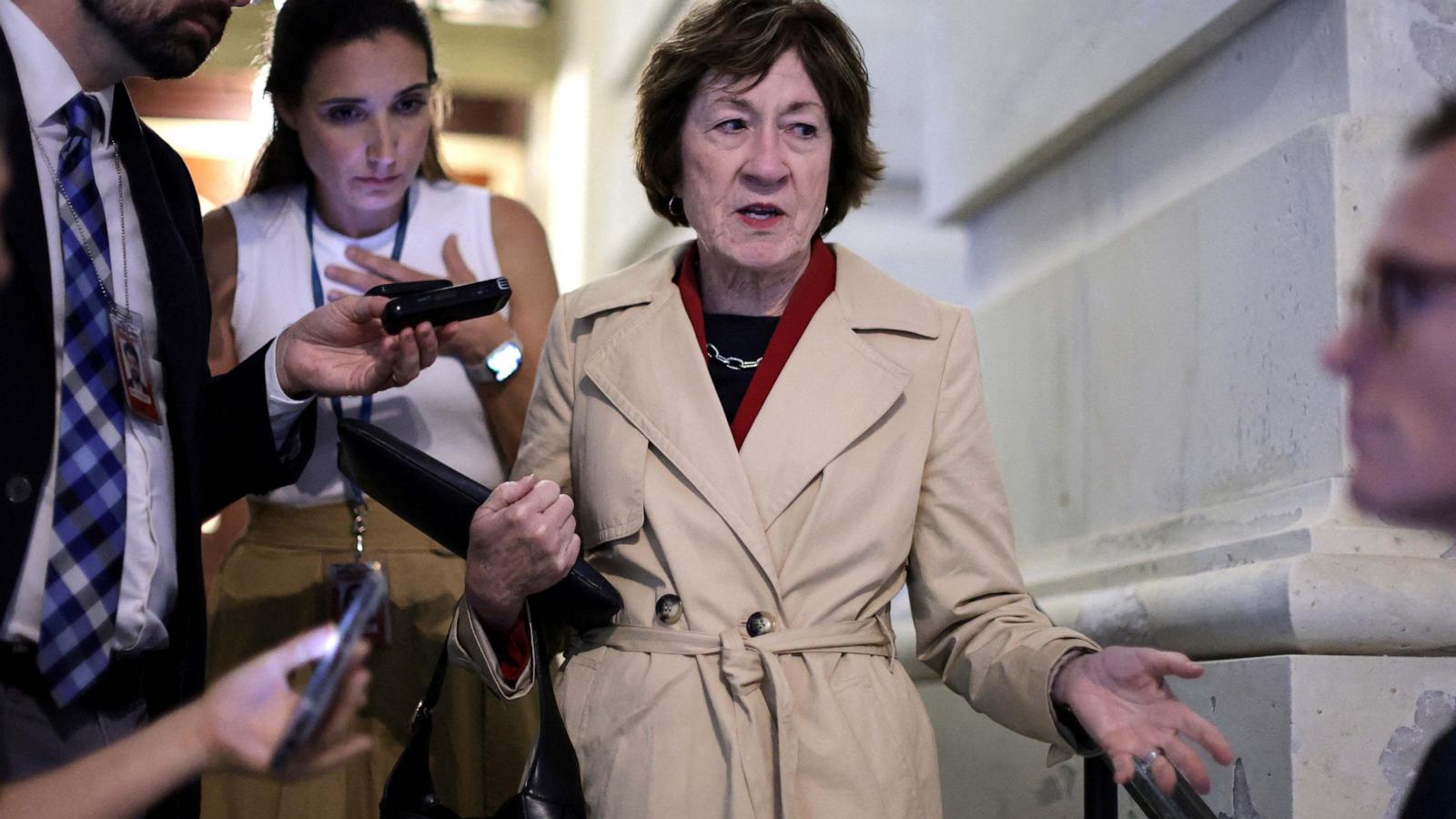
Senator Susan Collins strongly denies a ProPublica report that the FBI investigated her for corruption linked to campaign donations and defense contracts. She says the claims are false and political, and notes a previous investigation found no wrongdoing by her or her campaign.
Key Facts
ProPublica reported that a Republican consultant asked the defense firm Navatek and its former CEO for large donations to Collins' campaign in exchange for federal contracts.
The FBI planned to investigate Collins and the donor in 2024, but the investigation stopped after President Donald Trump cut FBI funding.
Collins said the Biden Justice Department found no evidence of wrongdoing by her or her team.
Her deputy chief of staff said the campaign fully cooperated with the FBI and the issues were resolved in 2021.
The FBI told ProPublica it found no reason to implicate Collins or her campaign in any wrongdoing.
Collins is running for reelection in Maine in a race that could affect control of the Senate.
Collins called the timing of the report close to the election “frustrating and unfair.”
Her campaign manager and deputy chief of staff called the allegations false and outrageous.
Read the Original
Want the full story? Tap a source to open the original
article.
Harvey Weinstein was sentenced in New York to 15 years in prison for sexually assaulting a TV production assistant. This sentence comes after years of legal battles, including an overturned 2020 conviction and a retrial that again found him guilty.
Key Facts
Weinstein was sentenced to 15 years for a felony sex crime in Manhattan.
His 2020 conviction was overturned due to problems with the trial evidence.
A second jury found him guilty again during a retrial last year.
Weinstein was once a powerful movie producer known for films like “Pulp Fiction” and “Shakespeare in Love.”
He has been in jail since 2018 and remains in a prison medical ward.
Weinstein’s victim, Miriam Haley, spoke in court about the hardships she faced after the assault.
Weinstein plans to appeal the sentence and denies sexually assaulting anyone.
He is also waiting for sentencing in a separate rape case in Los Angeles.
Read the Original
Want the full story? Tap a source to open the original
article.
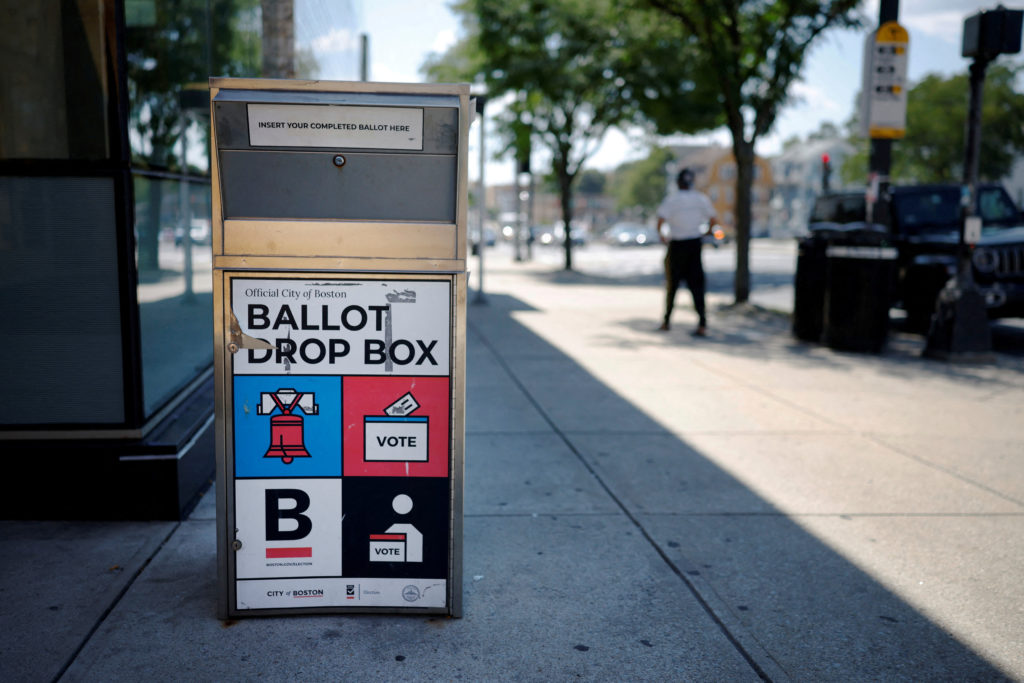
The Trump administration has investigated about 1,600 cases of noncitizens illegally registered to vote, resulting in 160 arrests. These cases are a very small part of the over 211 million registered voters in the U.S., showing that voting by noncitizens is uncommon.
Key Facts
The government effort targeted noncitizens on state voter rolls.
About 1,600 voter fraud cases have been found.
There have been 160 arrests related to these cases.
The investigation involved hundreds of federal employees.
These numbers are much lower than earlier claims of hundreds of thousands of noncitizen voters.
There are over 211 million active registered voters in the country.
Experts agree voter fraud by noncitizens is rare.
This initiative was directed by President Donald Trump’s administration.
Read the Original
Want the full story? Tap a source to open the original
article.
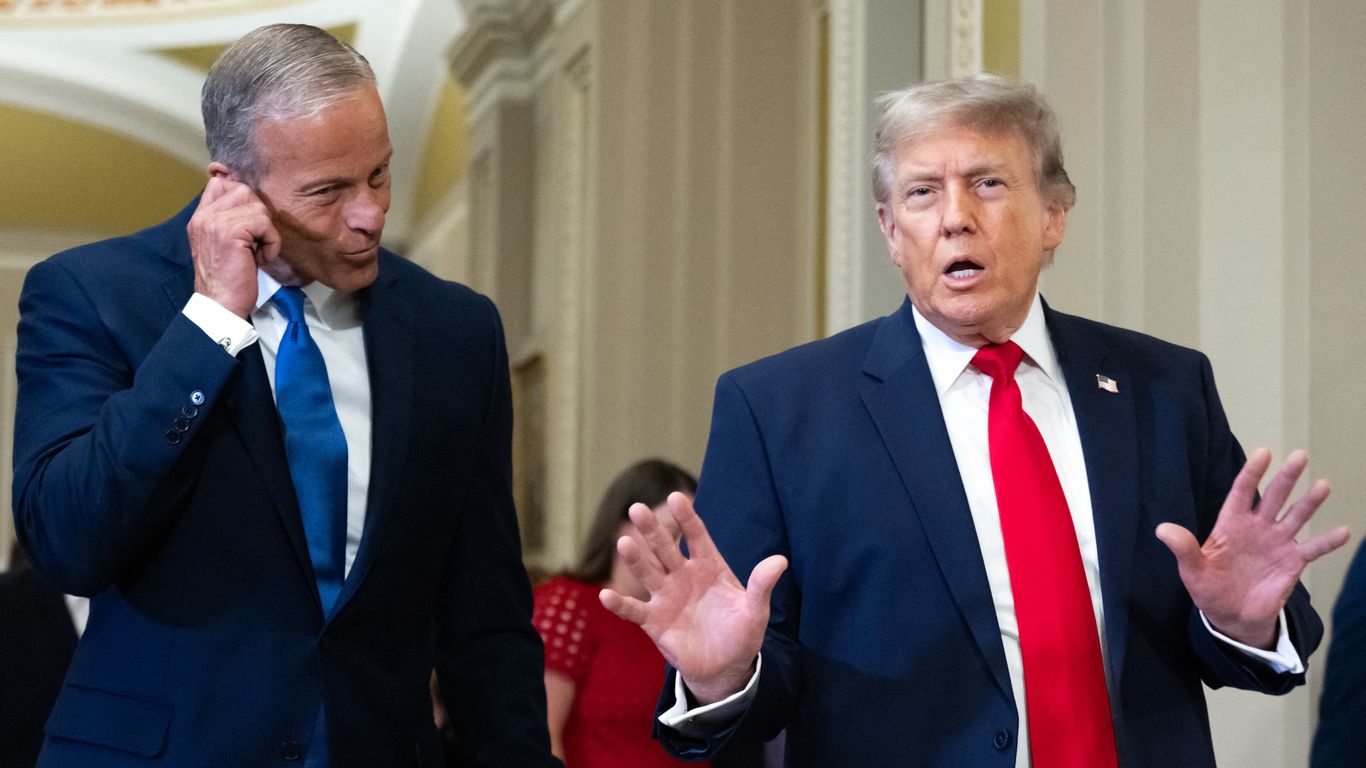
Senate Majority Leader John Thune says President Donald Trump is open to the idea of rules for artificial intelligence (AI), even though Trump publicly opposes limits on the technology. Thune is working on a bill that would require AI companies to manage risks and report serious problems, and he is trying to get more lawmakers to support it.
Key Facts
President Trump has publicly called fears about AI safety a "hoax" but is not firmly against rules in private.
Thune believes Trump prefers tech companies to handle AI security rather than the government imposing strict rules.
Thune is working on an AI bill with Senator Amy Klobuchar that focuses on companies managing AI risks and reporting serious issues.
The bill has not been reintroduced yet this Congress but aims to set some guardrails for AI development.
Democrats want mandatory testing of AI systems before deployment, while the bill currently allows companies to choose.
Senator Maria Cantwell wants the Department of Commerce to have rulemaking power over AI, but Thune worries about giving too much power to the executive branch.
Thune has experience with AI policy and would have chaired the Commerce Committee, which deals with these issues, if he were not Senate Majority Leader.
Tech leaders, such as Anthropic CEO Dario Amodei, have discussed AI safety concerns with Thune.
Read the Original
Want the full story? Tap a source to open the original
article.
Antonio Brown, a former NFL wide receiver, will accept a plea deal on an attempted murder charge in Miami that avoids prison time. The charge relates to an incident in May 2025 where Brown allegedly fired a gun at a man following a fight.
Key Facts
Antonio Brown is charged with attempted murder in Miami.
The incident happened in May 2025 after a celebrity boxing match.
Brown allegedly took a handgun and fired two shots at a man he had fought with earlier.
The man claimed one bullet grazed his neck.
Brown plans to accept a plea deal that reduces his charges and avoids prison.
Brown maintains he acted in self-defense and strongly believes he would win at trial.
Brown played 12 years in the NFL, including winning a Super Bowl with Tampa Bay.
He was extradited from Dubai in November 2025 after the arrest warrant.
Brown has had multiple past legal issues, including domestic violence and other charges.
Read the Original
Want the full story? Tap a source to open the original
article.
Decision Desk HQ (DDHQ) changed its rating for the Florida governor’s race from “Leans Republican” to “Toss Up.” This means the race is now seen as very close and could be won by either party. The change reflects increased uncertainty for Republicans as they approach the midterm elections.
Key Facts
DDHQ is an organization that analyzes election results and ratings.
They updated the Florida governor race to a “Toss Up” on the social media platform X.
Before, the race was considered likely to favor Republicans.
The change means the race is now viewed as very competitive.
Rep. Byron Donalds from Florida is involved in the governor’s race.
The shift happens as Republicans face challenges in the upcoming midterm elections.
The midterms are important elections held between presidential terms to elect members of Congress and other officials.
Read the Original
Want the full story? Tap a source to open the original
article.
The Department of Homeland Security (DHS) used a Supreme Court opinion by Justice Brett Kavanaugh to justify immigration agents stopping and questioning a U.S. citizen in Illinois who resembled a target. The citizen was briefly detained and injured during the encounter, and a police investigation is ongoing.
Key Facts
DHS cited a Supreme Court ruling from 2025 written by Justice Brett Kavanaugh to defend ICE agents’ actions.
ICE agents stopped a man in Evanston, Illinois, who looked like their intended target.
The man was not publicly identified and was briefly detained after refusing to identify himself.
The man suffered injuries to his head, neck, and teeth.
ICE agents left after the man identified himself and refused their assistance.
Evanston police are investigating the incident, which involved a fight and claims that ICE tried to take the man into custody.
ICE agents rely on legal authority under 8 USC 1357 and Fourth Amendment protections to stop people based on reasonable suspicion.
DHS says their operations are carefully targeted and agents are trained to ask questions to verify immigration status.
Read the Original
Want the full story? Tap a source to open the original
article.
President Donald Trump’s approval among rural voters is dropping due to worries about higher living costs. A new survey shows many rural voters like his overall work but disapprove of how he handles the economy.
Key Facts
A new poll by KFF/Associated Press focuses on rural voters’ opinions.
About half of rural respondents support President Trump’s overall job performance.
57% of rural voters disapprove of how Trump is managing economic issues.
Rising living costs are a major concern for people in rural areas.
The survey results were published on Wednesday.
Economic frustrations are causing some rural voters to move away from Trump’s support.
Read the Original
Want the full story? Tap a source to open the original
article.
U.S. Senator Bernie Sanders and Representative Greg Casar introduced a bill that would ban the creation of artificial superintelligence, which is AI that can surpass human intelligence and pose risks to humanity. The bill also proposes creating a new government department to regulate AI and sets harsh penalties for those who break the ban.
Key Facts
The bill aims to ban AI systems that can outperform humans and could harm or take over the government.
It proposes a temporary pause on developing advanced AI until safety rules and a regulatory body are set up.
A new Department of Artificial Intelligence would oversee the regulation and safety of the most advanced AI systems, called frontier models.
Companies breaking the ban could face severe penalties, including seizure of assets and a "corporate death penalty."
Individuals who violate the ban risk 20 years in prison and being barred from working in AI for 10 years.
The bill includes efforts to coordinate with other countries to create a global ban on superintelligence.
President Donald Trump said the U.S. would rename AI as "super intelligence" and rejects global control over AI.
The bill reflects growing concern about AI dangers after resignations and warnings from leading AI researchers.
Read the Original
Want the full story? Tap a source to open the original
article.
President Donald Trump’s administration is defending its decision to ban CNN, MS NOW, and Politico from White House grounds by citing national security concerns. The three news outlets sued to regain access, and the case will be heard by a federal judge in Washington, DC.
Key Facts
President Trump banned CNN, MS NOW, and Politico from the White House.
The administration claims the ban is due to national security concerns and the outlets’ reporting on sensitive information.
The news organizations sued to restore their White House access.
The Justice Department says White House access is a privilege, not a right.
The administration wants to overturn a 1977 ruling that prevents arbitrary denial of press access.
Other news groups filed a legal brief supporting the restoration of access, citing First Amendment protections.
The case is assigned to Judge Timothy Kelly, who previously ruled in favor of CNN reporter Jim Acosta during Trump’s first term.
President Trump expressed disappointment in the judge’s selection and plans to appeal if needed.
Read the Original
Want the full story? Tap a source to open the original
article.
The U.S. Department of Homeland Security (DHS) says that removing migrants to third countries—nations different from their home countries—is an important way to protect public safety. Since the start of President Trump's administration, the DHS has deported 25,000 people to these third countries under new immigration policies.
Key Facts
DHS general counsel James Percival called third-country removal an "essential public safety tool."
25,000 migrants have been deported to third countries as part of this practice.
The Trump administration expanded this policy with agreements from 35 countries.
Some third countries include places the U.S. rates as very dangerous, like the Central African Republic.
A federal appeals court ruled migrants must get notice and a chance to challenge removal to a third country.
DHS faces time limits to detain migrants, usually up to six months, making logistics challenging.
The DHS says the people sent to third countries are mostly serious criminals, though this claim has been disputed.
Critics argue the process lacks transparency and due process for migrants being deported.
Read the Original
Want the full story? Tap a source to open the original
article.
The White House has decided not to move forward with a plan to take control over scientific funding decisions at the National Institutes of Health (NIH). Senator Susan Collins said this change came after her ongoing pressure on the White House Office of Management and Budget.
Key Facts
The White House planned to issue an executive order about NIH grant control.
This order would have given the White House authority over NIH scientific funding.
Senator Susan Collins, a Republican from Maine, expressed concern about this plan.
Collins leads the Senate Appropriations Committee, which oversees government spending.
She applied pressure on the White House Office of Management and Budget to stop the plan.
The White House has now backed down and will not issue the executive order.
The NIH is a major agency that funds medical and scientific research.
Read the Original
Want the full story? Tap a source to open the original
article.