Neutral summaries of your favorite news sources — just the facts.
Your favorite news sources, one neutral feed — we distill their reporting into fact-first
summaries and always link to the original story. How it works
US News
Latest developments and key stories from across the United States
The article argues that the current U.S. Constitution is outdated and suggests creating a new constitution that better fits today’s society and challenges.
Key Facts
The author believes the current Constitution no longer meets the needs of modern America.
They propose writing a new constitution designed for the 21st century.
The article implies changes would help address current social and political issues.
No specific details about what changes are needed were provided.
The idea is framed as a way to “set things right” for the country’s future.
Read the Original
Want the full story? Tap a source to open the original
article.
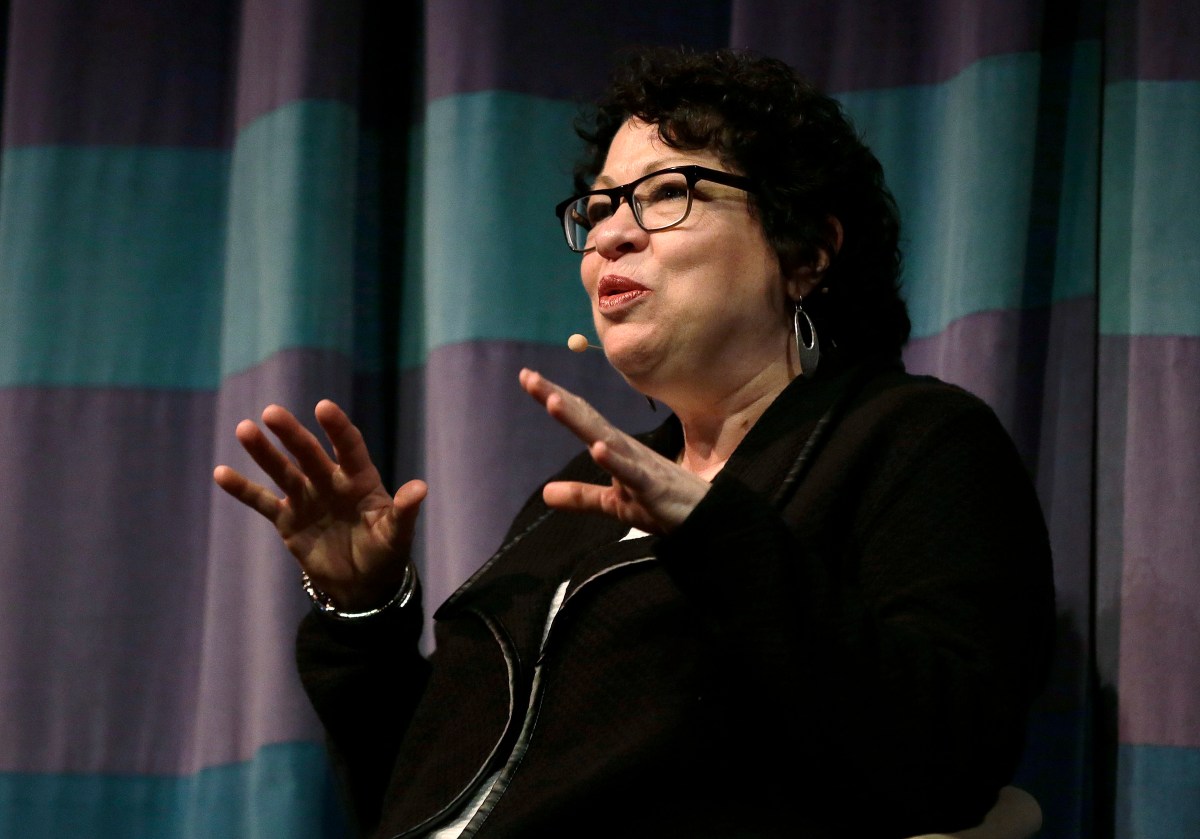
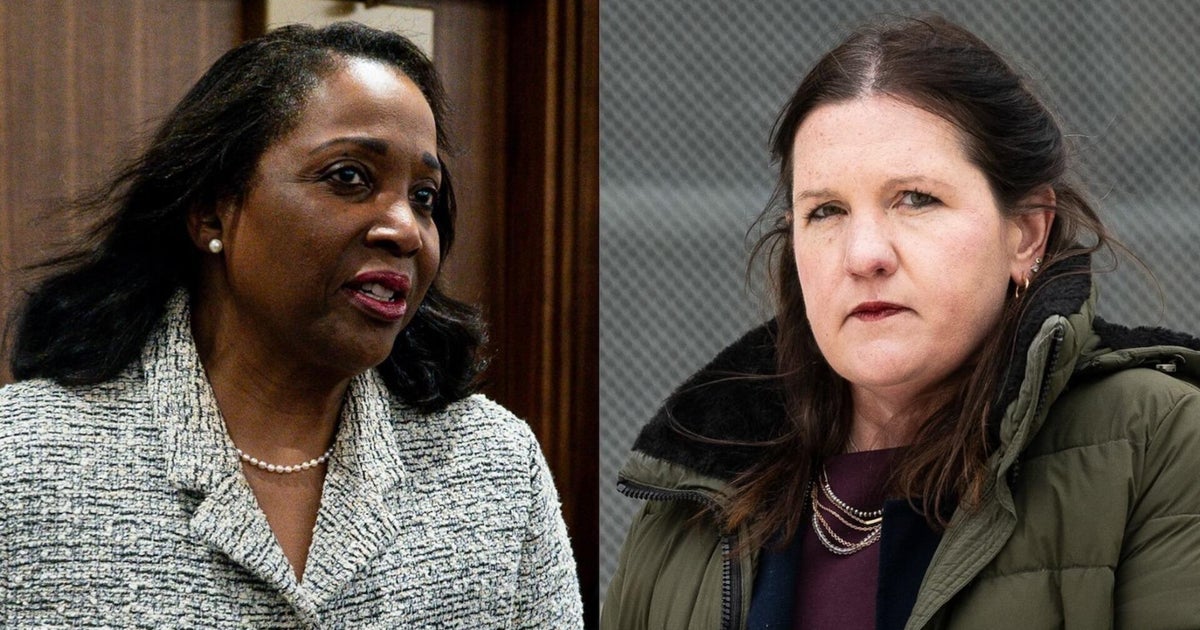
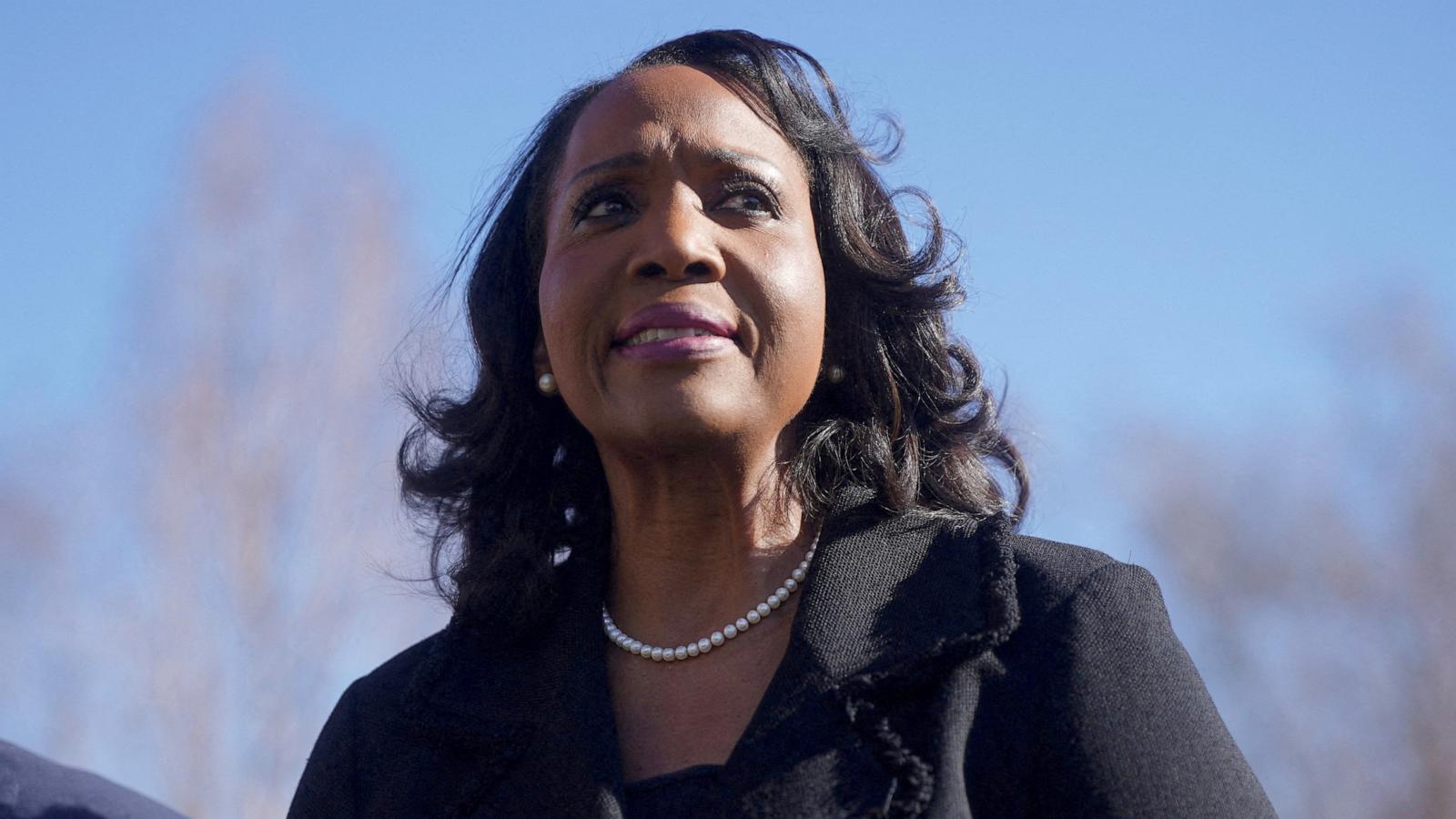
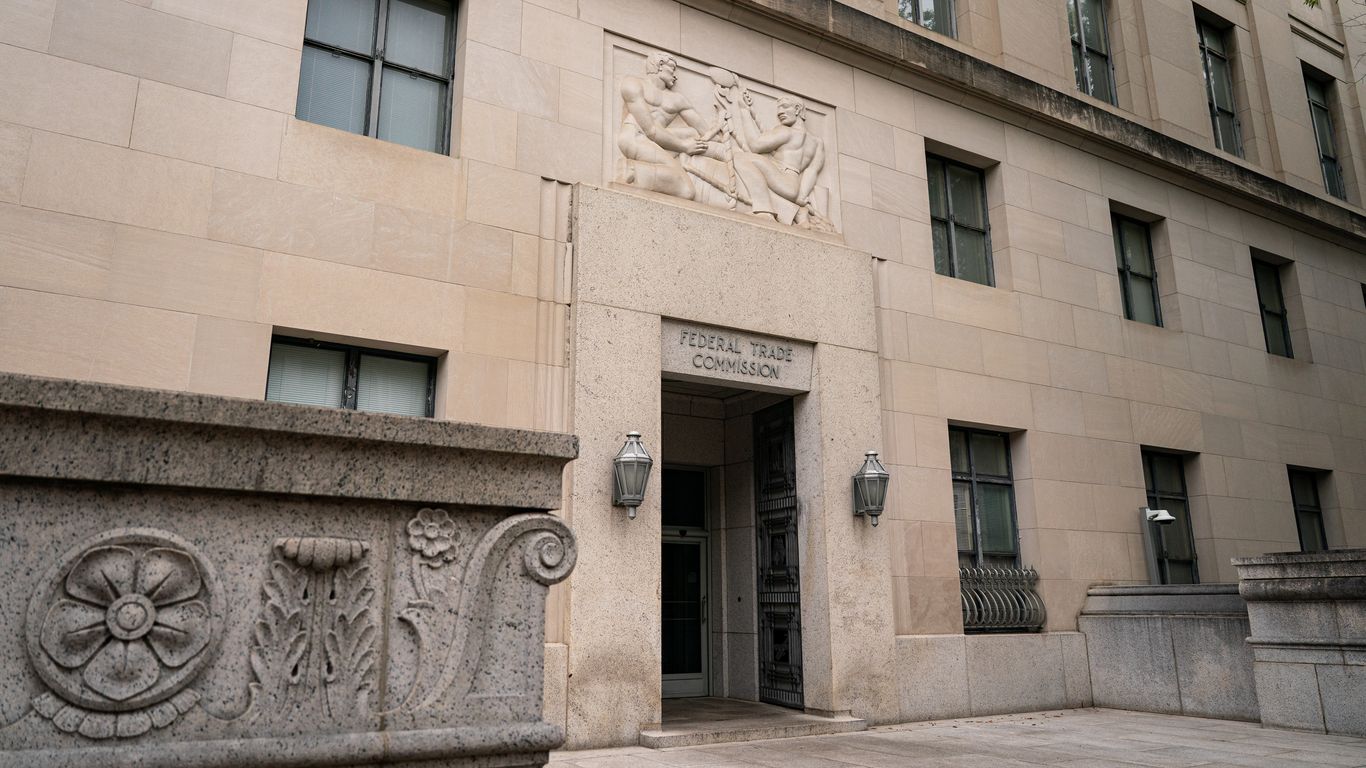
The Supreme Court ruled that President Donald Trump can remove Federal Trade Commission (FTC) Commissioner Rebecca Slaughter from her position, overturning a nearly 90-year-old rule that protected independent agency members from being fired without cause. Justice Sonia Sotomayor disagreed strongly with this decision, warning it could change how much power Congress and the president have over federal agencies.
Key Facts
The Supreme Court’s 6-3 ruling allows the president to remove FTC Commissioners at will.
This decision overturns the 1935 Humphrey’s Executor ruling, which protected independent agencies from presidential removal except for specific reasons.
Chief Justice John Roberts wrote that the FTC performs executive functions and must answer to the president.
Justice Sotomayor, joined by Justices Kagan and Brown Jackson, dissented, supporting the old rule and warning about the ruling’s impact on government balance.
The ruling could affect multiple independent federal agencies beyond the FTC, like the Federal Energy Regulatory Commission and Nuclear Regulatory Commission.
Sotomayor argued the decision threatens bipartisan commissions, as presidents could remove commissioners from opposing parties.
The majority said the ruling only applies to agencies that perform executive functions, not all independent agencies.
The case is seen as expanding presidential power over many government agencies designed to operate independently.
Read the Original
Want the full story? Tap a source to open the original
article.
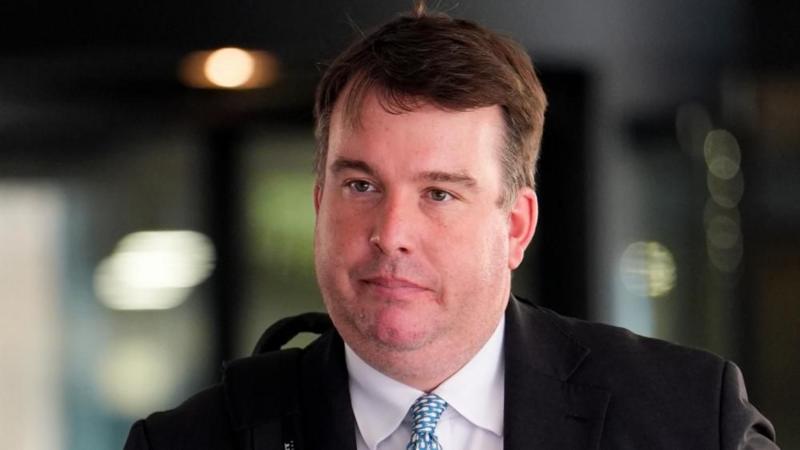
Craig Williams, a former Conservative Member of Parliament, admitted to illegally betting on the date of the 2024 general election. He placed bets shortly before Prime Minister Rishi Sunak announced the election date, which surprised many politicians.
Key Facts
Craig Williams is a former MP for Montgomeryshire and was an aide to Prime Minister Rishi Sunak.
Williams placed bets totaling £372.50 on the date of the 2024 general election.
Betting on the election date is considered cheating in gambling laws.
The election date announcement by Sunak surprised many Conservative MPs who expected the election in autumn.
Williams admitted his actions were a serious mistake and pleaded guilty in court.
The guilty plea took place at Southwark Crown Court.
Williams was part of Sunak's inner circle as his parliamentary private secretary before the election was called.
Read the Original
Want the full story? Tap a source to open the original
article.
CBS News featured six top debate students who recited parts of Patrick Henry's famous "Give Me Liberty or Give Me Death" speech. This speech, delivered 250 years ago, is known for inspiring American colonies toward the Revolutionary War.
Key Facts
The event marked the 250th anniversary of America.
Six debate competitors from across the U.S. recited the speech together.
The speech is by Patrick Henry, a leader in early American history.
"Give Me Liberty or Give Me Death" urged the colonies to fight for freedom.
CBS News contributor David Begnaud presented this segment.
The speech played a key role in pushing colonies toward revolution.
Viewers could watch this feature on the CBS News app or website.
Read the Original
Want the full story? Tap a source to open the original
article.
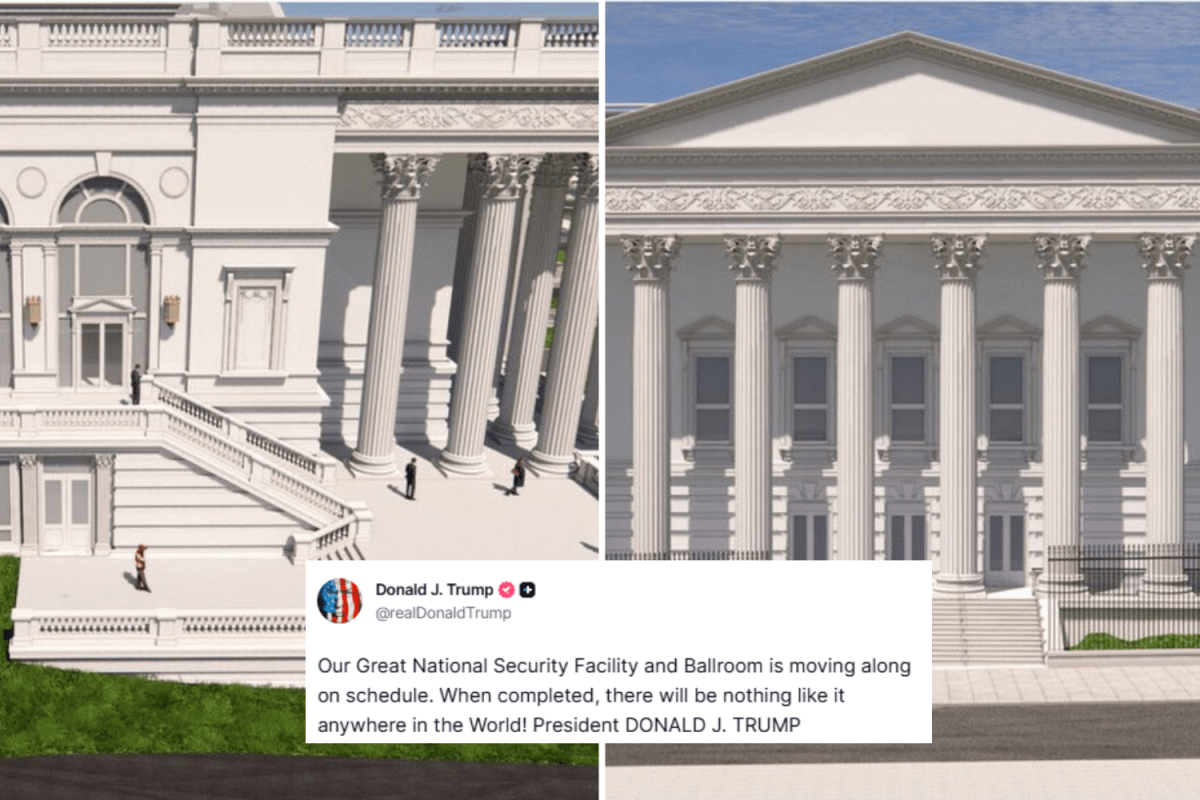
President Donald Trump shared new images of a planned White House ballroom, calling it a "Great National Security Facility and Ballroom." The project combines a large event space with underground security features, but faces legal challenges over its scope and impact on historic property rules.
Key Facts
The new ballroom is designed in a neoclassical style and will be attached to the White House complex.
President Trump describes the project as both an event space and a security facility with features like bulletproof glass and blast-resistant materials.
The project includes an underground structure with military-grade defenses, drone-proofing, and facilities like a military hospital.
Legal challenges come from the National Trust for Historic Preservation, claiming the project requires congressional approval due to historic site protections.
A federal judge temporarily blocked parts of the construction but allowed security-related work to continue.
Court arguments emphasize the project’s importance to presidential safety but limit national security claims as justification for all construction.
Republican lawmakers have proposed up to $1 billion in federal funding for security upgrades linked to the project.
The project timeline includes public statements and legal developments from March to May 2026.
Read the Original
Want the full story? Tap a source to open the original
article.
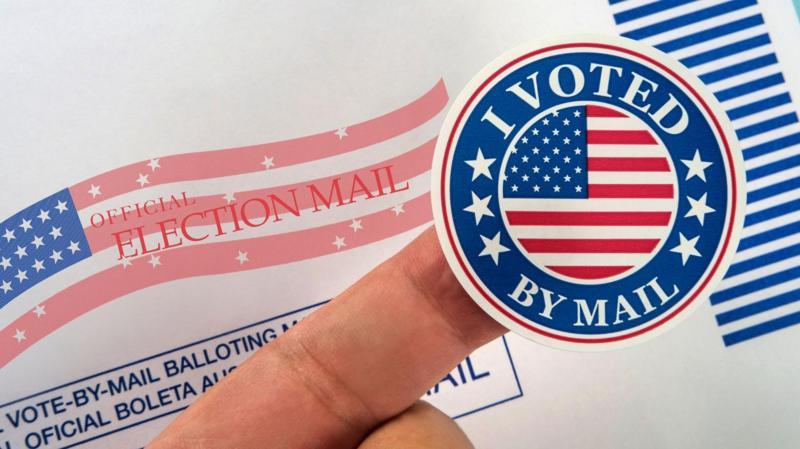
The US Supreme Court ruled 5-4 that some states can count mail-in ballots that arrive up to five days after election day if they were sent before election day. This decision upheld a Mississippi law and rejected President Donald Trump’s challenge to limit the deadline for receiving ballots.
Key Facts
The court decision allows late-arriving mail ballots in some states if postmarked before election day.
The ruling was 5-4, with Justice Amy Coney Barrett writing the majority opinion.
The law at issue was from Mississippi, permitting ballots received within five days after election day.
The Supreme Court said this does not conflict with federal law, which only sets election day, not ballot receipt deadlines.
President Trump and his administration had argued ballots must be received by election day to protect election integrity.
Most states allowing late mail ballots lean Democratic, but some Republican states do too.
This ruling affects how votes may be counted in key states ahead of the 2024 US midterm elections.
The case involved a 19th-century federal law defining election day as the first Tuesday after the first Monday in November.
Read the Original
Want the full story? Tap a source to open the original
article.
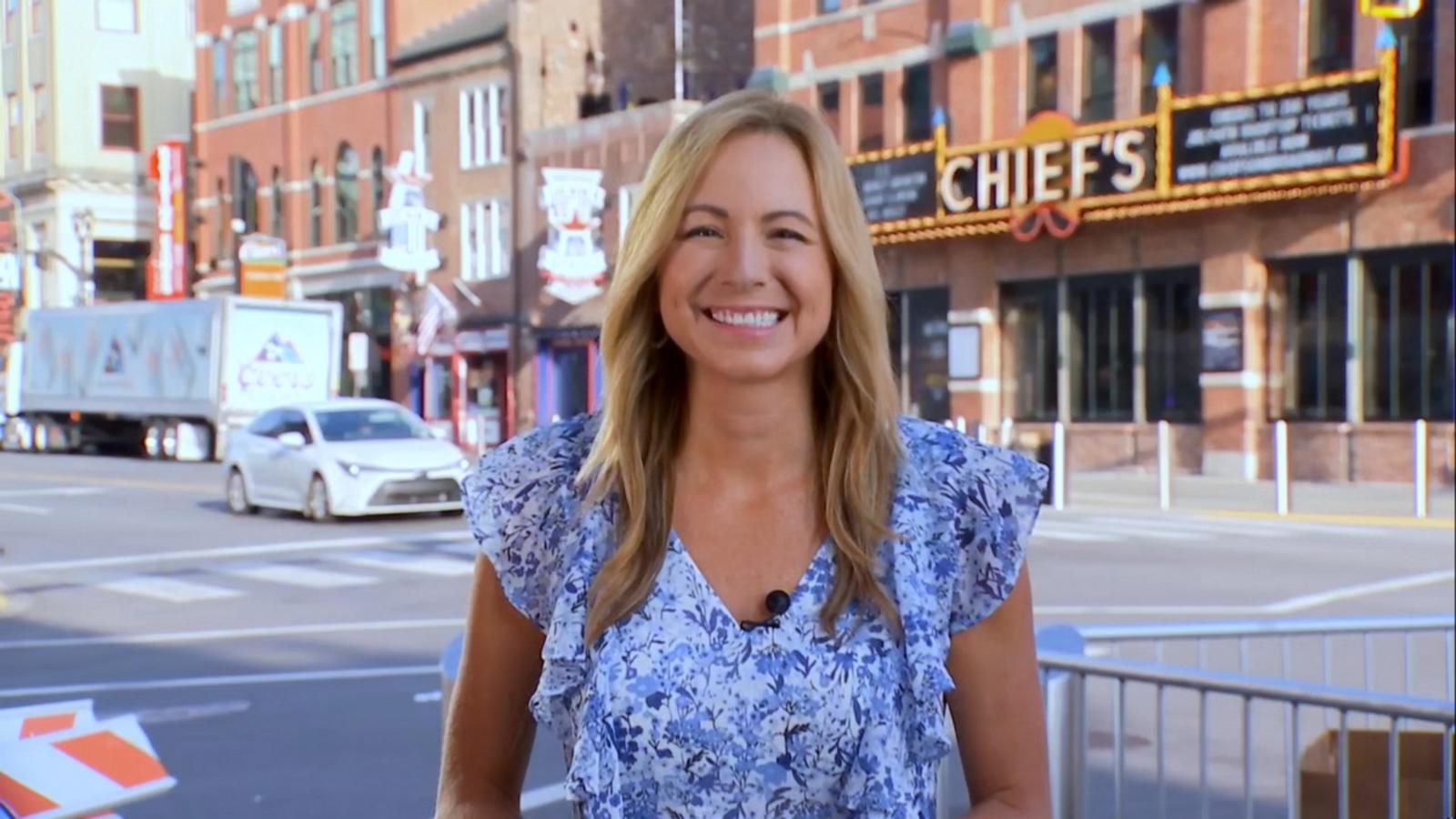
Nashville is preparing for the celebration of America’s 250th anniversary, which will take place around the Fourth of July. Local officials and communities are organizing events in Music City to mark this milestone.
Key Facts
The celebration is for America's 250th anniversary.
The main events will happen around the Fourth of July.
Nashville, also known as Music City, is actively preparing for the celebration.
The city is hosting various activities to honor the occasion.
The anniversary marks 250 years since the founding of the United States.
Read the Original
Want the full story? Tap a source to open the original
article.
The US military paused mandatory flu vaccinations for new recruits for two months but resumed them after a flu outbreak at Lackland Air Force Base in Texas. The current flu vaccines will expire soon, and new doses won’t arrive until August or later, so the military must use other methods to control the outbreak.
Key Facts
The military stopped requiring flu shots for new recruits for two months but restarted the mandate recently.
Current flu vaccines at training camps expire on June 30, with new supplies expected no earlier than late August.
Lackland Air Force Base experienced a flu outbreak with at least 275 sick people and 4 hospitalized.
One recruit died after a medical emergency during the outbreak, but the cause is still under investigation.
Flu vaccination rates dropped to 40% after the mandate was lifted, similar to general public levels.
The military is also planning flu vaccine mandates for overseas troops and other groups like healthcare and childcare workers.
Basic training is a high-risk environment for flu outbreaks due to close living conditions and high stress on recruits.
The military may not extend the use of expired vaccines, so they must rely on other disease control measures until new vaccines arrive.
Read the Original
Want the full story? Tap a source to open the original
article.
A bipartisan group of U.S. lawmakers has proposed a plan to cap federal student loan interest rates at 2 percent. This change could lower the cost of borrowing for millions of Americans by reducing the interest they pay over time and making loan repayment easier.
Key Facts
The proposed bill is House Resolution 1386.
It would set a flat 2 percent interest rate for all federal student loans.
Current rates are higher: about 6.52% for undergraduate loans and over 9% for some loans.
The new rate would apply retroactively to existing borrowers.
Loans would be automatically refinanced by the Department of Education under this plan.
Borrowers could choose to keep their current loan terms instead of switching.
Americans owe around $1.69 trillion in federal student loans, with average debt near $39,500 per person.
Lower rates could save borrowers thousands of dollars in interest and reduce monthly payments.
Read the Original
Want the full story? Tap a source to open the original
article.
The Supreme Court decided that President Trump cannot remove Federal Reserve governor Lisa Cook while court cases are still active. However, the Court ruled that President Trump was allowed to fire Federal Trade Commission member Rebecca Slaughter.
Key Facts
The Supreme Court made two decisions involving President Trump's actions regarding government officials.
President Trump tried to fire Lisa Cook, a governor of the Federal Reserve (Fed).
The Court said President Trump cannot fire Lisa Cook during ongoing legal cases.
President Trump had also fired Rebecca Slaughter, a member of the Federal Trade Commission (FTC).
The Court found that the firing of Rebecca Slaughter was legal.
The Federal Reserve oversees the country’s money and banking system.
The Federal Trade Commission protects consumers and promotes fair business practices.
These rulings clarify when the President can remove certain officials from independent government agencies.
Read the Original
Want the full story? Tap a source to open the original
article.
Vice President JD Vance and Secretary of State Marco Rubio have different views on U.S. policy toward Israel, with Vance expressing criticism and Rubio maintaining strong support. Vance appears to be positioning himself independently within the Republican Party by questioning traditional pro-Israel stances ahead of the 2028 presidential race.
Key Facts
Vice President JD Vance denies a strong personal rivalry with Secretary of State Marco Rubio.
Rubio supports unconditional backing of Israel and its prime minister Benjamin Netanyahu.
Vance criticizes the U.S. merging its interests completely with Israel’s and opposes labeling all criticism of Israel as antisemitism.
Rubio leads a hawkish, military-focused approach to foreign policy, including backing action against Venezuela and Iran.
Vance has been working on peace negotiations with Iran, which unsettles Israel.
Polls show younger Republicans increasingly hold negative views of Israel.
Right-wing commentators are gaining influence by questioning the U.S.-Israel relationship.
Vance must balance his differing views with loyalty to President Trump, who currently holds mixed feelings about Netanyahu.
Read the Original
Want the full story? Tap a source to open the original
article.
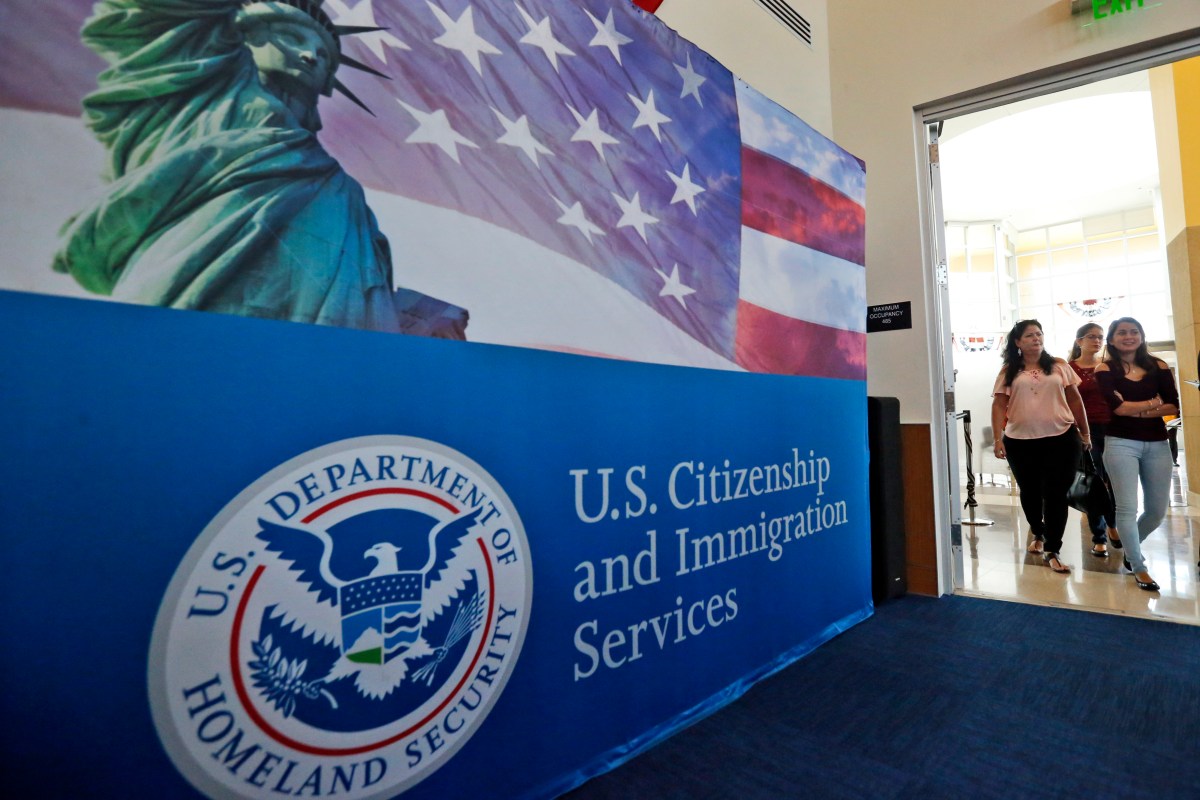
Some H-1B visa holders in Texas are being denied driver's license renewals because their visa stamps have expired. Lawyers say these workers may still be legally allowed to stay in the U.S. based on other documents like Form I-797 and I-94, which Texas officials seem to be misunderstanding.
Key Facts
H-1B visas let U.S. employers hire foreign workers for special jobs like tech, engineering, and healthcare.
A visa stamp in a passport is a travel document used to enter the U.S., not proof of legal status inside the country.
Legal status while in the U.S. is shown by documents like Form I-797 approval notices and I-94 records.
Some Texas Department of Public Safety offices have denied driver’s license renewals when visa stamps expired, confusing status with travel authority.
Immigration attorneys say this may be due to inconsistent training or unclear guidance at Texas DPS offices.
Texas Governor Greg Abbott has paused new H-1B visa petitions for public agencies until 2027.
The Trump administration has set stricter rules on the H-1B program, including a new fee and a wage-based selection system.
The number of H-1B applications dropped sharply in 2027, possibly due to these tougher rules and higher costs.
Read the Original
Want the full story? Tap a source to open the original
article.
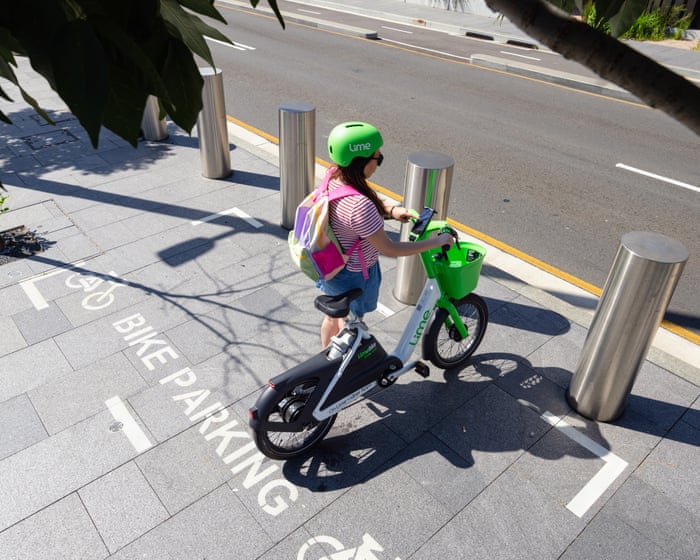
The New South Wales government in Sydney is spending $6.6 million to create special parking zones for shared electric bikes (ebikes) to stop them from blocking sidewalks. Local councils will get funds to mark these parking areas and can fine operators who don’t follow the rules.
Key Facts
Sydney has seen a big increase in shared ebikes, from 13,000 in January to over 20,000 in May.
The government is giving $6.6 million to 16 local councils to make dedicated parking bays for ebikes.
Ebike operators pay a 60 cent fee per trip that helps fund this program.
Councils can set “no-go” zones and fine operators up to $55,000 for improper parking.
Trials at train and metro stations have shown marked bays reduce bikes blocking sidewalks by half.
Authorities can now seize and destroy private ebikes that go faster than 25 km/h.
The government is also looking into setting a minimum age to ride an ebike.
The program is meant to improve pedestrian safety amid more ebike injuries and chaotic parking.
Read the Original
Want the full story? Tap a source to open the original
article.
The U.S. Supreme Court decided that people have a reasonable right to privacy for their cellphone location information. The Court sent a case involving a man named Okello Chatrie, who was convicted in a Virginia bank robbery, back to a lower court because of this privacy concern.
Key Facts
The Supreme Court ruled 6-3 in favor of protecting cellphone location data privacy.
The case involves the use of a "geofence warrant," which lets police search location data from many phones in a given area.
The Court said using a geofence warrant counts as a search under the law.
The ruling overturned a lower court's decision against Okello Chatrie.
The case now returns to a lower court for further review.
This decision highlights privacy protections related to digital data from cellphones.
The case is connected to a Virginia bank robbery investigation.
Read the Original
Want the full story? Tap a source to open the original
article.
The U.S. Supreme Court ruled 6-3 that police cannot use "geofence warrants" to collect location data from many people’s cellphones without specific probable cause. Justice Samuel Alito disagreed strongly, saying the ruling hurts law enforcement tools and public safety.
Key Facts
The Court's decision was in Chatrie v. United States, involving a 2019 bank robbery investigation.
"Geofence warrants" let police gather cellphone location data from all devices in a certain area.
The Court found this practice violates the Fourth Amendment, which protects against unreasonable searches.
Justice Elena Kagan wrote the majority opinion, saying people have privacy over their digital footprints.
Police had used a geofence warrant covering a 150-meter radius and collected data from 19 innocent people.
Alito’s dissent called the ruling an “irresponsible escapade” that limits police investigation methods.
The decision highlights differing views among conservative justices about digital privacy and law enforcement.
The ruling limits the government from collecting mass personal data without individualized suspicion.
Read the Original
Want the full story? Tap a source to open the original
article.
The U.S. Supreme Court has temporarily stopped President Donald Trump from firing Federal Reserve Board member Lisa Cook over allegations without giving her a chance to respond. Cook, who has many years left in her term, will keep her role as the court reviews the legal issues behind the case.
Key Facts
President Trump tried to fire Lisa Cook, a member of the Federal Reserve Board.
The firing attempt was based on claims of gross negligence related to a mortgage application.
Cook was not given a formal chance to respond to the allegations before the firing attempt.
The Supreme Court blocked the firing for now, allowing Cook to stay in her position.
Cook is the first Black woman to serve on the Federal Reserve's advisory committee.
Federal law allows removal of Fed governors only "for cause," meaning there must be a valid reason.
The Justice Department has opened a criminal investigation into the mortgage allegations.
The case raises questions about presidential power and the Federal Reserve’s independence from the White House.
Read the Original
Want the full story? Tap a source to open the original
article.
The Supreme Court ruled that President Donald Trump can remove leaders of most independent government agencies without needing a specific reason, overturning a nearly 100-year-old rule. However, this rule does not apply to the Federal Reserve, which keeps some protection from presidential control.
Key Facts
The court decision was 6–3 in favor of allowing the firing of heads of independent agencies.
The old rule, called Humphrey's Executor, protected agency heads from being fired without cause.
Chief Justice John Roberts wrote that Humphrey's Executor is overruled except for the Federal Reserve.
The Federal Reserve has a special status due to its unique history and was excluded from this ruling.
President Trump fired two Democratic appointees from the Federal Trade Commission (FTC), citing policy conflicts.
With these firings, the FTC is now controlled by Republicans aligned with President Trump's agenda.
The ruling increases presidential power over independent agencies that were previously more politically separate.
Liberal justices warned this could give the president too much influence over government decisions and lawmaking.
Read the Original
Want the full story? Tap a source to open the original
article.
The Supreme Court ruled that President Donald Trump can fire leaders of independent federal agencies without needing a specific reason. However, the court allowed Federal Reserve governor Lisa Cook to keep her job temporarily while she challenges Trump's attempt to remove her.
Key Facts
The Supreme Court supported President Trump's power to remove agency heads freely.
This decision affects independent federal agencies across the government.
An exception was made for the Federal Reserve governor, Lisa Cook.
Lisa Cook is fighting President Trump's attempt to fire her over mortgage fraud accusations, which she denies.
The court set aside a 91-year-old rule that limited presidential firing power.
The Federal Reserve plays a key role in managing the U.S. economy by setting interest rates.
The ruling gives presidents broader control over federal agencies outside the Federal Reserve.
Read the Original
Want the full story? Tap a source to open the original
article.
President Donald Trump shared images of a new White House ballroom he is constructing to replace the East Wing, which was taken down last year. He said the project is on schedule and promised the ballroom will be unique when finished.
Key Facts
President Trump is building a new ballroom at the White House.
The new ballroom is being built where the East Wing used to be.
The East Wing was demolished last year to make way for this project.
Trump posted about the progress on his social media platform, Truth Social.
He described the new ballroom as a “Great National Security Facility and Ballroom.”
The project is reportedly moving forward on schedule.
Trump stated the completed ballroom will be unlike anything else.
Read the Original
Want the full story? Tap a source to open the original
article.
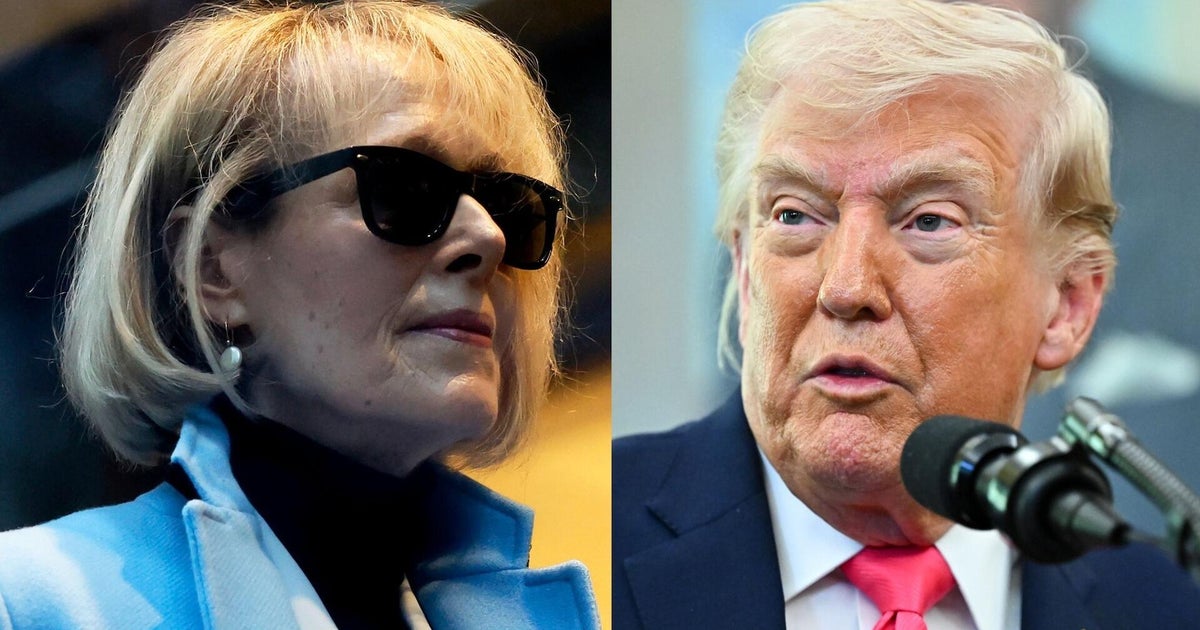
The Supreme Court has refused to hear President Donald Trump's appeal in the sexual abuse case brought by E. Jean Carroll. This means the lower court's decision will stand, and the case will proceed.
Key Facts
The Supreme Court rejected President Trump's appeal on Monday.
The case involves allegations of sexual abuse made by E. Jean Carroll against President Trump.
The refusal to hear the appeal means the case will continue in lower courts.
E. Jean Carroll is the accuser in this legal matter.
The decision was reported by CBS News and legal experts.
President Trump is currently serving his second term as U.S. President.
Read the Original
Want the full story? Tap a source to open the original
article.