Summary
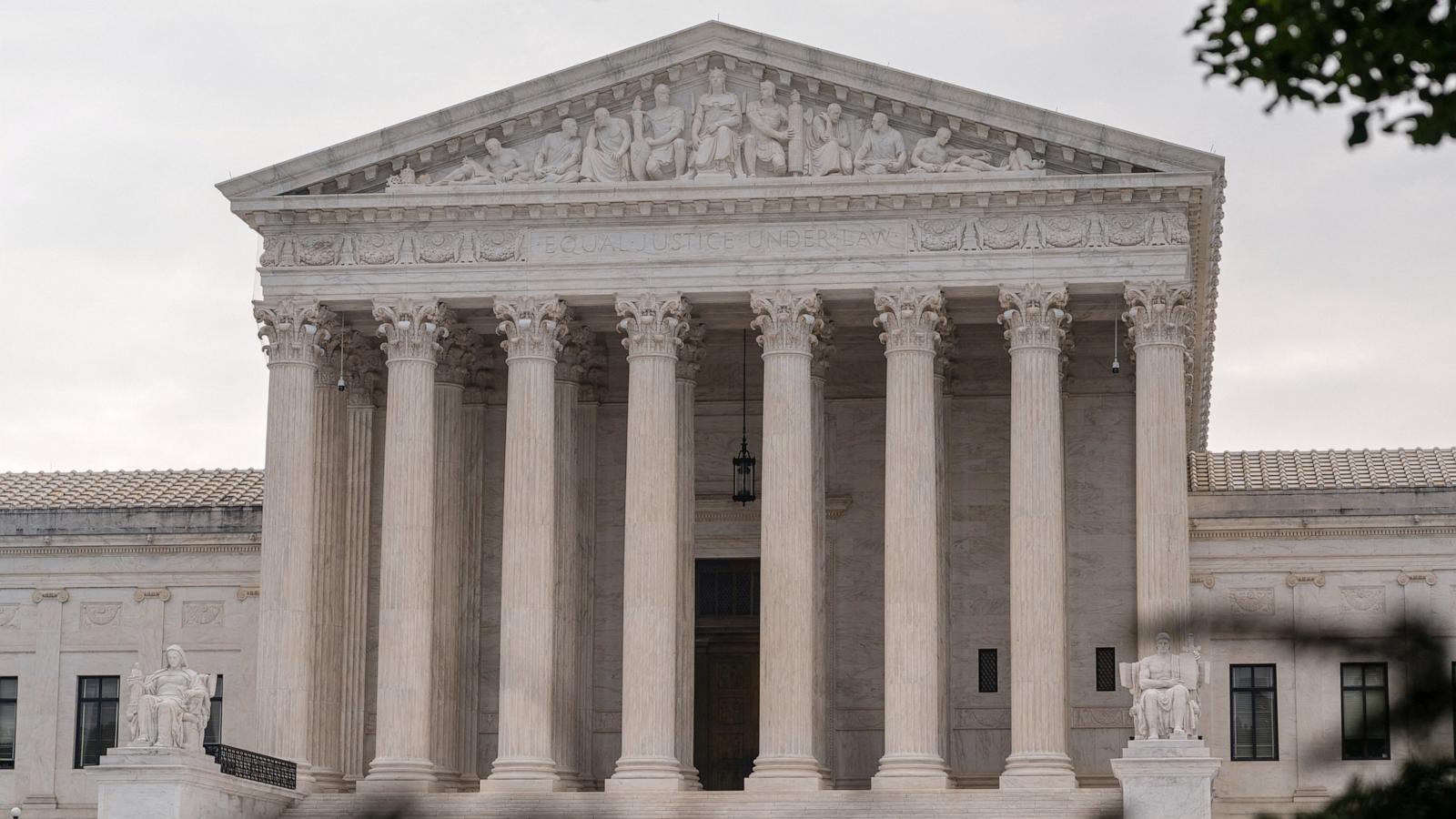
The US Supreme Court decided that police need to follow privacy rules under the Fourth Amendment when using geofence warrants, which collect location data from many smartphones near a crime scene. This ruling limits broad searches that gather information from people who may not be connected to any crime.Key Facts
- Geofence warrants allow police to get location data from all phones within a virtual area and a specific time frame.
- The use of these warrants is common among police and the FBI to find suspects or witnesses.
- Critics say geofence warrants can capture data from innocent people and invade privacy in places like homes, churches, or clinics.
- The case involved Okello Chatrie, who was tracked by geofence warrants after robbing a bank in Richmond, Virginia.
- Chatrie’s lawyers argued that geofence warrants violate the Fourth Amendment’s protection against unreasonable searches.
- The government says people have less privacy expectation in public and when they let companies like Google collect location data.
- Google admits these warrants can collect data on many innocent people and cover private and sensitive places.
- This is the first Supreme Court ruling on the Fourth Amendment and cell phone location data since a 2018 decision requiring warrants for such tracking.
Read the Original
Want the full story? Tap a source to open the original article.