Neutral summaries of your favorite news sources — just the facts.
Your favorite news sources, one neutral feed — we distill their reporting into fact-first
summaries and always link to the original story. How it works
US News
Latest developments and key stories from across the United States
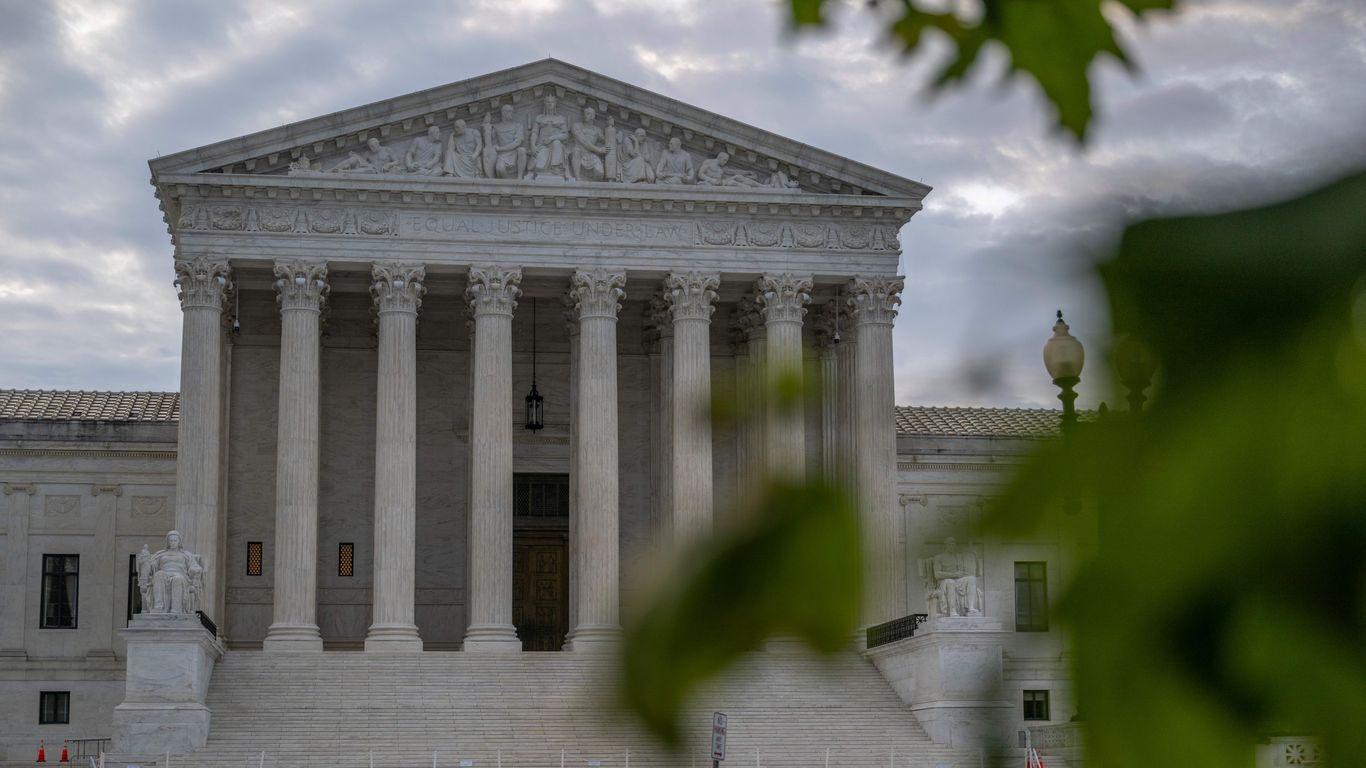
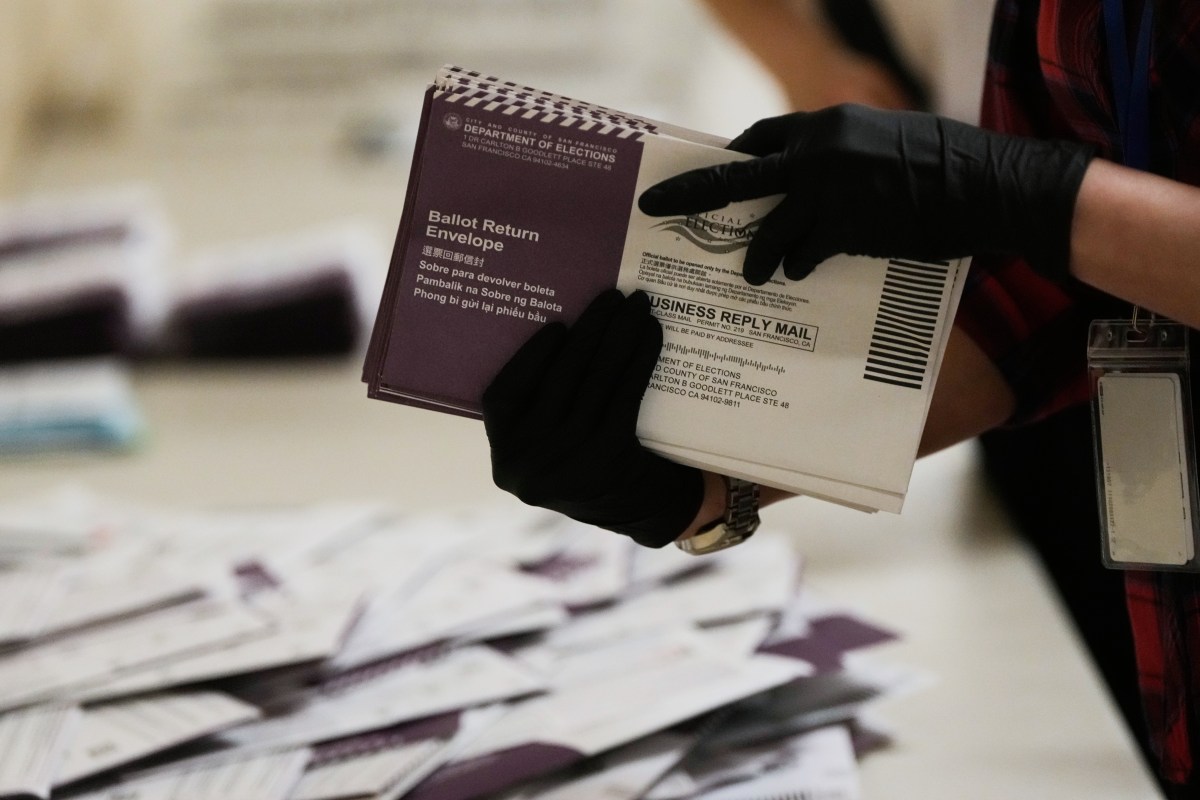
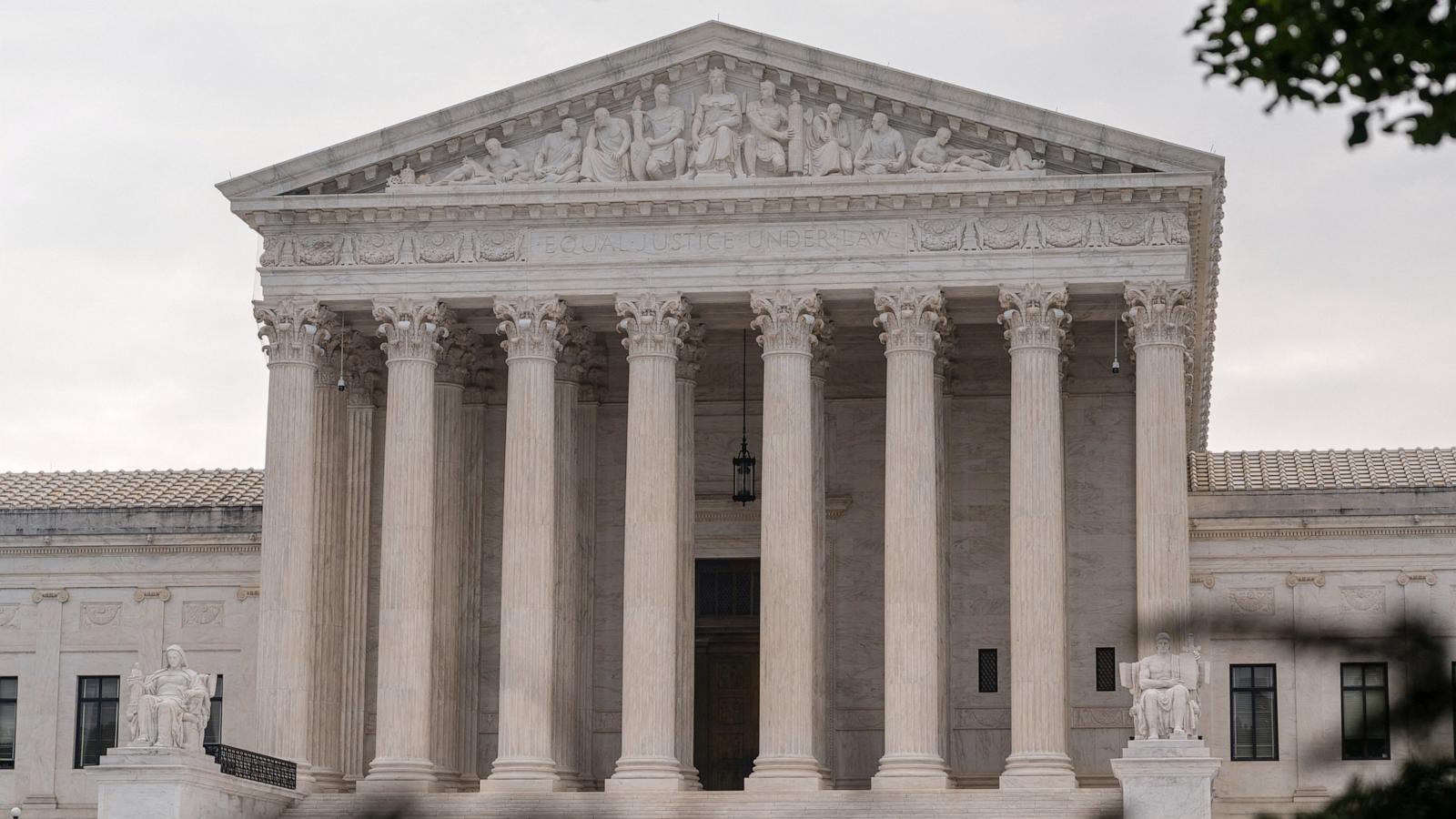
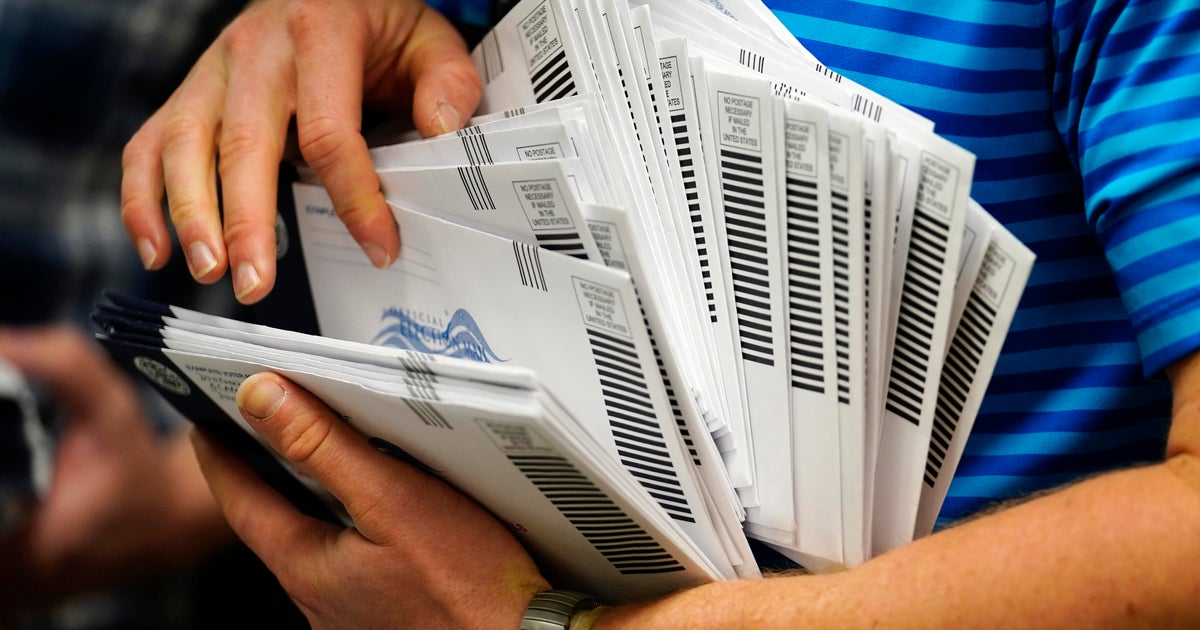
The Supreme Court agreed to keep a Mississippi law that counts mail-in ballots postmarked by Election Day as long as they arrive within five business days after. This decision supports similar voting rules in other states and could affect the upcoming November elections.
Key Facts
The Supreme Court ruled 5-4 to uphold Mississippi’s law on mail-in ballots.
Ballots must be postmarked by Election Day but can arrive within five business days to be counted.
Four justices dissented: Alito, Thomas, Gorsuch, and Kavanaugh.
Mississippi Secretary of State said voters make their final choice by Election Day, even if ballots arrive later.
The court’s majority said voting finishes when the voter sends the ballot, not when officials get it.
Military and overseas voter groups warned that disallowing late-arriving ballots would create more difficulties for voters abroad.
The ruling affects other election-related cases the Supreme Court is handling this term.
The Trump administration supported those challenging the law, concerned late ballots could harm election integrity.
Read the Original
Want the full story? Tap a source to open the original
article.
The Supreme Court ruled in a 6-3 decision that President Trump has more power to fire officials at independent government agencies. This decision reverses a practice that has been in place for 91 years, which previously made it harder for presidents to remove these officials.
Key Facts
The Supreme Court ruling was decided along ideological lines, with six justices supporting and three opposing.
The decision increases President Trump’s control over independent agencies outside of the usual executive branch.
The ruling overturns 91 years of legal precedent protecting certain agency officials from being easily fired.
It specifically allows President Trump to fire Federal Trade Commissioner Rebecca Slaughter, a Democrat appointed to the role.
Independent federal agencies are organizations meant to operate with some independence from the president.
Previously, these agencies had protections to keep appointed officials in place, even if a president wanted to remove them.
This ruling marks a significant expansion of presidential authority over parts of the government intended to be independent.
Read the Original
Want the full story? Tap a source to open the original
article.
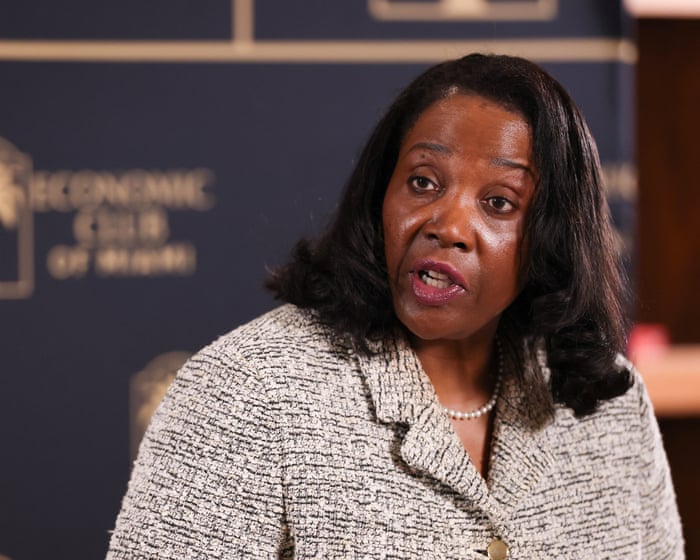
The Supreme Court decided 5-4 that Lisa Cook can keep her job as a Federal Reserve Board governor while a legal case about President Trump's attempt to fire her continues. The court did not approve the president’s request to remove her, so a lower court’s decision blocking her firing remains in place.
Key Facts
The Supreme Court ruled 5 to 4 in favor of Lisa Cook staying on the Federal Reserve Board.
President Trump tried to remove Cook following allegations of mortgage fraud.
The court had previously let Cook stay in her role while considering the case.
The justices left a lower court ruling that stopped Cook’s firing in place.
Chief Justice John Roberts wrote the majority opinion, joined by four other justices.
The legal case about Cook’s removal is still ongoing.
The Federal Reserve Board of Governors oversees the central bank of the U.S.
The decision means the president cannot fire Cook without due legal process.
Read the Original
Want the full story? Tap a source to open the original
article.
A man named Asad Hussain was jailed for eight years for creating a fake Tinder profile of his ex-partner to lure men to her home with the intent to harm her. He was found guilty of stalking and assault, and the court also issued a 15-year restraining order against him.
Key Facts
Asad Hussain, 36, from Greater Manchester, created a fake Tinder account pretending to be his ex-partner.
He used the fake profile to invite multiple men to the woman’s house without her knowledge.
At least 18 men were tricked into coming to her home, some believing she wanted to be assaulted.
The victim ended her relationship with Hussain after discovering he looked through her phone.
A man once forced open her door, breaking a glass panel, guided by messages from the fake profile.
Another incident involved a man entering the house while her daughter was alone upstairs.
Hussain was convicted of stalking causing serious distress and assault by beating.
The victim's statement highlighted feeling unsafe in her own home, and police called the case very complex and disturbing.
Read the Original
Want the full story? Tap a source to open the original
article.
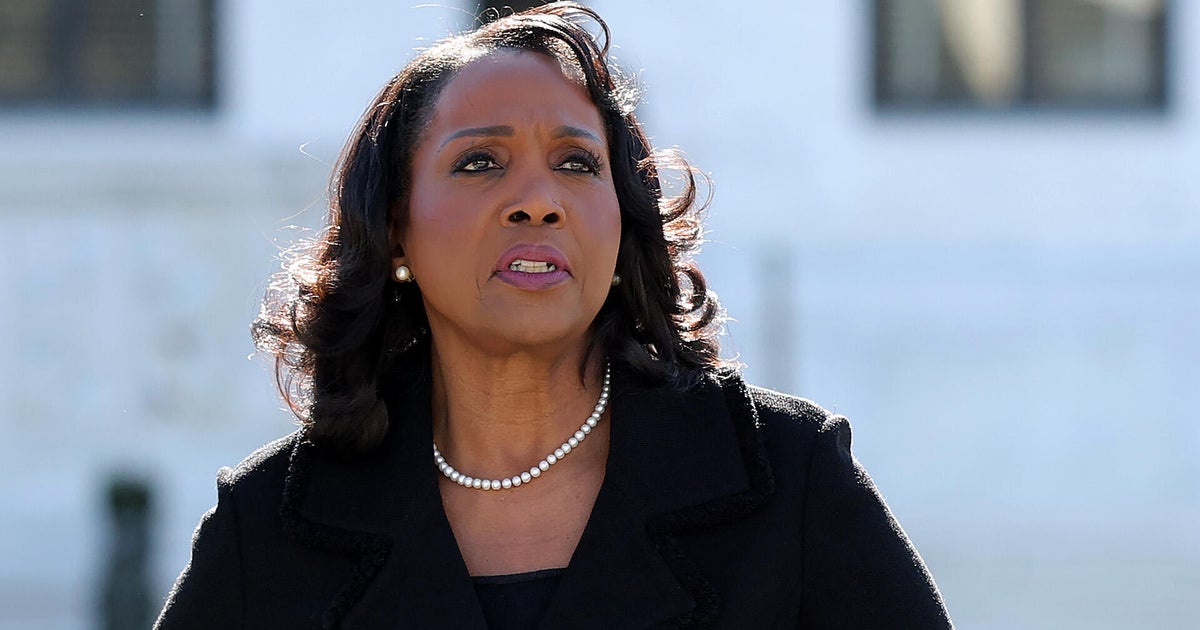
The US Supreme Court ruled that President Trump’s firing of Federal Reserve Governor Lisa Cook without cause was unconstitutional. This decision protects the Fed’s independence by limiting a president’s power to remove central bank officials.
Key Facts
Lisa Cook, appointed by President Biden, was fired by President Trump last August on social media accusations of mortgage fraud; she denied the claims.
The Supreme Court said the president cannot remove a Federal Reserve governor without a valid reason.
Cook’s term on the Fed board is set to last until 2038; she is the first Black woman on the Fed’s board.
The ruling is a change from other recent court decisions that generally gave President Trump broad powers.
The Federal Reserve sets key interest rates that affect the entire US economy.
President Trump had frequently criticized the Fed for keeping interest rates high, which he felt hurt the economy.
Jerome Powell, former Fed chair appointed by Trump, faced investigations related to renovations at the Fed headquarters but remained a governor to protect Fed independence.
Kevin Warsh replaced Powell as Fed chair and may support lowering interest rates despite inflation concerns.
Read the Original
Want the full story? Tap a source to open the original
article.
The US Supreme Court refused to hear President Donald Trump's appeal in the civil case brought by writer E Jean Carroll. A jury had found Trump sexually abused Carroll and defamed her, ordering him to pay $5 million in damages.
Key Facts
E Jean Carroll accused President Trump of sexual assault from the 1990s and said he called her claims a lie on social media.
A New York jury ruled in 2023 that Trump defamed Carroll and sexually abused her.
The jury awarded Carroll $5 million in damages.
Trump denied the accusations and argued that the judge allowed improper evidence during the trial.
A federal appeals court upheld the jury’s decision in 2025 and denied Trump’s request for a new trial.
Trump then asked the US Supreme Court to review the case.
The Supreme Court decided not to hear the appeal, meaning the jury's verdict stands.
Trump has not yet commented on the Supreme Court’s decision.
Read the Original
Want the full story? Tap a source to open the original
article.
The Supreme Court ruled 5-4 that states may count mail-in ballots that arrive up to five days after Election Day. The decision allows about 30 states to keep current voting rules and rejects claims that all ballots must be received by Election Day under federal law.
Key Facts
The case involved a 2020 Mississippi law permitting mail-in ballots to be counted if they arrive within five days after Election Day.
The Supreme Court majority, including Justice Amy Coney Barrett and Chief Justice John Roberts, said federal law does not require ballots to be received by Election Day.
The court said it is up to Congress, not the courts, to set national rules on ballot deadlines.
Justices Alito, Thomas, and Gorsuch dissented, joined in part by Kavanaugh, arguing the ruling changes federal law and could harm trust in elections.
The Republican National Committee filed the lawsuit, saying a federal statute from 1845 requires all ballots to be received by Election Day.
The Fifth Circuit Court initially ruled that ballots must be received on Election Day, but the Supreme Court overturned this.
The ruling protects voting systems used in many states, especially those adopted after the pandemic to accommodate mail-in voting.
Read the Original
Want the full story? Tap a source to open the original
article.
Heavy flash flooding in Kentucky has caused at least four deaths and forced many water rescues and evacuations. The flooding has severely damaged roads and homes, prompting Governor Andy Beshear to declare a state of emergency and ask for help with recovery.
Key Facts
At least four people have died due to the flash flooding in Kentucky.
Around 60 water rescues and evacuations have taken place.
Heavy rain caused streets and homes to flood across the state.
Many communities suffered widespread damage from the floods.
Kentucky Governor Andy Beshear declared a state of emergency.
The governor plans to request assistance from public sources and individuals.
The flooding event has disrupted daily life and recovery efforts are ongoing.
Read the Original
Want the full story? Tap a source to open the original
article.
Stephen A. Smith said Democrats have a good chance, about 75%, to win the upcoming midterm elections and control part of Congress. However, he warned that Democrats might still fail to take advantage of this opportunity.
Key Facts
Stephen A. Smith made a prediction about the midterm elections.
He estimated a 75% chance that Democrats will win.
Democrats may gain control of at least one part of Congress.
Smith compared the possibility of Democrats failing to the San Antonio Spurs blowing a large lead in basketball.
He expressed concern that Democrats might not use their advantage well.
The midterm elections will determine control of Congress.
The outcome affects American politics.
Read the Original
Want the full story? Tap a source to open the original
article.
The Supreme Court will review a Republican effort to enforce strict voting laws in Arizona that were passed after the 2020 election. These laws had faced legal challenges because lower courts said they broke federal voting rules.
Key Facts
The Supreme Court announced it will consider Republican-supported Arizona voting laws.
These laws were passed after the 2020 presidential election.
Some similar voting rules have been allowed temporarily by the Supreme Court before.
Arizona’s rules include proof-of-citizenship requirements for voting in state and local elections.
Virginia also faced legal cases for removing voters to prevent noncitizens from voting.
President Donald Trump’s Republican administration joined the appeal supporting these Arizona laws.
Lower courts had ruled that the Arizona voting rules broke federal voting laws.
The Supreme Court’s decision will determine whether these strict voting laws can be enforced.
Read the Original
Want the full story? Tap a source to open the original
article.
Teachers and organizations are using modern tools like social media and games to help students learn about the Declaration of Independence, which is 250 years old. These methods aim to make history more interesting and relevant to young people today.
Key Facts
Jessica Culver, a social studies teacher in Arkansas, uses hashtags and social media ideas to help students connect with the Declaration of Independence.
Students create posts imagining how they would announce historical events today, like tweeting "#newcountry #finallyfree" after the Declaration was signed.
The Declaration was written mainly by Thomas Jefferson and signed by 56 people, including John Adams and Benjamin Franklin.
iCivics, a group started by Justice Sandra Day O’Connor, offers games and resources to help over 9 million students learn about U.S. civics each year.
iCivics launched initiatives like the Civic Star Challenge for teacher support and Investigation Declaration, an interactive game about protecting freedom documents.
The National Constitution Center created activities like a special Trivial Pursuit game and online content to teach families about the Declaration of Independence.
Educators stress that July Fourth should be the start of learning about America’s founding ideas, not the end.
Understanding the Declaration is seen as important because it expresses the principles on which the U.S. government and identity are built.
Read the Original
Want the full story? Tap a source to open the original
article.
The U.S. Supreme Court ruled 5-4 to allow states to count mail-in ballots that arrive after Election Day, as long as they were postmarked by that day. This decision supports existing state laws on how late mail-in votes are handled.
Key Facts
The Supreme Court decision was made on June 29, 2026.
The vote was close, with 5 justices in favor and 4 against.
Justice Barrett was part of the majority decision.
The ruling allows states to count mail-in ballots received after Election Day if they have a postmark from on or before Election Day.
The decision upholds state laws that currently permit this practice.
The case relates to how elections are conducted and how votes are counted.
This ruling may affect future elections and the timing of vote counting.
The Supreme Court issued this order as part of pending appeals related to election procedures.
Read the Original
Want the full story? Tap a source to open the original
article.
The U.S. Supreme Court has refused President Donald Trump’s request to review a $5 million defamation judgment in favor of writer E. Jean Carroll. This means President Trump must pay the damages after a jury found him liable for sexual abuse and defamation related to Carroll’s accusations.
Key Facts
President Trump appealed a $5 million defamation judgment against him in the E. Jean Carroll case.
The jury found Trump liable for sexually abusing Carroll in a Manhattan department store in the 1990s and defaming her in 2022 by denying the allegations.
The Supreme Court denied Trump’s appeal, so the $5 million judgment stands.
Trump argued the trial judge wrongly allowed a tape from "Access Hollywood" and testimony from two women accusing Trump of sexual assault.
A federal appeals court ruled the evidence was acceptable and any error did not harm Trump’s case significantly.
Carroll’s attorney noted Trump’s petition did not challenge the court’s ruling that any error did not affect the outcome.
Trump is also appealing a separate defamation judgment requiring him to pay $83 million to Carroll.
The case is ongoing, with updates expected as the situation develops.
Read the Original
Want the full story? Tap a source to open the original
article.
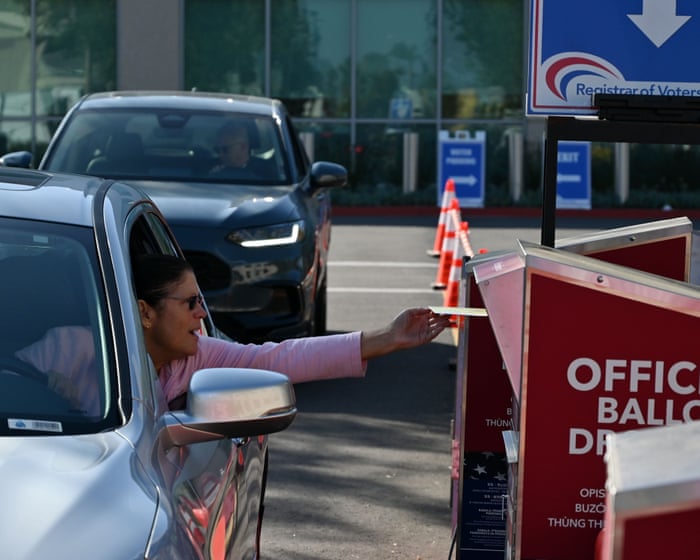
The Supreme Court ruled 5 to 4 that states may count mail-in ballots that are sent by Election Day but arrive after that day. This decision upheld Mississippi's law allowing ballots received up to five days late to be counted if they were postmarked on time.
Key Facts
The case is Watson v. Republican National Committee.
The Court's majority opinion was written by Justice Amy Coney Barrett.
The ruling supports Mississippi’s law allowing late mail ballots up to five days after Election Day.
President Donald Trump’s administration backed the challenge, arguing ballots must be received by Election Day.
14 states and Washington D.C. allow mail ballots postmarked by Election Day to arrive late and still be counted.
All states require ballots to be submitted by Election Day, but some allow late receipt for mail, military, or overseas ballots.
The ruling reverses a lower appeals court that had struck down Mississippi’s late ballot counting law.
The decision affects election rules just months before the November midterm elections.
Read the Original
Want the full story? Tap a source to open the original
article.
The Supreme Court decided that states may count mail-in ballots arriving after Election Day in federal elections, as long as they were mailed by Election Day. The court ruled 5-4 against the Republican National Committee, which wanted to stop this practice.
Key Facts
The ruling allows states to accept mail ballots after polls close on Election Day.
Ballots must have a postmark dated on or before Election Day to count.
Over a dozen states currently accept late-arriving mail ballots under these rules.
The decision was a close 5-4 vote by the Supreme Court.
The Republican National Committee challenged the practice but lost.
The case focused on federal election races, not state elections.
Justice Amy Coney Barrett participated in the ruling (her full opinion was not provided here).
Read the Original
Want the full story? Tap a source to open the original
article.
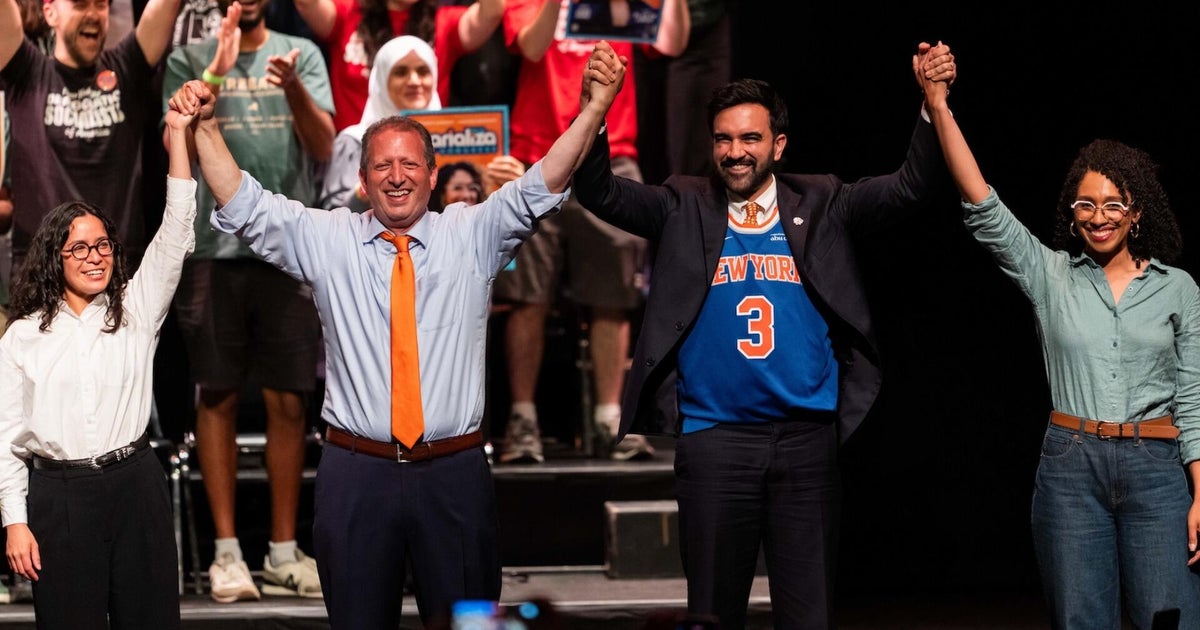
Three candidates in New York City who were supported by Mayor Zohran Mamdani won their primary elections recently. Experts say these wins could show a bigger change in U.S. politics as the 2026 midterm elections approach.
Key Facts
Three New York City candidates backed by Mayor Zohran Mamdani won primary elections last week.
The victories are seen as indicators of a political shift in the United States.
Political experts Chuck Rocha and Alex Vogel discussed this trend on CBS News.
The discussion connects local New York City politics to national changes.
The 2026 midterm elections are the next major voting event in the U.S. political calendar.
Primaries determine which candidates will run in the general elections later.
Shifts in city politics can reflect or influence wider political trends in the country.
Read the Original
Want the full story? Tap a source to open the original
article.
The US Supreme Court ruled to uphold state laws that allow mail-in ballots arriving after election day to be counted if they were sent by election day. This decision affects more than a dozen states, including Mississippi, and rejects a challenge by the Republican National Committee and President Trump’s administration.
Key Facts
The Supreme Court sided against the Republican National Committee (RNC) and President Trump’s administration.
The case involved a Mississippi law allowing mail-in ballots to be counted up to five business days after election day if postmarked by that day.
Fourteen states, Washington DC, and three territories have similar laws allowing late-arriving ballots.
Some states changed these laws during the Covid-19 pandemic to make voting easier.
The RNC argued that counting late ballots violated federal election day rules, but the Supreme Court disagreed.
Mail-in voting has security checks, including signature verification.
President Trump has criticized mail-in voting but has voted by mail himself.
Voting rights groups and military/overseas voters supported Mississippi’s law, saying a grace period helps people with special difficulties.
Read the Original
Want the full story? Tap a source to open the original
article.
The Lincoln Memorial Reflecting Pool has experienced algae growth and paint peeling after recent renovations. Managers of other reflecting pools in the U.S. say keeping these pools clear requires daily, ongoing maintenance rather than just good design or construction.
Key Facts
The Lincoln Memorial Reflecting Pool turned green with algae soon after President Donald Trump’s renovation work was finished.
The pool’s new blue coating began to peel just days after being refilled.
Other reflecting pools, like those in Oklahoma City, Dallas, and Fort Worth, require constant work to keep the water clear.
Dallas City Hall’s pool has a technician who works six hours every day, checking water chemicals and brushing the pool to prevent algae growth.
Dallas uses a filtration system running 24/7 and adjusts chlorine and acid levels automatically and manually.
Environmental factors like heat, rain, and wildlife make pool maintenance more difficult.
The Fort Worth Water Gardens’ smaller pool uses a chlorine generator and regular vacuuming, brushing, and filter cleaning to control algae.
These examples show that ongoing care is essential for keeping large reflecting pools clean and clear.
Read the Original
Want the full story? Tap a source to open the original
article.
The Supreme Court made a ruling that benefits drug users and people who own guns. The decision raised questions about how the Constitution should be interpreted today compared to when it was written over 200 years ago.
Key Facts
The Supreme Court issued a decision involving drug users and gun ownership.
The ruling allows certain drug users to keep guns.
The case relates to how the Constitution is interpreted in modern times.
The Constitution was written more than two centuries ago.
Some people wanted the Constitution to be applied differently today.
The ruling affects laws about guns and drug use.
Read the Original
Want the full story? Tap a source to open the original
article.
The Supreme Court refused President Donald Trump’s request to cancel a $5 million civil judgment against him for sexually abusing and defaming writer E. Jean Carroll. President Trump has denied these allegations and claimed they were false and politically motivated.
Key Facts
The Supreme Court rejected President Trump’s attempt to overturn a $5 million verdict.
The verdict found that President Trump sexually abused and defamed E. Jean Carroll.
President Trump denies these accusations.
He claims Carroll’s accusations are false and politically motivated.
This is one of several legal efforts President Trump has made to challenge the verdict.
The case is still developing as of the latest update.
Read the Original
Want the full story? Tap a source to open the original
article.