Neutral summaries of your favorite news sources — just the facts.
Your favorite news sources, one neutral feed — we distill their reporting into fact-first
summaries and always link to the original story. How it works
US News
Latest developments and key stories from across the United States
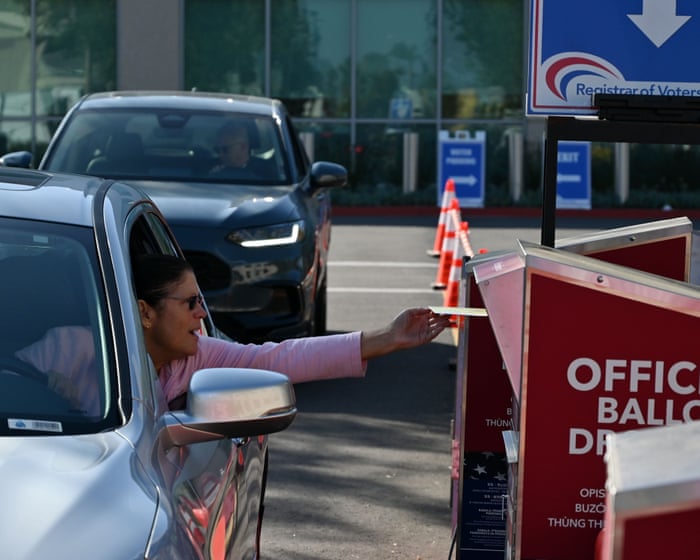
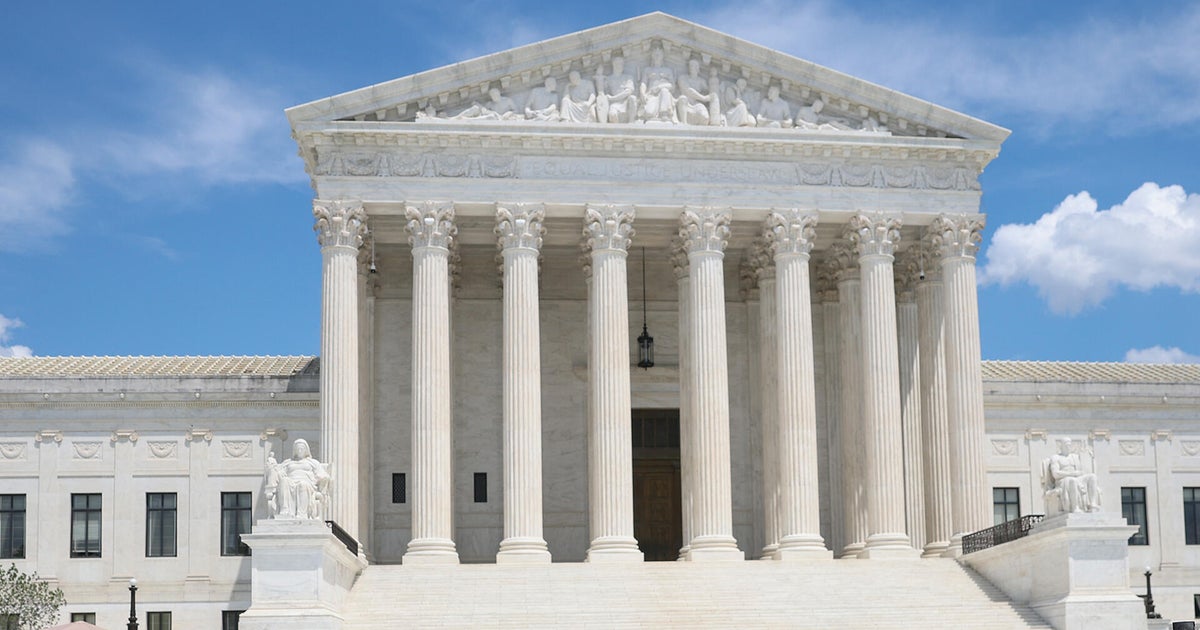
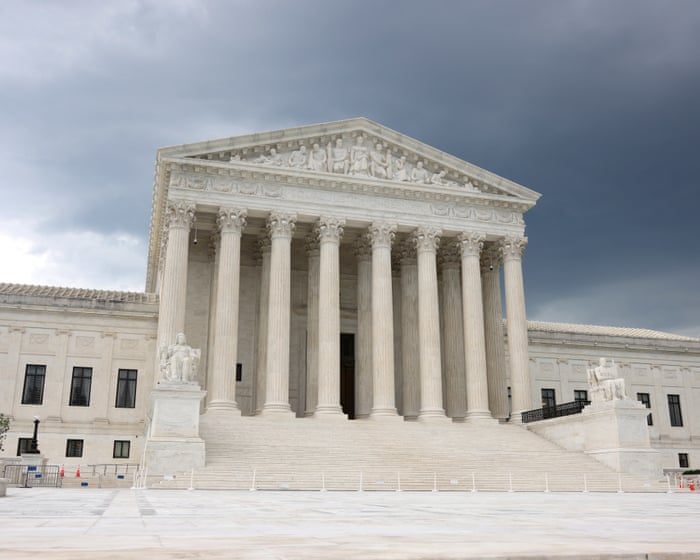
The Supreme Court decided that states may count mail-in ballots arriving after Election Day in federal elections, as long as they were mailed by Election Day. The court ruled 5-4 against the Republican National Committee, which wanted to stop this practice.
Key Facts
The ruling allows states to accept mail ballots after polls close on Election Day.
Ballots must have a postmark dated on or before Election Day to count.
Over a dozen states currently accept late-arriving mail ballots under these rules.
The decision was a close 5-4 vote by the Supreme Court.
The Republican National Committee challenged the practice but lost.
The case focused on federal election races, not state elections.
Justice Amy Coney Barrett participated in the ruling (her full opinion was not provided here).
Read the Original
Want the full story? Tap a source to open the original
article.
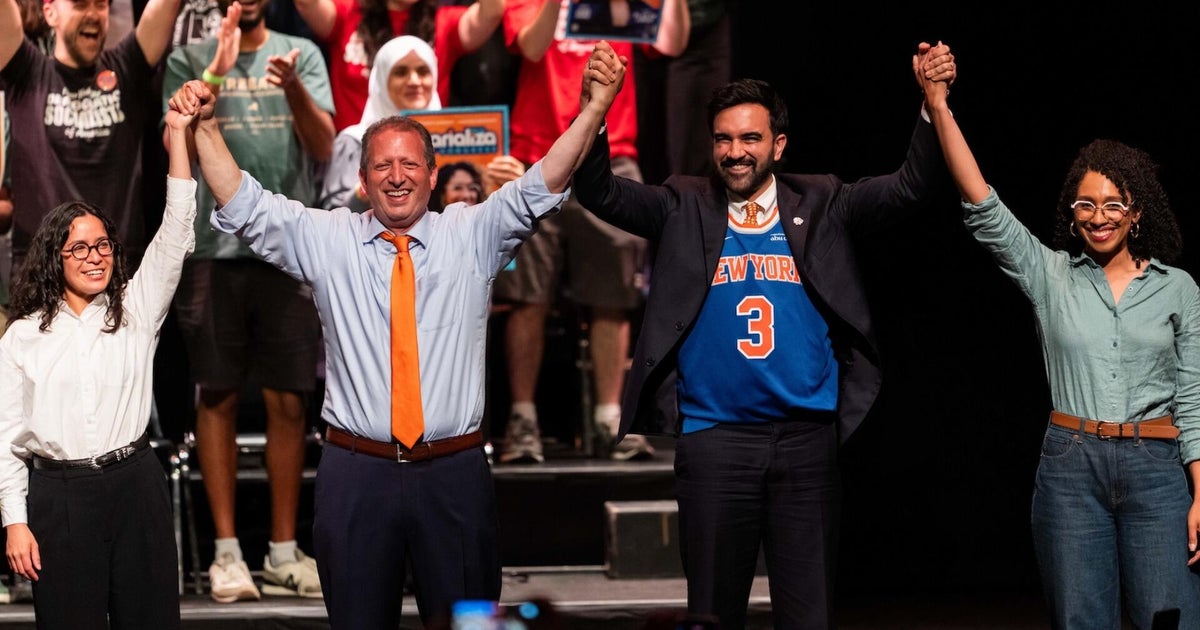
Three candidates in New York City who were supported by Mayor Zohran Mamdani won their primary elections recently. Experts say these wins could show a bigger change in U.S. politics as the 2026 midterm elections approach.
Key Facts
Three New York City candidates backed by Mayor Zohran Mamdani won primary elections last week.
The victories are seen as indicators of a political shift in the United States.
Political experts Chuck Rocha and Alex Vogel discussed this trend on CBS News.
The discussion connects local New York City politics to national changes.
The 2026 midterm elections are the next major voting event in the U.S. political calendar.
Primaries determine which candidates will run in the general elections later.
Shifts in city politics can reflect or influence wider political trends in the country.
Read the Original
Want the full story? Tap a source to open the original
article.
The US Supreme Court ruled to uphold state laws that allow mail-in ballots arriving after election day to be counted if they were sent by election day. This decision affects more than a dozen states, including Mississippi, and rejects a challenge by the Republican National Committee and President Trump’s administration.
Key Facts
The Supreme Court sided against the Republican National Committee (RNC) and President Trump’s administration.
The case involved a Mississippi law allowing mail-in ballots to be counted up to five business days after election day if postmarked by that day.
Fourteen states, Washington DC, and three territories have similar laws allowing late-arriving ballots.
Some states changed these laws during the Covid-19 pandemic to make voting easier.
The RNC argued that counting late ballots violated federal election day rules, but the Supreme Court disagreed.
Mail-in voting has security checks, including signature verification.
President Trump has criticized mail-in voting but has voted by mail himself.
Voting rights groups and military/overseas voters supported Mississippi’s law, saying a grace period helps people with special difficulties.
Read the Original
Want the full story? Tap a source to open the original
article.
The Lincoln Memorial Reflecting Pool has experienced algae growth and paint peeling after recent renovations. Managers of other reflecting pools in the U.S. say keeping these pools clear requires daily, ongoing maintenance rather than just good design or construction.
Key Facts
The Lincoln Memorial Reflecting Pool turned green with algae soon after President Donald Trump’s renovation work was finished.
The pool’s new blue coating began to peel just days after being refilled.
Other reflecting pools, like those in Oklahoma City, Dallas, and Fort Worth, require constant work to keep the water clear.
Dallas City Hall’s pool has a technician who works six hours every day, checking water chemicals and brushing the pool to prevent algae growth.
Dallas uses a filtration system running 24/7 and adjusts chlorine and acid levels automatically and manually.
Environmental factors like heat, rain, and wildlife make pool maintenance more difficult.
The Fort Worth Water Gardens’ smaller pool uses a chlorine generator and regular vacuuming, brushing, and filter cleaning to control algae.
These examples show that ongoing care is essential for keeping large reflecting pools clean and clear.
Read the Original
Want the full story? Tap a source to open the original
article.
The Supreme Court made a ruling that benefits drug users and people who own guns. The decision raised questions about how the Constitution should be interpreted today compared to when it was written over 200 years ago.
Key Facts
The Supreme Court issued a decision involving drug users and gun ownership.
The ruling allows certain drug users to keep guns.
The case relates to how the Constitution is interpreted in modern times.
The Constitution was written more than two centuries ago.
Some people wanted the Constitution to be applied differently today.
The ruling affects laws about guns and drug use.
Read the Original
Want the full story? Tap a source to open the original
article.
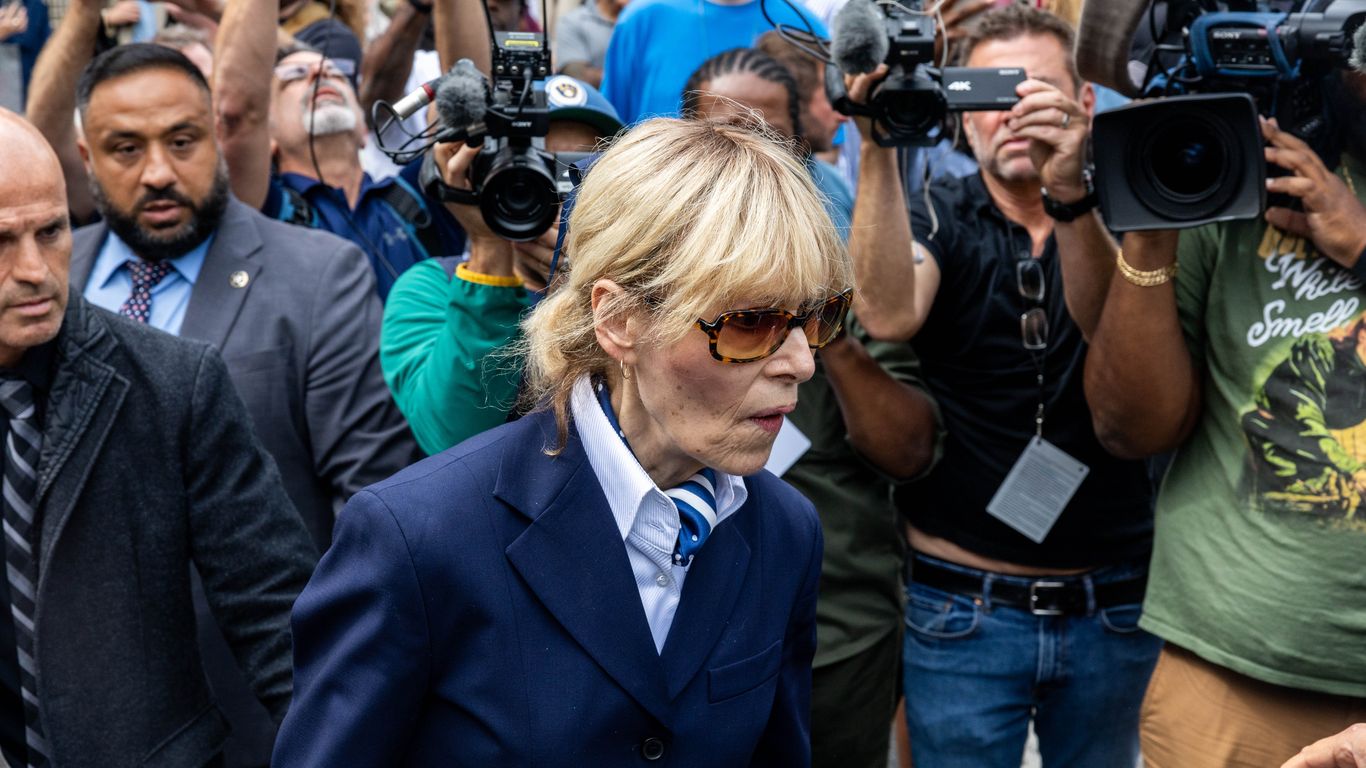
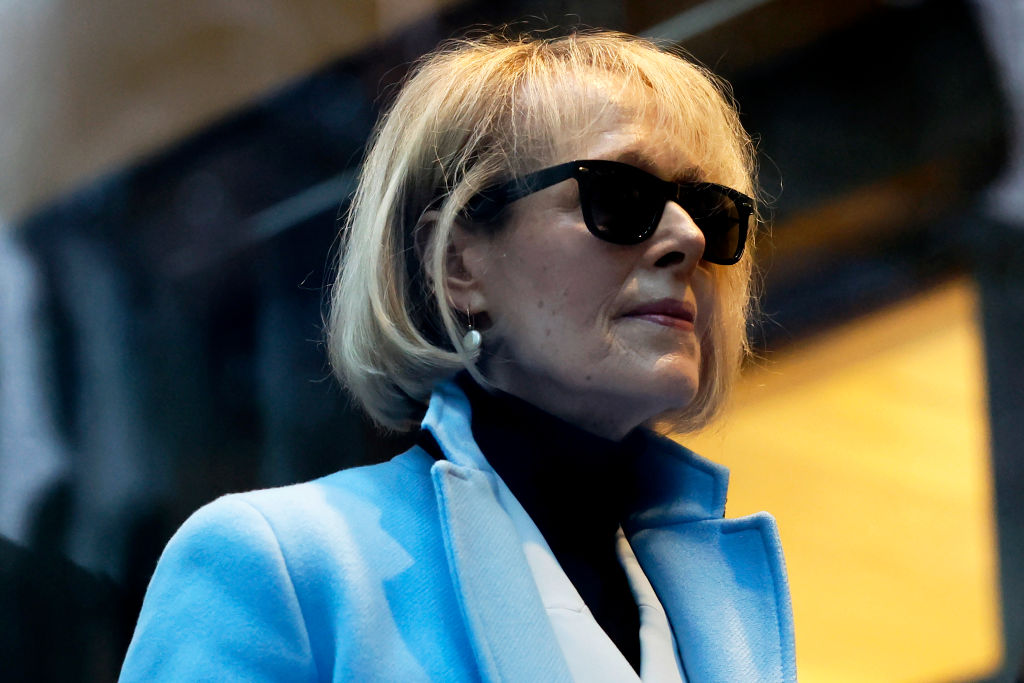
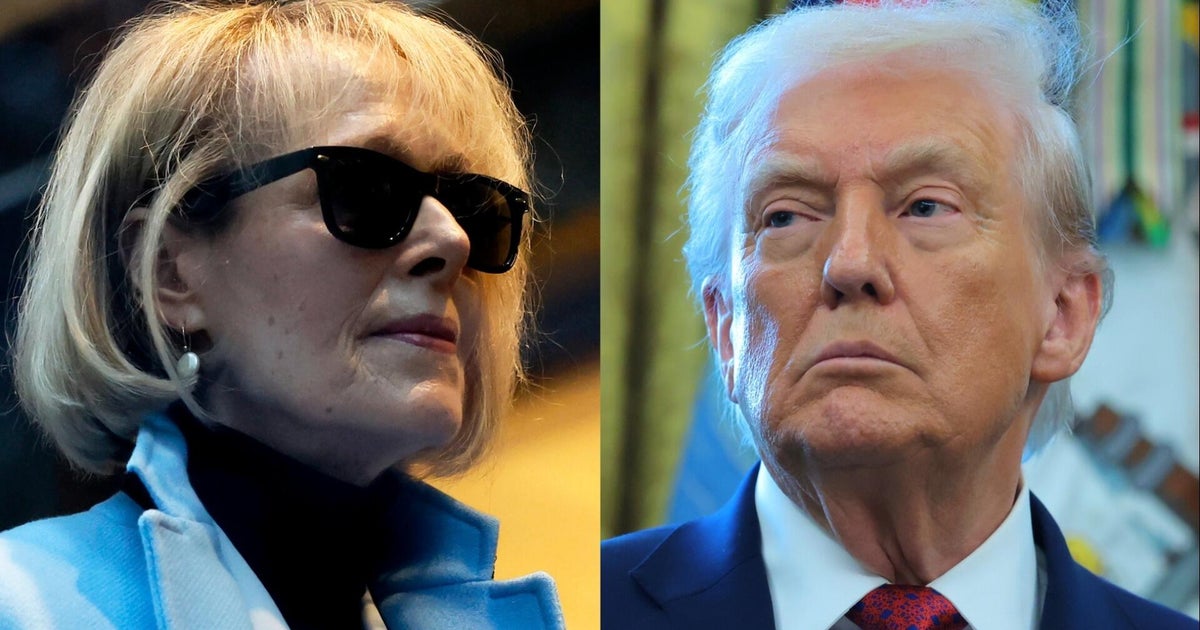
The Supreme Court refused President Donald Trump’s request to cancel a $5 million civil judgment against him for sexually abusing and defaming writer E. Jean Carroll. President Trump has denied these allegations and claimed they were false and politically motivated.
Key Facts
The Supreme Court rejected President Trump’s attempt to overturn a $5 million verdict.
The verdict found that President Trump sexually abused and defamed E. Jean Carroll.
President Trump denies these accusations.
He claims Carroll’s accusations are false and politically motivated.
This is one of several legal efforts President Trump has made to challenge the verdict.
The case is still developing as of the latest update.
Read the Original
Want the full story? Tap a source to open the original
article.
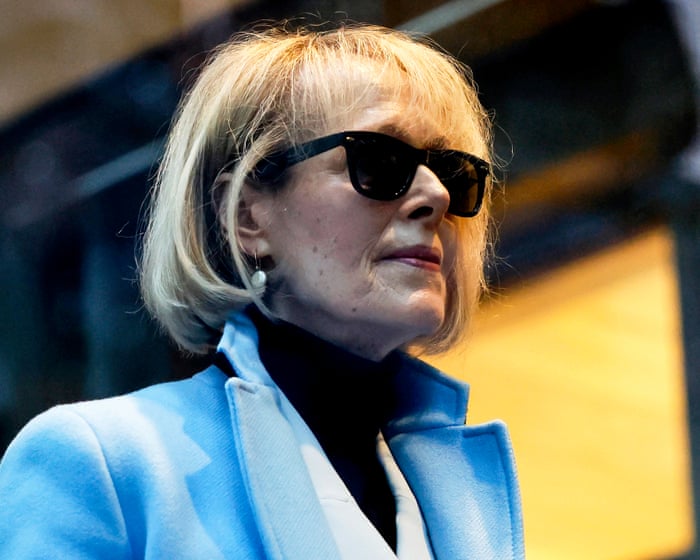
The US Supreme Court refused to review a $5 million judgment against President Donald Trump. A jury found him responsible for sexually abusing and defaming E Jean Carroll, a former magazine writer, after she accused him of assault in the 1990s.
Key Facts
The Supreme Court declined to hear Trump’s appeal on Monday.
A jury ruled in 2023 that Trump sexually abused and defamed E Jean Carroll.
Trump argued the trial was unfair because jurors heard about his past alleged sexual misconduct.
A lower court had already rejected Trump’s appeal and upheld the jury verdict.
E Jean Carroll accused Trump of raping her around 1996 in a New York department store dressing room.
Trump denied all accusations and said Carroll lied both in 2019 and 2022.
Carroll first made her allegations public by publishing part of her memoir in 2019.
The case involves claims of sexual abuse and defamation related to statements made by Trump.
Read the Original
Want the full story? Tap a source to open the original
article.
The Supreme Court refused to overturn a jury verdict that found President Donald Trump sexually abused writer E. Jean Carroll and then defamed her. The court gave no explanation for its decision and did not hear the case further.
Key Facts
The jury awarded E. Jean Carroll $5 million in damages.
The allegations involve an incident in the mid-1990s at a New York City department store.
Trump’s lawyers asked the Supreme Court to throw out the verdict.
They claimed the verdict was influenced by unfair evidence, including testimony from two other women accusing Trump of sexual abuse.
President Trump denies all three women's allegations.
The Supreme Court’s decision was a brief, unexplained order, which is common in such cases.
The verdict and legal process took place before Trump’s current term as president.
Trump’s attorneys argued the case distracted from his duties as president.
Read the Original
Want the full story? Tap a source to open the original
article.
The U.S. Supreme Court decided not to hear two cases challenging Texas’s law that bans paid voter assistance. This means the lower court’s decision supporting the restrictions will stay, which is seen as a loss by civil rights and voting rights groups.
Key Facts
The Supreme Court refused to review Texas’s ban on paid voter assistance.
The ban was previously upheld by an appeals court.
Civil rights groups say the law weakens protections under the Voting Rights Act.
The Voting Rights Act is a federal law designed to prevent discrimination in voting.
The decision keeps the Texas restrictions in place for now.
Paid voter assistance means helping voters for money, such as guiding or filling out ballots.
The ruling affects efforts by rights groups to protect voting access in Texas.
Read the Original
Want the full story? Tap a source to open the original
article.
The U.S. Supreme Court will decide if Arizona can enforce stricter voting rules, including requiring proof of citizenship for voters registering with a state form. The case involves disputes over two Arizona laws passed in 2022 that aim to confirm voters’ citizenship and remove noncitizens from voter rolls, amid challenges from Democrats and nonprofit groups.
Key Facts
Arizona passed two laws in 2022 requiring proof of citizenship for voters registering with a state form and allowing removal of noncitizens from voter lists.
Voters can still register with a federal form, which does not ask for citizenship proof. Those voters can only vote in federal elections but not for president or by mail in Arizona.
Over 19,000 Arizonans were registered as “federal-only” voters without providing citizenship proof as of July 2023.
The Democratic National Committee, Arizona Democrats, and nonprofits filed lawsuits against these laws, arguing they violate federal law (National Voter Registration Act) and a 2018 consent decree.
Lower courts have stopped enforcement of these Arizona voting rules, including canceling registrations within 90 days of a federal election.
The Supreme Court allowed Arizona to enforce the proof-of-citizenship rule for the state voter registration form but blocked proof-of-citizenship rules for presidential and mail voting.
The Court will hear full arguments during its next term beginning in October 2024.
Similar legal questions about voter roll cleanup have appeared in other states, like Virginia, where the Supreme Court allowed removal of alleged noncitizens close to the 2024 election.
Read the Original
Want the full story? Tap a source to open the original
article.
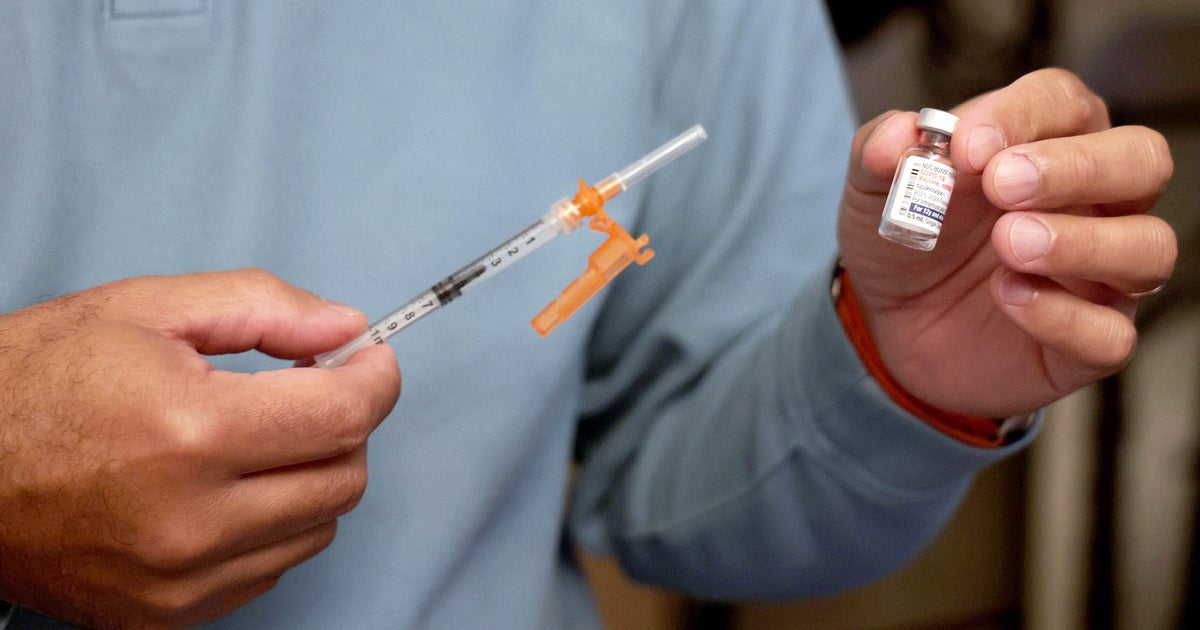
The Supreme Court refused to hear a case about New York's COVID-19 vaccine rule that required healthcare workers to get vaccinated during the pandemic. The lawsuit was filed by healthcare workers who claimed their religious rights were violated when their requests for vaccine exemptions were denied, but lower courts ruled against them.
Key Facts
In 2021, New York required all licensed healthcare workers to be fully vaccinated against COVID-19.
The vaccine mandate allowed some religious accommodations but did not permit full exemptions for religious reasons.
Some healthcare workers requested religious exemptions and were fired when their requests were denied.
The workers sued, saying the vaccine rule violated Title VII of the Civil Rights Act, which protects religious rights at work.
Lower courts rejected the workers’ claims, supporting the vaccine mandate.
The workers asked the Supreme Court to review the case, arguing federal religious rights law should override state vaccine rules.
The Supreme Court declined to hear the case, leaving lower court rulings in place.
New York officials said the vaccine rule allowed some accommodations, like moving unvaccinated workers to safer roles.
Read the Original
Want the full story? Tap a source to open the original
article.
The US Coast Guard Eagle, a large ship about the size of a football field, will lead the Parade of Sail in New York Harbor. This event is part of the countdown to America’s 250th anniversary celebrations, scheduled for June 29, 2026.
Key Facts
The US Coast Guard Eagle is roughly as long as a football field and 15 stories tall.
The Eagle will lead the tall ship parade in New York Harbor.
The parade is part of the preparations for America’s 250th anniversary, also called America 250.
The celebration date mentioned is June 29, 2026.
The Parade of Sail features tall ships, which are large sailing vessels.
The event is a significant part of national celebrations in the United States.
The news was shared by ABC News and covered by “Good Morning America” (GMA).
The Parade of Sail is a maritime event showcasing historic and modern sailing ships.
Read the Original
Want the full story? Tap a source to open the original
article.
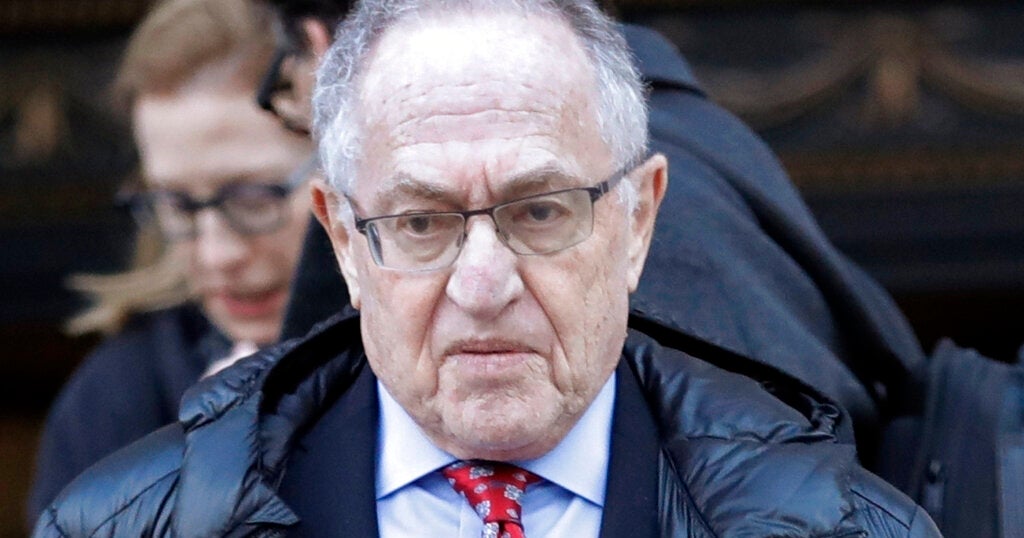
Justice Clarence Thomas asked the Supreme Court to reconsider a 1964 decision that makes it hard for public figures to win defamation cases. This happened after the Court chose not to review a defamation appeal from Harvard law professor Alan Dershowitz.
Key Facts
Justice Clarence Thomas wants the Supreme Court to rethink a key 1964 defamation ruling.
The 1964 decision protects public figures from many defamation lawsuits.
Alan Dershowitz, a Harvard law professor, filed a defamation lawsuit.
Dershowitz asked the Supreme Court to review his case.
The Supreme Court declined to hear Dershowitz’s appeal on Monday.
Justice Neil Gorsuch also supported the idea of revisiting the defamation rule.
Defamation means making false statements that harm someone’s reputation.
The current ruling sets a high bar for public figures to prove defamation.
Read the Original
Want the full story? Tap a source to open the original
article.
The Supreme Court has agreed to review a dispute over two Arizona laws that require voters to prove their U.S. citizenship. These laws were challenged after a lower court said they were blocked by federal law.
Key Facts
Arizona passed two voting laws that require proof of U.S. citizenship to register to vote.
The Republican National Committee (RNC) asked the Supreme Court to review the case.
An appeals court previously ruled that federal law overrides Arizona’s laws, blocking them.
The Supreme Court’s agreement means they will decide if Arizona can enforce these proof-of-citizenship rules.
The decision could affect voting rules in Arizona and possibly other states.
The case deals with the balance between state and federal laws on elections.
The Supreme Court’s review shows ongoing debates about voter eligibility and election laws in the U.S.
Read the Original
Want the full story? Tap a source to open the original
article.
The U.S. Supreme Court decided not to stop a $5 million civil judgment against President Donald Trump in a case where he was found liable for sexually abusing and defaming E. Jean Carroll. This means the first federal verdict against President Trump stands, and a larger defamation award is likely to face the Supreme Court soon.
Key Facts
The Supreme Court refused to overturn a jury’s decision against President Trump in the E. Jean Carroll case.
A federal jury found President Trump liable for sexual abuse and defamation, awarding Carroll $5 million.
The case involved testimony from two other women accusing President Trump of sexual assault and use of the Access Hollywood tape as evidence.
The Second Circuit Court of Appeals had upheld the verdict, rejecting arguments that the trial was unfair.
E. Jean Carroll is a journalist and author who accused President Trump of assault in the 1990s.
A second jury awarded Carroll $83.3 million in a defamation case based on President Trump’s comments during his presidency; this verdict is under appeal.
President Trump has denied the allegations and described Carroll’s claims as false.
Carroll continues her work as a writer and plans to donate the money awarded to her.
Read the Original
Want the full story? Tap a source to open the original
article.
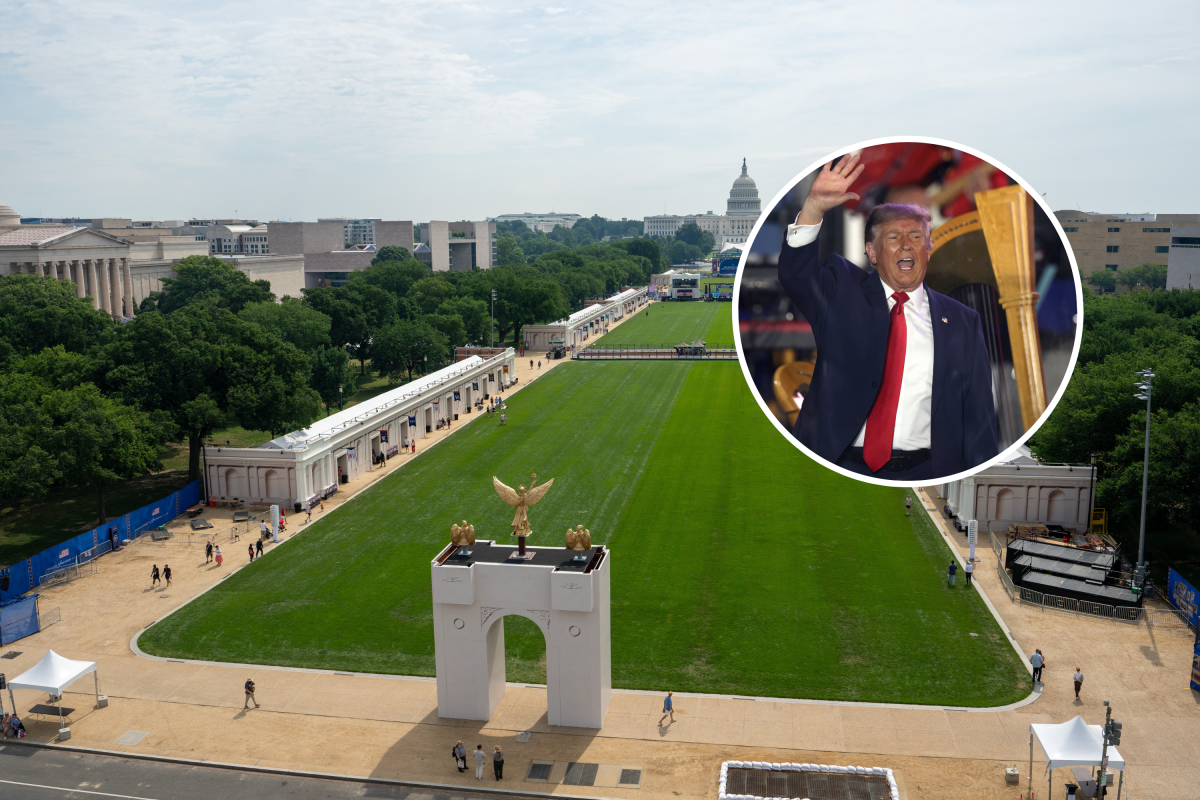
The Great American State Fair, held on the National Mall as part of the 250th anniversary of the Declaration of Independence, has shown low attendance based on social media images. Despite this, President Donald Trump praised the event online, and some supporters defended the attendance numbers.
Key Facts
The Great American State Fair opened on June 25 and lasts 16 days, celebrating the United States’ 250th anniversary.
The event takes place on the National Mall, featuring exhibits from all 50 states, U.S. territories, and the District of Columbia.
Attractions include a 110-foot Ferris wheel, a refurbished Smithsonian National Carousel, and themed activities like concerts and live entertainment.
Social media images showed sparse crowds and empty areas at the fair during its first weekend.
President Donald Trump praised the event on Truth Social, calling it “packed with happy people.”
Six of nine performers initially scheduled withdrew, including Martina McBride and the Commodores.
Some public figures and supporters disputed claims of low attendance, while critics shared images suggesting the opposite.
Admission to the event is free, with organizers recommending advance registration.
Read the Original
Want the full story? Tap a source to open the original
article.
The Supreme Court has refused to cancel a jury's $5 million verdict against President Donald Trump in a sexual abuse and defamation case filed by writer E. Jean Carroll. The court gave no detailed explanation and did not accept Trump’s arguments that the case was unfair due to certain evidence and testimonies.
Key Facts
The Supreme Court declined to review President Trump’s request to overturn a $5 million jury verdict against him.
The case involves E. Jean Carroll’s claim that Trump sexually abused her in a New York store in the mid-1990s and later defamed her by denying the claim.
Trump’s lawyers said the trial included unfair evidence, such as testimony from two other women accusing Trump of sexual abuse decades ago.
Carroll’s lawyers argued the evidence was relevant and the judge’s decisions were correct.
The jury also awarded Carroll an additional $83.3 million in a separate defamation trial, which Trump is appealing.
The Supreme Court is expected to decide other major cases involving Trump, including issues related to birthright citizenship and appointments.
Recent Supreme Court rulings have supported the Trump administration’s immigration policies and struck down a Hawaii gun law.
These rulings have sparked debate about the court’s role and its political leanings.
Read the Original
Want the full story? Tap a source to open the original
article.
The U.S. Supreme Court decided not to hear Alan Dershowitz's defamation case against CNN. Dershowitz claimed CNN misrepresented his remarks made during President Trump’s 2020 impeachment trial, but lower courts ruled in favor of CNN citing legal protections for the media when reporting on public figures.
Key Facts
Alan Dershowitz sued CNN for $300 million, saying they defamed him during coverage of President Trump’s first impeachment trial.
Dershowitz was part of President Trump’s legal defense team and commented on the constitutional rules for impeachment.
CNN criticized Dershowitz’s statements but also aired his full remarks after he defended them on their network.
A federal court in Florida ruled CNN did not act with "actual malice," a legal standard requiring proof the media knowingly published false information or recklessly ignored the truth.
The 11th Circuit Court of Appeals upheld this decision, agreeing CNN's comments were fair and not malicious.
Dershowitz appealed to the Supreme Court, arguing that the 1964 New York Times v. Sullivan ruling makes it almost impossible for public figures to win defamation cases.
The Supreme Court declined to review the case, leaving the lower court rulings in place.
Justices Clarence Thomas and Neil Gorsuch disagreed with the decision and dissented, but the majority kept the existing legal standard.
Read the Original
Want the full story? Tap a source to open the original
article.
The U.S. Supreme Court refused to review a jury decision that found President Trump liable for sexually abusing and defaming writer E. Jean Carroll. The jury awarded Carroll $5 million for the abuse case and had earlier awarded her $83 million for defamation.
Key Facts
The jury found by a majority that President Trump sexually abused E. Jean Carroll during the mid-1990s.
President Trump did not attend the 2023 civil trial and did not present witnesses.
The jury also ruled that President Trump defamed Carroll and awarded her a separate $83 million.
President Trump has denied Carroll’s allegations since 2019 when she first published them.
President Trump appealed both the sexual abuse and defamation cases but was denied review by the Supreme Court.
The trial judge described Trump’s conduct as an "implicit digital rape," though the jury rejected Carroll’s rape claim.
Evidence included testimony from other women accusing Trump of similar conduct and a video of Trump bragging about sexual misconduct.
The Second Circuit appeals court upheld the jury’s decisions before the Supreme Court declined to hear the case.
Read the Original
Want the full story? Tap a source to open the original
article.
The U.S. Supreme Court decided not to review a case involving President Donald Trump. This means the court will not change the earlier ruling that found Trump responsible for sexually abusing writer E. Jean Carroll and for defaming her. Trump must pay the $5 million damages awarded in the case.
Key Facts
The Supreme Court declined President Trump’s request to overturn a jury verdict.
The verdict found Trump liable for sexually abusing E. Jean Carroll in the mid-1990s.
The court also found Trump liable for defaming Carroll.
The ruling includes a $5 million award to Carroll.
This decision keeps the $5 million penalty in place.
The case relates to Trump’s personal legal troubles amid his 2024 presidential campaign.
The Supreme Court’s refusal means no further appeals on this verdict at the highest court level.
Read the Original
Want the full story? Tap a source to open the original
article.