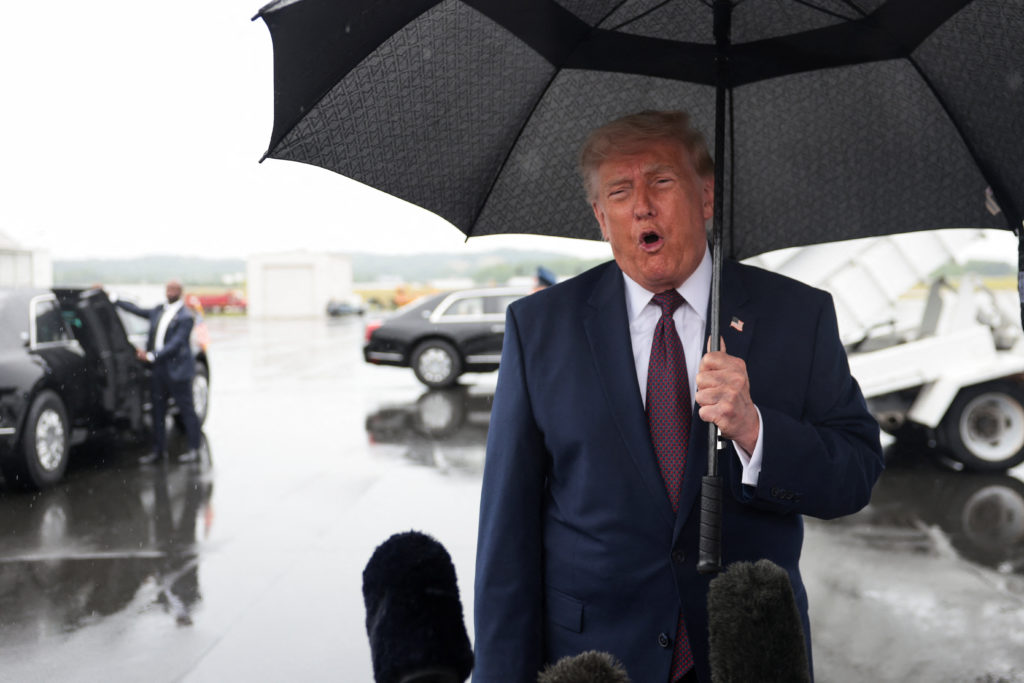
The Actual News

Neutral summaries of your favorite news sources — just the facts.

US News

Latest developments and key stories from across the United States

Congress passes war powers measure for first time, rebuking Trump's war with Iran

Congress passes war powers measure for first time, rebuking Trump's war with Iran

Summary

The US Senate voted 50-48 to require President Donald Trump to stop the war in Iran or get Congress's approval before continuing military actions. The House of Representatives passed the same measure in June, but the resolution is mostly symbolic and will not be sent to the President or become law.

Key Facts

  • The Senate approved a war powers measure with a 50-48 vote.
  • The measure instructs President Trump to end the war in Iran or seek congressional approval to continue.
  • Several Republicans joined Democrats in supporting the measure.
  • The House of Representatives passed the same resolution earlier in June.
  • The measure is symbolic and does not have legal force.
  • Congress will not send the resolution to President Trump for approval.
  • The war in Iran started in February 2024.
  • This is the first time Congress has passed such a war powers measure related to this conflict.
Read the Original

Want the full story? Tap a source to open the original article.

Ransom note in Nancy Guthrie case, believed to be from alleged abductor, says she died

Ransom note in Nancy Guthrie case, believed to be from alleged abductor, says she died

Summary

A second ransom note sent to the family of Nancy Guthrie, who disappeared in February, said that she had died. The note is believed to have come from the person accused of taking her.

Key Facts

  • Nancy Guthrie disappeared in February.
  • Two ransom notes were sent to her family.
  • The second ransom note said Nancy Guthrie was dead.
  • The note is thought to be from the alleged abductor.
  • The case is under investigation by authorities.
  • CBS News reported on the ransom notes and the disappearance.
  • Jonathan Vigliotti provided the report for CBS News.
Read the Original

Want the full story? Tap a source to open the original article.

Marjorie Taylor Greene joins Tucker Carlson in ditching the GOP

Marjorie Taylor Greene joins Tucker Carlson in ditching the GOP

Summary

Marjorie Taylor Greene announced she is leaving the Republican Party, following conservative commentator Tucker Carlson. Both criticize the party's direction, especially President Trump's foreign policy, but say they will not join the Democratic Party.

Key Facts

  • Marjorie Taylor Greene said she is quitting the Republican Party.
  • Tucker Carlson also announced he is leaving the GOP after 35 years of support.
  • Both believe President Trump's foreign policy is no longer in America’s best interest.
  • Greene and Carlson do not plan to become Democrats.
  • Greene resigned from Congress in November 2023.
  • Greene said many conservatives feel betrayed by the Republican Party.
  • Carlson spoke about his decision during a popular podcast.
  • Greene described the party as putting "America last," which she opposes.
Read the Original

Want the full story? Tap a source to open the original article.
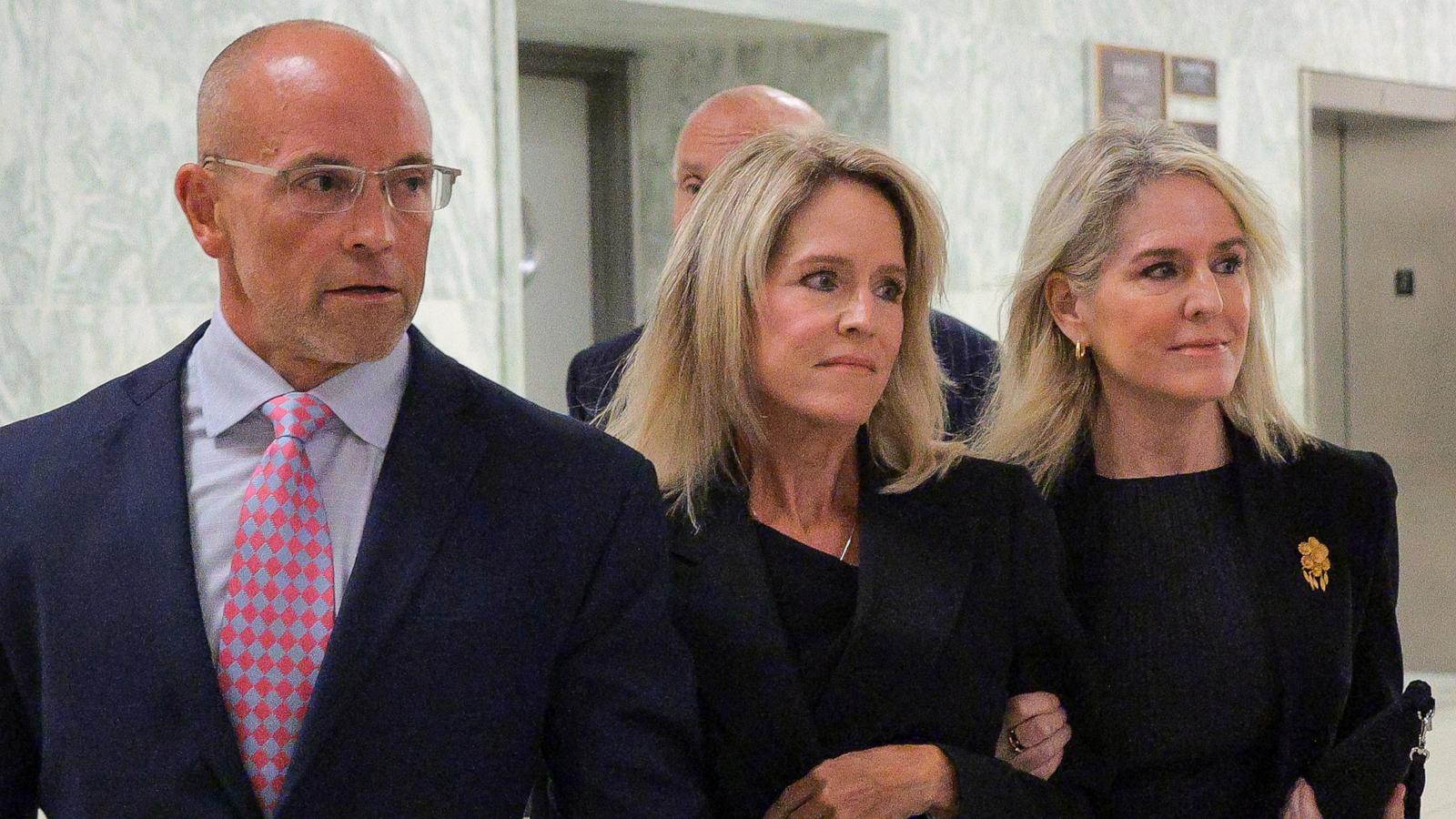
Former Epstein secretary Lesley Groff denies any awareness of boss' sex crimes

Former Epstein secretary Lesley Groff denies any awareness of boss' sex crimes

Summary

Lesley Groff, who worked as Jeffrey Epstein's executive secretary for over 18 years, testified before a House committee investigating Epstein’s crimes. She said she did not know about any illegal activities and claimed she never booked appointments with underage individuals for Epstein's massages.

Key Facts

  • Lesley Groff served as Epstein’s executive secretary in New York starting in 2001.
  • She testified for eight hours in a closed-door House Oversight Committee interview in June 2026.
  • Groff said she routinely scheduled massages for Epstein but did not know the ages of the women involved.
  • She denied knowingly helping Epstein or conspiring with him in his crimes.
  • Groff claimed that Epstein and Ghislaine Maxwell told her not to associate with their friends or business matters.
  • Federal prosecutors in 2021 told her she would not be charged in relation to Epstein’s case.
  • Committee members questioned how Groff could be unaware of Epstein’s sexual abuse given her long employment.
  • The interview was voluntary, not under oath, and not recorded.
Read the Original

Want the full story? Tap a source to open the original article.

Police tout using drone to disarm incapacitated person in “nationwide first”

Police tout using drone to disarm incapacitated person in “nationwide first”

Summary

The Sacramento County Sheriff’s Office used a small drone with a magnet to remove a knife from an unresponsive suspect during a police operation. This method, described as a “nationwide first,” aimed to avoid putting officers at risk while disarming the suspect.

Key Facts

  • The incident took place in Sacramento County, California, in June 2026.
  • A suspect armed with a knife and firearm was unresponsive to police negotiators.
  • Police used a drone equipped with a dangling magnet to pull the knife from the suspect’s hand.
  • The suspect appeared motionless and may have overdosed, according to police.
  • The drone pilot’s skill was praised for safely disarming the suspect without direct contact.
  • The Sacramento County Sheriff’s Office regularly uses drones for surveillance and tactical support.
  • Over 1,800 U.S. police departments have used drones for law enforcement tasks.
  • Using drones to disarm fully conscious suspects is still uncommon due to the suspect’s potential reactions.
Read the Original

Want the full story? Tap a source to open the original article.
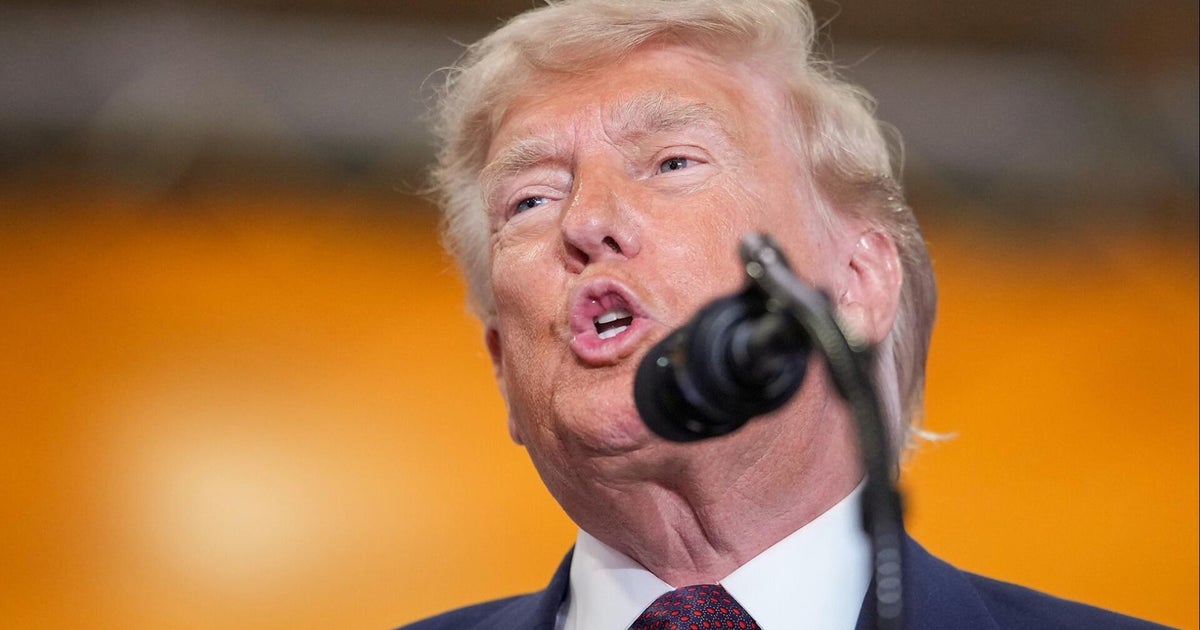
Trump touts Iran deal in Pennsylvania as Senate adopts war powers resolution in symbolic rebuke

Trump touts Iran deal in Pennsylvania as Senate adopts war powers resolution in symbolic rebuke

Summary

President Donald Trump visited a Mack Trucks factory in Pennsylvania to promote his economic plans and the Iran agreement. At the same time, the U.S. Senate approved a war powers resolution related to Iran, which was seen as a symbolic challenge to the president.

Key Facts

  • President Trump visited a factory in Pennsylvania on Tuesday.
  • He spoke about his economic agenda during the visit.
  • He also highlighted the Iran agreement.
  • The U.S. Senate passed a war powers resolution concerning Iran.
  • This resolution was previously approved by the House of Representatives.
  • The Senate's action was viewed as a symbolic rebuke to President Trump.
  • The event and the Senate vote happened on the same day.
  • The resolution relates to limiting the president’s war-making powers with Iran.
Read the Original

Want the full story? Tap a source to open the original article.

Gates told panel Epstein was plotting to blackmail him about extramarital affairs

Gates told panel Epstein was plotting to blackmail him about extramarital affairs

Summary

Bill Gates told a House committee that after he tried to end his relationship with Jeffrey Epstein, Epstein tried to use information about Gates' affairs to get back into his life but never directly threatened him. Gates said Epstein coached someone else on how to blackmail him but no blackmail attempts were directly made to Gates.

Key Facts

  • Bill Gates appeared before the House Oversight Committee on June 10, 2026, about the government's investigation of Jeffrey Epstein.
  • Epstein tried to use details of Gates' extramarital affairs to manipulate him after Gates tried to cut ties.
  • Gates said Epstein sent "veiled" threats and coached others on possible blackmail tactics but never directly threatened Gates.
  • Gates admitted to having at least three extramarital affairs but said Epstein was not involved with any of those women.
  • Gates began meeting Epstein in 2011, hoping Epstein’s connections could help the Gates Foundation’s global health work.
  • Gates knew about Epstein’s prior sexual crime conviction but did not look into it deeply until 2018.
  • Gates said he never saw Epstein commit crimes or suspected the women traveling with him were victims of trafficking.
  • The Department of Justice found no credible proof of Epstein blackmailing prominent people.
Read the Original

Want the full story? Tap a source to open the original article.

FAQ: What to know about Treasury Department's temporary license for Iranian oil sales

FAQ: What to know about Treasury Department's temporary license for Iranian oil sales

Summary

The U.S. Treasury Department issued a temporary 60-day license allowing Iran to sell its oil openly on the global market, a change from previous sanctions. This license also lets Iran receive payment in U.S. dollars, which could make oil sales easier and increase Iran’s revenue.

Key Facts

  • The license was issued by the Treasury Department following a memorandum signed by President Donald Trump.
  • It permits Iran to sell oil openly for the first time since 2018, when Trump ended the Iran nuclear deal and reimposed strict sanctions.
  • Iran can now be paid for oil sales in U.S. dollars, which it has not done since 2007 due to sanctions.
  • Using U.S. dollars is significant because the dollar is central to global banking and payments.
  • The license may help Iran sell more oil and get better prices because buyers face less risk.
  • The license allows Iranian oil to be imported into the U.S. only for certain purposes like processing or re-export, not for direct sale in U.S. gas stations.
  • American refiners are cautious and waiting for official guidance before dealing with Iranian oil.
  • Iran had been exporting oil secretly using a shadow fleet before this license was granted.
Read the Original

Want the full story? Tap a source to open the original article.
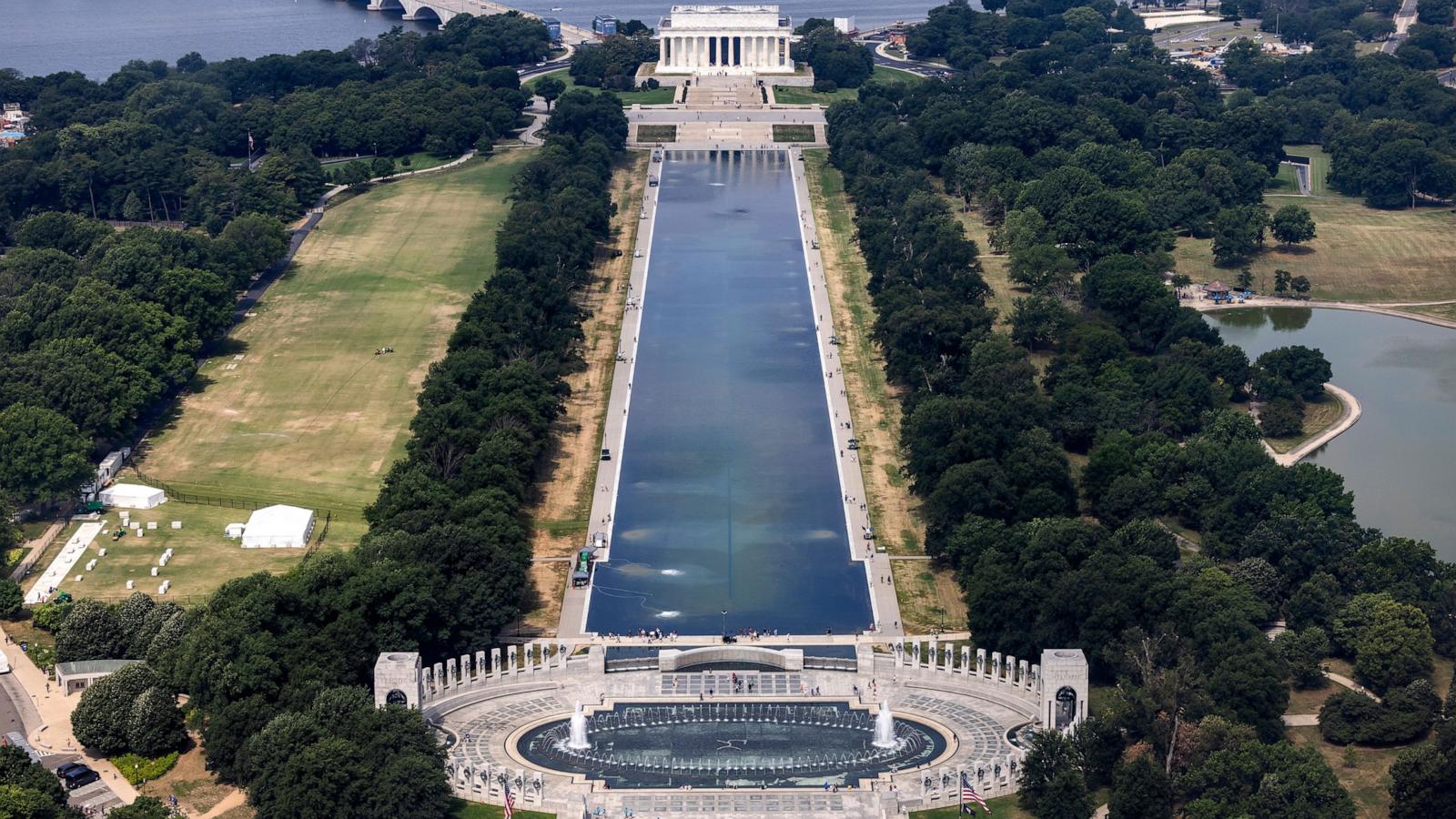
'Permanent repair' to Reflecting Pool to come around July 4, Trump says

'Permanent repair' to Reflecting Pool to come around July 4, Trump says

Summary

President Donald Trump said the Lincoln Memorial Reflecting Pool will be drained around July 4 for permanent repairs after recent problems with algae and paint damage. He also said six people have been arrested for allegedly damaging the pool, although evidence has not been publicly provided.

Key Facts

  • The Reflecting Pool was recently renovated with a cost of over $16 million.
  • There have been issues with algae growth and peeling paint since the renovation.
  • President Trump directed the pool be painted blue for the 250th anniversary of U.S. independence.
  • Trump announced plans to drain the pool around July 4 to complete permanent repairs.
  • Six people have been arrested and others cited for alleged vandalism at the site.
  • Trump described damage including a 350-foot long cut made by sharp objects.
  • The Interior Department and U.S. Park Police have not publicly shared evidence of the vandalism.
  • The Reflecting Pool was originally built in the 1920s and underwent a $35 million renovation under President Obama.
Read the Original

Want the full story? Tap a source to open the original article.

ACLU plans to monitor election certification with $50M midterms push

ACLU plans to monitor election certification with $50M midterms push

Summary

The American Civil Liberties Union (ACLU) is spending $50 million to watch over the certification of election results in the upcoming midterm races. They have sent thousands of workers to key states like Arizona, Georgia, North Carolina, and Pennsylvania to protect voters' rights to vote and have their votes counted.

Key Facts

  • The ACLU is investing $50 million in the 2024 midterm elections.
  • The focus is on monitoring the certification of election results.
  • Their goal is to protect voters’ ability to vote and have their votes counted.
  • The ACLU is a nonpartisan, nonprofit organization.
  • They have deployed thousands of staff members to battleground states.
  • Key states include Arizona, Georgia, North Carolina, and Pennsylvania.
  • This effort is part of a broader push to ensure election integrity in midterms.
Read the Original

Want the full story? Tap a source to open the original article.

Alaska Senate candidate with same name as Sullivan sues to stay on primary ballot

Alaska Senate candidate with same name as Sullivan sues to stay on primary ballot

Summary

A man named Daniel J. Sullivan Jr., who shares the same name as Alaska Senator Dan Sullivan, has filed a lawsuit to stay on the primary election ballot. He was removed from the ballot because of the name similarity, but he argues this removal is not legal.

Key Facts

  • Daniel J. Sullivan Jr. has the same first and last name as Senator Dan Sullivan of Alaska.
  • Daniel J. Sullivan Jr. is not related to the incumbent senator.
  • The state of Alaska removed Daniel J. Sullivan Jr. from the primary election ballot.
  • He filed a lawsuit in Alaska Superior Court to challenge the removal.
  • His argument is that the state cannot legally remove him from the ballot due to the name similarity.
  • The issue relates to the rules around candidate names on election ballots.
Read the Original

Want the full story? Tap a source to open the original article.

Senate and House pass war powers resolution for 1st time since Iran war started

Senate and House pass war powers resolution for 1st time since Iran war started

Summary

The U.S. Senate passed a resolution related to war powers concerning the conflict with Iran, following earlier approval by the House of Representatives. The vote was very close, and the resolution serves as a rare formal criticism of President Donald Trump’s actions regarding the Iran conflict.

Key Facts

  • The Senate approved the war powers resolution by a vote of 50-48.
  • The House had already passed the same resolution before it reached the Senate.
  • This is the first time a war powers resolution has been passed since the war with Iran began.
  • The resolution is largely symbolic and does not immediately change U.S. military action.
  • The vote represents an uncommon public disagreement with President Trump by Congress.
  • The article was published on June 23, 2026.
  • The resolution relates to the U.S. government's authority over military conflicts.
  • Military and political tensions with Iran remain an ongoing issue in U.S. foreign policy.
Read the Original

Want the full story? Tap a source to open the original article.
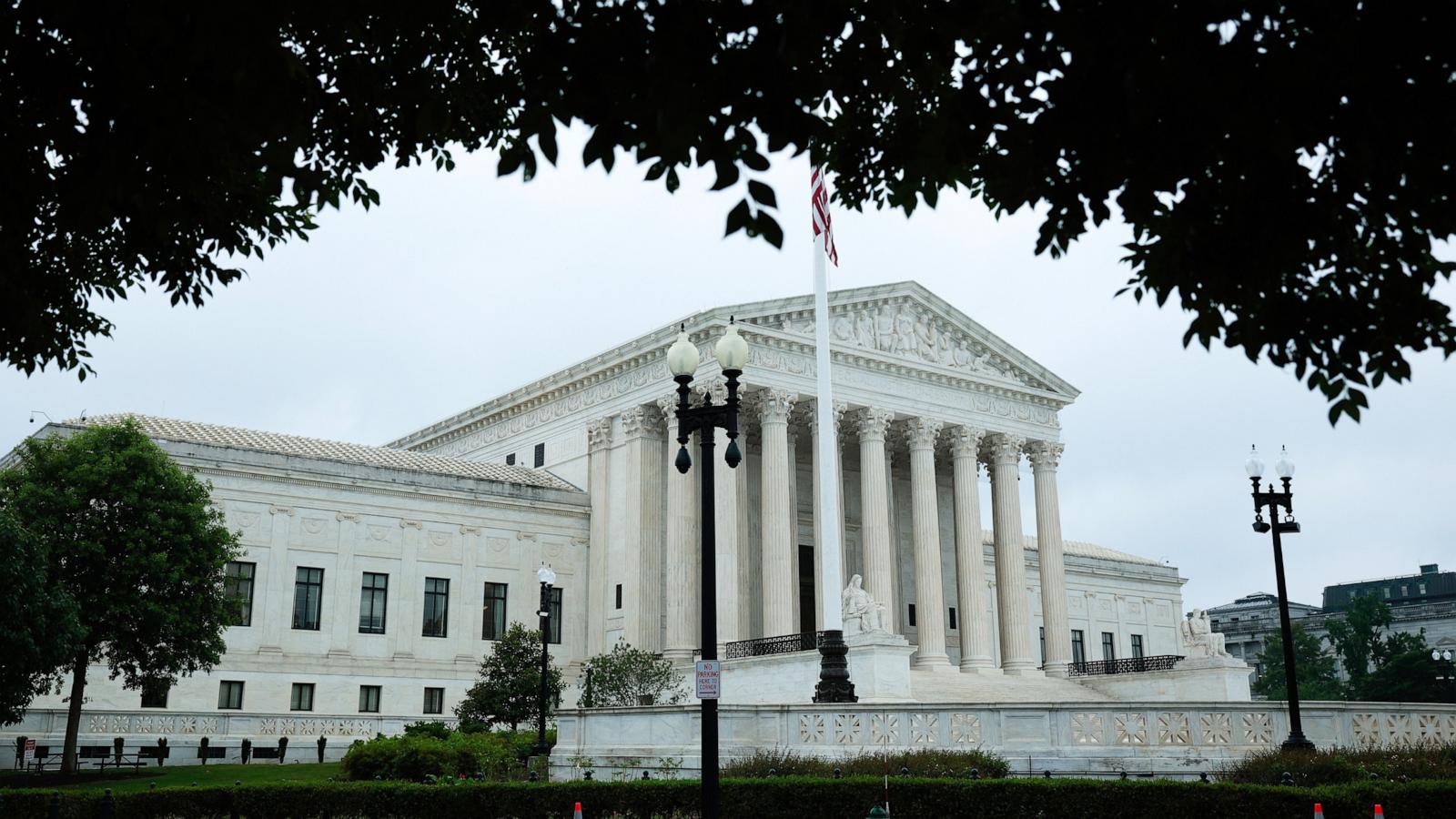
Supreme Court makes it easier for border agents to deport green card holders

Supreme Court makes it easier for border agents to deport green card holders

Summary

The U.S. Supreme Court ruled that border agents can more easily deport lawful permanent residents (green card holders) if they believe the person committed a crime involving "moral turpitude." The court decided that agents do not have to prove this with strong evidence before denying re-entry to the U.S.

Key Facts

  • The Supreme Court voted 6-3 to support easier deportation of green card holders suspected of certain crimes.
  • The ruling applies at U.S. ports of entry when green card holders return from trips abroad.
  • Border agents only need a reasonable belief, not clear proof, that the person committed a disqualifying crime.
  • The case involved Muk Choi Lau, a Chinese green card holder denied re-entry in 2012 due to pending state charges.
  • Lau later pleaded guilty to counterfeiting and was ordered deported.
  • Justice Clarence Thomas wrote the majority opinion.
  • Justices Ketanji Brown Jackson, Sonia Sotomayor, and Elena Kagan dissented, raising concerns about government power and proof standards.
  • The decision strengthens federal authority over green card holders’ residency status.
Read the Original

Want the full story? Tap a source to open the original article.
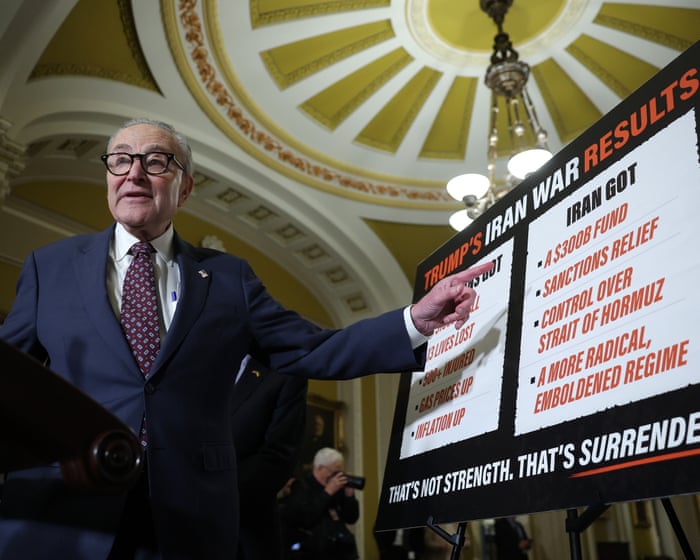
US Senate approves war powers resolution challenging Trump’s Iran war authority

US Senate approves war powers resolution challenging Trump’s Iran war authority

Summary

The US Senate passed a resolution that limits President Donald Trump’s ability to continue military action against Iran without Congress’s permission. The resolution, which does not require the president’s approval, highlights growing opposition in Congress and among the public to the conflict with Iran.

Key Facts

  • The Senate approved the war powers resolution by a 50-48 vote.
  • Four Republican senators joined Democrats in supporting the resolution.
  • The measure had already passed the House of Representatives earlier this month.
  • The resolution requires the president to get Congress’s approval before using military force against Iran.
  • President Trump sent JD Vance to Switzerland to negotiate ending the conflict with Iran.
  • The resolution is symbolic and does not have the force of law or require the president’s signature.
  • Public support for the war with Iran is low, with only 23% believing it makes the US stronger.
  • Since the conflict began, 13 American service members have died, and hundreds have been wounded.
Read the Original

Want the full story? Tap a source to open the original article.
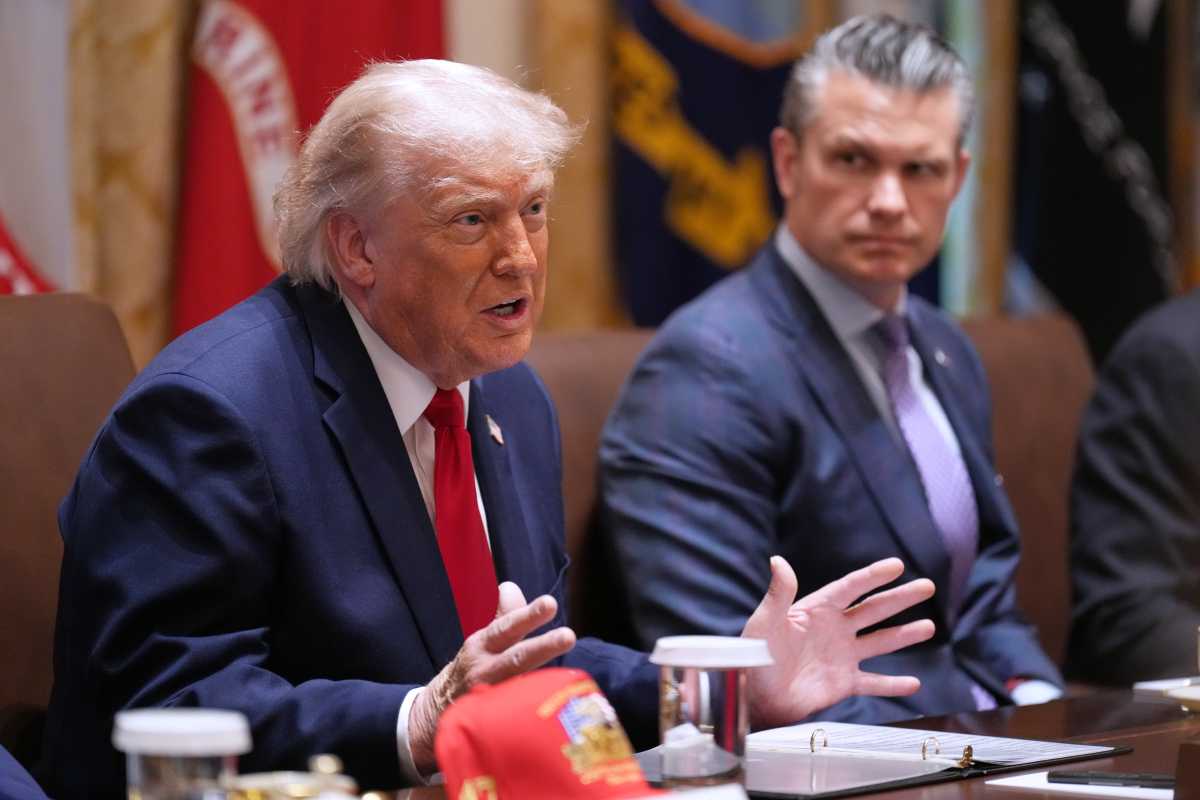
Full List of Republicans Who Voted With Democrats to Block Trump’s Iran War

Full List of Republicans Who Voted With Democrats to Block Trump’s Iran War

Summary

The Senate voted 50-48 to pass a resolution that aims to block further U.S. military action against Iran without Congress’s approval. Four Republican senators joined Democrats in supporting the measure, expressing concerns about war powers and the Iran conflict’s costs. The resolution is mostly a political statement and does not have the force of law.

Key Facts

  • The Senate passed the war powers resolution to limit President Donald Trump’s ability to continue military action against Iran without Congress’s permission.
  • Four Republican senators—Lisa Murkowski, Susan Collins, Rand Paul, and Bill Cassidy—voted with Democrats to approve the resolution.
  • Senator John Fetterman, a Democrat, voted against the resolution.
  • The resolution passed both the House and Senate but is not legally binding because it does not require the president’s signature.
  • The vote reflects disagreements within the Republican Party about military strategy and Iran policy under President Trump.
  • The Pentagon is requesting about $80 billion in funding related to the Iran conflict, which some lawmakers question given the war’s high costs.
  • A recent deal with Iran sets a 60-day period for negotiations on Iran’s nuclear program, causing debate among Republicans.
  • Senate Minority Leader Mitch McConnell and Senator Dave McCormick missed the vote, affecting the Republican vote count.
Read the Original

Want the full story? Tap a source to open the original article.

Watch live: Data Nerds track and analyze primary elections in Maryland, New York and Utah

Watch live: Data Nerds track and analyze primary elections in Maryland, New York and Utah

Summary

The Hill is providing 90 minutes of live coverage on the 2026 primary elections in Maryland, New York, and Utah. The coverage will include detailed analysis and real-time results, hosted by Cory Smith and other political reporters.

Key Facts

  • The event covers the 2026 primary elections in Maryland, New York, and Utah.
  • Live coverage runs from 8:30 p.m. to 10 p.m. Eastern Daylight Time.
  • Cory Smith from Sunrise on The Hill is the main anchor.
  • Political reporters from The Hill and Decision Desk will join the broadcast.
  • The coverage includes deep analysis and data tracking of primary results.
  • The event focuses on the U.S. election process at the state level.
  • It is scheduled for Tuesday, on primary night in these states.
Read the Original

Want the full story? Tap a source to open the original article.

Senate votes to direct Trump to withdraw troops from Iran conflict; four Republicans break ranks

Senate votes to direct Trump to withdraw troops from Iran conflict; four Republicans break ranks

Summary

The Senate approved a resolution asking President Trump to remove U.S. troops from fighting in Iran. Four Republican senators voted with Democrats to support the measure, which aims to limit the president’s power as commander-in-chief.

Key Facts

  • The Senate vote was 50 to 48 in favor of the resolution.
  • The House of Representatives previously passed the same resolution by a vote of 215 to 208.
  • The resolution calls for President Trump to end U.S. military involvement in hostilities against Iran.
  • Four Republican senators joined Democrats in supporting the resolution.
  • The vote challenges President Trump’s current authority over military actions.
  • The resolution reflects concerns in Congress about the U.S. role in the Iran conflict.
  • This is part of a broader effort to have more congressional control over military decisions.
Read the Original

Want the full story? Tap a source to open the original article.

US Senate votes to pass Iran war powers resolution, in blow to Trump

US Senate votes to pass Iran war powers resolution, in blow to Trump

Summary

The US Senate voted 50-48 to approve a resolution requiring President Donald Trump to get Congress’s permission before continuing military actions against Iran. The resolution had already passed the House, marking the first time such a war powers resolution passed both chambers, but President Trump is expected to veto it.

Key Facts

  • The Senate vote was 50 in favor and 48 against.
  • Four Republican senators joined almost all Democrats to support the resolution.
  • The resolution aims to pause military campaigns against Iran until Congress approves further action.
  • This is the first war powers resolution to pass both the House and Senate in Congress.
  • President Donald Trump is expected to veto the resolution, making its effect uncertain.
  • The military conflict with Iran began with US and Israeli attacks in February 2024.
  • President Trump says the military actions are to stop Iran from developing nuclear weapons.
  • Critics argue the February strikes were unprovoked and worsened instability in the Middle East.
Read the Original

Want the full story? Tap a source to open the original article.

Senate adopts House-passed Iran resolution in symbolic rebuke of Trump

Senate adopts House-passed Iran resolution in symbolic rebuke of Trump

Summary

The Senate approved a non-binding resolution directing President Donald Trump to end military actions against Iran unless Congress approves war. The vote was 50 to 48, with some Republicans joining Democrats in support, marking a rare challenge to the president’s approach to the Iran conflict.

Key Facts

  • The Senate passed a House-passed war powers resolution on Iran by a 50-48 vote.
  • Four Republican senators joined most Democrats to support the resolution.
  • The resolution asks the president to remove U.S. forces from hostilities against Iran unless Congress declares war or authorizes force.
  • The measure is symbolic and does not have the force of law or require the president’s signature.
  • Senate Democrats have repeatedly pushed for war powers votes related to Iran since the conflict started in February.
  • The resolution shows bipartisan concern about President Trump’s handling of the Iran conflict.
  • Earlier attempts to limit Trump’s war powers on Iran have narrowly failed or stalled.
  • The House passed the resolution with some Republican support after previous failed attempts.
Read the Original

Want the full story? Tap a source to open the original article.

WATCH: Trump says nuclear inspectors will be able to enter Iran at 'appropriate time'

WATCH: Trump says nuclear inspectors will be able to enter Iran at 'appropriate time'

Summary

President Donald Trump said Iran agreed to allow United Nations nuclear inspectors to visit its nuclear sites. He added there is no hurry for these inspections to start and warned he would stop talks with Iran if they did not agree.

Key Facts

  • President Trump confirmed Iran accepted inspections by the UN nuclear watchdog.
  • He said inspections will happen "at the appropriate time" and there is no rush.
  • Trump stated he would cancel meetings with Iran if they refused inspections.
  • The comments were made while Trump arrived in Pennsylvania.
  • The inspections relate to monitoring Iran’s nuclear activities.
  • Talks with Iran were ongoing during this time.
  • The U.S. has temporarily lifted some oil sanctions as part of the negotiation process.
Read the Original

Want the full story? Tap a source to open the original article.
Save articles & personalize your feed — Create a free account